Ferragosto, Italy's mid-August public holiday, does not have to mean beaches, barbecues and crowded resorts. For design and architecture lovers, August 15, 2026 can be a chance to visit a museum designed by a great architect, walk through an industrial city recognized by UNESCO, or take a close look at some of the places that …
Ferragosto, Italy’s mid-August public holiday, does not have to mean beaches, barbecues and crowded resorts. For design and architecture lovers, August 15, 2026 can be a chance to visit a museum designed by a great architect, walk through an industrial city recognized by UNESCO, or take a close look at some of the places that have shaped Italian design culture.
We have selected 15 destinations from the north to the south of Italy, alternating museums, foundations, contemporary architecture, adaptive-reuse projects and open-air routes. These are not just places to photograph, but concrete destinations where you can spend a few hours or plan an entire Ferragosto day.
Opening hours, days and access arrangements are those announced by each venue at the time of publication. Before setting off, it is still advisable to check for updates and buy tickets in advance, especially for guided tours.
Ferragosto in Italy: design and architecture in the north
1. Trace the history of Italian design at the ADI Design Museum in Milan
Address: Piazza Compasso d’Oro 1, Milan
Entrances: also from Via Ceresio 7 and Via Bramante 42
Listed hours: 10:30 a.m. to 8:00 p.m., last admission 7:15 p.m.
For anyone who sees Italian design not just as a matter of aesthetics but as a fundamental part of the country’s economic, industrial and cultural history, the ADI Design Museum is the place to start.
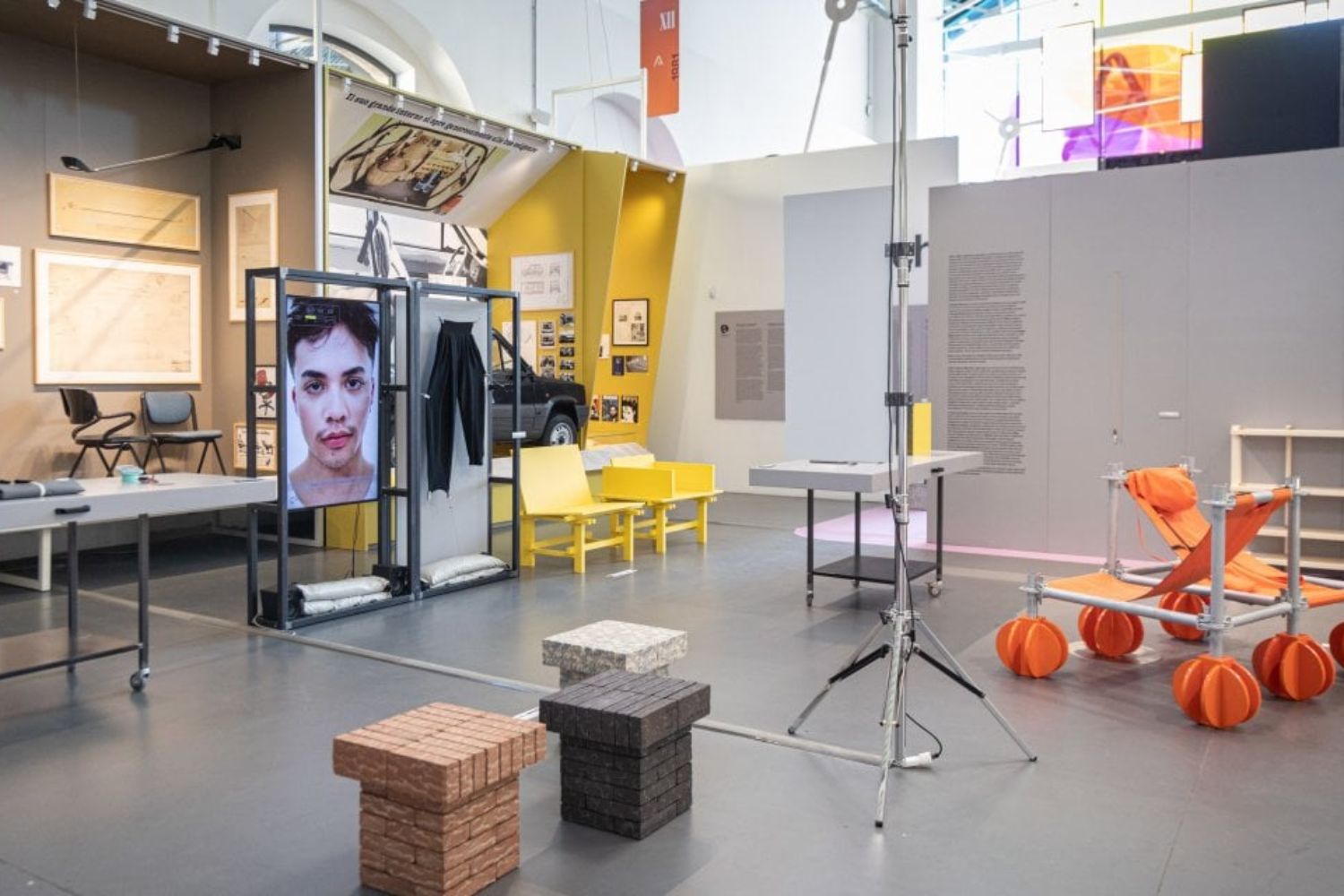
The museum preserves and displays the Compasso d’Oro Historical Collection, built around Italy’s leading design award, established by ADI (the Italian Association for Industrial Design) in 1954 at the initiative of Gio Ponti. The collection includes around 2,500 award-winning projects and objects from across the decades and has been recognized by Italy’s Ministry of Culture as an asset of exceptional historical and artistic interest. Chairs, lamps, typewriters, household appliances, vehicles and communication systems show how design changed the everyday lives of Italians.
The venue deserves attention too: a former industrial space converted to house the collection and deliberately left open to a dialogue between existing structures and new interventions. Outside stands the permanent installation “Compasso d’Oro. Misurare il mondo” (Measuring the World), built around the theme of the golden ratio.
According to the published schedule, the museum is open from 10:30 a.m. to 8:00 p.m. and closed on Fridays. Since Ferragosto 2026 falls on a Saturday, a visit fits within regular opening hours, though it is wise to check for any special announcements before you go. The nearest metro stop is Monumentale, on the M5 line.
2. Step into Carlo Scarpa’s architecture at the Fondazione Querini Stampalia in Venice
Address: Santa Maria Formosa, Castello 5252, Venice
Listed hours: 10:00 a.m. to 6:00 p.m., ticket office until 5:30 p.m.
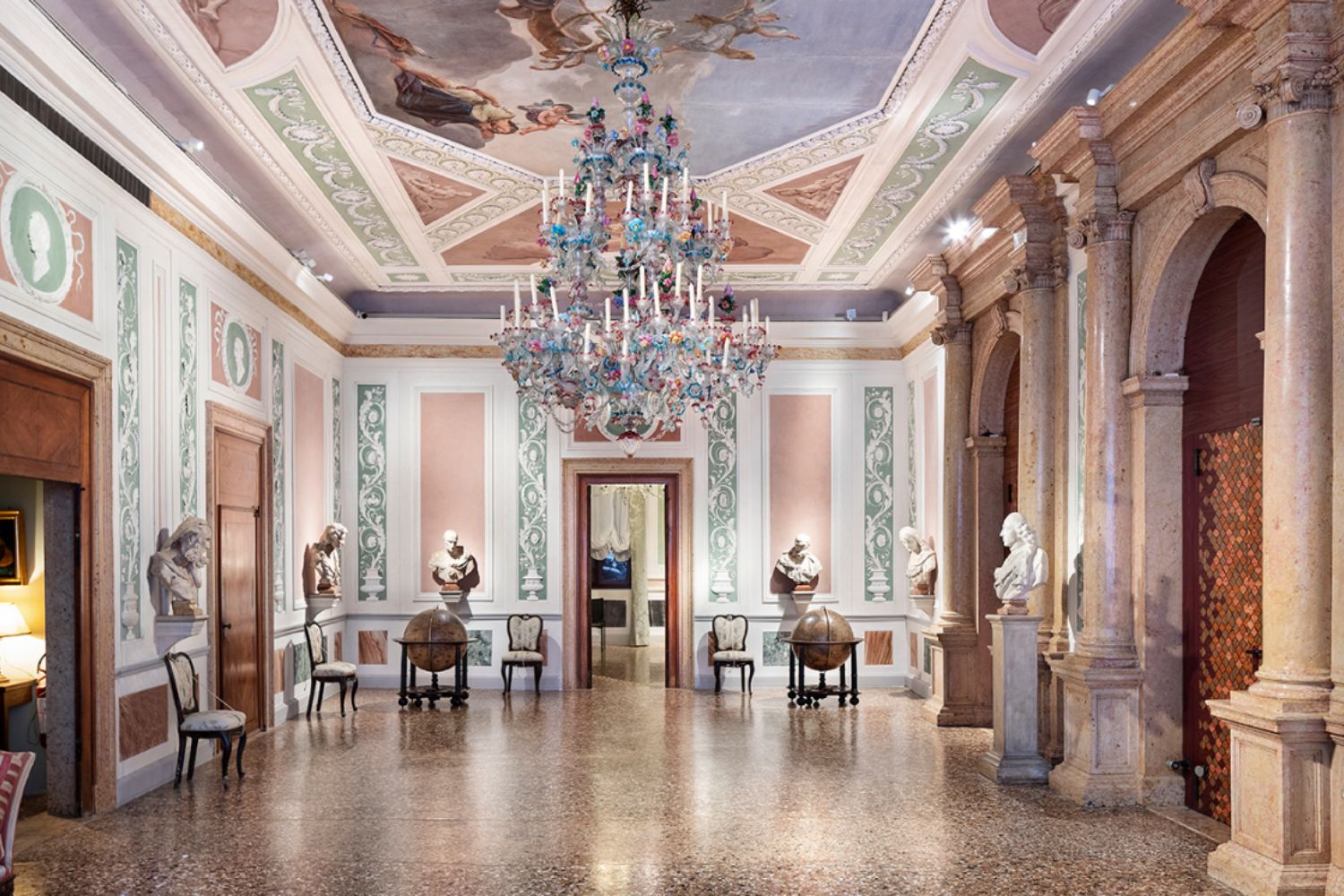
Venice offers countless itineraries, but for lovers of 20th-century architecture the Fondazione Querini Stampalia is a special stop. Inside the old palazzo you will find the house museum, the library, contemporary spaces and, above all, the intervention completed by Carlo Scarpa in the early 1960s.
Scarpa did not try to shield the palazzo from Venice’s water; instead he made its presence one of the central elements of the design. Water enters the ground-floor rooms, accompanies the visitor’s route and reaches the small garden, while light reflecting off the surfaces constantly changes how the concrete, Istrian stone, glass, mosaic and metal are perceived. This is architecture to be observed slowly, lingering over junctions, thresholds and construction details.
The visit also reveals the interventions that, at different times, have updated the life of the palazzo. Among them is the auditorium designed by Mario Botta on the Fondazione’s ground floor.
August 15, 2026 falls on a Saturday, and regular hours list the collections and exhibitions as open Tuesday to Sunday, 10:00 a.m. to 6:00 p.m. Over the Ferragosto period, visitors can also see the exhibitions scheduled for summer 2026, including The Invisible Chord. Hans Hartung and Music and Cosmotechnics: Ding Yi as a Planetary Code.
3. Visit the Mart and Mario Botta’s great covered piazza in Rovereto
Address: Corso Bettini 43, Rovereto
Opening on August 15, 2026: 10:00 a.m. to 7:30 p.m.
Full-price ticket: 15 euros
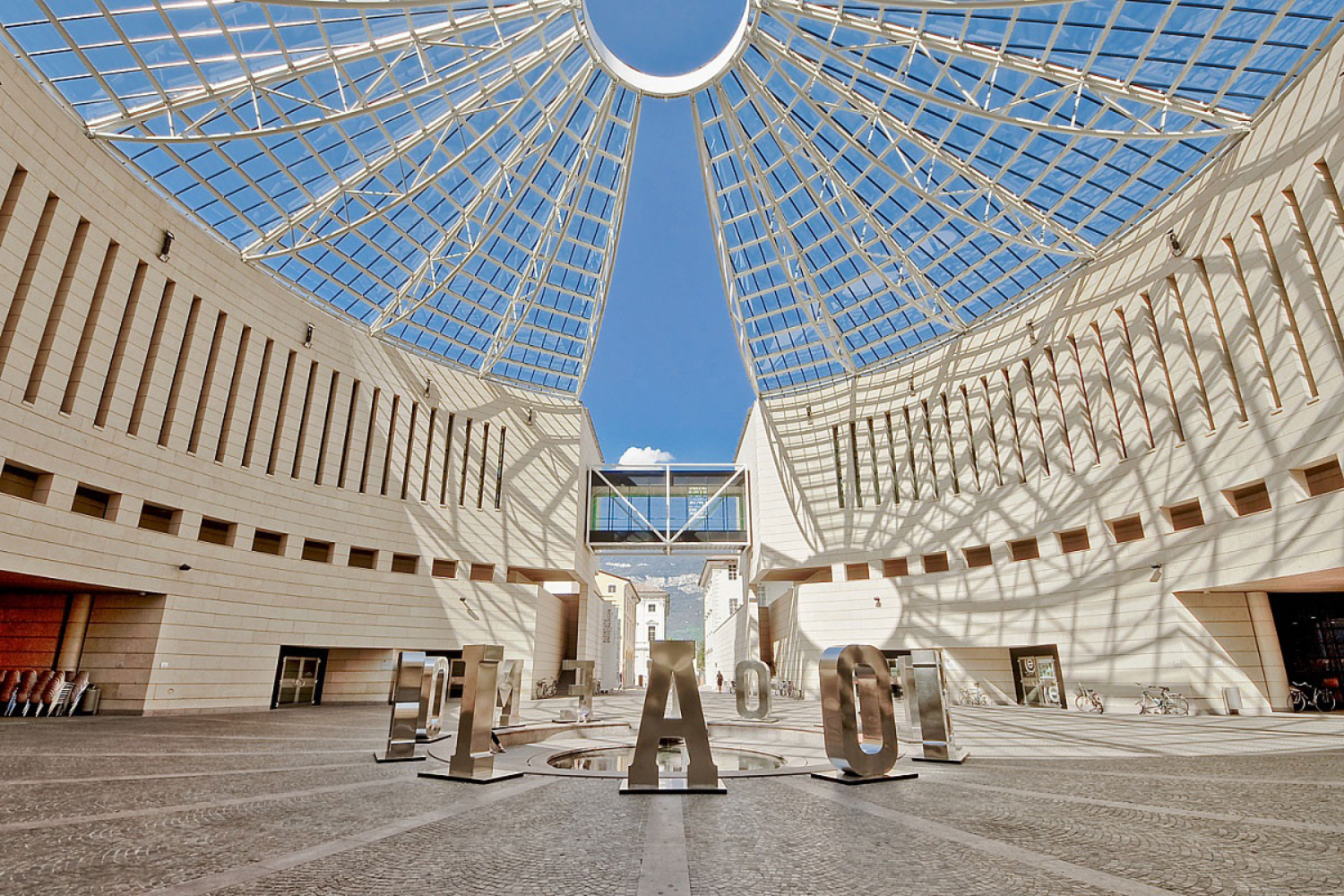
At the Mart in Rovereto, in Trentino, the experience begins before you even enter the galleries. The museum, which opened in 2002, was designed by Swiss architect Mario Botta, from the canton of Ticino, together with engineer Giulio Andreolli, and is organized around a large circular piazza covered by a glass-and-steel dome.
The design treats the museum as part of the city rather than as an isolated object. The approach passes through the historic fabric of Corso Bettini and leads gradually to the central piazza, conceived as a meeting place as well as an entrance to the exhibition spaces. At its center, a circular fountain echoes the geometry of the oculus at the top of the dome.
A Ferragosto visit lets you combine the architecture with the summer 2026 exhibitions. The program includes “Giacomo Balla. Lo stile dell’avanguardia” (The Style of the Avant-Garde), running until October 18, and “Di quadro in quadro. L’arte della citazione” (From Painting to Painting: The Art of Quotation), on view until November 1.
The Mart has confirmed it will be open on Saturday, August 15, 2026, from 10:00 a.m. to 7:30 p.m. The 15-euro full-price ticket covers the Mart’s collections and temporary exhibitions, plus one admission each to the Casa d’Arte Futurista Depero in Rovereto and the Galleria Civica in Trento, which can be used on different days within two months of issue.
4. Discover an urban regeneration project at M9 in Mestre
Address: Via Giovanni Pascoli 11, Venezia Mestre
Listed Saturday hours: 10:00 a.m. to 7:00 p.m.
Full-price ticket for the permanent exhibition: 12 euros
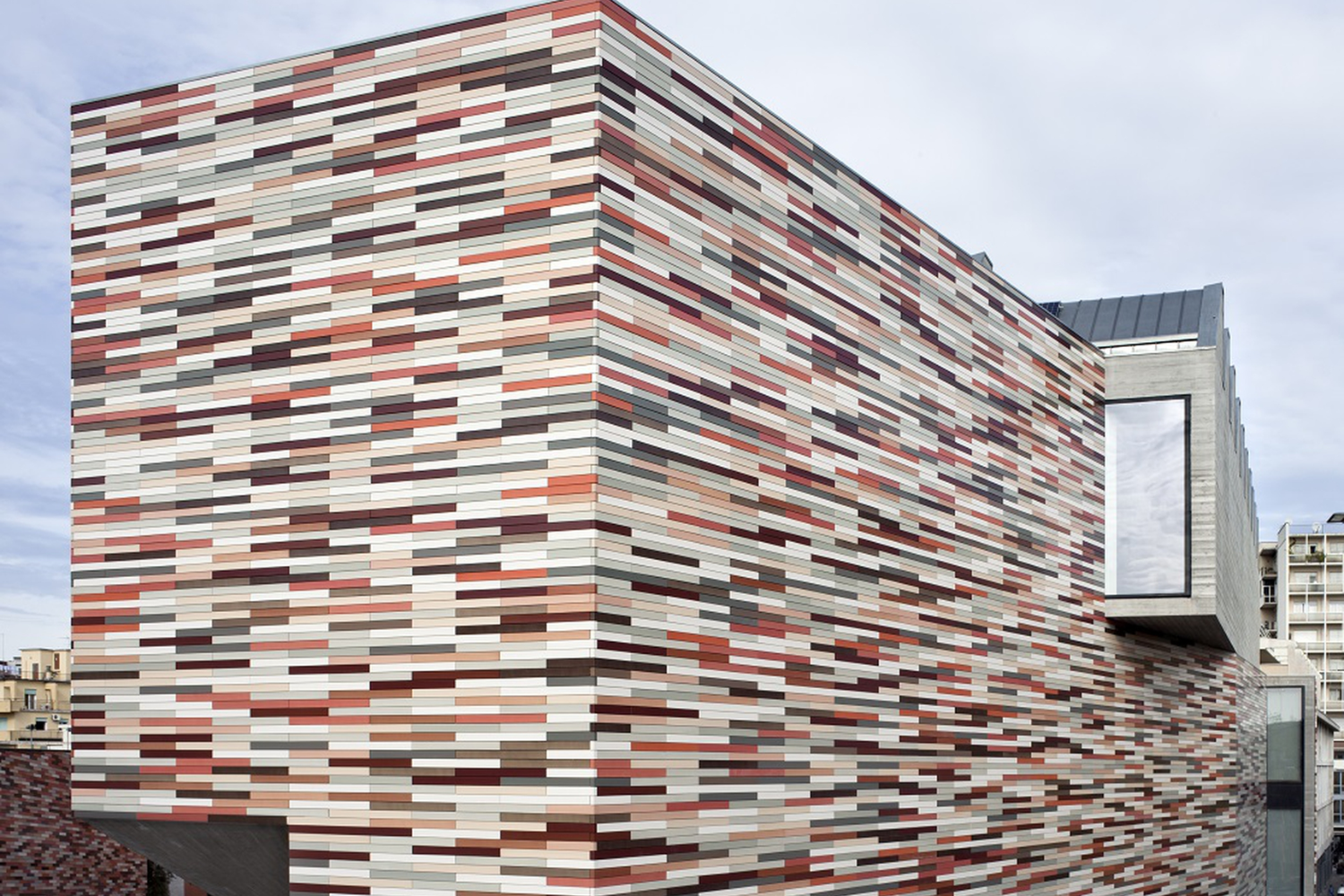
For a day that breaks from the usual tour of monumental Venice, head to Mestre, on the mainland, and the M9 district. The complex is the work of the Anglo-German practice Sauerbruch Hutton, selected through an international competition launched by the Fondazione di Venezia.
The project transformed a long-inaccessible area of the town center into a cultural district you can walk through. Restored historic buildings, new architecture, courtyards and pedestrian routes form an open system in which the museum is conceived not as a standalone volume but as part of a broader urban regeneration effort.
Inside, M9 tells the social, political, economic and cultural history of 20th-century Italy through multimedia installations and interactive tools. It is therefore a good choice for anyone who wants to combine looking at architecture with a less traditional visit than a museum built solely around displaying objects and artworks.
August 15, 2026 falls on a Saturday: under the regular schedule, the museum is open on weekends from 10:00 a.m. to 7:00 p.m., with the ticket office closing 30 minutes earlier. The full-price ticket for the permanent exhibition costs 12 euros. The M9 Cloister, meanwhile, is open daily from 8:00 a.m. to midnight, so you can keep exploring the district after leaving the museum.
5. Walk among Olivetti’s architecture in Ivrea
Starting point: UNESCO Visitor Centre, Via Jervis 11, Ivrea
Listed hours: 10:00 a.m. to 6:00 p.m.
Saturday guided tours: at 10:00 a.m. and 3:00 p.m.
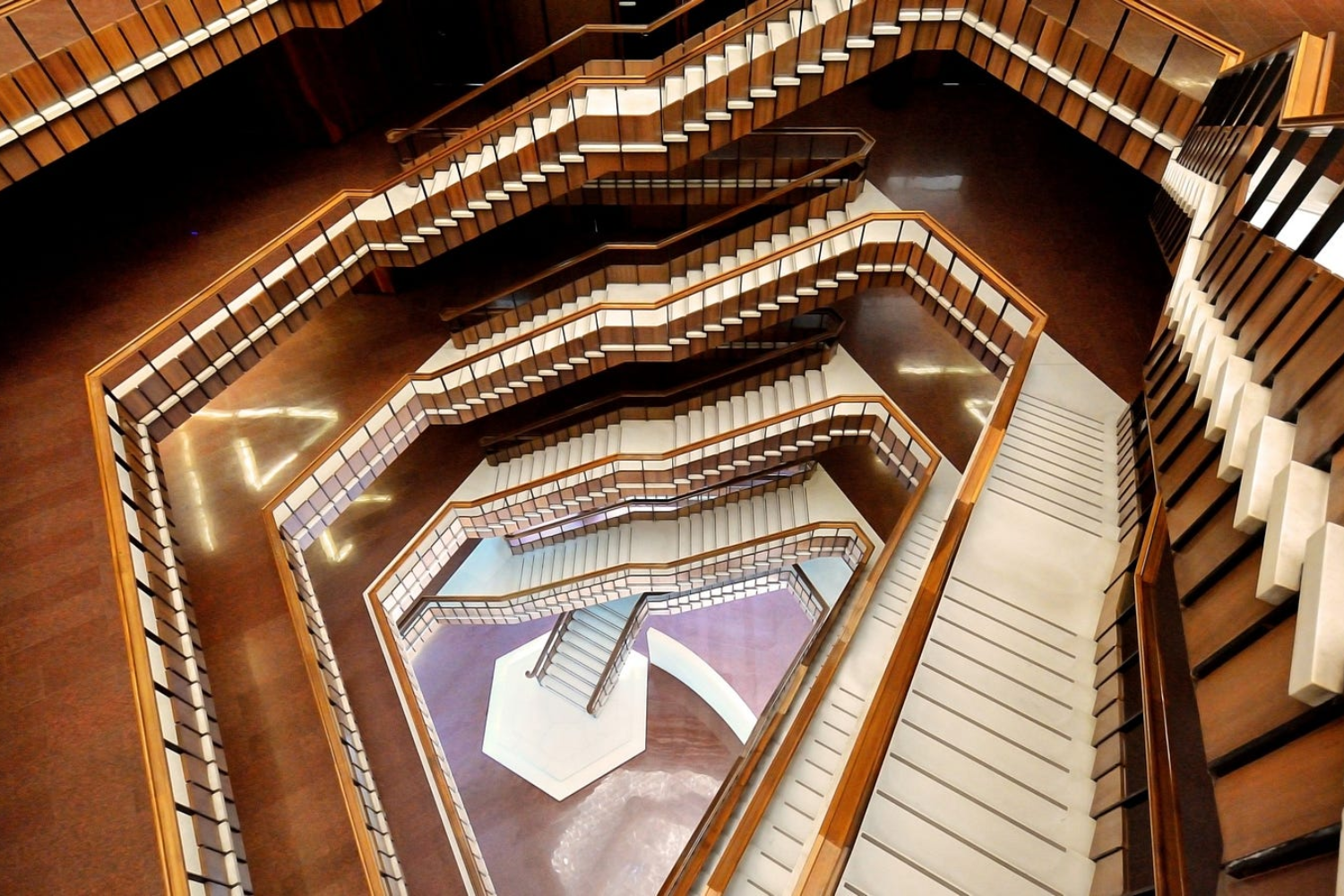
Ivrea, in Piedmont, is the most urban and widespread destination in this first itinerary. Here you are not visiting a single building but a system of factories, offices, social services and housing born from the business and design culture championed by Adriano Olivetti.
The UNESCO World Heritage site “Ivrea, Industrial City of the 20th Century” shows how architecture, production and social responsibility were treated as parts of a single project. The route focuses mainly on Via Jervis, home to buildings from different periods of Olivetti’s history, including the ICO Workshops, the Research and Experimentation Center and the social services complex.
The recommended starting point is the UNESCO Visitor Centre at Via Jervis 11, temporarily housed in the former Bar Esagono within the Olivetti social services area. Admission to the information center is free, with maps, materials, a three-dimensional model of the site and examples of the company’s products, from typewriters to the first computers.
Since many of the buildings are privately owned, the outdoor walk can be done independently, while access to interiors is mainly possible on accompanied tours. The Visitor Centre lists guided tours every Saturday and Sunday at 10:00 a.m. and 3:00 p.m. Saturday, August 15, is therefore a good opportunity to book a tour with a certified guide rather than just looking at the facades.
Currently published hours have the center open Tuesday to Sunday, 10:00 a.m. to 6:00 p.m. Since it is a public holiday, however, booking ahead and checking that the tours are actually running are particularly advisable.
Ferragosto in Italy: design and architecture in central Italy
6. Explore the fluid spaces of MAXXI in Rome
Address: Via Guido Reni 4/A, Rome
Hours on August 15, 2026: 11:00 a.m. to 7:00 p.m.
Special August ticket: 10 euros
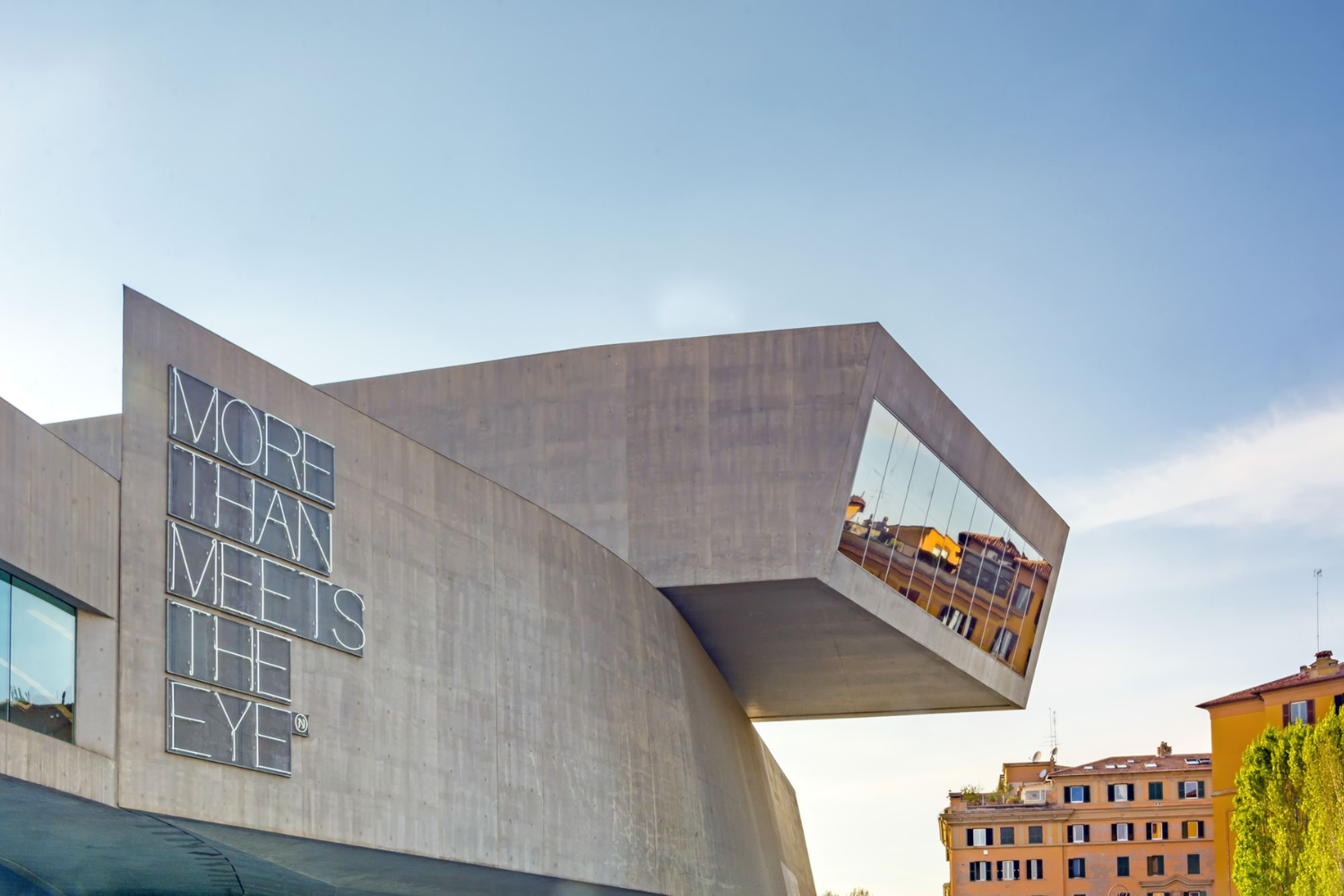
At MAXXI, the architecture is not simply a container for the artworks: it is one of the main reasons to visit. The museum designed by Zaha Hadid with Patrik Schumacher moves beyond the idea of a compact building and unfolds through intertwined routes, ramps, suspended staircases and galleries that constantly change direction and perspective. The result is a sequence of public spaces in which the visit follows no fixed path, leaving visitors free to choose how to move.
The museum stands in Rome’s Flaminio district, on a site once occupied by military buildings. The building’s fluid lines engage with the urban fabric without seeking traditional monumentality: concrete, glass and natural light create a dynamic environment in which even stairs, walkways and viewpoints become display devices.
On August 15, 2026, the museum keeps its regular Saturday hours, 11:00 a.m. to 7:00 p.m., with the ticket office open until 6:00 p.m. A special 10-euro ticket applies throughout August because some spaces are undergoing energy-efficiency works. Exhibitions on view during this period include “Tragicomica. Prospettive sull’arte italiana dal secondo Novecento a oggi” (Perspectives on Italian Art from the Late 20th Century to Today), running until September 20, 2026. The exhibitions devoted to Andrea Pazienza and The Large Glass are temporarily closed over Ferragosto.
7. See two generations of architecture at the Centro Pecci in Prato
Address: Viale della Repubblica 277, Prato
Hours on August 15, 2026: 10:00 a.m. to 7:00 p.m.
Full-price ticket: 10 euros
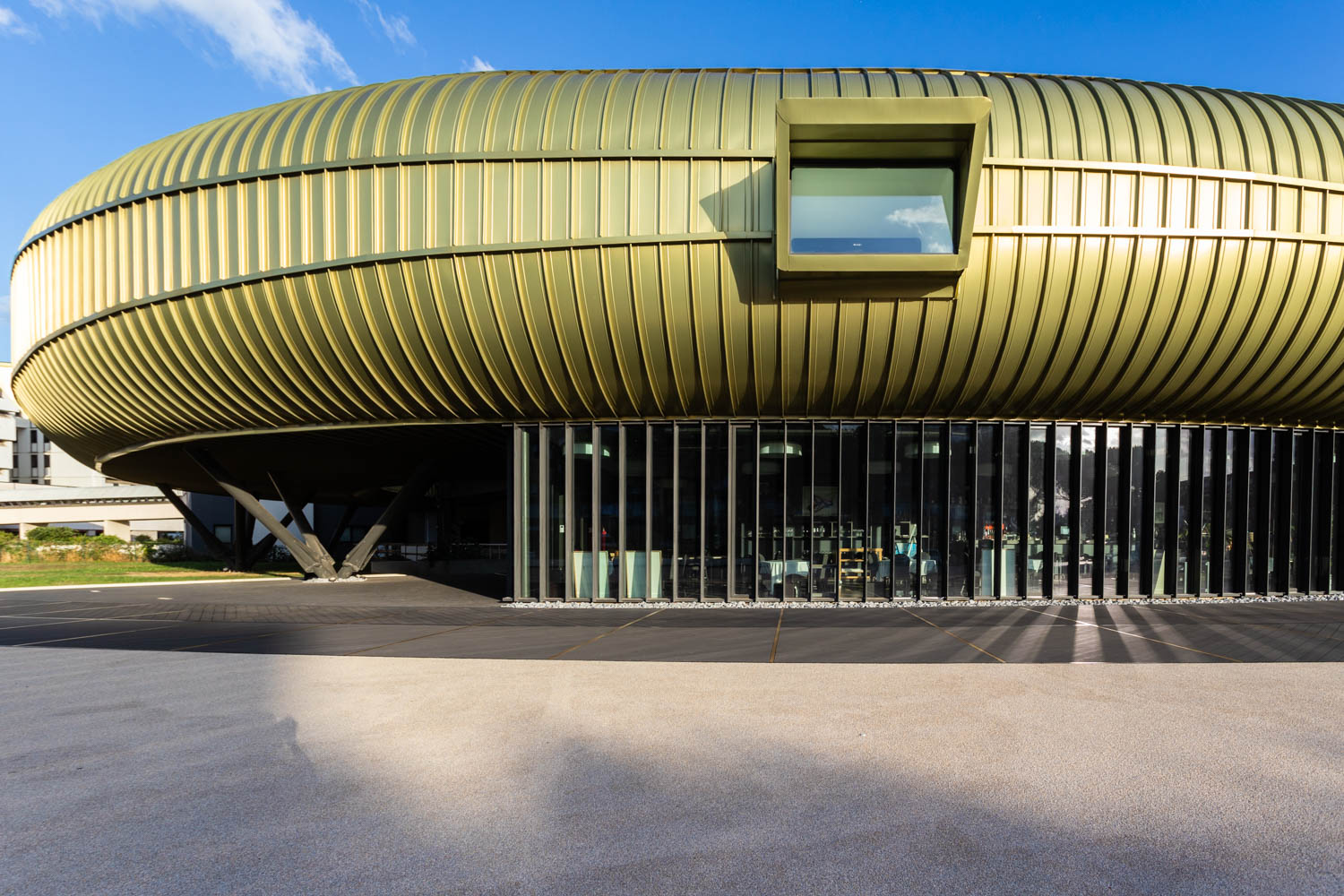
The Luigi Pecci Center for Contemporary Art in Prato, near Florence, lets you read two different eras of museum architecture in a single complex. The original building was designed in the 1980s by Italo Gamberini, a leading figure of Tuscan rationalism; the extension that opened in 2016 is the work of Dutch architect Maurice Nio and his studio NIO architecten.
The new addition, titled Sensing the Waves, wraps the existing building in a large golden ring that culminates in an antenna-like element. Rather than hiding the original architecture, the extension incorporates it into a unified route, keeping the differences between the historic structure and the new, deliberately more communicative and urban presence legible.
On Saturday, August 15, 2026, the Centro Pecci will be open from 10:00 a.m. to 7:00 p.m., with the ticket office closing at 6:30 p.m. The full-price ticket costs 10 euros, while the family ticket, valid for two adults and up to three children under 15, costs 20 euros. The bistro follows museum hours and stays open until 9:00 p.m., so you can linger after your visit.
Exhibitions on view over Ferragosto include “Verita Monselles. CARNALE”, until August 30, and “ROTTE. Arte di rottura dalla donazione Carlo Palli” (Disruptive Art from the Carlo Palli Donation), open until November 1. The exhibition Sospesi nel mondo continues until August 31, 2026.
8. Wander among the sculpture-buildings of the Giardino dei Tarocchi
Address: Località Garavicchio, Pescia Fiorentina, 58011 Capalbio, Grosseto
Hours on August 15, 2026: 2:30 p.m. to 7:30 p.m.
Last admission: 6:15 p.m.
Full-price ticket: 15 euros
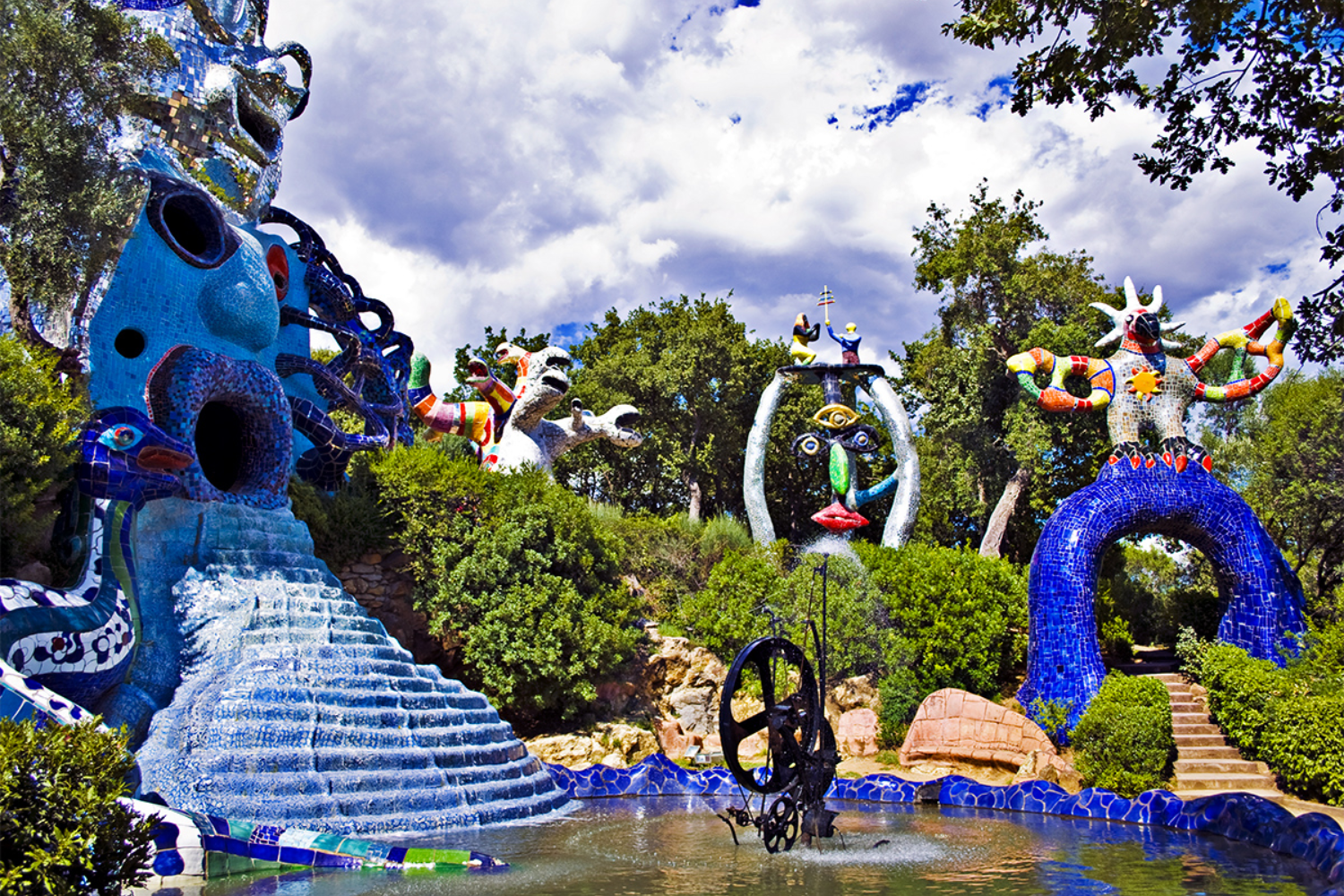
The Giardino dei Tarocchi (Tarot Garden) is one of the best destinations for an outdoor Ferragosto. Created by Niki de Saint Phalle in the countryside around Capalbio, in southern Tuscany, it brings together large sculptural constructions inspired by the Major Arcana of the tarot, clad in ceramics, glass, mirrors and colored fragments. Some can be walked through or even inhabited, erasing the traditional boundary between sculpture, architecture and landscape.
Among the influences the artist acknowledged is Antoni Gaudí’s Park Güell, which she discovered on a trip to Spain. The reference is clear in the use of mosaic, the curved surfaces and the transformation of architectural structure into a fantastical organism. The entrance to the complex, more pared-back and austere than the spaces inside, was designed by Mario Botta.
The Garden is open every day, holidays included, from April 1 to October 15, from 2:30 p.m. to 7:30 p.m. A visit takes about an hour and a half on average. Daily admissions are limited and only online purchase guarantees entry, so for Ferragosto it is wise to book well in advance and choose your time slot right away.
Parking is free and located near the entrance. Coming from the Via Aurelia highway (SS1), take the Chiarone or Pescia Fiorentina exit and follow the signs for the Garden.
9. Spend a day at the two venues of the Burri Collection in Città di Castello
Palazzo Albizzini: Via Albizzini 1, Città di Castello
Ex Seccatoi del Tabacco: Via Francesco Pierucci 2, Città di Castello
Hours on August 15, 2026: 10:00 a.m. to 6:00 p.m.
Full-price combined ticket: 24 euros
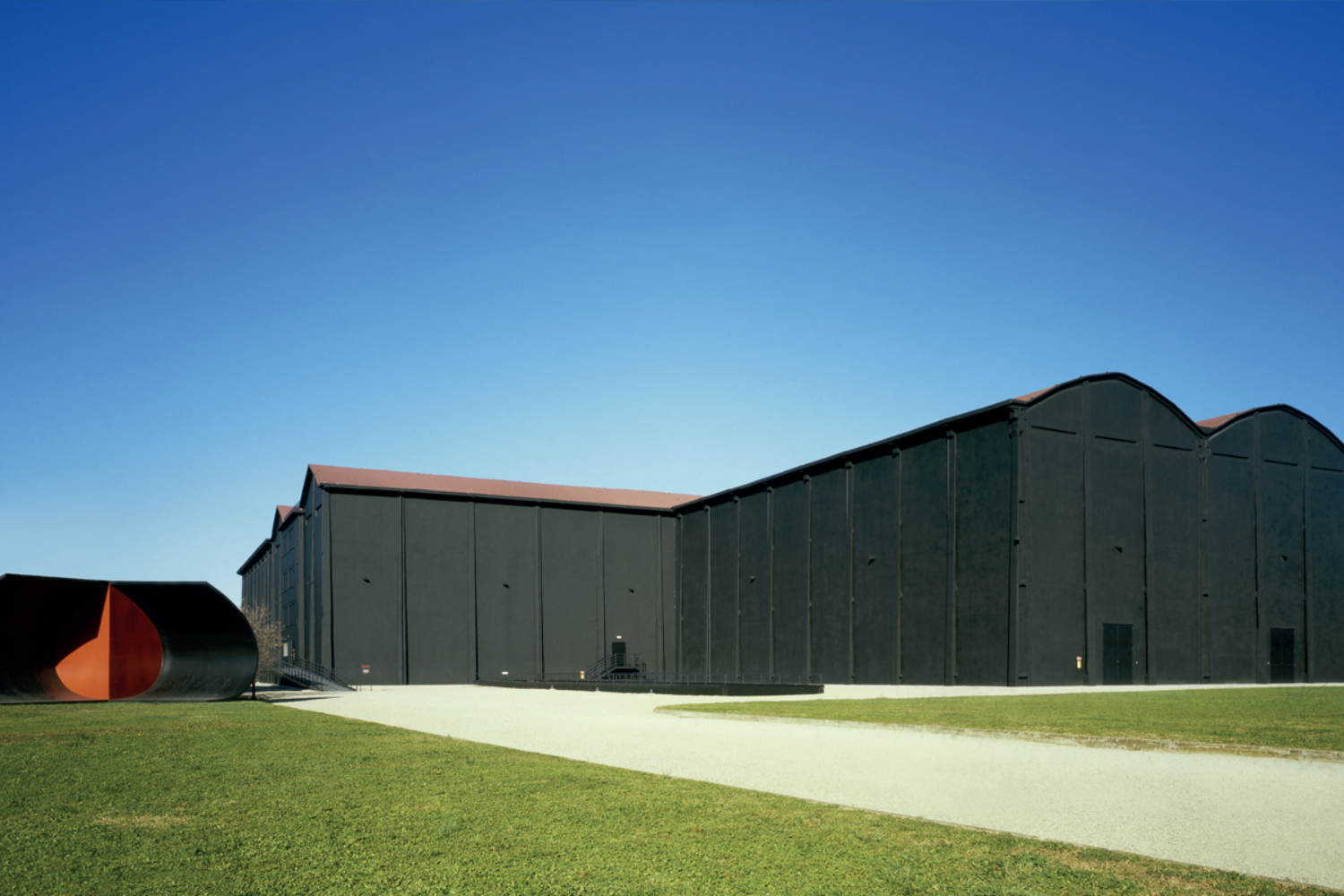
Città di Castello, in Umbria, lets you build a two-venue itinerary and see how the works of Alberto Burri change in relation to very different architecture. Palazzo Albizzini, in the historic center, houses part of the artist’s output inside a Renaissance building; the Ex Seccatoi del Tabacco, the former tobacco-drying sheds, host the large cycles and the biggest works.
The Ex Seccatoi are the most architecturally striking part of the route. The complex was built after World War II to dry tropical tobacco and, once decommissioned, was used in 1966 to temporarily house books and documents damaged by the Florence flood. The vast, austere industrial spaces have become an integral part of how Burri’s works are read.
Over Ferragosto, both venues stay open all day from 10:00 a.m. to 6:00 p.m. The Foundation suggests allowing about one hour for Palazzo Albizzini and two hours for the Ex Seccatoi, plus the time needed to travel between the two buildings. This is therefore best treated as a half-day itinerary rather than a quick visit.
The combined ticket costs 24 euros and is valid for one week; alternatively, separate tickets cost 12 euros for Palazzo Albizzini and 15 euros for the Ex Seccatoi. Booking is required only for groups, but buying tickets online makes it easier to plan your day on the holiday.
10. Touch icons of Italian design at the Museo Omero in Ancona
Address: Mole Vanvitelliana, Banchina Giovanni da Chio 28, Ancona
Hours on August 15, 2026: 10:00 a.m. to 6:00 p.m.
Museum admission: free
Design Collection: 5 euros
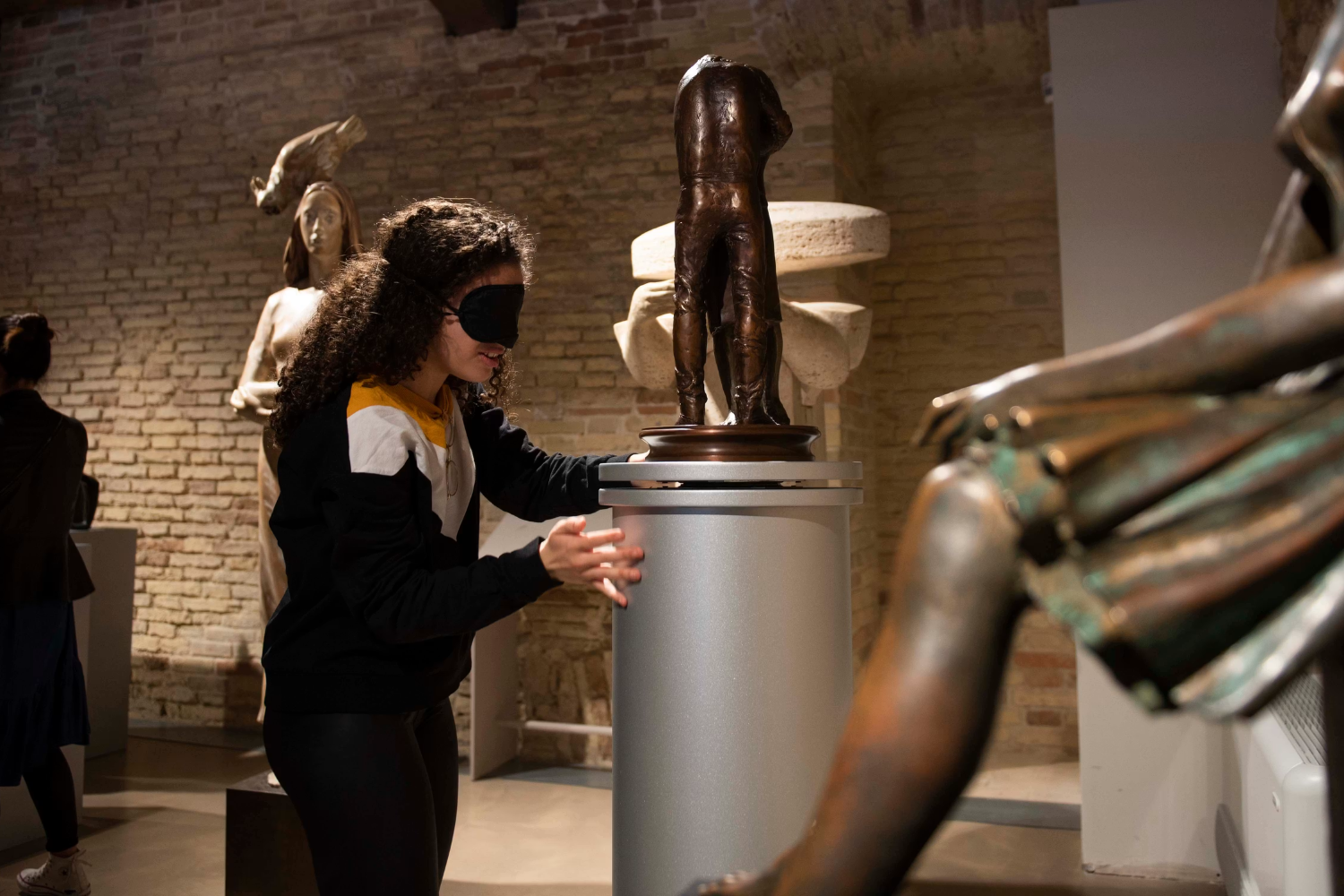
The Museo Tattile Statale Omero, Italy’s state tactile museum, offers a different way to experience art, architecture and design: many works can be explored by touch. Originally conceived to make cultural heritage accessible to blind and partially sighted people, the museum has become a multisensory experience open to everyone, challenging the habit of looking at objects with the eyes alone.
Since 2012 the museum has been housed in the Mole Vanvitelliana, the large complex overlooking the waters of Ancona’s harbor on the Adriatic coast. Visitors arrive over brick bridges into the inner courtyard, which leads to the exhibition spaces. The relationship between the historic architecture, the sea and the contemporary installations makes the outdoor route worthwhile too.
Particularly relevant to this itinerary is the Design Collection, made up of 32 Italian objects that won or received an honorable mention at the Compasso d’Oro. The route is organized around five everyday actions — traveling, living, cooking, working and playing — and lets visitors explore shapes, surfaces, materials and mechanisms firsthand.
For Ferragosto 2026, the museum confirmed it will be open from 10:00 a.m. to 6:00 p.m. Admission to the main collections is free, while the design section costs 5 euros and admits its last visitors at 5:30 p.m. Free parking is available near the Mole, and no booking is required for a regular visit.
Ferragosto in Italy: design and architecture in the south and the islands
11. Discover contemporary art in the historic heart of Naples at the Madre museum
Address: Via Luigi Settembrini 79, Naples
Venue: Palazzo Donnaregina
Ferragosto hours and tickets: check the official calendar
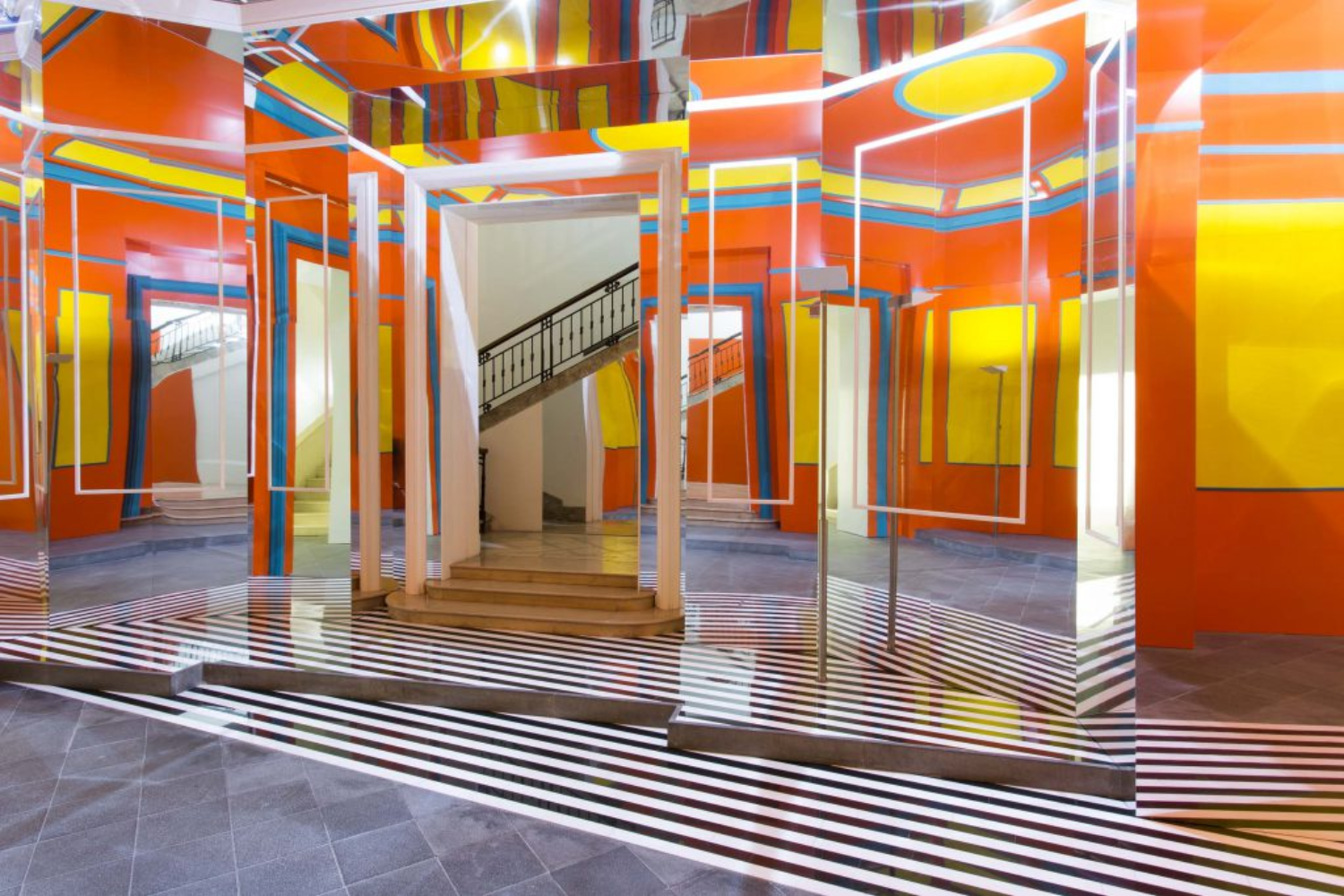
A short walk from Naples Cathedral, the Madre museum brings contemporary art into Palazzo Donnaregina, a 19th-century building set within the dense fabric of the historic center. The contrast between the character of the palazzo and the language of the works makes the visit interesting from an architectural point of view as well.
The museum spreads over several levels, alternating rooms for the permanent collection, galleries for temporary exhibitions, site-specific installations and spaces for cultural activities. Among the works tied directly to the building are pieces by artists such as Daniel Buren, Anish Kapoor, Jeff Koons, Sol LeWitt and Mimmo Paladino.
The Madre can be the starting point for a Ferragosto spent exploring a less predictable Naples. After your visit, you can continue on foot to the Cathedral, the Donnaregina Vecchia complex, Via dei Tribunali and the architectural layers of the historic center.
For August 15, it is best to check holiday hours and the availability of guided tours. The museum can be reached from the Museo metro station, about a 15-minute walk away.
12. Enter cave-carved Matera through the sculptures of MUSMA
Address: Via San Giacomo 4, Matera
Venue: Palazzo Pomarici, in the Sasso Caveoso
Ferragosto hours and tickets: check before your visit
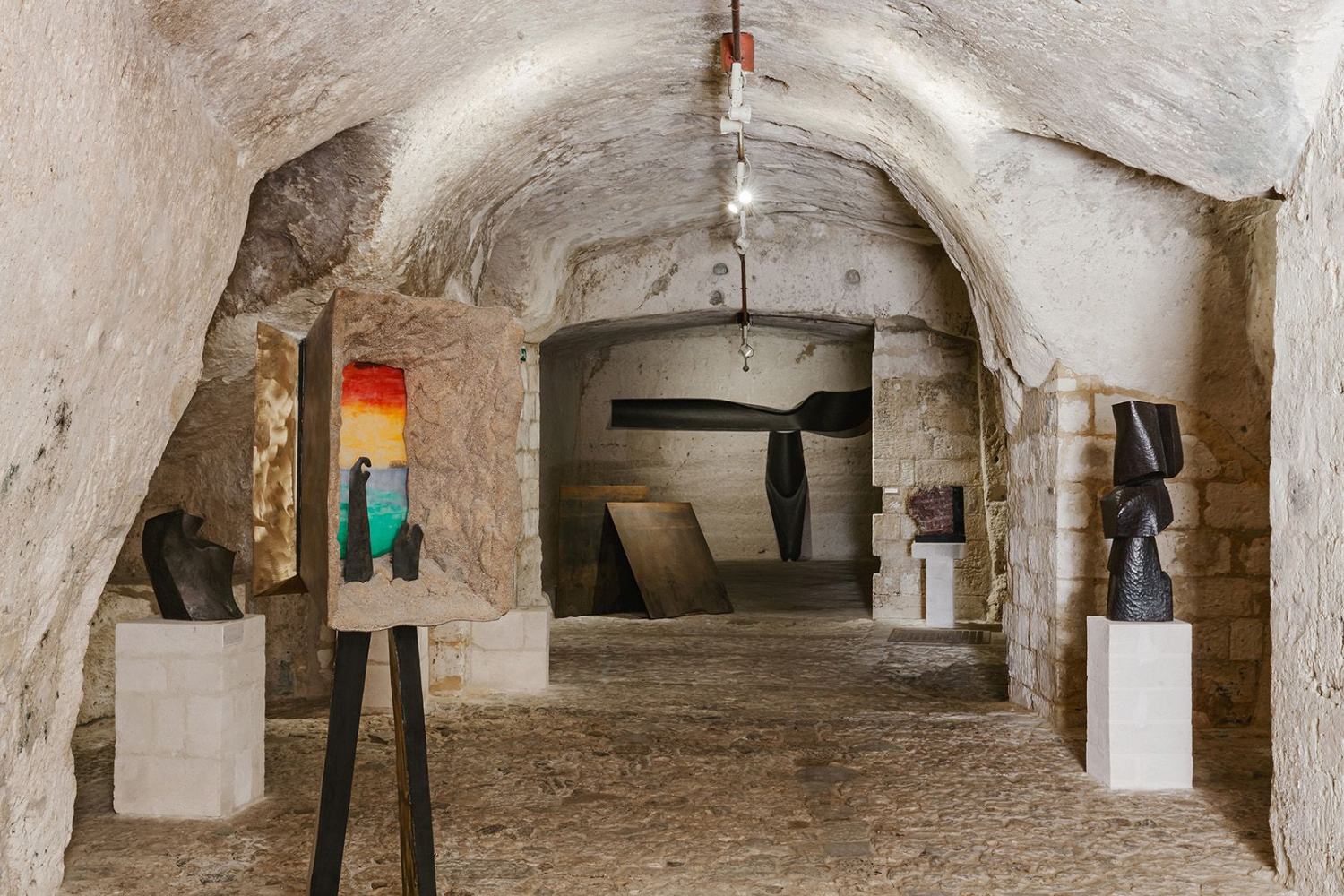
MUSMA, the Museum of Contemporary Sculpture in Matera, Basilicata, reveals the relationship between artwork, architecture and material in one of Italy’s most unusual settings. It occupies Palazzo Pomarici in the Sasso Caveoso, one of the city’s ancient cave districts, and extends through built rooms and spaces carved into the rock.
The visit winds through courtyards, rooms, passages and caves, constantly relating contemporary sculpture to the tufa stone, the half-light and the irregular surfaces of the rock-cut spaces. The works are not perceived as objects simply placed in a museum, but as presences that shape the space and are shaped by it.
The route also lets you enter a historic palazzo that is generally less well known than the most photographed buildings of the Sassi. Views, openings and changes in level help you understand Matera’s urban structure and the way its buildings overlap natural cavities.
Given its location in the Sasso Caveoso, it is best to reach the museum on foot, wearing shoes suited to steps and uneven paving. In the hottest hours, a visit to the indoor spaces can be paired with an evening stroll through the Sassi.
13. Visit the Fondazione Pino Pascali overlooking the Adriatic
Address: Via Parco del Lauro 119, Polignano a Mare, Bari
Venue: former municipal slaughterhouse
Ferragosto hours and tickets: check the Foundation’s website
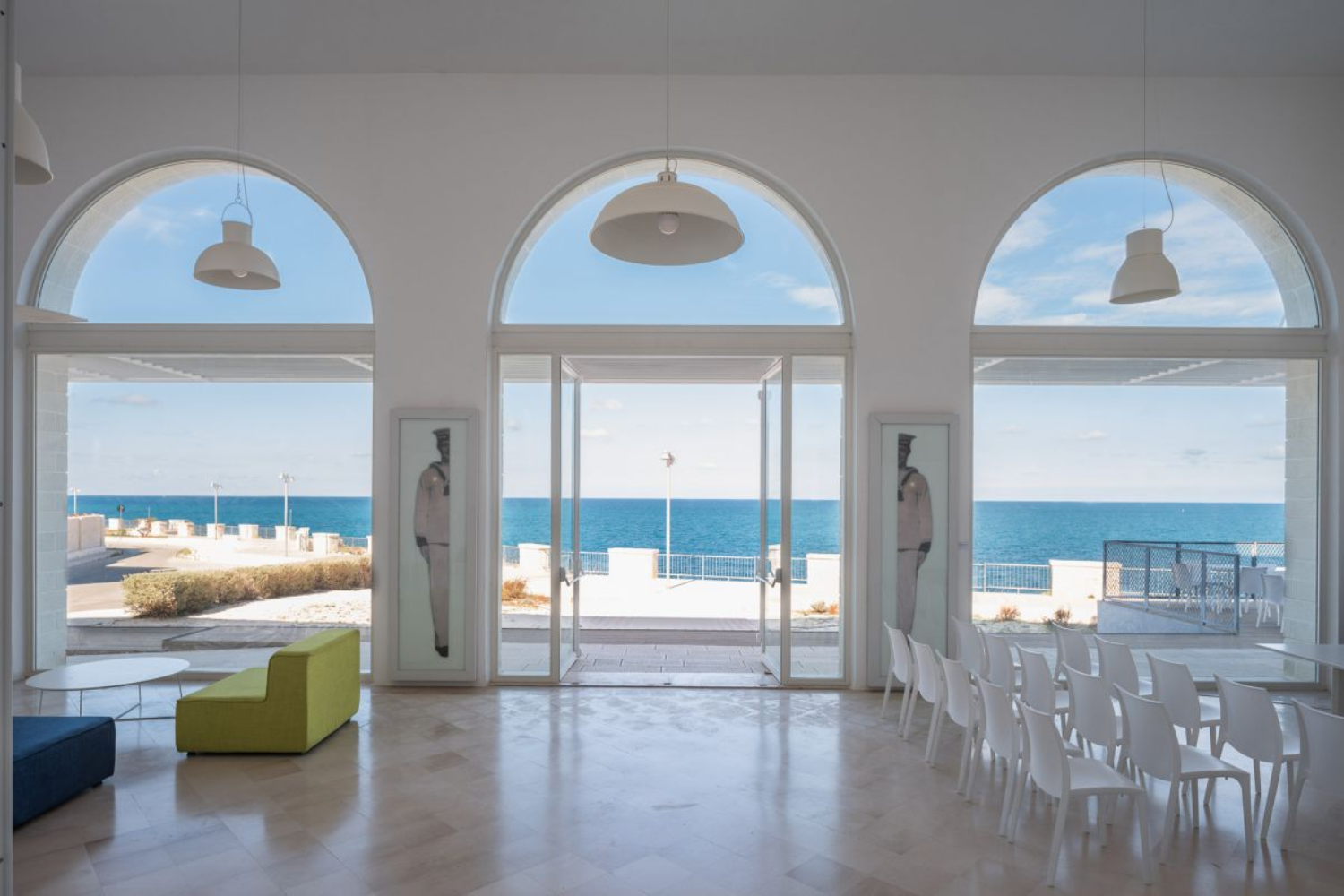
In Polignano a Mare, in Puglia, the Fondazione Museo Pino Pascali occupies a former municipal slaughterhouse overlooking the Adriatic. The conversion turned an industrial building into a space for contemporary art while keeping a direct relationship with the coast and the seascape.
The museum holds a core of works, photographs, documents and materials devoted to Pino Pascali, who was born in Bari and remained deeply tied to Puglia. Alongside the permanent collection, the Foundation offers temporary exhibitions, research projects and programs for contemporary artists.
The architecture stands out for the essential character of its spaces and its location away from Polignano’s busiest tourist core. After your visit, you can continue along the stretch of coast around the museum or walk to the old town.
Polignano a Mare is especially crowded at Ferragosto. It is best to arrive early in the day, check parking availability in advance and not rely solely on the spaces closest to the center.
14. Walk through Burri’s Cretto at Gibellina Vecchia
Where: ruins of Gibellina Vecchia, accessed from the provincial road in the Gibellina area, Trapani
Type: open-air land art
Admission: free; check accessibility and route conditions before setting off
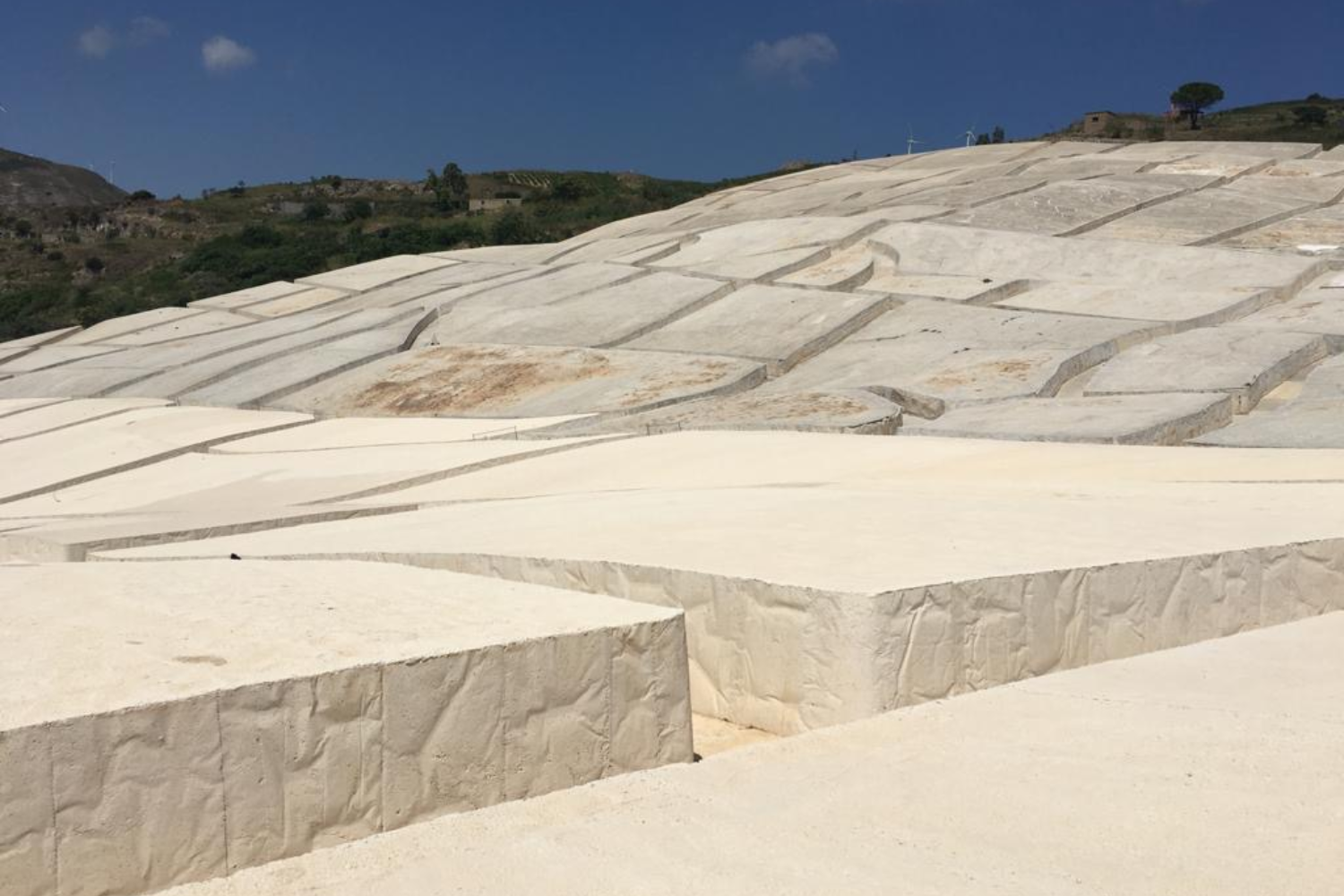
The Cretto di Burri is not a traditional museum, and you do not visit it by entering a building. It is a vast environmental artwork created over the ruins of Gibellina, the Sicilian town destroyed by the 1968 Belice earthquake.
Alberto Burri covered the rubble with huge pours of white concrete, leaving long furrows that follow the course of the old streets. Walking inside the Cretto means crossing the trace of the vanished town, following its layout without being able to make out the individual houses.
The experience brings together art, memory, landscape and urban design. The scale of the work only becomes clear as you walk through it: from afar it looks like a surface carved into the hillside, while from inside the blocks take on the dimensions of real walls.
The site is outdoors and offers little shelter from the sun. For Ferragosto, it is best to plan your visit for early morning or late afternoon, bringing water and sun protection. Before setting off, check the condition of the access road and any temporary restrictions.
The day can continue at Gibellina Nuova, the new town built after the earthquake with contributions from artists and architects. Works and buildings worth seeing include Pietro Consagra’s Stella (the star-shaped gateway to the Belice valley), the Sistema delle Piazze designed by Franco Purini and Laura Thermes, and Ludovico Quaroni’s Chiesa Madre.
15. End the journey in the park of the Museo Nivola in Orani
Address: Via Gonare 2, Orani, Nuoro
Venue: former municipal washhouse
Ferragosto hours and tickets: to be confirmed with the museum
In central Sardinia, the Museo Nivola is devoted to the work of Costantino Nivola, an artist from Orani who carried out much of his career in the United States, working across sculpture, architecture, graphic design and public art.
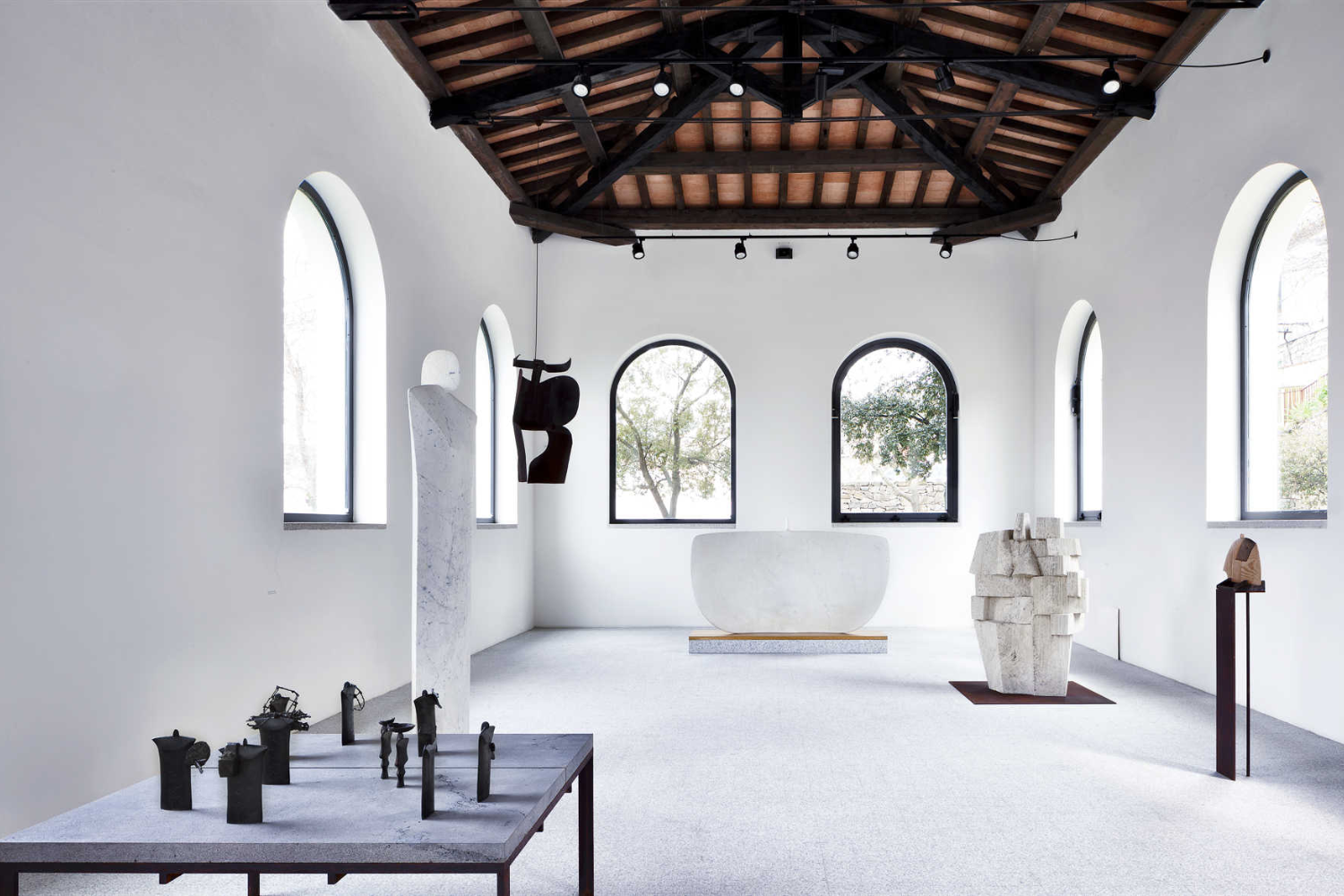
The museum occupies the town’s old municipal washhouse and extends through buildings, courtyards, terraces and a park overlooking the landscape. The visit is not limited to the indoor galleries, but forms a route in which architecture, sculpture and nature are experienced as parts of the same project.
The collection traces the different phases of Nivola’s work, from sculpture and ceramics to drawings and projects created in collaboration with architects. Especially interesting is his research into integrating art with the built environment, developed partly through the sand casting technique, in which he shaped concrete using molds formed in sand.
Orani is about 20 kilometers from Nuoro and is most easily reached by car. For Ferragosto, check both the museum’s holiday hours and whether services in the town will be open.
The Museo Nivola is a fitting end to the itinerary because it sums up the thread running through all fifteen suggestions: not seeing design and architecture as isolated disciplines, but discovering how they can connect with history, communities and landscape.