When asking how many architects there are in Italy today, the first point to clarify is which data we are really looking at. According to the Unified Register of the National Council of Architects, Planners, Landscape Architects and Conservators, as of January 16, 2026, the total number of registered professionals is 159,115. Today, this is …
When asking how many architects there are in Italy today, the first point to clarify is which data we are really looking at. According to the Unified Register of the National Council of Architects, Planners, Landscape Architects and Conservators, as of January 16, 2026, the total number of registered professionals is 159,115. Today, this is the most solid official figure for measuring the weight of the profession in the country.
However, stopping at the raw number would be reductive. Talking about architects in Italy does not only mean quantifying a professional category. It means reading a structural presence that runs through cities, landscapes, built heritage, urban transformations, redevelopment projects, interiors, everyday construction, and design culture.
Behind that number there is much more: the concrete form the profession takes today, the relationship between education and the market, the geographical distribution of registered architects, the level of internal competition, and the role Italy continues to play within the European panorama.
Where architects are concentrated in Italy
The geography of registered architects immediately shows a strong concentration in the main urban centers. The largest Order by number of members is Rome, with 18,843 registered architects, followed by Milan with 13,474 and Naples with 10,117. After these three major poles come Turin with 6,874 members, Florence with 4,881, and Palermo with 3,629. These numbers help explain where the Italian professional system is most concentrated, and where critical mass, clients, technical networks, visibility, and competition are most intense.
Reading these figures only as a map of demand, however, would be too simple. Large cities do not only concentrate more studios or more professional opportunities. They also concentrate more competition, more specialization, and a more articulated range of professional services. In these contexts, an architect can move between architectural design, interior design, urban regeneration, restoration, building procedures, technical consultancy, and site supervision with a level of segmentation that is less marked elsewhere.
By contrast, medium and small territorial Orders describe another Italy of the profession: more widespread, more capillary, and more closely connected to the care of existing heritage and to the everyday life of the built environment.
How many architects there are by region in Italy
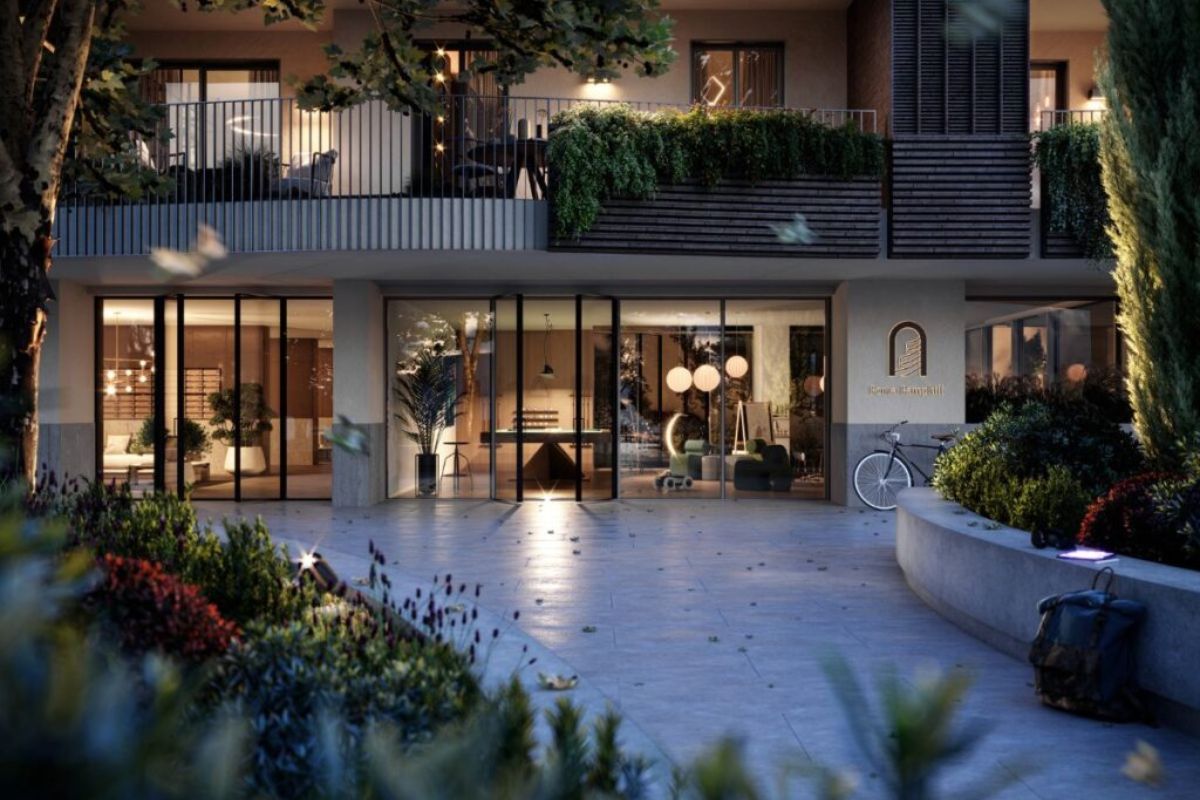
If territorial Orders are grouped on a regional basis, a very clear geography emerges. Lombardy is the first region by number of registered architects, with 28,298 professionals, followed by Lazio with 21,761 and Campania with 18,291. Immediately after come Sicily with 12,728, Veneto with 12,586, Piedmont with 10,961, and Tuscany with 10,463. These first territorial areas already show very clearly where the largest professional concentration in Italy is found today.
At the opposite end of the ranking, the lowest numbers are recorded in Valle d’Aosta, with 330 registered architects, and Molise, which reaches 878 professionals when Campobasso and Isernia are combined. Basilicata also remains lower, with 1,328 members, followed by Umbria with 1,615 and Sardinia with 2,319. This gap should not be read superficially. It does not automatically indicate lower design quality or lower cultural relevance. Rather, it reflects a different market scale, lower urban density, and a more rarefied structure of professional demand.
The regions where the profession has the greatest weight
Within the regional numbers, dominant urban poles are very important. In Lazio, for example, Rome alone accounts for 18,843 members out of 21,761 at regional level. In Campania, Naples concentrates 10,117 registered architects out of 18,291. In Lombardy, however, the picture is more articulated and polycentric. Alongside Milan, which remains the main center with 13,474 registered architects, Monza and Brianza stand out with 2,510, Brescia with 2,435, Bergamo with 2,258, and Varese with 2,107.
This aspect is important because it shows that there is not just one Italy of architects. There are territories strongly polarized around one dominant major city, and others where the profession is distributed across a wider network of productive, technical, and urban centers. This difference matters not only for professional Orders, but also for universities, companies, and editorial platforms that interact with the world of design. Relationship models, in fact, cannot be the same everywhere.
Why there are so many architects in Italy
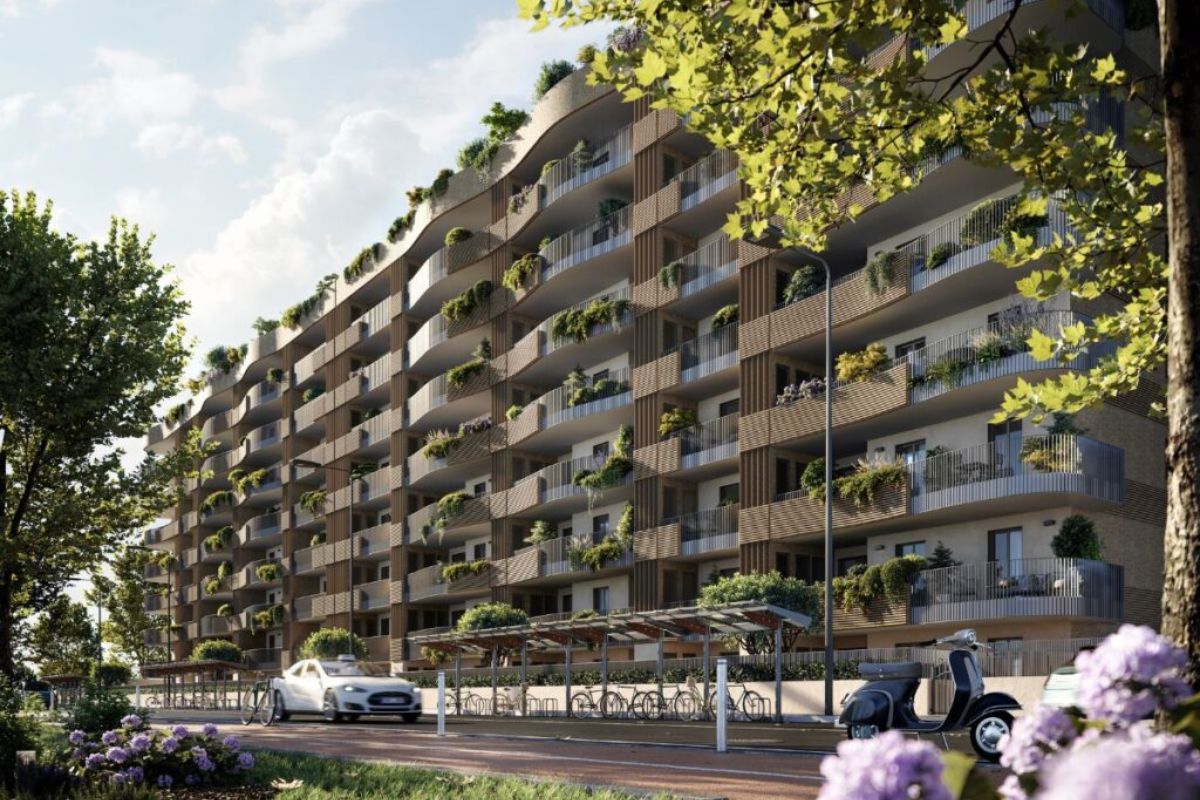
At this point, the real question is not only how many architects there are in Italy, but why there are so many compared with other European countries. The most honest answer is that there is no single cause. The Italian figure is the result of a long historical, cultural, and professional stratification. The CNAPPC report on the profession shows that registered architects increased from 93,790 in 2000 to 153,692 in 2020, with a more recent stabilization due to an almost perfect balance between new registrations and cancellations. Over the same period, the number of architects per thousand inhabitants stabilized at around 2.6.
There is also the issue of the education pipeline. In the 2020/2021 academic year, there were 10,286 students enrolled in the L-17 Architecture Sciences degree class, while enrolments in the LM-03, LM-04, LM-10, and LM-48 master’s degree courses amounted to 25,830. The CNAPPC report also highlights that around 75% of second-level graduates who can access the professional Register come from specifically architecture-oriented programs. This means that, for a long time, Italy has had a broad and structured academic base, able to constantly feed the professional system. But there is also another, deeper reason connected to the very nature of Italy’s built environment.
In a country made of historic centers, widespread heritage, renovations, restorations, redevelopment projects, transformations of existing buildings, and small-to-medium-scale design work, the profession tends to be distributed across a very high number of different assignments. The European picture confirms that the sector is largely made up of small practices. According to the ACE Sector Study 2024, 70% of practices are one-person studios, while 49% of the market concerns refurbishment, and private residential construction continues to represent the dominant sector.
This combination of conditions helps explain why the architect is such a widespread professional figure in Italy.
Having many architects does not mean having an easy market
Having a very high number of architects does not automatically mean having an easy, wealthy market able to absorb them without tension. The CNAPPC itself points out that the system has stabilized and that, among younger generations, there is less inclination to pursue a career in architectural design and private practice, in a context that appears inflated in some respects.
One figure is particularly revealing: while in 2011, 96% of 2010 graduates qualified for registration within one year, by 2019 this share had fallen to 59.6%. Over the same period, enrolments in the L-17 and L-21 bachelor’s degree classes fell significantly, and the main master’s degree courses also recorded a clear decline, dropping from 46,538 enrolled students in 2010 to 25,830 ten years later.
These are signs that complicate the easiest narrative. Italy remains a country with a very high number of architects, but the path toward the profession is less linear than in the past, and generational turnover is no longer growing with the same intensity.
How many architects there are in other European countries
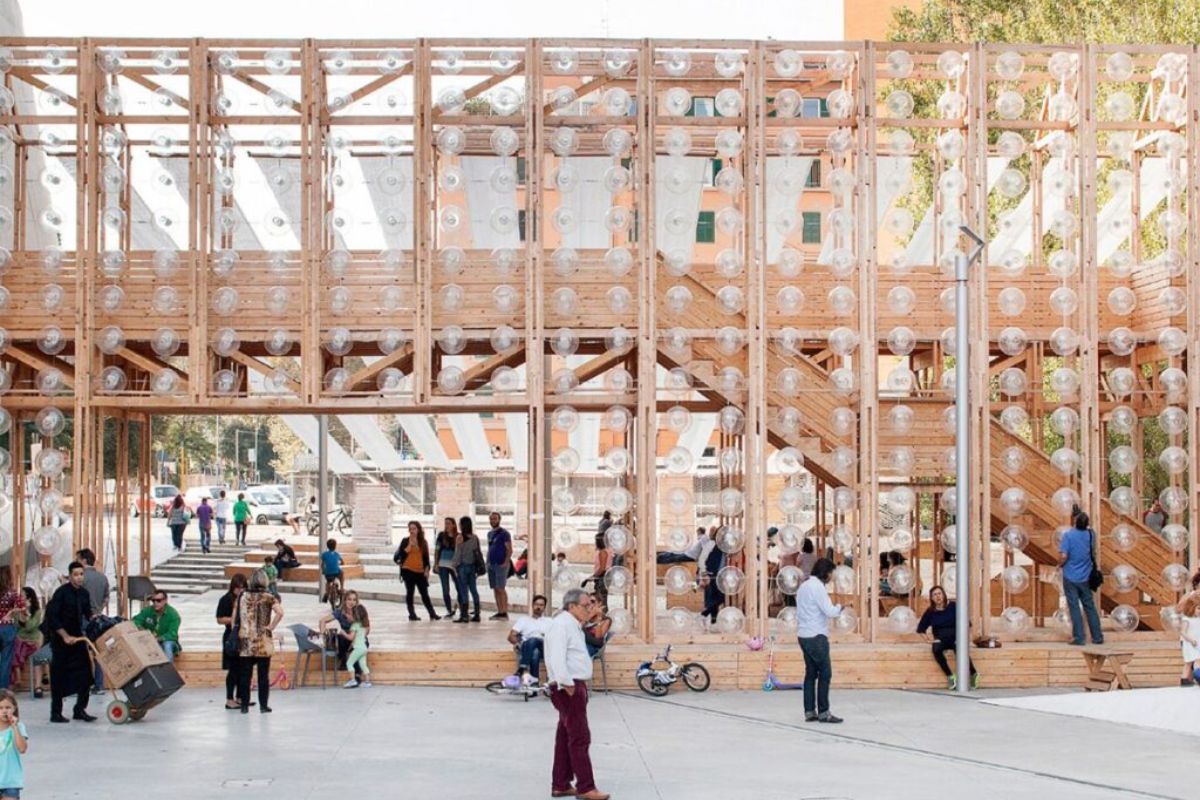
To truly understand the Italian case, it is necessary to broaden the view. According to the ACE Sector Study 2024, in Europe-32 there are around 579,600 architects, equal on average to 1 architect for every 1,000 inhabitants. Within this framework, Italy is estimated at 152,000 architects, ahead of Germany with 120,200. More distant are Spain with 50,500, the United Kingdom with 42,300, France with 30,600, and Switzerland with 26,700.
Immediately after come Portugal with 21,400 architects, Greece with 17,000, Belgium with 15,900, Poland with 13,700, the Netherlands with 10,500, and Denmark with 10,300. Lower down are Sweden with 7,600, Hungary with 7,000, Romania with 6,200, Austria with 6,000, Czechia with 4,500, Bulgaria with 4,000, Finland with 3,900, Ukraine with 3,700, Ireland with 3,500, Serbia with 3,300, and Cyprus with 3,100.
The absolute number alone, however, is not enough. When the ratio to population is considered, the Italian case becomes even more evident. In the ACE dataset, Cyprus records the highest density, with 3.3 architects per 1,000 inhabitants, followed by Switzerland with 3.0 and Italy with 2.6. Immediately after come Malta and Portugal, both at 2.0. Germany falls to 1.4, Spain to 1.0, the United Kingdom to 0.6, and France to 0.4. This means that Italy is not only one of the countries with the highest number of architects in absolute terms. It is also one of the countries where the profession has the greatest demographic weight.
Italy, Germany, France, Spain, and the United Kingdom: what the comparison really shows
The comparison with the main European countries should not be read as a simple ranking. The fact that Italy has more architects than France, Spain, and the United Kingdom, and clearly exceeds Germany as well, does not automatically mean that the Italian market is stronger. Rather, it means that here the profession is more widespread, more capillary, and more deeply rooted in the ordinary structure of the built environment. This is a cultural and technical strength, but at the same time it increases competitive pressure.
Germany is a useful example. It has a very high number of architects in absolute terms, but a lower density than Italy. France, by contrast, has a much lower figure both in absolute terms and per inhabitant. Spain and the United Kingdom occupy an intermediate position, but remain far from the Italian intensity. This is exactly what makes the Italian case so interesting for professional Orders, professors, and companies. Italy is not only a large professional market. It is also a very crowded, segmented, and territorially ramified system.
The Italian case between strength and responsibility
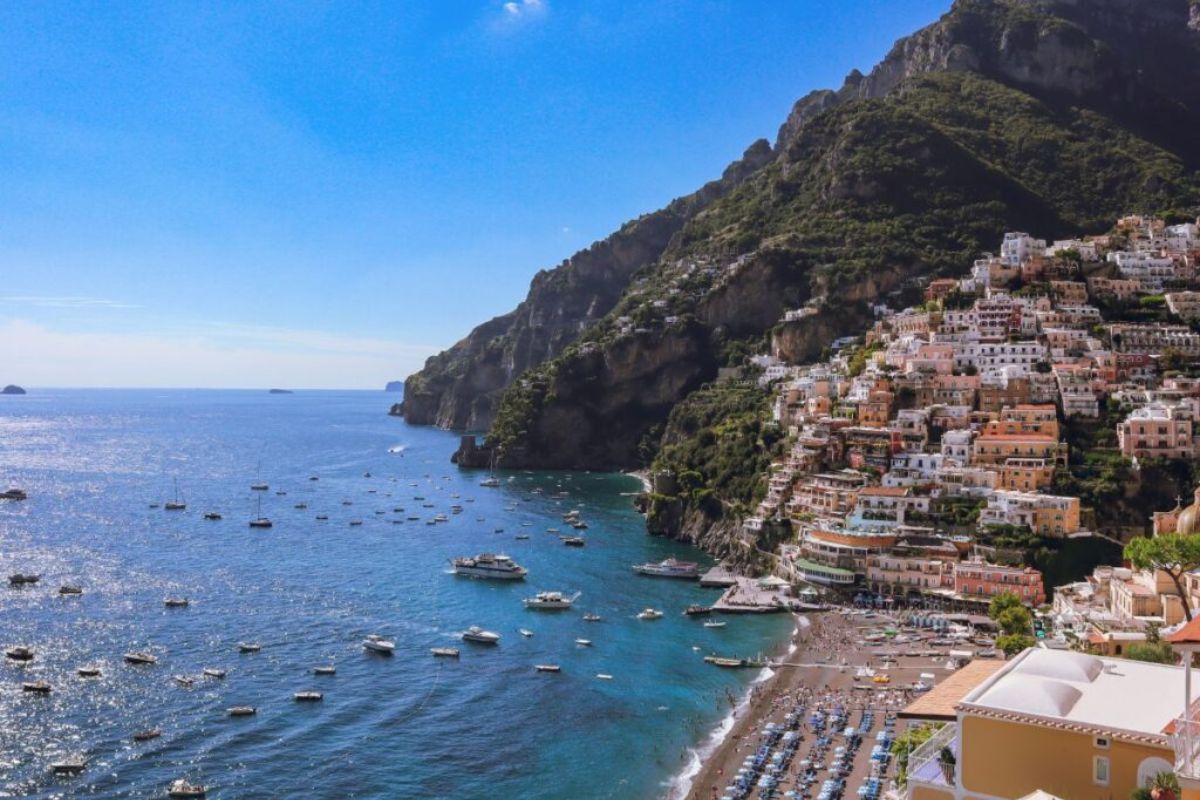
Saying that Italy is among the European countries with the most architects is correct, but it is not enough. The real point is understanding what this primacy implies. On one hand, it describes a strong tradition, a widespread design culture, an extensive professional network, and a technical presence that crosses the territory with an intensity rarely found in Europe. On the other hand, it raises a more difficult question: how to enhance and renew such a large profession in a context where the market does not automatically grow at the same speed, competition remains high, and access for younger generations appears more complex than in the past.
This is where the initial question changes meaning. Asking how many architects there are in Italy does not only mean looking for an updated figure. It means questioning the future of the profession, the relationship between university and work, the economic sustainability of studios, the geography of design, and the role that architecture continues to play in a country where cities, landscape, heritage, and the quality of living remain central themes.
Today, the official number is 159,115 registered architects. But in the end, the real issue is not only how many there are. It is what this number truly tells us about contemporary Italian architecture.