In the landscape of contemporary design, rugs are taking on a renewed central role: no longer seen as simple accessories, but as architectural elements capable of shaping atmosphere, proportion, and the identity of a space. This is the vision behind ADEMI, a young brand built on more than twenty years of expertise in the world of bespoke rugs.
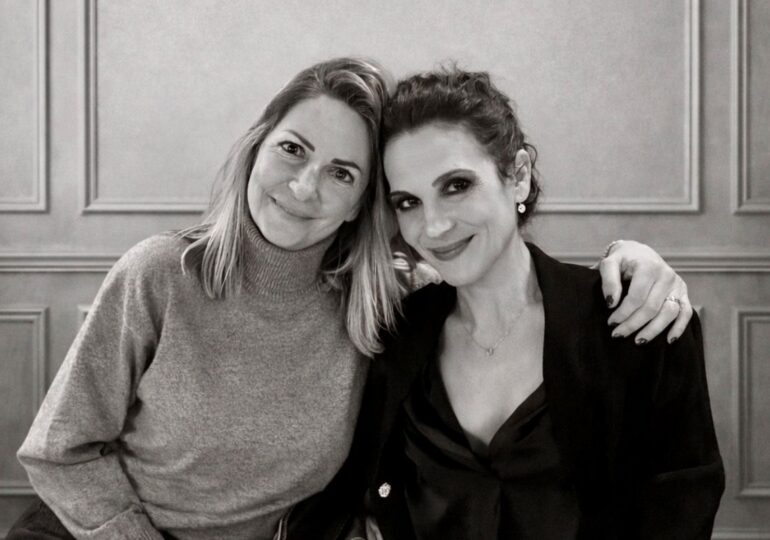
Behind the project are Tiphaine Deshays and Enrica Zola, two complementary perspectives that came together to reinterpret the world of custom rugs through a fresher, more contemporary and design-driven lens. In this interview, they share the story behind the brand, their dialogue with architects and interior designers, the expressive freedom of their collections, and their desire to bring a more personal and distinctive vision to the sector.
From bespoke residential solutions to rugs for hospitality and contract projects, ADEMI Edition sees the rug as a true furnishing element — one that brings together function, aesthetic research, and a deeper culture of living.
ADEMI Edition is a young name, but your expertise in rugs goes back many years. Tiphaine, Enrica: what is your role within the company, and how do your responsibilities come together across vision, product development, and relationships with design professionals? What was the spark that led to the birth of ADEMI? What gap did you identify in the demands coming from the interiors world, and what need from architects and designers made you feel that the time had come to build a brand with a clear direction?
Yes, absolutely. My experience in the rug industry began around twenty years ago. I have always been deeply passionate about the world of design and interiors.
ADEMI is a young and new brand, launched in January 2025, when I felt the need to create something different — a brand that could reflect not only my personal growth, but also a younger, fresher, and more contemporary vision of the rug world.
At that moment, and with that perspective in mind, I was speaking with Enrica, as often happens, about everyday ideas and future possibilities. We have shared a long-standing friendship, and I proposed that we embark on this new adventure together.
That is how the story of ADEMI began: two different yet complementary personalities, united by the same vision, working to make the world of rugs more widely known and appreciated within the design world, addressing an increasingly broad audience both in Italy and internationally.
When an architect or interior designer involves you in a project, what is the very first thing you want to understand about the space and how it will be used — even before talking about pattern, colour, or collection? What information is truly decisive in making a rug work within a project?
A rug truly works when the client trusts the process and is willing to be guided through the design journey.
That is essential, because it helps people understand that a rug is not just a decorative accessory, but a true furnishing element that should reflect both the identity of the home and the personality of the client.
For this reason, it is extremely important for us to work in harmony with both the architect and the end client. We are involved from the beginning to the end of the project, taking the client by the hand and guiding them with advice, suggestions, rug sampling, and ongoing support all the way through to the final result.
What makes a rug unmistakably “Ademi” at first glance — scale of pattern, rhythm, palette, texture, finishes? And which choices do you never compromise on, even when trends change?
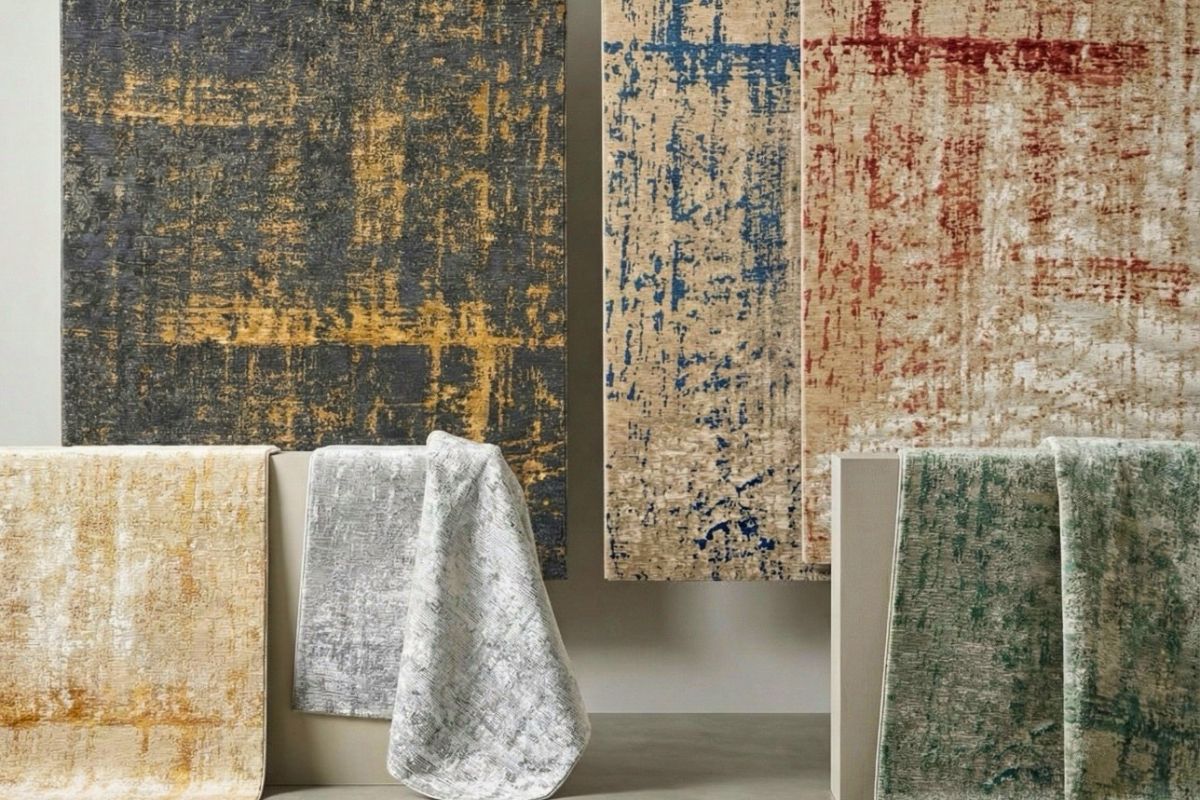
Every bespoke rug that is conceived, designed, and produced is unique. A rug is also a form of artistic expression, and it should be imagined and created as such.
We do not believe there are fixed rules when it comes to combining colours or materials. Wool and Tencel, for example, can come together beautifully. What matters is the vision behind the product and the emotional and aesthetic balance it achieves.
Exclusive, Essential, Outdoor, Bespoke Rugs, Cut on Demand: what is the common thread that connects these lines, and what really changes between them in terms of process, freedom of customisation, performance, and quality control?
We created a collection designed to respond to and embrace a wide variety of needs and project requirements.
The Exclusive line was developed with the idea of creating rugs made with more precious fibres and designs with strong personality.
The Essential and Outdoor collections, on the other hand, were designed to meet the needs of those who want an original and distinctive rug at a more accessible price point.
And then, of course, there is the bespoke line, where each client can give full space to their creativity. In that sense, working and creating with architects and designers is especially stimulating, because it allows us to engage with different worlds and transform ideas into highly personal pieces.
At Ambiente 2026 you presented new collections, materials, and solutions. What is the guiding idea behind these new launches, and what do you want to bring to the world of contemporary rugs that, in your opinion, is still missing or too often approached superficially?
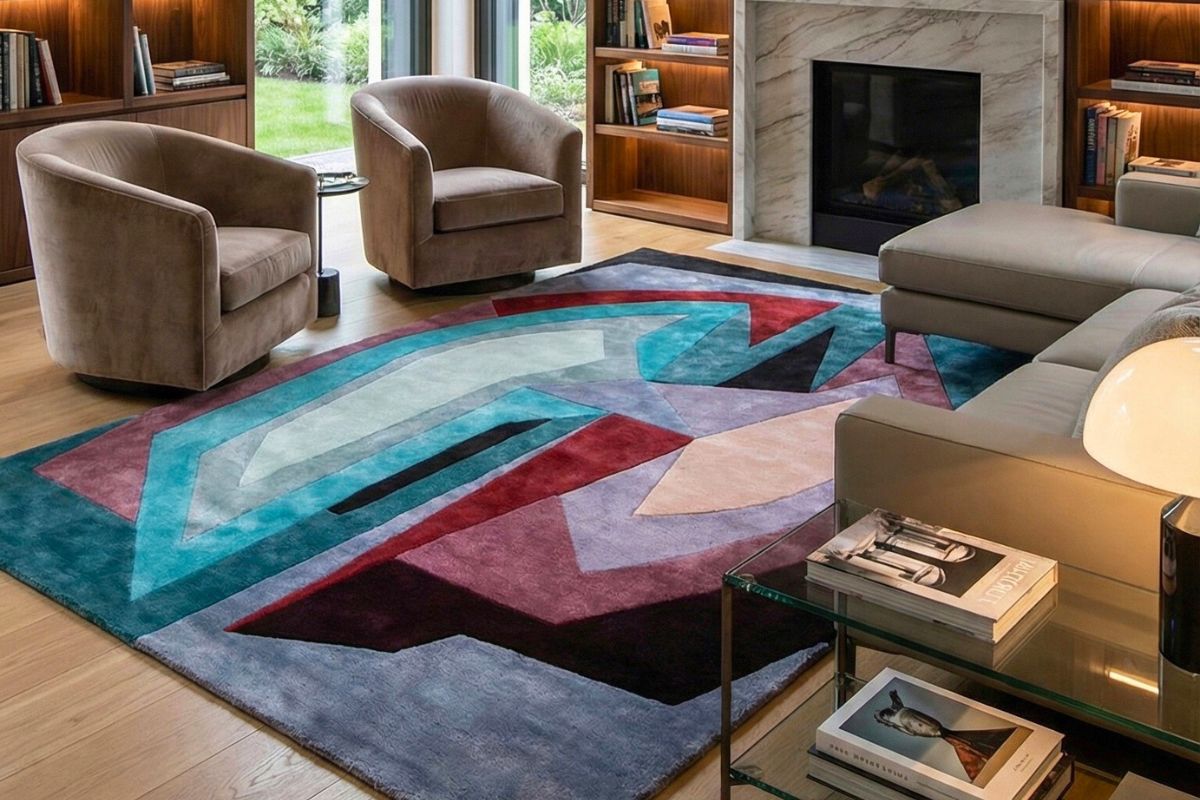
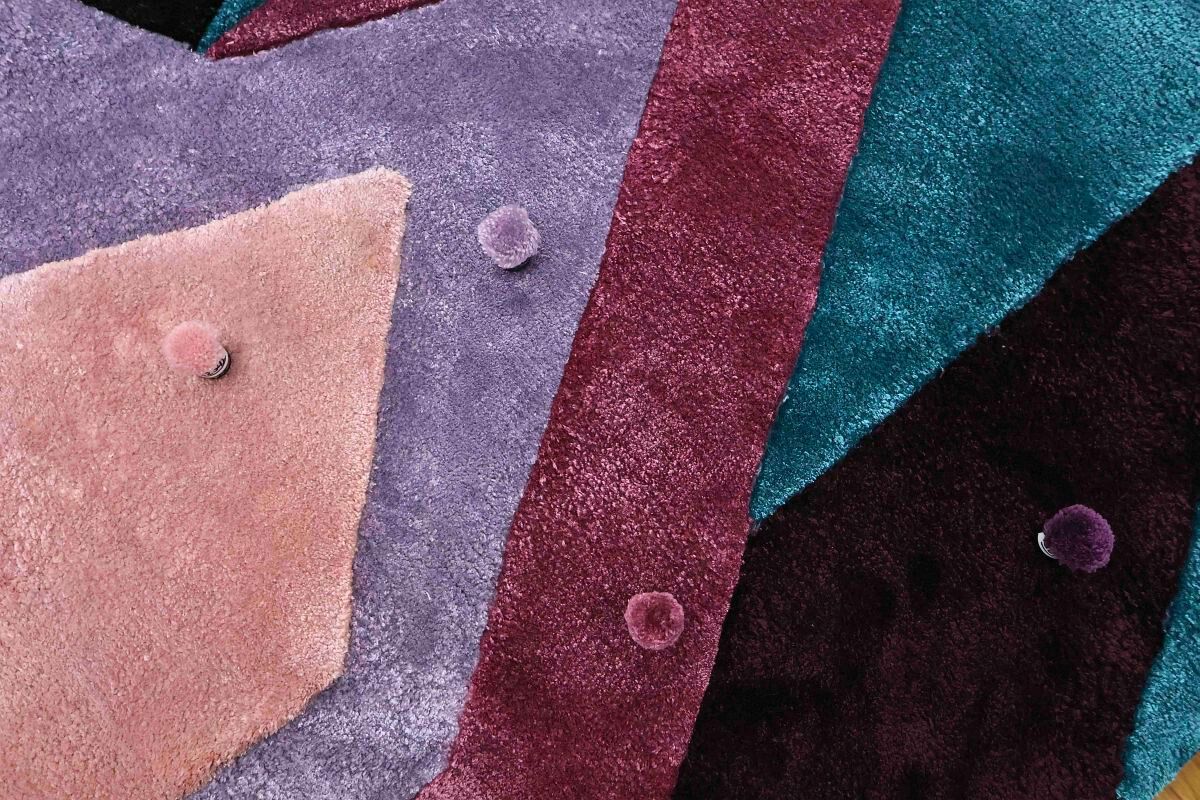
At Ambiente 2026, we presented an exclusive capsule collection called Intersezioni ed Intrecci, designed for us by architect Mattia Vayra from Turin.
We wanted to give him complete freedom to express his creativity and imagination, and that is how this capsule came to life. It stands out for its strong design identity, bold personality, and deliberately intense colours.
We must say it was very well received, because it brought people closer to the idea of the rug as an art form — as a furnishing element capable of completing a home with a truly unique touch of personality.
With this capsule, we wanted to show in a concrete way everything that can be achieved through rugs, from shapes to colours, from textiles to graphic design.
What have been your real milestones so far — a technical decision, a leap in standards, a signature project, or a recurring request that pushed you to raise the bar and define ADEMI’s identity more clearly?
We raise the bar every single day, because our vision is constantly evolving.
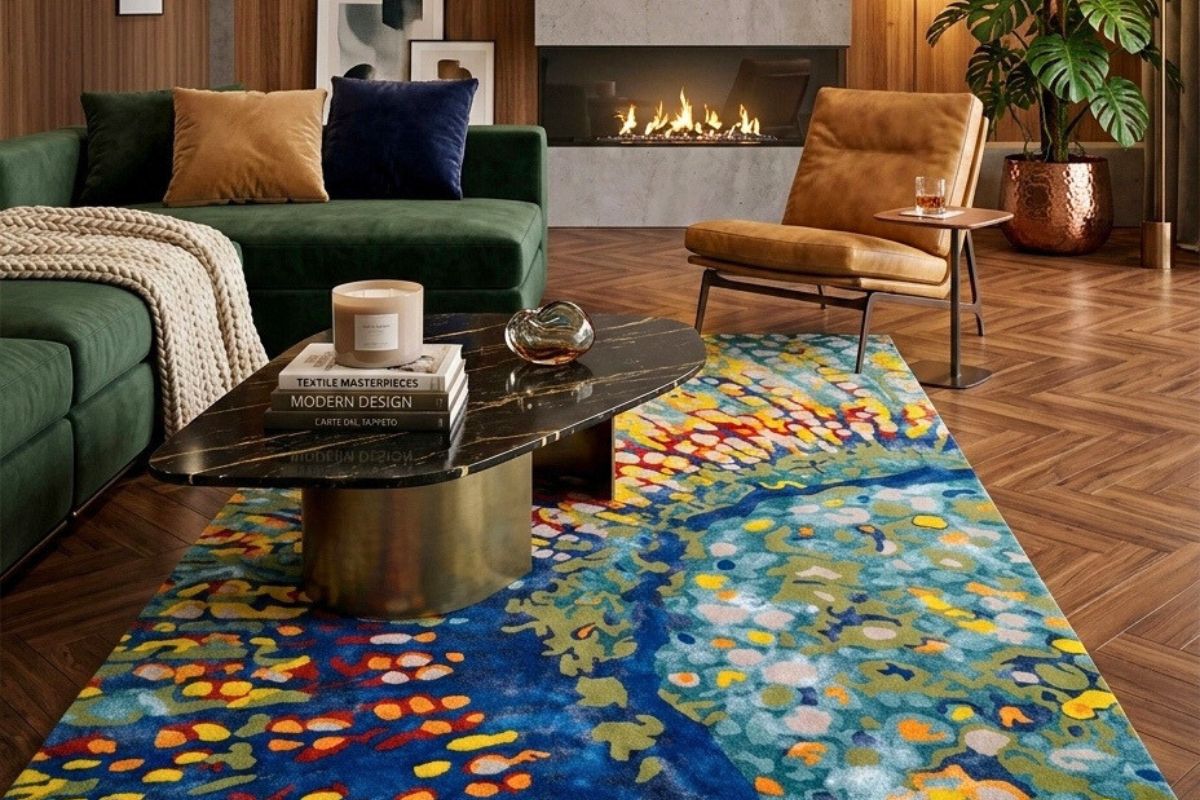
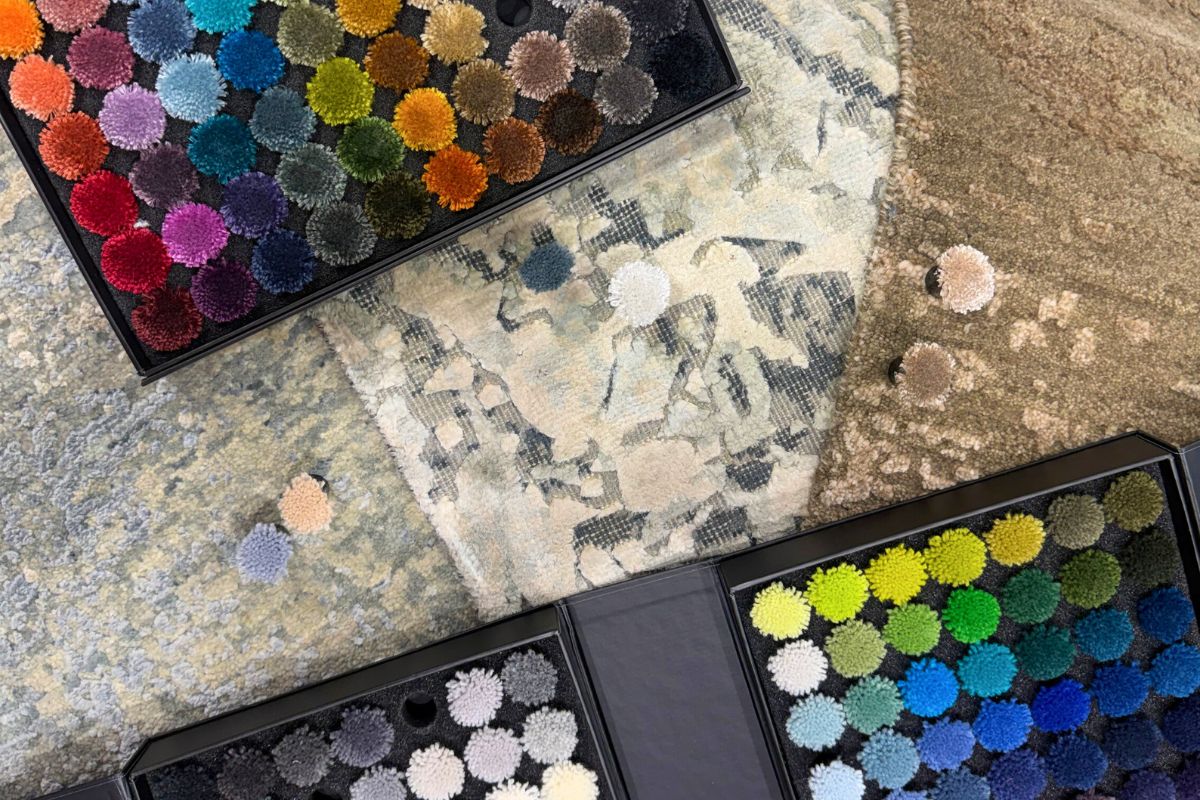
We are continuously looking for new and different synergies in order to create new models and offer a more youthful, vibrant, and distinctive idea of the rug.
That is why working closely with architects and designers is fundamental for us. It gives us fresh perspectives and allows us to communicate a vision of the rug with ever greater personality and design value.
When a designer entrusts you with an idea, how do you translate it into a real rug? What are the stages of your method — brief, proposal, samples, approvals, production — and at what point is the final result truly defined?
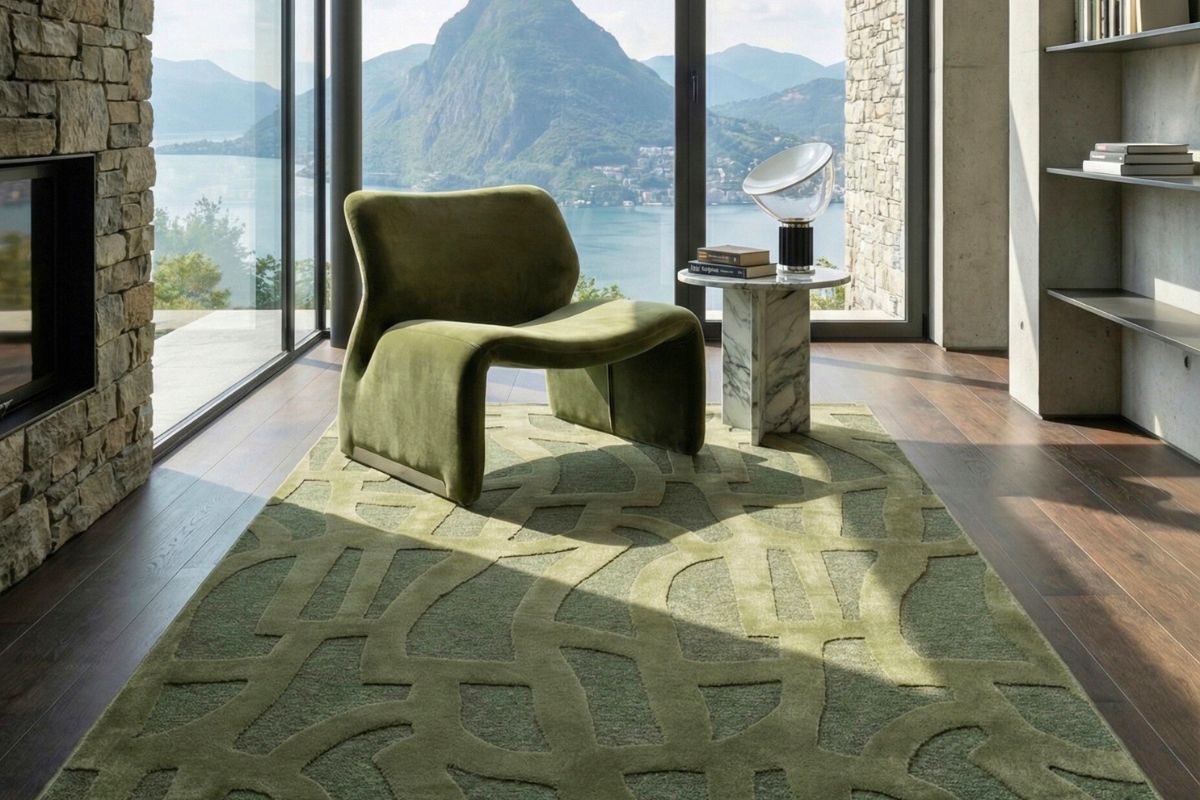
There is no single or fixed process.
It depends on whether the client is an architect or a designer. In that case, the creative phase is often more immediate, because they may already have a clear vision in mind or, having designed the client’s home, know exactly what kind of request to bring to us.
The situation is different when the project comes directly from a private client. In those cases, we guide them step by step, and the rug takes shape gradually as trust develops. It all begins with getting to know the client personally, because that understanding is essential in order to create something truly meaningful.
Very often, the client does not yet know exactly what they want, but they want to be guided in making the right choice. For us, that is why trust is the foundation of everything.
We know that some of your most successful rugs have been developed for the hospitality sector. How does ADEMI Edition position itself in the hospitality and contract world? And in these contexts, what role do you assign to the rug: a decorative finish, or a true design element capable of defining atmosphere, identity, and the quality of the experience?
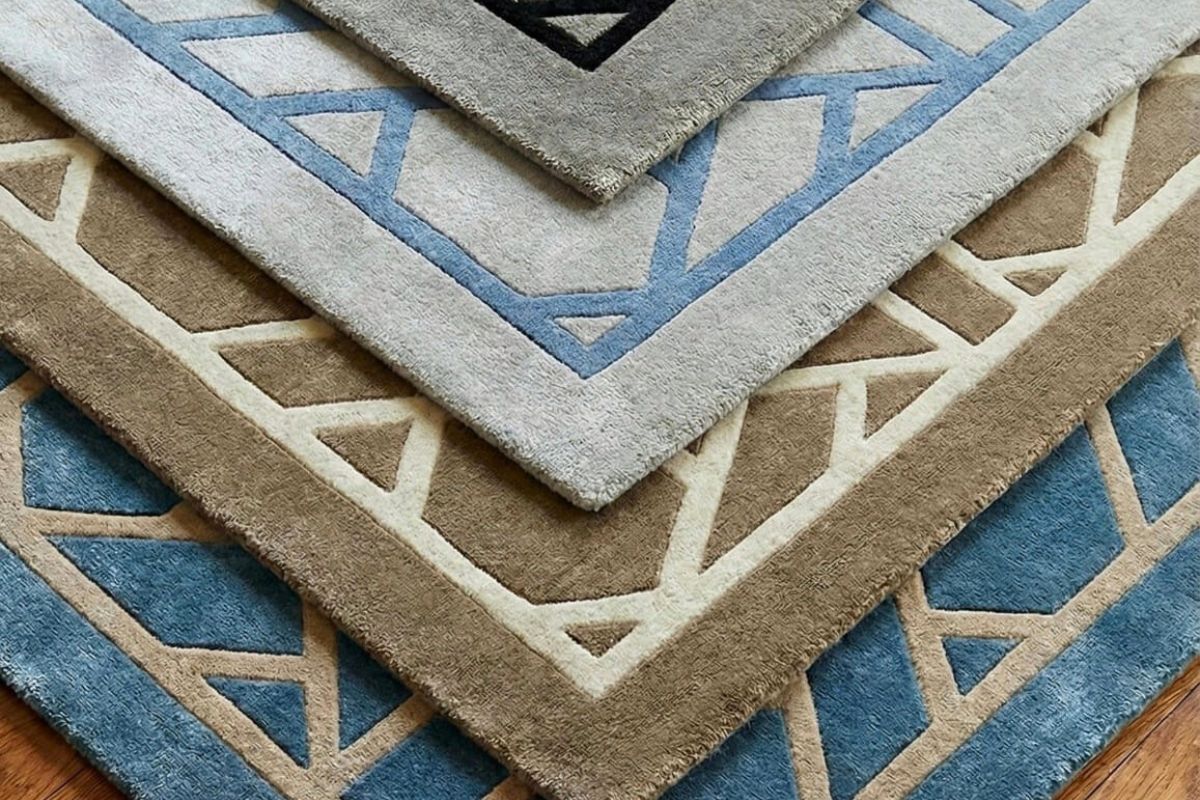
In recent years, there has been a growing demand for rugs in the hospitality and contract sectors to do more than decorate a space: they are increasingly expected to define the atmosphere and make environments feel more welcoming.
In this context, we develop tailored proposals using materials that comply with required regulations while also standing out for their elegance, refinement, and distinctive visual identity.
“Custom-made” is an overused phrase. For you, which parameters are truly design-driven — pattern scale, edging, density and texture, palette, shape, finishes, performance? And are there any requests you tend to discourage because they may compromise coherence or quality?
For us, the ultimate goal is that our clients are truly satisfied.
With that in mind, we do our best to help and guide them in choosing the right materials, colours, shapes, and design direction. Our role is to support creative freedom while ensuring that the final result remains coherent, refined, and aligned with the project.
Printed carpet, hand-tufting, artisanal knotting: when do you recommend one technique over another? What impact does each have on visual depth, design precision, tactility, durability, and long-term maintenance?
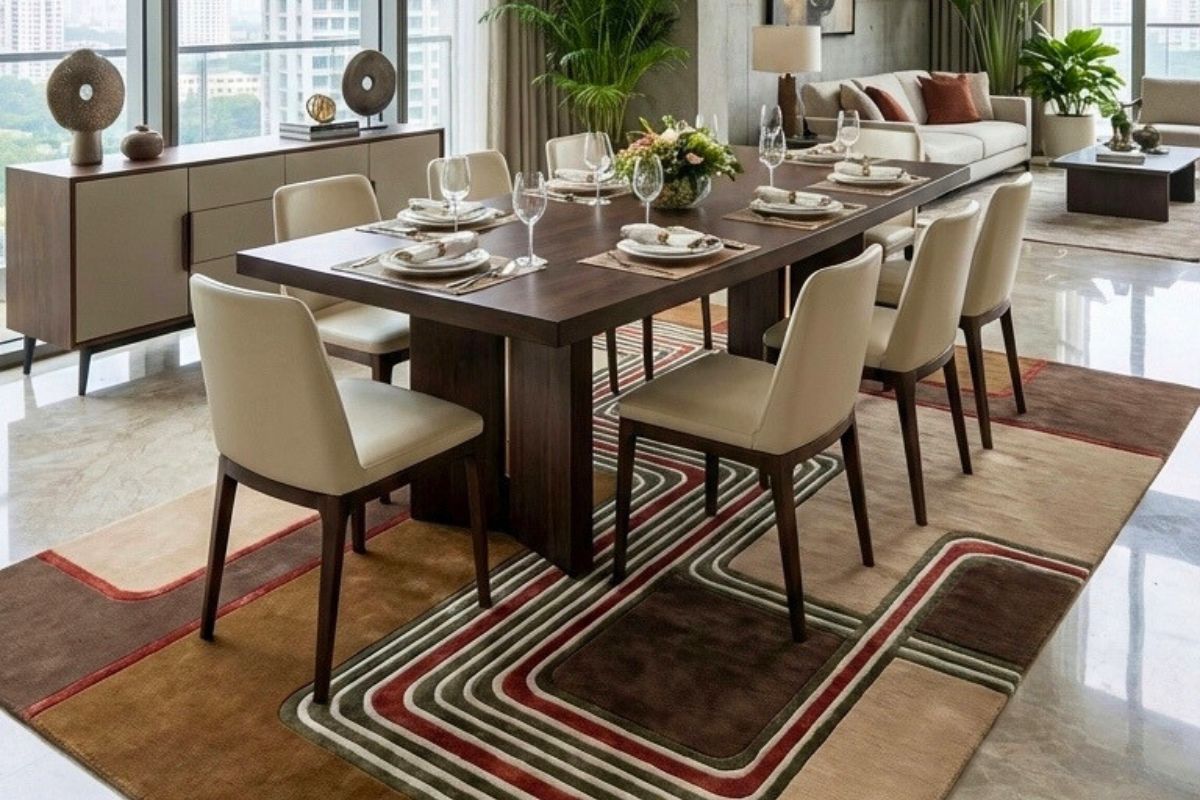
To help people understand the different rug-making techniques, and to show the final effect in a tangible way, we decided to create several capsule collections designed by architects, which we will present in Milan during Salone del Mobile 2026.
For us, this is a major opportunity — one we did not expect to happen so quickly. That is why we strongly wanted these capsules to come to life: they are the result of a synergistic process involving architects, designers, technicians, and graphic professionals.
Our idea is that a rug should be seen as a work of art, and as such, it must carry a strong message.
If you had to describe ADEMI Edition in just three words, which would you choose and why?
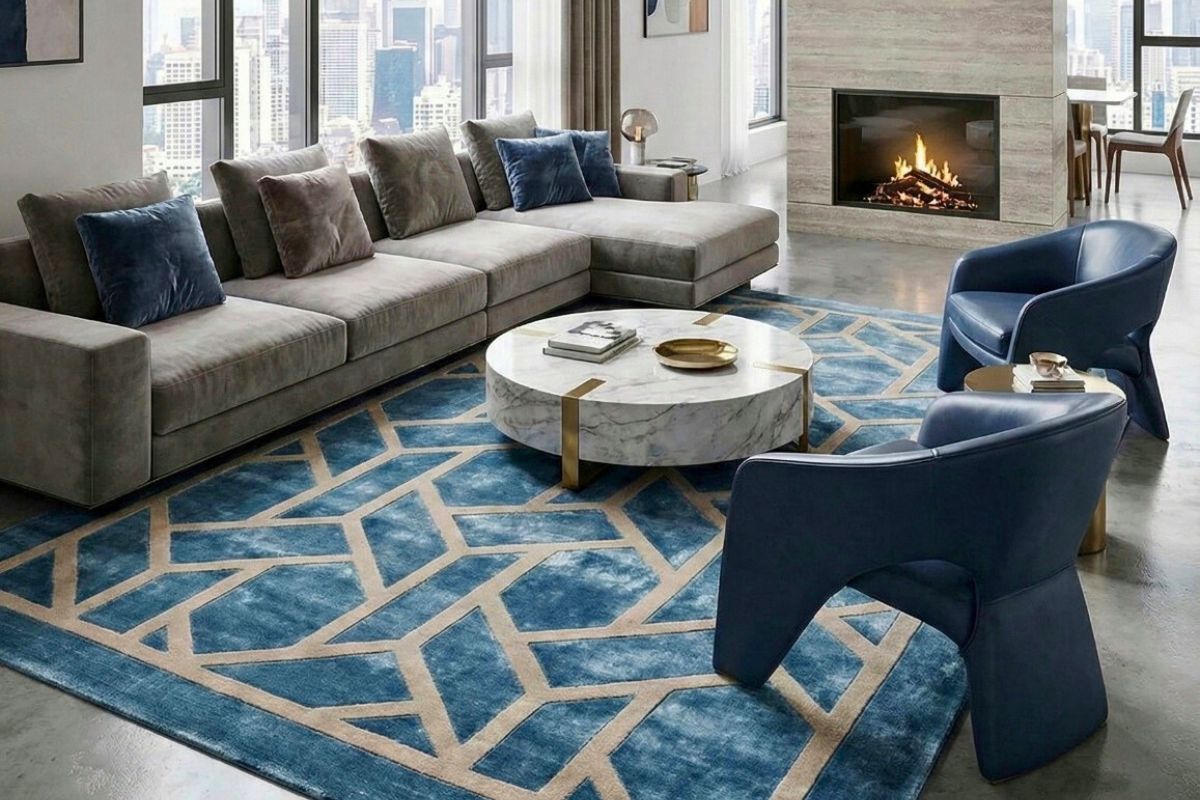
PASSION: As in every area of life, passion is essential if you want people to fall in love with a product, an idea, or a value.
DRIVE: Since its launch, ADEMI has grown very quickly because it was built around a strong desire and a precise vision — something new and different. Every day brings a new challenge, and that is what motivates us.
INNOVATION: ADEMI is constantly seeking new synergies. This allows us to present the rug in a fresh and original way — as a furnishing element that is conceived, designed, and created using different techniques and materials.
Let us close with a vision exercise: it is 2036. How do you imagine the role of the rug in tomorrow’s interior design world, and where do you want ADEMI to stand within that dialogue between project, material, and the culture of living?
The rug is, and will remain, a constant over time.
What will certainly evolve is the innovation behind it: new materials, experimentation with new fibres, and new production techniques.
Leave a comment