In Made in Italy seating design, restraint is not absence. It is the ability to read a space, respect its proportions and enter into dialogue with architecture without seeking an immediate effect. From this rigorous and discreet idea comes the design language of Riccardo Rivoli, an Italian furniture brand dedicated to the design of chairs, …
In Made in Italy seating design, restraint is not absence. It is the ability to read a space, respect its proportions and enter into dialogue with architecture without seeking an immediate effect. From this rigorous and discreet idea comes the design language of Riccardo Rivoli, an Italian furniture brand dedicated to the design of chairs, seating and furnishing accessories created to interact naturally with residential interiors, contract projects and hospitality spaces.
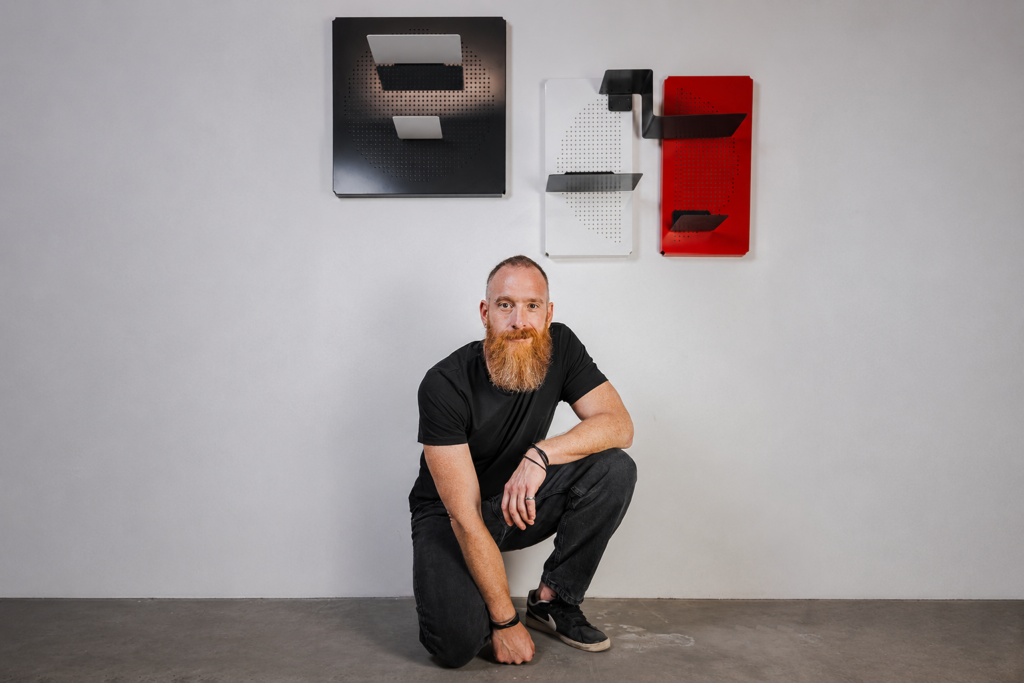
In this interview, Riccardo Rivoli, Founder & Creative Director, shares a design vision built on elegance, comfort, construction quality and coherence. A Made in Italy culture that is not reduced to a formula, but expressed through the supply chain, materials, prototyping, the relationship with architects and interior designers, and the ability to create products designed to last.
Riccardo Rivoli was founded as an Italian brand dedicated to the design and production of seating and furnishing accessories conceived to dialogue with architecture and fit into spaces with restraint. When did you realise that this idea of restraint would not simply be a stylistic feature, but the true core of the brand identity?
“Restraint” did not begin as a stylistic feature, but as a design necessity. Working closely with architecture, I understood that an object truly works when it knows how to inhabit a space without forcing it. It should not compete with architecture, but contribute to its balance. From that moment, it became the principle guiding every project.
Your language often returns to a very clear definition: elegance is not decoration, but harmony; an object must be recognisable without imposing itself and remain coherent over time. How does this idea translate, in practical terms, when a new chair or seating design is created?
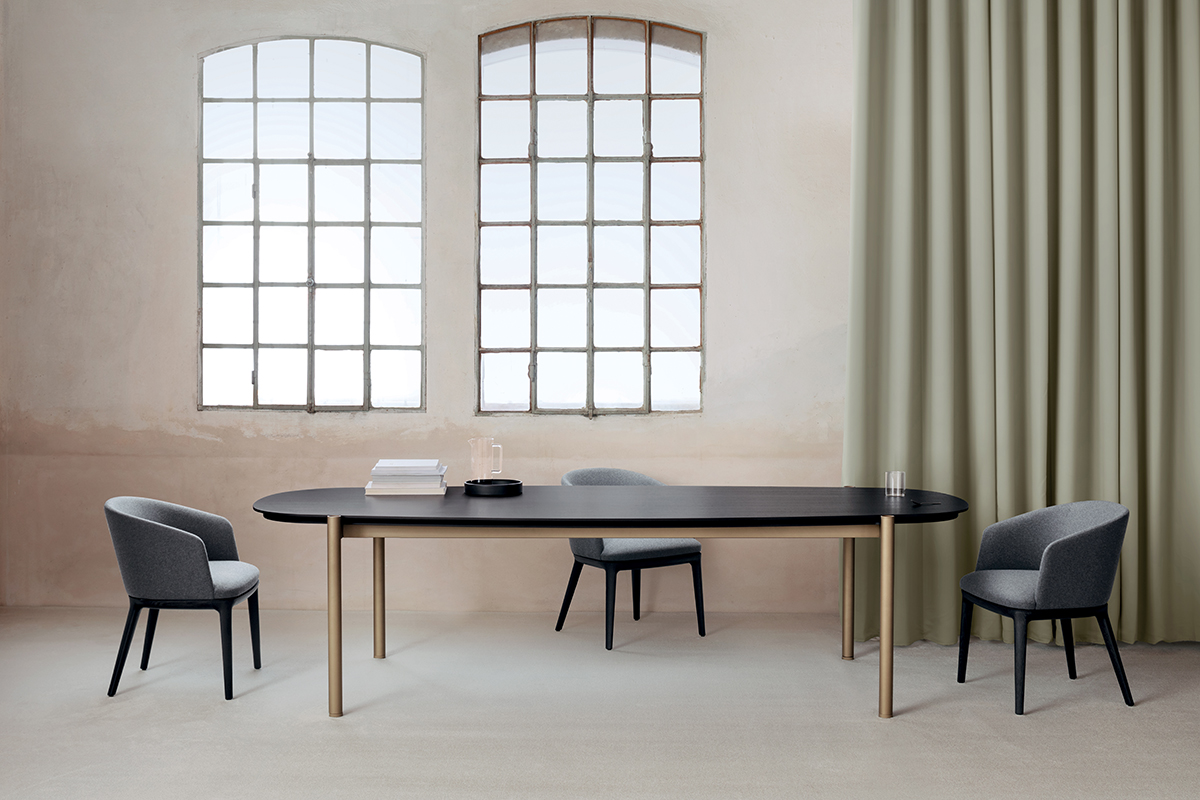
When we speak about elegance, we are not thinking of decoration. For us, elegance is harmony. It is a process of reduction, of discipline. A chair is created through a process of simplification in which every element must have a precise reason. The goal is not to impress, but to endure.
And what endures over time is always what is essential.
Beauty, functionality and fine materials are three key pillars of your design approach, together with constant attention to durability and construction quality. How do you bring these levels together without sacrificing the purity of the form?
Beauty, function and materials are never separate levels. A project is conceived from the start by integrating structure, use and construction quality. When this happens correctly, the form does not need later corrections.
The purity of the form is not an aesthetic issue, but the consequence of a well-resolved design project.
Your work brings together artisanal know-how and an industrial approach. Today, within the company, where is this balance truly defined: in product development, prototyping, material selection, construction or final quality control?
Within the company, the relationship between craftsmanship and industry is very concrete. Industry guarantees precision and continuity, while craftsmanship comes into play where control, sensitivity and perceived quality are required.
This balance is built above all during product development and prototyping, and that is where the real level of the product is decided.
Creative freedom, formal purity and attention to detail clearly define your design language. How difficult is it to defend this formal discipline in a market that often rewards immediate impact more than quiet quality?
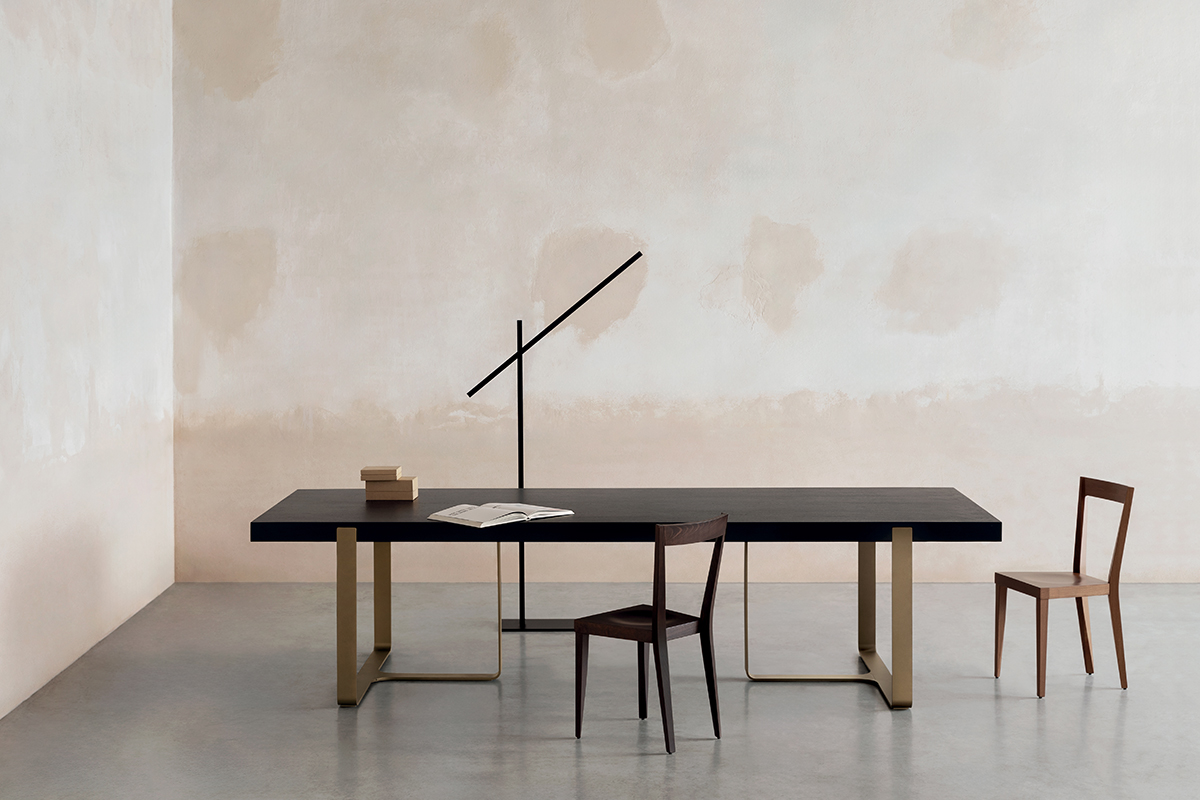
Defending this approach today requires a clear position. The market often rewards immediate impact, but we work on a longer time frame. We do not chase trends; we build coherence. It is a choice that also selects the type of client we work with: those looking only for visual impact are not our clients.
Your seating designs never try to dominate a space, but rather to establish a relationship with it. What does it mean for you to design a product that is not only beautiful in itself, but also capable of truly dialoguing with interior architecture?
Our chairs and seating collections are not conceived as autonomous objects, but as part of a broader system. Designing means entering into a relationship with architecture, respecting its proportions and contributing to the quality of the space. When this happens, the product does not impose itself; it strengthens the project.
Riccardo Rivoli works with architecture and interior design studios in Italy and abroad, building relationships based on reliability, clarity and design coherence. What are architects and interior designers looking for today in a partner like you, especially in the most demanding projects?
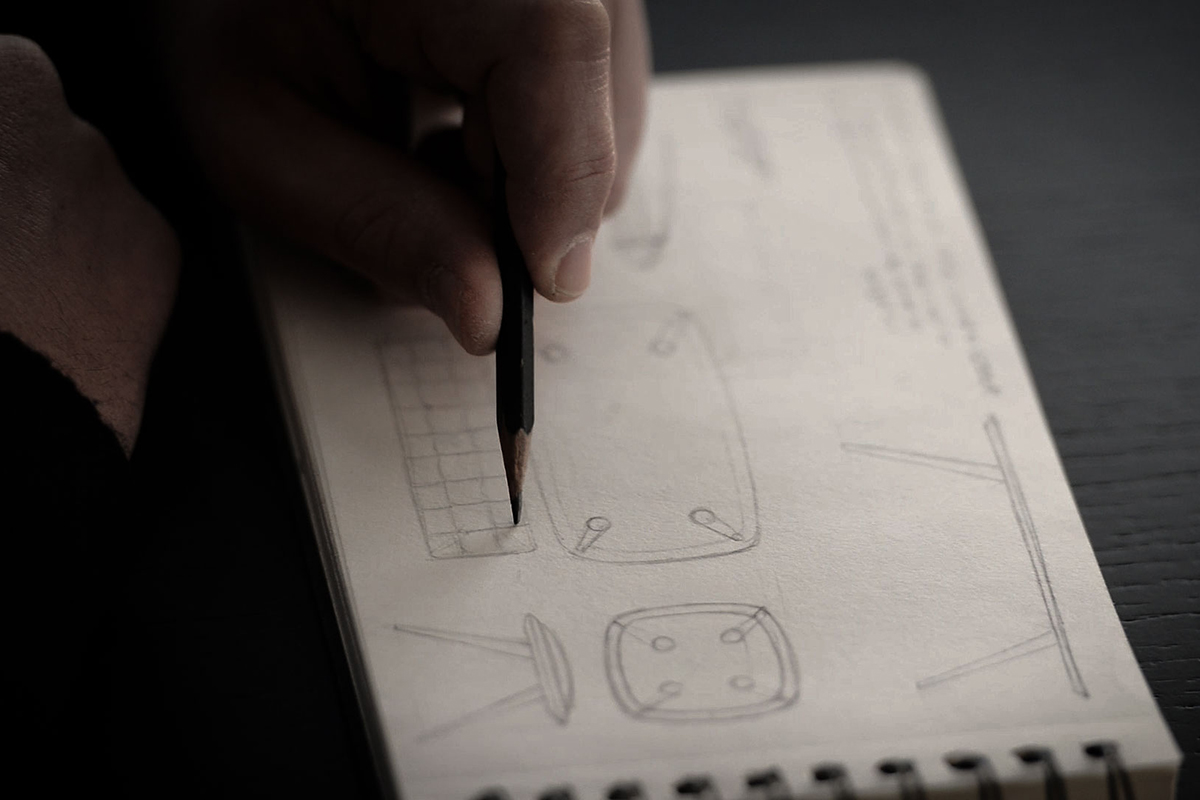
We work with architects and interior designers as partners, not as suppliers.
Today they are looking for reliable counterparts who can understand the project, respond with precision and maintain coherence even in the most complex phases. The value lies not only in the product, but in the ability to support the project all the way through to completion.
Your focus is naturally directed towards high-end contract projects and quality residential interiors, with particular attention to the hospitality sector. When working across hotels, restaurants and residential interiors, what differences truly emerge in the way a seating product is conceived?
The differences between contract and residential projects are real. In contract furniture, regulations, durability and intensity of use come into play. In residential interiors, the focus is more closely linked to comfort and the identity of the space. In both cases, however, the principle does not change: proportion, quality and coherence are non-negotiable.
Alongside your catalogue collections, you also develop custom made solutions built around precise and exclusive requirements. For you, where does the balance lie between personalisation and brand identity? When does a bespoke project remain fully recognisable as Riccardo Rivoli?
For us, custom made design is a project tool, not a commercial concession. It serves to adapt the product to specific needs, but always within a precise design language. A project remains Riccardo Rivoli when it preserves proportion, balance and construction quality. Beyond that limit, it is no longer an adaptation, but a different product.
If you had to name the product that best sums up the identity of Riccardo Rivoli, which would you choose and why? We would like to understand which model you truly consider iconic for the brand, what story it carries and how it expresses your idea of proportion, comfort, detail and elegance.
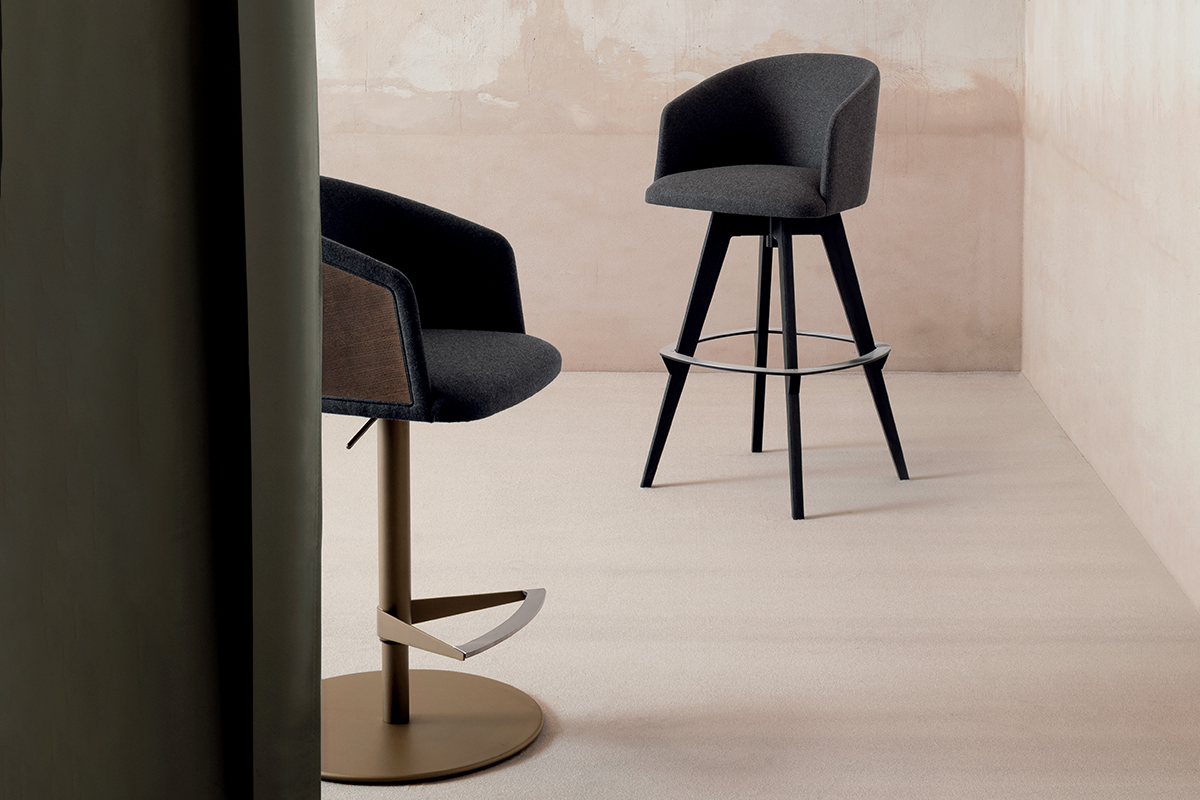
If I had to choose a representative model, I would indicate NIU. It is a seating design that very clearly summarises our approach: proportion, control of the form and attention to detail. It has a balanced presence, never invasive, yet still recognisable. It works well in different contexts precisely because it comes from a rigorous design process, where aesthetics, structure and comfort are conceived as a single system.
Alongside the main Riccardo Rivoli collection, focused on design-led projects and quality contract furniture, there is L’Abbate, a complementary proposal connected to the culture of Italian living. What is the deepest difference between these two identities, and why was it important to keep them distinct yet in dialogue?
Alongside the main collection, L’Abbate represents another dimension of the project. It is more closely connected to the culture of Italian living and to a more direct relationship with the domestic space. They are two distinct languages, but they share the same rigour. Keeping them separate is a precise choice, not a division.
Livia belongs to a special dimension of your journey, because it connects the brand with an important memory of Italian design and with the figure of Giò Ponti, starting from the Livianum at the University of Padua. What does it mean for you to preserve this model today, and what continues to make it relevant within modern interiors?
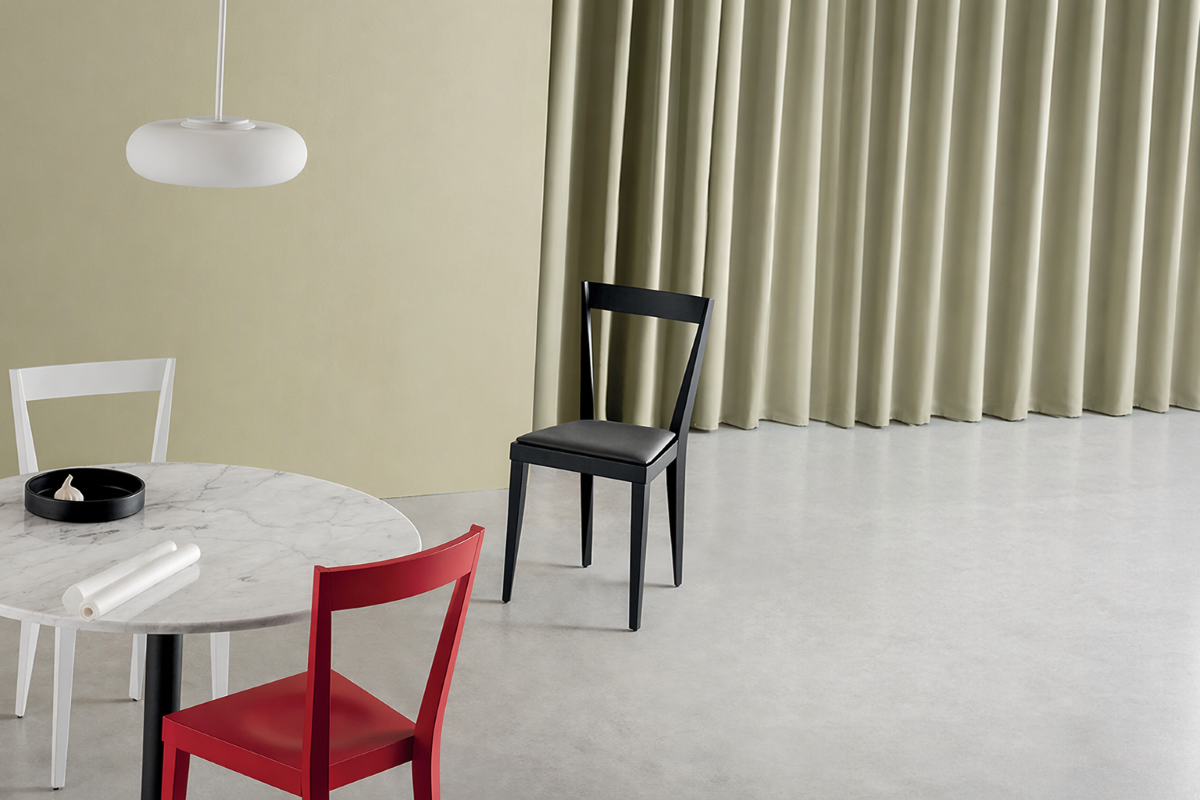
Livia is a particular project because it connects the present with an important memory of Italian design. It is not simply about preserving a model, but about carrying forward a design principle made of lightness, proportion and constructive intelligence. This is what keeps it alive today.
In your narrative, Made in Italy is never a formula, but a productive and design culture made of experience, research, quality and coherence. Today, also working with international markets, what makes this idea still concrete and credible, beyond any simplification?
For us, Made in Italy is not a declaration, but a working system. It means direct control, a short supply chain, knowledge of materials and continuous dialogue between design and production. This level of coherence is what makes it credible, especially in the most demanding international markets.
It is 2036: if we were to look at Riccardo Rivoli ten years from now and recognise it immediately, which elements should remain intact — proportion, comfort, detail, coherence — and which should evolve more decisively in order to continue dialoguing with architecture, new ways of living and international markets?
Looking at the next ten years, certain elements must remain unchanged: proportion, comfort, quality of detail and coherence. At the same time, it will be necessary to evolve in terms of materials, sustainability and the ability to respond to increasingly complex contexts. The goal is not to change identity, but to make it stronger and more aware.