Light can assert itself as a defining feature, or it can recede until it becomes one with the architecture. It is in this second, more complex and less immediate approach that much of today’s design quality can be measured: in the ability to clarify volumes, bring depth to surfaces and guide the perception of space …
Light can assert itself as a defining feature, or it can recede until it becomes one with the architecture. It is in this second, more complex and less immediate approach that much of today’s design quality can be measured: in the ability to clarify volumes, bring depth to surfaces and guide the perception of space without turning the lighting fixture into the centre of attention.
This kind of research calls for technical expertise, control and a deep sensitivity to materials, particularly when a project involves museums, historic residences, frescoed interiors or buildings governed by strict conservation requirements. In these settings, lighting is not simply about adding illumination. It means establishing a carefully balanced relationship with what is already there, respecting its proportions, identity and memory.
It is around this culture of integration that Zero55 has shaped its role within the field of architectural lighting. The Tuscan company operates at the meeting point between lighting research and design, developing technologies and bespoke solutions in which precise control of light goes hand in hand with a reduced visual presence of the fixture. Drywall®, DIVE and HOOP express different interpretations of the same principle: allowing light to reveal the architecture without imposing itself upon it.
In this interview with Andrea Stiaccini, Co-CEO of Zero55, lighting becomes the starting point for a broader reflection on contemporary design: its relationship with materials and cultural heritage, colour quality, visual comfort, collaboration with architects and lighting designers, and the value of a production model capable of combining innovation, precision and a bespoke approach.
Architectural lighting: an interview with Andrea Stiaccini of Zero55
Zero55 works with a very specific idea of light: not a decorative element added to a space, but a presence that becomes part of the architecture itself. Where did this vision originate, and what led you to focus on the integration of light, surfaces and design?
Our vision is rooted in a simple belief: light should not come after the architecture as an additional layer; it should be part of it. In many projects, we realised that the challenge was not simply to illuminate a space effectively, but to do so without compromising the quality of the environment, its surfaces or its materials.
This led us to explore integration: making light feel like a natural presence, capable of enhancing what already exists without overpowering it. At Zero55, a product is never treated as an isolated object, but as a tool serving the wider design.
This is also the foundation of our solution-led approach. We begin with the actual requirements, the constraints of the space and the desired lighting effect, and then develop a coherent technical and design response. We do not seek to impose a particular product, but to identify the most appropriate solution.
Many of your projects seem to begin with a delicate question: how can a space be illuminated without being visually invaded? It is a technical issue, but also a cultural one. What does it mean to design lighting that is perceived before the fixture itself is noticed?
It means working with restraint and proportion. Well-designed lighting does not necessarily have to announce itself through the fixture. Its role is to improve the perception of the space, make a surface easier to read and guide the eye.
Achieving this naturally requires considerable technical expertise: control of light output, appropriate optics, colour quality, glare management, simulations and testing. Before anything else, however, it is a design attitude. For us, illuminating without intruding means respecting the architecture rather than competing with it.
Our aim is to achieve a solution that feels natural, even when it is supported by a complex process of design, development, testing and mock-ups.
Your research often involves highly complex settings: museums, historic villas, palaces, decorated surfaces and buildings subject to very precise constraints. What have these environments taught you about the relationship between light, balance and respect for a space?
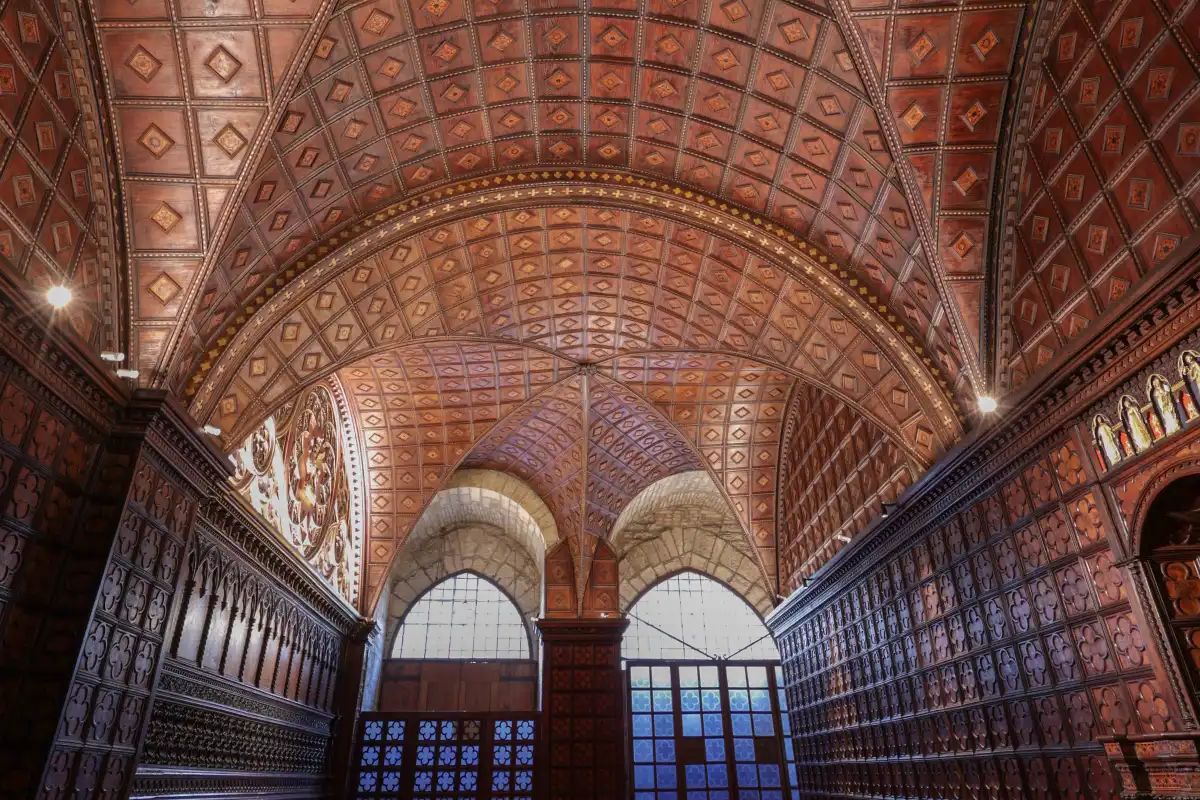
They have taught us that every project must begin with listening. In historic or protected buildings, standardised solutions are rarely appropriate, because every wall, cornice and material has its own history, identity and, in many cases, fragility.
Light needs to be precise, but also discreet. It must make things visible without altering them, and enhance them without transforming them. These contexts have taught us a sense of responsibility: achieving an aesthetically pleasing effect is not enough. The result must also be appropriate for that particular place.
This is why our approach is solution-led. Rather than presenting a ready-made answer, we develop a response around the specific context through simulations, samples, on-site testing and, where necessary, mock-ups that allow the lighting effect to be evaluated in real conditions.
Drywall® is one of the most distinctive elements of your work. How was this technology developed, and what design problem were you trying to solve when you began working on it?
Drywall® emerged from the desire to move beyond the traditional concept of the visible lighting fixture. We wanted to develop a technology that could be integrated into architectural surfaces, allowing the light to emerge without imposing the presence of the luminaire itself.
The design challenge was very practical: how could we introduce high-quality lighting into complex, historic or delicate architecture while minimising the fixture’s visual impact?
What makes Drywall® distinctive is its ability to allow light to originate from the architectural zero point: the exact line at which the wall and ceiling meet. This is a unique feature of our technology. The light is not positioned close to that point; it emerges directly from the junction between the two surfaces.
Drywall® is therefore a technical solution, but also a manifesto for the way we understand lighting: integration, control, continuity between surfaces and respect for the architecture.
In many cases, your aim is not to make the product visible, but to allow the light to work almost naturally within the architecture. In a market where design objects often seek to command attention, why have you chosen a quieter direction?
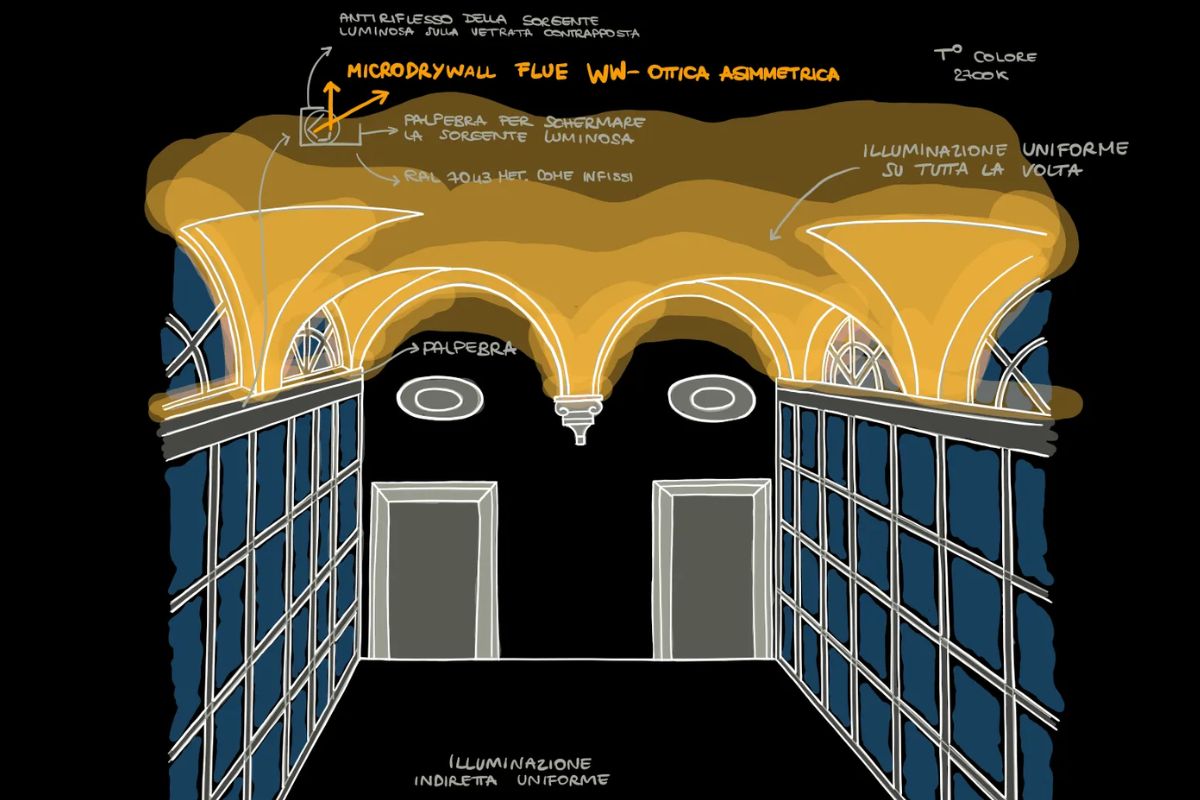
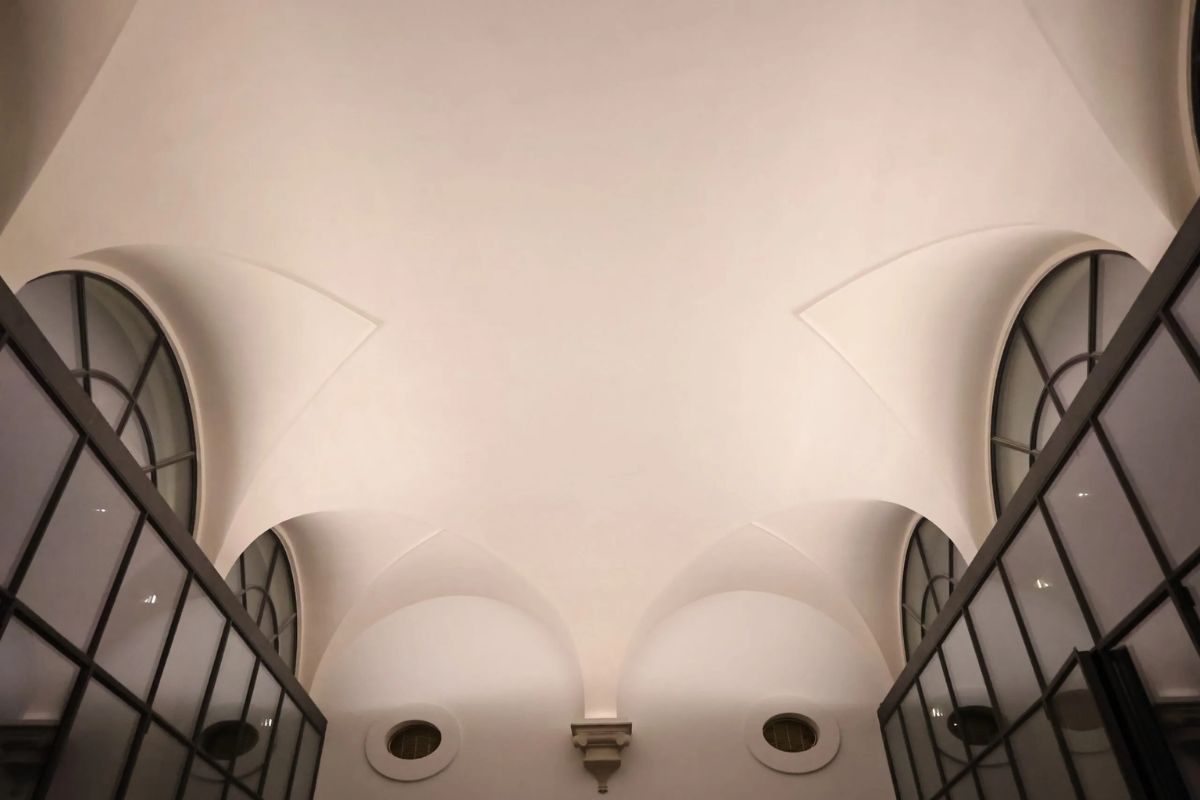
Because we believe that the value of light does not necessarily depend on the visibility of the object producing it. For us, design is not simply about form. It is about solving a problem, improving the experience of a space and establishing a dialogue with the architecture.
We chose a quieter direction because many spaces do not need a bold statement; they need an intelligent presence. This does not mean giving up a recognisable identity. On the contrary, the identity of Zero55 lies precisely in its ability to disappear when the project requires it.
This choice is entirely consistent with our method. We listen to the project, understand its constraints and identify the most suitable response. Light becomes the protagonist through what it reveals, rather than necessarily through the object that produces it.
Light can completely change the way a material is perceived, whether it is stone, plaster, a fresco, wood or a metal surface. How do you ensure that the lighting does not misrepresent the material, but presents it as faithfully as possible?
We always begin with the material. We study the surface, its texture, its colour and the way it reflects or absorbs light. We then work on colour temperature, colour rendering, beam angle, positioning and intensity.
Stone does not respond in the same way as a fresco, just as wood behaves differently from metal. For this reason, we use specialist optical simulation software and 3D ray-tracing programs to study the behaviour of the optics, the path of the light, beam distribution and reflections across different surfaces.
Simulation allows us to anticipate many aspects of the final result, but it cannot completely replace physical testing. When a project requires it, we produce samples and mock-ups, because the relationship between light and material also needs to be observed in the real world.
The aim is not to make every surface more theatrical, but to present each material truthfully.
Zero55 appears to become involved in projects well before the final stage of simply “installing the lights”, when the overall quality of the space is still being defined. How much does the outcome change when lighting is considered alongside the architecture from the earliest stages?
It changes enormously. When lighting is considered only at the end, it often becomes a corrective measure. When it is introduced during the initial stages, it becomes part of the project itself.
Fixtures can be integrated more effectively, power supplies can be planned correctly, light output can be controlled, invasive solutions can be avoided and the overall result becomes cleaner. Our work is most effective when we are able to engage with architects, lighting designers, interior designers and consultants from the outset.
At that point, lighting is no longer an accessory, but a component of architectural quality. Together, we can address details, technical constraints, customisations, mounting systems and mock-ups, ultimately developing a response that is genuinely tailored to the project.
When working with architects, lighting designers and interior designers, what are the most common requests today? Are they primarily looking for discretion, integration, technical precision, flexibility or solutions developed around highly specific situations?
I would say they are looking for all of these things at once. Designers need products that are technically reliable but also flexible. They ask for integration because they want to avoid visually intrusive elements. They ask for precision because every project has different constraints and objectives. They also need support, because the solution often has to be adapted to a specific context.
For us, this is a natural part of the process. We do not simply supply a fixture; we support the designer in selecting and developing the most appropriate solution.
Our solution-led methodology begins with the design challenge. Sometimes the answer involves adapting an existing product. In other cases, it requires the development of a specific optic, finish, dimension or mounting system. Part of the value of Zero55 lies in our ability to follow this process alongside the designer.
Your production is based in Tuscany, a region with a particularly strong relationship between architecture, art and materials. What does maintaining a close, carefully controlled supply network mean to Zero55 in such a technical and international sector?
It is fundamental. A local supply network allows us to maintain closer control over quality, respond quickly to customisation requests, supervise details and maintain a direct relationship with the people producing the individual components.
In a technical and international sector, this is not a limitation but a competitive advantage. Tuscany has given us a culture of materials, detailing and proportion that is essential to our identity.
Technology and craftsmanship are not opposites; in our case, they work together. We identify with the idea of being contemporary artisans of light: a technology-driven company committed to research and innovation, while preserving care, flexibility and a bespoke approach.
Florence is a city where light is never neutral. It moves across stone, frescoes, museums, churches and historic spaces. Has living and working in this environment shaped the way you see light?
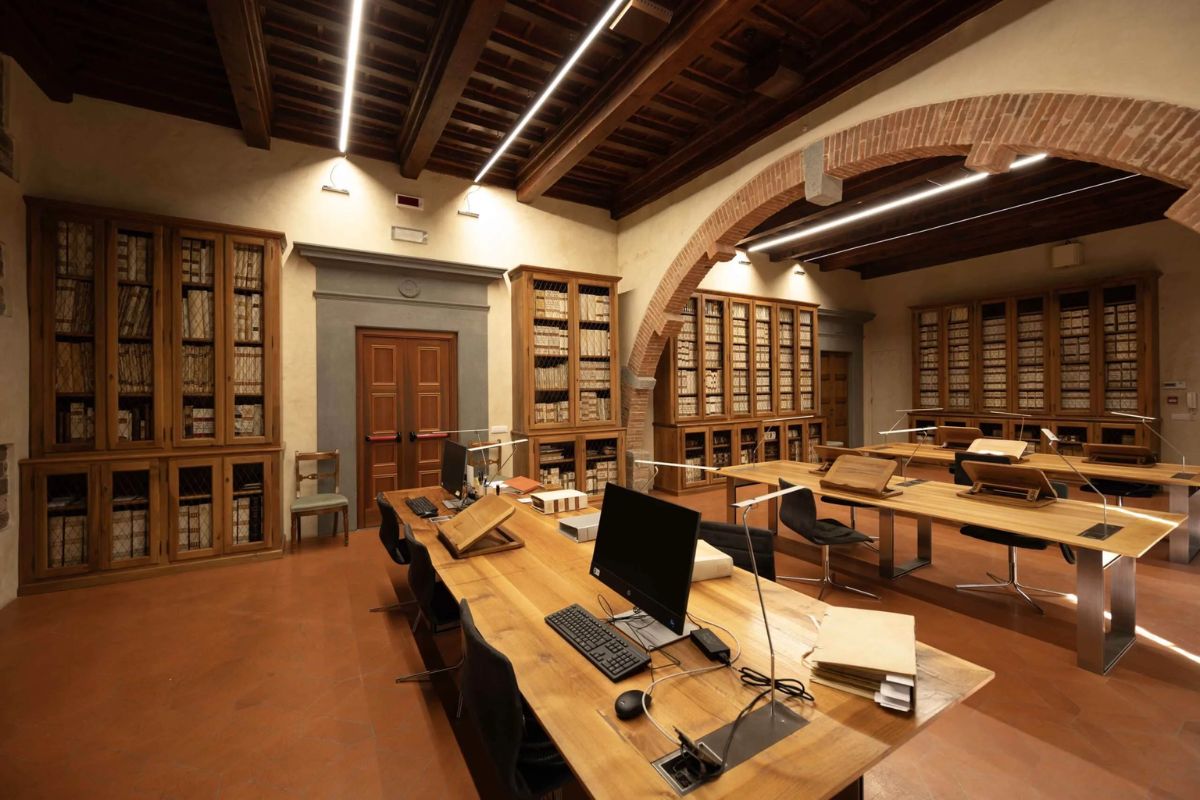
Yes, inevitably. Florence is a city in which art, architecture, materials and light have been interconnected for centuries. Natural light moves across stone, shapes façades, enters churches and continually alters our perception of frescoes, sculptures and architectural volumes.
One only has to think of Michelangelo’s New Sacristy in San Lorenzo. He designed not only the architecture and sculptures, but also carefully considered the relationship between the openings, natural light, marble and artworks. Light entering through the windows and the lantern of the dome contributes to the reading of the space, accompanying the architectural and sculptural forms as it changes throughout the day.
This Florentine culture has taught us that light is never neutral and cannot be treated superficially. It can become a connecting element between architecture, material and narrative.
Working in Florence has shaped our perspective. It has taught us to seek a precise and respectful light, capable of revealing without overwhelming. This is also why we feel particularly connected to cultural heritage sites, museums, historic buildings and frescoed interiors.
In exhibition spaces, lighting has to perform many functions at once: reveal, guide, protect, prevent visual fatigue and preserve colour accuracy. How do you find the right balance between the visitor’s experience and your responsibility towards the artwork or the architecture?
The balance is created through design. In a museum or exhibition space, lighting should not simply make things visible; it should create the right experience.
It must guide visitors, protect the works, comply with appropriate illuminance levels, prevent glare and maintain accurate colour rendering. Every technical decision has a perceptual consequence.
This is why we devote great attention to simulations, testing, verification and mock-ups. We look for the point at which visual quality and conservation requirements meet. In a museum setting, lighting cannot be improvised. It has to be designed precisely and tested in the actual space.
Colour quality is often invisible to the public, but it is crucial for designers. If the lighting is unsuitable, a colour may appear dull, distorted or excessively vivid. How do you address this during development and testing?
Colour quality is central to our work, particularly in settings where lighting must represent an artwork, material or surface faithfully. A light source may be technically powerful, but if its colour performance is inaccurate, it can completely alter the perception of a fresco, stone, fabric or wood.
For this reason, we select our light sources extremely carefully. Our products use Nichia LEDs, a Japanese technology known for its high quality, chromatic stability and excellent colour rendering. This allows us to work with greater precision on the perceptual quality of light, particularly in museums and in projects where colour fidelity is critical.
There is, however, no universally correct colour temperature. There is only the right light for a particular material, context and function. When required, we therefore conduct tests, produce samples and develop mock-ups until the right balance has been achieved.
DIVE takes the concept of integration particularly far: when switched off, it almost disappears, while in operation it provides carefully controlled illumination. What does this product represent within the development of Zero55?
The phrase we used to present DIVE at the [d]arc awards captures its meaning perfectly: when the light disappears, the architecture remains.
DIVE is a linear fixture designed to disappear completely into the ceiling. Thanks to its customisable finish, when closed it becomes virtually invisible, preserving the continuity of the architectural surface.
When activated, an intelligent motorised rotation mechanism opens the system and reveals the dark-light optics, which are designed to control the output while concealing the light source from view.
DIVE marks an important step in the development of Zero55 because it takes the principle of integration to another level. It does not simply reduce the visual presence of the fixture; it allows the product to disappear completely when the light is not required.
It is technology at the service of architecture: when switched off, the purity of the surface remains; when switched on, only the light emerges.
HOOP, by contrast, expresses a different idea: precise, adjustable lighting that is also easy to manage. How important is it for you that technical complexity should remain intuitive for the person using the product?
It is essential. HOOP was developed around this very principle: to deliver precise, adjustable lighting through a small, intuitive product that is simple to use.
It is a compact spherical spotlight that can be easily directed and installed using a magnetic mounting system. This is important because technology should support designers, installers and end users rather than make their work more complicated.
A considerable amount of technical research lies behind what appears to be a simple solution. The final result, however, should feel effortless: a flexible, clean and easily adjustable product capable of adapting to the requirements of the space.
Your catalogue encompasses a wide range of solutions: recessed fixtures, linear lighting, adjustable systems, indoor and outdoor applications, museums, residential projects and hospitality spaces. How do you maintain a recognisable identity across such different applications?
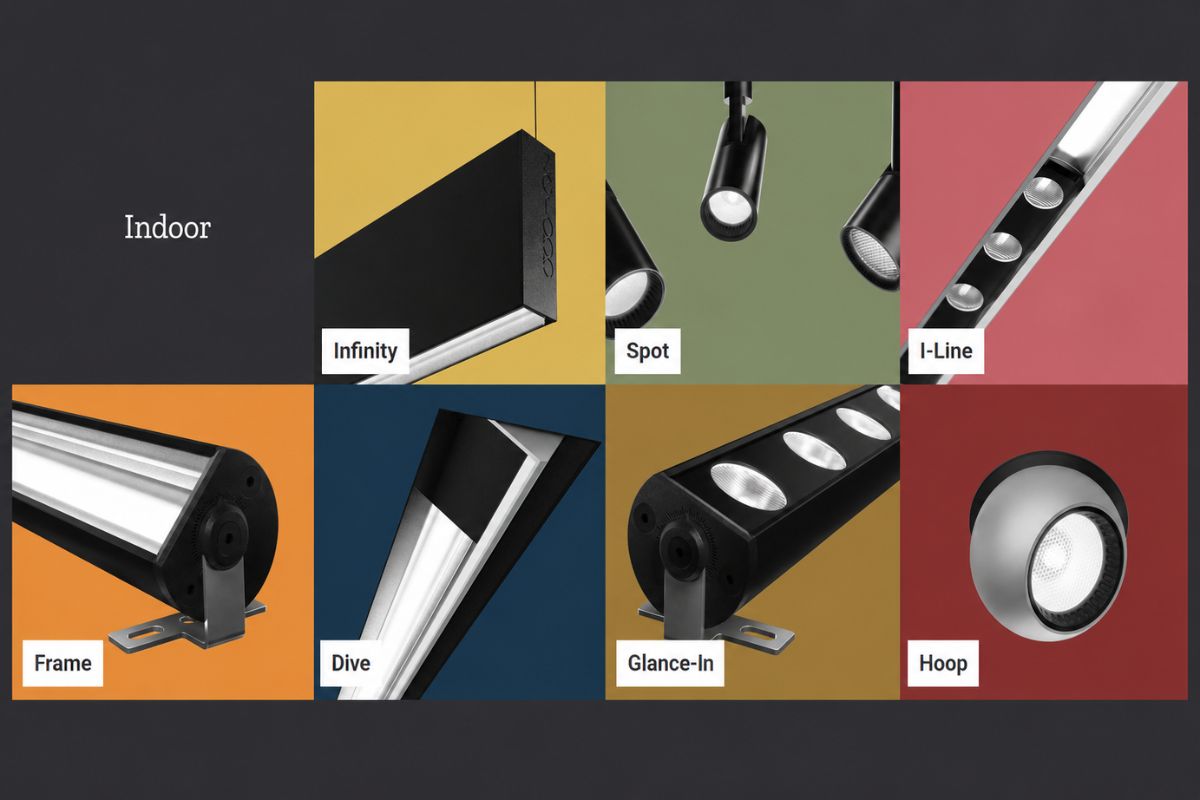
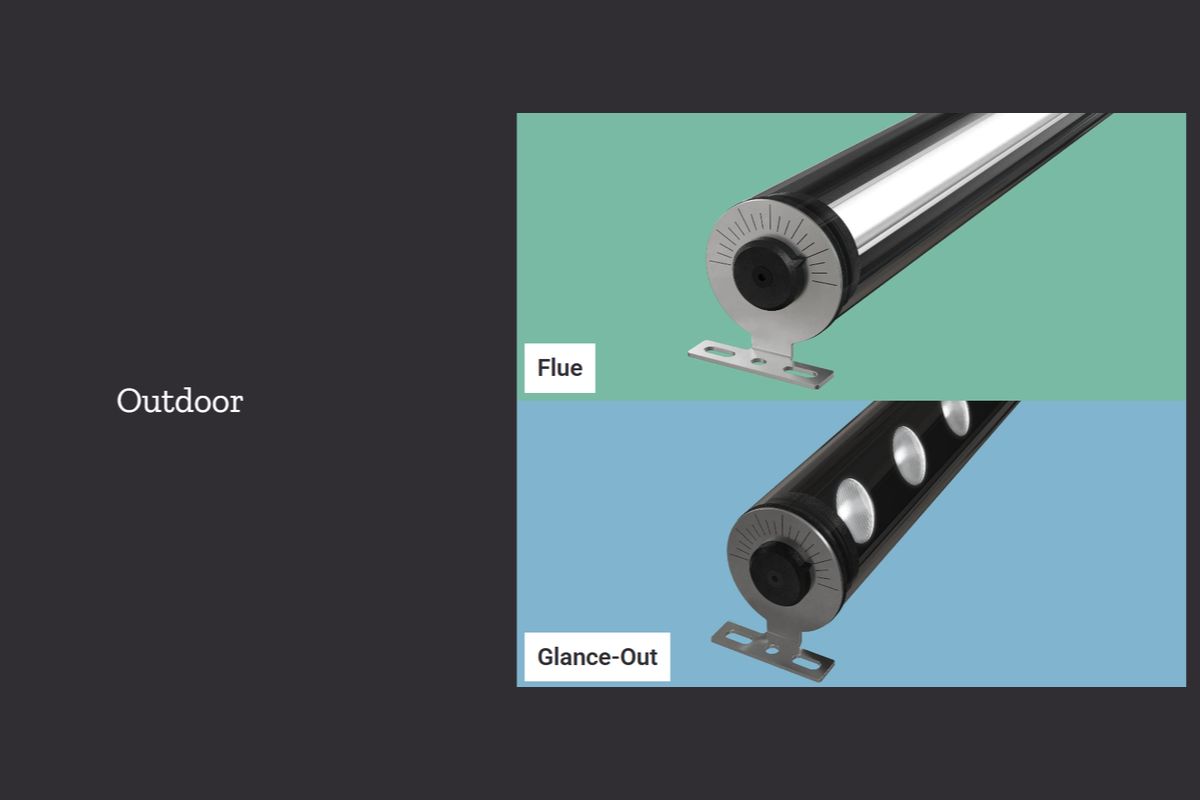
Our recognisable identity comes from Drywall® technology, which lies at the centre of Zero55’s products and projects. Drywall® is not simply a technical solution; it is the central feature and connecting thread running throughout our catalogue.
The applications may differ — museums, residences, hospitality spaces, outdoor areas, historic surfaces or contemporary interiors — but the underlying principle remains the same: integrating light into the architecture, controlling its output precisely, reducing the visual impact of the fixture and developing a tailored response.
Every product and project has a bespoke dimension for us. Rather than applying a standard solution, we try to understand how a particular technology can establish a dialogue with a specific space.
The coherence of the catalogue therefore comes not from formal uniformity, but from a shared method.
Today, lighting often risks becoming a purely theatrical effect, particularly in interiors designed to be photographed. Your approach seems closer to restraint and reduction. Is it difficult to defend this sense of balance in a market that increasingly demands powerful images?
At times, yes, but we believe it is necessary. A striking image may create an immediate impression, but it does not always produce lasting quality. Lighting has to be experienced, not merely photographed.
An environment must work for the people moving through it, working within it, viewing an artwork or living in the space. Restraint does not mean an absence of character. It means deciding precisely what should be revealed and what should remain in the background.
It is a design position, but also a cultural one. In a market often driven by immediate visual impact, we continue to believe in a more measured, considered and enduring form of light.
Visual comfort is not only a matter of technical parameters. It concerns the way a person experiences a space, looks at an artwork, reads a wall or moves through a room. When can lighting be considered truly comfortable?
Light is comfortable when it does not force the eye to work. It allows people to see clearly without fatigue, supports movement through the space and avoids glare or unnecessary contrasts.
Comfort is not simply a technical measurement, although technical data is essential. It is the combination of performance, perception and the way the space is actually used.
Comfortable lighting is often not immediately noticeable, but its effects become apparent over time. It makes the experience of an environment feel natural. For us, this is one of the primary objectives of every project.
Technology and design sensitivity are closely intertwined in your work. Is there a particular moment during the development of a solution when you realise that the response is not only technically correct, but also right for the space?
Yes. It happens when the solution no longer feels forced. It may occur during a laboratory test, on site, in front of an illuminated surface or while reviewing a mock-up.
Technical parameters are essential, but they are followed by a broader assessment: the light has to belong to that space. When the output is correct, the fixture is integrated, the material responds well and the architecture remains the protagonist, we understand that the solution is not only functional, but genuinely appropriate.
This is where our solution-led methodology becomes tangible. We are not looking for the easiest solution to propose, but for the one that is most appropriate for the project.
If you had to choose one product, technology or project that best represents the identity of Zero55, which would it be, and why?
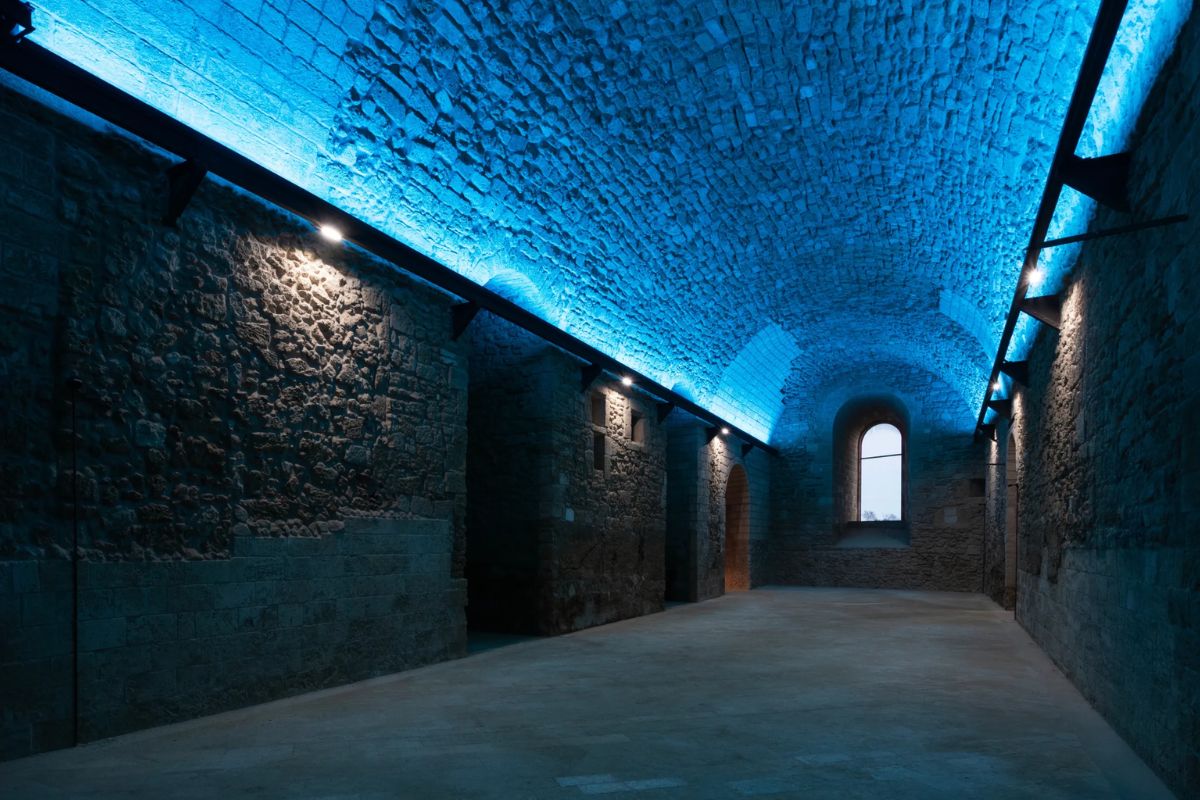
I would choose Drywall®, because it is the technology that expresses our identity most clearly.
It embodies our intention to integrate light into surfaces, reduce the presence of the fixture and work with the architecture rather than placing something over it. It brings the light to the zero point where wall and ceiling intersect, transforming an architectural boundary into the origin of the illumination.
It is a technical solution, but also a way of thinking. Drywall® incorporates many of the qualities that define Zero55: research, patented technology, craftsmanship, customisation, optical control, attention to detail and respect for context.
We would also like to explore the work behind this product or project that normally remains unseen: a drawing, an optical test, a prototype, a technical detail or an image from the construction site. Is there any material that effectively illustrates the transition from the initial idea to the installed light?
Yes, and I believe this is a particularly interesting part of the story. The final result often appears natural precisely because it is supported by a complex process: drawings, optical simulations, ray-tracing software, prototypes, mock-ups, material tests, discussions with designers and on-site assistance.
Showing this process helps people understand that integration does not happen by chance. A construction detail, a simulation, a test carried out on a surface, a mock-up or an installation image can communicate the transition from the initial concept to the actual light very effectively.
It is within this often invisible process that our method becomes recognisable: not simply producing a product, but searching for the most appropriate solution.
Looking ahead, which issues do you believe will become most important in lighting design: integration into surfaces, reduced energy consumption, perceptual quality, wellbeing, customisation or more intelligent systems?
All of these issues are important, but I believe the market is beginning to look for something deeper once again: genuine quality, expertise, care and authenticity.
Recent years have seen a widespread increase in standardised solutions, often far removed from the culture of Made in Italy and from the level of lighting quality that a project genuinely requires. One example is the indiscriminate use of inexpensive LED strips. They may appear to offer a simple solution, but they often have clear limitations in terms of performance, lifespan, uniformity, comfort and perceptual quality.
I believe there is now a renewed need for artisans of light. We strongly identify with this definition, not in a nostalgic sense, but in a contemporary one: a technology-driven company capable of research and innovation, while preserving attention to detail, care and the ability to customise.
For Zero55, the future of lighting will become increasingly bespoke: products developed around individual projects, flexible solutions, high-quality components, integration into surfaces, validation through mock-ups and the ability to respond to specific requirements rather than standardised market logic.
It is 2036. If you were to imagine Zero55 ten years from now, which aspects of the company’s original vision would you want to preserve, and which would you like to see evolve more decisively?
Ten years from now, I would want to find the same spirit with which Zero55 was founded: the ambition to design lighting that respects the architecture, is fully integrated and precise, and improves the quality of a space without imposing itself unnecessarily.
If we were to treat scalability as an objective in itself, we would probably lose the nature of the company and its soul. Zero55 is built on research, flexibility, direct dialogue with the designer and the ability to develop every solution with care. Turning all of this into a completely standardised production model would mean giving up an important part of our identity.
We are not interested in growing solely in quantitative terms. We want to grow in expertise, research, quality and our ability to address increasingly complex projects while maintaining the same level of attention.
We would like to become a recognised point of reference for cultural heritage sites, museums, historic homes, frescoed palaces and all those places where light cannot be regarded as merely a technical component.
Our added value lies precisely in the ability to bring together lighting expertise, technology, design sensitivity, a solution-led methodology and respect for cultural heritage.
If, by 2036, Zero55 is more widely recognised and involved in more significant projects, while preserving its spirit, care and freedom to pursue research, then we will know that we have followed the right path.