Stefano Macchion on GEDA and Radomonte: brass and AISI 316L stainless steel, the Doge and Graffiti series, the dialogue with designers and tapware as part of the architecture.
Every day we turn a tap on and off dozens of times, almost without thinking. Yet that simple gesture brings together ergonomics, mechanics, material and light. That is where tapware stops being a technical component and starts to shape the identity of a bathroom or a kitchen.
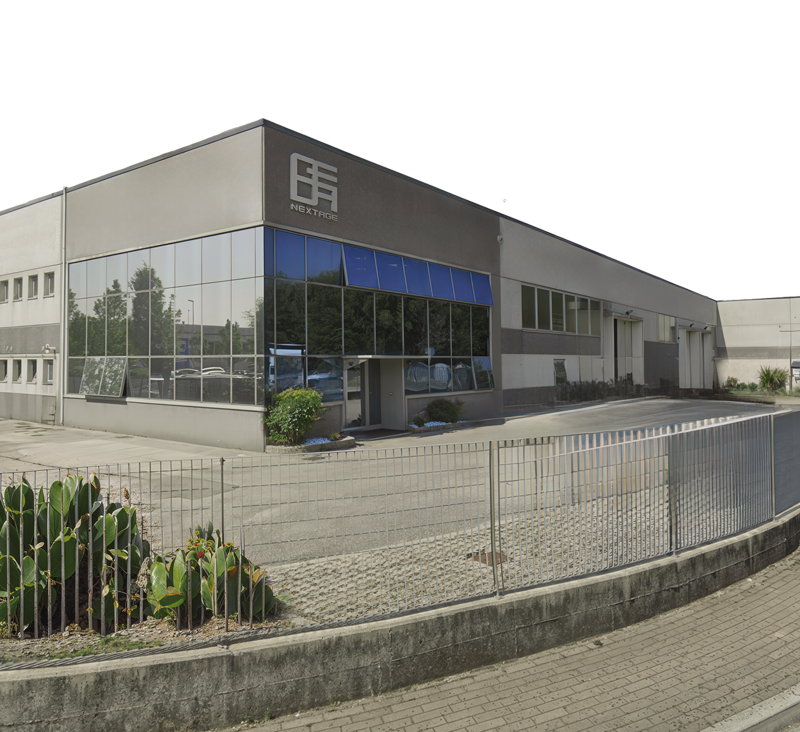
It is from this conviction that Archi&Interiors’ conversation with Stefano Macchion, entrepreneur and designer, founder of GEDA and Radomonte takes shape. The story of GEDA began in the 1990s in Porcia, in the province of Pordenone, around brass; in 2016 a second chapter opened with Radomonte, devoted exclusively to AISI 316L stainless steel.
Two brands, two materials, one design culture. On one side the formal freedom of brass, which in the Doge series reinterprets Neo-Deco through Venice; on the other the rigour of steel, which with PVD finishes and the laser engravings of Graffiti reveals an expressive potential that is still partly unexplored.
With Stefano Macchion we talked about the line between intuition and feasibility, the return of more decorative objects after the long season of minimalism, the coordinated finishes designers ask for and the moment tapware should enter the project. We also talked about sustainability understood as durability and water consumption, and about the part of the work made of prototypes and corrections that almost always stays invisible: because the first idea is rarely the final one.
Interview with Stefano Macchion, GEDA and Radomonte: brass, steel and design culture
What was missing in tapware when GEDA was founded?
When I started, I had the feeling that tapware was often seen as a purely technical element, whereas I already saw it as an integral part of the interior design project. I felt the need to offer products able to engage with architecture, with materials, surfaces and volumes, without giving up quality and functionality.
At the same time, I wanted to build a company close to its customers, able to offer not only products but also attention, expertise and reliable service. This vision still guides Geda today: developing solutions that bring together design, innovation and care for human relationships.
Entrepreneur and designer: which side leads the others?
In the way I work there is no rigid hierarchy between these aspects. Every project starts from an intuition, but it only takes shape when design, engineering, production and market manage to talk to each other.
I think an entrepreneur’s job is precisely to find that balance: having the courage to innovate without losing sight of quality, feasibility and customers’ needs. This approach has defined Geda from the very beginning and continues to guide our development.
When did the tap become part of the identity of a space?
There was no precise moment when I understood it: it was a conviction that has been with me from the start, and it is what gave rise to Geda.
I have always thought that tapware should not be limited to a technical function. It is an object we touch every day, one that can influence how a space is perceived and engage with architecture, materials and light.
When a product manages to combine aesthetics, ergonomics and build quality, it stops being a simple accessory and becomes an integral part of the project. This vision still guides our work today.
Which steps transformed GEDA without taking it away from its product culture?
More than a single moment, it has been a journey made of many confirmations. Every time a customer came back to us, or a new market recognised the value of our work, we found confirmation that the decisions we had made were right.
That trust allowed us to grow without chasing trends or losing our identity. We expanded the range, invested in research and strengthened our international presence, but we never forgot what we were founded on: attention to the product, quality and care for every detail.
For me, growth only makes sense if it helps you improve, not if it changes what you believe in.
Two brands, two materials
Why found Radomonte instead of expanding the GEDA collections?
I felt that steel deserved more than a simple extension of the Geda range. It is a material with its own technical and aesthetic qualities, and it calls for a dedicated design approach.
That is why Radomonte was born, not as a second brand in the traditional sense, but as a clearly defined world within the company, with its own identity, its own research and its own vision.
I believe this choice has allowed us to express the full potential of steel, offering architects and designers a consistent, recognisable and specialised proposal.
Where does the line between GEDA and Radomonte fall today?
Geda and Radomonte share the same design philosophy, the same culture of quality and the same manufacturing know-how. What sets them apart is first of all the material. Geda was born around brass, while Radomonte develops its language through AISI 316L stainless steel, a material with very specific technical and aesthetic characteristics.
Different design approaches follow from that choice. Each brand interprets design with its own identity, bringing out the particular qualities of the material it is made from.
What still unites them is the way the product is conceived: the pursuit of detail, build quality, attention to design and the wish to offer solutions that engage with contemporary architecture. Although they speak different languages, both brands come from the same design culture and the same idea of manufacturing excellence.
How much does the material determine the birth of a product?
Every material has its own language and sets different constraints. AISI 316L stainless steel, for example, offers great advantages in terms of resistance and quality, but it imposes greater limits on formal freedom than brass.
That is exactly why it is a design challenge that keeps pushing us. We like to test its potential, trying to develop solutions that go beyond what is normally expected from this material.
In most cases the starting point is an idea, an aesthetic vision. The design work then consists of finding the technical solution that turns it into a concrete, reliable and buildable product. It is in the dialogue between creativity and engineering that the most interesting projects take shape.
Doge, Graffiti and the return of character
How was the Doge series born?
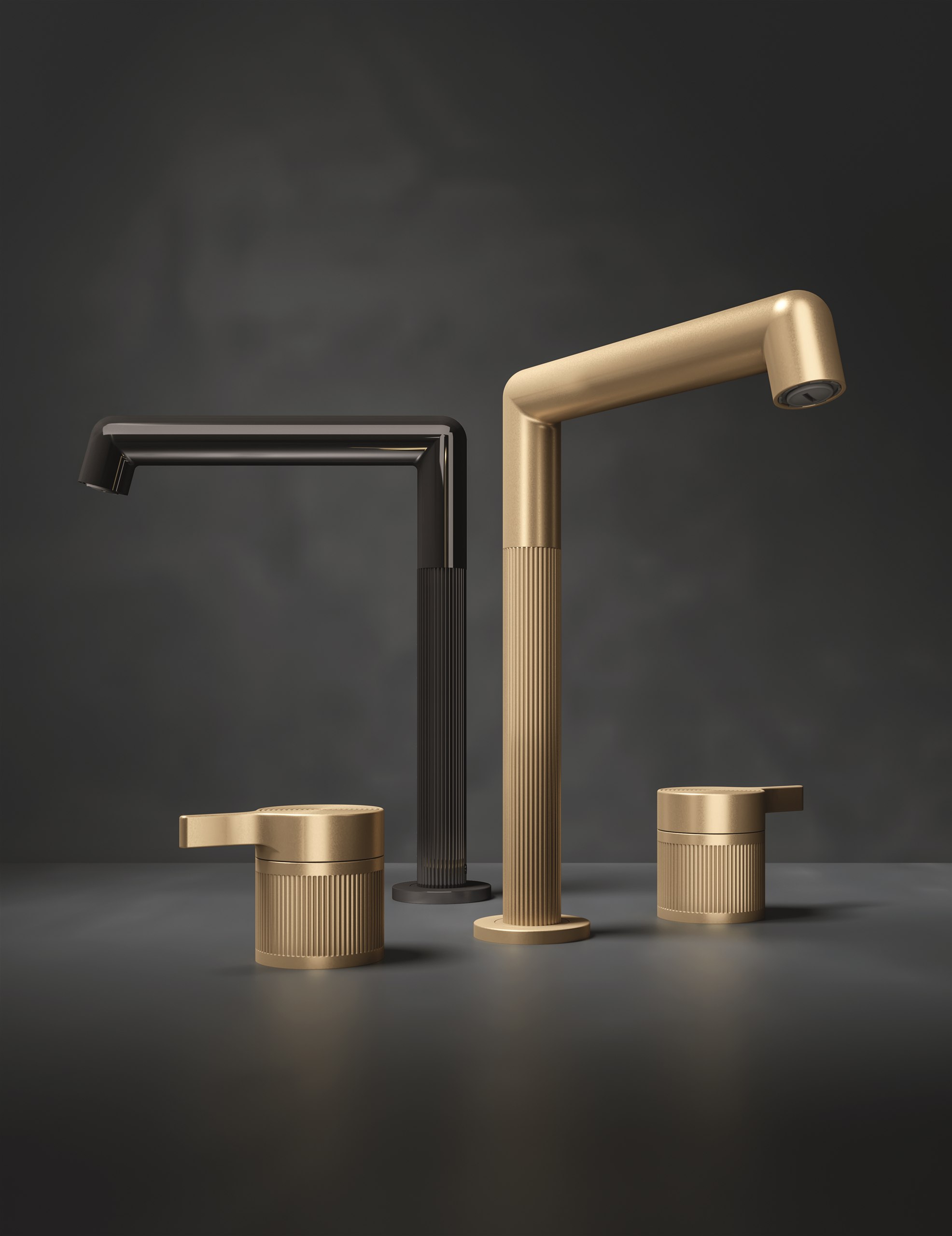
I felt that the Geda collection lacked a proposal inspired by the language of Neo-Deco. I was not interested in reproducing a historical style, but in reinterpreting its codes with a contemporary eye and an identity that is clearly Geda’s.
Venice, with its unique relationship between architecture and water, was the ideal context to start from. Its geometries, its details and its timeless elegance inspired a collection that looks to the past to create something of today.
Doge comes precisely from this balance: keeping the appeal of an iconic aesthetic while translating it into a contemporary, essential product consistent with our way of understanding design.
Is the desire for decorative, recognisable objects coming back?
I believe so. Today I see growing interest in products with a stronger identity, products that have something to say rather than simply being essential.
Minimalism was an important phase and still influences contemporary design, but today different languages coexist. There is also room for objects that express character, materiality and greater formal richness, as long as everything is always governed by balance and by the quality of the design.
Doge grew out of exactly this conviction: recovering the value of a recognisable aesthetic and reinterpreting it in a contemporary way, without falling into nostalgia or simply reproducing the past.
How do you turn a technical steel into a material for interior design?
The most stimulating part was showing that a material seen by nature as rigorous and technical could also become warm, expressive and full of personality.
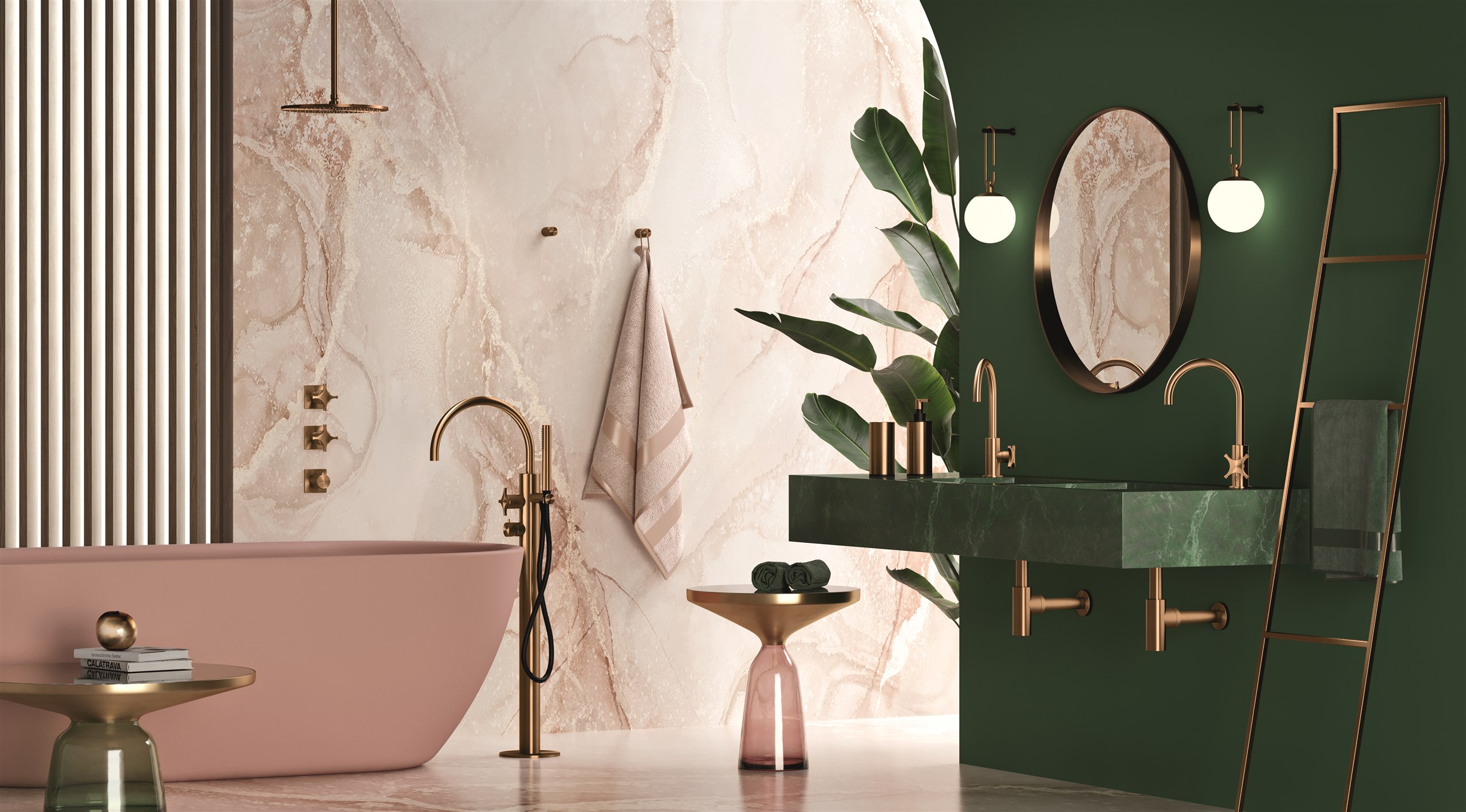
Through research into finishes and PVD surface treatments, we set out to broaden the language of steel, introducing colours and surfaces that profoundly change how it is perceived.
Today AISI 316L steel keeps all its functional qualities, but it can also contribute to the atmosphere of a space, engaging with materials, light and architecture in a far richer way than is traditionally expected.
Where did the idea of laser-engraving steel with Graffiti come from?
I have always thought that steel had an expressive potential that was still partly unexplored. It is traditionally seen as an essential, uniform and rigorous material, but I wanted to show that it could offer much more.
That idea gave rise to Graffiti, which, rather than defining a precise aesthetic, aims to broaden the language of steel, making it an even more versatile material able to adapt to different design visions. For me, a material should not impose a style; it should offer the designer new expressive possibilities.
Why offer designers a coordinated language?
It is essential. An architect designs a space as a whole, so it is important that every element can engage with the others through a common language.
With Graffiti we did not want to create a texture for a single product, but to develop a coherent system that could extend across all the main product types in the collection. This keeps material and visual continuity, giving designers one more tool to express their idea of space.
I believe design today should offer possibilities, not impose solutions. A coordinated language brings consistency, but it always leaves designers free to interpret it according to their own vision.
The dialogue with designers
What role do professionals play in the development of GEDA and Radomonte?
For me, the dialogue with designers is essential. Architects and interior designers are not simply users of our products, but partners in conversation with whom we share ideas, needs and new perspectives.
Every project is an opportunity to better understand how spaces, materials and ways of living are evolving. This exchange helps us keep improving our collections, developing products that do not just meet technical requirements but are truly useful to those who design.
It is a mutually enriching relationship: we contribute our experience in design and production, while professionals give us a concrete view of the needs of the market and of contemporary architecture.
What are the most interesting requests from architects and interior designers?
In recent years we have seen growing attention above all to coordinated finishes. More and more often, designers do not choose a tap in isolation; they place it within an overall vision of the space, where every material and every detail helps build a coherent identity.
Being able to coordinate finishes across tapware, accessories and other bathroom elements is therefore an important asset. It gives continuity to the project and creates harmonious spaces without sacrificing technical quality or compositional freedom.
It is a request that reflects how interior design has evolved: today the detail is no longer an accessory, but an integral part of the architectural language.
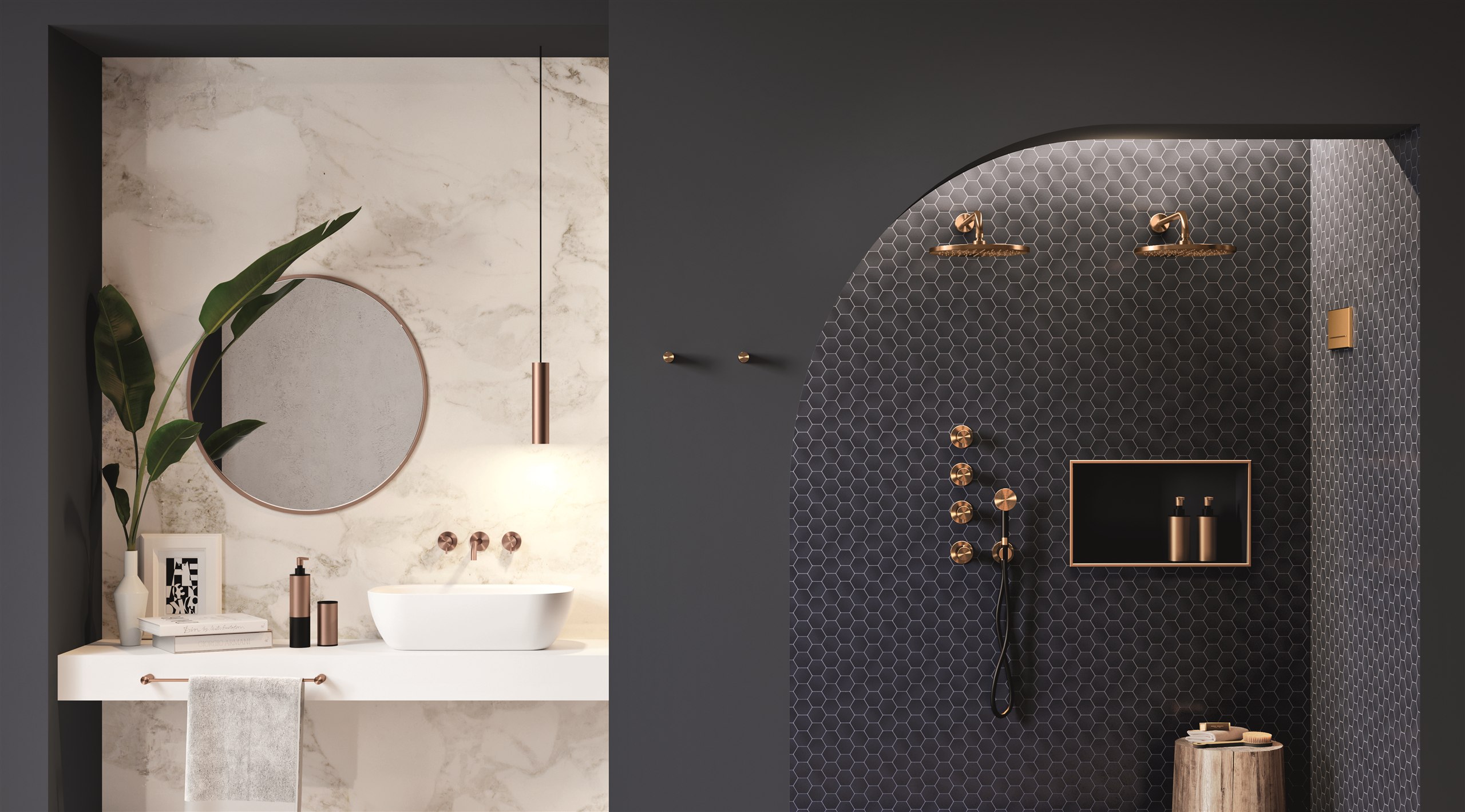
At what stage of the project should tapware be chosen?
The first choice must always be the functional one. Tapware is not only a visible element: it includes technical components, such as the concealed parts, that affect the whole project and must be defined in the very earliest stages, often even before the wall and floor finishes are laid.
After that, the project takes shape through the choice of materials, furniture, finishes and lighting. This is when tapware expresses its aesthetic value, becoming part of the overall language of the space.
That is why I believe it should be considered from the very start of the design process. Engineering and aesthetics are not two separate moments, but two aspects of the same project: first you define the function, then you build the visual identity, so that every element helps create a coherent, harmonious space.
When does customisation become true design?
I think the word “customisation” is used today with very different meanings. In most cases it means being able to choose between several finishes, colours or catalogue details, and that is already an important option for designers.
A truly customised project, however, comes about when the product is developed around the architecture and the specific needs of a project. This happens above all in large projects, such as hotels or high-end residential complexes, where the volumes and the level of involvement make it possible to study dedicated solutions.
In these cases you are not simply customising a product; you are building a dialogue between designer and company, with the aim of giving shape to something that could not exist as a simple catalogue variant.
Icons, sustainability and outlook
Which collections best tell the story of GEDA and Radomonte?
If I had to choose one product to tell the story of Geda, I would choose Tibò. It is a collection that sums up many of the values I believe in, such as the ability to turn a technical element like a gear into a design detail, creating a product with a strong personality that is still perfectly functional. The many awards it has received, including the Archiproducts Design Awards 2017, the International Design Awards, the German Design Award and the BigSee Product Design Award, were an important confirmation of this path.
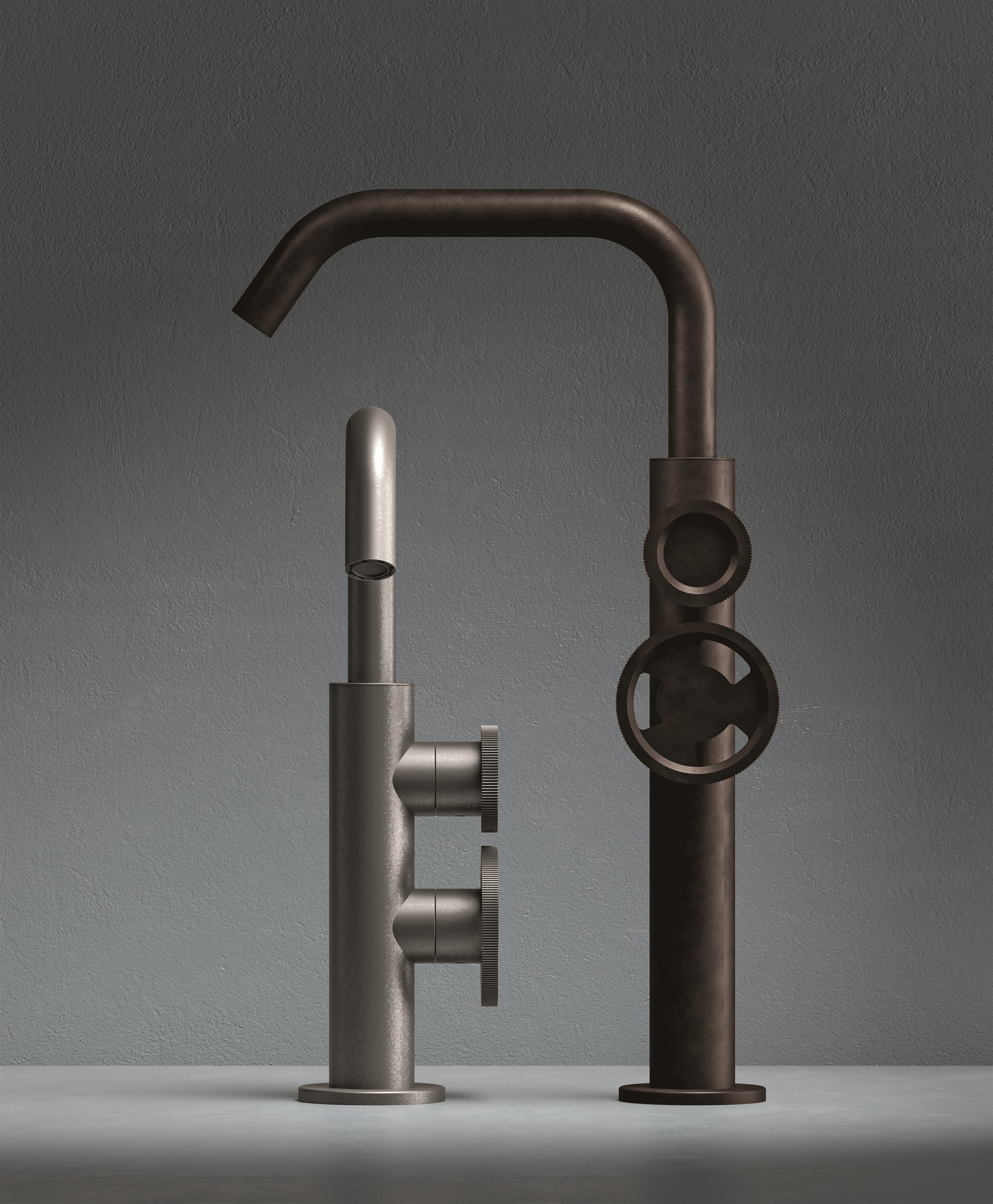
For Radomonte I would choose Graffiti, because it represents our constant desire to experiment. With this project we did not just use AISI 316L stainless steel for its technical qualities; we also set out to explore its expressive potential, introducing laser-engraved textures that transform the way it is perceived.
If Tibò tells the story of Geda’s heritage, Graffiti expresses the direction in which we want to keep evolving: innovating without losing sight of design, quality and design culture.
What do designers and the public tend to underestimate?
I think the most underestimated aspect is the journey that leads to a product. When you look at a finished tap, it is natural to focus on the design, but behind that object there is long, complex work made of research, prototypes, technical checks, changes, tests and continuous refinement.
The first idea is rarely the final one. Every project evolves through a process of weighing aesthetics, ergonomics, functionality, production and quality, which often means revisiting solutions already considered valid in order to achieve a better result.
It is work that remains almost invisible, but that is exactly where a product’s quality is built. I believe the value of design lies not only in the initial idea, but in the ability to develop it rigorously until it is reliable, functional and long-lasting.
How does sustainability translate into your work in practice?
Sustainability is the result of many choices, not of a single element. That is why our work starts with design: developing ever more advanced mechanisms, optimising flow rates and using technology to reduce water consumption without sacrificing comfort and performance.
But there is another aspect I consider just as important: durability. Designing a product that is reliable, easy to maintain and built to remain efficient over time means reducing its overall impact and making the most of the resources used to make it.
I believe the most concrete form of sustainability is exactly this: creating products designed to be used for a long time while consuming less water, and keeping the quality that sets them apart over the years.
It is 2036. How do you imagine GEDA and Radomonte?
Ten years ago I would probably have answered with far more certainty. Today, though, things are changing so fast that imagining 2036 means facing a scenario full of unknowns. Technologies, materials, market needs and even the way we live are changing much more quickly than they used to.
Rather than imagining specific products, I like to think that Geda and Radomonte will continue to be companies able to adapt, innovate and interpret these changes without losing their identity. I believe that is the real challenge of the next ten years. If in ten years’ time Geda and Radomonte are still recognised for the quality of their products, their ability to innovate and their dialogue with the world of architecture and design, it will mean we have kept to the right path.
When water becomes design
The conversation with Stefano Macchion conveys the idea of a company that has grown through confirmations, not trends. And an idea of design that does not end with form: function first, then visual identity, with tapware considered from the earliest stages of the build rather than chosen once the wall and floor finishes are already in place.
It is a perspective that will be useful to anyone designing a bathroom or a kitchen. To go further, our guide to the best bathroom sanitaryware brands maps the wider world of the designer bathroom, while our piece on stainless steel in interior design explains why this material is moving beyond its technical boundaries. Finally, for the contemporary bathroom, see our bathroom trends 2026.