The Pritzker Prize laureate is creating a monumental work outside the prison of the city of the Sassi. It is due to be unveiled by the end of 2026, the year Matera is Mediterranean Capital of Culture and Dialogue.
Lord Norman Foster will design Matera’s Door of Hope (Porta della Speranza), a monumental work to be installed outside the city’s prison by the end of 2026. Announced on 5 October, the commission brings one of the architects who redefined the public building to southern Italy, and places his work where a city rarely chooses to look.
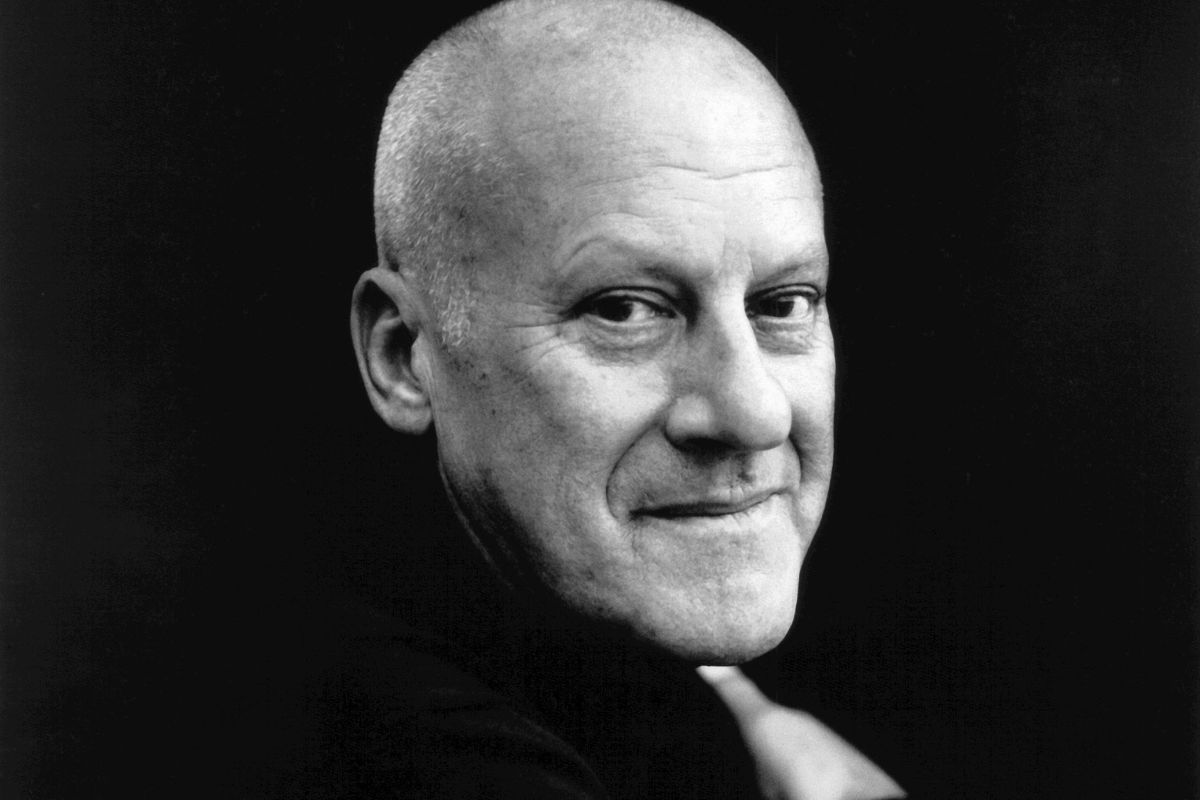
Foster said he was honoured to create a work of such deep symbolic meaning in Matera. Mayor Antonio Nicoletti framed it as a beginning rather than an arrival: for him, 2026 is a new departure for the city, not a finish line (AGI).
From the Reichstag dome to a door: the same idea of transparency
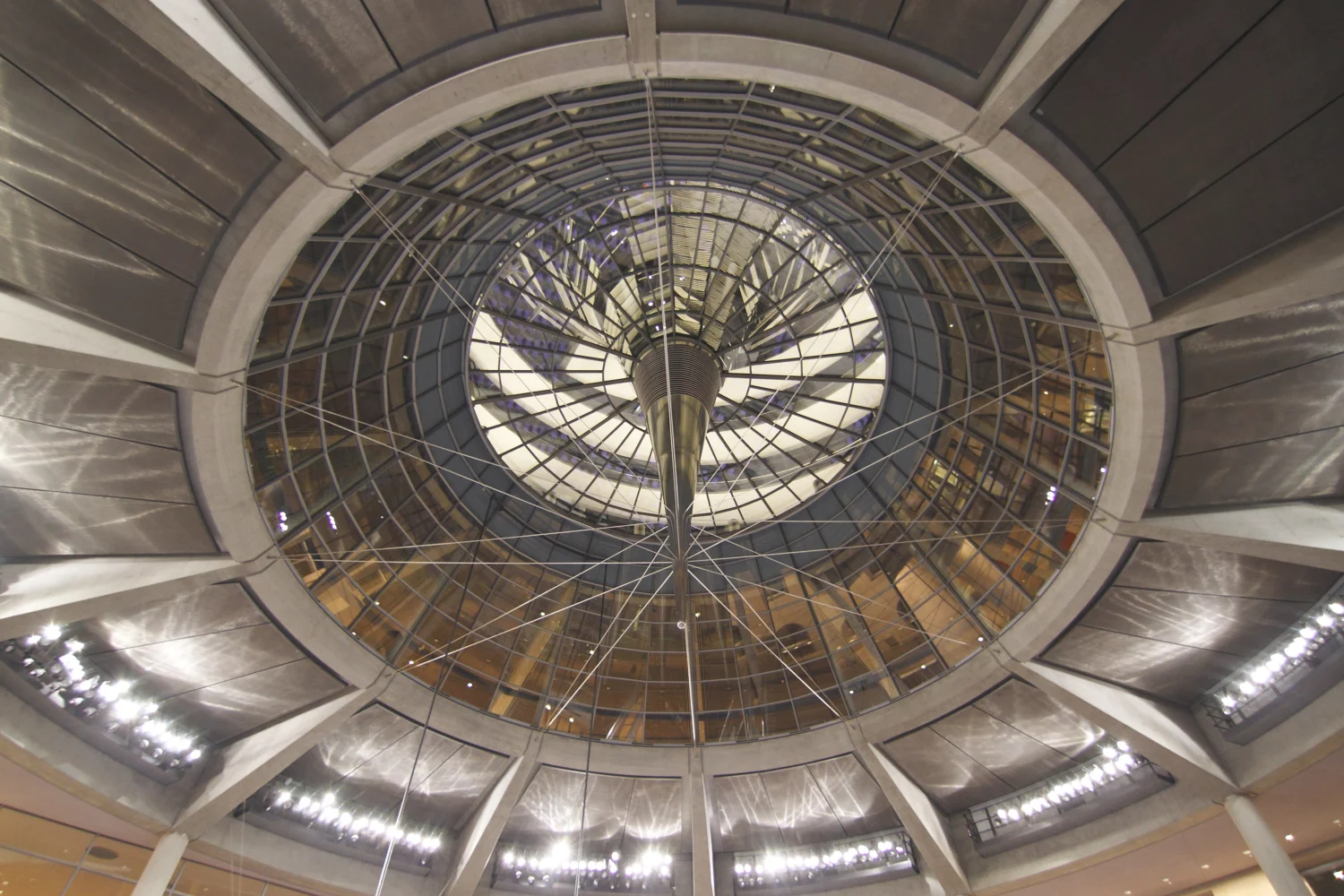
There is a clear logic in Norman Foster drawing this threshold. His most political work, the glass dome of Berlin’s Reichstag, lets citizens walk above the parliament chamber: power placed under public gaze. The prison is its opposite, the institution built to remove people from sight.
Light, transparency and access to public space run through Foster’s work, from the Millennium Bridge and the British Museum’s Great Court to the Millau Viaduct and Apple Park. The project’s promoters use the very same terms to describe a new relationship between prison and city.
Thresholds also define the recent Foster. At the 2025 Venice Architecture Biennale, the Norman Foster Foundation presented Gateway, a structure echoing Venice’s bridges and serving as a hub for electric mobility on water and land; it drew 298,000 visitors. From Venice to Matera, the gateway shifts from infrastructure to civic gesture.
What the Doors of Hope are
The project grew out of a single act: Pope Francis opening a Holy Door inside Rome’s Rebibbia prison at the start of the Jubilee, a gesture taken up by Pope Leo XIV in the apostolic exhortation Dilexi te. It is promoted by the Pontifical Foundation Gravissimum Educationis of the Dicastery for Culture and Education, led by Cardinal José Tolentino de Mendonça, together with Italy’s Prison Administration Department (DAP). It is produced by the Jubilee Culture and Education Committee and Rampello & Partners, curated by Davide Rampello and supported by Fondazione Cariplo.
Presented at the Holy See Press Office on 8 October 2025, the programme invites leading cultural figures to create a monumental entrance for each institution (Vatican News). The brief is short and strict. The materials are the three of the Cross: wood, metal and stone. Every work is shaped through direct dialogue with inmates and staff, inside the prison, and the authors work without a fee. Finally, the door is crossed both ways: from prison to society, for those who have completed an educational and rehabilitation path, and from city to prison, to break down prejudice around detention.
Monsignor Davide Milani, the Foundation’s secretary general, has pointed out that in Italian porta (door) and porto (harbour) share one root: passage, not closure.
A constellation of authors, from De Lucchi to Boeri
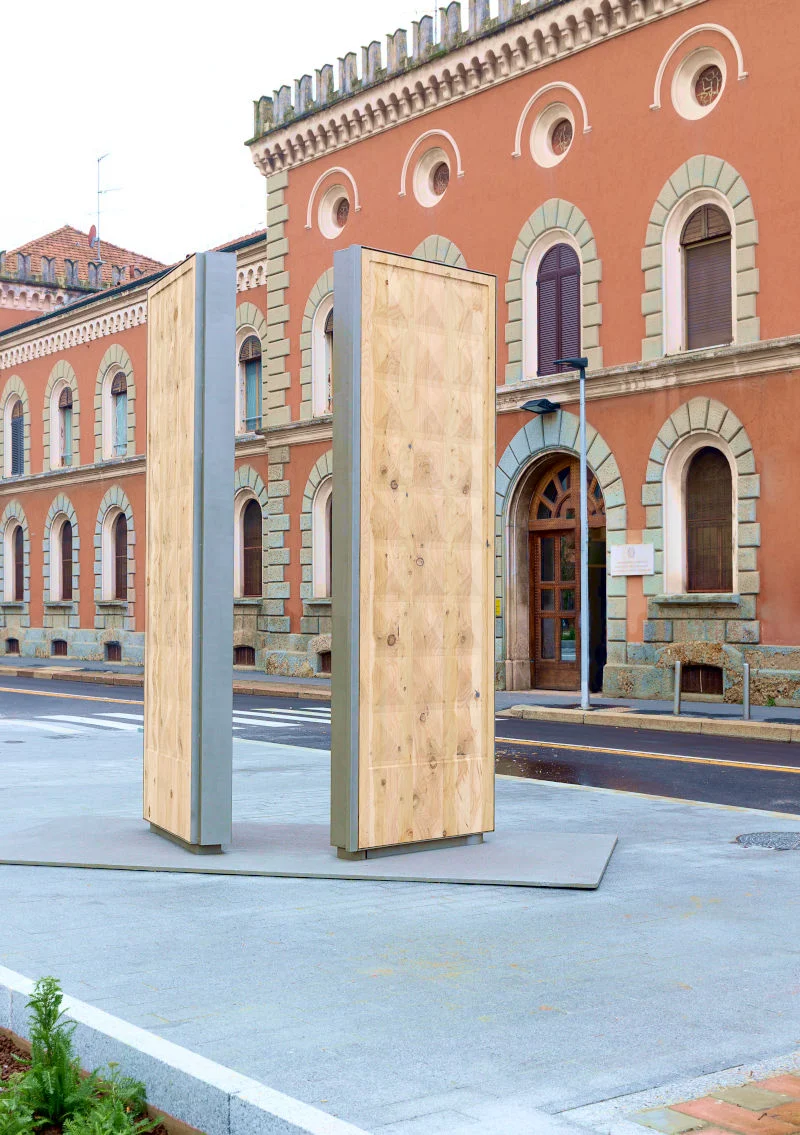
Matera joins a map already being drawn. The first door, by Michele De Lucchi, was unveiled on 19 December 2025 outside Milan’s San Vittore prison (Mudec): two leaves in reclaimed Lebanese cedar, with a rusticated surface recalling the Renaissance. In Brescia, Stefano Boeri Architetti focused on work as the path back, with twin wooden doors: one inside the Nerio Fischione prison, one in central Piazzale Arnaldo.
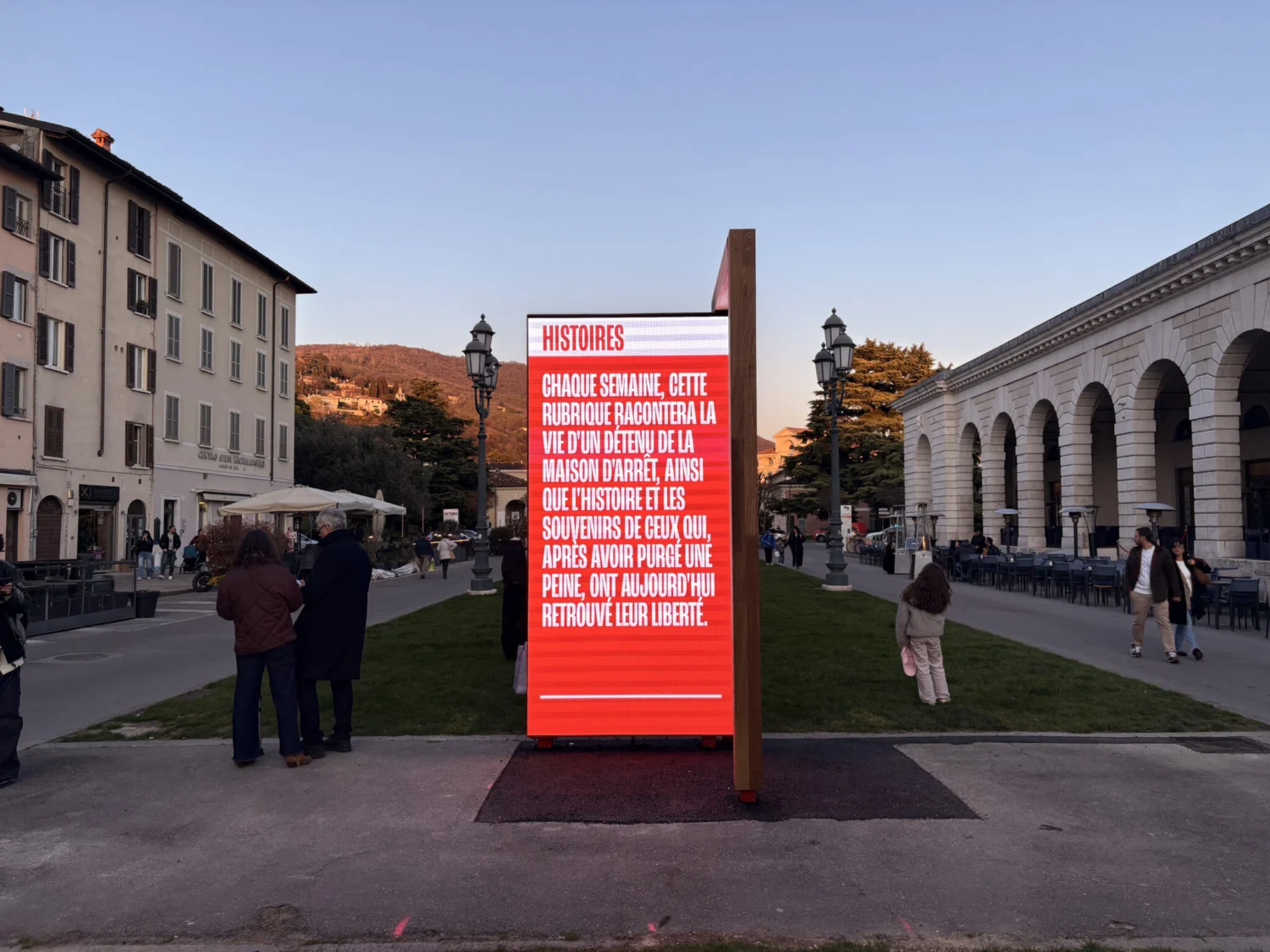
The announced authors also include film director Mario Martone in Venice, artist Gianni Dessì at Rome’s Regina Coeli, chef Massimo Bottura in Palermo and astrophysicist Ersilia Vaudo in Reggio Calabria. In Portugal the project took the form of two artist residencies, in Leiria and Tires. Foster is the first Pritzker Prize laureate in the series, alongside some of the best-known names of contemporary Italian architecture.
Why Matera
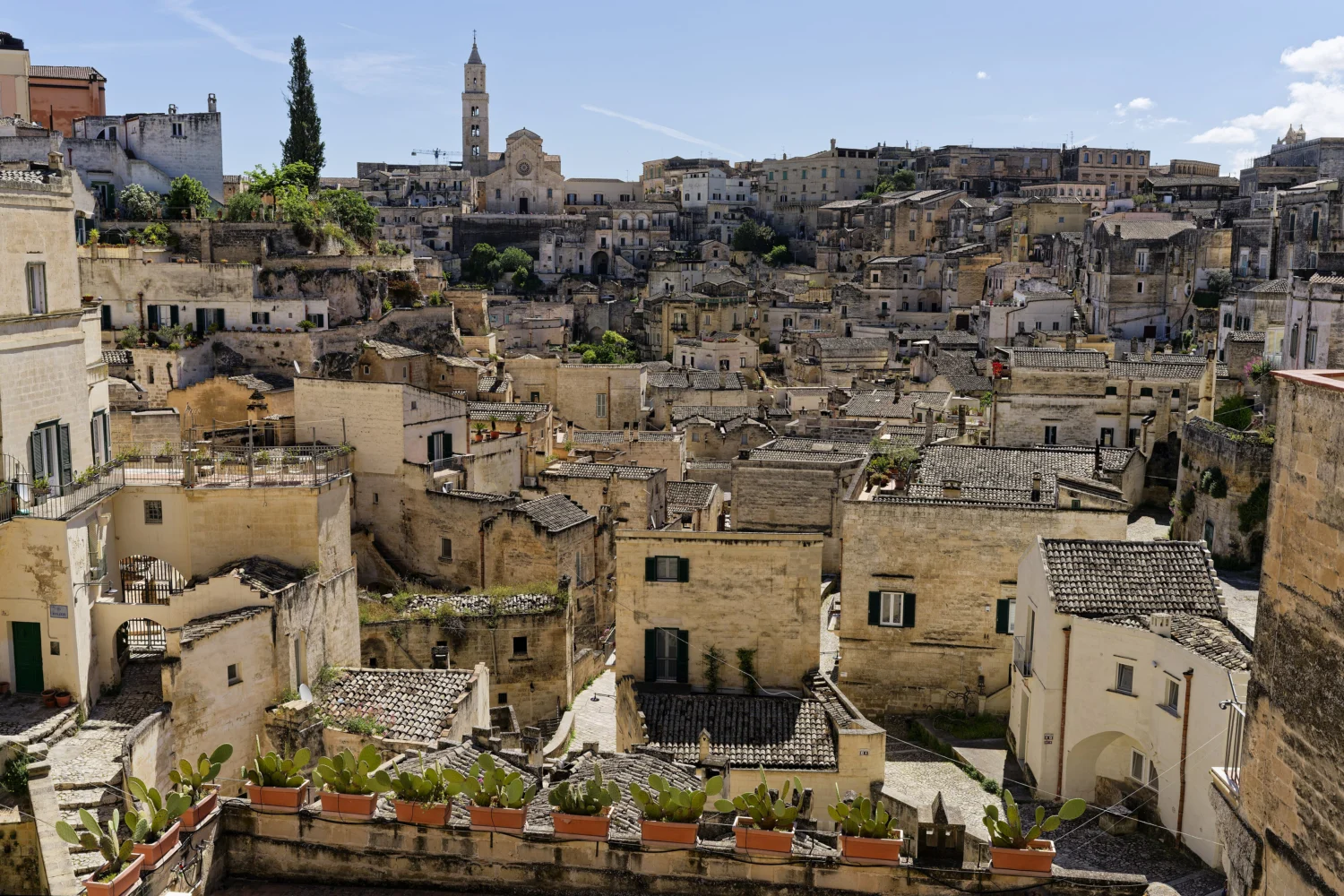
Few cities know the vocabulary of redemption better. In the 1950s the Sassi stood for the poverty of southern Italy and were emptied by law; in 1993 they became a UNESCO World Heritage Site; in 2019 Matera was European Capital of Culture. Here, a door about second chances has a credible backdrop.
2026 adds an international title. The Union for the Mediterranean and the Anna Lindh Foundation named Matera and Tetouan, Morocco, the 2026 Mediterranean Capitals of Culture and Dialogue, following Tirana and Alexandria (UfM). The programme is run by the Fondazione Matera-Basilicata 2019 and co-funded by Italy’s Ministry of Culture; the Door of Hope is set to become one of its most lasting marks.
What we know, and what remains to be seen
The form, size and design of the work have not yet been released. The framework, however, is set: wood, metal and stone, a piece open to public view, a process built with the prison community. In Matera, stone has a powerful identity, the calcarenite from which the Sassi were carved and built; whether and how Foster uses it will be one of the keys to reading the work.
The true measure of the project will not be aesthetic. A threshold drawn by a master is worth as much as the reintegration paths the city builds around it. Foster designs the passage; it is up to Matera to make it walkable.