Five European roof tile manufacturers compared, with advice on clay and concrete, roof pitch, fittings, prices and what to ask before ordering.
Roof tiles shape the character of a house, but colour alone is not enough to make the purchase. Pitch, weight, wind exposure, frost conditions and matching fittings determine whether a product belongs on a particular roof. Two similar-looking tiles may require different batten spacing and accessories.
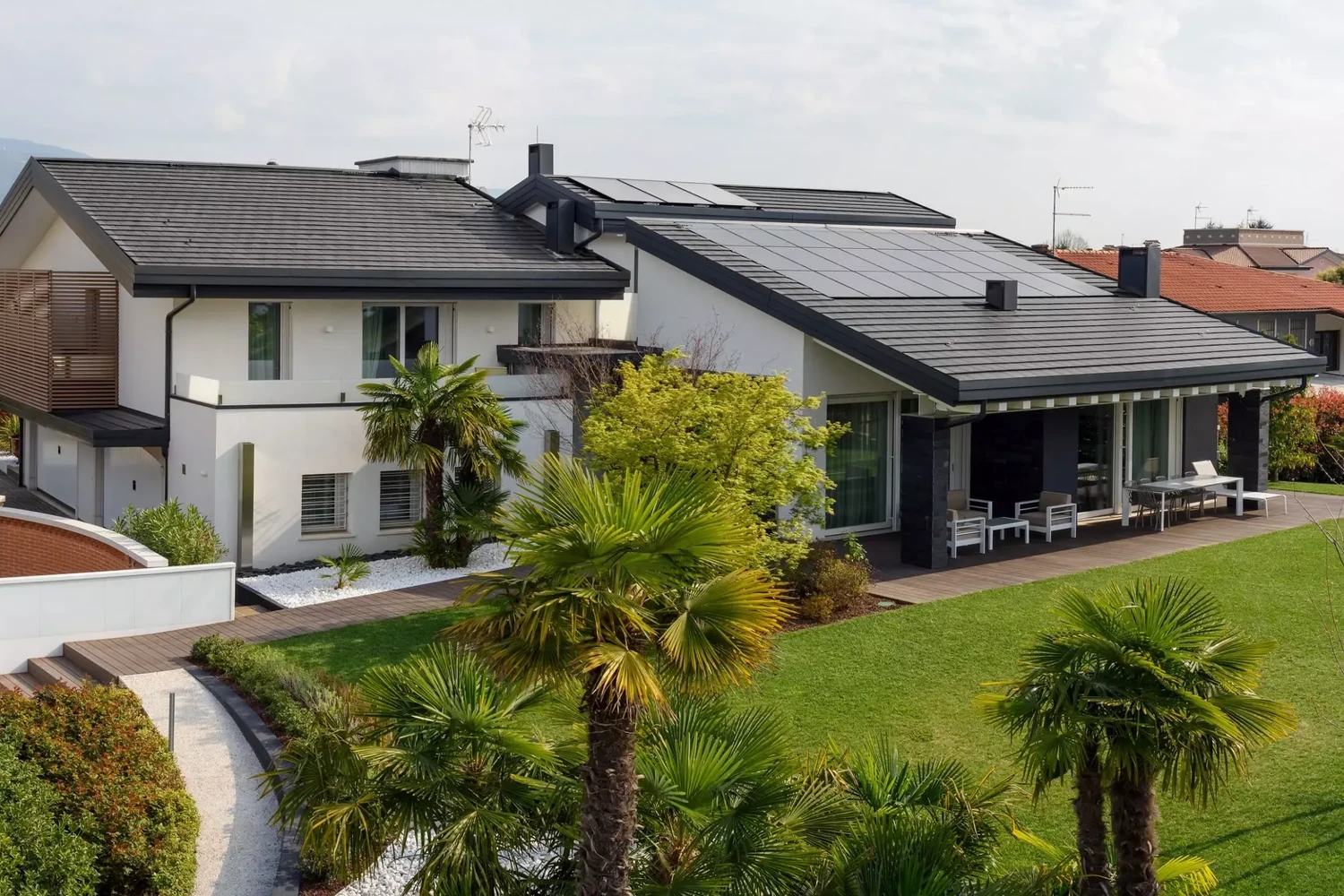
Our shortlist of roof tile brands includes BMI Wierer, Wienerberger with SanMarco and Pica, Industrie Cotto Possagno, La Escandella and ERLUS. These five references offer different approaches, from traditional clay profiles to flat concrete tiles. The selection is based on their documented ranges, rather than comparative testing by our editorial team. It focuses on European manufacturers and Italian-market examples; local availability, product names and installation requirements need checking in your country.
Identify the roof before choosing the tile brand
For a small repair, compatibility with the existing covering comes first: profile, interlocks, gauge and colour should be checked against a sample. A complete replacement also involves the support, insulation, underlay, ventilation and junction details. Buying the visible tile before defining the roof build-up can force changes later.
Historic settings can require particular profiles and finishes. Material, shape and colour therefore need checking against the building and local requirements before they change. Catalogue availability does not establish suitability for every context.
Five roof tile brands and their differences
| Brand | Range to explore | Purchase focus |
|---|---|---|
| BMI Wierer | Clay and concrete, including Tegal Innotech | Profile and roof system |
| Wienerberger | SanMarco and Pica clay tiles | Finishes and fittings |
| Cotto Possagno | Portoghese Winter and curved tiles | Climate and exact model |
| La Escandella | Planum and H-Selection | Flat appearance and laying pattern |
| ERLUS | Linea | Interlocks and roof geometry |
Commercial names do not always represent independent manufacturers. SanMarco and Pica appear within Wienerberger’s offering; Vardanega is a brand of Industrie Cotto Possagno. Recognising these relationships helps clarify the alternatives a merchant is actually presenting.
BMI Wierer: comparing concrete and clay options
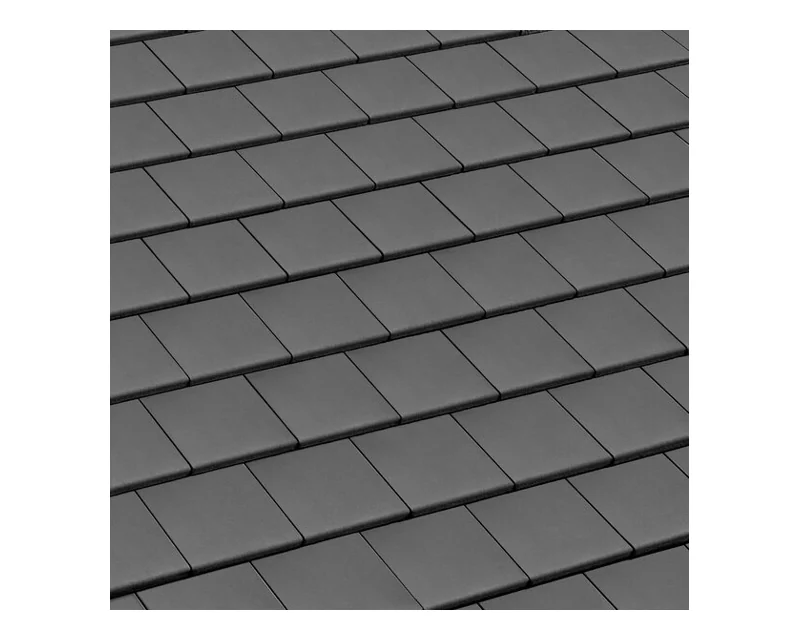
BMI Wierer offers both concrete and clay roofing products. The range moves from curved profiles to more linear surfaces: Tegal Innotech, for example, is a flat-profile concrete tile worth considering for a contemporary roof.
Indicative coverage for Tegal Innotech starts at around 10 tiles/m², but its installation documentation shows that quantities change with batten spacing. That is a practical reason not to convert a unit price into a square-metre cost without knowing the proposed configuration.
The schedule should cover field tiles, ridges, verges, ventilation and fixings. Low pitches need the specific model and complete arrangement intended for those conditions; the minimum advertised for one product cannot be transferred to another.
Wienerberger: SanMarco and Pica clay roofing
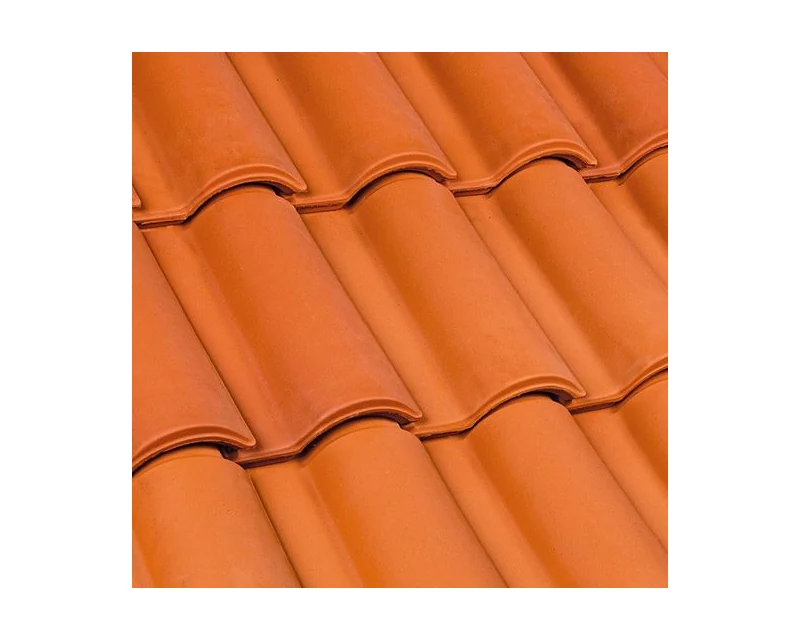
Within Wienerberger’s range, SanMarco and Pica are names to explore for clay tiles and traditional curved roof coverings. The SanMarco Portoghese combines curved and flat sections, with finishes that allow the roof to relate to the façade and surrounding landscape.
Dedicated fittings serve the roof slope, ridge and specific functions. These are essential parts of the covering: a ventilation tile, service penetration or verge must match the field-tile profile. For repairs, compare the new finish with existing pieces outdoors rather than judging the colour on a screen.
Full brand, model and finish details avoid confusion where historic catalogue names remain in use. Special pieces and installation instructions need to match the supplied version.
Industrie Cotto Possagno: curved tiles and the Winter range
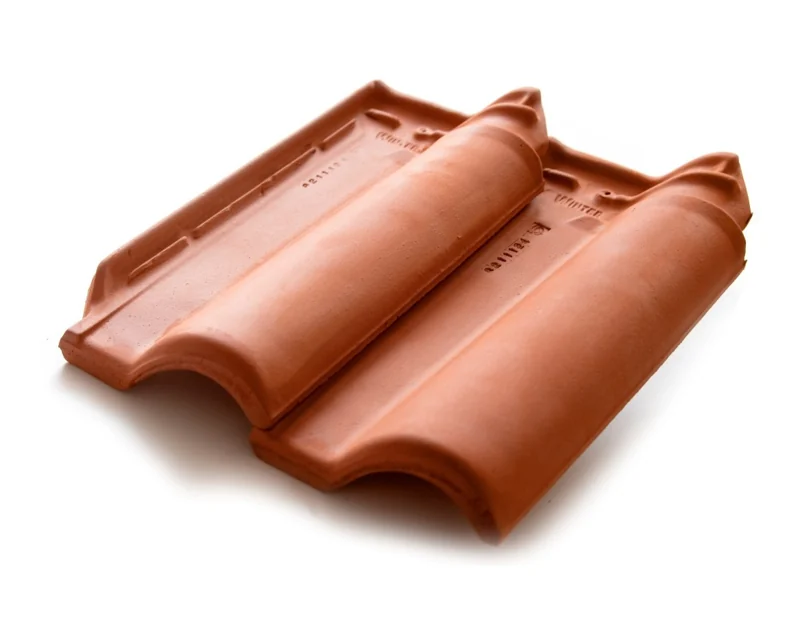
Industrie Cotto Possagno offers clay tile ranges that address traditional appearance as well as particular climatic demands. Portoghese Winter Rossa provides a useful example of concrete purchasing information: its data sheet gives approximately 14.5 tiles/m² and approximately 3.35 kg per tile.
Multiplying those figures gives around 48.6 kg/m² for field tiles alone, before fittings and other layers. This is a product reference, not a structural assessment. The project professional needs to evaluate the complete roof loads and their compatibility with the building.
The Winter range is documented for demanding weather, with tests and warranties specific to the selected model. Coverage, accessories and technical sheets need to distinguish Cotto Possagno from Vardanega products within the group.
La Escandella: Planum for a more linear roof surface
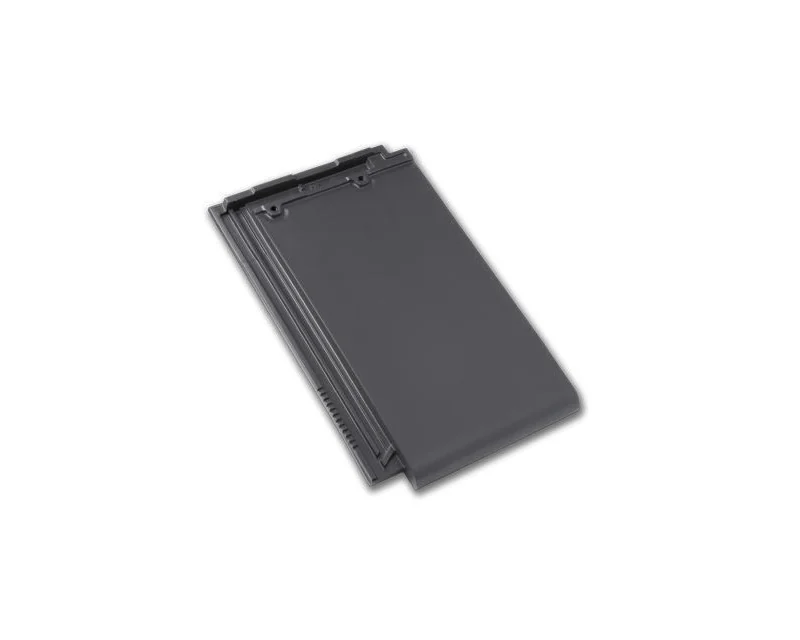
Spanish manufacturer La Escandella is worth considering for contemporary clay roofing. Its H-Selection range includes Planum, a flat tile offered in different colours and finishes.
The regular appearance needs a considered laying pattern: the manufacturer specifies broken-bond installation for Planum. Assess dark, light and textured finishes across a complete roof surface, rather than selecting from a single small tile image.
Local distribution, lead times and matching accessories are part of the choice. Documentation needs to suit the market and project. The photovoltaic options are separate systems for the designer to assess, rather than features of every Planum tile.
ERLUS: Linea and flat-profile clay roofing
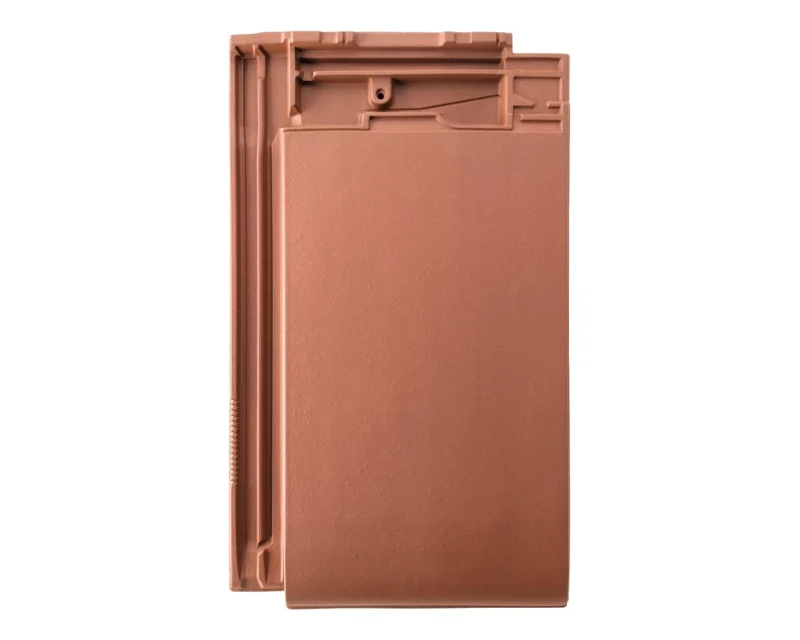
ERLUS Linea is a clay roof tile with a restrained profile, relevant when the design calls for a visually consistent surface. The technical page states coverage from 10.4 tiles/m² and identifies a coordinated accessory range.
Interlocking geometry and installation adjustment do not make batten spacing arbitrary. Actual dimensions, layout, exposure and the underlying protection need to follow the design and manufacturer’s instructions.
The quotation should cover the full roof, including verges, half tiles and junctions. Lead times and availability matter for replacements too: an international catalogue finish is not necessarily stocked locally.
Clay or concrete roof tiles?
Either may be appropriate within a well-designed roof. Claims that one always lasts longer or necessarily weighs less are unhelpful: model, format and coverage change the comparison. Use the specific proposed products, assessing weight per square metre, documented resistance, finish and fittings.
Clay ranges can provide profiles and tones associated with regional traditions, while concrete ranges also include flat contemporary designs. The final result depends on the particular collection. Ask for completed-roof photographs in the chosen finish and examine a physical sample in daylight.
Pitch, wind and hail: three checks before purchase
Minimum pitch belongs to a particular tile and installation system. Degrees and percentages are different units: a 30% gradient is not 30°. Taking a figure from another product can lead to a covering that is unsuitable for the roof slope.
Wind exposure requires an appropriate fixing design, especially at edges, ridges and other vulnerable areas. Interlocking tiles still need the specified restraint. Snow-retention components, where required, should also be compatible with the system.
For hail resistance, request the report or classification for the exact product. Passing a test under defined conditions does not make a roof indestructible in every storm. Frost claims and warranties likewise need to be read with their conditions and scope.
Roof tile prices: material costs are not reroofing costs
An Italian offer listed a Sereni/BMI natural red Portoghese tile at €0.98 each, including Italian VAT. At the stated 14 tiles/m², that is €13.72/m² for ordinary field tiles alone, before waste and special pieces. The indicative price needs reconfirming, with delivery and fitting assessed separately.
For a nominal 100 m², that calculation would mean 1,400 field tiles and €1,372 at the listed price, without allowances for cuts, breakages, verges or ridges. It is a calculation for one product and offer, not a market average or the cost of replacing a 100 m² roof. Local pricing, taxes and distribution outside Italy may differ substantially.
A reroofing quotation may include stripping and disposal, support repairs, insulation, membranes, battens, flashings, fittings, lifting equipment and labour. Compare quotations with the same scope before judging their headline totals.
Where to buy and what to ask the merchant
Builders’ merchants and roofing distributors are useful channels for coordinating tiles and accessories. Online purchasing can work when product codes, quantities and delivery logistics are already settled. For a repair, bring an existing tile or photographs with accurate measurements.
Unit and square-metre prices should use the intended gauge, with minimum packs, freight and unloading identified. Ridges and verges need to be available alongside field tiles. A spare quantity can be agreed with the installer, rather than relying on future stock.
Where the roof is being upgraded, coordinate the covering with the thermal insulation boards and other layers. The visible tile is one part of the construction. A brand becomes useful when its products help form a complete, documented roof suited to the building.