A room filled with light, a material that holds traces of memory, an image that unsettles what we thought we knew. The art exhibitions taking place in autumn 2026 across Italy and Europe offer different ways to explore how art shapes our relationship with the world and the spaces we inhabit. From Milan to Pisa, …
A room filled with light, a material that holds traces of memory, an image that unsettles what we thought we knew. The art exhibitions taking place in autumn 2026 across Italy and Europe offer different ways to explore how art shapes our relationship with the world and the spaces we inhabit.
From Milan to Pisa, Florence and Genoa, the Italian itinerary brings together the avant-garde, photography and contemporary experimentation. Further afield, Lugano, Berlin, Amsterdam, London and Paris host exhibitions exploring some of the most significant practices in modern and contemporary art.
Connecting them are questions that cross periods and disciplines: how is an image constructed? What histories do materials carry? How does an artwork engage the body and change our perception of space?
This selection of art exhibitions to see in autumn 2026 takes readers through artists, museums and critical perspectives, combining practical information with ideas to enrich each visit.
Information and exhibition dates are current as of 27 October 2026. Before travelling, check with the organising institutions for any changes to dates, opening hours or admission arrangements.
Art Exhibitions in Italy in Autumn 2026: Milan, Pisa, Florence and Genoa
Francis Picabia in Milan: The Freedom to Change Direction
Exhibition: Picabia. Aprire le porte della notte
Venue: Palazzo Reale, Milan
Dates: 9 October 2026–24 January 2027
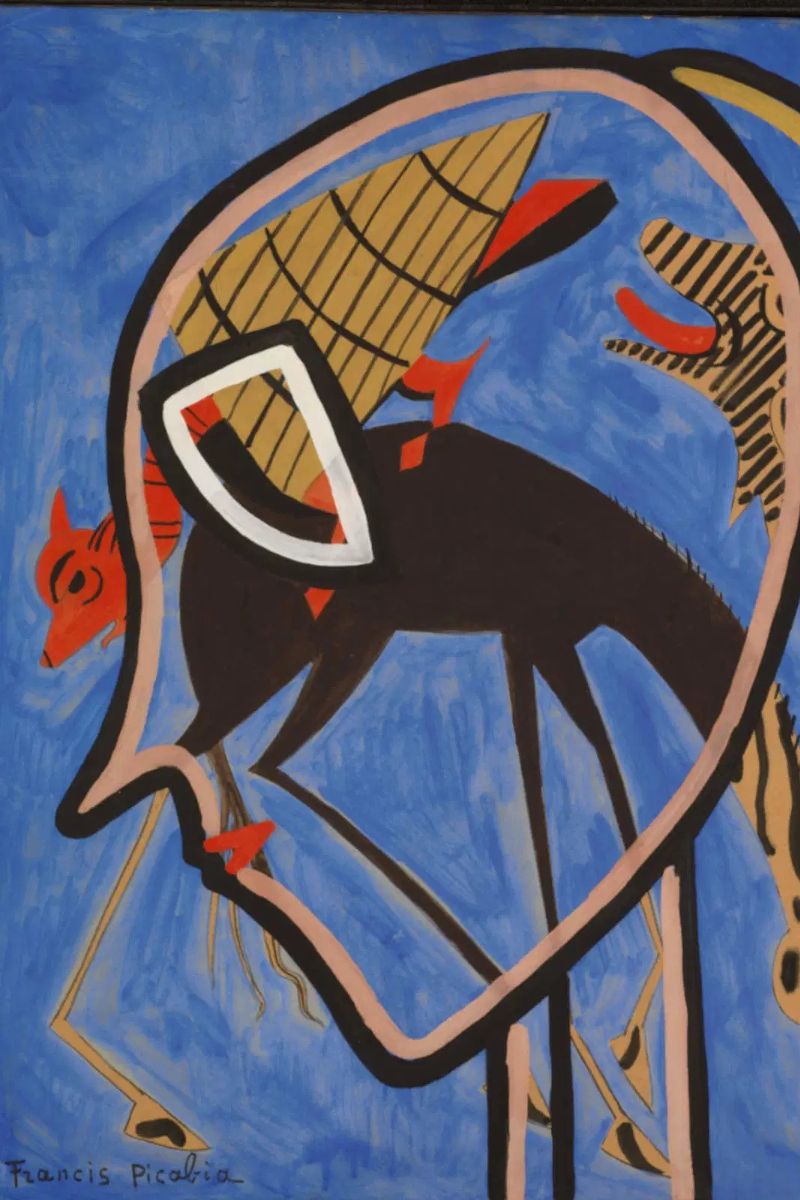
Palazzo Reale presents an extensive exhibition devoted to Francis Picabia, bringing together more than 170 works and archival items, including paintings, drawings, photographs and documents. It explores the complexity of an artist who moved through the avant-garde without settling within a single movement.
His practice challenges the idea of style as an artist’s consistent, instantly recognisable signature. For Picabia, changing direction became a way of thinking: each transformation reopened the relationship between image, intention and artistic identity.
Night, a central theme of the exhibition, provides a framework for this continual reinvention through desire, ambiguity and imagination. The exhibition offers a way to understand modern art through its discontinuities, following an artist who made restlessness a creative principle.
Luciano Fabro in Milan: Sculpture as a Space to Inhabit
Exhibition: Abitare lo spazio
Venue: Pirelli HangarBicocca, Milan
Dates: 8 October 2026–21 February 2027
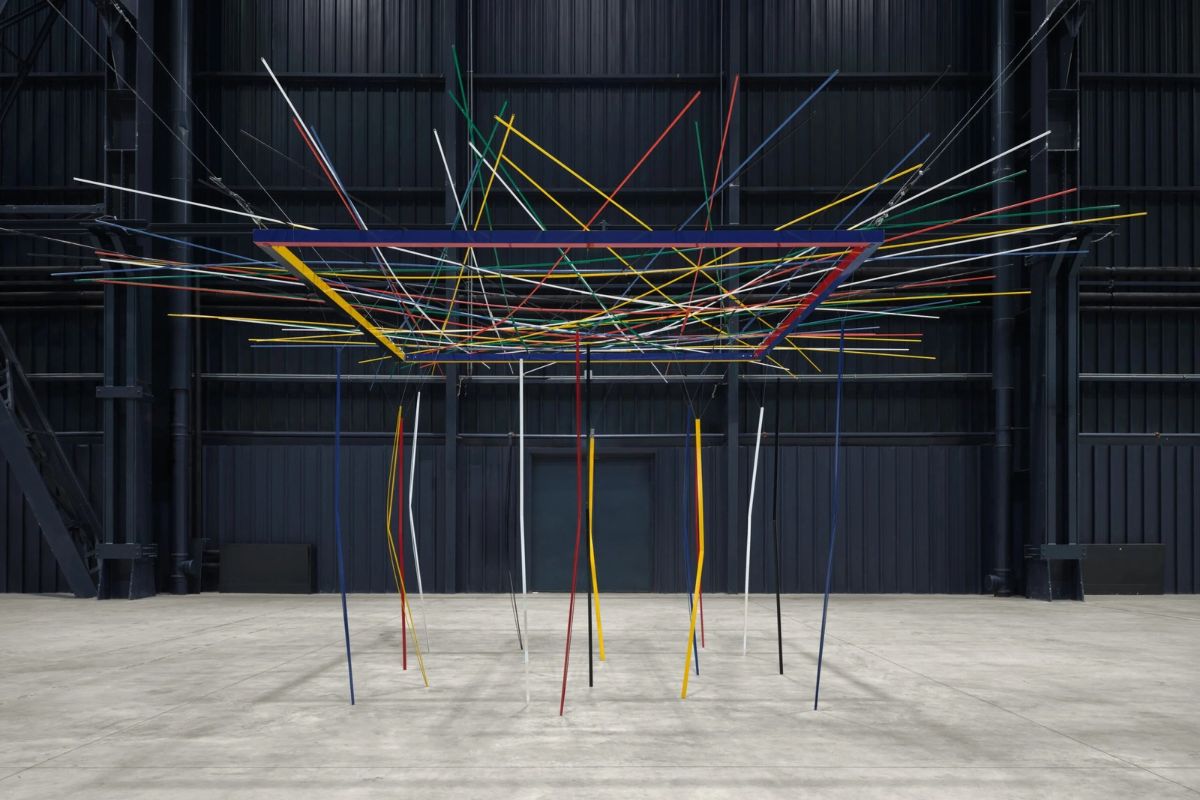
This Luciano Fabro retrospective brings together around fifty sculptures and installations, examining the relationship between artwork, setting and perception. Particular attention is given to his habitats: environments designed to accommodate his works and activate the relationships between them.
A central figure in Arte Povera, Fabro developed an independent practice in which materials, forms and theoretical thought remained closely connected. His works demand a kind of attention that involves the viewer’s movement: approaching, stepping back or changing position alters what becomes visible.
For readers interested in architecture and the experience of inhabiting space, the exhibition offers a compelling perspective. Space contributes to meaning, while sculpture becomes a means of recognising relationships between body, material and environment.
Aki Sasamoto in Milan: Everyday Life Between Precision and Chance
Exhibition: XYZ
Venue: Pirelli HangarBicocca, Milan
Dates: 17 September 2026–17 January 2027
Installations, sculptures, videos and performances trace more than twenty years of Aki Sasamoto’s practice. Drawing on personal experience and disciplines including dance, mathematics and social psychology, the artist creates situations in which people and objects enter into unexpected relationships.
Everyday life becomes a field of observation. Gestures, habits and behaviours reveal the conventions that shape individual and collective experience. Precise structures coexist with humour and instability, making familiar things feel strange.
Seen alongside the Fabro retrospective, XYZ opens up a rewarding exploration of body and space. The two artists approach perception through different experiences, encouraging visitors to reconsider how they move through their surroundings and make sense of them.
Carla Cerati in Milan: Photography and the Responsibility of Looking
Exhibition: Carla Cerati. Plurale femminile. Fotografia e scrittura, 1926–2026
Venue: Palazzo Reale, Milan
Dates: 26 September 2026–10 January 2027
Marking the centenary of Carla Cerati’s birth, Palazzo Reale presents a retrospective combining photographs, books, documents and archival material. The exhibition encompasses her observations of Milan, theatre photography, portraits and studies of the body, including the project Morire di classe.
Her images invite us to consider photography as a practice of understanding and responsibility. Choosing a frame means establishing a distance and deciding how a person, situation or social transformation will become visible.
Documentary purpose is inseparable from the formal construction of the image. This relationship remains particularly relevant today: Cerati’s work provides a framework for questioning the conditions in which photographs are produced and viewed, at a time when their rapid circulation often leaves little room for reflection.
Edward Hopper in Pisa: Light, Architecture and Anticipation
Exhibition: Edward Hopper: New York and Beyond
Venue: Palazzo Blu, Pisa
Dates: 14 October 2026–7 March 2027
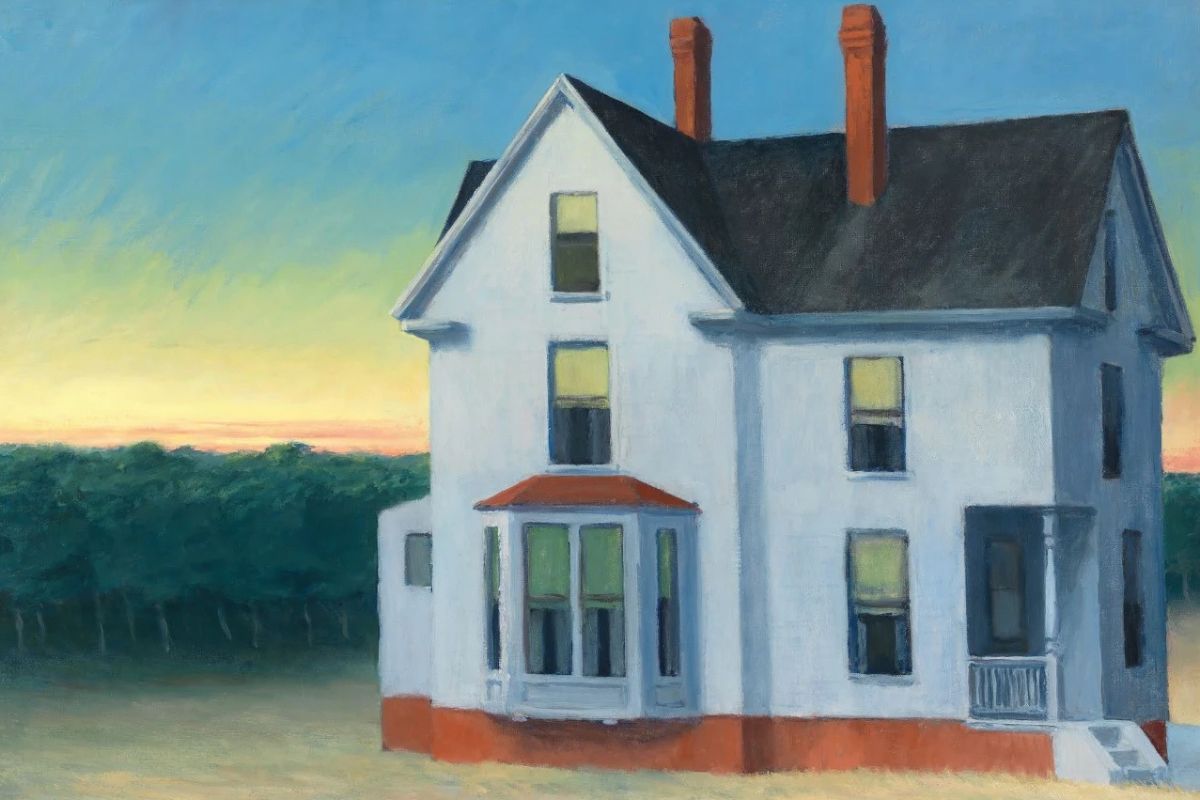
Palazzo Blu presents more than 150 works, including paintings, watercolours, drawings, prints and archival material. The exhibition explores how places shaped Hopper’s artistic imagination, from New York and Paris to the New England coast and the landscapes encountered on his travels.
Solitude is a familiar interpretation of his paintings, but it does not account for their full complexity. Windows, thresholds, façades and shafts of light organise the view with precision, creating distances that seem to hold the possibility of a story.
For Archi&Interiors readers, the exhibition offers an opportunity to consider architecture as the emotional structure of an image. Hopper’s settings guide the eye and create a sense of anticipation, leaving viewers to imagine what might have happened before the scene or what might happen next.
Florence: The Fragment Between Memory and Transformation
Exhibition: Broken. Il potere del frammento
Venue: Palazzo Strozzi, Florence
Dates: 25 September 2026–24 January 2027
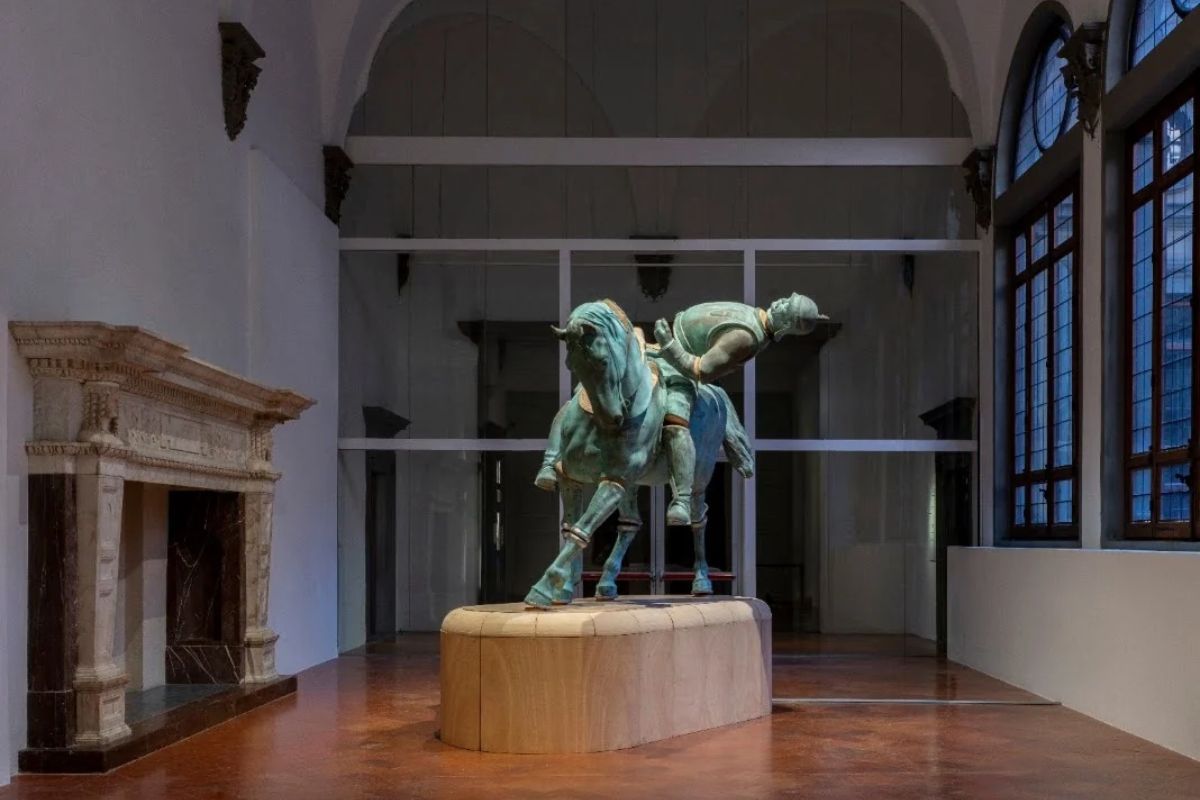
Palazzo Strozzi explores the history of sculpture, from archaeology to contemporary art, through the significance of the fragment. More than eighty works and objects bring different periods and cultures into dialogue, placing historical masters alongside artists including Louise Bourgeois, Huma Bhabha, Robert Gober, Francesco Vezzoli and Danh Vo. The courtyard also hosts an intervention by Mark Manders.
Fragmentation raises questions about how artworks change over time. War, iconoclasm, natural events and reuse can leave traces that become part of an object’s identity, altering how it is understood.
From a contemporary perspective, the fragment can also become an independent form. It preserves something, suggests something else and leaves room for imagination. The exhibition considers loss alongside survival and the emergence of new meanings.
Genoa: Two Centuries of Art from the Scharf Collection
Exhibition: Renoir, Monet, Toulouse-Lautrec, Cézanne. 200 anni di arte dalla Collezione Scharf
Venue: Palazzo Ducale, Genoa
Dates: 15 October 2026–2 May 2027
Palazzo Ducale presents more than 140 works from the Scharf Collection in an exhibition curated by Ilaria Bonacossa. Spanning two centuries of art history, it extends beyond the artists named in the title to include contemporary practice.
The exhibition provides an opportunity to consider collecting as the development of a cultural perspective. A collection preserves artworks alongside choices, relationships and shifts in taste, revealing something of the people who selected and cared for them.
Moving from private ownership into public view makes these connections available to new audiences. Visitors can follow two intertwined paths: looking closely at individual works and interpreting the relationships that brought them together.
Art Exhibitions Across Europe in Autumn 2026
Jannis Kounellis in Lugano: Painting Beyond the Canvas
Exhibition: Jannis Kounellis: Io sono un pittore
Venue: Collezione Giancarlo e Danna Olgiati, Lugano
Dates: 20 September 2026–17 January 2027
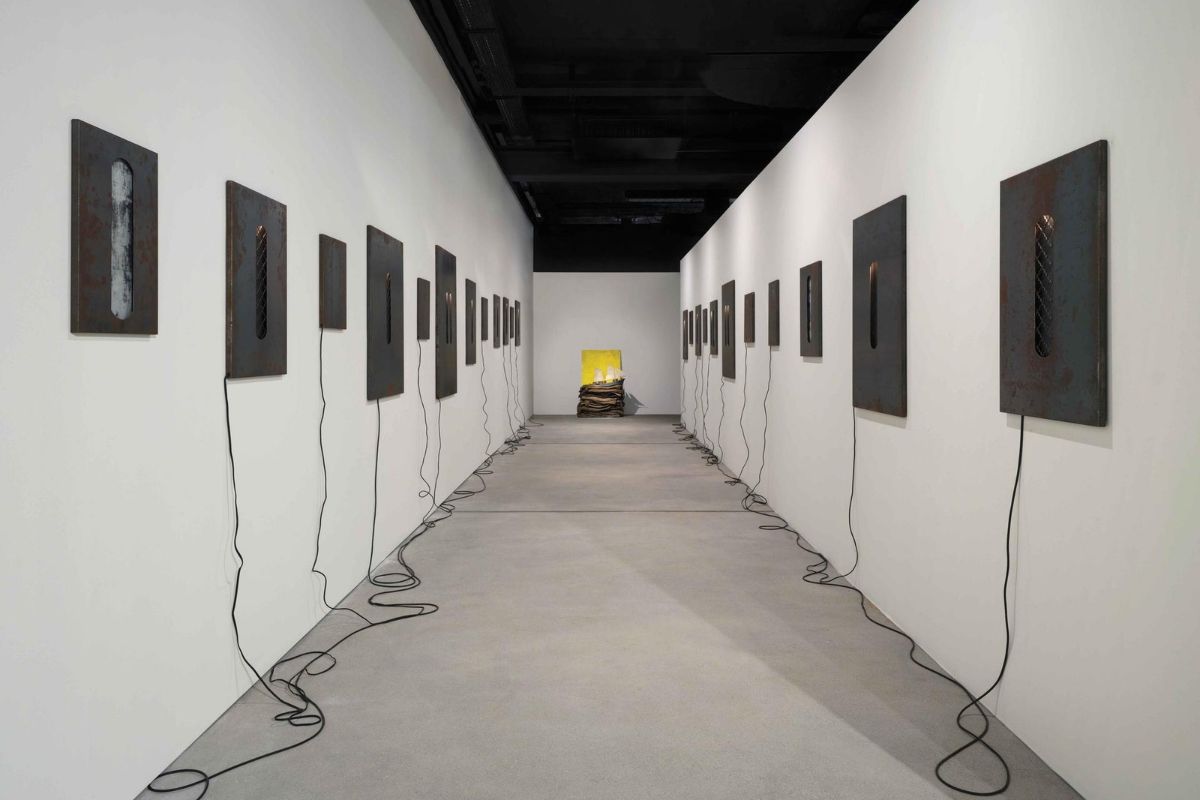
Curated by Vincenzo de Bellis and organised with the Archivio Kounellis in Rome, this exhibition takes painting as its principal approach to interpreting the artist’s practice. More than 35 works, dating from the late 1950s to 2014, form a thematic rather than chronological presentation.
The title raises a fundamental question: what does it mean to be a painter when the work extends beyond the canvas? For Kounellis, the language of painting could encompass the arrangement of physical presences, weights and tensions in space.
Materials carry memory and contribute to images that engage viewers physically. This perspective reveals the breadth of his practice, encouraging a fresh consideration of the relationship between painting, installation and history.
Maurizio Cattelan in Berlin: The Unease of Images
Exhibition: Maurizio Cattelan. NIGHT
Venue: Neue Nationalgalerie, Berlin
Dates: 10 September 2026–7 March 2027
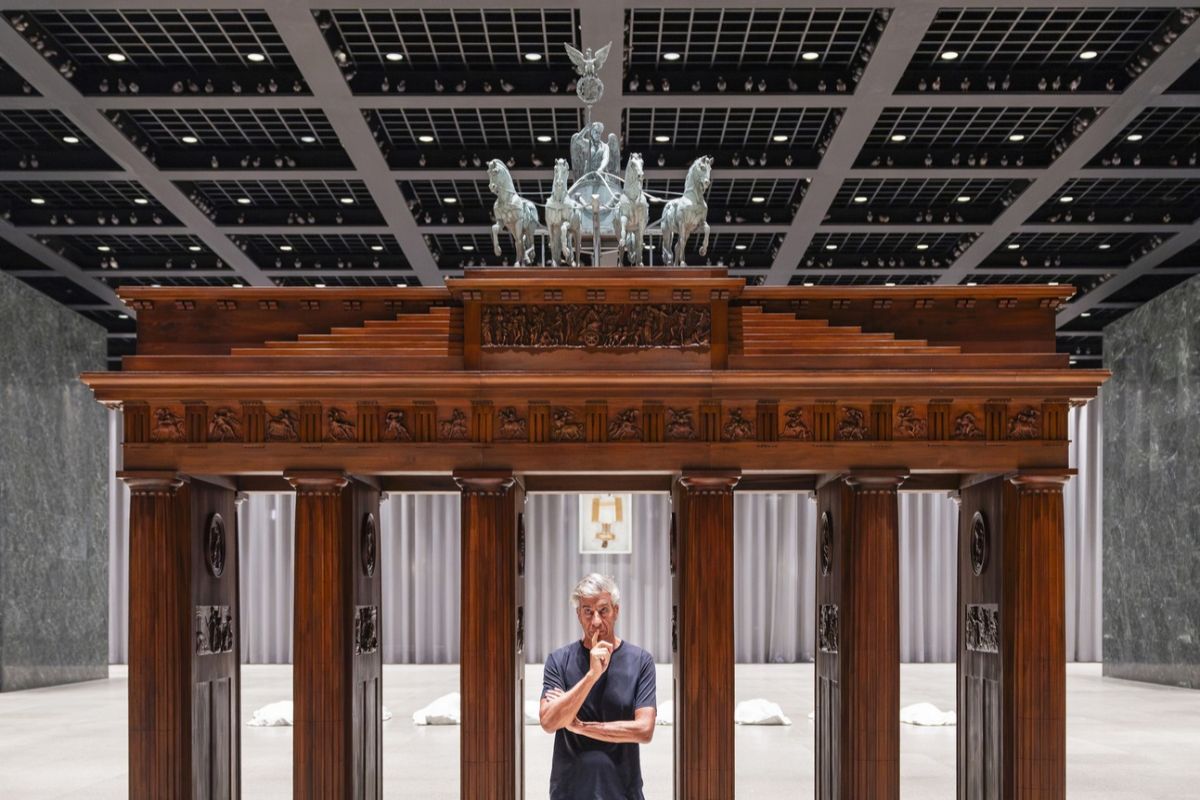
The Neue Nationalgalerie presents Maurizio Cattelan’s first major solo exhibition in Germany, as part of the Preis der Nationalgalerie 2026. Historical works and new commissions engage with the building designed by Mies van der Rohe. Exhibited works include Him, Novecento and La Rivoluzione Siamo Noi.
The power of Cattelan’s images lies partly in their ability to provoke conflicting responses. Humour, vulnerability and discomfort unsettle the viewer’s position, raising questions about authority, identity and memory.
In Berlin, these encounters acquire particular resonance. The museum’s transparency and scale influence the experience of works that continue to prompt questions long after their initial visual impact.
Yayoi Kusama in Amsterdam: Repetition and the Perception of Infinity
Exhibition: Yayoi Kusama
Venue: Stedelijk Museum, Amsterdam
Dates: 11 September 2026–17 January 2027
The Stedelijk Museum presents a Yayoi Kusama retrospective spanning more than seventy years of artistic practice, encompassing painting, sculpture, installations, drawing, fashion, collage and happenings. Amsterdam is the final venue for the exhibition organised with Fondation Beyeler and Museum Ludwig.
Her recognisable motifs provide an immediate entry point into a body of work that rewards closer attention. Repetition and proliferation alter the relationship between figure and environment, creating tension between perceptions of the individual and of surrounding space.
Alongside the immersive installations, the range of media reveals the breadth of Kusama’s practice. The exhibition encourages visitors to consider the connections between the body, self-representation and audience participation, looking beyond the familiarity of her best-known images.
Willem de Kooning in Amsterdam: Inside the Creative Process
Exhibition: Willem de Kooning at Work
Venue: Rijksmuseum, Amsterdam
Dates: 9 October 2026–17 January 2027
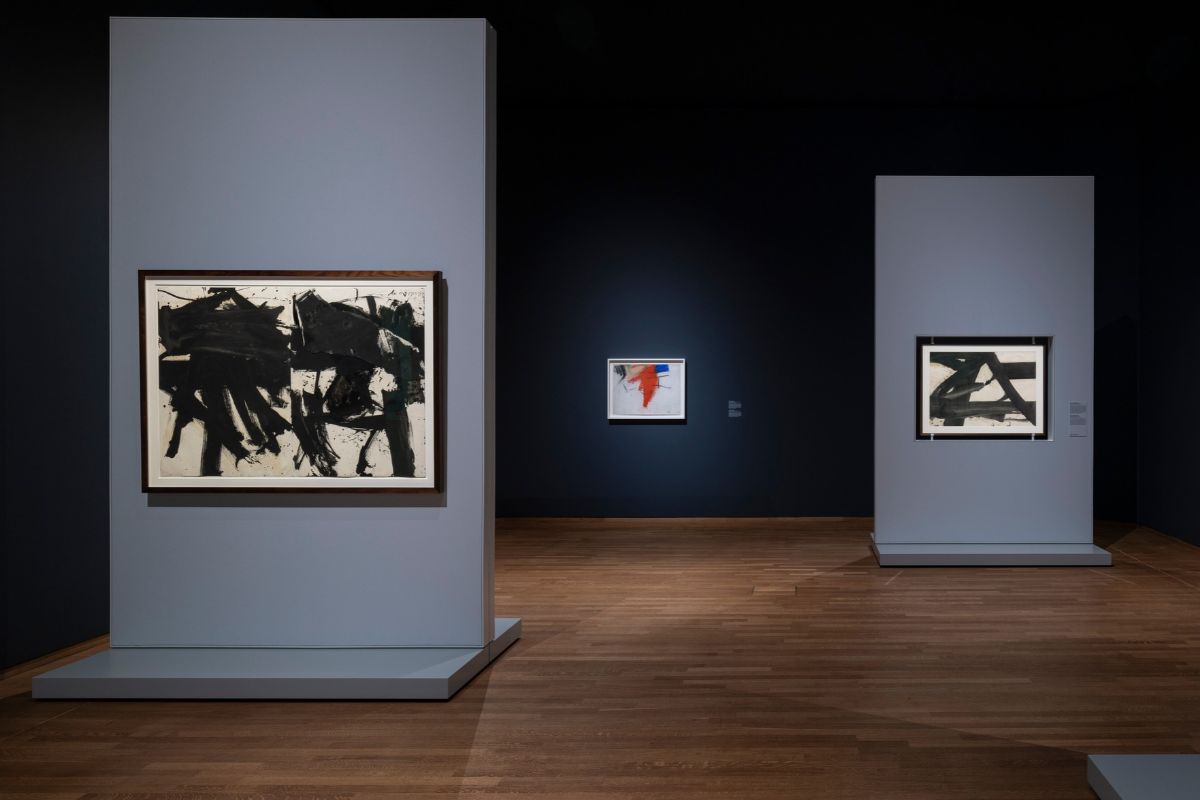
A century after the artist left the Netherlands for New York, the Rijksmuseum presents more than 120 works. Drawings form the heart of the exhibition, accompanied by selected paintings and sculptures, offering insight into the creative process of a leading figure in Abstract Expressionism.
The emphasis on drawing allows visitors to follow de Kooning through experiments, corrections and repetitions. Mark-making becomes a means of exploration, keeping the image open to change.
The exhibition challenges an understanding of gestural painting based solely on spontaneity. Behind the energy of the forms lies a sustained process of enquiry, in which figuration and abstraction remain in a continually shifting balance.
Ana Mendieta in London: Presence, Absence and Landscape
Exhibition: Ana Mendieta
Venue: Tate Modern, London
Dates: 15 July 2026–17 January 2027
Tate Modern explores Ana Mendieta’s practice through films, photographs, paintings, drawings and sculptures. A central focus is her earth-body work, in which the body’s form enters into a relationship with landscape through natural elements including earth, fire and flowers.
The tension between presence and absence runs throughout her work. A gesture may be temporary, while photography and film make its transmission possible, preserving a relationship between what happened and what remains available to view.
The exhibition offers ways to explore belonging, identity and memory through the complexity of Mendieta’s art. Landscape emerges as a place of connection, where personal experience and collective meanings meet.
Gustave Fayet in Paris: Collecting and Creating
Exhibition: Gustave Fayet, Collectionneur – Créateur. Icônes de l’art moderne
Venue: Fondation Louis Vuitton, Paris
Dates: 9 October 2026–8 March 2027
The Fondation Louis Vuitton presents an exhibition devoted to Gustave Fayet’s activities as both collector and creator. Works from his collection appear alongside his own creations, bringing artistic practice, collecting and the decorative arts into dialogue.
As with the Scharf Collection exhibition in Genoa, it highlights the role of private choices in shaping the public history of art. Bringing works together means proposing connections, supporting particular sensibilities and contributing to the development of taste.
The decorative arts also open up a reflection on the continuity between image, object and environment. It is a theme closely connected to design: visual sensibility takes shape through the objects and surfaces that accompany everyday life.
An Autumn of Art and New Perspectives
The autumn 2026 art exhibitions selected here offer different routes through personal interests and questions. Fabro, Kounellis and Sasamoto explore space; Hopper develops its narrative possibilities; Cerati and Mendieta encourage reflection on the body’s presence and the responsibilities carried by images.
In Florence, the fragment prompts questions about memory and transformation. In Berlin, Cattelan unsettles the act of looking. Amsterdam offers two perspectives on artistic enquiry: the proliferation of Kusama’s forms and de Kooning’s continual reworking of the mark.
Choosing an exhibition also means allowing time for what we do not yet fully understand. An artwork can remain active after a visit, changing how we look at a room, a face, a material or a landscape. Through that continuing attention, the experience of art becomes part of everyday life.
FAQs: Art Exhibitions in Autumn 2026
Which art exhibitions should I see in Italy in autumn 2026?
Selected exhibitions include Francis Picabia and Carla Cerati at Palazzo Reale, and Luciano Fabro and Aki Sasamoto at Pirelli HangarBicocca, in Milan; Edward Hopper at Palazzo Blu in Pisa; Broken. Il potere del frammento at Palazzo Strozzi in Florence; and the Scharf Collection at Palazzo Ducale in Genoa.
Which European art exhibitions are worth visiting in autumn 2026?
The itinerary includes Jannis Kounellis in Lugano, Maurizio Cattelan in Berlin, Yayoi Kusama and Willem de Kooning in Amsterdam, Ana Mendieta in London and Gustave Fayet in Paris.
Where is the Jannis Kounellis exhibition in Lugano?
Jannis Kounellis: Io sono un pittore takes place at the Collezione Giancarlo e Danna Olgiati, Riva Antonio Caccia 1, Lugano, from 20 September 2026 to 17 January 2027.
When does the Edward Hopper exhibition in Pisa close?
Edward Hopper: New York and Beyond runs at Palazzo Blu from 14 October 2026 to 7 March 2027. It includes more than 150 works and explores how places shaped the artist’s imagination.
Which exhibitions can I see in Amsterdam in autumn 2026?
The Stedelijk Museum hosts the Yayoi Kusama retrospective from 11 September 2026, while the Rijksmuseum presents Willem de Kooning at Work from 9 October 2026. Both exhibitions close on 17 January 2027.
When is Maurizio Cattelan’s exhibition in Berlin?
Maurizio Cattelan. NIGHT runs at the Neue Nationalgalerie from 10 September 2026 to 7 March 2027, bringing together historical works and new commissions.
Which exhibitions explore the relationship between art and architecture?
Luciano Fabro and Aki Sasamoto in Milan, Jannis Kounellis in Lugano and Yayoi Kusama in Amsterdam offer different perspectives on the relationship between artwork, environment and viewer. Edward Hopper in Pisa provides an opportunity to explore architecture’s role in the construction of a painted image.
Are any of these exhibitions free to visit?
Admission is free to the Luciano Fabro and Aki Sasamoto exhibitions at Pirelli HangarBicocca and the Jannis Kounellis exhibition at the Collezione Giancarlo e Danna Olgiati. Check admission arrangements and any booking requirements before visiting.