During Milan Design Week 2026, the city once again asserts itself as one of the most significant vantage points on contemporary design. Not only because, as every year, it brings together debuts, installations, collections and visions from many different backgrounds, but because in just a few days it shows with remarkable clarity which languages are …
During Milan Design Week 2026, the city once again asserts itself as one of the most significant vantage points on contemporary design. Not only because, as every year, it brings together debuts, installations, collections and visions from many different backgrounds, but because in just a few days it shows with remarkable clarity which languages are emerging, which sensibilities are taking hold and which figures are helping to shift the center of gravity in the conversation on architecture, interiors, product design and the applied arts.
In such a packed week, keeping an eye on the right names also means trying to understand how Milan will move through its most intense moment: which studios and designers will channel its energy, which collaborations will truly define this edition, and which presences will leave a mark beyond the inevitable noise of the events. The goal, then, is to build a sharper reading of what deserves attention today, at the point where design meets the city and the city, in turn, gives design back its most vital cultural dimension.
The selection that follows starts from here: from a Milan read as a barometer of the present. A city where research and industry, exhibition design and vision, material and imagination coexist, and where some designers, more than others, capture this moment with particular insight.
Formafantasma

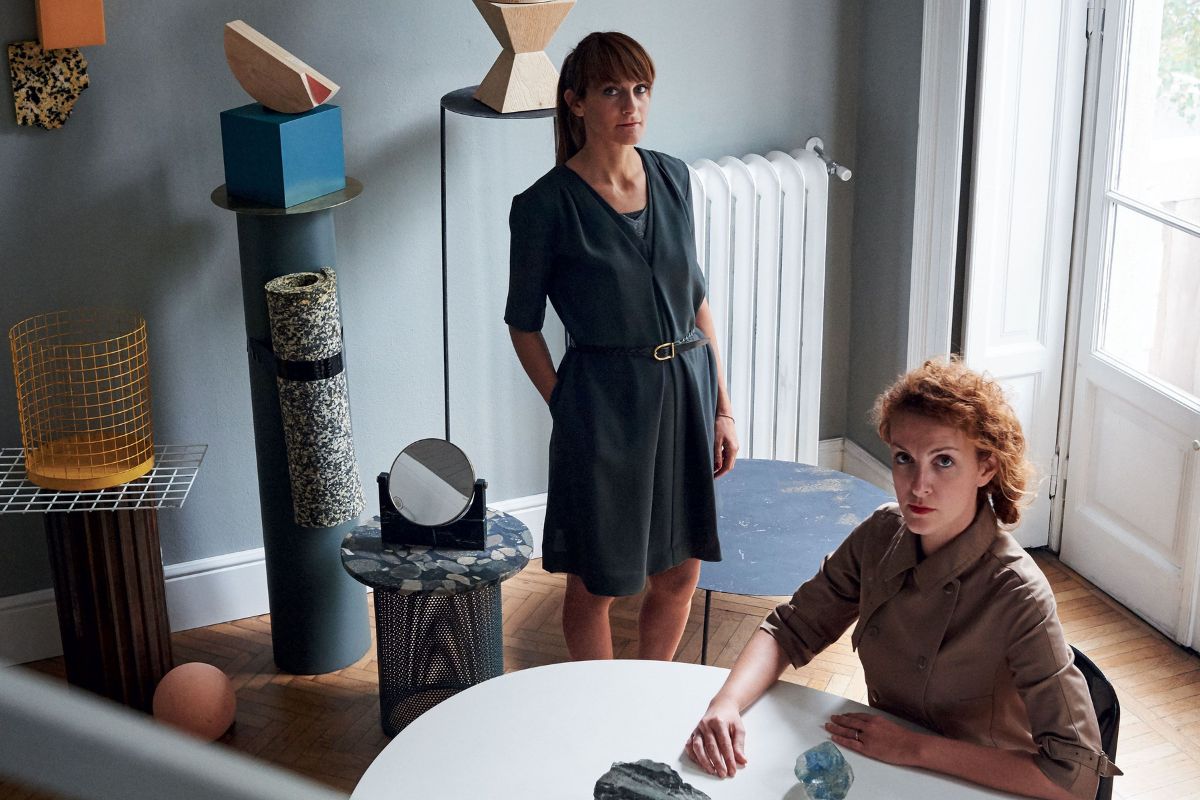
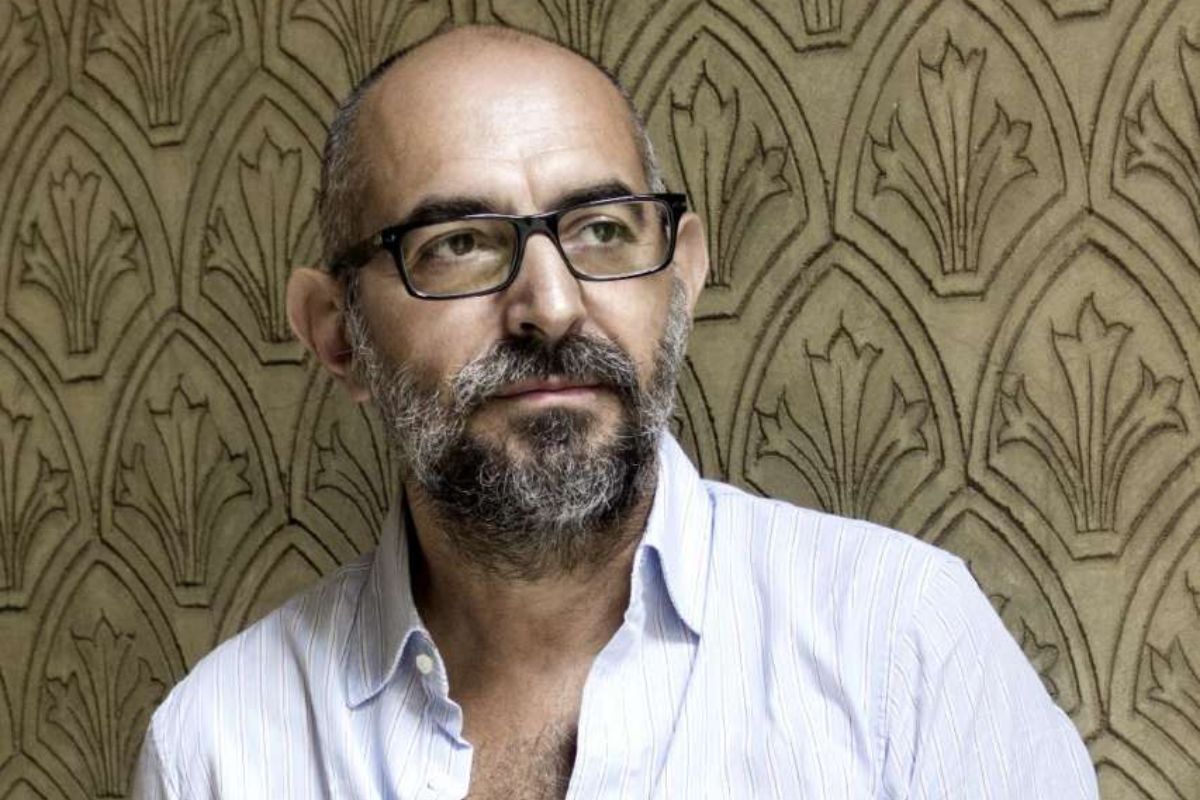
Among the names to follow at Milan Design Week 2026, Formafantasma is one of those that best help us understand where the center of gravity of design is shifting today. Andrea Trimarchi and Simone Farresin return to Milan with Prada Frames, the annual symposium they curate for Prada, running from April 19 to 21, 2026 under the title In Sight at Santa Maria delle Grazie. But their presence this year does not end there: the studio’s official calendar also lists the design of the B&B Italia booth at the Salone, an intervention in the brand’s Milan showroom and their involvement in Salone Raritas, the Salone del Mobile’s new initiative dedicated to collectible design, for which they designed the exhibition layout. It is precisely this ability to move naturally between cultural reflection, industry and spatial design that makes them such a significant presence at the 2026 edition.

Sara Ricciardi Studio

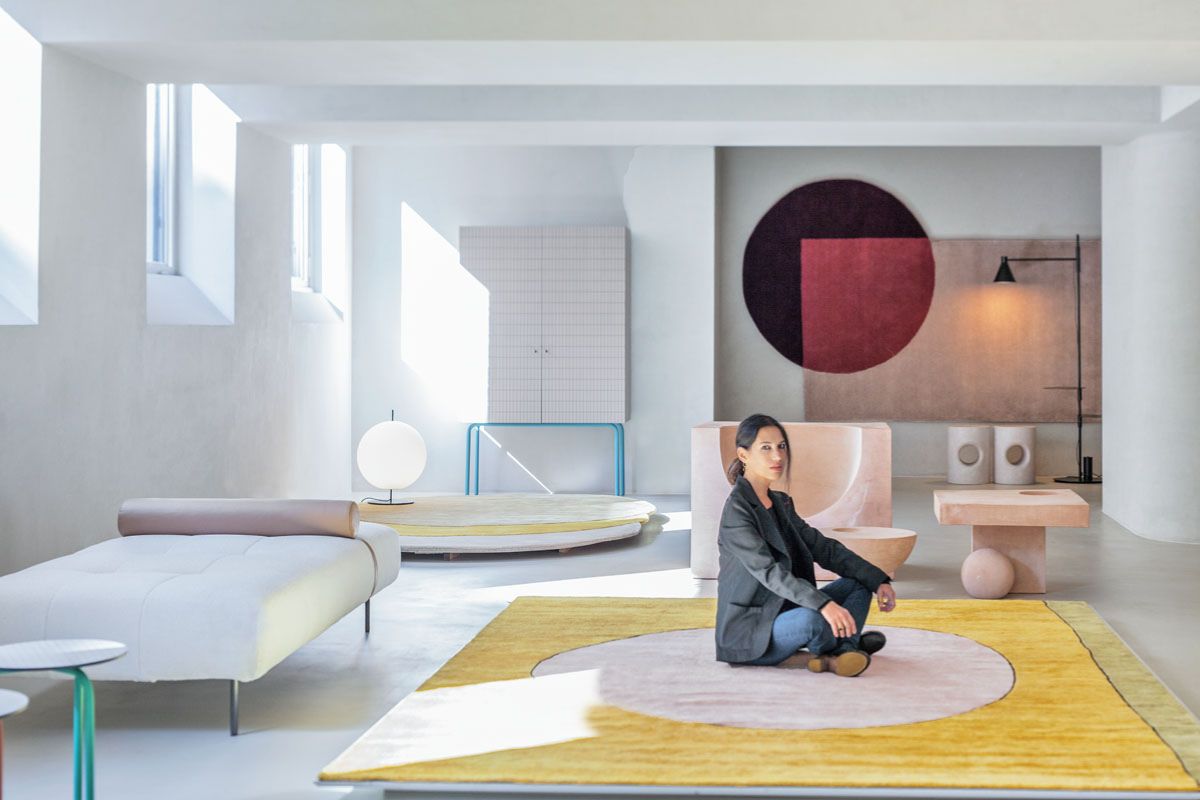
At Milan Design Week 2026, Sara Ricciardi Studio signs one of the most visible projects in the Brera district: Serotonin – the chemistry of happiness, an installation created for American Express in the Loggia of the Pinacoteca di Brera, open from April 21 to 26, 2026. It is worth following because it brings into focus an increasingly central direction in contemporary design: one in which space, perception and emotional experience stop being accessories and become part of the project itself. In Sara Ricciardi’s work, this tension between the sensory dimension and the construction of imagery remains one of her most recognizable signatures, and in Milan it finds a setting perfectly in tune with her research.
Elisa Ossino Studio
For Elisa Ossino Studio, the Milan week centers on two closely related projects. The first is Table Rituals, an installation for V-ZUG at the brand’s Milan studio, where the project revolves around the shared gestures of the table and an idea of technology that works discreetly, almost by subtraction. The second is Responsive Nature, the installation conceived for Molteni&C at Via Senato 14, part of the brand’s Design Week program. That is exactly why she is worth following today: Elisa Ossino continues to work on a kind of design that does not seek the coup de théâtre, but a subtler, more measured form of intensity, built through atmosphere, ritual and spatial precision.
Hannes Peer
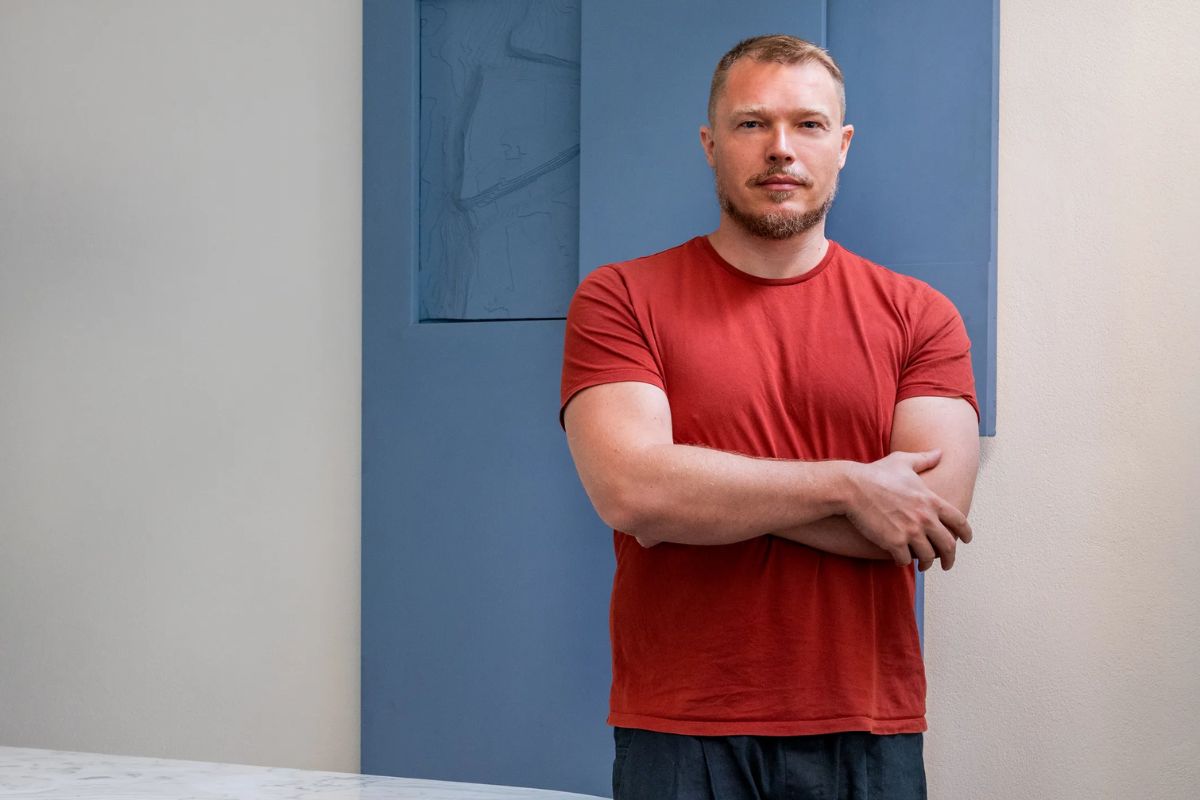
In the case of Hannes Peer, Milan Design Week 2026 offers a particularly interesting opportunity to take a close look at a language that moves decisively between architecture, interiors and material. At Spotti Milano he presents HARDCORE, an installation accompanying the launch of the new CORE collection by SEM; meanwhile, in the Brera district, he has designed La Casa di Marmo (The Marble House) for Margraf, an immersive project that treats marble as a total architectural element. In both cases, what stands out is not just the strength of the image, but the way Peer uses objects and surfaces to build compact, dense, almost theatrical spaces. It is precisely this tension between product and space that makes him one of the most interesting names to watch this year.
Barnaba Fornasetti
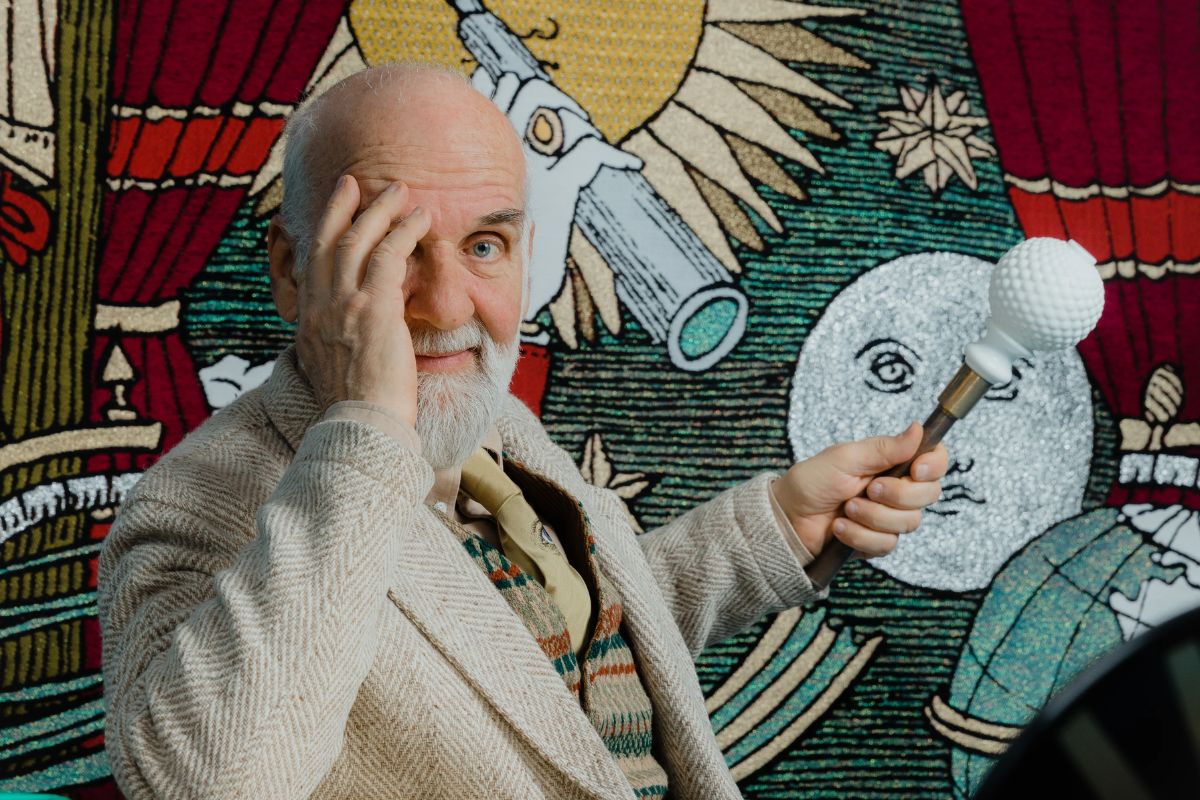
For Barnaba Fornasetti, Design Week 2026 marks a new chapter for the Milan atelier: FOREVER FORNASETTI. NEW ENCOUNTERS. The project takes shape at the flagship store on Via Senato 2 and stages a fresh reading of the Fornasetti universe through a new display, new creations and a collaboration with cc-tapis. More than a simple presentation, it is a moment that clearly shows what still makes his work interesting today: the ability to hold together visual memory, decoration, object and spatial design without freezing the repertoire into a formula. Following him during the Milan week means watching how a very strong identity can keep evolving while remaining perfectly recognizable.
Andrea Mancuso
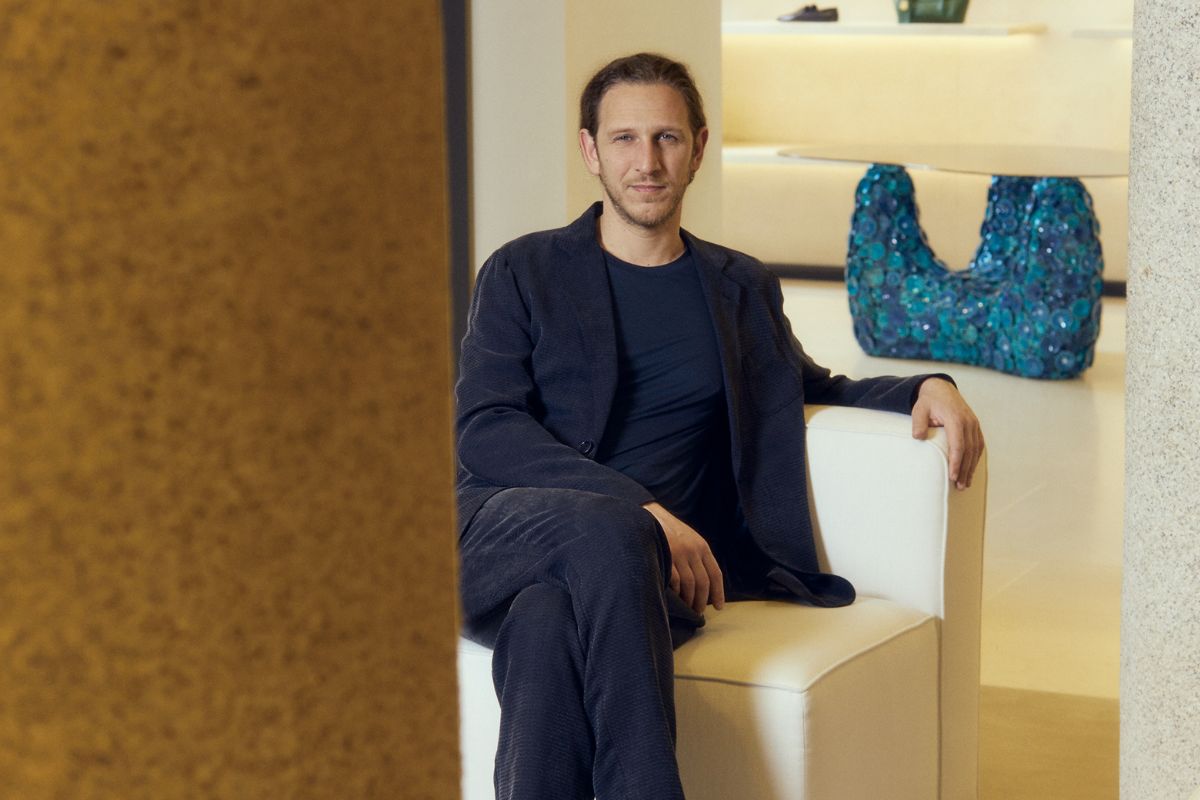
At Milan Design Week 2026, Andrea Mancuso will present a series of projects that clearly convey his approach to design as the construction of imagery, material and narrative. At Nilufar’s Via della Spiga gallery he presents LUMIAC, a kinetic chandelier that links organic gesture and artificial thought, turning light into a moving, almost behavioral presence suspended between anatomy, machine and perception; a project in which the display, developed with Kriskadecor, also helps create an experience of gradual discovery. At the Nilufar Grand Hotel, in the outdoor area of Nilufar Depot, he presents the Punteggiato collection, where perforated metal is reinterpreted as both structure and expression, in dialogue with the historic Rubelli fabric designed by Gio Ponti, in a finely judged balance between industrial rigor and decorative sensibility. Added to this is Pluriball for Poltronova, a colored glass table that turns a familiar pop image — bubble wrap — into an active, three-dimensional surface built from layers of light, relief and color variation. It is precisely this ability to combine material research, irony, visual memory and narrative tension that continues to set Mancuso’s work apart.
Giulio Iacchetti
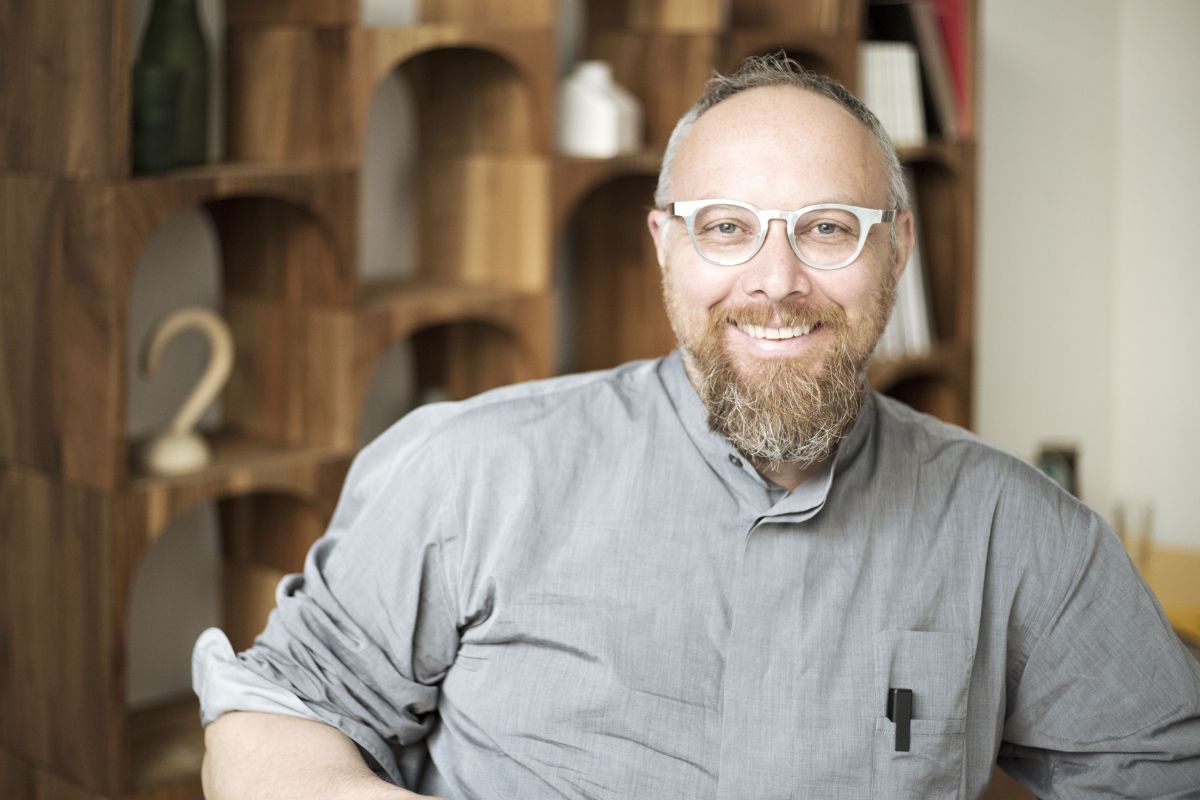
For Giulio Iacchetti, Milan’s 2026 design week is built around a widespread but highly coherent presence. On one side is Sunflower, the project developed with MV Line around the new SunDrive awning, transformed into an almost sculptural element; on the other is 230 VOLT-i, the installation designed for Vimar at Superstudio Maxi Barona, where the cover plate from the Plana series becomes visual material and expressive language. Added to this is Tell me in the Brera district, where his name appears alongside Elena Salmistraro’s in a project devoted to listening and dialogue with young designers. It is precisely this ability to move naturally from everyday objects to narrative devices, from industrial culture to a more conceptual dimension, that makes him one of the most interesting names to watch this year.
Luca Nichetto
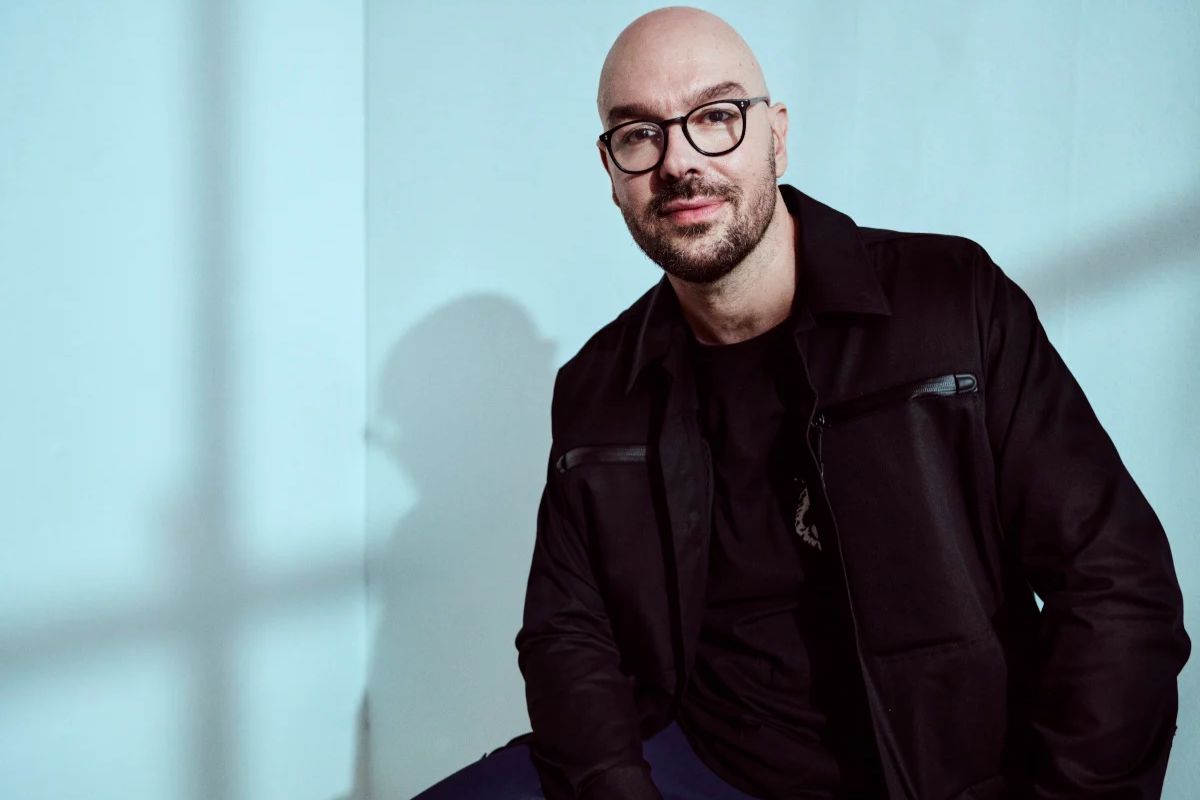
In the case of Luca Nichetto, the clearest vantage point is Airstone, a project presented by XL EXTRALIGHT® in the heart of the 5VIE district, at Spazio Big SantaMarta from April 20 to 26, 2026. At its center is a tote bag designed by the studio, but the work does not end with the object: the project unfolds within a display curated by Nichetto himself, designed to give depth to a material and to a broader vision of lightness. It is an interesting moment because it clearly shows a quality that often recurs in his work: the ability to make sophisticated design thinking accessible, combining industrial precision, image and ease of use without trivializing any of them.
Federico Peri
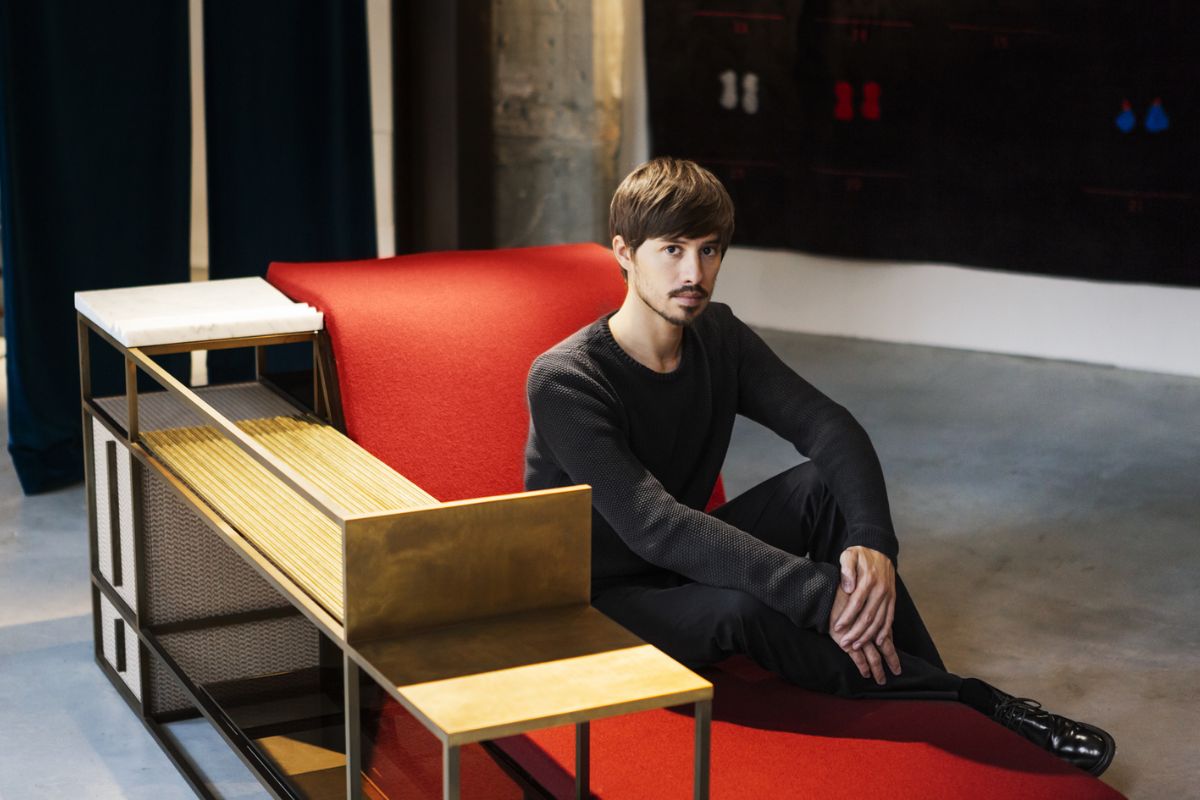
For Federico Peri, Milan Design Week 2026 marks a particularly legible step. In Brera he signs Composing for Carpanese Home, a project accompanying the brand’s new collection, which he himself describes as the third chapter of a journey founded on proportion, balance and materiality. At the same time, he takes part in RADISSON COLLECTION – Welcome to the Exceptional, a traveling experience aboard a historic Milan tram in which the participating designers accompany the ride with audio guides and sculptures. These are two very different settings, but together they make clear why he is worth following: Federico Peri continues to pursue a measured, cultured, never noisy approach to design, holding together interiors, product and spatial storytelling with rare coherence.
Elena Salmistraro

At Milan Design Week 2026, Elena Salmistraro is worth following because her work spans different registers without losing its identity. In Brera she takes part in Tell me, the project by Emersivi by Orografie that turns the churchyard of the Chiesa di Santa Maria Incoronata into a space for listening and exchange between senior designers and designers under 35; at the Salone del Mobile.Milano (Milan Furniture Fair), meanwhile, she has designed the new Loop outdoor sofa for Ethimo, presented as a fluid, almost continuous seat designed to suggest a freer, more convivial way of being outdoors. They are two very different appearances, but together they convey what still makes her perspective so recognizable: the ability to move between product, imagery and relationships, bringing a strong expressive component to design that is never disconnected from use and the experience of space.
Read our interview with Elena Salmistraro: design between emotion, sign and material
6:AM
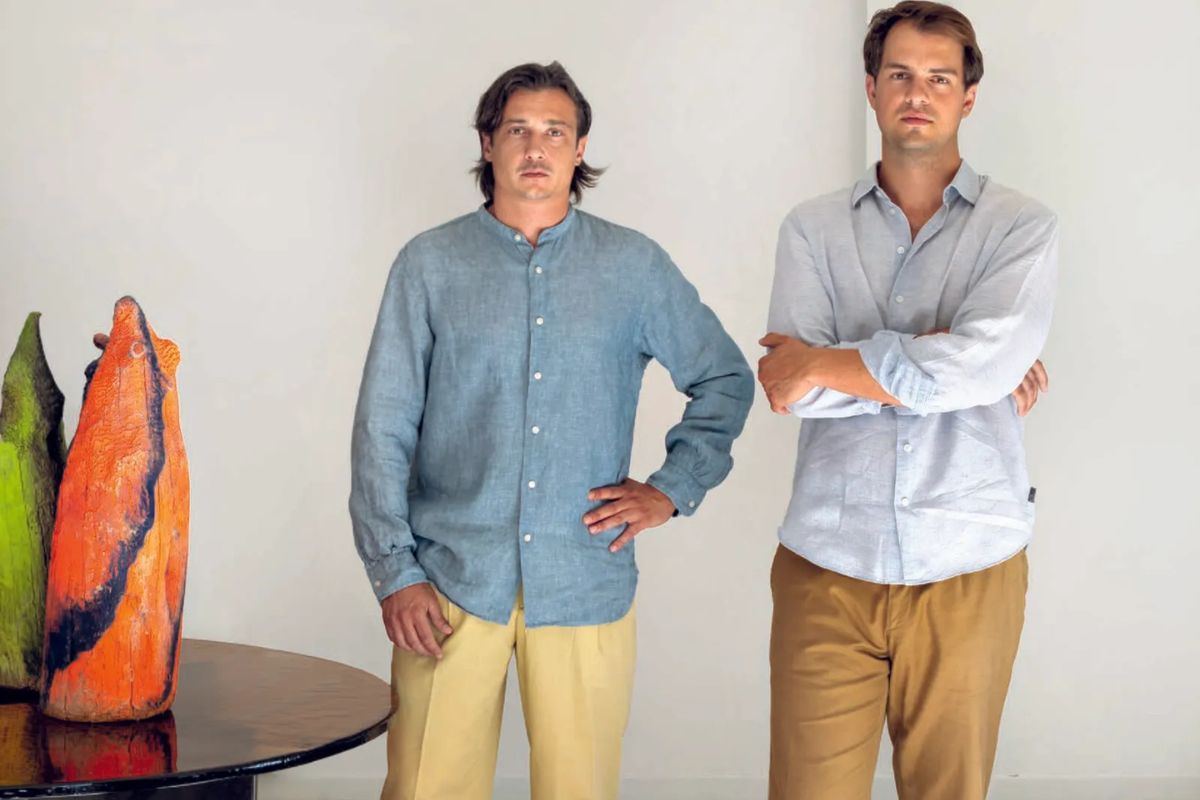
With OVER AND OVER AND OVER AND OVER, 6:AM signs one of the boldest and most recognizable projects of the week. From April 19 to 26, 2026 it takes over the Centro Balneare Romano, the historic public pool on Via Ampère, with an exhibition that turns the pool into an immersive landscape built through glass, architecture and repetition. On show are new and earlier collections and pieces presented for the first time — including the blown-glass Batch cubes and a new limited edition of Paysage and Lina developed with Hannes Peer — along with a video made with Genera and Triton, a site-specific sound installation by Invernomuto. What makes the project even more interesting is that it goes beyond the exhibition: with Bar Pieno, open throughout the event, 6:AM also creates an informal, everyday meeting place that gives the show a more urban, community dimension.
Yinka Ilori
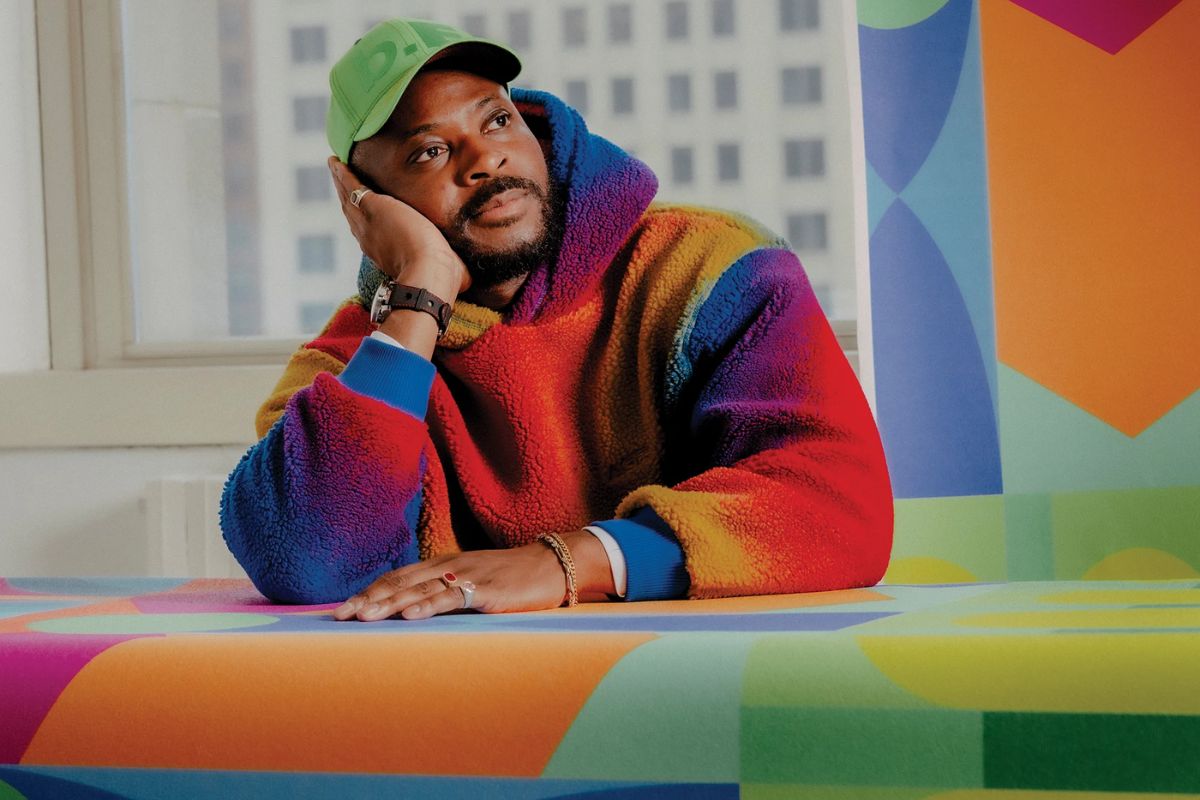
At Milan Design Week 2026, Yinka Ilori arrives in Brera with Chasing the Sun, an immersive installation created for Veuve Clicquot at the Mediateca Santa Teresa, at Via della Moscova 28, from April 20 to 26, 2026. The project unfolds as a journey that continues into the Clicquot Café and the Clicquot Boutique, which also features an exclusive collection by the designer. He is worth following because his language, so strongly built on color, rhythm and participation, finds in Milan a particularly suitable setting to test an imagination that works not only on visual impact but on the ability to turn an installation into a shared experience. In a week that often risks an overload of images, Ilori remains interesting when he manages to give that energy a truly legible spatial form.
Herzog & de Meuron
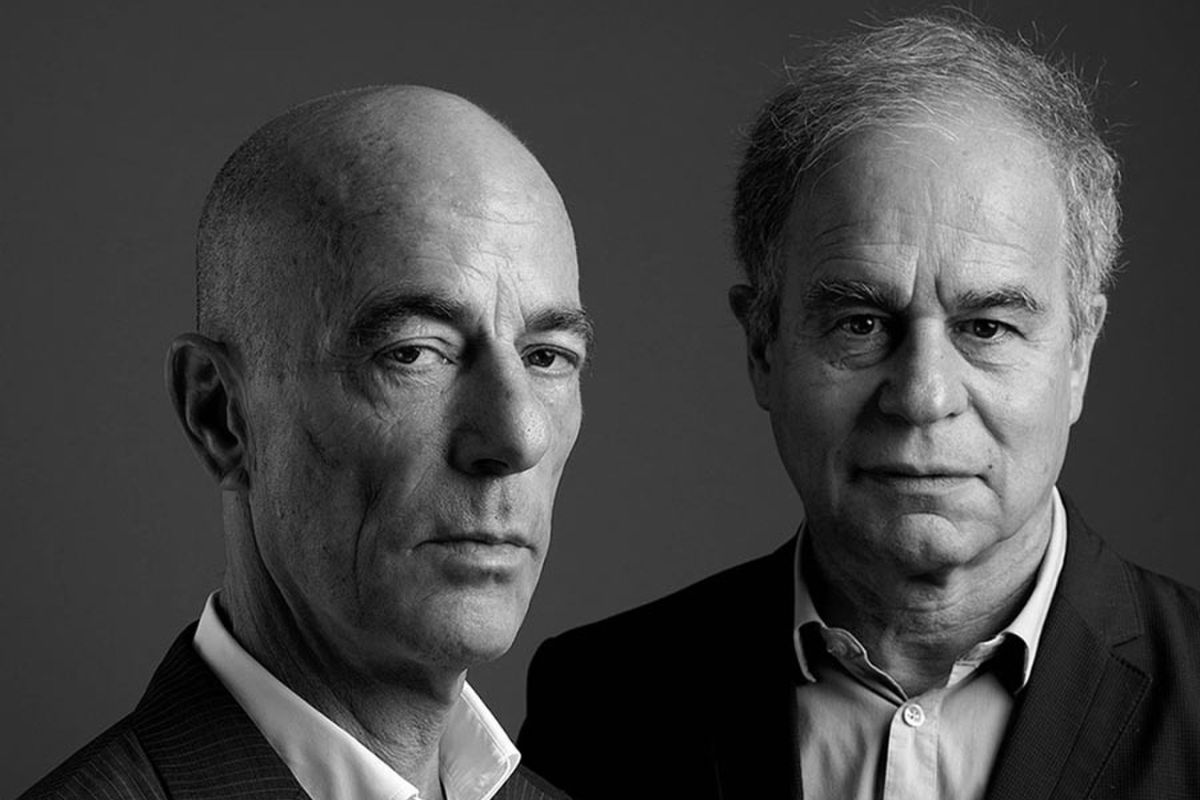
For Herzog & de Meuron, the 2026 Milan connection is clear-cut and entirely consistent with the studio’s profile. UniFor presents MTM – Made to Measure and Giuditta, two new product families developed with the Swiss architects and installed at Spazio UniFor, Viale Pasubio 15, from April 21 to 26, 2026. More than a simple product debut, the project reads as a reflection on the relationship between architecture, function and material, while the creative direction by Studio Klass introduces the concept of Non Places as the narrative key to the installation. That is exactly why they are worth following: they show how, even in design, Herzog & de Meuron continue to work on space with the same rigor they bring to architecture, turning the object into a coherent extension of their design thinking.
Snøhetta
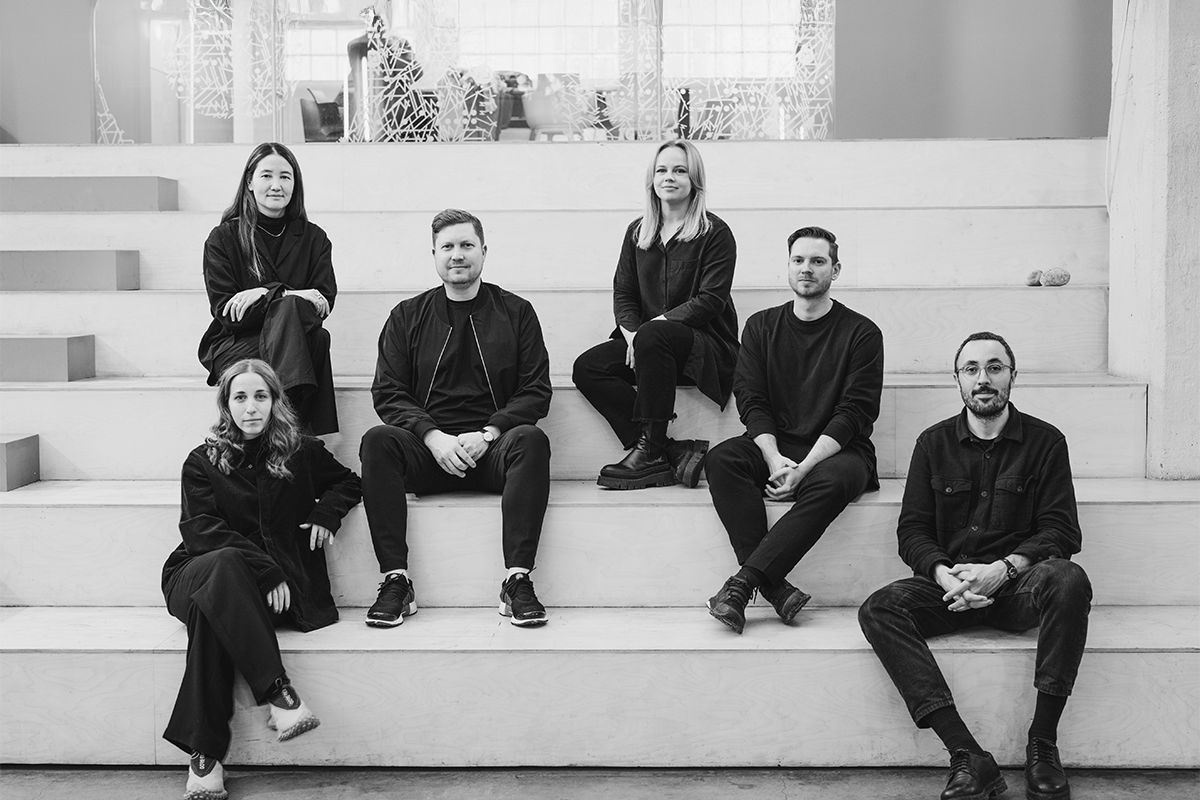
For Snøhetta, Milan Design Week 2026 takes shape through a multifaceted presence spanning installation, product and spatial research. The studio is taking part with Renaissance of the Real at the Fondazione Luigi Rovati, a project developed with USM and designer Annabelle Schneider around a reflection on the body, perception and our relationship with the physical world; at the same time, it has designed the VitrA installation presented at Interni Materiae, conceived as a meditation on the transformation of ceramics, and is also behind the launch of Intro for Olivari, a new collection of door handles presented at the Salone del Mobile.Milano. More than for the sum of its appearances, the studio is worth following for the consistency with which it moves across different scales of design, while keeping a recognizable idea of design: sensory, concrete and deeply architectural.
Laura Noè and RADIX at Milan Design Week 2026: a system that rethinks the relationship between plant, water and material
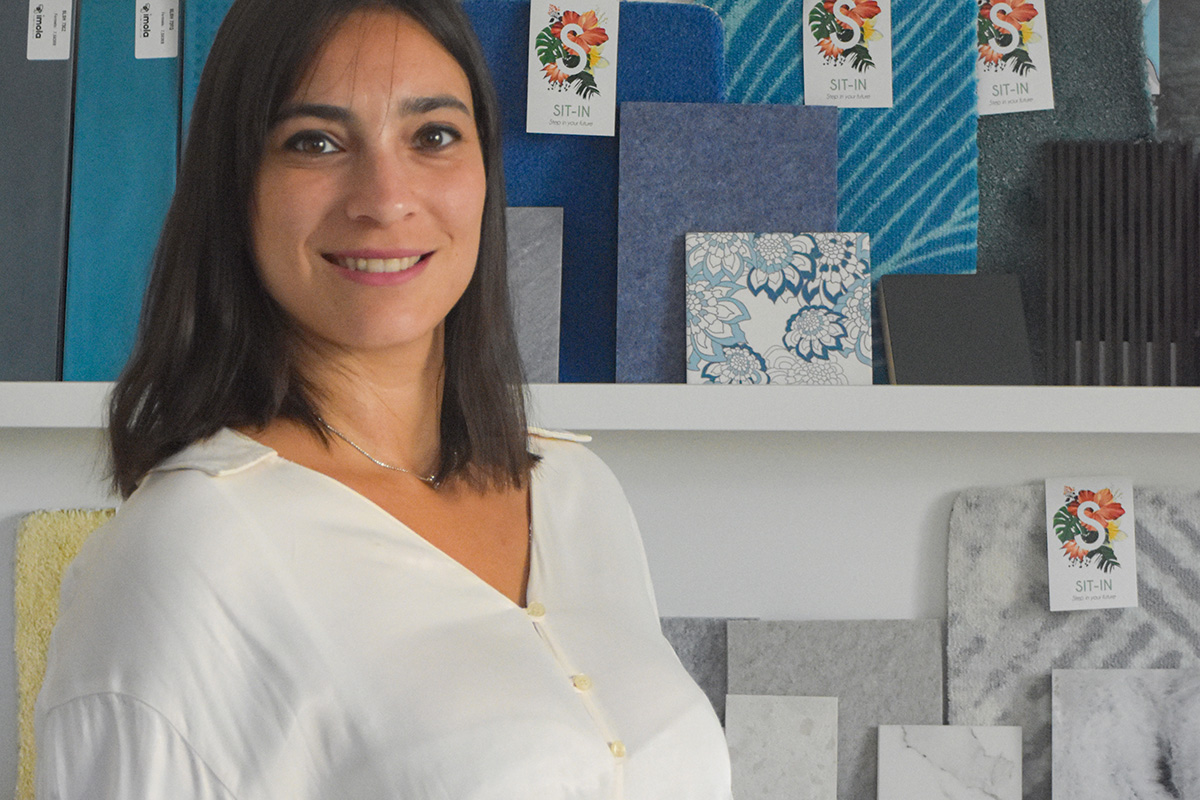
With RADIX, Laura Noè tackles one of the most delicate themes in contemporary design: the relationship between form, nature and everyday care. The idea behind the project is only deceptively simple: the health of plants depends on a fine balance between water, air and growing medium, and that balance can be built into the very structure of the object. More than a planter, RADIX is therefore a system designed to support the processes of growth, thanks to an integrated reservoir that feeds the soil by capillary action and an internal construction that helps roots breathe and distributes moisture more gradually. What makes the project interesting in the context of Design Week is precisely this ability to turn a biological need into a measured structure, in which material, function and visual presence strike a particularly convincing balance.
RADIX will be presented during Design Week at the EO Lux space in the Brera district, a project born from the meeting of different skills and developed around a dialogue between porcelain stoneware and metal. EO Lux interprets outdoor space as an extension of contemporary living, through modular systems that combine craftsmanship, material research and design flexibility, turning functional elements into true open-air architecture.