Archi&Interiors’ guides to Italian architecture and interior design practices, organised by city and region, with criteria for choosing a professional.
From Milan to Palermo, Archi&Interiors’ guides to Italian architecture and interior design practices, organised by city and geographical area, with criteria for choosing the right professional.
Italy’s national register of architects, planners, landscape architects and conservation professionals has 154,117 members, including 70,473 women, according to the equal-opportunities research commissioned in 2025 by the national council, CNAPPC, from Format Research. Searching among architecture firms in Italy therefore means navigating one of Europe’s largest professional communities. Commenting on the Architects’ Council of Europe’s 2024 sector study, CNAPPC refers to approximately 155,000 Italian architects out of around 550,000 across Europe.
Over recent years, our editorial team has developed city-by-city guides: Milan and Rome, but also Lecce, Catania, Verona and Genoa. Each considers practices working in its area, their approach and significant projects. This page gathers those editorial themes alongside articles on interior designers, emerging practices, architectural masters and completed projects, offering a starting point for anyone seeking a professional or simply exploring contemporary Italian design. The guide titles below reflect the original editorial collection; an English counterpart should not be assumed where no verified English link is provided.
The guides are organised geographically. The final sections offer practical criteria for choosing a practice and answers to frequently asked questions.
How many architecture firms are there in Italy?
There is no single official census of architecture practices. A useful reference is the number of registered professionals: 154,117 according to CNAPPC’s 2025 report, with women representing 45.7%. The number of practices is not identical to the number of members, because a practice can bring together several professionals and not every registered architect is self-employed.
Our Italian-language article on how many architects there are in Italy explores the figures, European comparisons and geographical distribution. The gender-gap research can be consulted through the summary published by the Order of Architects PPC of Modena. Our portrait of pioneering women architects provides a historical perspective on women’s contribution to the discipline.
Architecture firms in northern Italy: Milan, Turin, Genoa, Venice, Verona and Bologna
Northern Italy accounts for the largest share of the guides because of its major design centres and furniture industry. Milan has two distinct editorial surveys: one on architecture firms and another on practices combining architecture with interior design.
| City | Guide | What it covers |
|---|---|---|
| Milan | Architecture firms to know in Milan | Architecture practices in Italy’s design capital |
| Milan | Architecture and interior design firms in Milan | Milanese practices combining architecture and interior design |
| Turin | Architecture firms to know in Turin | Practices shaping Turin’s architectural scene |
| Genoa | Architecture firms to know in Genoa | Practices in a vertical city between the sea and hills |
| Venice | Architecture firms to know in Venice | Practices working in an exceptional urban setting |
| Verona | Architecture and design firms in Verona | Verona’s architecture and design practices |
| Bologna | Architecture firms in Bologna | The Bolognese architecture scene |
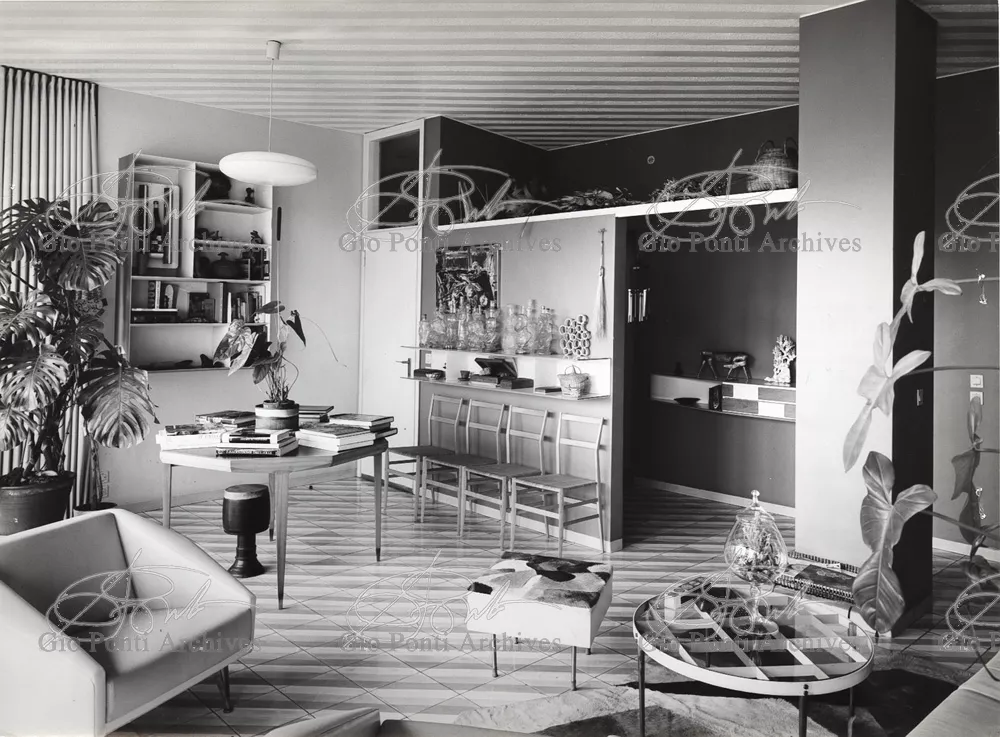
To understand Milan’s design culture, our surveys of famous Milanese architects of the 1960s and Gio Ponti provide historical starting points, alongside the article on his Via Dezza home. Casa Mollino offers a useful reading for Turin; Carlo Scarpa’s buildings and the Brion memorial provide context for the Veneto.
Architecture firms in central Italy: Rome and Florence
Rome and Florence are two cities where contemporary design confronts historic heritage particularly directly. Projects often concern existing buildings, with restoration, updated building services and new interiors sharing the same construction site.
| City | Guide | What it covers |
|---|---|---|
| Rome | Architecture firms to know in Rome | Architecture practices in the capital |
| Florence | Architecture firms to know in Florence | Florentine architecture practices |
Our profile of Massimiliano Fuksas offers a perspective on Rome; the selection of iconic Italian architectural projects provides a broader national picture.
Architecture firms in southern Italy and the islands: Naples, Bari, Lecce, Catania and Palermo
The southern guides span cities with substantial historic heritage and distinctive materials, such as Lecce stone in Salento and volcanic stone in Catania. Naples is the largest centre; Bari, Lecce and the two Sicilian cities complete the picture.
| City | Guide | What it covers |
|---|---|---|
| Naples | Architecture firms in Naples | Neapolitan architecture practices |
| Bari | Architecture firms in Bari: names to know | Practices in Bari’s design scene |
| Lecce | Architecture firms to know in Lecce | Architecture practices in Salento |
| Catania | Architecture firms in Catania | The Catania architecture scene |
| Palermo | Architecture firms to know in Palermo | Architecture practices in Palermo |
For readers also interested in Naples’ interiors, our guide to notable interior design projects in Naples in 2026 examines recent work.
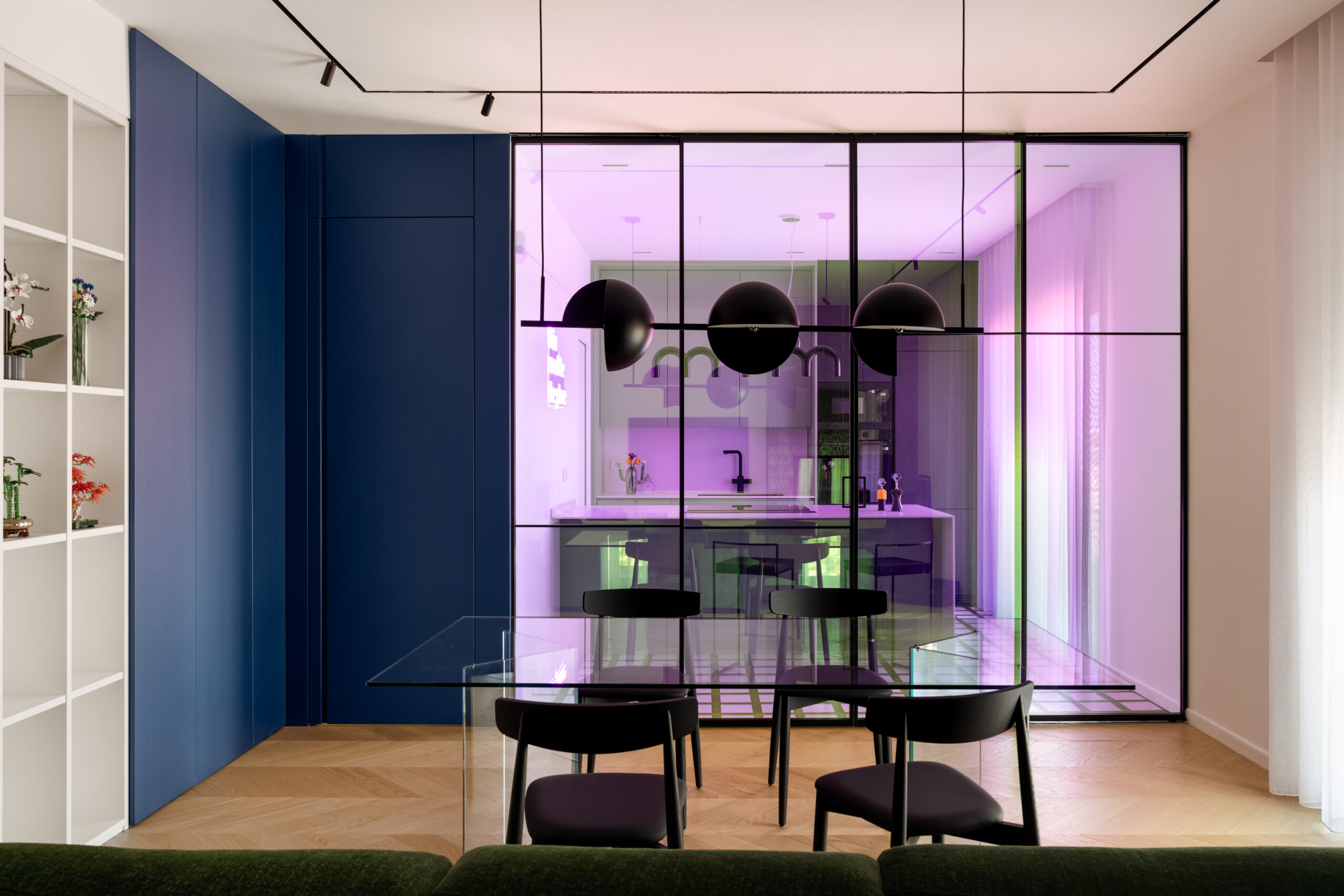
One residential example in the Naples collection is Casa Kaleido, by Ciro Scognamiglio and Francesca Sannino / Area Dieci. The relationship between its kitchen and dining area shows how the layout and partitions can become part of an interior’s design language: a concrete aspect to look for in a practice’s portfolio.
Interior designers by city: Milan, Rome, Turin and Naples
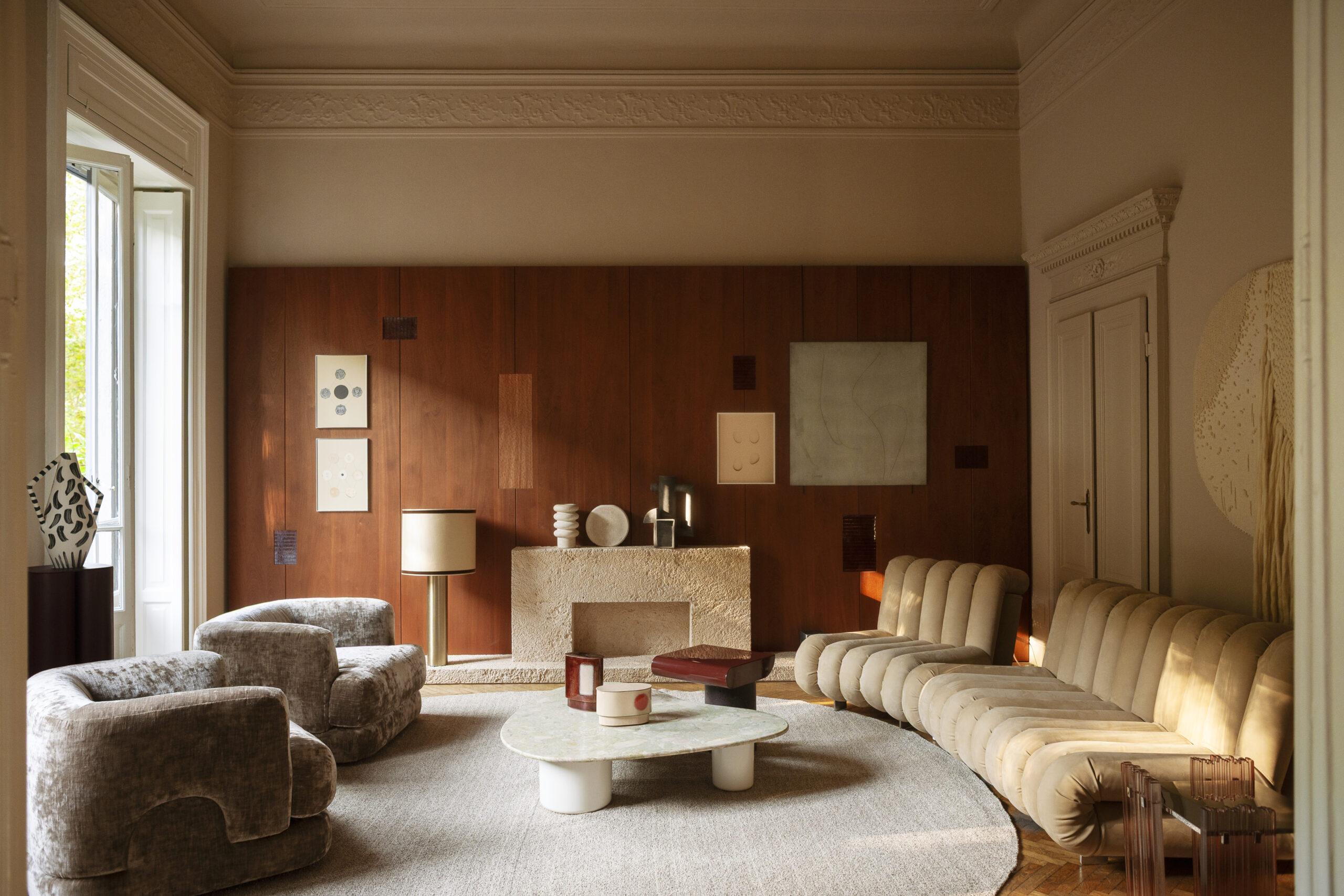
An interior designer works on interior spaces, furniture and finishes. A registered architect may also undertake building design and related statutory procedures, within the scope of their professional qualification. This distinction matters when appointing someone, and our article on the difference between an architect and an interior designer discusses it. The following guides focus on interiors.
| City or area | Guide | What it covers |
|---|---|---|
| Milan | Notable interior design projects in Milan in 2026 | Recent Milanese homes and spaces, examined project by project |
| Rome | Interior designers to know in Rome | Interior practitioners working in the capital |
| Turin | Interior designers to know in Turin | Turin’s interior design scene |
| Naples | Interior designers to know in Naples | Neapolitan interior designers |
| Italy | Famous Italian interior designers | Names that built Italian interior design’s reputation |
| Worldwide | The world’s most famous interior designers | An international comparison |
For lighting, which matters as much as furnishings within an interior, our guide to contemporary Italian lighting designers offers further context.
Italian architects: emerging practices, established names and masters
Beyond the city guides, the site includes broader surveys: emerging practitioners, internationally recognised names, and the masters who established the traditions on which today’s practices build. These provide context before choosing a professional.
| Theme | Guide | What it covers |
|---|---|---|
| Emerging | Emerging architecture firms in Italy | Young practices to follow |
| Emerging | Young Italian architects and practices | A new generation of designers |
| Established | Ten famous architecture firms in Italy | Well-known Italian practices |
| Established | Contemporary Italian starchitects | Italian architects building around the world |
| Worldwide | The world’s best-known architecture firms | A comparison with major international practices |
| Masters | Masters of twentieth-century architecture | Figures who shaped modern architecture |
| Masters | Renzo Piano | The Genoese architect’s biography and buildings |
| Masters | Gae Aulenti | Architecture, museums and design |
| Masters | Aldo Rossi | Theory, architecture and objects |
| Awards | Major architecture awards | The Pritzker and other honours |
Projects to look at before choosing a practice
The most concrete way to understand whether a practice is right for you is to examine its projects and compare them with others. These articles gather completed work, from residential interiors to hospitality.
| Theme | Guide | What it covers |
|---|---|---|
| Hospitality | Fifteen design hotels by Italian practices | Hospitality projects designed by Italian architects |
| Hospitality | Design hotels on Lake Como | Ten hotels read as architectural projects |
| Residential | Renovating and furnishing a 70 m² city apartment | A concrete renovation case study |
| Architect-designed homes | House museums in Italy | Designers’ homes open to the public |
| Home planning | How to furnish a home | A complete guide to setting up an interior project |
How do you choose an architecture firm in Italy?
Start by checking professional registration, then assess completed projects comparable to your own, the clarity of the quotation and the working method. Registration can be checked through the CNAPPC national register, which brings together members of the provincial Orders and allows searches by name.
Before confirming the appointment, ask for a written fee proposal that clearly describes the scope of work, the services included and excluded, the fee and additional expenses, the expected stages and the responsibilities of everyone involved. Clarify how design changes will be handled and who will coordinate construction, statutory applications, furniture and lighting. A clear proposal helps you compare practices on the same basis and understand what you are commissioning.
The rest concerns compatibility. In the projects covered by our team, good results often emerge when the practice has already undertaken work of a similar scale and nature: an apartment renovation, a protected-building restoration or a public venue. Ask to see completed projects, not only renderings, and visit one where possible. Clarify responsibilities from the outset: who supervises construction, who handles statutory applications, and whether the practice coordinates furniture and lighting or works with a separate interior designer.
Frequently asked questions about architecture firms in Italy
How many architects are there in Italy?
According to the equal-opportunities research commissioned by CNAPPC in 2025, the national register has 154,117 members, including 70,473 women and 83,644 men, with women representing 45.7%. CNAPPC estimates approximately 155,000 Italian architects out of about 550,000 in Europe, one of the continent’s largest professional communities.
How can you check whether an architect is registered?
Consult the national register on the website of Italy’s National Council of Architects PPC, awn.it. It lists architects, planners, landscape architects and conservation professionals registered with provincial Orders, and supports searches by name and Order. The provincial Orders maintain the records and are responsible for changing them.
What should you ask for in a fee proposal?
Ask for a written description of the work, the services included and excluded, the fee and additional expenses, the main stages and each professional’s responsibilities. Agree how changes will be handled and who coordinates construction and statutory applications. Compare proposals with equivalent scope, not only their headline price.
Is an architect or an interior designer better for renovating a home?
It depends on the work. Moving walls, altering building services or preparing statutory applications requires an appropriately qualified technical professional, such as a registered architect acting within their competence. For furniture, finishes, lighting and colour, an interior designer may be the appropriate choice. The two often collaborate on the same project.
Which Italian cities are covered by Archi&Interiors’ architecture guides?
The original editorial collection spans Milan, Turin, Genoa, Venice, Verona and Bologna in the north; Rome and Florence in central Italy; and Naples, Bari, Lecce, Catania and Palermo in the south and islands. Interior design topics include Milan, Rome, Turin and Naples, alongside emerging practices, established names and individual projects. Availability and language editions should be checked for the relevant guide.