From historic textile houses to technical shading specialists, ten Italian curtain brands to know for homes, hotels, offices and retail, with advice on fabrics and colours.
In the language of interior design, curtains are neither a simple accessory nor a decorative detail to be settled at the end of a project. They are, more precisely, a material of space. They shape light, visual comfort, perceived acoustics, privacy and the atmosphere of a room; they define the relationship between inside and outside, and they help set the visual tone of a living room, a hotel suite, an executive office, a boutique or a hospitality space. Very often it is the textile scheme that makes an interior feel more measured, more sophisticated and more coherent.
That is why, when we ask which are the best Italian curtain brands today, or which curtain companies are worth knowing for contemporary interiors, the answer is not only about product quality. It is about a brand’s ability to treat window dressing as an integral part of the design: in the choice of fabrics, the handling of light, technical precision, a culture of colour, the option of working made to measure, and the versatility with which a collection can move between residential, professional and contract settings.
Italy has a recognisable expertise in this field. Alongside historic names rooted in textile tradition, there are companies that have reshaped the idea of the curtain in a more design-led way, bringing it into a more cultured, technical and contemporary vision of the interior. In this selection we have gathered some of the most interesting Italian brands to know today: companies that stand out for research, reliability, aesthetic sensibility and quality of solutions, in a sector where curtains still play a far more central role than is often assumed.
Why curtains are central to an interior design project
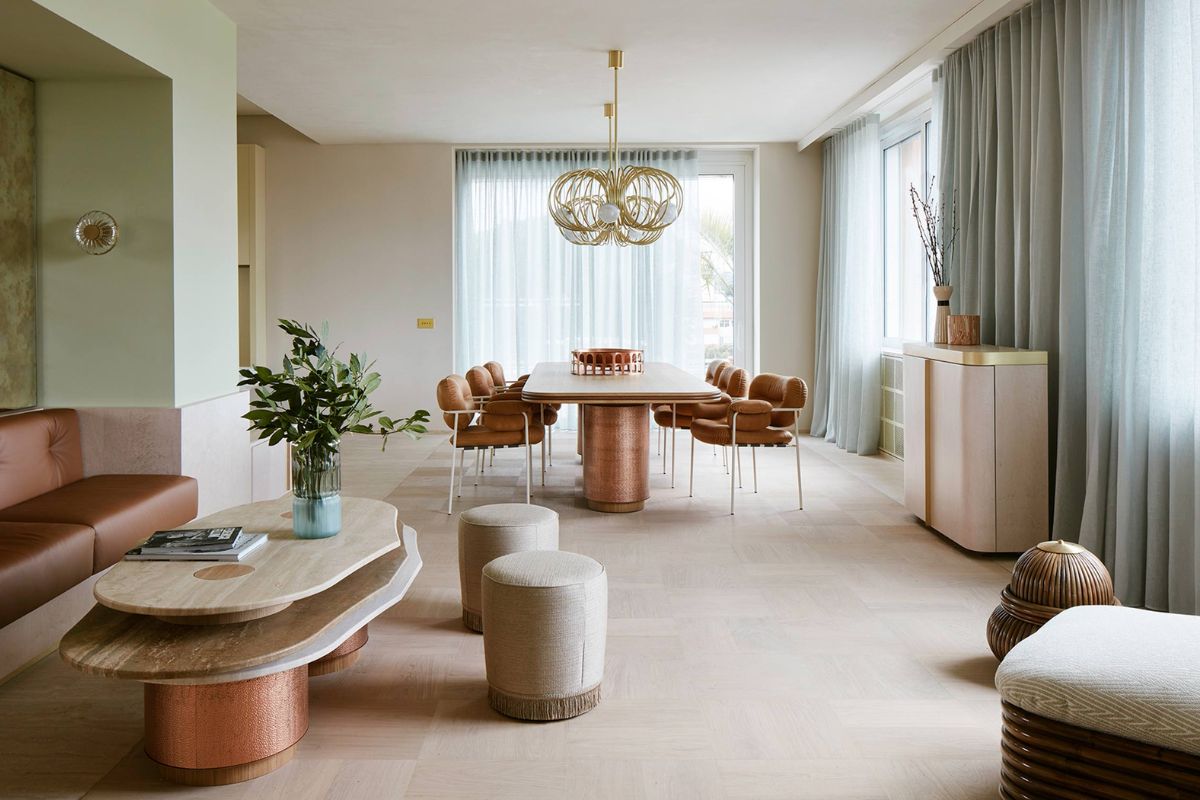
Curtains are central to interior design because, in a well-resolved interior, they never perform just one function. Of course they screen light, protect privacy and help regulate the relationship with the outside. But in design terms they do much more: they bring a soft material into the architecture, temper the rigidity of hard surfaces, follow ceiling heights, balance the way openings are perceived and help define the overall character of a space. In a living room as in a hotel lobby, in an executive office as in a boutique, the textile scheme cannot be treated as a marginal addition.
Curtains shape atmosphere in a subtle but decisive way. A filtering curtain can turn harsh light into something softer and more diffuse; a substantial velvet can lend theatrical depth to a hospitality space; a well-chosen technical fabric can improve visual comfort in a workplace; a light, almost weightless solution can give continuity to a contemporary interior without weighing it down. In each case, the curtain works as a device of mediation: between light and shadow, intimacy and exposure, function and representation.
There is also an aspect that is often underestimated: the curtain is one of the elements that most affects how a room’s colours and materials are read. It enters the space not only as colour but as transparency, reflection, density, movement and drape. It can absorb light or amplify it, warm up a pared-back interior, add depth to a neutral palette, or introduce a more sophisticated accent without resorting to anything intrusive. In this sense, choosing a curtain means shaping the identity of a space in a quieter, but often more refined, language.
In contemporary projects, curtains are interesting again precisely because they answer different and increasingly complex needs. Residential spaces call for comfort, elegance and versatility; offices look for light control, visual order and wellbeing; hotels need a balance between image, performance and durability; retail works on atmosphere, visibility and recognisability. This is where the role of the manufacturer becomes central: not every company approaches window dressing with the same level of design culture, technical precision and aesthetic sensibility.
Talking about the best Italian curtain brands, then, means identifying the companies that manage to bring textiles, design and function together convincingly. Companies able not only to offer beautiful collections, but to provide useful tools for interior designers and for anyone who wants to create more complete, coherent and finely balanced spaces.
The best Italian curtain brands to know today
The best Italian curtain brands range from historic textile houses to specialists in furnishing fabrics and companies focused on technical or contract solutions. Some stand out for the decorative quality of their fabrics, others for the solidity of their systems, others again for the ease with which they move between residential, hospitality, workplace and retail spaces. For this reason the selection cannot stop at fame: it has to weigh authority, stylistic identity, product quality and relevance to the design process.
Dedar
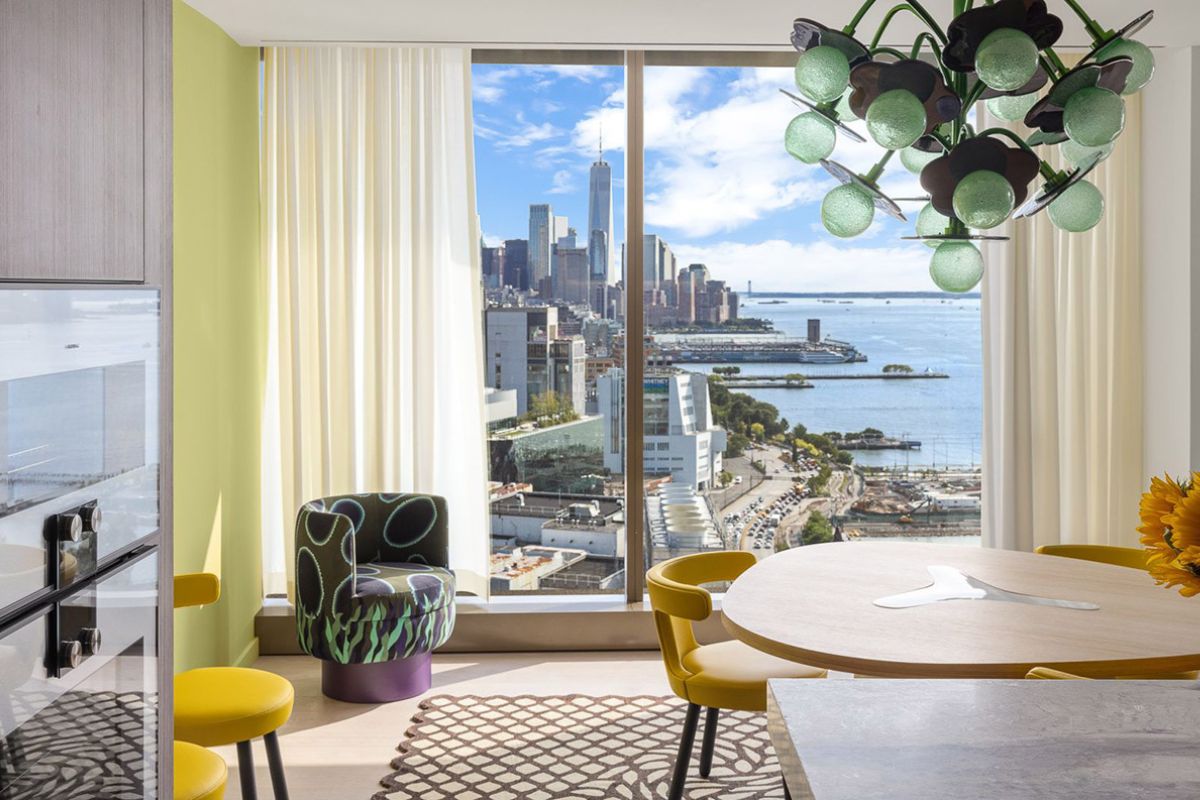
Dedar is among the names that have done most to carry Italian furnishing textiles onto the international stage with a strong design focus. The company describes itself as a Milanese family business specialising in fabrics and wallcoverings for curtains, drapes, upholstery and walls, with research that brings together decorative culture, material and experimentation. This is not a brand for a “simple” curtain, but for an idea of the interior in which fabric builds atmosphere, identity and visual depth. The fact that its collections are used in residential and public projects around the world, together with its range of flame-retardant fabrics for curtains and upholstery, makes it particularly interesting for anyone working on sophisticated interiors, hospitality included.
Rubelli
Location: London
Designer: Nick Vinson
Photo credits: Beppe Brancato
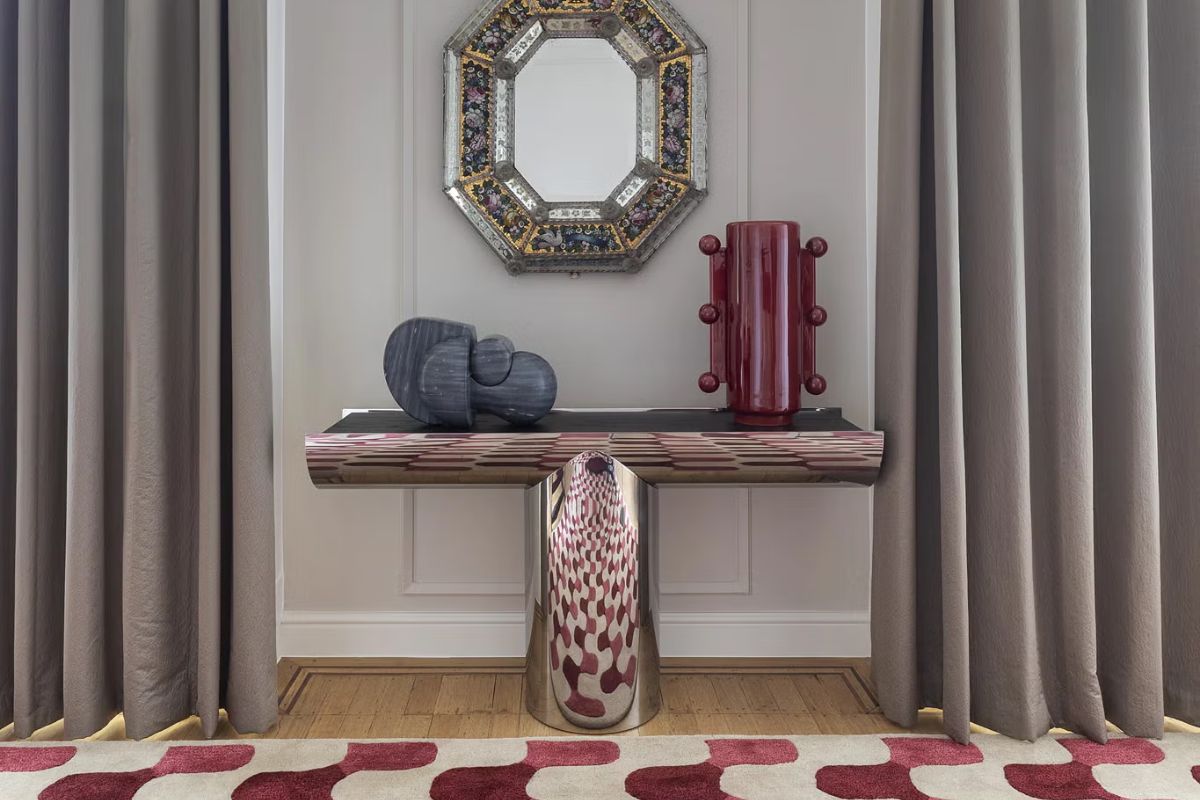
If Dedar represents a highly recognisable contemporary sensibility, Rubelli carries the noble weight of Venetian textile history and a continuity that is rare in the sector. The brand states more than 130 years of activity in the creation, production and sale of furnishing products, with a focus on precious fabrics for residential and contract use. For anyone looking for high-end Italian curtain brands for interiors, Rubelli is one of the most solid references, combining damasks, velvets, jacquards, curtain fabrics and fibres ranging from silk to ecological and technical yarns. Its offer of flame-retardant fabrics designed for hotels, restaurants, offices and public spaces is also significant: a detail that confirms how confidently the brand moves not only in decoration but in professional design as well.
Mottura
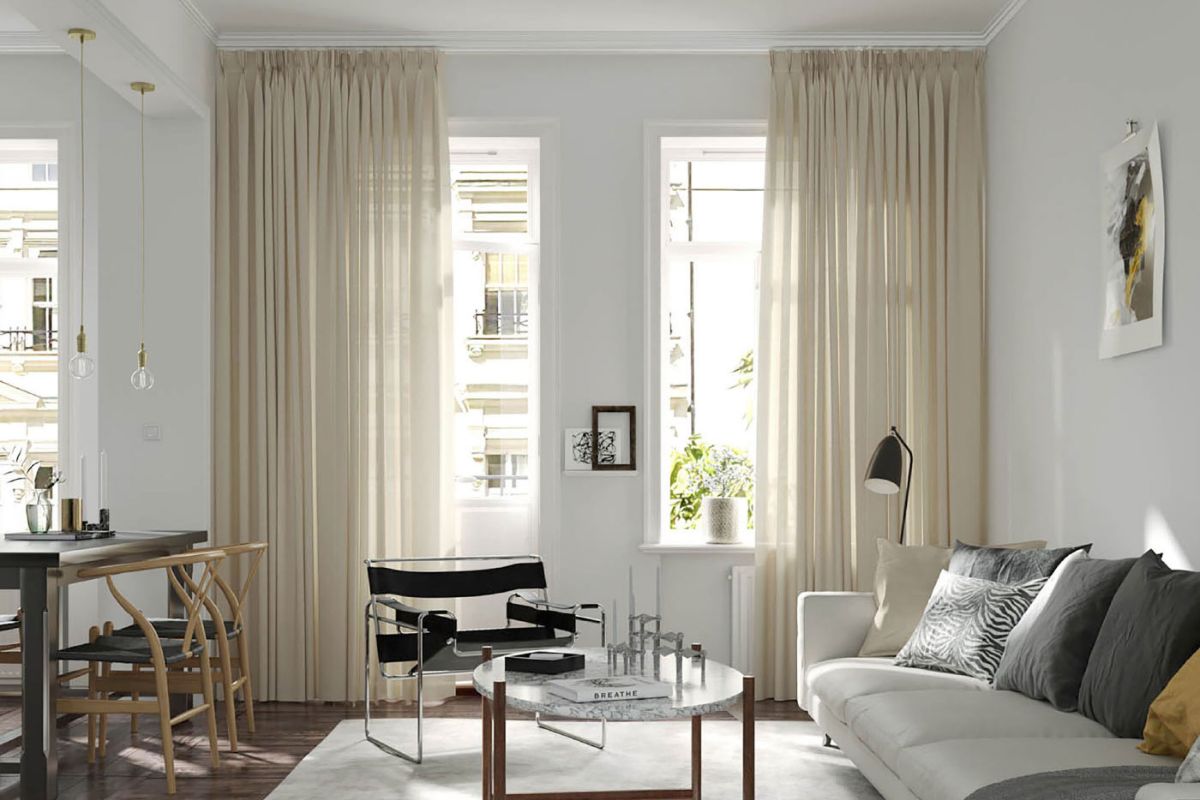
Mottura is one of the most useful names to know when window dressing is approached above all as a matter of systems, gliding, technology and precise application. The company states that it has worked in window sun protection since 1963, producing curtain systems and technical blinds, and is now present in more than 70 countries. What makes it interesting, though, is not only its longevity: it is the way Mottura positions itself as a technological interpreter of window furnishing, working in dialogue with specialists, designers and architects. This makes it particularly relevant to projects in which the curtain has to be beautiful but also smooth-running, integrated, quiet and consistent with the overall design of the interior. Lines such as FUTURA, conceived to enhance the curtain and blend with the style of the room, show this dual vocation between performance and aesthetic presence.
Resstende
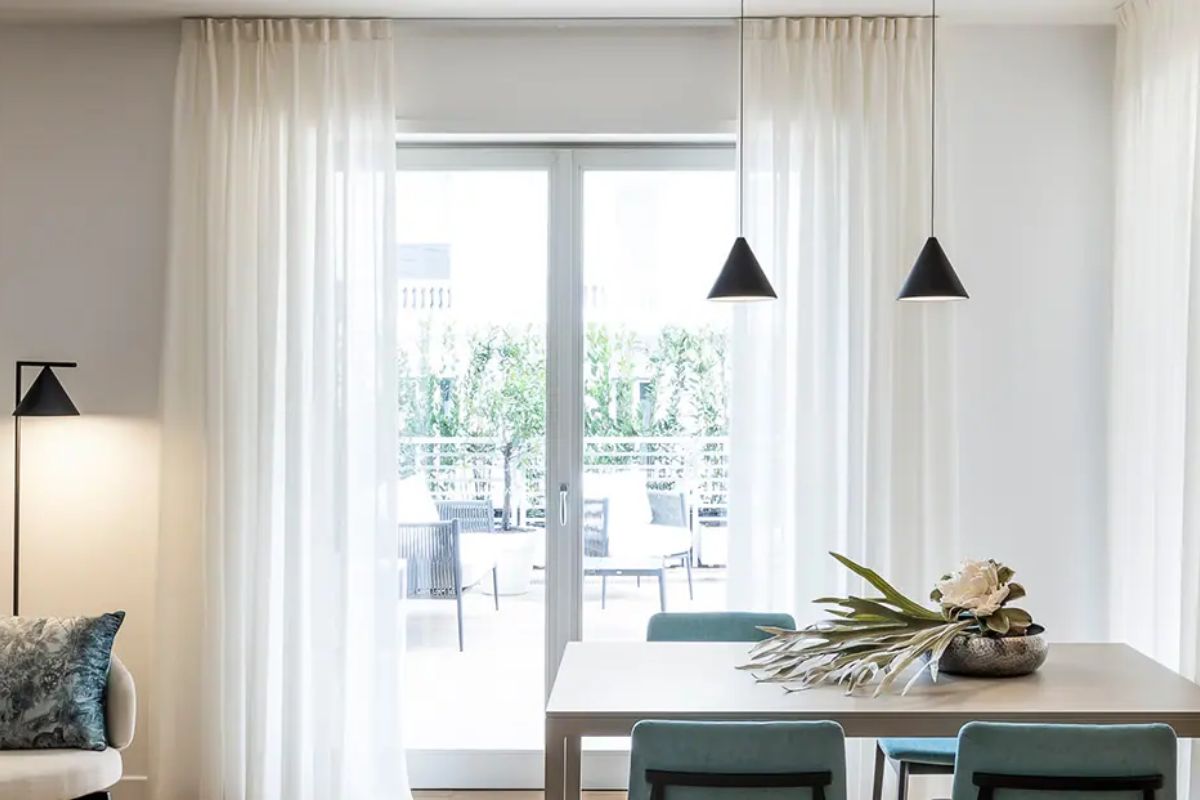
In the field of technical blinds and made-to-measure shading, Resstende deserves serious consideration, especially when a project involves large glazed surfaces, offices, hotels, schools, public spaces or retail. On its official website the company describes itself as specialising in the design and bespoke production of quality roller blinds and solar shading; it also tells a story that began in 1975 and today spans more than 1,000 product variants, exported to over 30 countries. Beyond the numbers, what makes it interesting for an article like this is its strong design clarity: Resstende places great emphasis on the relationship between light control, comfort, energy efficiency, customisation and collaboration with architects, interior designers and general contractors. It is one of those brands that show how, in certain contexts, the curtain is no longer just window dressing but genuine infrastructure for visual wellbeing.
C&C Milano
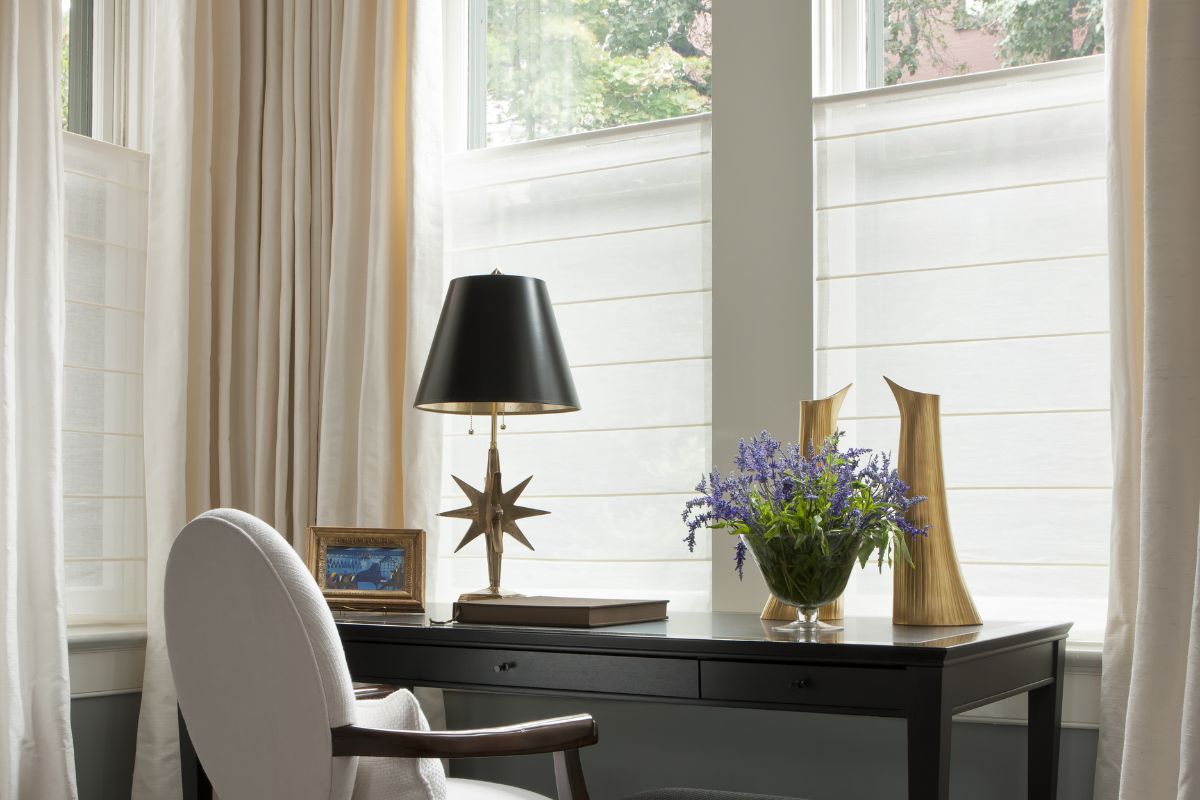
C&C Milano occupies a particularly interesting position in the Italian landscape because it combines textile tradition, a culture of living and a strong sensitivity to materials and finishes. The company says it was founded in the 1990s from the coming together of two areas of expertise within the Castellini family, one linked to Italian architecture and the other to textile tradition; today its offer includes fabrics, leathers, trimmings, wallpapers and a portfolio that spans residential, hospitality and yachts. For anyone looking for Italian curtain brands with a more decorative, tactile vision, C&C Milano stands out above all for its attention to high-quality natural yarns and for its bespoke approach, which it highlights explicitly in its communication on residential and contract work. It is a choice that speaks less the language of the technical blind and more that of the refined interior, made of fabrics meant to be felt as well as seen.
Parà / Tempotest Home
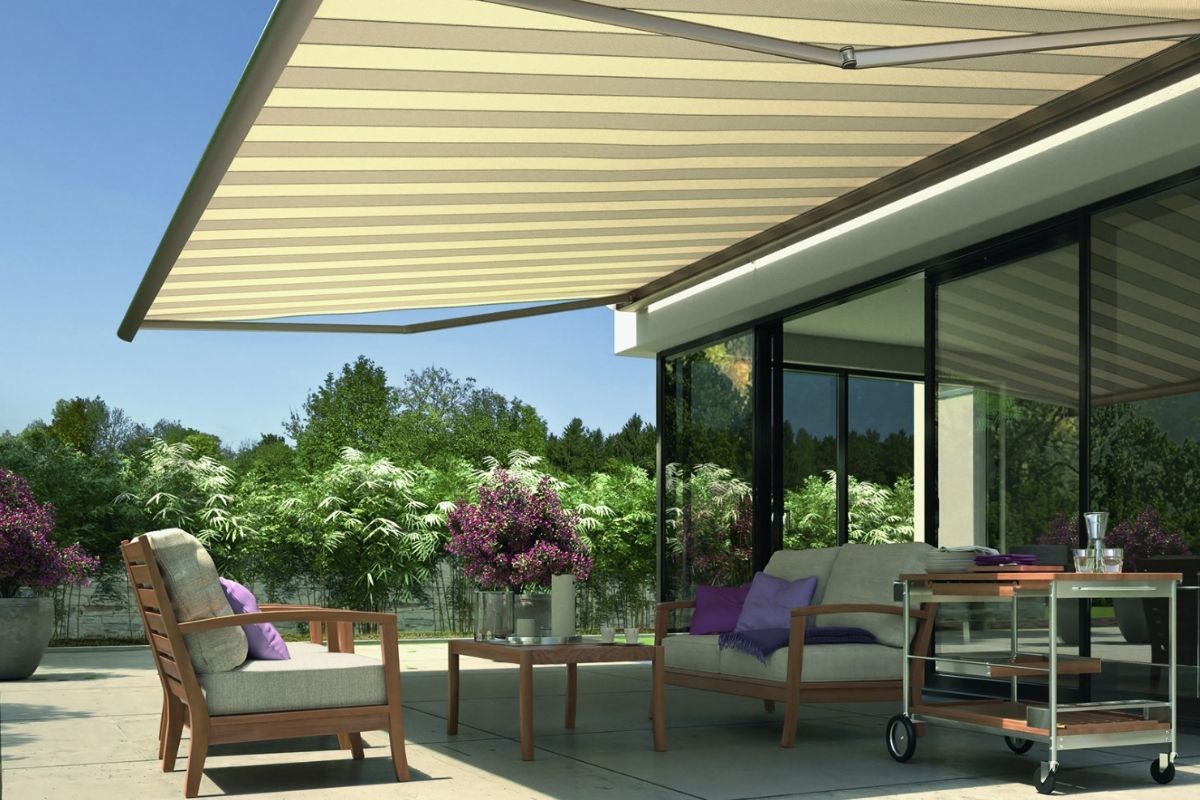
Parà is a key name for understanding another direction in the market: one in which curtain fabric engages with outdoor living, performance and continuity between inside and outside. The group presents an indoor collection of furnishing fabrics in natural fibres, with applications that explicitly include furniture, pillows, bed and drapery, and states a stock offer supported by more than 1,000 colours. Alongside it, Tempotest Home is the collection designed for an outdoor lifestyle, with an aesthetic sensibility that also fits more hybrid projects: over 400 patterns and fabrics that are water-repellent and resistant to mould, stains, salt air and UV rays, with a softer hand than you would expect from a performance product. At a time when hospitality, terraces, resorts, rooftops and lounge areas demand materials that can withstand use without losing visual quality, Parà and Tempotest Home become highly relevant brands.
Mastro Raphael
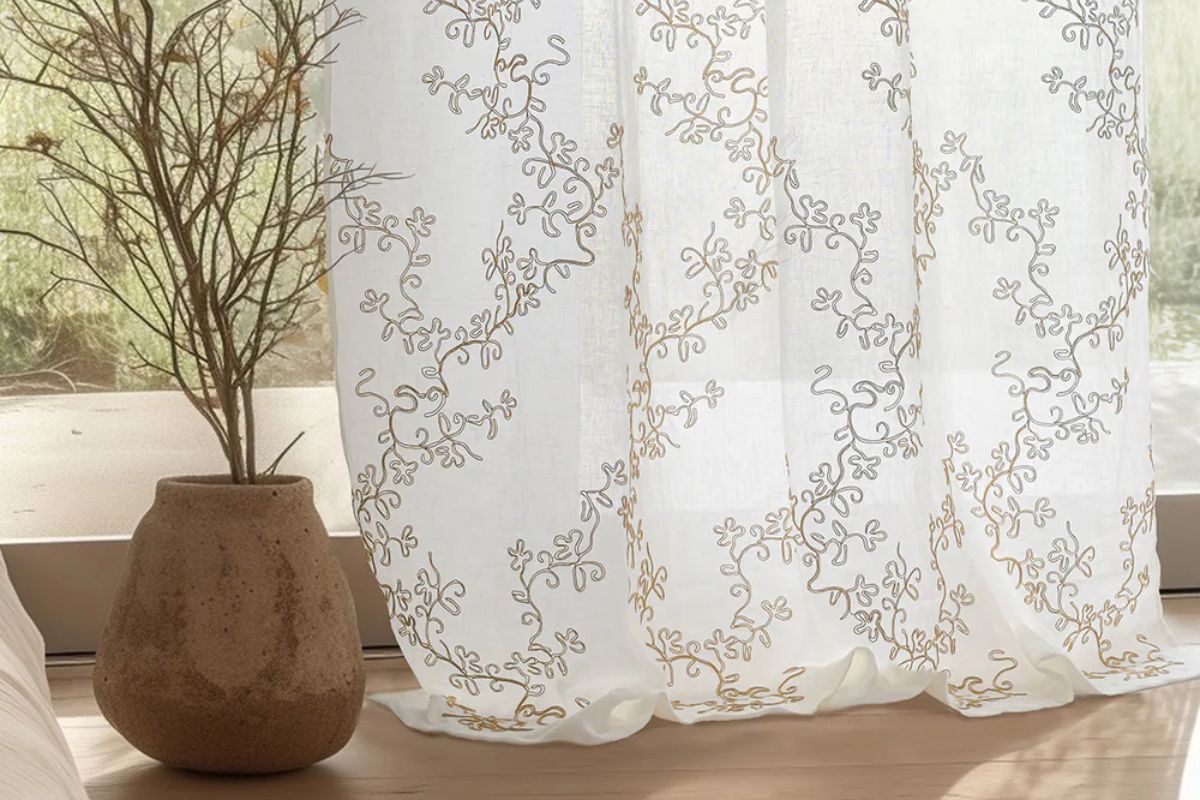
Mastro Raphael earns its place in this selection because it represents a more cultured, decorative and sensory way of understanding curtains. The brand defines itself as a high-end Made in Italy label devoted to home linens and luxury furnishing fabrics, and in the section of its website dedicated to curtains it speaks openly of luxury curtain collections and decorative fabrics, built on materials such as light linen, silk, satin, taffeta and velvet. There is also a detail that adds to the story: in its company history, Mastro Raphael cites its Poems curtains as one of the lines that helped create genuine trends. This is why it makes sense to include it, not so much for its technical side as for its ability to treat the curtain as an expression of savoir faire, detail and decorative quality, qualities that are precious in high-profile residences but also in boutique hotels and representative spaces.
Medit
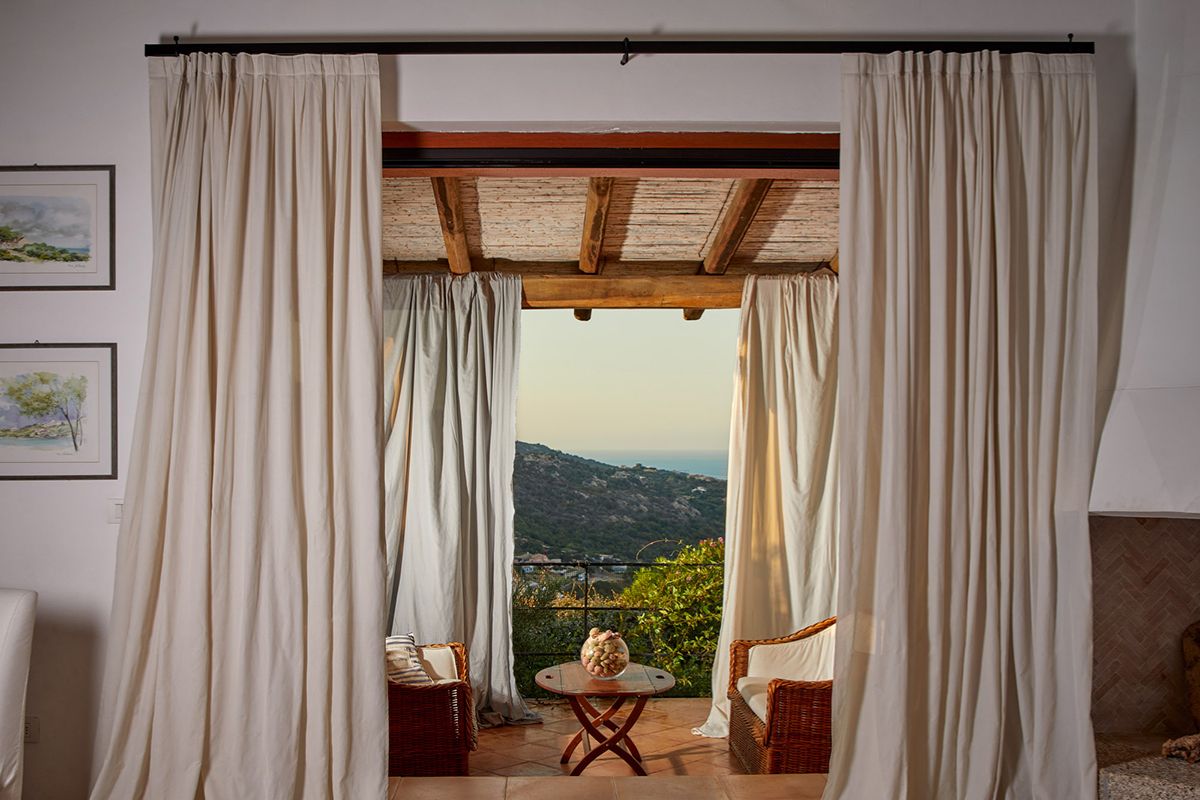
Medit works in a territory where the curtain becomes an explicit tool for dosing natural light and for the wellbeing of a space. On its official website the company speaks of “technology and ideas” to optimise the movement of its systems and the quality of every area of living, and this approach is clearly reflected in the range: indoor and outdoor roller blinds, skylight solutions, motorised systems, technical and decorative fabrics, sound-absorbing products and even lines with antibacterial and antiviral performance. Its focus on sustainability is also worth noting, with dedicated sustainability reports and ReLife, presented as the first fully green blind, made from nylon regenerated from plastic waste and fishing nets. It is one of those brands that are especially credible when an interior has to deal with workplaces, public spaces, glazed architecture and projects where visual, acoustic and technological comfort must work together.
Giovanardi / Irisun Living
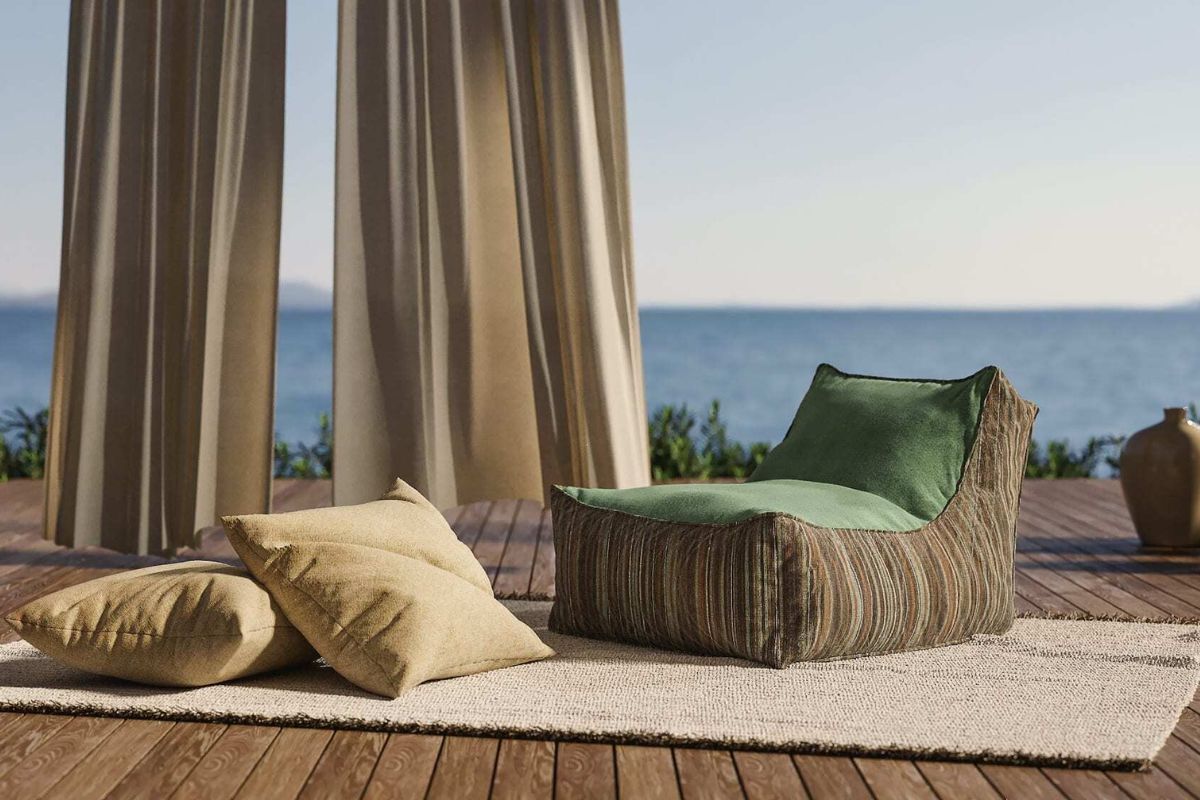
Giovanardi also deserves a place in a selection of the best Italian curtain brands when the sector is viewed from the perspective of high-performance fabrics. The group presents IRISUN Living as a fabric collection designed to furnish both indoor and outdoor spaces, harmonising the two through refined textures and colours, with treatments that make the materials resistant to light and stains. This balance between aesthetic appeal and performance is its defining trait, further strengthened by collections such as Raytent Living, developed through an up-cycling process that recovers production offcuts from awnings to create recycled fabrics for living applications. The references it publishes, featuring furniture brands and designers, also help to read Irisun not as a mere technical fabric but as a design material fully at home in the contemporary vocabulary of interiors.
l’Opificio
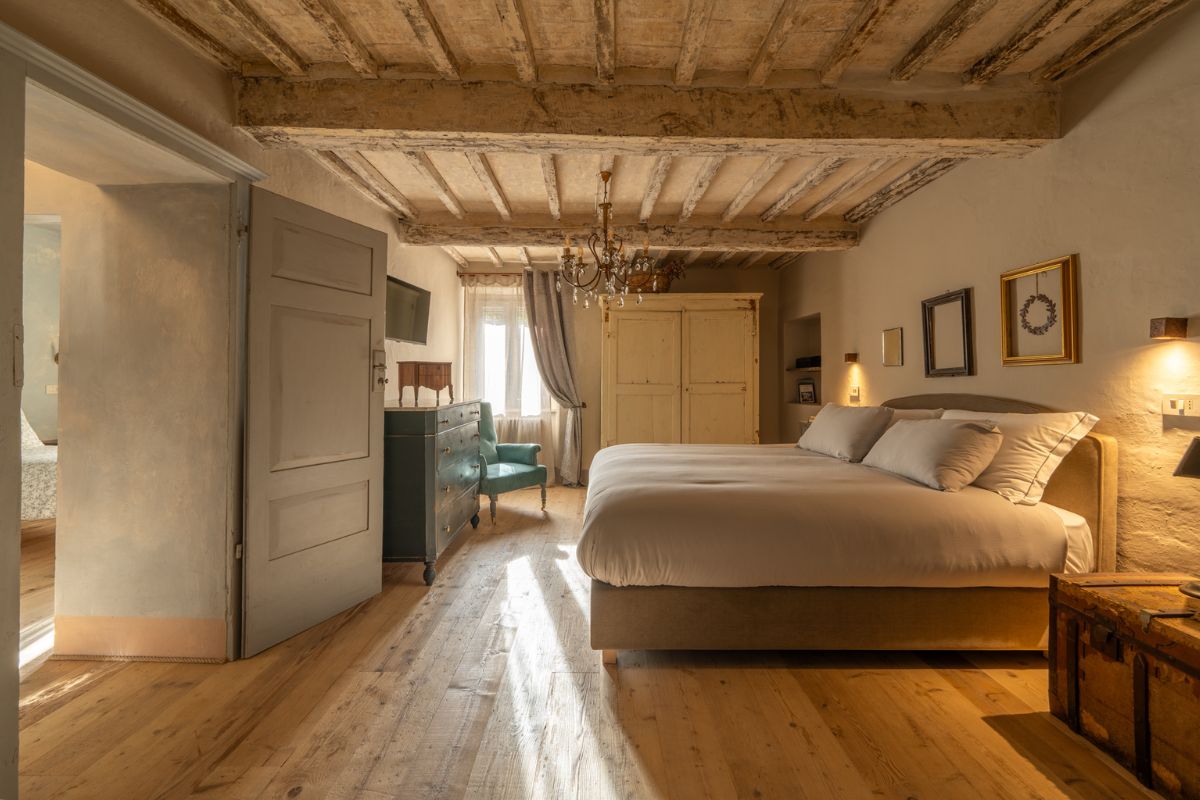
Among the Italian names we felt had to be included in our selection of the best curtain brands is l’Opificio, a Turin-based company that works with interior textiles in a cultured, tactile and strongly design-led way. The company says it has been designing and producing collections of fabrics and velvets for upholstery and interiors since 1998, all 100% Made in Italy, developed through research that combines artisanal excellence, original design and attention to detail. It is an interesting name above all because it moves naturally between residential, trade professionals and contract: on its official website, l’Opificio explicitly addresses designers, architects, hospitality and the contract industry, with flame-retardant, durable and safe fabrics for high-profile textile interiors. In this sense it is a brand that has far more to do with designing atmosphere than with the simple idea of window dressing, and that is exactly why it works well in a guide that sets out to present curtains as an integral part of the contemporary interior.
Where to buy quality curtains: showrooms, textile ateliers and specialist retailers
The best place to buy quality curtains is usually a showroom, specialist retailer or textile atelier, because once curtains become part of an interior project, the way you buy them changes. Quality curtains are not chosen like any other accessory, nor reduced to a quick catalogue decision: far more often they go through showrooms, specialist retailers, textile ateliers, official dealers or project partners who know how to read measurements, light, functions and the performance required. This is particularly clear with the more structured brands: Mottura emphasises collaboration with specialists, designers and architects, while Resstende describes a made-to-measure approach for contract work that follows the project from the feasibility study through to installation and maintenance.
For the top textile brands, the picture is even clearer. Houses such as Dedar do not position themselves as sellers of ready-made curtains, but as specialists in fabrics and wallcoverings for curtains, drapes, upholstery and walls: this means their value emerges above all when the fabric is selected and made up within a more considered design process, often with the support of interior designers, architects or well-informed retailers.
There is, of course, also a more direct way to buy, especially when needs are straightforward: standard windows, a tighter budget, a mainly decorative brief or the need for a quick solution. Even in this segment, however, the limits are obvious: as soon as large glazing, combined sheer and blackout curtains, finely calibrated privacy, technical systems, frame-mounted installation, motorisation or contract requirements come into play, made to measure almost always becomes the most sensible choice again. It is no coincidence that Mottura offers fully made-to-measure products and lines that can be installed directly on the window frame, while Resstende presents its technical blinds as solutions designed for architects and interior designers on more complex projects.
In other words, the question should not only be “where to buy curtains”, but “in what context they are best chosen”. For a well-designed interior, the best point of sale is not necessarily the most convenient: it is the one able to translate the right brand into the right solution, with the make-up, system and fabric that best suit the space.
How to choose the right curtains for an interior project
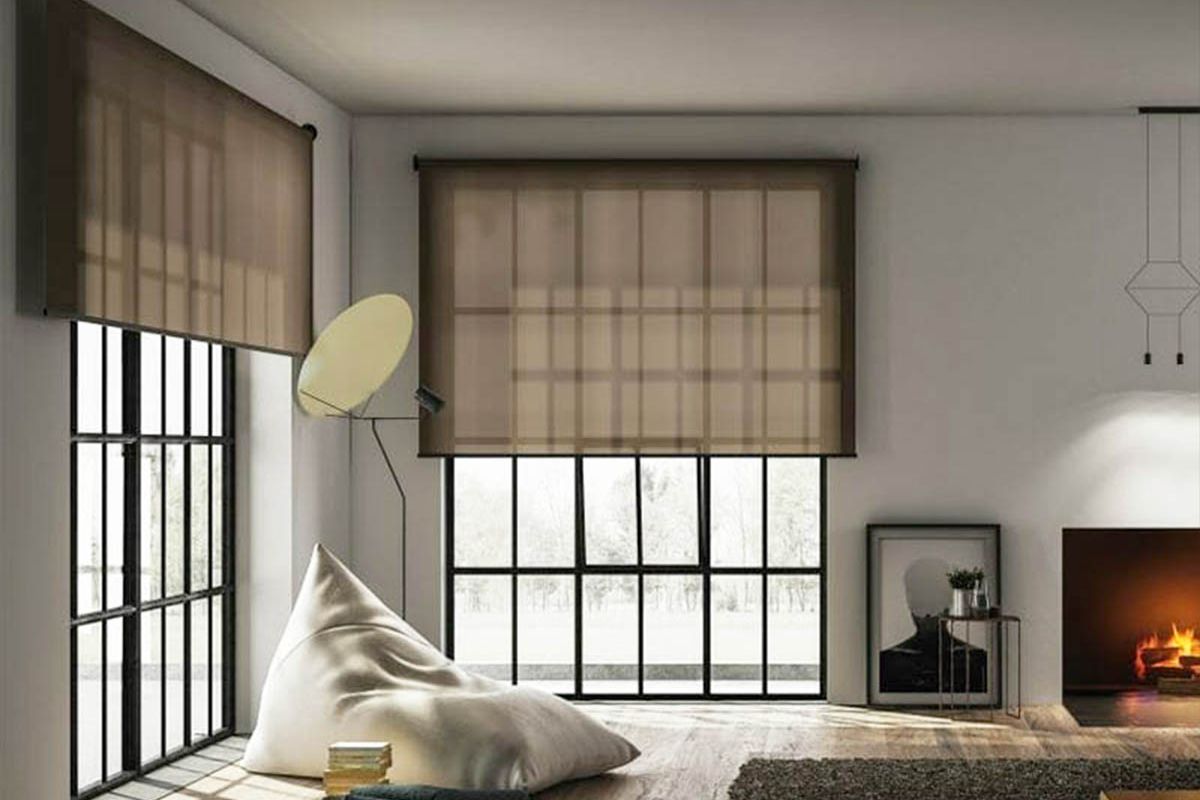
The first question to ask when choosing curtains is not about style but about function. A curtain may need to filter light, black out a room, provide privacy, reduce the glare of a large window or support the atmosphere of a space without dominating it. This distinction is decisive, because it changes the type of fabric, the system and even the brand to look at. Mottura, for instance, clearly distinguishes between filtering and blackout fabrics, while Resstende links its contract roller blinds to environmental comfort, energy efficiency and light control in offices, hotels, schools, retail and public spaces.
The second question concerns context. Curtains for a private living room, a suite, a meeting room or a boutique do not answer the same priorities. In residential spaces there is more room to work on atmosphere, the hand of the fabric and continuity with other materials; in hospitality and public spaces, durability, light management, maintenance and often stricter technical requirements come into play. It is no coincidence that Dedar devotes a significant part of its offer to flame-retardant fabrics for curtains and upholstery, while Resstende explicitly presents contract solutions for offices, hotels and public spaces.
The third issue is the relationship with the architecture. In a successful interior, a curtain should not simply “look good”: it should look good there. That means considering height, the width of the openings, orientation, the view, the quality of the light and the way the curtain falls within the space. In very bright rooms, for example, you can work with more intense tones or more decisive shading; in rooms with less light, pale fabrics and colours help maintain a more open, airy feel. Layering two curtains, one lighter and one more screening, also remains one of the smartest solutions when flexibility is needed over the course of the day.
Finally, there is a question of language. Some curtains should almost disappear, working through transparency and lightness; others can become a declared, almost architectural presence. This is where the choice of brand becomes fundamental again: some brands speak the language of textile decoration, others that of technical shading, and others a synthesis of the two. Choosing well means understanding not only which curtain you like, but what idea of space you want to create.
Curtain fabrics: how to choose between linen, velvet, sheers and technical solutions
Among the most interesting materials for contemporary curtains, linen still holds a special place. Its strength lies not in an immediate theatrical effect, but in its ability to give back a livelier, more natural and composed light, with that slight irregularity that makes an interior feel less artificial. Dedar, too, in its curtain collections, focuses on linen, cotton and velvet fabrics with different textures and drapes, while some variants in its range highlight precisely the natural luminosity and texture of linen.
Alongside linen, light and filtering fabrics remain a very convincing choice when a project calls for a discreet presence. Sheers, voiles and more transparent curtains work well in contemporary interiors, hospitality areas, understated living rooms and any setting where the curtain has to accompany the light without weighing down the space. Dedar devotes an entire family of collections to this type of material, presenting them as tools able to define different atmospheres depending on use and project.
Velvet, by contrast, comes into play when depth is needed. It is the fabric that most readily carries an idea of density, visual comfort, elegance and presence. It does not suit every interior, but in certain lobbies, lounges, suites, reception rooms or homes with a more theatrical streak it can deliver very strong results. Dedar describes it as an expression of technical excellence and timeless elegance, with a variety of textures, colours and compositions that make it suitable for curtain applications too.
Then there are performance fabrics and technical solutions, increasingly central in professional spaces, hotels and interiors heavily exposed to light. Here filtering and blackout materials, technical fabrics and systems designed to control the sun more precisely come into play, while maintaining visual order and aesthetic quality. Mottura works explicitly with filtering and blackout fabrics, while Resstende links its expertise to high-quality technical roller blinds for interior design and contract.
The choice of fabric, then, should not start from the trend of the moment but from the quality of the desired effect: diffused or screened light, a soft or more structured atmosphere, a tactile presence or almost immaterial lightness, easy maintenance or a more decorative finish. It is in this balance that the right fabric stops being merely a covering and becomes part of the design.
Curtain colours: neutrals, depth and the relationship with light
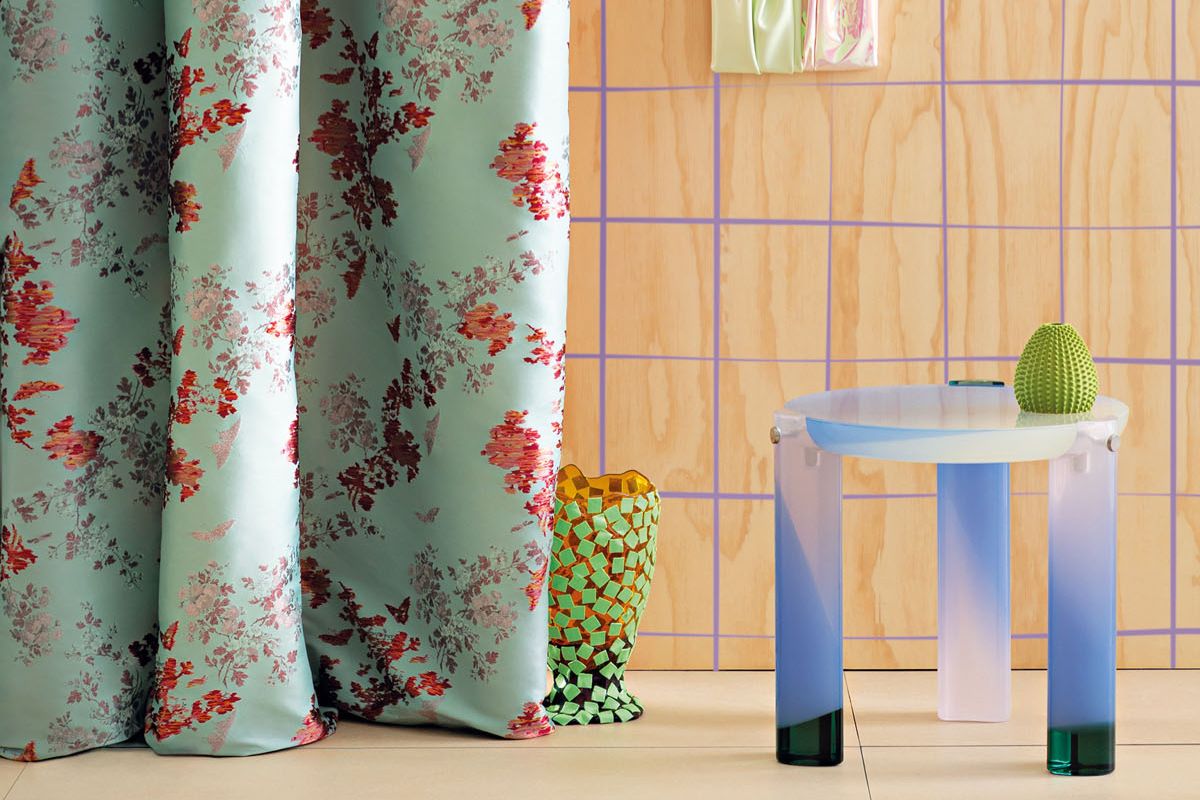
When it comes to colour, it pays to avoid automatic choices. Curtains do not work because they are “beautiful” in the abstract, but because they interact with the light and the overall tone of the interior. One of the most useful guidelines, even for those who simply want to avoid mistakes, is to start from orientation: in rooms with little light, pale, neutral and natural tones often work better, while in very bright spaces you can use fuller or darker colours, which screen more and give the room greater depth.
A second effective principle is not to treat the curtain as something separate from the rest. To create balance, its shade should echo at least one of the room’s dominant colours: a wall, an upholstered piece, a rug, a finish or a material already present. It is a simple but decisive principle, because it avoids the “curtain just hung there” effect and gives a more coherent interior instead.
Neutral tones such as ivory, sand, ecru, greige, taupe and soft greys remain the most adaptable, because they accompany many interior languages without stiffening them. But this does not mean colour has to disappear. In a bolder project, curtains can introduce a note of petrol blue, green, rust, plum or deep brown, especially when natural light is abundant and the architecture is restrained enough to carry a more assertive element. Decorative fabrics and patterns also make sense, as long as they are used with restraint: when a room is very pared back, a curtain with texture, pattern or chromatic vibration can become the point of intensity it lacks.
The best colour is not the one that catches the eye most in the sample book, but the one that improves the room as it absorbs and returns light. And this is perhaps the real difference between a curtain chosen to fill a window and a curtain chosen to give quality to a space.
The best Italian curtain brands: a choice that truly shapes the quality of an interior
Choosing a good curtain brand does not simply mean finding a reliable name, but recognising which vision of the project that brand can support. In some cases what will matter most is the decorative quality of the fabric; in others the technical precision of the system; in others still the ability to bring together light, comfort, durability, performance and aesthetic language. That is why talking about the best Italian curtain brands only makes sense if curtains are seen for what they really are: not a marginal accessory, but a component that changes the way a space is perceived, lived in and remembered.
In homes, as in offices, hotels, shops and hospitality spaces, curtains act on several levels at once. They define the relationship with the outside, filter or screen light, introduce softness into more rigorous architecture, contribute to comfort and add depth of material and colour. Sometimes they almost disappear, at other times they build presence. In both cases, when well chosen, they help an interior become more complete, more coherent and more sophisticated.
The real difference, then, lies not only in finding a beautiful curtain, but in understanding which company, which fabric and which solution best suit that specific context. Because a large south-facing window, a hotel suite, a meeting room, a boutique or a contemporary living room do not ask for the same answer. They ask for design sensibility, an ability to read space and a careful selection of materials, systems and colours.
And this is where the best Italian brands continue to stand out: not only for tradition or reputation, but for their ability to offer credible tools to those seeking better-designed interiors. At a time when design increasingly works on atmosphere, wellbeing and the perceptual quality of spaces, the curtain is back at the centre. Not as a finishing detail, but as part of the overall design.
FAQ: the best Italian curtain brands
What are the best Italian curtain brands?
The most interesting Italian curtain brands to know today include companies with different identities but all relevant to interior design, such as Dedar, Rubelli, Mottura, Resstende, C&C Milano, Parà with Tempotest Home, Mastro Raphael, Medit, Giovanardi and l’Opificio. Some are strongest on the textile and decorative side, others on technical shading and made-to-measure solutions, while others work well at the meeting point between performance and interiors.
How do I choose the right curtain brand for an interior project?
The choice depends mainly on the type of space and the function required. In a residential or hospitality interior, the quality of the fabric, its drape and the atmosphere it creates may be central; in an office, a shop or a contract project, light control, maintenance, durability and technical integration matter more. Before choosing a brand, then, you should be clear about use, orientation, level of privacy, aesthetic language and budget.
Where is the best place to buy quality curtains?
For mid-to-high-end or luxury curtains, the best option is almost always to rely on showrooms, textile ateliers, specialist retailers or design professionals who can handle fabric selection, measuring, making up and installation. Buying direct can work for simpler needs, but when curtains play an important role in a space, the support of an expert often makes the difference.
What is the best fabric for indoor curtains?
There is no single best fabric, only the one best suited to the result you want. Linen is much appreciated for its naturalness and the quality of light it gives back; light, filtering fabrics work well in contemporary interiors and in spaces that seek lightness; velvet adds depth and presence; technical, blackout or filtering fabrics are the better choice when you need solar control, visual order and precise performance.
How do I choose the colour of my curtains?
Curtain colour should be chosen in relation to the light and the palette of the room. Pale and neutral shades remain the most versatile because they amplify brightness and pair easily with many materials. Deeper colours work well in very bright spaces or in projects that want to introduce more character. In general, the curtain should connect with at least one element already present in the room, so that it reads not as a foreign object but as part of the design.