Five walk-behind lawn mower brands, comparing power sources, powered drive, collection and mulching, with European models and Italian price examples.
The right lawn mower must fit between trees, keep the lawn manageable without excessive effort and fit in the shed afterwards. Choosing a brand is only part of that decision: power source, drive, cutting width and weight can make a larger difference to everyday use.
Honda, STIHL, Husqvarna, STIGA and Bosch offer five approaches among the lawn mower brands worth comparing for petrol, battery and corded power. This guide concerns walk-behind machines using official European specifications and Italian price examples, rather than ride-on or robotic models, without claiming editorial performance tests.
Which lawn mower brand suits your lawn?
Measure the actual grass area and assess narrow routes, slopes and distance from an electrical socket. Think about who will use the mower and where it will be stored. A wide deck can reduce passes on an open lawn but become awkward between closely spaced beds. Self-propulsion reduces pushing effort, without removing the weight involved in turning or transport.
| Brand and example | Power and cutting width | Check the package |
|---|---|---|
| Honda IZY HRG 466 SK | Petrol, 46 cm, powered drive | Mulching kit and exact version |
| STIHL RMA 443 | AK battery, 41 cm, push mower | Battery and charger included or separate |
| Husqvarna LC 247S | Petrol, 47 cm, self-propelled | BioClip kit excluded |
| STIGA Combi 48 SQ | Petrol, 46 cm, powered drive | Local model availability |
| Bosch AdvancedRotak 40-650 | Corded electric, 40 cm | Socket access and cable route |
Honda: push, powered drive and mulching are different choices
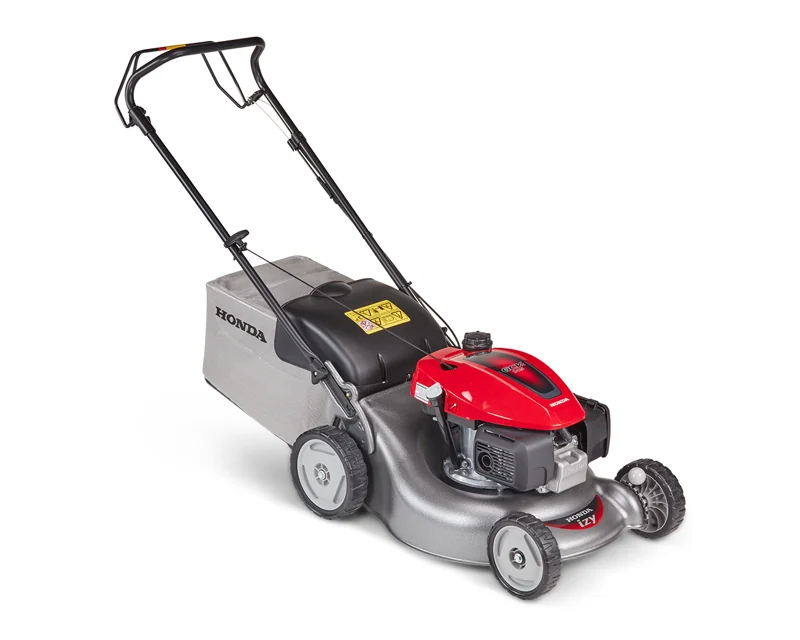
The Honda IZY family includes petrol mowers with different deck widths. The HRG 466 SK has a 46 cm cutting width, a 50-litre collector and single-speed powered drive; the similarly named HRG 466 PK is a push mower. A small change in the model name changes the effort required from the operator.
The petrol collection range can suit regular lawn care. Mulching is optional on the SK, while other IZY versions differ. Code, accessories and engine maintenance define the version.
STIHL: include the battery in the budget
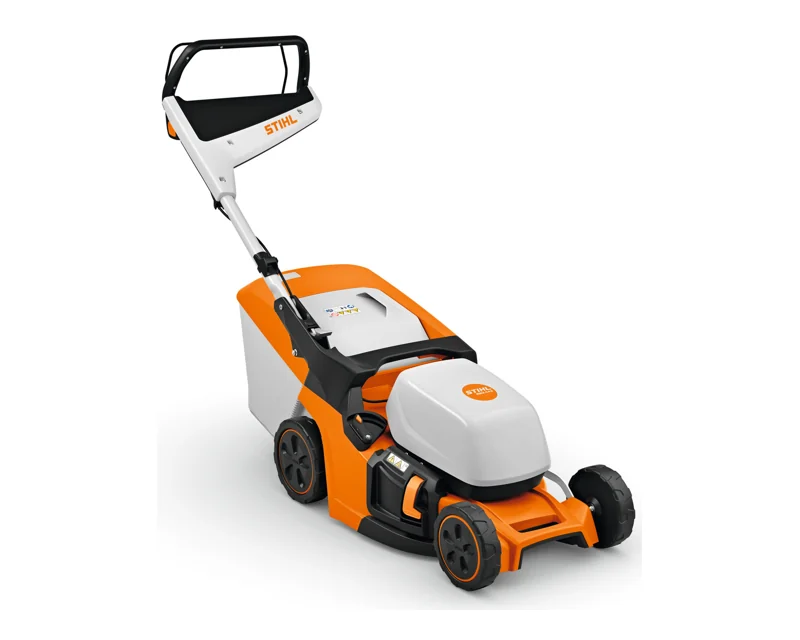
The RMA 443 is an example from the STIHL AK battery system, with a 41 cm cut and 52-litre collector. The Italian specification for WA400111400 lists the machine without battery or charger and without powered transmission: it is a push mower. V and PV versions are different configurations.
Avoiding cable and petrol can appeal to suitable existing battery owners. Lawn coverage, charge time and a second pack’s cost depend on actual conditions. AK and AP are separate systems, rather than interchangeable because they share STIHL branding.
Husqvarna: collection with powered assistance
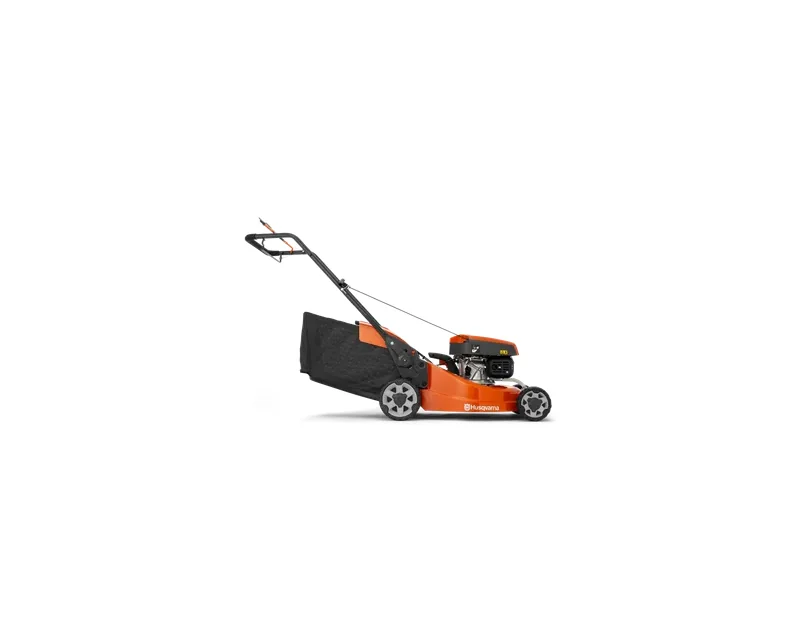
The LC 247S is a single-speed, self-propelled petrol mower with a 47 cm composite deck. Adjustable, folding handles and a front lifting grip help with handling and storage. Try the controls and drive speed in person if possible, to see whether they suit the operator.
Collection, rear discharge and BioClip are listed, but BioClip kit and plug are excluded. Mulching therefore needs a total including accessories. LC 247, LC 247S and battery models are distinguished by article number.
STIGA: compare cutting methods as well as engines
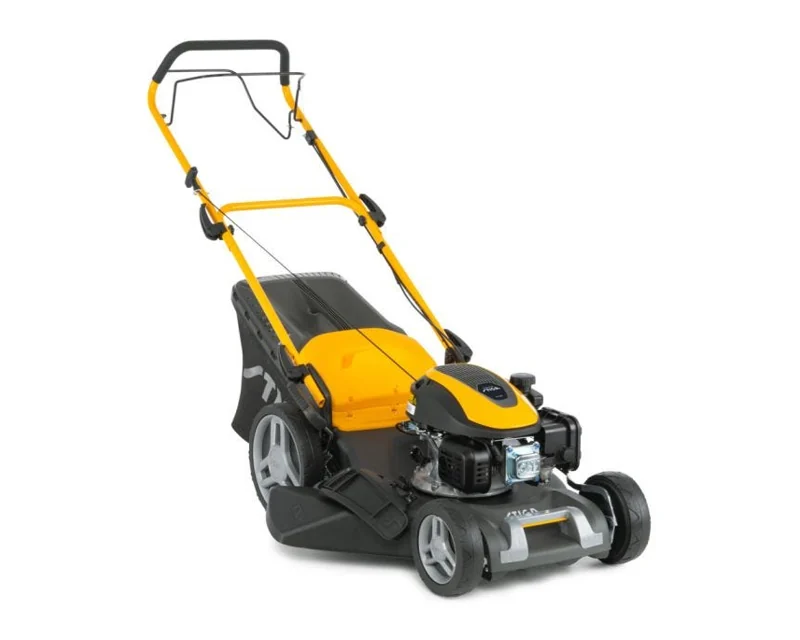
The Combi 48 SQ, documented in STIGA’s international specification, is a self-propelled petrol mower with a 46 cm cut and 60-litre collector. Its four-in-one system offers collection, mulching, side discharge and rear discharge, with the relevant side deflector and mulching plug listed.
The proposal allows different clipping methods. The former Italian page was unavailable, so local version and equipment need reconfirming. “48” is not a 48 cm cutting width; engines, supply and drive vary across the family.
Bosch: when a corded mower makes sense
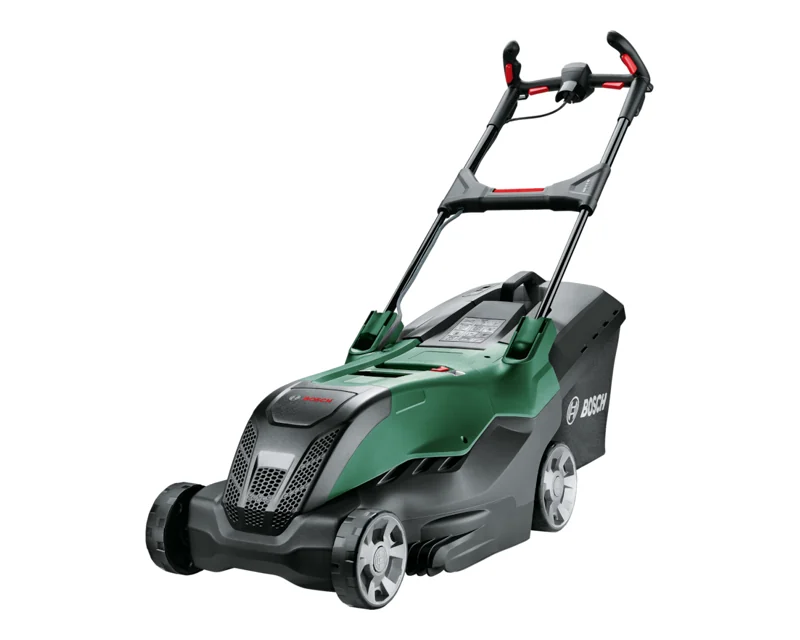
The AdvancedRotak 40-650 is a corded electric mower, not a battery model. Its Italian page lists a 1,700 W motor, a 40 cm cutting width, a 50-litre collector and central height adjustment from 25 to 80 mm. Folding handles and collector help reduce storage space.
Consider it where a socket is accessible and the cable route remains manageable. There is no battery to recharge, but a suitable extension lead and correct working method are essential. AdvancedRotak 36V versions use a different power source; Bosch cordless ranges also require a distinction between 18 V and 36 V platforms.
Battery, corded electric or petrol?
A cord avoids battery-runtime limits but requires a socket and careful route planning. Battery power offers freedom of movement and reduces work associated with a petrol engine; runtime and package cost depend on the selected pack. Petrol avoids a cable and charging pauses during the job but requires fuel, oil and dedicated engine maintenance.
Do not rank electric watts, battery voltage and engine displacement as though they were the same measure of performance. Consider intended use, blade, collection, ready-to-use weight and support instead. Tall or wet grass can reduce runtime and make mowing more demanding with any power source.
Grass collection or mulching?
Collection keeps clippings off the lawn but adds emptying and disposal. Mulching cuts and redistributes grass with regular mowing and suitable conditions, rather than handling piles of long wet clippings. Plug, blade or kit requirements depend on the machine.
A conventional mower is useful when you want to control the job directly or collect clippings. For frequent automated maintenance, compare the best robot lawn mower brands, allowing for their garden and installation requirements.
Lawn mower prices: compare complete packages
Italian references showed €307.99 including VAT as Bosch’s recommended price for AdvancedRotak 40-650, €729 including VAT for STIHL RMA 443 without battery or charger, and €699 for Husqvarna LC 247S, excluding BioClip. These indicative configuration prices need reconfirming, rather than representing market lows or equal-performance comparisons.
Ready-to-use cost includes batteries, charger, a second pack where needed, extension lead, mulching and preparation. Blades, consumables, service and storage affect later use. A bare tool can suit an owner with the correct components already.
Where to buy and what to try in store
Specialist dealers can help with ergonomics, parts and service, while retailers and online stores allow package comparisons. Actual seller, code, blade availability, maintenance and warranty define the service purchased.
Try folding the handle, lifting the collector and moving the machine with its motor off. Weight becomes particularly important if it must cross steps or be loaded into a car. Follow the instructions for cleaning and maintenance, and isolate the power source as specified before working near the blade. The best fit is a mower you can use and store comfortably throughout the season.