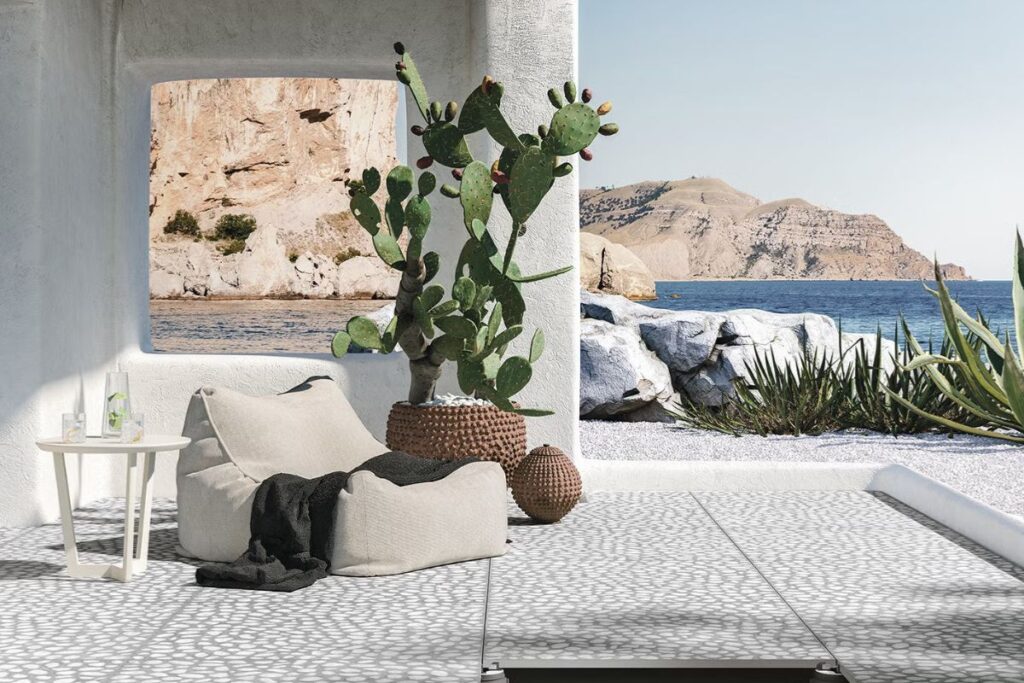
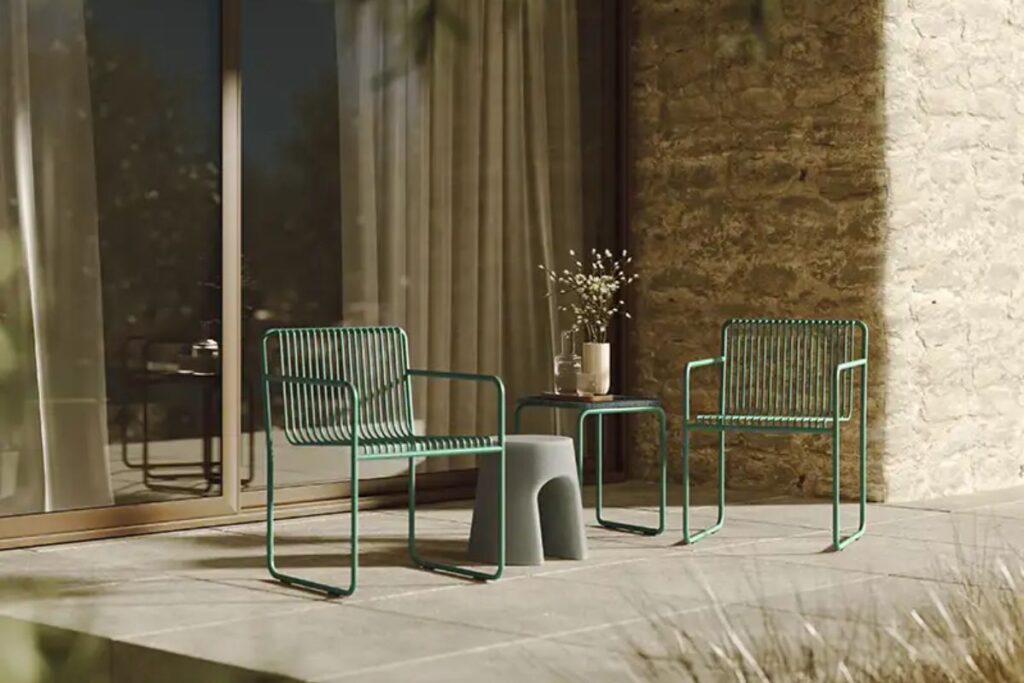
Small garden ideas with practical layout advice: protect circulation, choose useful furniture and plan planting for light, climate and maintenance.
The most useful small garden ideas start with a clear route, a limited number of activities and planting suited to the site. Decide where people will sit and move before adding pots or decorative features. A compact garden needs space around its objects as much as it needs the objects themselves.
A small outdoor room can be generous in atmosphere without being crowded. A planted edge, a comfortable chair and one carefully proportioned surface may be more convincing than several miniature zones competing for attention.

Small garden ideas begin with the site
Record sun, shade, wind, changes in level and drainage. Observe the garden at different times, not just during one sunny visit. The conditions determine what can thrive and where it is comfortable to sit.
Mark the route from the house and any necessary access to storage or services. A planted border should not progressively narrow this route as it grows. Allow for the mature size of plants.
Choose the main activity
Dining, reading and entertaining require different furniture and clearances. Identify the use that matters most. A smaller table used regularly can be a better choice than a large dining set that makes every other activity awkward.
Movable pieces offer flexibility if they are easy to lift and there is somewhere to keep them. Folding furniture still needs storage. Avoid buying versatility that cannot be used in practice.
| Element | Useful approach | Check |
|---|---|---|
| Path | One clear route | Access and drainage |
| Seating | A defined everyday use | Space to approach and stand |
| Planting | A limited, coherent palette | Mature size and site conditions |
| Containers | A few purposeful groups | Weight, drainage and maintenance |
Build planting in layers
A combination of ground-level planting, mid-height forms and a limited vertical element can give depth. The actual species depend on climate, soil, light and the care available. Repetition can connect separate parts of a small garden.
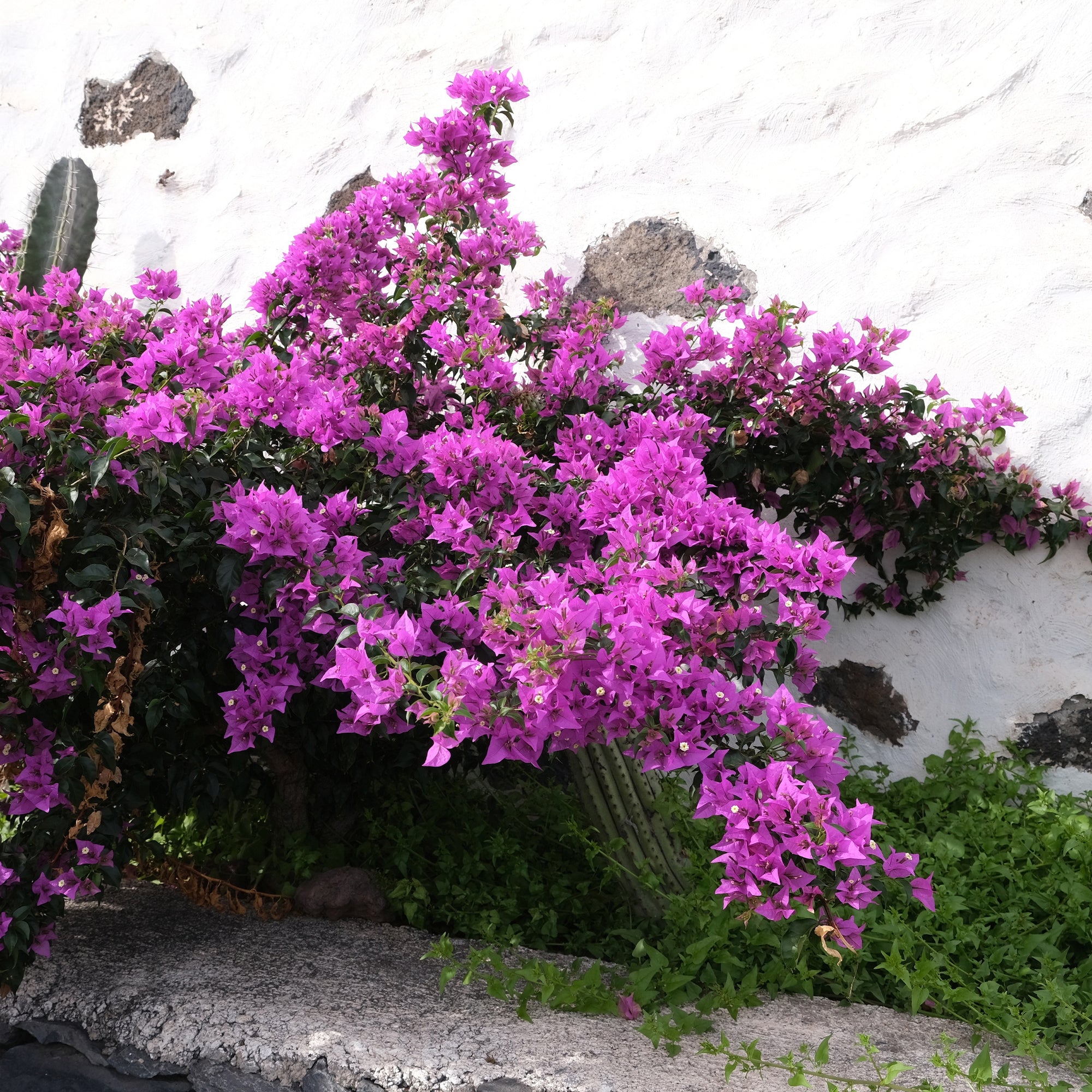
Do not treat a photograph as a planting prescription. Our botanical guidance uses the institutional resources of the Royal Horticultural Society as a reference for site-led planning.
Containers and boundaries
Pots can frame a seat or soften a wall. Group them deliberately and leave access for watering and cleaning. A large container may hold a more stable root environment than many very small ones, depending on the plant.
Vertical planting can release floor space, but support, irrigation and maintenance remain important. On terraces or raised structures, confirm loading and waterproofing requirements with the appropriate professional.
Materials and furniture: keep the hierarchy clear
Choose outdoor products appropriate for exposure and follow their care guidance. Timber, metal and upholstery behave differently in sun and rain. Clarify whether cushions need indoor storage and how the frame should be maintained.
Limit changes in paving material where they break an already small space into fragments. A consistent surface and a few textured elements can give the garden a more settled composition.
Light the route and the places used
Begin with safe movement and useful light near seating. Add decorative lighting only where it supports the composition. Outdoor electrical installation and suitable fittings require professional attention.
The relationship between indoor and outdoor materials is explored in our modern Mediterranean style guide. A garden can continue that palette without copying a resort-sized layout into a compact plot.
Frequently asked questions
How can a small garden feel larger?
Protect one clear route, limit competing zones and allow planting and surfaces to form a coherent composition.
Are many small pots better than a few large ones?
Not automatically. Choose containers around plant needs, access and maintenance, rather than quantity.
Should garden furniture stay outside all year?
Only when the product and its care guidance support the actual exposure. Cushions and accessories may need separate storage.
Opening image: Ethimo.