Water is fluid, everyday and essential. Yet in contemporary design it has also become language, gesture, precision and atmosphere. Designing it means not just controlling its flow, but turning it into an experience: a domestic presence, a measure of comfort, a balance between engineering and formal sensitivity. This is the context for the journey of …
Water is fluid, everyday and essential. Yet in contemporary design it has also become language, gesture, precision and atmosphere. Designing it means not just controlling its flow, but turning it into an experience: a domestic presence, a measure of comfort, a balance between engineering and formal sensitivity.
This is the context for the journey of Cristina Rubinetterie, a faucet brand born on the shores of Lake Orta in Piedmont, northern Italy, and raised in one of the iconic regions of Italian manufacturing. Its solid industrial history, rooted in a culture of making, is now entering a new phase: more brand-conscious, sharper in its design language, and more attentive to the relationship between supply chain, innovation, well-being and identity.
In this conversation with Luca Poletto, Sales & Marketing Manager at Cristina Rubinetterie, a portrait emerges of a company that is rethinking itself without cutting ties with its origins. The result is a concrete, far from decorative reflection on product, catalog consistency, the quality of Made in Italy, dialogue with architects and designers, and the idea of functional elegance that today, more than ever, asks design to be both vision and responsibility.
Cristina was founded in 1949 on the shores of Lake Orta. What are its origins, and which values has it kept to this day? Where does the relationship with the Caleffi Group fit in?
Cristina was founded in 1949 on the shores of Lake Orta, at the heart of an area that by the 1950s and 1960s was already known for working metals and alloys, especially brass. It was in this setting, rich in manufacturing skills and technical know-how handed down over generations, that the Cristina family founded the company and grew it into a business deeply rooted in the Novara faucet-making district.
From the very beginning, certain values have remained unchanged: a focus on product quality, a bond with the local area and the people who work there, and the decision to keep production in Italy.
These are the factors that made it natural, in 2017, for Cristina to join the Caleffi Group: a step that strengthened the company’s industrial and organizational structure while preserving its original identity.
The acquisition was driven by the desire to safeguard a manufacturing and human heritage: keeping the local workforce, continuing to develop products in the area and guaranteeing authentic Made in Italy.
Today Cristina is a more structured company, part of a solid and innovative group, but it remains a business whose DNA is closely tied to Lake Orta and to the manufacturing culture that has shaped its history.
In recent years, faucets have gone from technical products to increasingly central design elements. How has Cristina contributed to this shift?
It is true that faucets have become more and more of a design element in recent years, but for Cristina the technical side has never stopped being fundamental. Our strength today comes precisely from combining these two aspects: an idea of Functional Elegance in which aesthetics and technology coexist in balance, shaping products designed to be reliable, intuitive and long-lasting.
Cristina has contributed to this change by taking a broader view of the product: not just faucets, but solutions designed to improve everyday well-being. This approach is possible because most of our production is in-house, which allows us to control every stage, guarantee consistent quality and respond flexibly to the needs of designers.
At the same time, in recent years we have worked intensively on product design, developing collections with a more defined aesthetic language that is consistent with our DNA.
A significant example is “Tricolore Verde,” a historic series that is an important part of our identity. At Salone del Mobile 2026 we will present it in a new design interpretation, introducing a more modular approach geared toward customizing the bathroom.
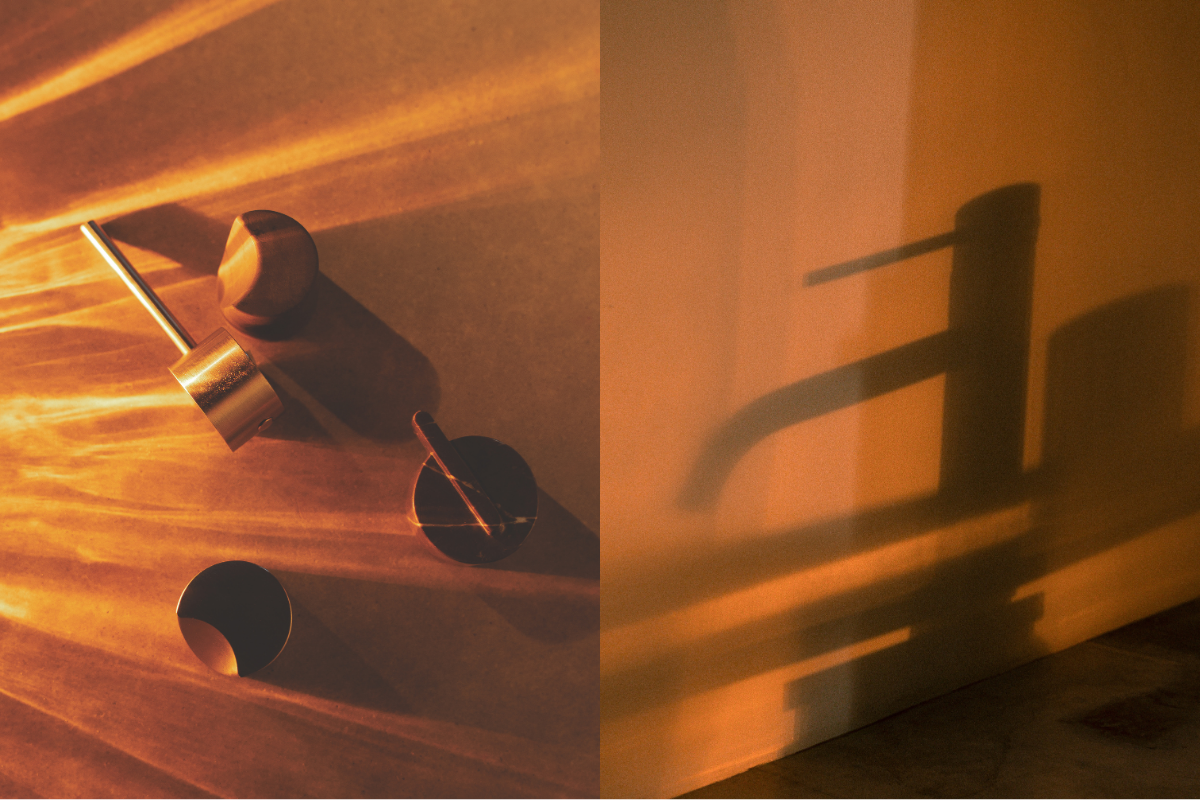
Today the market demands products that are beautiful, but also smart, functional and able to meet people’s real needs. That is exactly where Cristina stands: in a space that reflects how the way we live has changed, where in-house production, control of the supply chain and build quality become tools for creating products that go beyond aesthetics and become part of the everyday experience of the home.
Cristina now offers bathroom, kitchen and outdoor collections that strike a strong balance between aesthetics and technology. You also produce cartridges and stainless steel components in-house. What do you see as the real balance between aesthetics and performance, and how much does controlling the supply chain matter?
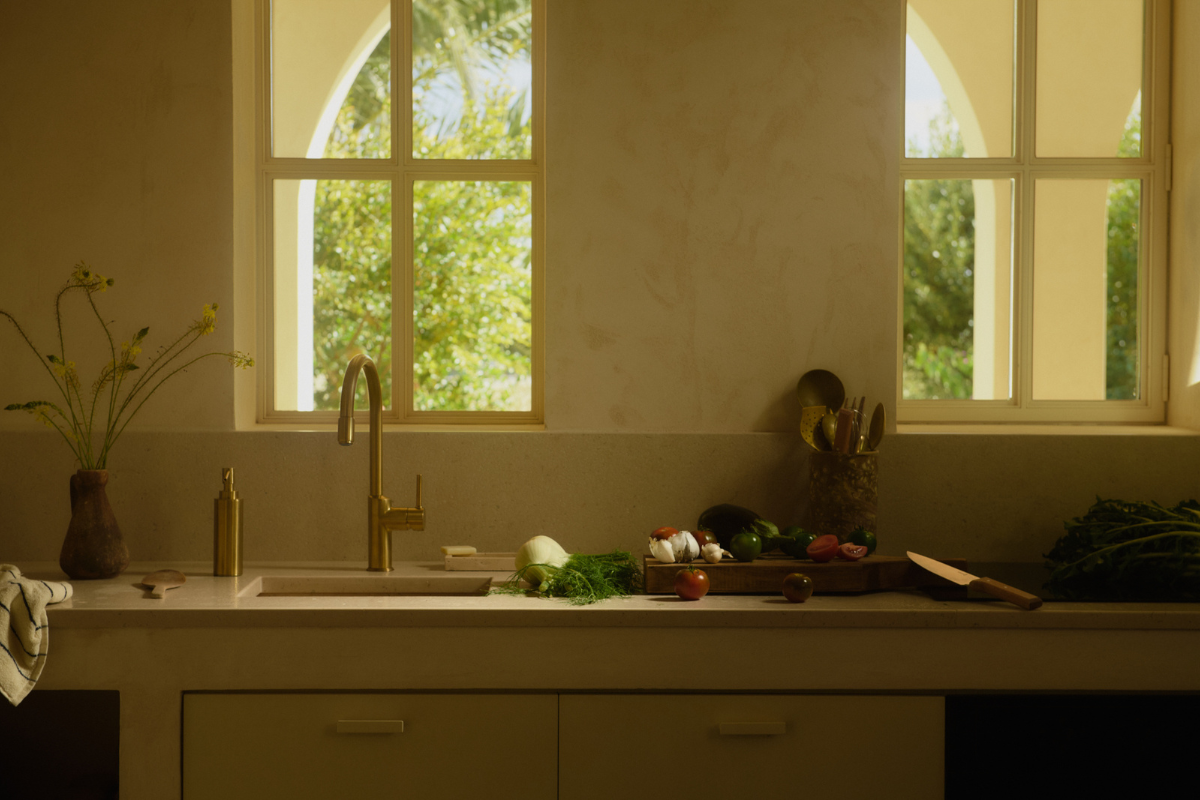

As I said, design is fundamental for Cristina, but it cannot be separated from the technical side. Today the real value lies where aesthetics, performance and well-being meet: an idea of elegance that comes from precision, durability and the quality of the user experience.
A faucet should not just be beautiful; it has to work flawlessly, last over time and meet the real needs of the people who use it.
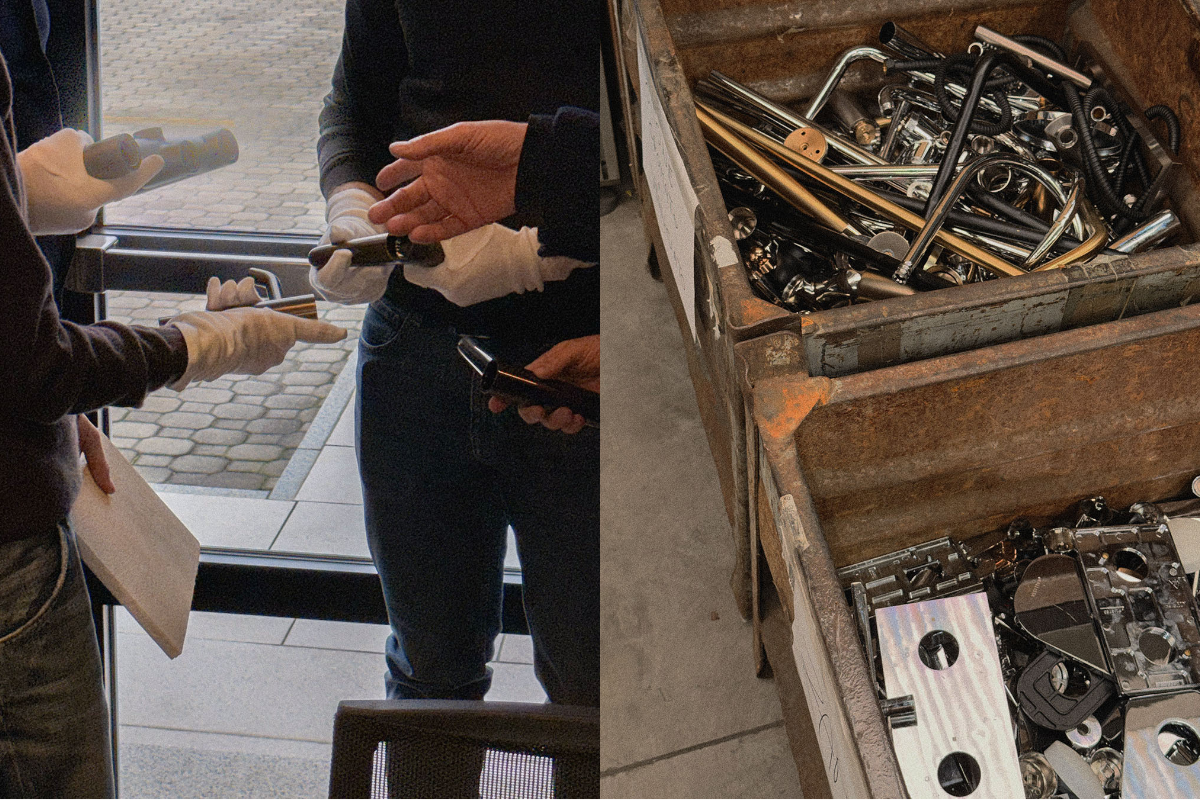
Controlling the supply chain is what allows us to achieve this balance. Because our plants are close together — all within a few kilometers of headquarters — we can oversee every stage ourselves: from brass machining to cartridge production, through to stainless steel and finishes, which are made in-house thanks to our new electroplating facility. This means consistent quality, reliable lead times, better-controlled sustainability and the ability to respond very quickly.
On top of that, we can create complete solutions: from shower and wellness to the kitchen and the outdoors, where stainless steel becomes a distinctive feature. Here too, collections like Tricolore Verde represent a new level of flexibility, thanks to a modular approach that expands design possibilities. In-house production allows us to offer a broad, high-performance range that is also harmonious in its aesthetic identity.
In a market that demands customization and bespoke projects, especially in contract and hospitality, this flexibility is decisive. This is where design meets technology: in the ability to turn a product into an everyday experience that is reliable, elegant and consistent with our DNA.
Looking through your catalogs, there is a wide variety of products. How is a new collection developed today? Do you work with external designers, or is development in-house?
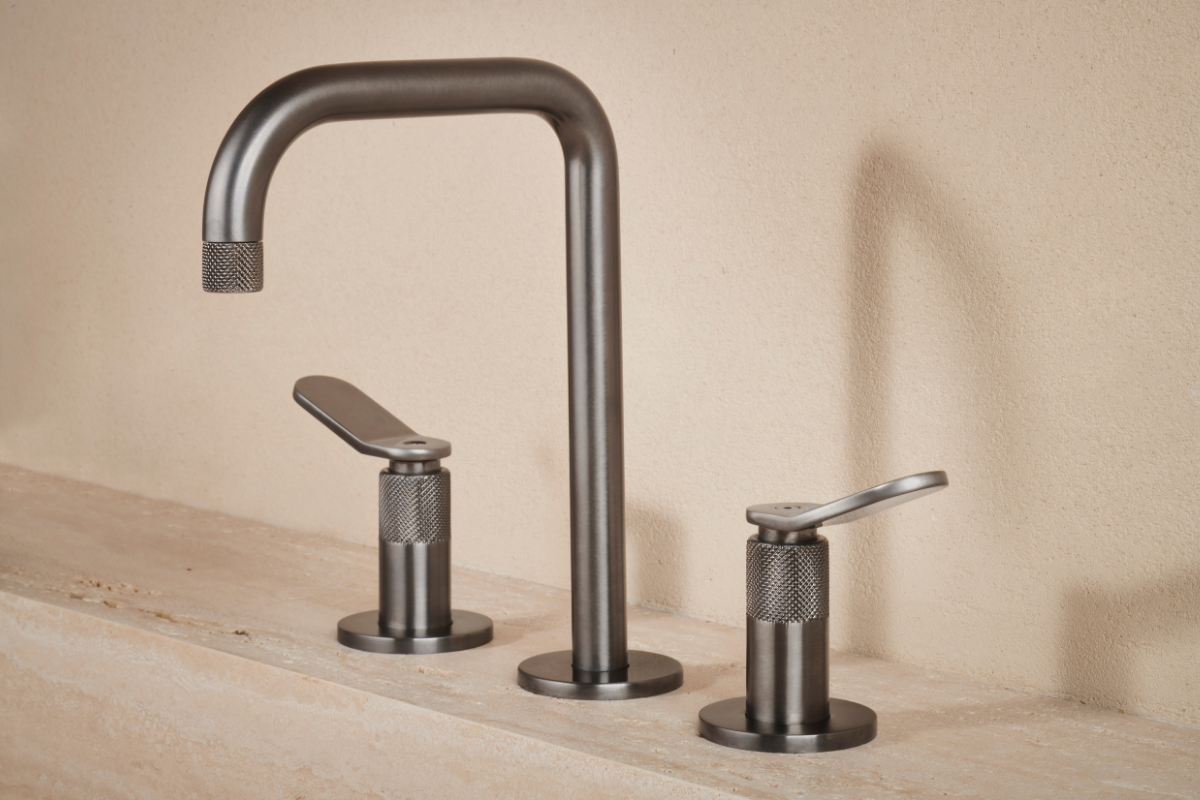
The way a collection is born at Cristina has changed profoundly. In the past, we worked very much according to the market: we talked to various designers and developed products that responded to a specific request or a current trend. Those were worthwhile collaborations that enriched the company, but they did not always fit into a unified brand vision.
Today the starting point is completely different: a collection grows out of Cristina’s strategy and DNA. We ask ourselves what we stand for, what we want to become and what real customer need we can meet.
It is a cultural shift: before, designers expressed themselves through Cristina; today, designers have to express Cristina through the products. It is not about closing doors, but about alignment. The brand is back at the center, with a clear, elegant and functional identity that guides every design choice.
That is why we chose a defined art direction, led by Prospero Rasulo, whose design thinking deeply reflects the style we want to pursue. This approach is part of the company’s natural evolution, with the goal of creating collections that do not exist in isolation, but share a common, consistent and recognizable language.
We are also revisiting some existing collections — always together with the designers who created them — to bring uniformity to the entire range.
Salone del Mobile 2026 will be the moment when this new vision takes concrete shape: for us, it will be the first major stage for the new era of Cristina.
Four plants in the Novara area, a showroom in Milan and almost entirely Italian production. What is the real challenge today in maintaining such a complete Made in Italy model?
Made in Italy has always been a cornerstone for Cristina, but maintaining it today is a real challenge. Not so much because of aesthetic preferences, but because of a deep change in the market: on one side there are commercial products, often imported, at very low prices; on the other, there is an increasingly informed consumer who recognizes quality but, because of the general rise in costs, has different purchasing power than in the past.
In this context, manufacturing in Italy means taking responsibility for defending a value:
- working with skilled local staff
- controlling every stage of the supply chain
- guaranteeing consistent quality
- investing in technology and sustainability.
It is a more complex commitment than simply “selling products,” because it requires organization, skills, machinery, certifications and a solid industrial vision. However, it is what allows us to offer not just a beautiful object, but a product with thinking behind it: ethical, safe and made with care for materials and their impact.
Our strength today lies precisely in this choice. The values of our region, combined with the structure of the Caleffi Group, allow us to sustain the investments needed to face major transformations in the industry — from the switch to new materials such as eco-brass to the development of water-saving technologies.
It is certainly a challenge, but it is also what sets us apart. For us, Made in Italy is not a slogan: it is the most authentic way to tell who we are and the story we want to keep building.
Your history is tied to major innovations: from the thermostatic mixer to the single-lever mixer, to the evolution of internal cartridges. Which technologies are you developing or watching most closely today to anticipate how we will live tomorrow?
The bathroom has become one of the most important rooms in the home: an intimate space where we get ready, recharge and take time for ourselves. That is why the technologies we are developing are heading in two specific directions.
The first concerns benefits and solutions dedicated to personal comfort. In the shower, for example, we are working on configurations that respond to real needs: targeted body jets, waterfalls, therapeutic jets and systems designed to relieve tension in the neck or legs, with combinations designed to deliver a personalized, tangible experience. The goal is not to add functions for their own sake, but to create real moments of everyday comfort.
The second direction concerns technological evolution. Younger generations are used to digital interaction and smartphones, and this will gradually lead to the introduction of more advanced systems.
We are studying solutions related to smart control:
- shower control via intuitive interfaces
- preset temperatures
- integration with home automation systems
- smart or scheduled start.
We are not yet at the point of introducing all this on a large scale, partly because a significant share of our customers still prefer traditional mechanical systems. Our job is therefore to strike a balance between technology and ease of use, always guaranteeing reliability and quality.
The structure of the Caleffi Group supports this evolution: companies such as Ekinex and the new research center, the “cubo rosso” (red cube), allow us to explore fields related to electronics and, more recently, artificial intelligence applied to home systems. Cristina remains a brand with its own independent identity, but it can count on top-level technical expertise to develop truly innovative solutions.
So we are looking toward a future in which the bathroom will increasingly be a personal, adaptable and intelligent space, where technology and comfort coexist to improve people’s daily lives.
The market increasingly demands modular, high-performance and sustainable products, especially in contract and hospitality. How are you responding to the growing demand for customized solutions for hotels, spas, high-end residences and outdoor spaces?
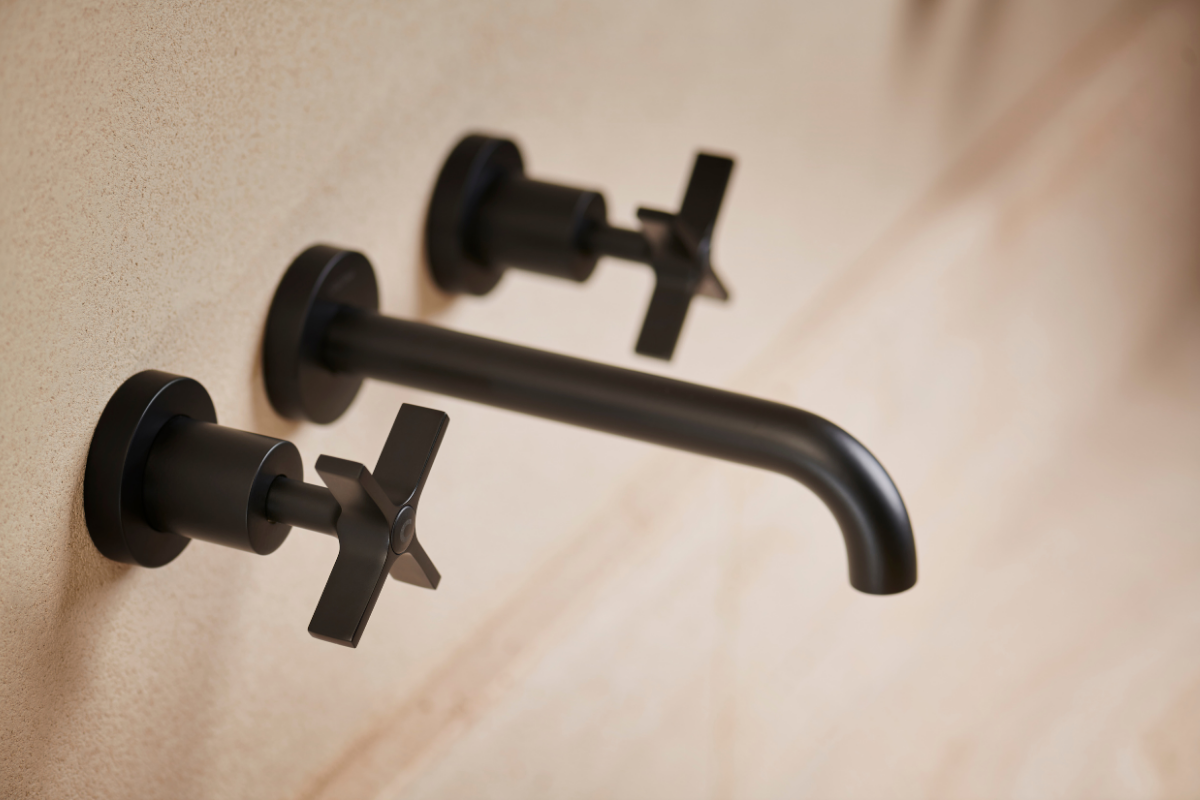
Contract and hospitality are among our key vantage points, because they reveal very clearly the needs of designers and the expectations of end users. Today it is not enough to offer a beautiful product: you need a solution that fits its context perfectly and is high-performing, customizable and sustainable.
That is why in recent years we have completely reconsidered our offering: an in-depth review of the price list, the variants, the technical configurations and the aesthetic consistency of our different product families. The goal is to give architects tools that are easy to use and at the same time versatile, able to fit into any type of project.
Customization happens on two levels:
- Technical customization. In the shower, for example, we offer modular solutions — body jets, waterfalls, shower heads, wellness functions — that can be combined according to the needs of the project. In the kitchen, we offer filtered water mixers and specific configurations for professional settings or high-end homes. Outdoors, stainless steel ensures high performance, weather resistance and an aesthetic in keeping with the space.
- Aesthetic customization. Thanks to our new electroplating facility, we produce our finishes in-house, with direct control over quality, durability and the sustainability of the production process. This allows architects to choose from a range of tones and achieve a perfectly coordinated result.
At the same time, we are carrying out significant work on sustainability: – reducing plastic in packaging, – optimizing water use in electroplating, – digital catalogs to limit printing, – water-saving aerators, – filtered water mixers that reduce household plastic consumption.
For us, customization does not simply mean “adapting a product,” but designing an ecosystem of solutions that can truly interpret people’s lives and the needs of professionals. And this is the direction that defines the new era of Cristina.» If you had to choose one iconic Cristina product or collection, which would it be?
If we are talking about “iconic” in the historical sense, the answer can only be Tricolore Verde. It is a collection that is part of Cristina’s DNA: recognizable, versatile, able to adapt to different styles and much loved by the public. It is not just a series; it is a mark of identity. That is precisely why at Salone del Mobile 2026 we will present it in a new interpretation, more complete and more consistent with the brand’s current vision.
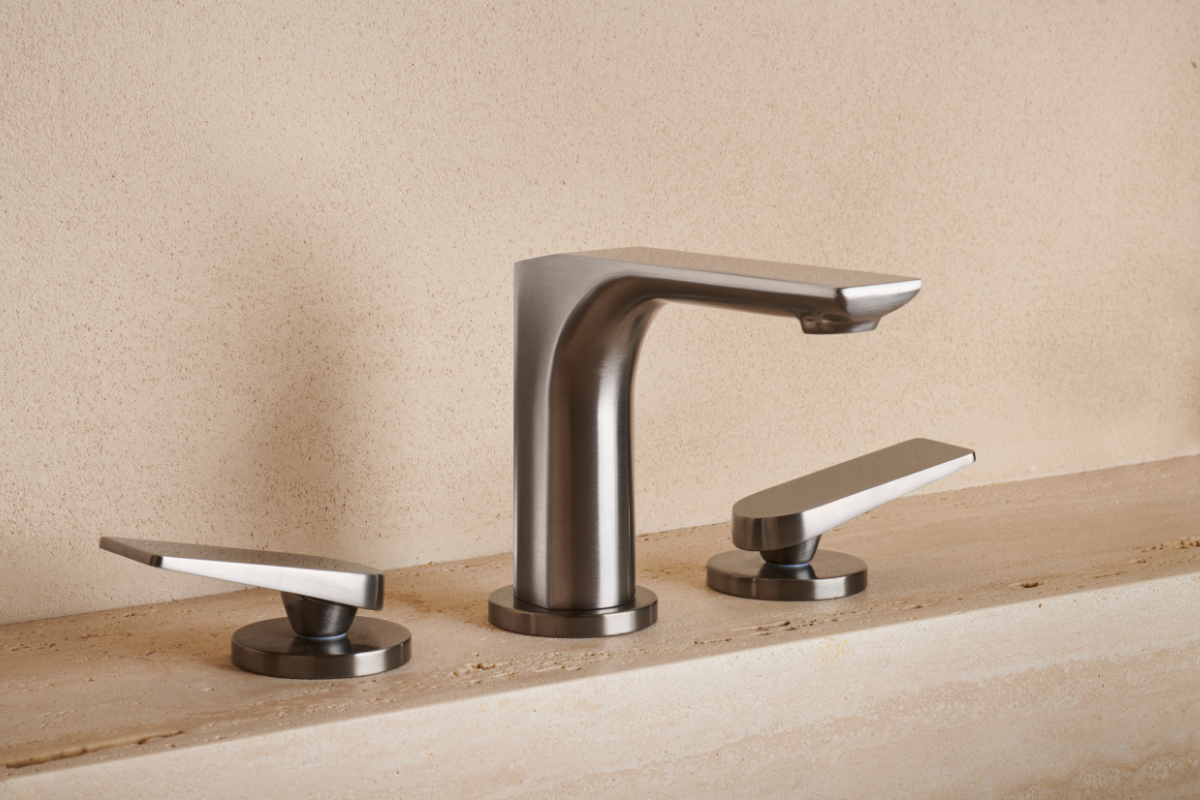
Alongside its history, however, there are collections that represent even more clearly what Cristina wants to be today and tomorrow. Piega, for example, perfectly expresses our expertise in stainless steel: a noble, durable material that is increasingly in demand in bathrooms and outdoors.
Italy, on the other hand, interprets a contemporary neoclassical style, with a detail few people know: its handles were inspired by old perfume bottles, from which they borrow their facets. It is an elegant, delicate reference that captures our attention to aesthetics without sacrificing functionality.
You could say that Tricolore Verde holds our history, while Piega and Italy reflect our future direction. Together they represent Cristina’s journey: a balance between solid roots and a more mature, conscious and consistent design vision.
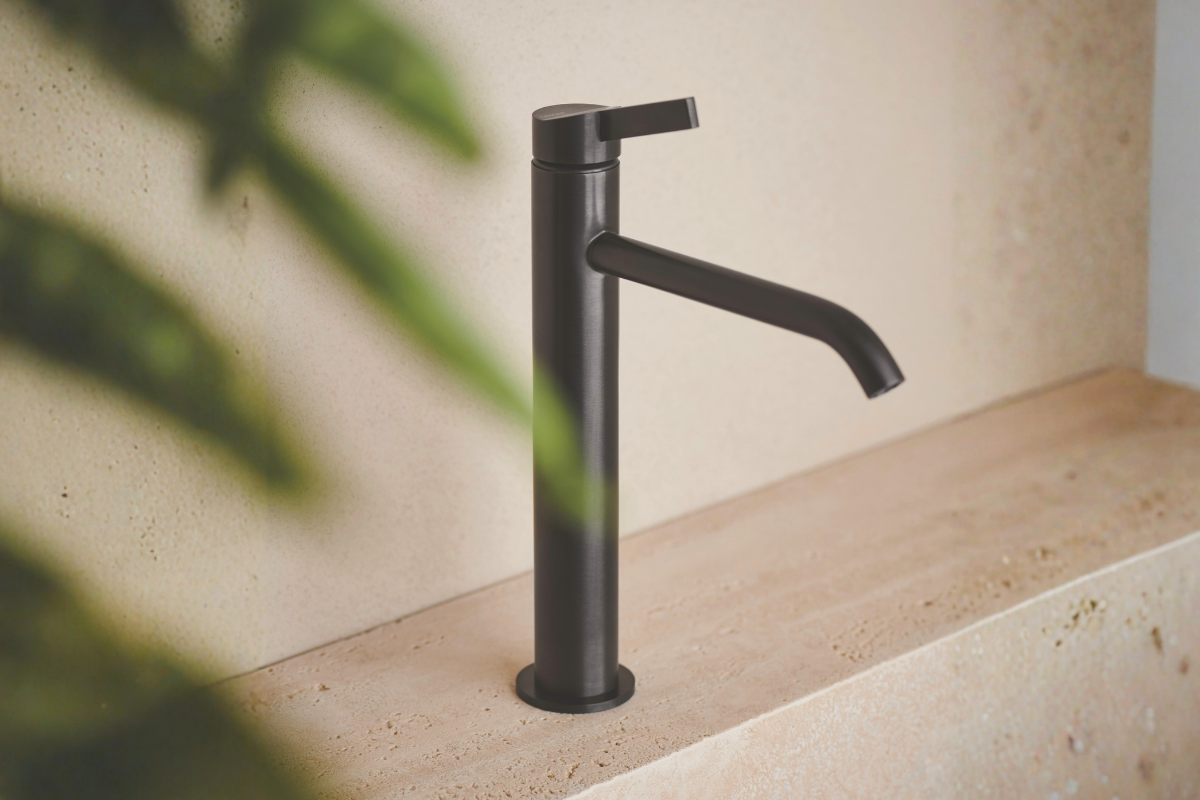
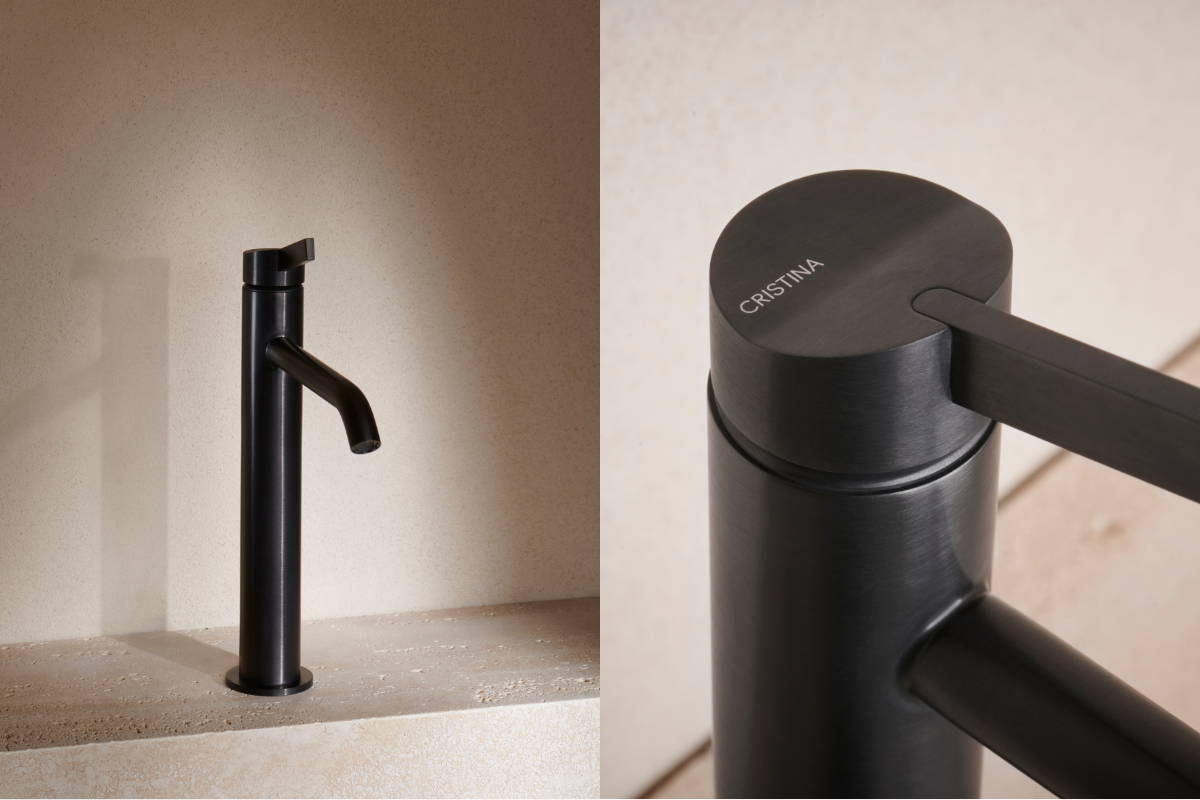
Are there sketches or drawings of your collections? Is there an anecdote or a particular story behind how they came about?
Every collection comes out of a structured design process made up of discussion, research and interpretation of our DNA. Some also have a fascinating story behind them. One example is Italy, which carries a little-known detail: its handles are inspired by old perfume bottles. The facets, the play of light, the materiality — everything stems from that elegant, timeless imagery, reinterpreted in a contemporary key. It is one of those cases where the product’s story perfectly matches its aesthetic.
As for Tricolore Verde, since it is a historic collection that we will present in a new guise at Salone del Mobile 2026, we cannot yet share sketches or previews. It will be a major reinterpretation, bringing together different skills and resulting in a much more complete offering than in the past.
We do, however, have sketches and materials related to some of the collections that represent our current identity — and we are happy to share them selectively. We are also putting together a list of the products that best express the brand’s new direction, so we can tell the story not only of the object, but of the process and thinking behind its development.
Your relationship with architects and interior designers has become increasingly central. How do you engage with professionals, and how does communication change when you address end consumers?
For us, professionals are fundamental: they are the meeting point between the brand and the end customer. They are the ones who interpret the needs of contemporary living and turn our offering into concrete solutions. Our dialogue with architects and interior designers is ongoing, structured and based above all on clarity: a rational price list, fewer and easy-to-understand variants, well-organized technical tools and collections that are consistent with one another. This allows designers to work with ease, choosing products that meet aesthetic and functional needs without unnecessary complexity.
When we communicate with end consumers, the perspective changes. Today’s customers are more informed, curious and willing to dig deeper: they research materials, solutions and meanings before choosing. They do not necessarily need to know every technical or manufacturing detail, but they want to understand the experience, the quality of materials, durability and attention to detail.
In this sense, the professional remains an essential intermediary, able to interpret and translate the value of the product in a simple, personalized way. Our job is to also offer end consumers clear entry points into the story of the brand and the product, without overloading them with complexity.
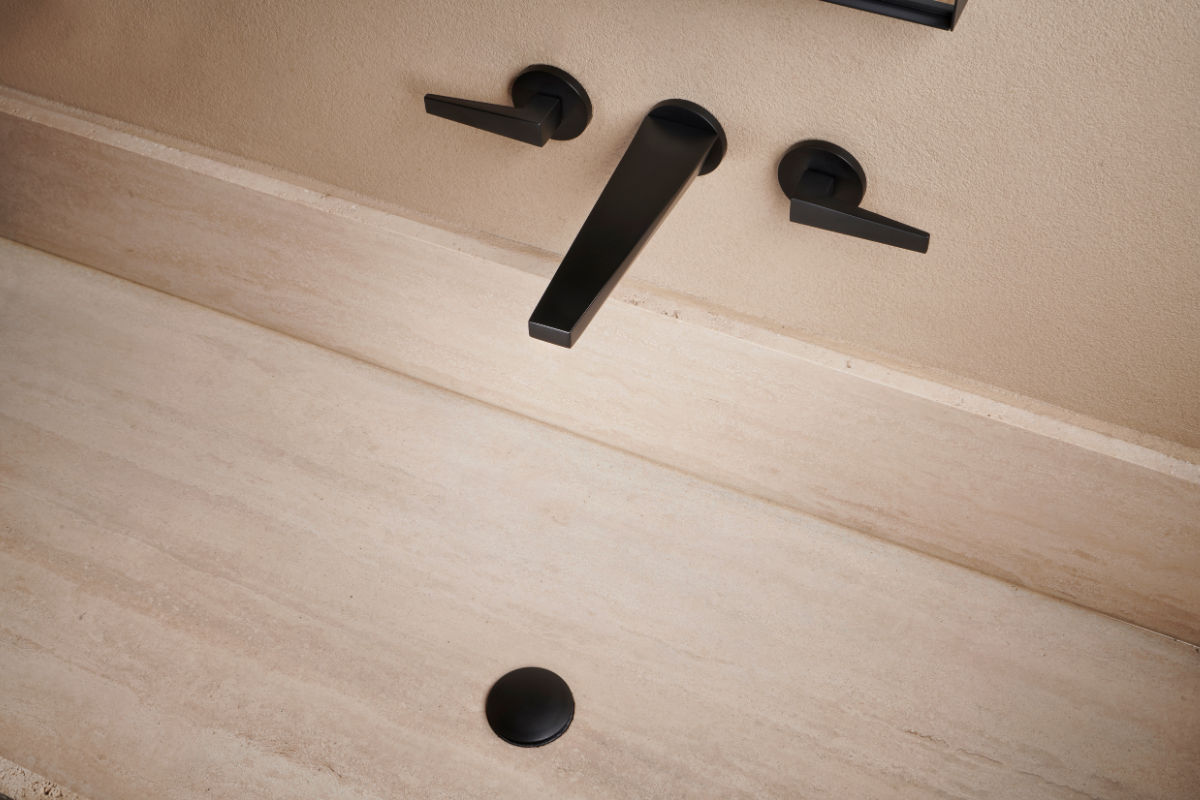
Looking ahead to 2035, how do you imagine Cristina ten years from now? What will the brand’s long-term identity and direction be?
If we picture ourselves in 2035, we see a brand that has completed the transformation begun in these years. The work we are doing now — on catalog consistency, aesthetic language, design and strengthening the supply chain — aims precisely to build a Cristina that is more solid, recognizable and contemporary in the long term, with product, communication and identity perfectly aligned.
Our strength will continue to be control of the supply chain: we believe that by 2035 the value of Made in Italy will be even more relevant, especially in a market that will demand sustainable, traceable products made with specialized skills. In this sense, our investments in materials such as stainless steel and in new production technologies — including in-house finishes — will allow us to confidently face the regulatory changes already under way, from the switch to eco-brass to more advanced water-saving solutions.
We also imagine a more solution-oriented Cristina: shower environments and wellness systems that integrate with the smart home, intuitive digital interfaces and products designed to improve the everyday experience, without losing the ease of use our customers appreciate.
Synergies with the Caleffi Group will be a natural accelerator: they will allow us to continuously explore fields such as electronics, sensors and smart water management, while maintaining a fully independent and recognizable identity.
By 2035, we see a company that has consolidated its position as:
- an authoritative design brand, thanks to strong and consistent art direction;
- a point of reference for architects and interior designers, thanks to a clear and customizable range;
- a solid industrial business, able to manufacture in Italy with a sustainable and responsible approach;
- a brand close to the end customer, who chooses Cristina for everyday well-being, quality and reliability.
We imagine a Cristina that will not only have evolved its products, but will have built a mature, conscious design culture that is relevant on the international stage.
On Archi & Interiors you can also visit the dedicated Cristina Rubinetterie page, with further materials, catalogs and useful references to get to know the company better.