Home trends 2027: what Zillow’s real estate report and new design signals reveal about how we will live, from flexible spaces and wellness to more personal homes.
From the hyperconnected home to rooms where we can find silence again: real estate and design signals that point to what is coming, what will lose ground and how we might live in 2027.
There are moments when the way we picture a home shifts almost without our noticing. We used to dream of vast living rooms, showpiece kitchens and flawless surfaces. Then we start looking for something else: a corner to read in, a room that can change its role, a table to gather around, a window that frames the sky.
The home trends for 2027 are about exactly this: not just furniture, colors and materials, but the way we want to live. On November 10, 2026, the US real estate marketplace Zillow published its 2027 Home Trends Report, an analysis of the features highlighted in millions of for-sale home listings.
The percentages reflect changes in mentions in US listings. They do not measure the preferences of Italian buyers, nor how widespread these features actually are. They are, however, useful signals, to be read with caution and compared with international design forecasts. When we say a trend is “coming in” or “on its way out,” we use those phrases as a narrative device, not as a promise that an entire style will disappear.
Home trends 2027: the key numbers
In Zillow’s 2027 report, listing mentions of artificial intelligence are up 119%, color-drenched rooms 84%, spa-inspired bathrooms 60%, multigenerational homes 58% and flexible spaces 35%. References to chef’s kitchens, by contrast, are down 21%. These figures capture a change in how homes are marketed, not an absolute ranking of what house hunters want.
1. The connected home and the urge to disconnect
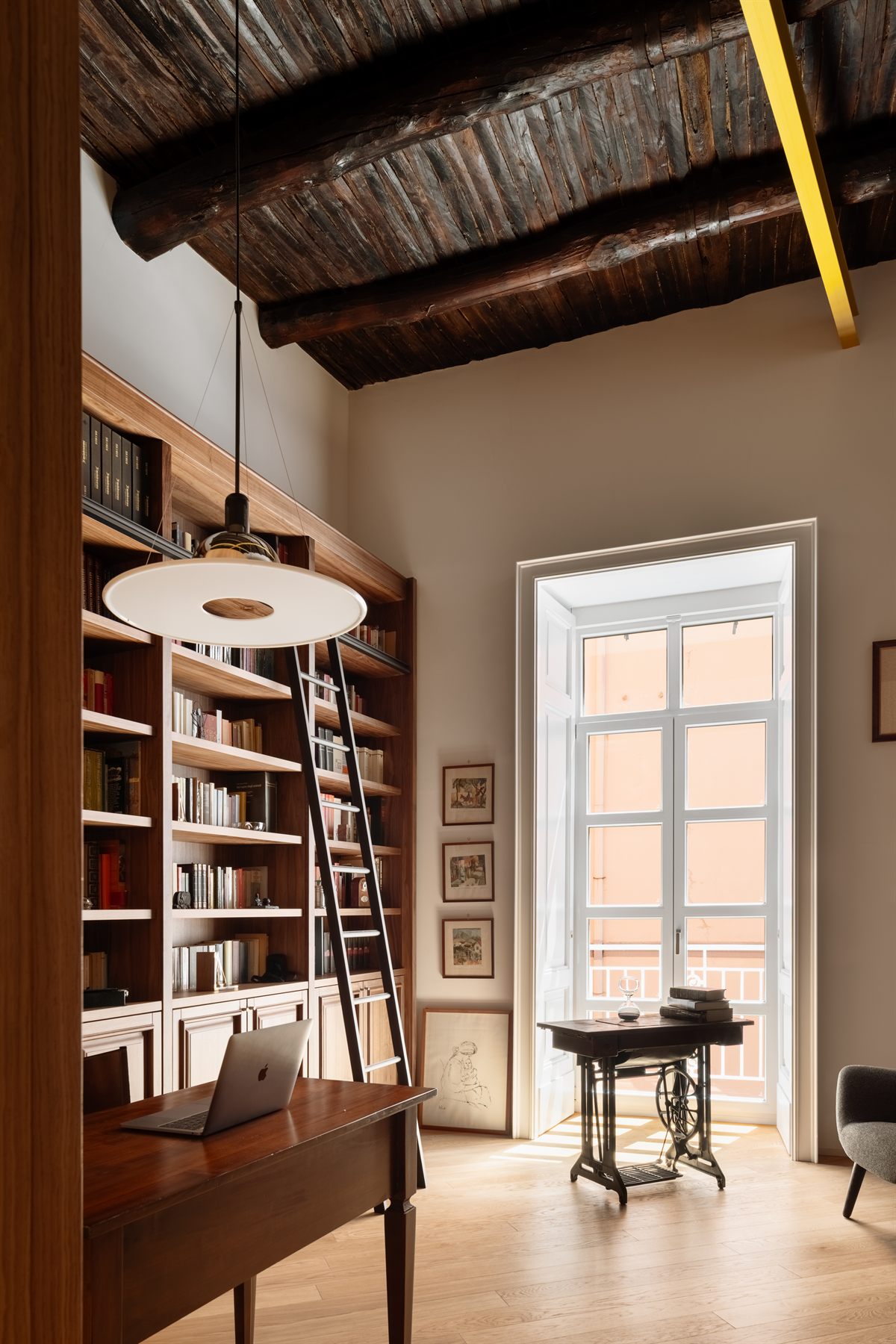
Mentions of artificial intelligence in Zillow listings are up 119%, while app-controlled systems are up 34%. At the same time, spaces to disconnect are cited 34% more often. This is the paradox of the contemporary home: we want technology that makes life easier, but also places where we can escape notifications.
Coming in: home libraries, reading nooks and quiet corners. On its way out: the idea that every room needs a screen. Smart home technology will not disappear, but it may become more discreet.
2. Will multifunctional rooms replace unused spaces?

Mentions of flexible spaces are up 35%, home offices 42% and media rooms 37%. A single room can be a study in the morning, a studio in the afternoon and a guest room when needed. The answer is not always more square meters, but a smarter layout.
Coming in: transformable furniture, modular solutions and rooms that can change their purpose. On its way out: the rule that every room must serve a single function.
3. From showpiece kitchen to lived-in kitchen
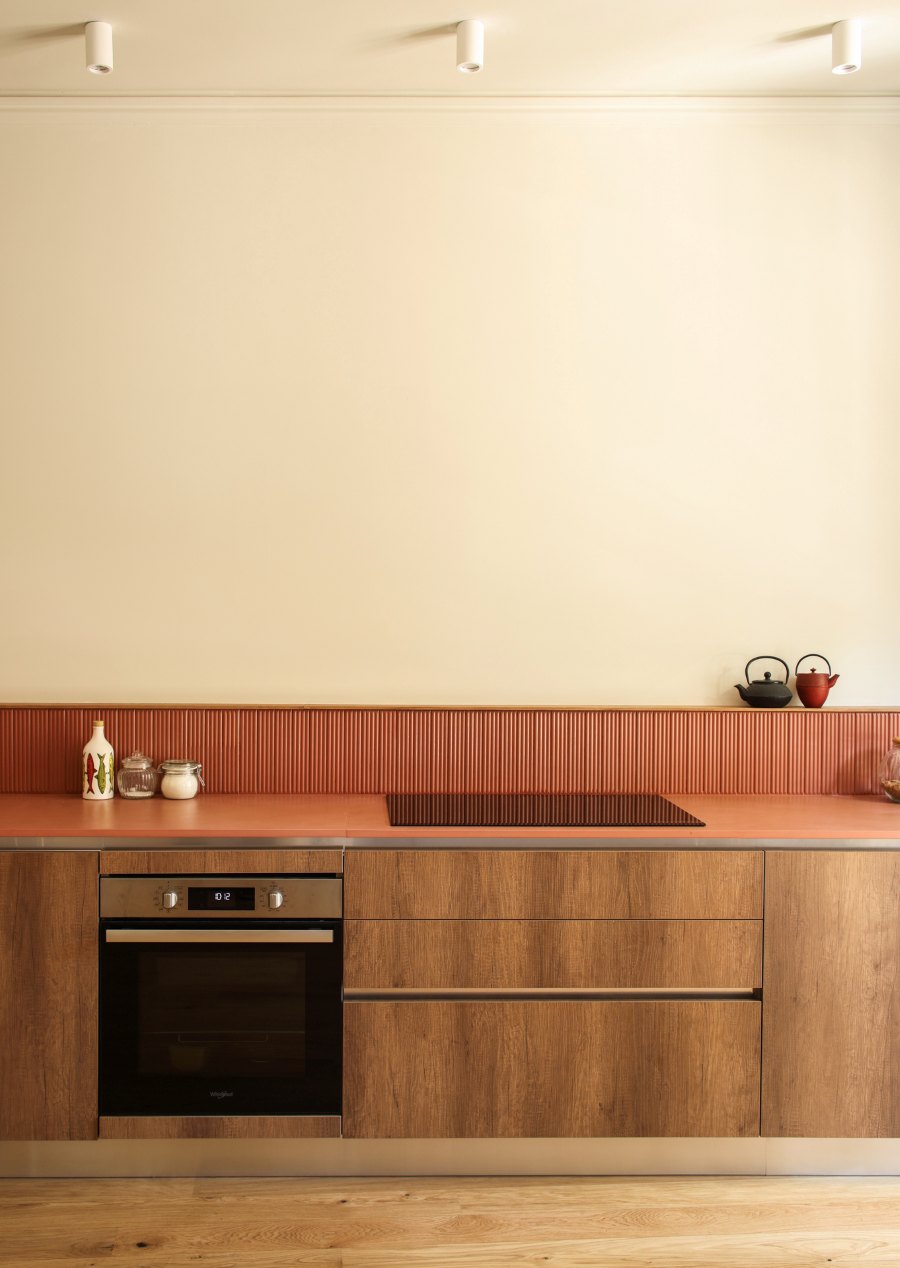
The phrases “chef’s kitchen” and “gourmet kitchen” are down 21% and 15% respectively in the listings analyzed. This is not the end of kitchen islands or high-end kitchens: what is changing is the language used to sell them. Alongside this observation, there is a design question worth asking: how much room do we leave for conviviality?
Coming in: tables for breakfast, cooking and getting together. On its way out: the idea that a kitchen has to be perfect just to be photographed. Its beauty also lies in the everyday life it can hold.
4. Open plan or intimate rooms: the 2027 home seeks balance
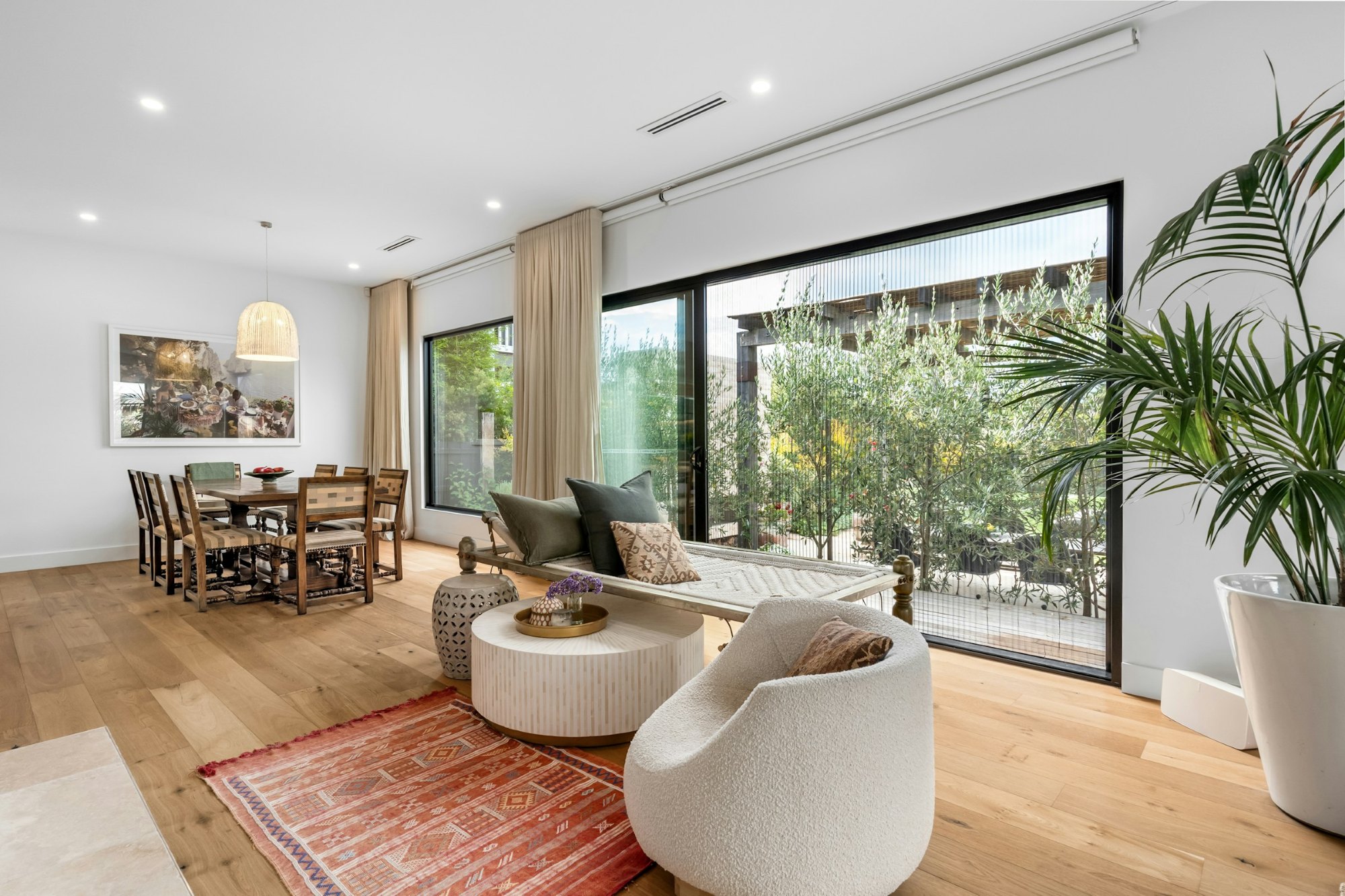
Zillow’s report shows that mentions of open-concept layouts are essentially flat. It would therefore be wrong to claim that open-plan spaces are going away. But attention is growing for rooms dedicated to work, rest and privacy: an open home may need some more secluded areas.
Coming in: light partitions, sliding doors and bookcase room dividers. On its way out: open plan at all costs, treated as a universal rule. Being together is precious; being able to close a door is just as valuable.
5. A home for several generations, not just for now
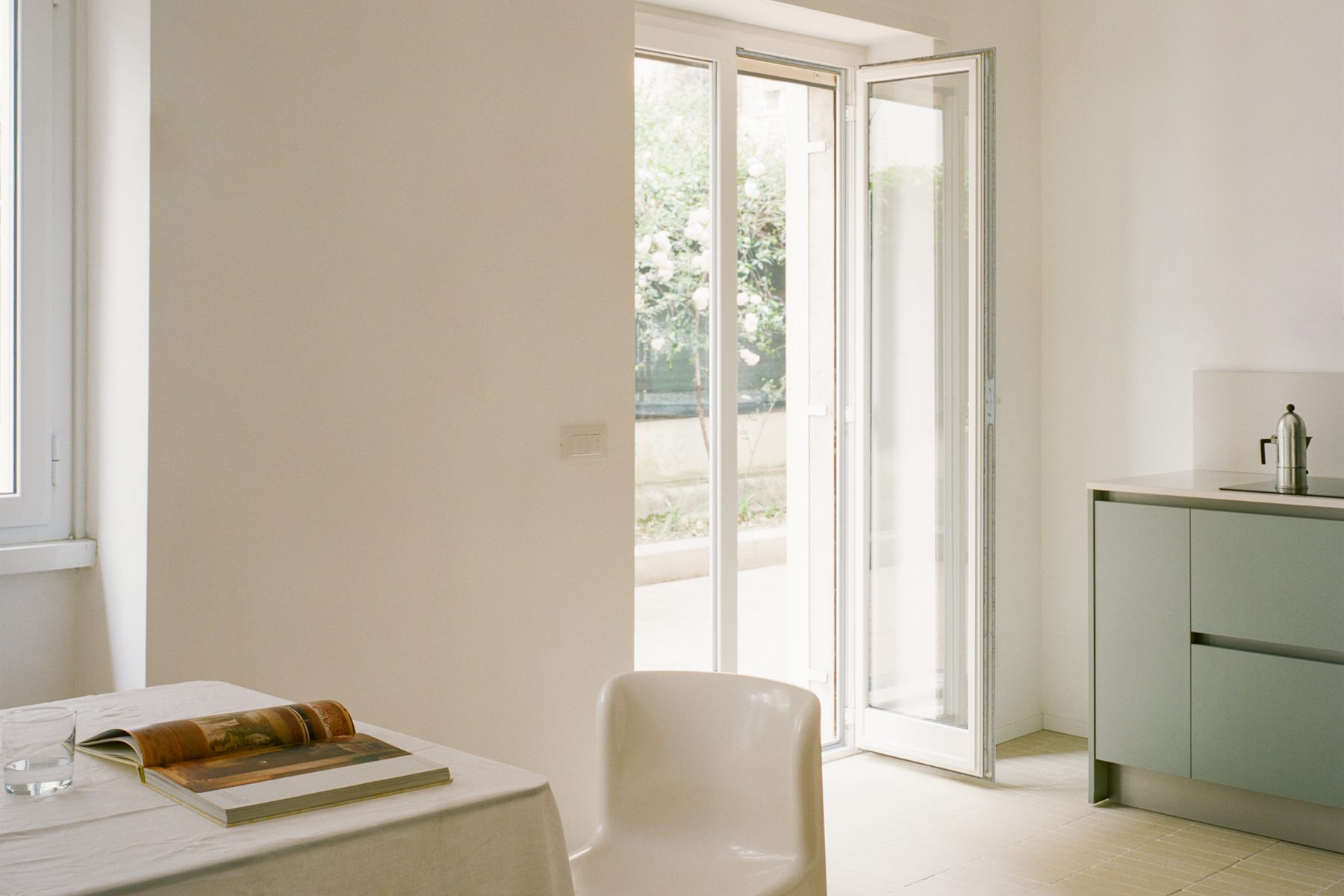
Mentions of multigenerational homes are up 58%, along with references to wider doorways (+13%) and grab bars (+18%). These are signs of how important it is to design homes that adapt to changing families and different stages of life.
Coming in: flexible layouts, accessible solutions and spaces that protect independence. On its way out: the home designed for only one phase of life. The best design also leaves room for what we cannot yet foresee.
6. The bathroom becomes a wellness ritual
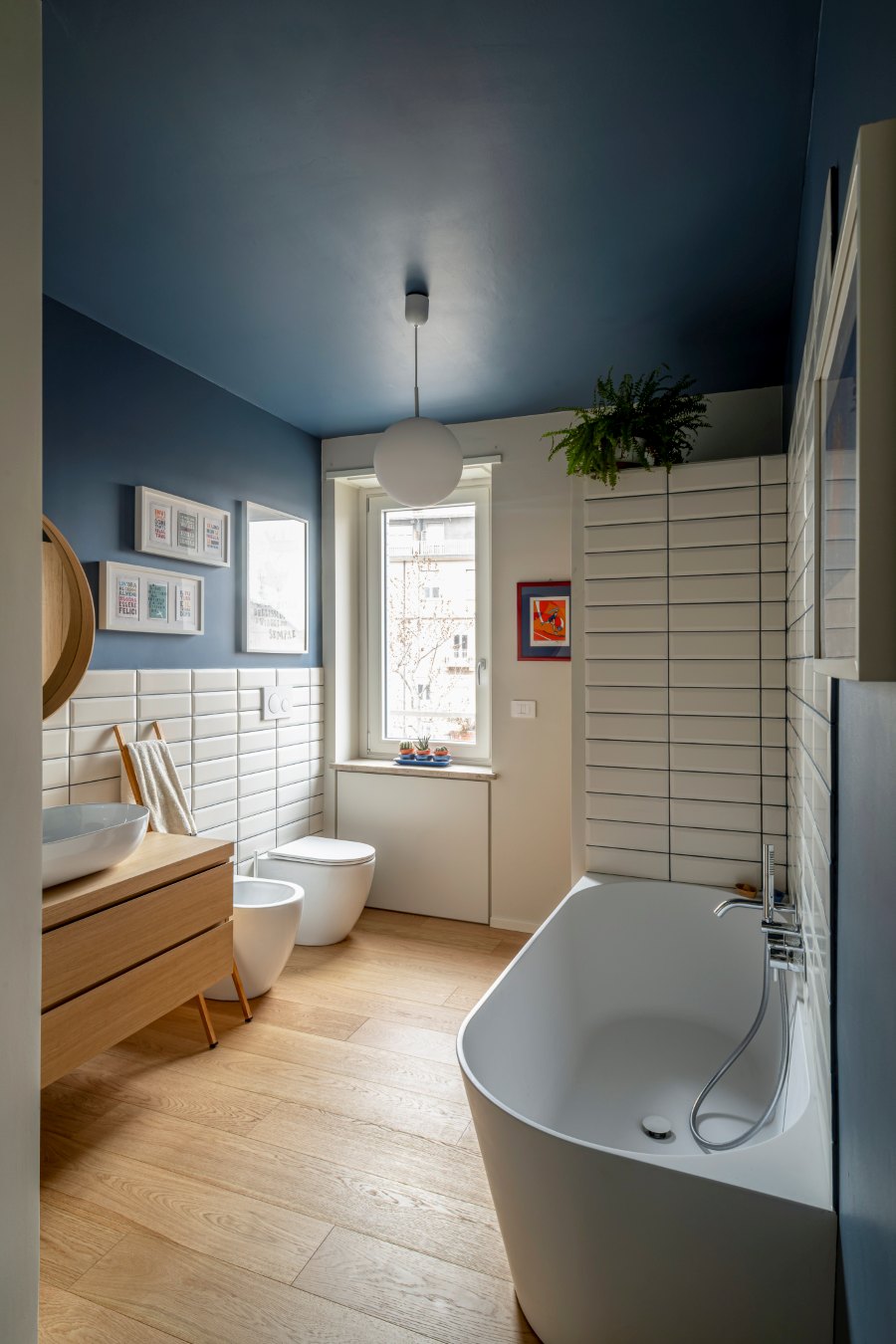
In US listings, mentions of spa-inspired bathrooms are up 60%, cold plunge tubs 44% and home gyms 18%. Meanwhile, references to Jacuzzis and traditional whirlpool tubs are down about 9%. This does not mean every home needs wellness equipment.
Coming in: comfort, ventilation, adjustable lighting and pleasant materials. On its way out: the idea that a spectacular tub is all it takes to deliver well-being. Sometimes the real luxury is finding time for yourself.
7. Real efficiency beyond green labels
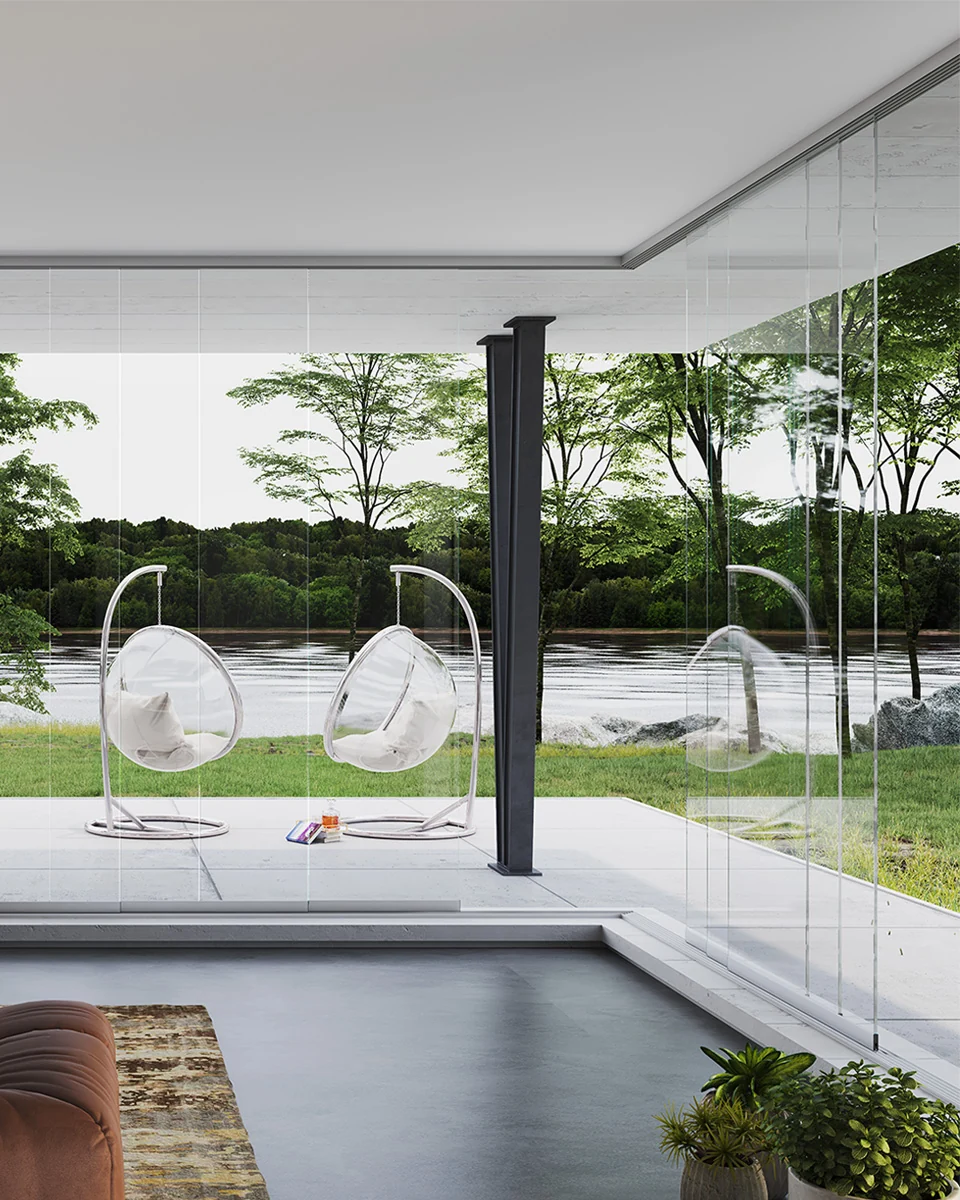
According to Zillow, the words “sustainable” and “green” appear 26% less often. Specific features, on the other hand, are on the rise: home batteries (+43%), ventilation and air exchange systems (+52%) and water filtration (+22%). This does not prove a loss of interest in sustainability; it suggests a sharper focus on measurable performance.
Coming in: efficient, verifiable solutions, from indoor air quality to energy comfort. On its way out: sustainability told only through reassuring words or natural-looking materials.
8. More personal colors and enveloping rooms
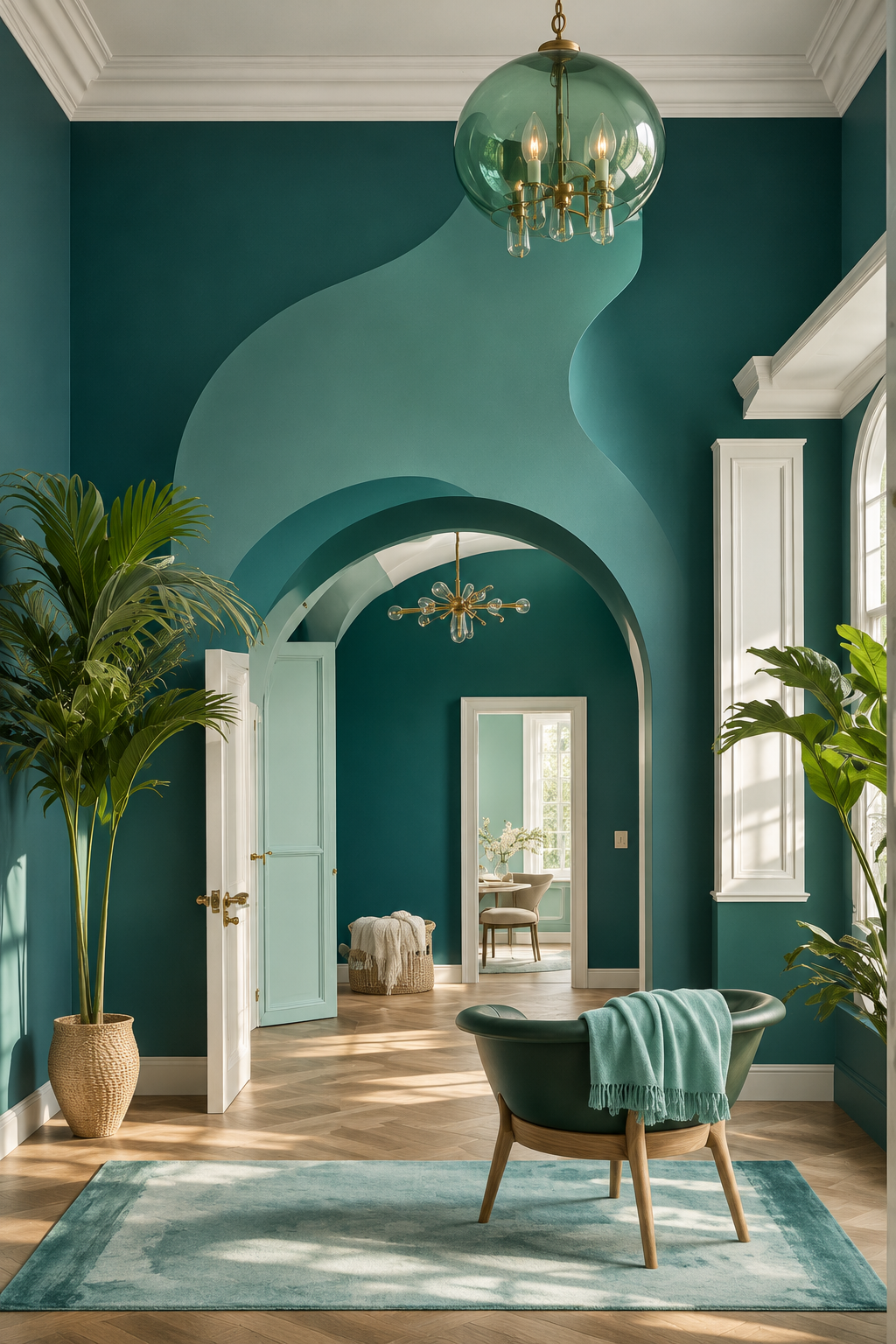
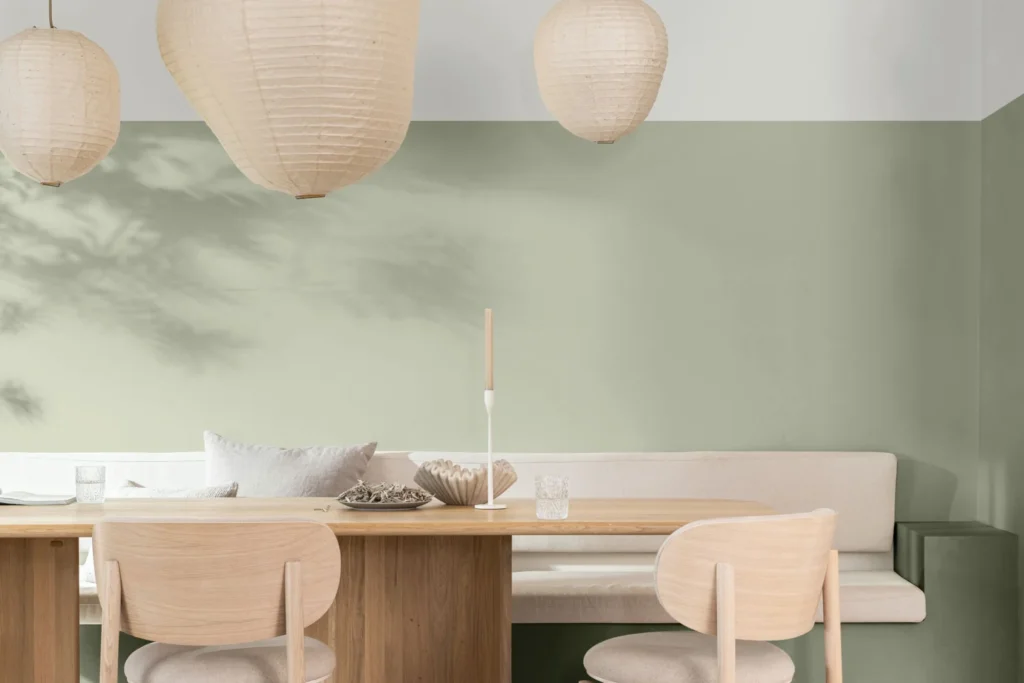
Mentions of color drenching, which covers walls and other surfaces in coordinated shades, are up 84%. It points to growing interest in interiors with a stronger chromatic identity. It is not a verdict against beige or white: elegance does not belong to a single color.
Coming in: more personal palettes. On its way out: the obligation to use the same neutrals in every home. For colors and materials, see our in-depth features on 2027 interior design trends and 2027 wall colors.
9. The return of objects with a story
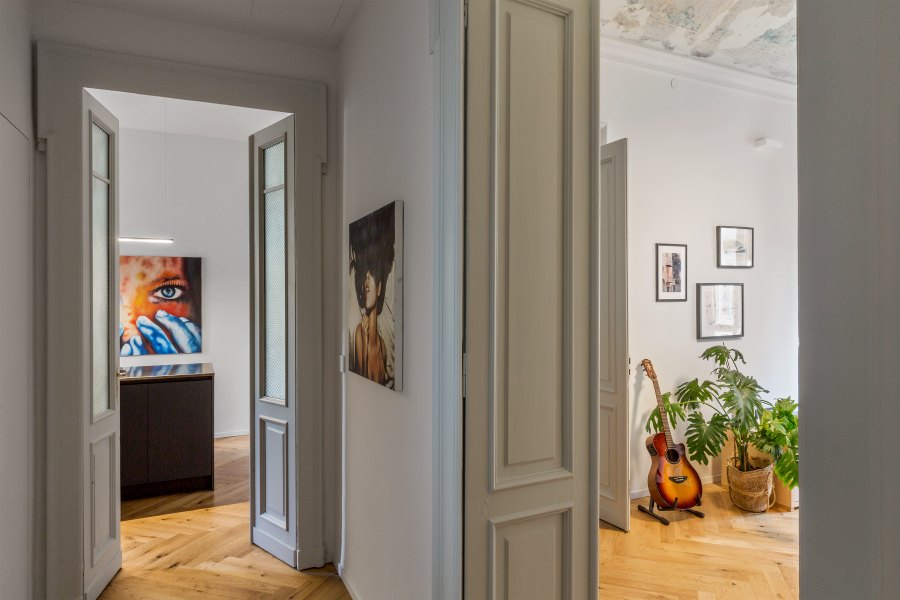
Messe Frankfurt’s Creativeworld Trends 2027, under the theme Home Sweet Home, put the spotlight back on personal objects, reclaimed materials and handcraft. Kitchen Experiences, Balcony Moments and Bedroom Stories portray three familiar places through creativity, memory and small everyday gestures.
Coming in: inherited furniture, handmade ceramics, reworked textiles and interiors that reflect the people who live in them. On its way out: the obsession with identical homes. Not every piece has to be new, or to match everything else.
10. Pets become part of the home design
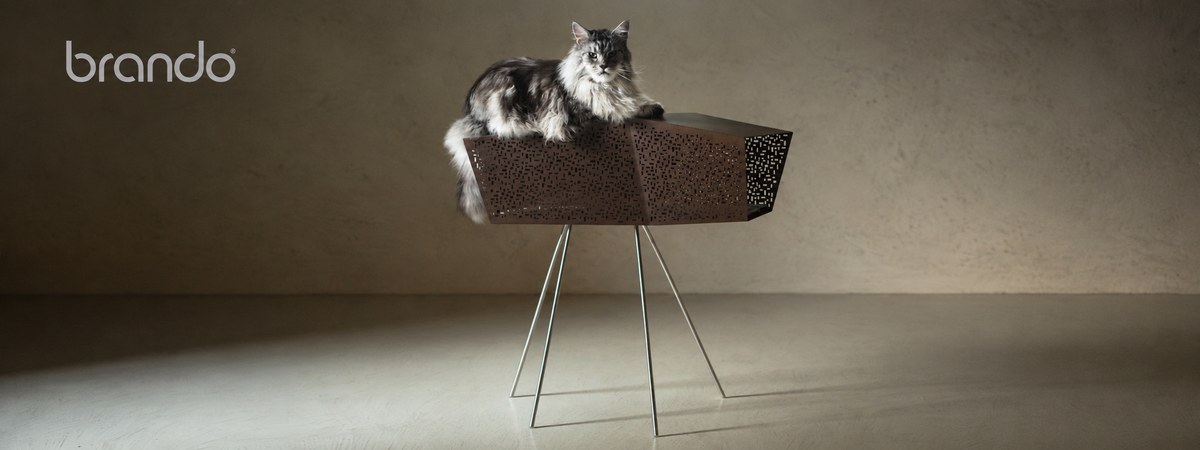
The catio, an enclosed outdoor space that lets cats enjoy fresh air safely, appears 32% more often in Zillow listings. It is a trend specific to the US market, but it suggests growing attention to the needs of pets.
Coming in: enclosed balconies, safe pathways and materials suited to life with animals. On its way out: the habit of thinking about pets only once the project is finished.
What will we really bring into our homes in 2027?
Taken together, these home trends for 2027 describe a home that is smarter yet more interested in silence, more flexible yet mindful of privacy, more efficient and, above all, more personal.
Large kitchens, open-plan layouts and dramatic interiors will not disappear. What may change is how we choose: not only how big a room is, but how well it can support our lives.
A home is not beautiful only when it impresses those who walk in. It is also beautiful when, at the end of the day, we cannot wait to get back to it.
Frequently asked questions about home trends 2027
What are the main home trends for 2027?
The main home trends for 2027 are multifunctional spaces, digital detox, multigenerational living, discreet technology, wellness, efficiency and greater personalization.
Will open-plan living go out of style in 2027?
There is no data to support that. Zillow reports essentially stable mentions of open-concept layouts, while mentions of spaces with dedicated functions are rising.
Will kitchen islands disappear?
No. The decline in the phrases “chef’s kitchen” and “gourmet kitchen” concerns the language of listings, not the disappearance of islands.
What is the difference between home trends and interior design trends for 2027?
Home trends concern habits, functions, technology and quality of living; interior design trends focus on furniture, colors, materials and shapes.
Sources and methodology
- Zillow, 2027 Home Trends Report, November 10, 2026.
- Messe Frankfurt, Creativeworld Trends 2027: Home Sweet Home, September 2, 2026.
- Archi&Interiors, 2027 Interior Design Trends.
Methodology note: Zillow’s report measures mentions and changes in US listings; it does not certify the tastes or behavior of buyers in Italy. The narrative interpretations are the editorial team’s own.