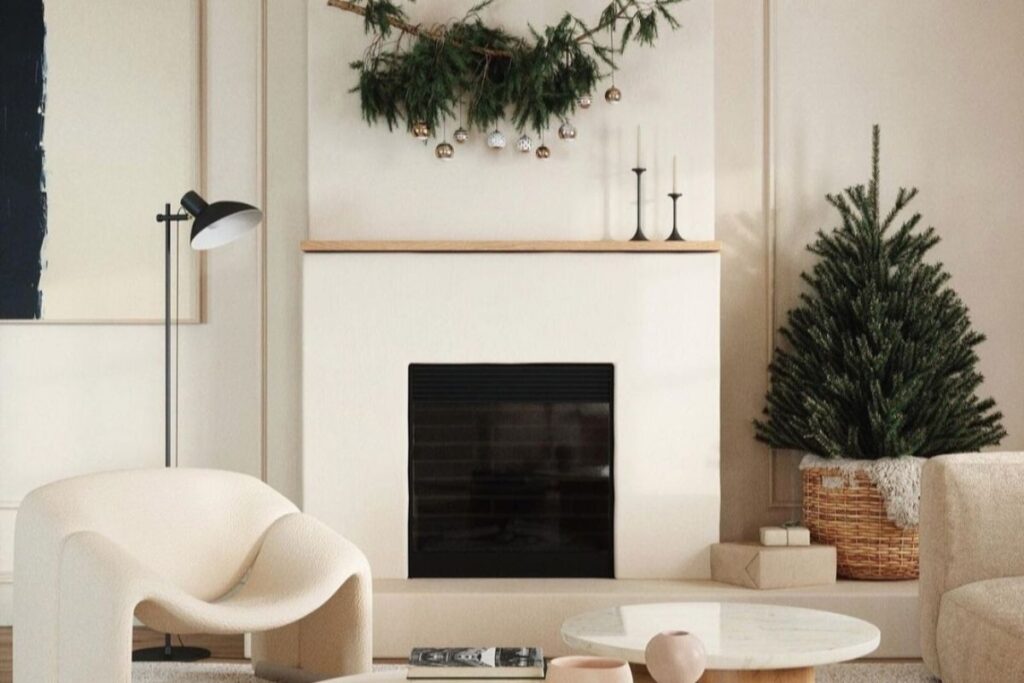
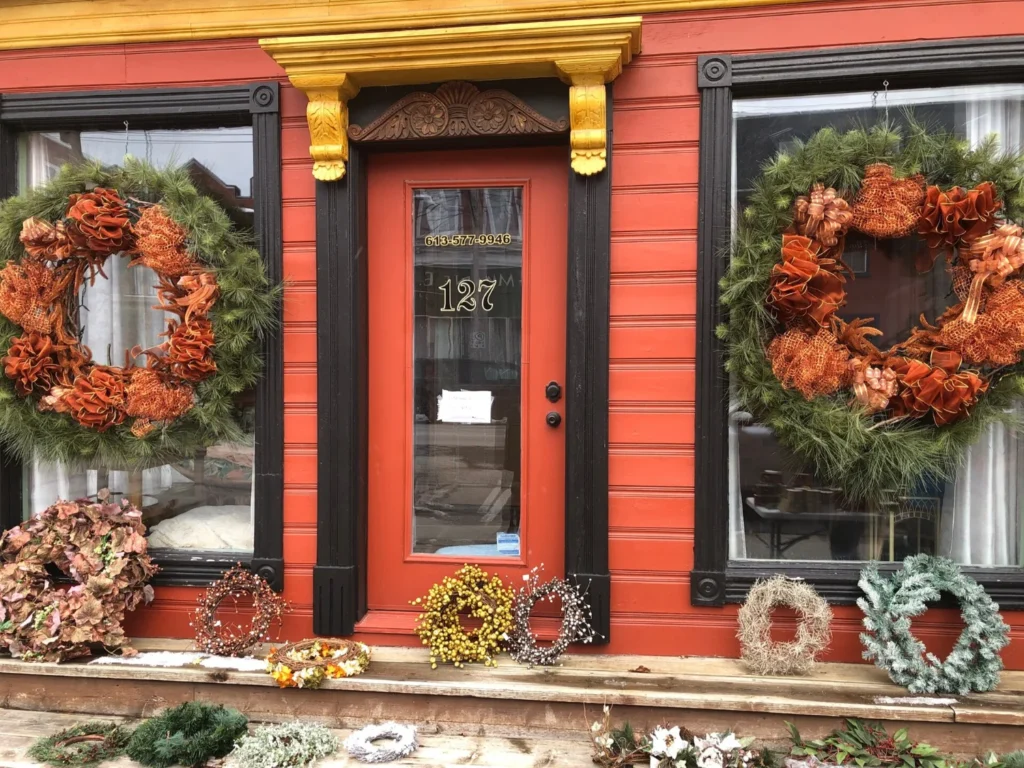
The seasonal changeover for your home: wool, bouclé and velvet, generous rugs, low lighting and warm palettes for designed cocooning, plus the right moment to swap curtains and throws.
Winter is not furnished by adding blankets. It is designed as a season of living, with fabrics that change the feel of every surface, low lights that redraw the rooms and a palette that warms the house before the radiators do.
Decorating your home for winter means doing for interiors what we have always done with the wardrobe: a seasonal changeover. The furniture stays; what changes is the skin and the light of the house. Beyond the festive weeks, the cold season is the longest stretch of the domestic year and deserves a scheme of its own, not a pile of throws on the sofa.
Our view is that cocooning, born as a retreat into the home, has become a design discipline. In Italy the law sets a maximum indoor temperature of 20°C for most homes, with a tolerance of two degrees, so comfort shifts from the thermostat to the materials. Wool, bouclé and velvet are no longer a magazine affectation but the way a contemporary home gives warmth without wasting energy. It is a change of perspective that says a lot about how we live now: less machinery, more material.
How do you decorate your home for winter without weighing it down?
By working on three levers, textiles, light and colour, and leaving the structure of the room almost untouched. The most common mistake is to keep adding: cushions on cushions, a blanket on every seat, objects piling up on every surface. The result is a fuller house, not a warmer one. The rule we propose is the opposite: take away the light summer fabrics and replace them with a few heavier, better pieces, chosen for their hand, weight and colour.
It helps to think room by room, starting with the one you live in most on winter evenings, which is almost always the living room. A rug, a throw, two cushions and a new lamp are enough to change how a space feels, provided they are chosen together and not piled up. For the overall method, from layout to proportion, see our guide on how to furnish a home.
Which fabrics work best in winter: wool, bouclé or velvet?
All three, each with its own role: wool for throws and blankets, bouclé for surfaces you touch, velvet for curtains and upholstery that need to catch the light. Wool, whether boiled, merino or chunky knit, is the material of direct contact, the one you pull over your knees in the evening. Bouclé, with its looped yarn, brings a texture that reads even from across the room and gives an armchair the visual softness of a good coat. Velvet, thanks to a pile that reflects light with a subtle sheen, deepens dark colours and works beautifully under the low light of winter evenings.

The guideline is no more than three textures per room, with one in the lead. A bouclé sofa calls for velvet cushions and a tightly woven wool throw, not more curly fabrics. Leather is a winter material par excellence too: the Vanity Fair armchair by Poltrona Frau, designed by Renzo Frau and in production since 1930, is the archetype of the reading chair, with an enveloping seat that invites you to stay.
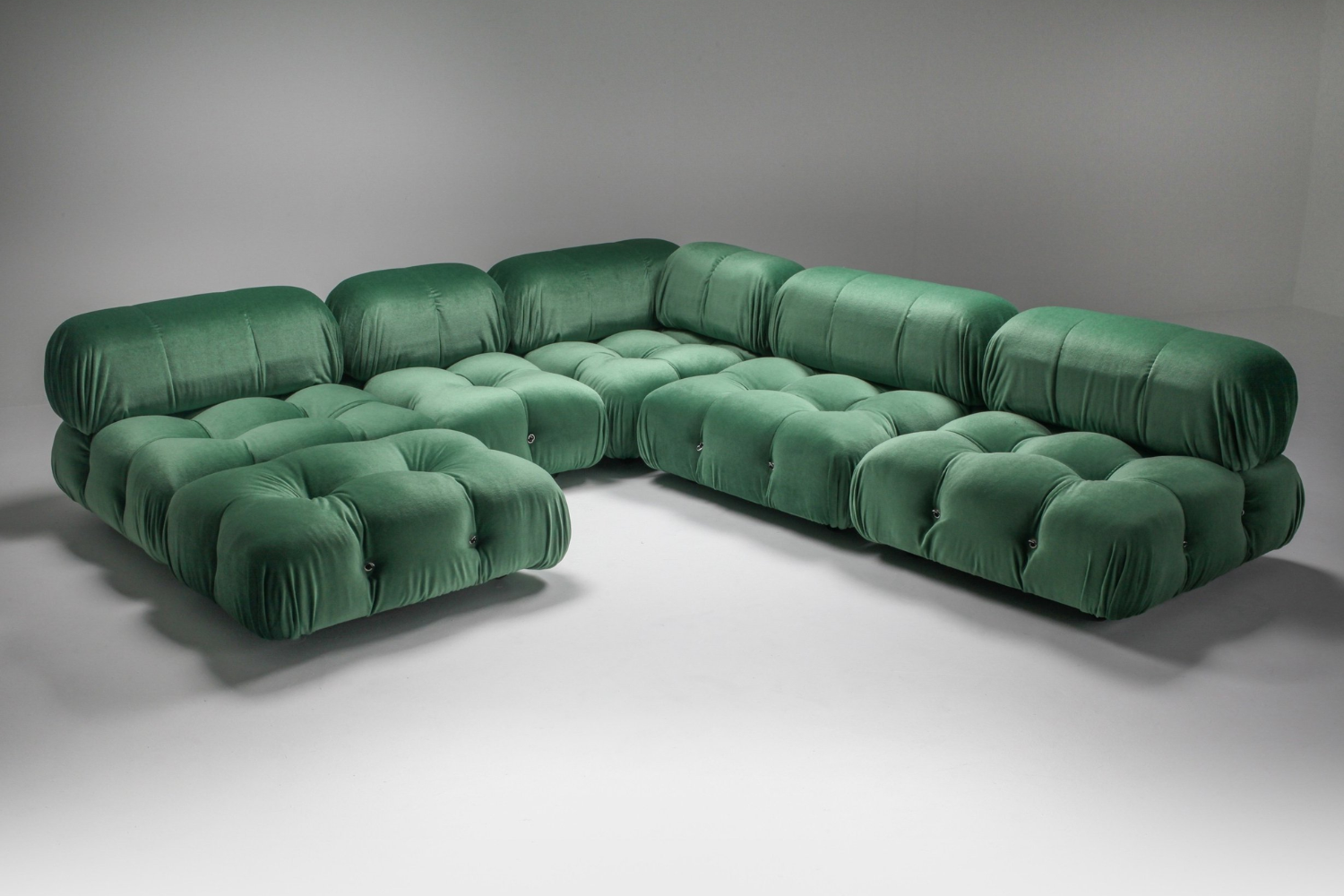
If you want to transform the room, consider a sofa designed to be upholstered in tactile fabrics. The Camaleonda by B&B Italia, a modular system conceived by Mario Bellini in 1970 and reissued by the brand in a new version in 2020, can be covered in the company’s full range of fabrics: in a warm shade and a thick weave it becomes the centre of gravity of a winter living room.
How do you choose rugs for a winter home?
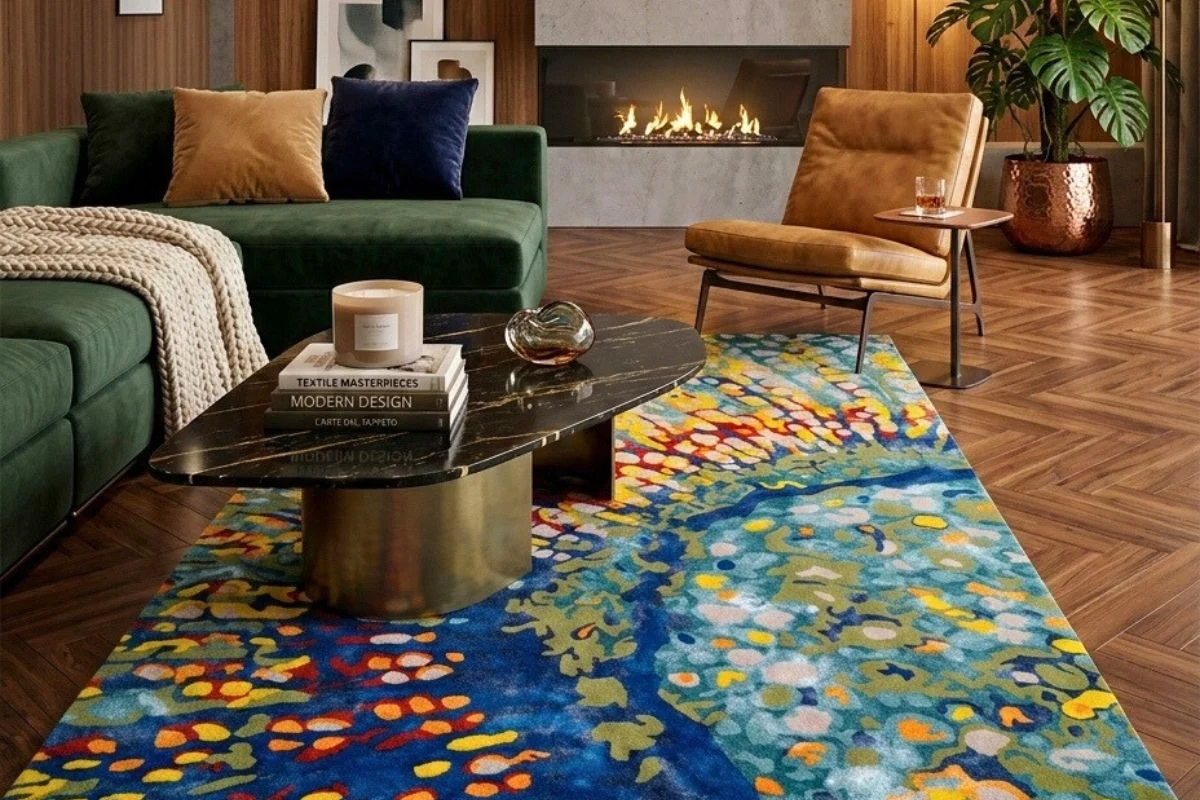
A winter rug should be large, made of natural fibre and with a more substantial hand than a summer one. Size matters more than pattern: in the living room the rug should take at least the front legs of the sofa and armchairs, so that it anchors the seating area rather than floating in the middle of the room. Wool and silk, or a deeper wool pile, turn the floor into somewhere you want to walk barefoot.
The effect is most striking on cold floors such as porcelain stoneware, marble or resin, where a rug changes how warm the room feels. Layering is an effective technique, a smaller, more textured rug over a larger neutral one, adding depth without clutter. In the bedroom, a rug on either side of the bed changes the first step of the morning. Among our partner brands, Nodus Rug makes handmade designer rugs, including bespoke pieces, with collections drawn by international designers.
How do you light a home in winter with low light?
By multiplying low, warm light sources and switching off the ceiling light. When it is already dark at five in the afternoon, an overhead fitting turns the living room into an office; three or four points of light at different heights turn it into a place to live. Choose bulbs with a warm colour temperature, around 2700 kelvin, and where possible a dimmer to adjust the intensity through the evening.
Low light is built in layers: table lamps on consoles and bedside tables, a floor lamp beside the reading chair, a few accent lights on a bookcase or a painting. A fireplace, where there is one, is the most powerful light source of the season, and a well-designed modern fireplace becomes the focal point around which to arrange the seating. For the technical choices, see our guide to living room lighting.
Which colours make a home feel warm in winter?
Warm, deep palettes: terracotta, rust, tobacco, burgundy and forest green, alongside warm neutrals such as sand, cream and raw linen. You do not need to repaint the walls to get the effect: winter colour comes first from textiles, that is blankets, cushions, curtains and rugs, which can change with the season. A white walled room with a tobacco sofa and a rust throw is already a winter room.
The great Nordic and Eastern schools offer two clear models. Scandinavian style warms with pale wood, wool and candlelight, while Japandi interiors work with earthy neutrals, matt surfaces and even lower light. In both cases the palette is built on a few closely related tones, with a single darker accent.
When should you change curtains and throws between autumn and winter?
The right moment is when the heating goes back on and evenings are spent indoors. In Italian cities in climate zone E, such as Milan, Turin and Bologna, heating systems may run from 15 October to 15 April, a calendar that also makes a practical reference for the seasonal changeover of textiles. In spring you reverse the process and bring back linen and cotton.
For curtains the most versatile solution is a double layer: a light sheer that stays all year and, in front of it, a heavy velvet or wool curtain, ideally lined, to draw in the evening. During the day it should be fully open, because in winter every hour of daylight counts; drawn at night, it softens the chill that comes off the glass and makes the room feel more enclosed. Throws follow the same logic: one for each main seat, folded over the arm or at the foot of the bed, in the colours of the palette rather than as an afterthought.
In the bedroom the change is the most immediate: a heavier duvet, flannel or thick cotton sheets and a wool blanket at the foot of the bed. The three texture rule applies here too, with one lead and two in support.
Frequently asked questions about decorating your home for winter
How do you make a home feel cosier in winter?
By changing textiles, light and colour: wool rugs, velvet or bouclé throws and cushions, low warm lights instead of the ceiling light. You do not need new furniture, just a few pieces chosen together.
Which sofa fabrics feel warmest?
Bouclé, velvet and wool are the warmest to the eye and to the touch, along with leather. For an existing sofa, covers, cushions and a throw in these materials are enough.
When should winter rugs go down?
Usually in mid October, when the heating comes back on, and they come up again in spring. They make the biggest difference on cold floors such as porcelain stoneware, marble and resin.
What kind of light should you use at home in winter?
Warm light, around 2700 kelvin, spread across several low points at different heights. A dimmer lets you adapt the intensity to the hours of the evening.
Which colours warm up a room in winter?
Terracotta, rust, tobacco, burgundy and forest green, together with warm neutrals such as sand and cream. They are best introduced through textiles and accessories.