Roberta Vecci shares the Novacolor vision: surfaces, light, research and the applicator’s gesture. A conversation on how matter shapes the way interiors are perceived.
Matter comes first. Before colour, before form, even before a space has found its definitive image. It is on the surface that light meets architecture, that a shade gains depth, that a volume changes its presence. And that a wall stops being merely a boundary.
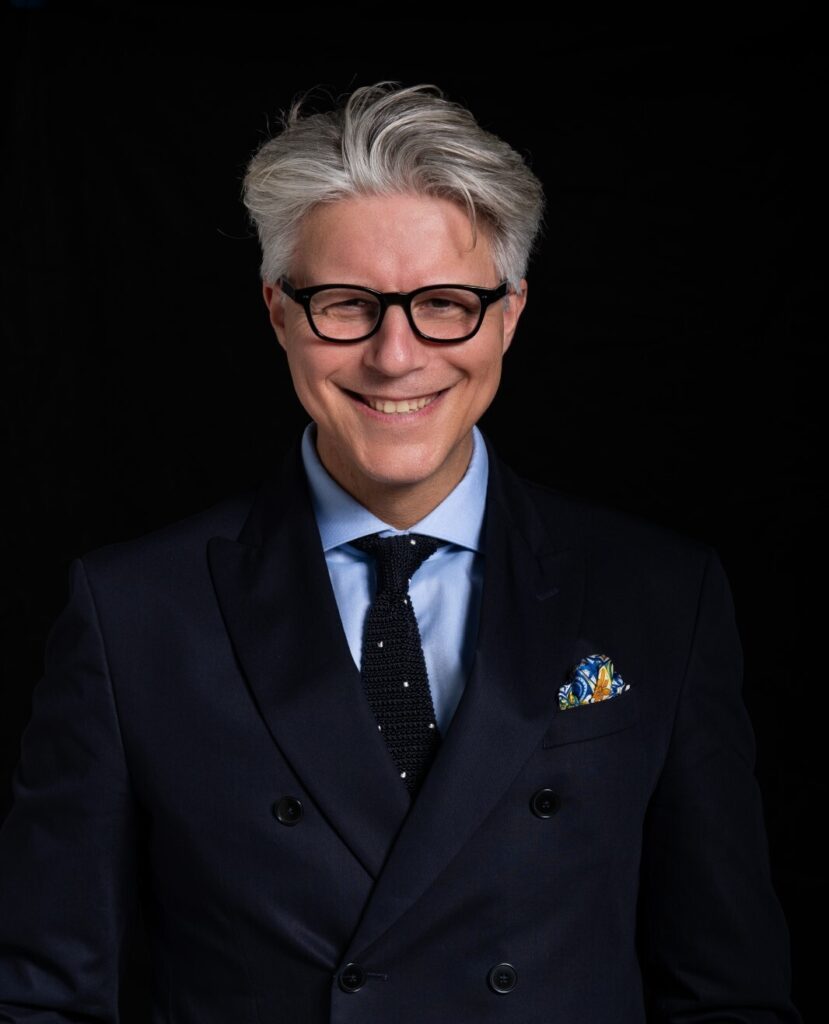
It is from this idea of design that Archi&Interiors’ conversation with Roberta Vecci, International Marketing Director of San Marco Group, takes shape. Entering the vision of Novacolor means questioning what happens long before a finish is chosen: the relationship between matter and light, the construction of colour, texture as a perceptual tool and the gesture of the applicator, who can turn a formulation into a surface that is different every time.
From this perspective, colour does not arrive once the project is complete. It does not simply serve to characterise a space that has already been defined. It changes the perception of distances, acts on volumes, absorbs or returns light and establishes relationships with other materials. It becomes an architectural decision.
And this is precisely where Novacolor’s thinking becomes most compelling: in bringing the surface back to the very origin of the project. No longer the final skin of architecture, but an element that helps shape its identity from the very first choices.
It means replacing the question “which finish shall we choose?” with far deeper ones: what light should inhabit this space? What relationship should exist between the surfaces? How present should matter be? How will colour change at different times of day? It is in this shift that decoration and design stop belonging to separate territories.
With Roberta Vecci, we talked about research and the culture of matter, the relationship between industry and craftsmanship, the role of architects and interior designers and the equally decisive role of applicators. About lime, clay and seamless surfaces; about performance, sustainability and time. Above all, though, about a possibility: beginning to think of architecture not from the form it will take, but from the matter through which it will be perceived.
Interview with Roberta Vecci, Novacolor: matter, colour and the future of surface
Where does the vision of surface as a living part of architecture come from?
For many years, the surface was considered the last step in a project: something that completed an architecture that had already been defined. Today the opposite is true. The surface helps to build the space, changes how it is perceived, interacts with light and influences comfort and even the way people experience an environment. I believe Novacolor’s contemporary character lies precisely in this change of perspective.
We don’t simply produce decorative finishes and three-dimensional coatings, but design tools that allow architects and designers to create atmospheres, identities and emotions through matter.
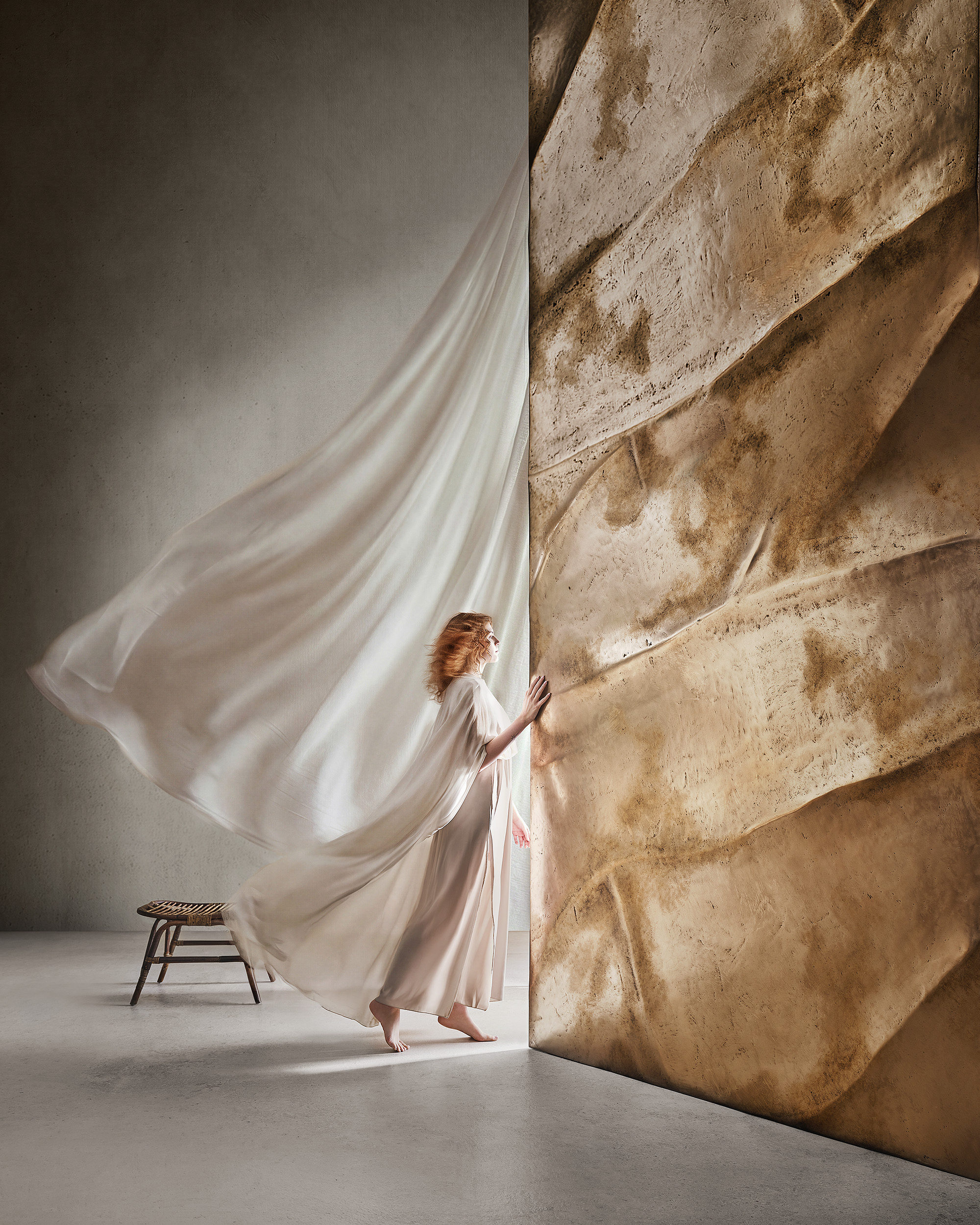
How much has the role of surface in interior design changed?
Radically. Today there are no longer leading elements and a background: walls, floors, ceilings, furniture and light all take part in shaping the experience of a space. The surface has become a design language. Through texture, reflections, depth and continuity, a space can be made to feel larger, more welcoming, quieter, more natural or more sophisticated. It is as much a design material as wood, stone or glass.
How do you tell the story of a material that, above all, asks to be experienced?
Every surface has its own personality, but it only reveals itself in relation to what surrounds it: light, volume, neighbouring materials and even the movement of people. That is why we are wary of the idea that a photograph can tell the whole story of a finish. Images are an invitation, not a demonstration.
Real communication begins when matter is observed up close, touched and experienced in the space for which it was designed.
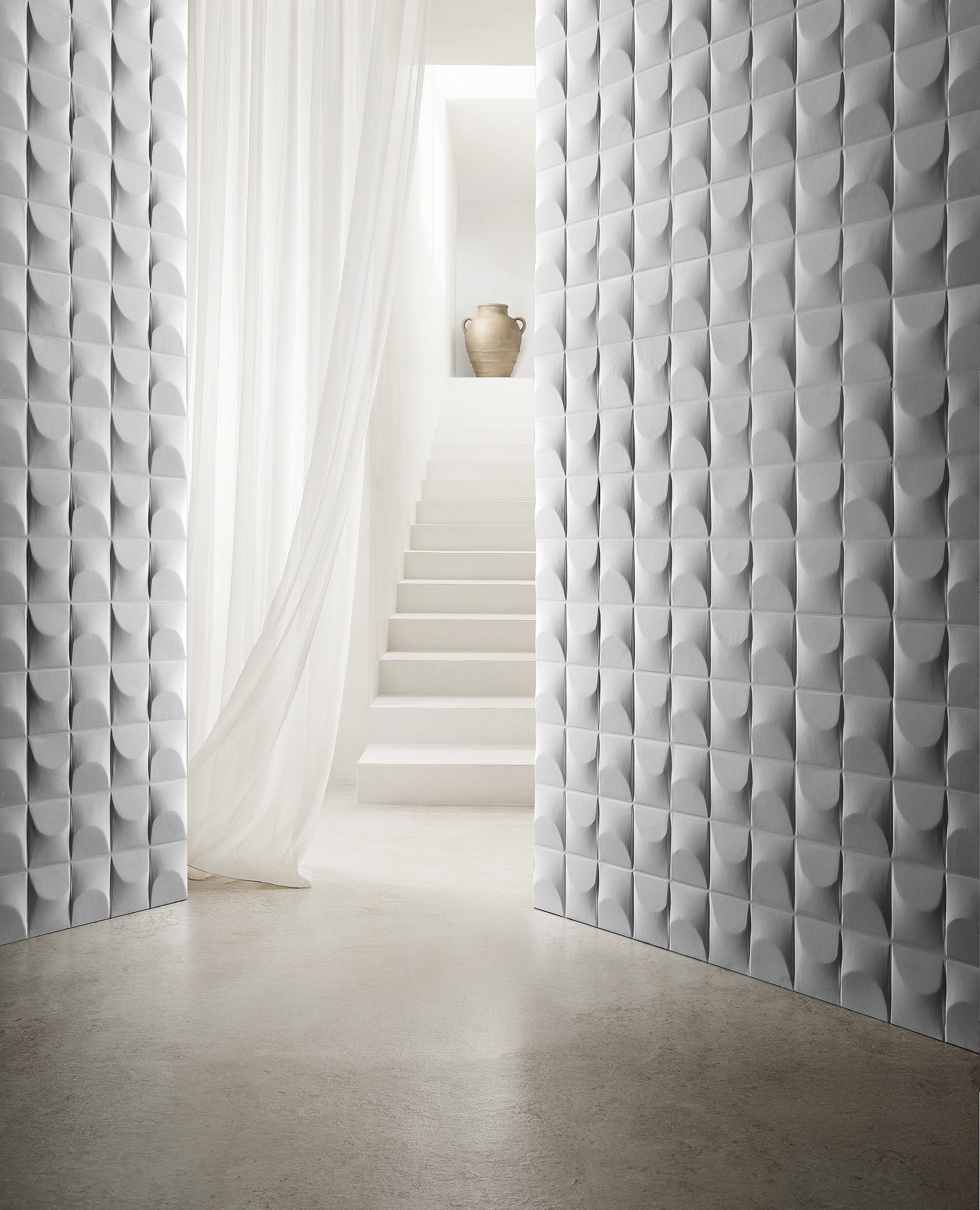
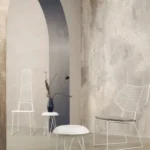
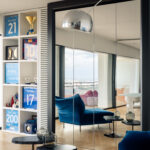
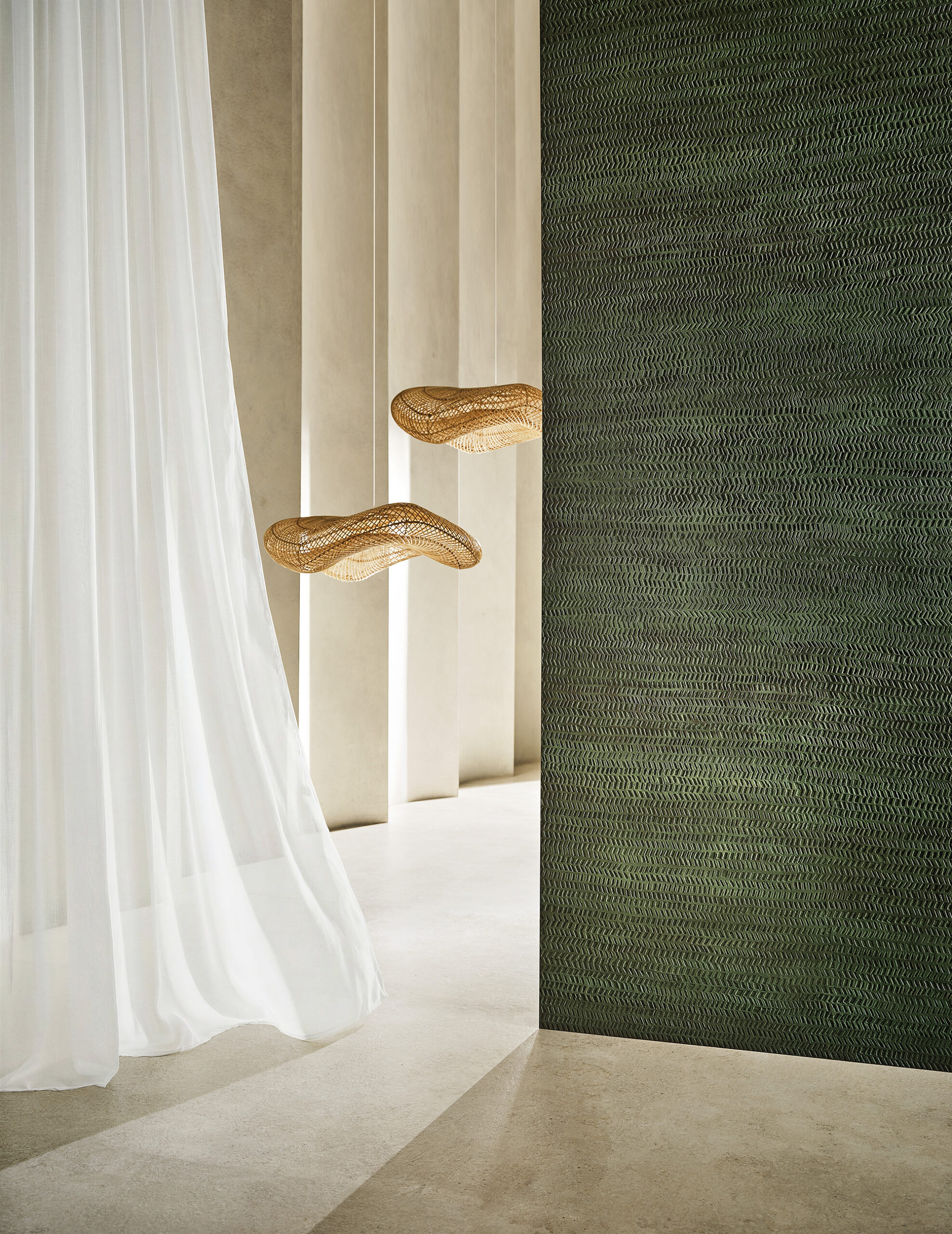
Editorial note. The official presentation of The Light Between identifies Radiance, Interlude and Weave as part of the Signature Collection 2026 and credits the photographs to Matteo Imbriani, with creative direction by Freedot and styling by Studio Salaris.
Research and dialogue with designers
How important is it to also communicate the research that precedes the aesthetic result?
It is essential. Aesthetics are the visible part of much deeper work. Behind every surface lie materials research, formulation studies, sustainability, application tests, compatibility with building sites, durability and indoor air quality. I believe that today true luxury is not just beauty, but awareness in design.
How does Italian identity engage with such different markets?
Italianness is not a style to be exported. It is a way of designing built on a culture of matter, attention to detail and sensitivity to light.
This language is surprisingly universal, because every culture interprets matter differently. We don’t impose an Italian aesthetic: we offer tools that every architect can reinterpret according to their own identity.
What role do designers play in Novacolor’s development today?
An increasingly central one. The best innovations come from listening to designers. They are the ones who tell us how spaces are changing, what the new needs on site are and which performance levels are really required. That is why we see architects and interior designers as research partners, not simply clients.
What are the most interesting requests today?
All those that seek design freedom. People ask for continuity between surfaces, custom colours, natural materials, low thicknesses, air quality, durability and easy maintenance. Above all, however, there is a growing desire for unique, non-standardised surfaces.
When should the surface enter the design process?
Much earlier than it does today. The surface influences light, proportions, the colour of furnishings and even the perceptual comfort of a space. If it is chosen at the end, it becomes a covering. If it comes in from the start, it becomes architecture.
The applicator’s gesture and the birth of a finish
How much does the applicator’s role matter?
It is fundamental. Technology allows us to develop increasingly high-performing materials, but the applicator’s gesture remains irreplaceable. It is the applicator who interprets the project and turns an industrial formulation into a one-of-a-kind surface.
At Novacolor, industrial innovation and artisan culture are not alternatives: they are complementary.
Where does a new finish come from?
There is no rule. Sometimes it starts from a technical need, sometimes from observing contemporary architecture, and sometimes from a natural material that intrigues us. Almost always, however, it starts with a question: “How will spaces change in five or ten years’ time?”
What story does Wall2Floor tell?
It tells of the desire to live in more fluid spaces. People are looking for visual continuity, fewer interruptions and more essential, coherent environments. Wall2Floor is not just a technical system: it represents a new way of conceiving space as a single, continuous surface.
Why has Marmorino KS become a classic?
Because it doesn’t follow a trend. It has a quality that belongs to authentic materials: it ages well.
The surfaces that stand the test of time are not the most eye-catching ones, but those that keep engaging with light and architecture without ever becoming tiresome.
How do you keep material memory from turning into nostalgia?
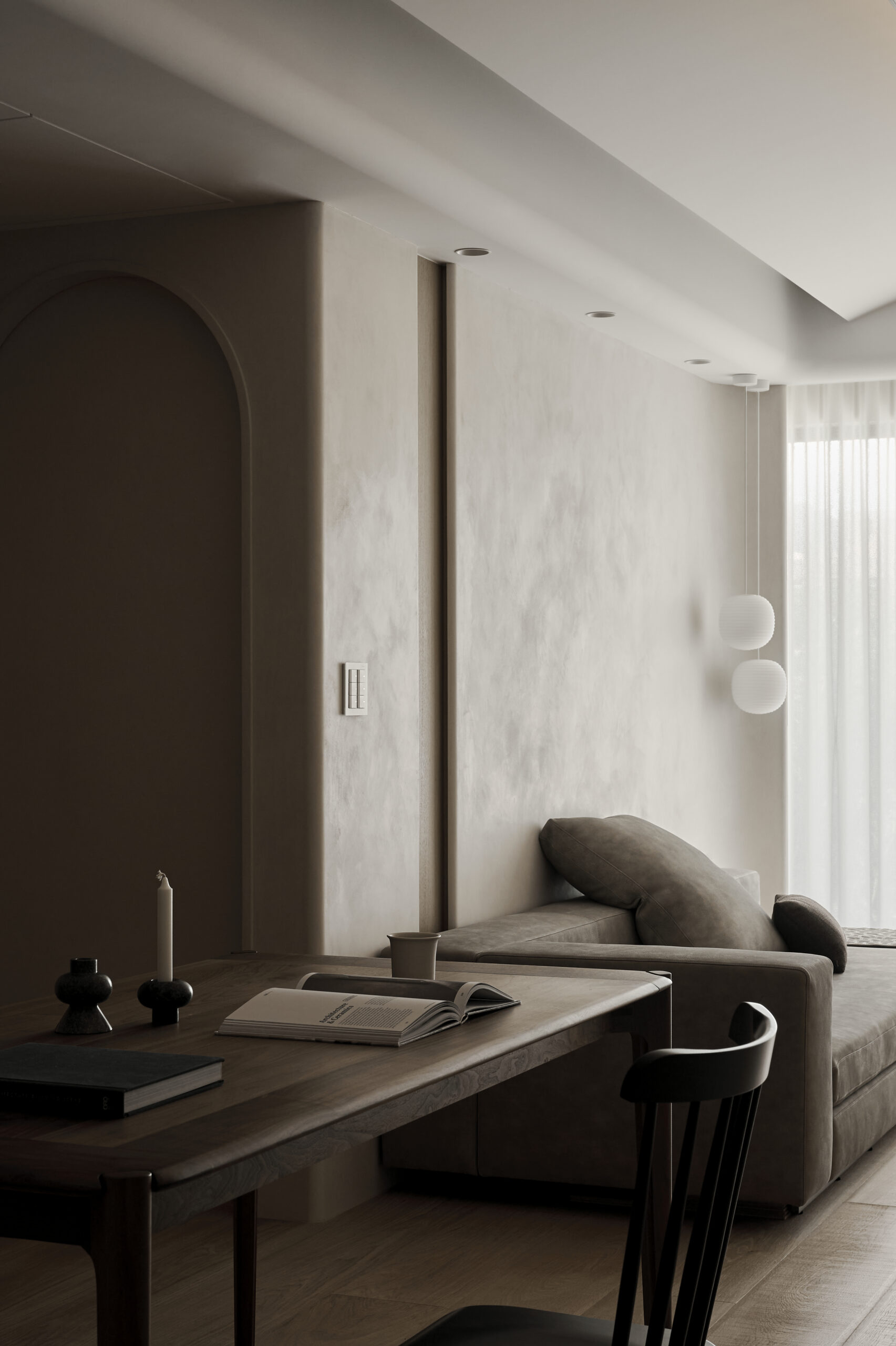
By working on the contemporary. We don’t reproduce the past.
We take ancient materials such as lime, cocciopesto and clay and reinterpret them through contemporary performance, technologies and languages. In this way, tradition becomes innovation.
Light, colour and spatial continuity
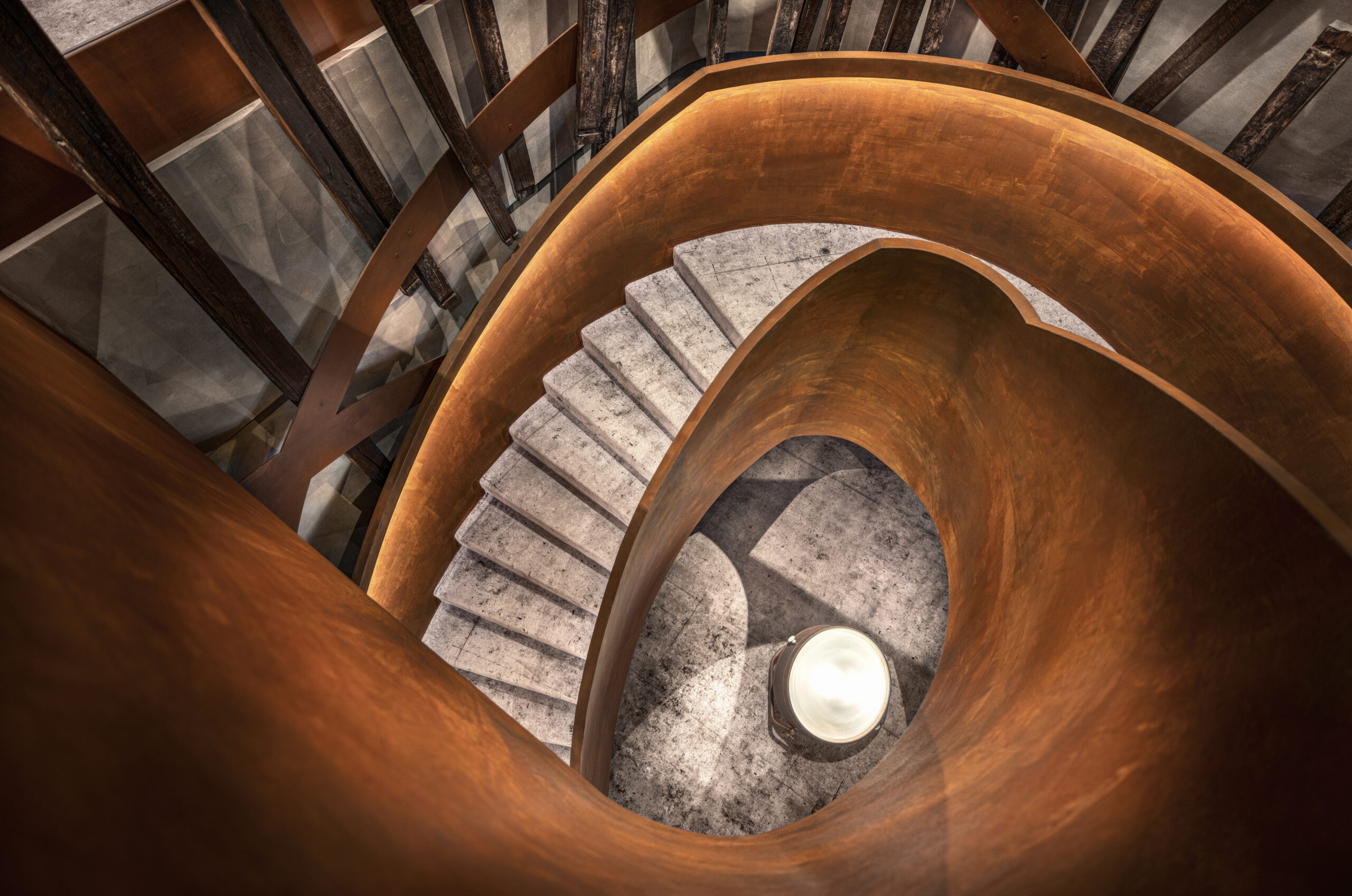
Why copper in the Copper Motion project?
Because copper is alive. It is a material that changes continuously, reacting to its environment, to light and to time. It is precisely this capacity for transformation that interests us, because it makes the surface dynamic, never identical to itself.
Can performance and perception coexist?
They must. For years, the market kept the technical world separate from the aesthetic one. Today design requires both. The contemporary surface must be beautiful, durable, sustainable and easy to use. These are not alternative qualities, but parts of the same project.
Distinguishing vision from performance. The references to comfort and sustainability in these answers do not amount to a general certification of the products. Durability, cleanability, air quality and acoustic results should be referred to specific documents, substrates and application cycles. Our guide to interior paints explains how to read some of these parameters.
How is the relationship between inside and outside changing?
The boundary is almost disappearing. Contemporary architecture seeks continuity between building and landscape. Surfaces are following this evolution too, becoming tools that can carry the project beyond the limit of the façade.
How do you design colour?
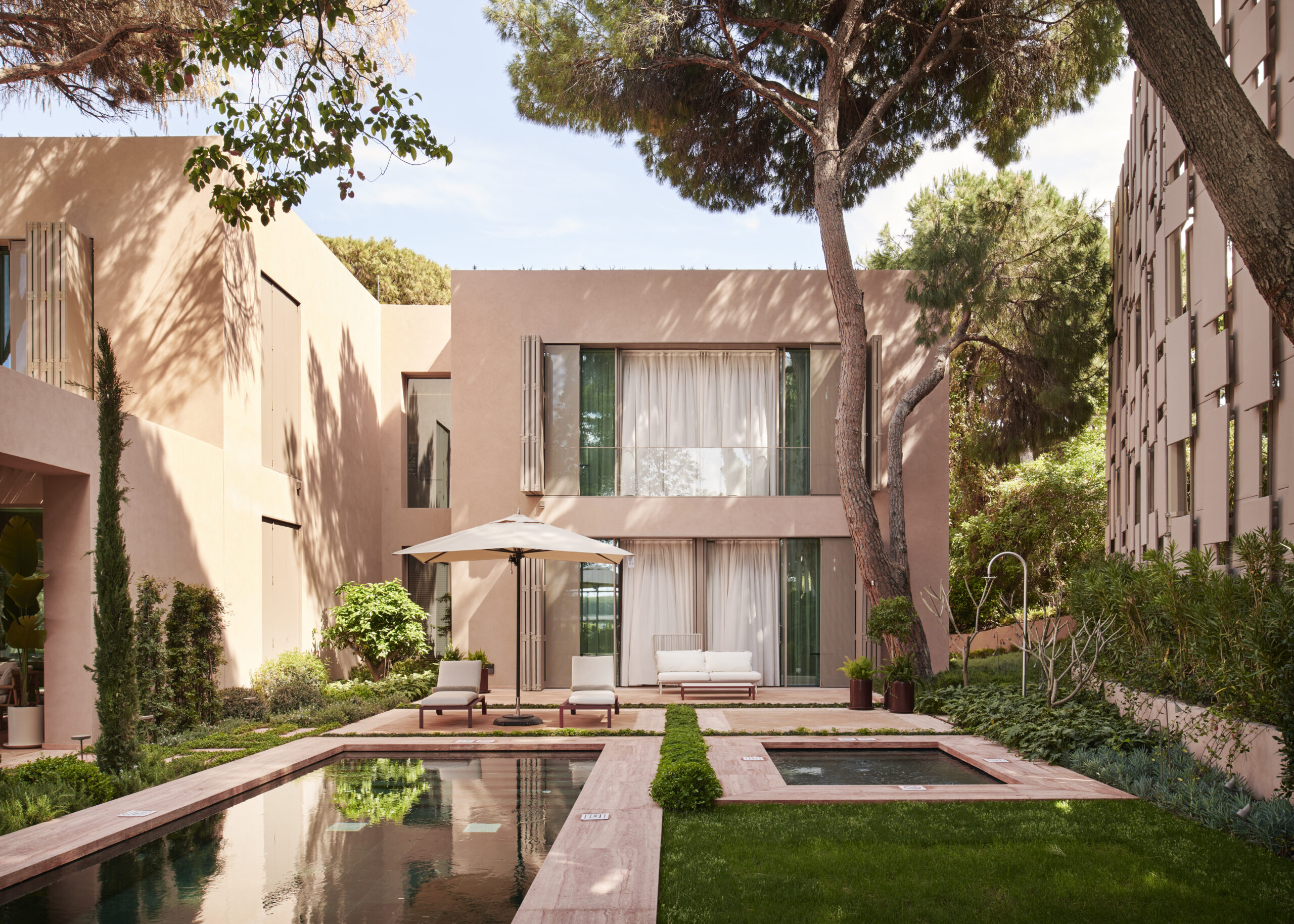
Colour is never independent of matter. The same shade changes completely on a smooth, mineral, matt or metallic surface. That is why we always design matter, texture, light and colour together. They are four inseparable elements.
Sustainability and outlook
How can sustainability be made useful?
Through verifiable data. Environmental certifications, indoor air quality, biomass, LCA, EPD and transparency become concrete tools that help designers and clients make informed decisions. Sustainability is only credible when it can be measured.
Which product best represents Novacolor?
Probably CalceCruda, because it sums up many of the values that represent us: natural matter, contemporary research, indoor air quality, sophisticated aesthetics and the ability to engage with architecture.
If I had to name a perhaps less celebrated product, I would say Archi+ Argilla. I believe it perfectly represents the return of clay as a material of the future, not of the past.
What is underestimated about your work?
Time. Behind a new surface there are months, often years, of research, application trials, discussions with craftspeople, mistakes, changes and tests. The simplicity you see at the end is almost always the result of an invisible complexity.
It is 2036. How do you imagine Novacolor?
I would like Novacolor to be recognised not simply as a manufacturer of surfaces, but as a point of reference for the culture of surface.
I would like architects and interior designers to begin their projects by thinking first about matter, then about colour and finally about form, because surface is not what covers architecture: it is what makes it perceptible.
And I would like all of us to learn to see walls not as neutral backdrops, but as living elements, able to influence well-being, light, emotions and the very way we inhabit spaces.
When colour comes first
Perhaps the question is no longer which colour to choose for a space. It is how much space can be born from a colour.
It is a subtle distinction, yet it changes everything. It means no longer thinking of the surface as the final skin of architecture and starting to regard it as one of its original conditions: something that precedes atmosphere, directs light, alters distances, suggests a temperature and determines how a volume will be perceived.
The conversation with Roberta Vecci leads precisely here: to a project in which matter, texture and colour do not arrive when everything has already been decided, but take part in the decision. And perhaps the most interesting provocation Novacolor leaves us with is exactly this: the most important colour in a project may be the one chosen before we even know what the space will look like.