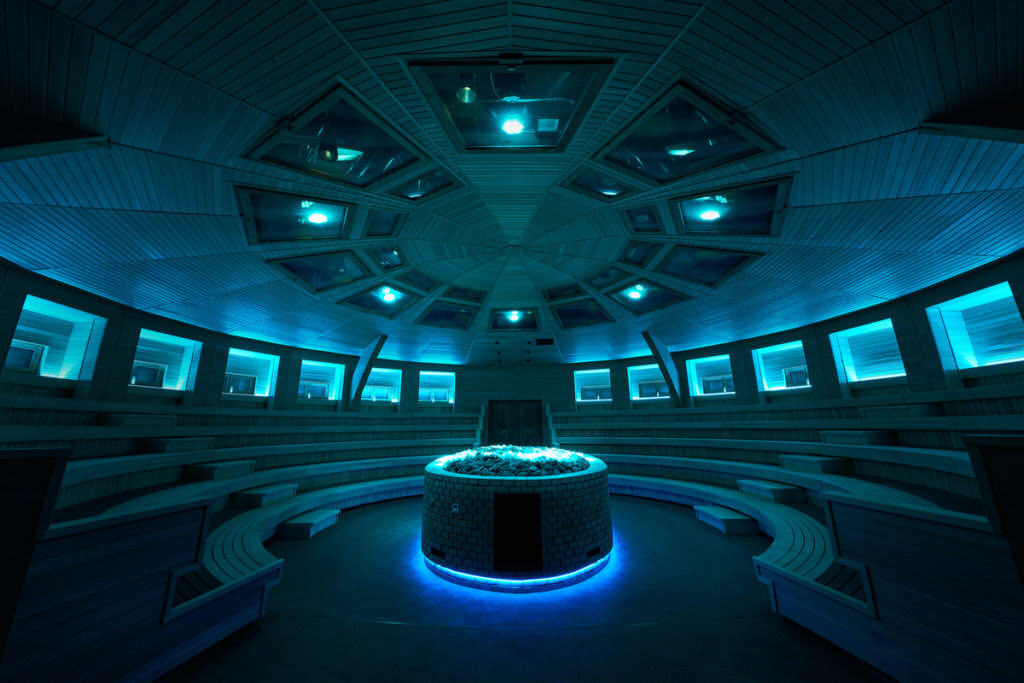
The idea of turning home into a place where you truly feel good has changed the way we furnish our spaces quite a lot in recent years. Today the home is no longer seen merely as somewhere to eat and sleep at the end of the day, but as a private retreat where you can …
The idea of turning home into a place where you truly feel good has changed the way we furnish our spaces quite a lot in recent years. Today the home is no longer seen merely as somewhere to eat and sleep at the end of the day, but as a private retreat where you can unplug and recharge.
Carving out even a small space to read, listen to music or simply be at peace is a great way to take care of yourself without major upheavals. To set up a corner of the house that really works, choosing the right pieces makes all the difference: for example, if you choose the best massage chairs, you can create a small relaxation corner at home devoted to physical relief and everyday breaks, right in your living room.
Finding the ideal spot for your relaxation corner and making the most of light and materials
Designing a dedicated relaxation corner starts with one fundamental choice: finding the right place in the house to set it up.
You do not need generous square footage or an entire room: often it is enough to make use of an unused nook in the living room, a bright end of the bedroom or a well-sheltered sunroom. What really matters is visual and acoustic privacy, essential for switching off from the rest of the household’s comings and goings.
Natural light plays a key role and should be filtered through soft linen or cotton curtains to create a hushed atmosphere that is never too glaring. In the evening, dimmable lights or adjustable floor lamps with warm light are the better choice.
The choice of materials also plays a decisive sensory role: natural wood for small accent pieces, combined with warm fabrics, deep-pile rugs and organic-fiber cushions, helps amplify the sense of warmth and welcome.
Choosing furniture and accessories that put comfort first
Once the overall setting of the space is defined, attention shifts to selecting the furnishings that will make up the corner.
The main seat is without doubt the focal point of the whole composition and should be chosen with great attention to its shape and the functions it offers; consider a massage option to make relaxing even easier. Next to it, it is very useful to have a side table of the right height, handy for a book, a cup of herbal tea or an essential-oil diffuser.
Greenery in the form of broad-leaved houseplants not only helps purify the air but also adds a soothing touch of color that reconnects the home with nature. To complete the sensory experience, acoustics also matter: a thick rug or a small sound-absorbing panel behind the seat helps dampen echoes and background noise from other parts of the house.
Why ergonomics and quality matter when choosing seating
When furnishing a space meant for health and rest, aesthetics should never be separated from rigorous ergonomic criteria. A chair that looks beautiful but is posturally incorrect ends up undoing the relaxing effect of your break, causing muscle tension in the neck or lower back.
Investing in furniture made from high-quality materials, designed to follow the natural curve of the spine and fitted with high-density padding, ensures correct, effective support over time.
Adjustable reclining mechanisms, built-in footrests and breathable upholstery are essential technical details that make the difference between a simple chair and a genuine personal wellness device.
Personal touches that transform the atmosphere of the space
Beyond the structural elements and the seating itself, what really shapes the experience are the small finishing details that reflect the habits of the people who live in the home.
Adding a sound system for ambient music, keeping a soft wool throw on hand for the winter months or setting aside a spot for scented candles helps engage all the senses in a balanced way.
The ultimate goal is to build a coherent micro-environment, where visual order and clean lines help the mind let go of thoughts about work or daily commitments. Taking care over every detail turns a simple corner of the house into a valuable resource for your everyday wellbeing, to enjoy and rediscover day after day.