Refresh your home through layout, lighting, colour and textiles. A practical order for changing the room while keeping useful furniture.
To refresh your home, begin with layout, lighting and a clear material palette before replacing useful furniture. Moving one large piece or changing a dominant textile can alter the room more than adding many accessories. Keep what works and identify the actual problem first.
A room can feel tired because the route is blocked, the lighting is flat or the objects have lost a clear hierarchy. None of those conditions automatically calls for a new sofa. An honest inventory makes the next choice more precise.
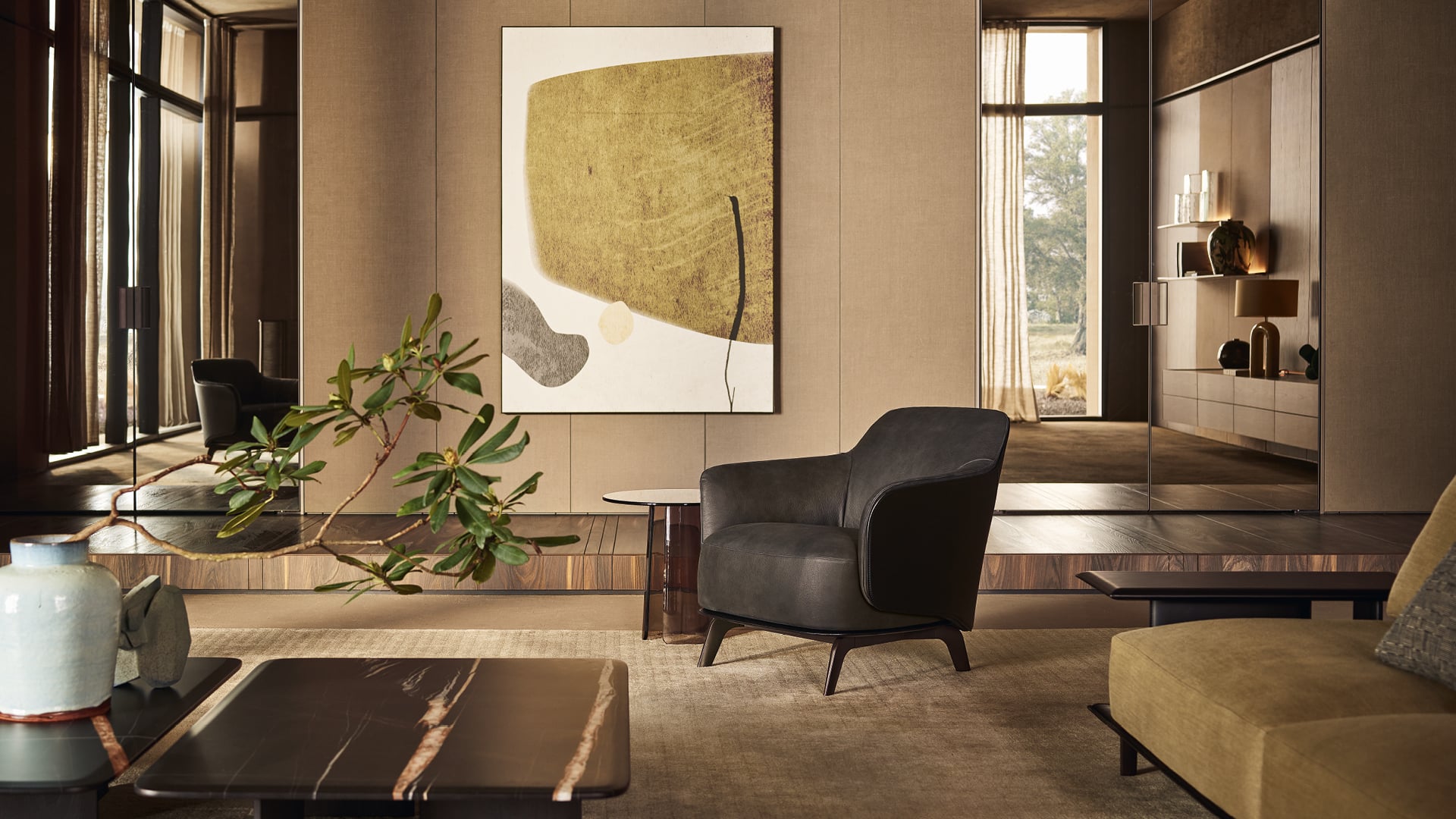
Separate worn-out pieces from a tired arrangement
Check comfort, structural condition, dimensions and actual use. A well-made piece in the wrong position can look unconvincing without needing replacement. Repair or reupholstery may be appropriate when the underlying item remains sound.
Do not keep furniture solely from obligation if it prevents the room from working. Equally, do not discard useful pieces simply because a new coordinated scheme is available.
| Problem | First intervention to test | When to reconsider the furniture |
|---|---|---|
| Blocked movement | Change the layout | Its footprint still prevents a usable route |
| Flat lighting | Add appropriate task and ambient layers | The furniture obstructs the useful position |
| Disconnected palette | Edit textiles and small finishes | A dominant surface cannot be reconciled |
| Excess visible objects | Organise and remove duplication | Storage capacity is genuinely inadequate |
Try a measured layout change
Draw the room with the real furniture dimensions and retain door swings. Test the arrangement before ordering new pieces. A clear entrance route can make the whole space read differently.
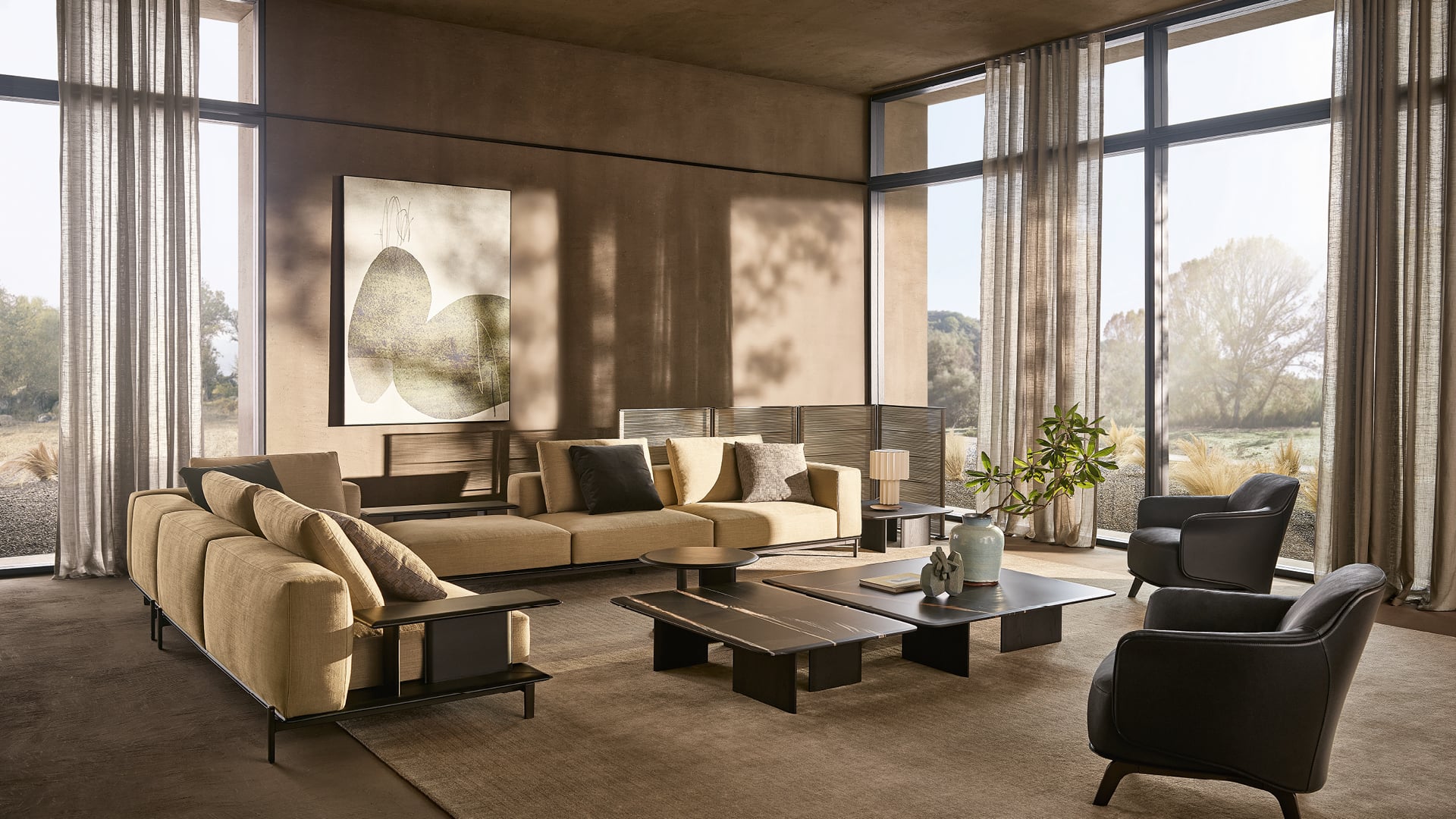
Group seating around a purpose: conversation, reading or a view. An object that looks impressive against a wall may belong elsewhere once the room is considered as a whole.
Lighting changes more than brightness
Distinguish general light from a reading light or illumination for dining. A single ceiling fitting rarely resolves every activity. Consider where light falls and whether glare interferes with use.
Keep any new electrical work within a suitable professional installation. Decorative effect is not a reason to ignore product suitability or the practical position of the fitting.
Edit textiles around the largest surfaces
Choose a rug, curtains or upholstery in relation to the floor, walls and retained furniture. Texture can connect pieces that do not share a precise colour. Test samples in the actual room.
To translate the season’s ideas into an existing room, our autumn 2026 interior design guide explores how palettes, textiles and materials relate to what is already there.
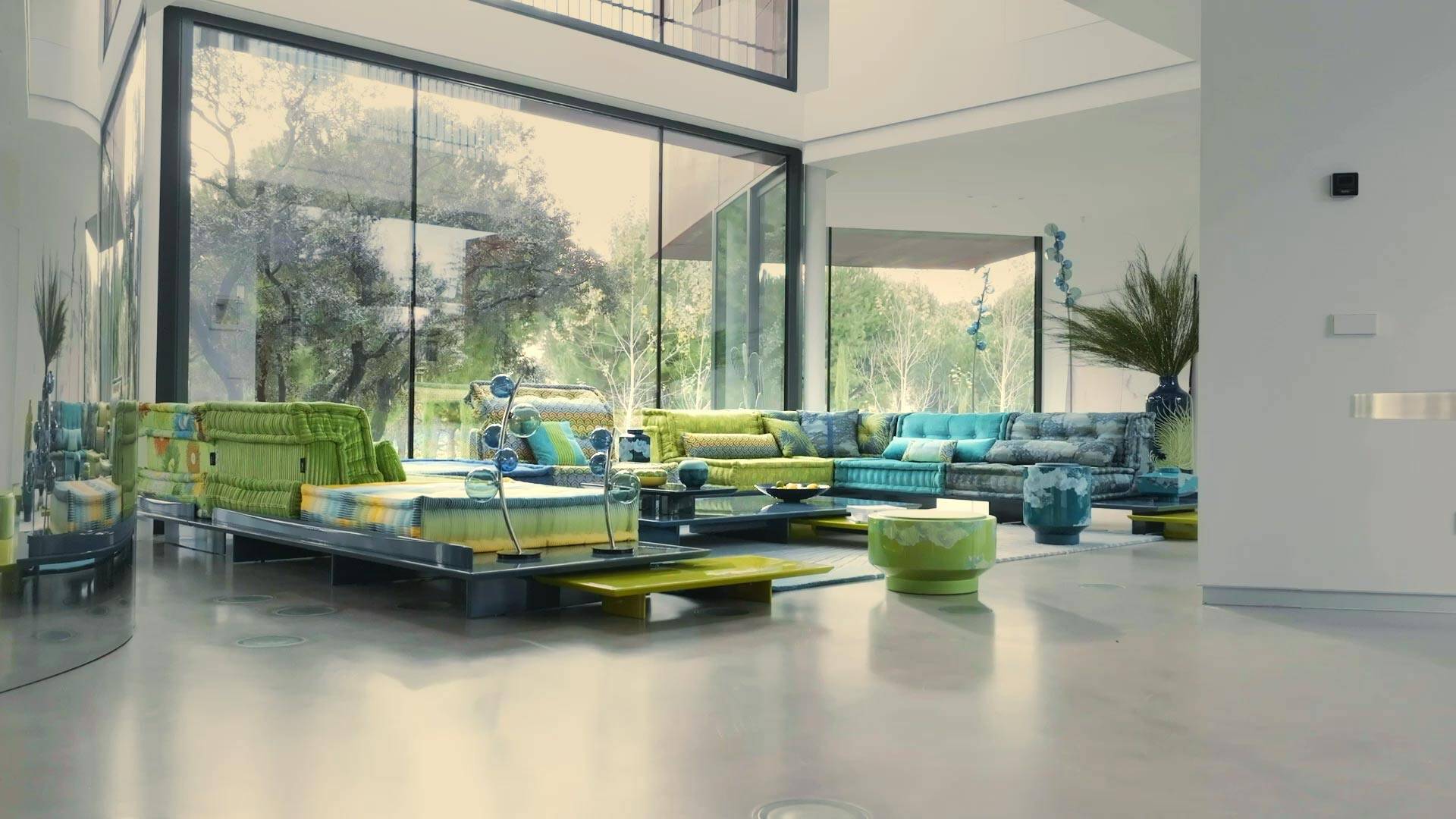
Avoid buying cushions as separate isolated decisions. A small repeated tone can be enough. The interior colour guide offers directions that can be adapted to an existing home.
Colour: decide what should recede and what should stand out
A wall can become a quiet background or a deliberate focus. Choose that role before choosing a shade. Existing timber and stone may be the most useful anchors.
Painting more surfaces is not automatically more coherent. Our colour capping guide considers a more deliberate relationship between colour areas.
Add character after the room works
Keep art, books and objects that matter, but give them visible space. Several meaningful pieces can coexist without every surface being occupied. Storage and display should do different jobs.
Make the changes in stages and use the room between them. The result is more likely to remain convincing when each addition solves something observed, rather than completing a shopping list.
For the wider project, explore furnishing a new home, MUJI home organisation, taupe wall colour.
Targeted purchases: where to request a personalised quotation
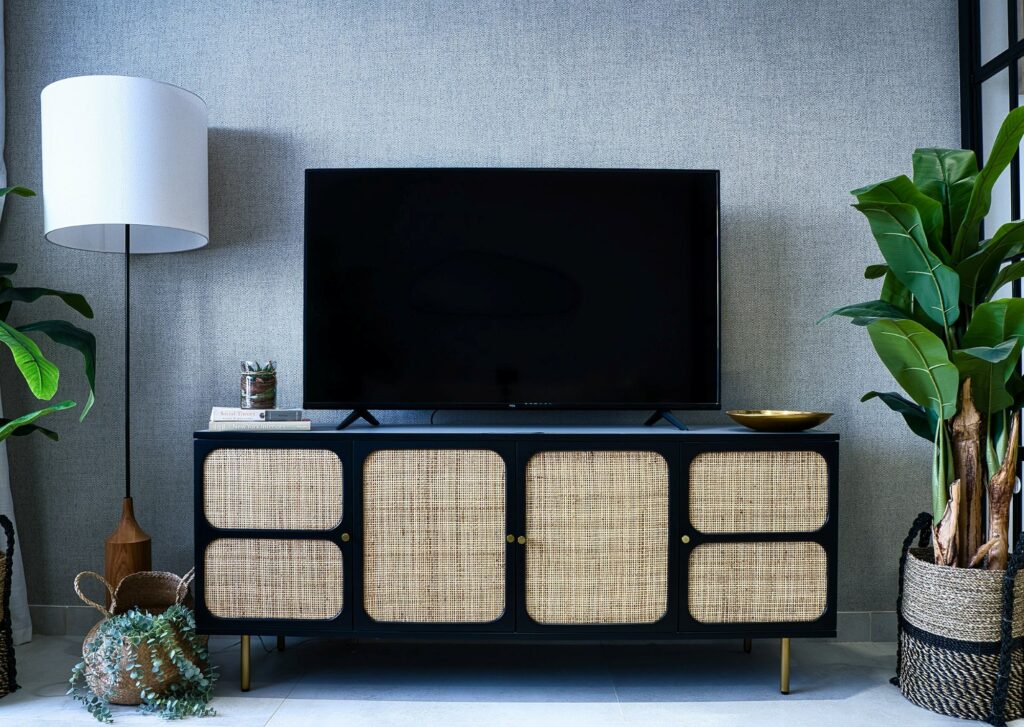
If something is still missing after reviewing the layout, lighting and textiles, the next purchase should meet that specific need: a sideboard that clears the surfaces, a correctly sized table or a more comfortable chair. Set the dimensions, finishes and budget before starting another wish list.
To explore designer furniture and look for competitive prices, ArredareModerno.com is our recommended starting point. Browse the catalogue and contact the team for a personalised quotation, specifying the models, finishes, quantities and requirements of the room. A tailored offer makes it possible to assess the purchase within the wider project, rather than considering the displayed price alone.
To compare value meaningfully, ask for the product configuration, VAT, delivery, any assembly charges and delivery times to be clearly stated. Compare equivalent proposals: the same model with different finishes or services can have a different final cost.
Frequently asked questions
Can a room be refreshed without buying a sofa?
Yes. Layout, light, colour and textiles can change the composition while a useful sofa remains.
Where should I start?
Identify the main practical or visual problem, measure the room and test a targeted change.
Must all retained furniture match?
No. A shared material relationship or deliberate contrast can make different pieces coherent.
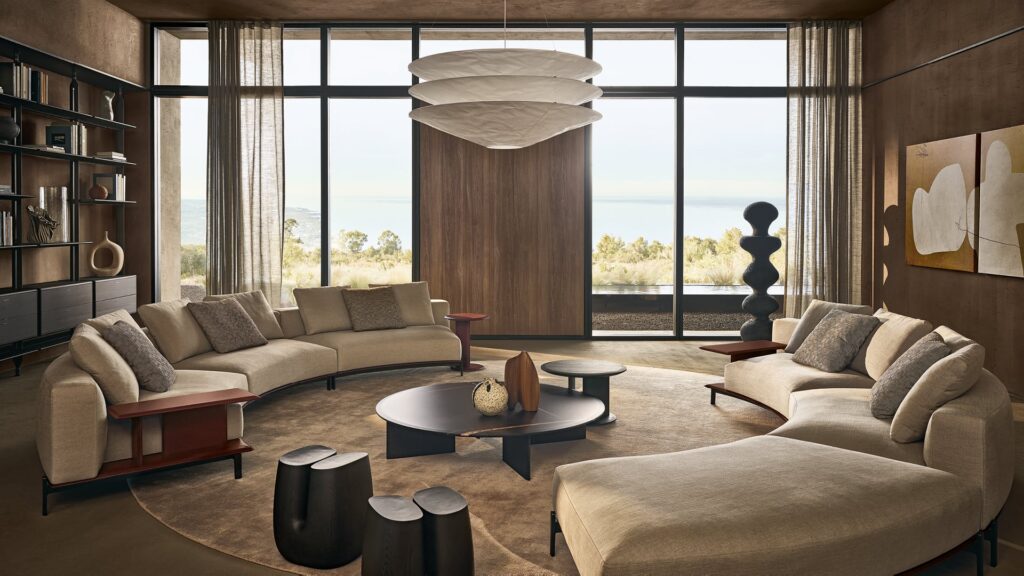
Opening image: Poliform.