2026, for those who look at hospitality with the eyes of a designer, is the year in which a paradigm shift is consolidated: the hotel stops being a "well decorated" container and returns to being a complete architectural device, where restoration, matter, light and landscape work together. In other words: a photogenic, " instagrammable " …
2026, for those who look at hospitality with the eyes of a designer, is the year in which a paradigm shift is consolidated: the hotel stops being a “well decorated” container and returns to being a complete architectural device, where restoration, matter, light and landscape work together. In other words: a photogenic, “ instagrammable ” interior is no longer enough. More and more, what counts is the coherence of the story, the quality of the recovery, the precision of the construction details, the ability to make complex spaces function (rooms, common areas, wellness, catering) without losing identity.
In this new wave, two strands often intersect. The first is the reuse of historic buildings : urban buildings, former monasteries, architecture “heavy” with memories that are brought back to life without transforming into scenography. The second is the search for a contemporary form of well-being : no longer just spas and treatments, but programs, rituals, quality of air and materials, dialogue with nature, silence as a design element. The word “luxury” here changes meaning: it is less ostentation and more control of space.
Italy: 2026 as a laboratory (Venice, Florence, Rome) for new design hotel openings
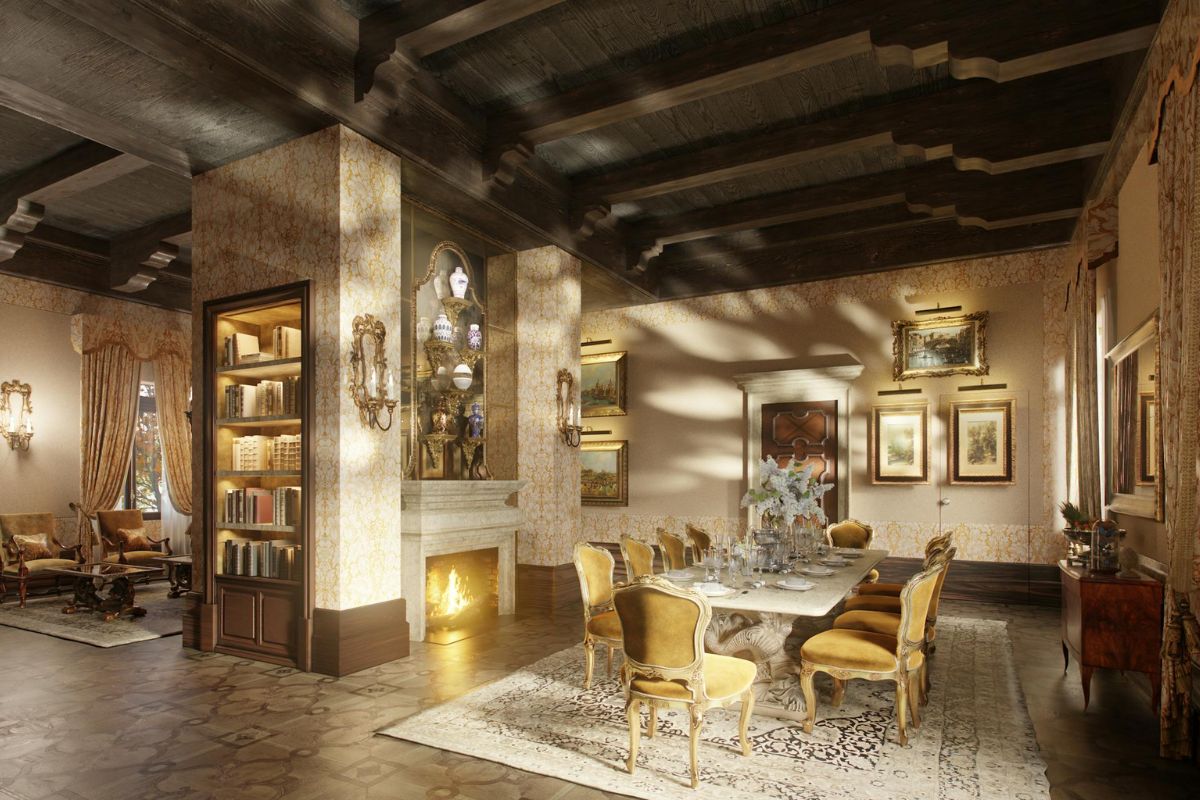
In Italy the movement is evident because it coincides with an important theme: how to intervene on already perfect contexts without trivializing them. Venice, Florence and Rome are cities where the setting risks devouring the project. Yet, it is precisely here that we see some of the most interesting interventions because they require discipline: measurement, stratification, respect for scale.
Venice returns to the center with a highly anticipated debut that shifts the center of gravity to an idea of “theatrical” elegance, but constructed with rigor. The Airelles Palladio , announced to open in April 2026, works on an image of hospitality that does not seek neutrality: it wants to be recognisable, with a precise direction of the experience. Alongside, the city continues to attract projects that use heritage as living material and not as a citation.
Moving to Tuscany , 2026 seems written for those who love projects in which restoration becomes a contemporary act. The reopening of Villa San Michele (Belmond), on the hills of Fiesole, is an example of how you can intervene on an icon by working on craftsmanship, local identity and completely rethought interiors. The announced date – the end of April 2026 – makes it clear that this is not a simple “refresh”, but a phase transition.
Still in the Florentine area, 2026 brings new openings that tell two different ways of understanding urban luxury. Borgo Pignano Florence presents itself as a green and intimate micro-world, hospitality “a short distance” from the historic center but with a planned idea of ??quiet, almost like a secret garden. The opening is scheduled for summer 2026. A few months earlier, in June 2026, the opening of La Réserve Firenze is scheduled, which brings a recognizable aesthetic figure to the city, inside a historic building: an operation that is interesting because it works on the density of the context without trying to “lighten” it in an artificial way.
In Rome , hospitality moves differently: here the project is also an urban statement.The arrival of Experimental Roma , with opening announced for summer 2026, brings an idea of ??the hotel as a contemporary set: a place with a strong direction, where interiors and atmosphere become part of the experience of the city. In the same period, Corinthia Rome entered the scene with a recovery operation of a historic building in the heart of the capital and a “grand boutique” positioning: a format which, if done well, can be interesting because it requires a balance between monumentality and intimacy. Reservations are indicated starting from February 2026. And then there is an important signal for the city: the arrival of the first Hyatt Regency in Italy, with Hyatt Regency Rome Central scheduled for the first half of 2026, which focuses on the contemporary dimension of urban hospitality (large public spaces, rooftops as an extension of the city, multifunctional offer).
New design hotel openings in 2026 in the rest of the world: hyper-urban cities and new travel rituals
Outside Europe, 2026 shows two directions that complement each other. On the one hand, the hyper-urban city, where the hotel becomes an infrastructure (wellness, catering, rooftop, community). On the other, projects linked to slower rituals: retreats, extreme landscapes, hospitality as a form of care.
In Japan, Capella Kyoto is announced for spring 2026 and is also interesting for the history of the site: an intervention that speaks of cultural continuity and how hospitality can be done without erasing urban memory. In Tokyo, the arrival of 1 Hotel Tokyo (Akasaka) in 2026 brings a “biophilic” and sustainable model in a high-density context: here the idea is to bring nature and well-being vertically, into a metropolis that demands efficiency.
Design hotels: new openings in 2026 not to be missed
Airelles Palladio Venice
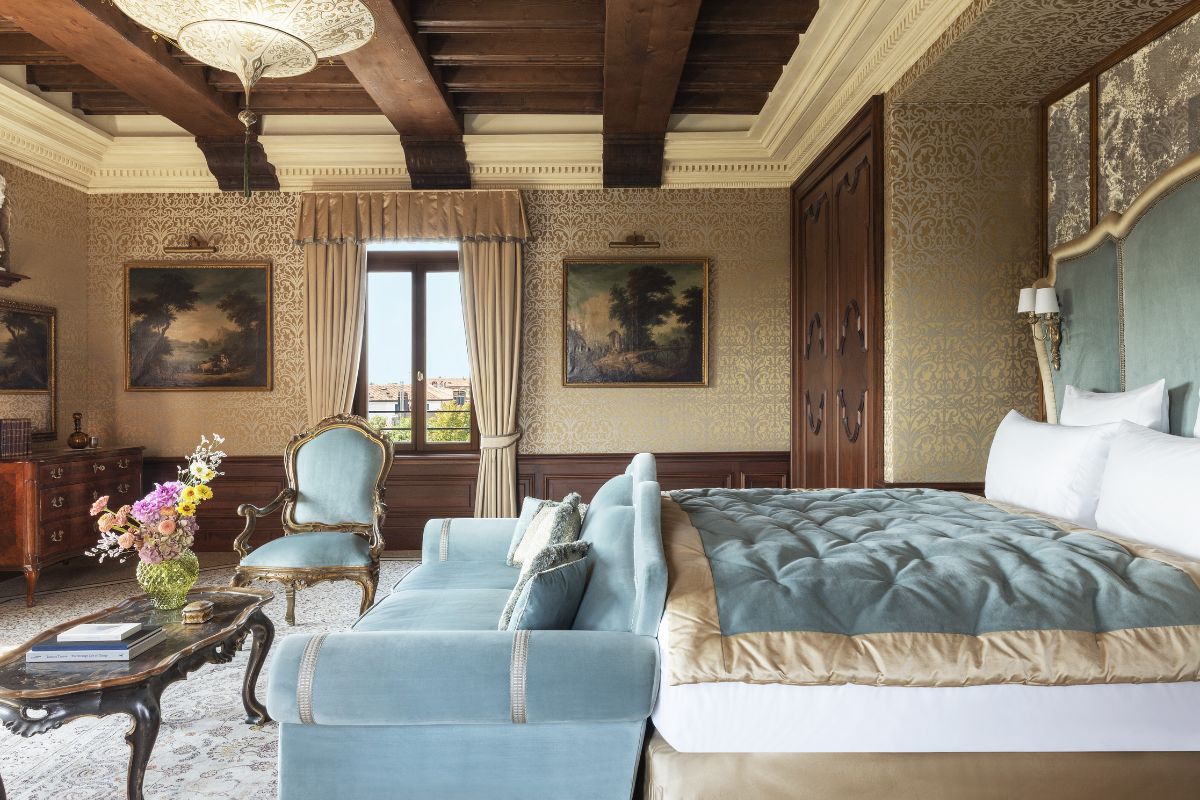
1 April 2026 marks the arrival of Airelles in Italy with an opening that heads straight to the heart of the Lagoon. Airelles Palladio Venice overlooks the San Marco basin , on the island of Giudecca , and takes shape inside three historic sixteenth-century buildings , surrounded by approximately one hectare of private gardens : a rare element in Venice, capable of move the experience from the idea of a “palace” to that of a green, protected and silent retreat.
The restoration project works on the existing heritage with a delicate balance: respect for the architectural structure and, at the same time, a contemporary direction of the spaces and services, designed to make high-level hospitality work without distorting the character of the place. The gastronomic offer is divided into three restaurants , with a club and a bar dedicated to Venetian cicchetti , flanked by other bar points calibrated to the different moments of the day. To complete the picture, a spa with a wellness center announced as the largest in the city , for an experience that combines heritage and well-being in a structured way.
Where: Airelles Palladio Venice, Fondamenta Zitelle 33 , Venice.
Villa San Michele, Fiesole (reopening 28 April 2026)
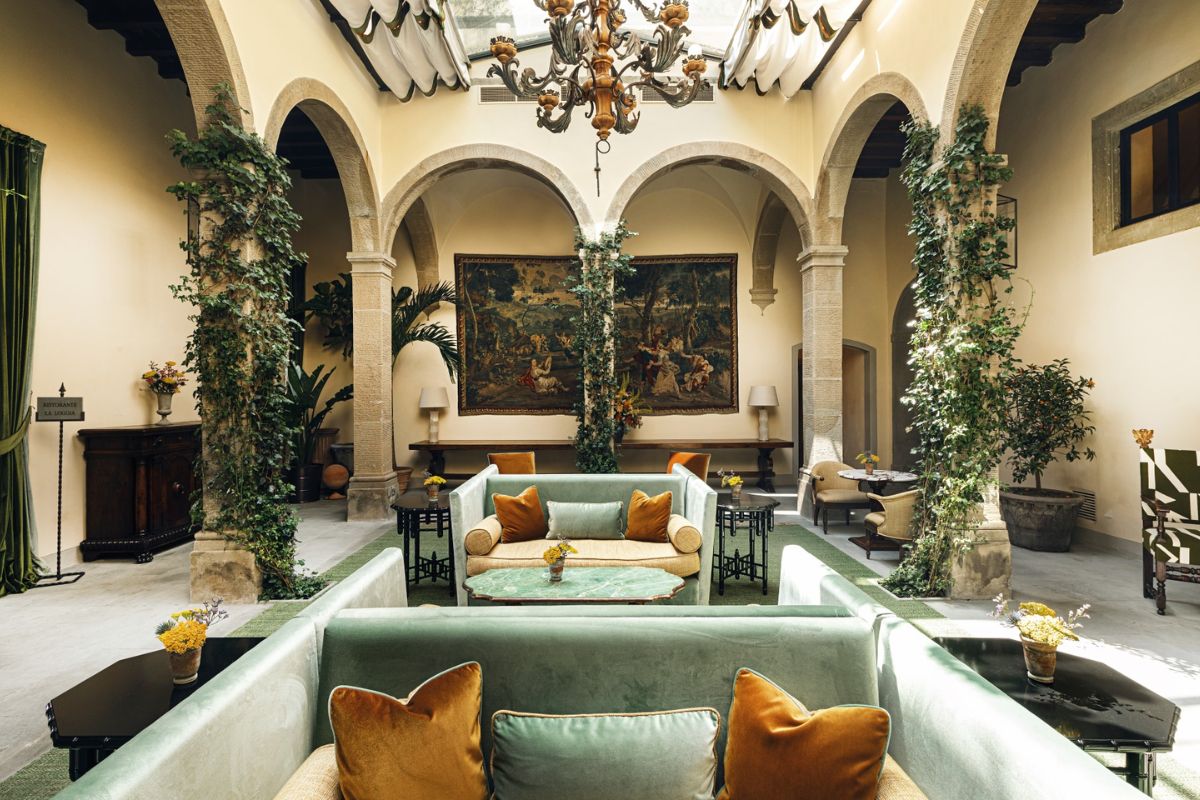
Villa San Michele returnson stage after 18 months of restoration as a case study of hospitality school “at altitude”: not a simple hotel, but a device that works on landscape, perspective and time . The former 15th century monastery reopens with 39 rooms and suites , redesigned with an approach that puts Tuscan craftsmanship at the center and a continuous dialogue with the context: here the interior cannot be self-referential, it must accompany the view and not compete with it.
The interiors are designed by Luigi Fragola Architects , while the terraced gardens are reinterpreted by Luca Ghezzi Garden Design : an interesting combination because, in such stratified places, success often lies in the continuity between the sequence of spaces and the quality of the greenery. To complete the project, the Villa San Michele Spa by Guerlain , also designed to extend the season and make the structure livable all year round, and the gastronomic proposal led by executive chef Alessandro Cozzolino .
Where: Villa San Michele, Via Doccia 4, Fiesole (Florence)
Borgo Pignano Florence, Florence (opening spring 2026)
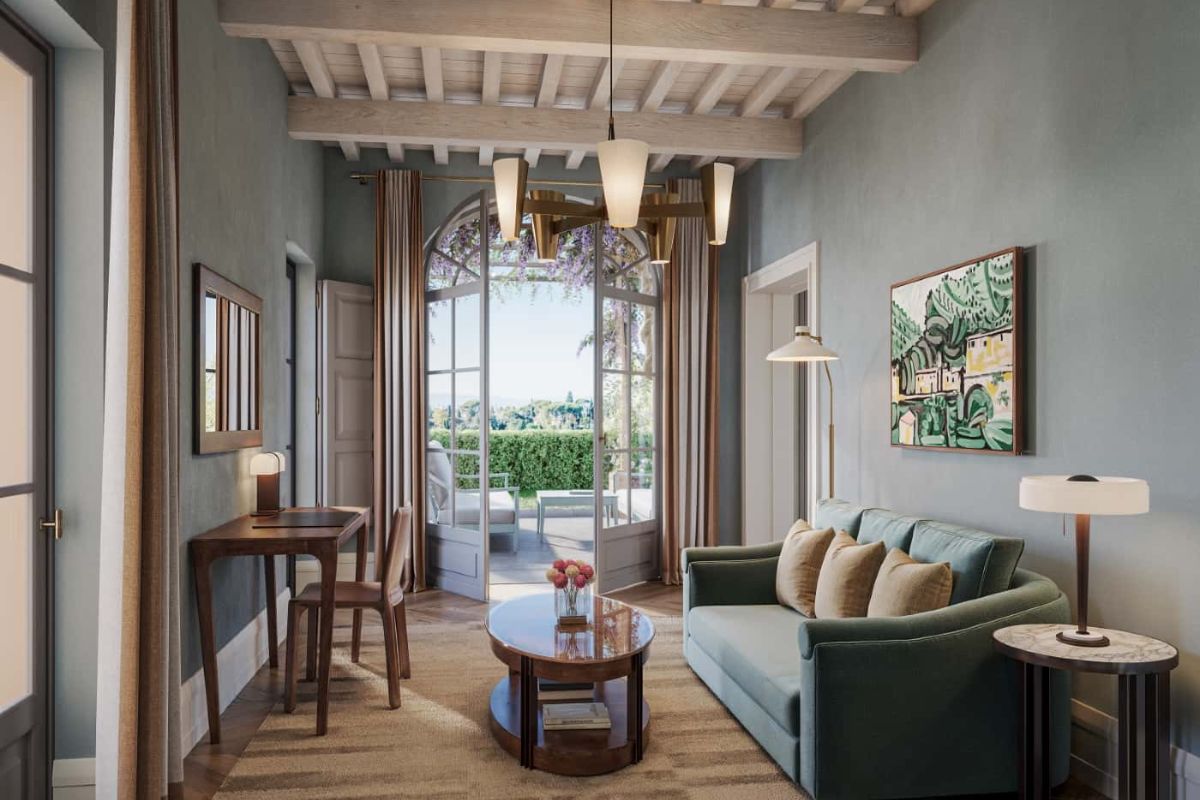
Here the theme is not “proximity to the centre”, but the construction of a planned quietness : Borgo Pignano Florence was born a few minutes from the city, but establishes itself as a contemporary micro-town surrounded by greenery. The complex is spread over five hectares of private gardens and eleven historic buildings , with a layout that evokes a village and not a single palace. The 32 rooms and suites are distributed across multiple structures, a choice that greatly influences the perception of hospitality: more fragmented, more intimate, less “classic hotel”.
The language is openly material and sartorial: custom-made furnishings, handcrafted fabrics, marble bathrooms, views that make the garden an integral part of the experience. The catering, entrusted to the starred chef Stefano Cavallini , works on the supply chain (organic products from the estate) and on spaces that also open up to the city: a non-trivial element, because it moves the project from a closed destination to a place with a more porous urban relationship.
Where: Borgo Pignano, Via Bolognese 89, Florence
La Réserve Firenze (opening June 2026)
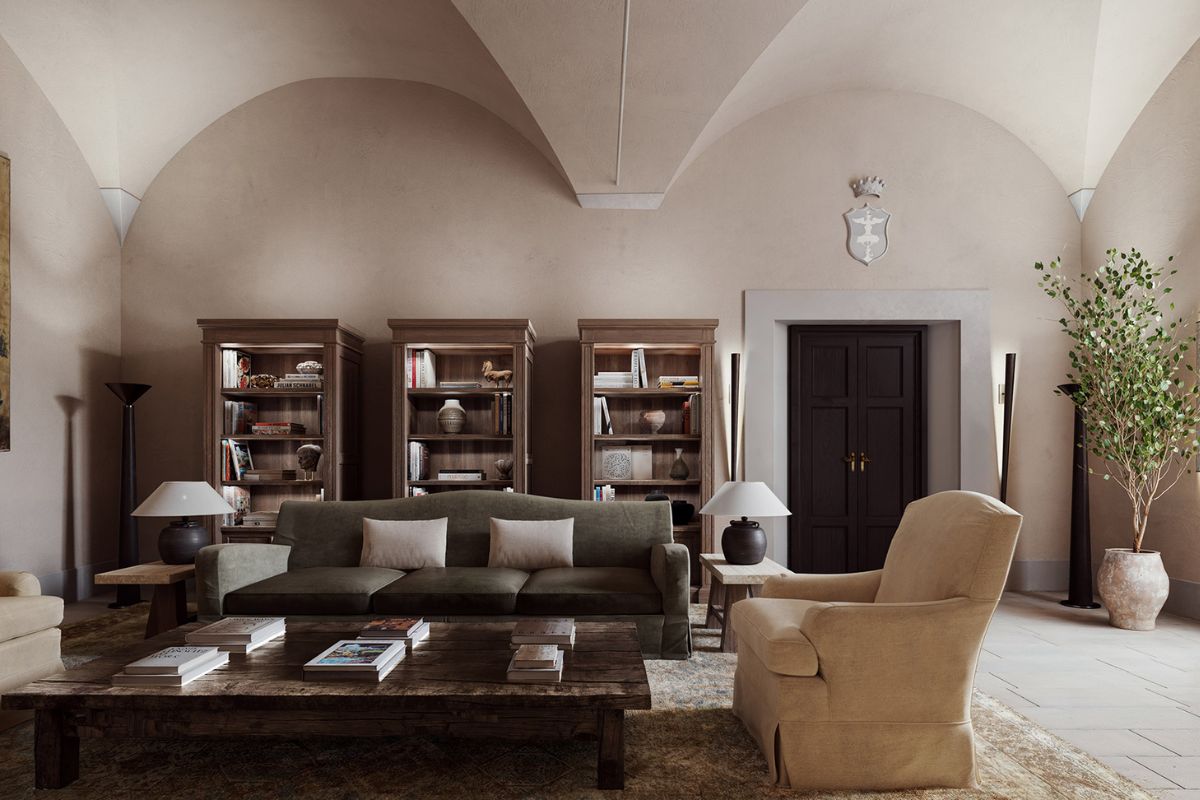
La Réserve Firenze introduces a precise idea: more than a hotel, a private residence with tailor-made hotel services . The project is part of a 15th century palace in via Santo Spirito , and works on the typical tension of Florence: historical volumes, precious surfaces, frescoes, with the need to make a contemporary program work without “musealizing” the experience.
The concept is defined by Gilles & Boissier , with the collaboration of Grégory and Olivia Marciano : the result is six private apartments (some overlooking the Arno) and common spaces calibrated as domestic extensions – gym, library, lounge, rooftop. It is an address designed for those seeking privacy, care and “silent” service: dedicated concierge, housekeeping and personal chefs, with a more sophisticated home setting than a traditional hotel.
Where: La Réserve Firenze, Via Santo Spirito, Florence
Experimental Rome, Rome (opening 2026)
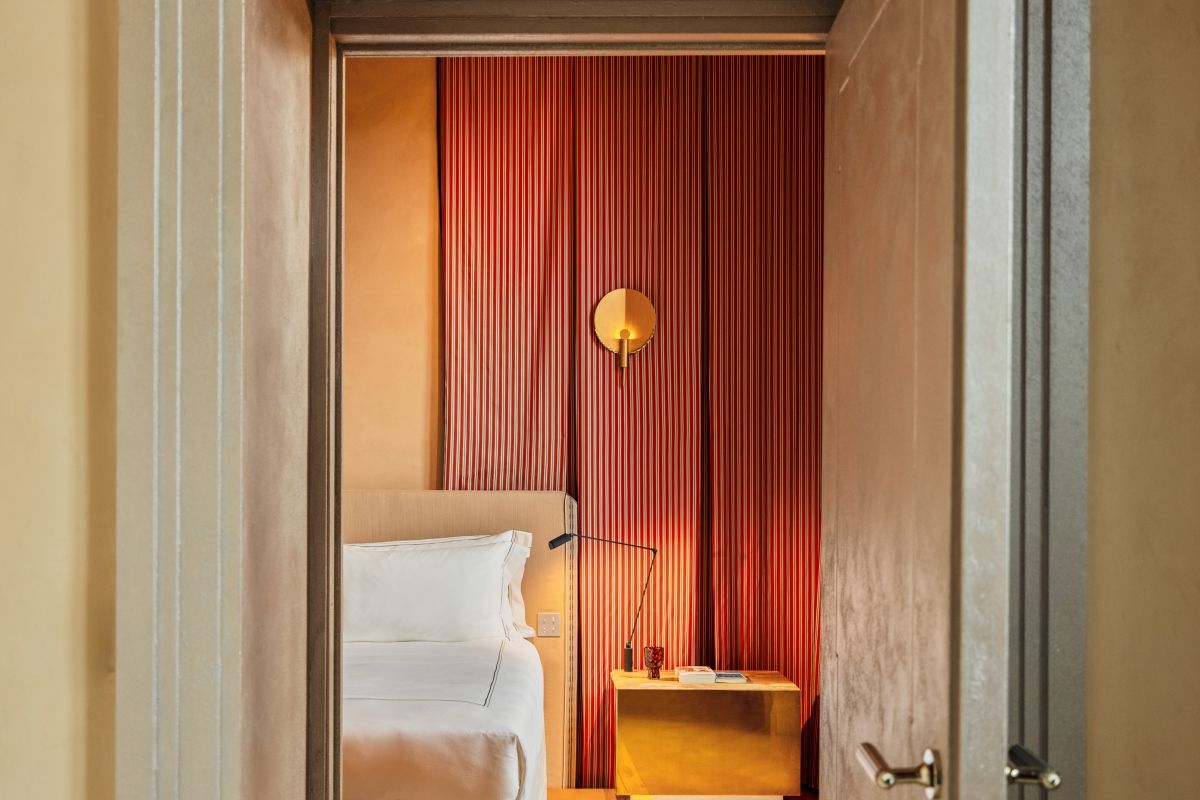
In Rome the issue is often urban rather than aesthetic: position, scale and relationship with the city count. Experimental chooses a dense axis – between via Veneto and Piazza di Spagna – and transforms a former office building into a contemporary hotel with 83 rooms and suites , next to the historic building of the Istituto Svizzero (a very culturally connoted context).
The interiors are designed by Rodolphe Parente , in a balance between modernist rigor and Parisian sensitivity. The public heart is built around two elements: the restaurant under a glass roof (which defines light and perception) and the Experimental Cocktail Club Roma. In closing, the rooftop with panoramic swimming pool works on the most delicate theme: not the “view”, but the management of the landmark without clichés, with the city as a real backdrop.
Where: Experimental Rome, Via Ludovisi 46, Rome
Corinthia Rome (bookings from February 2026)
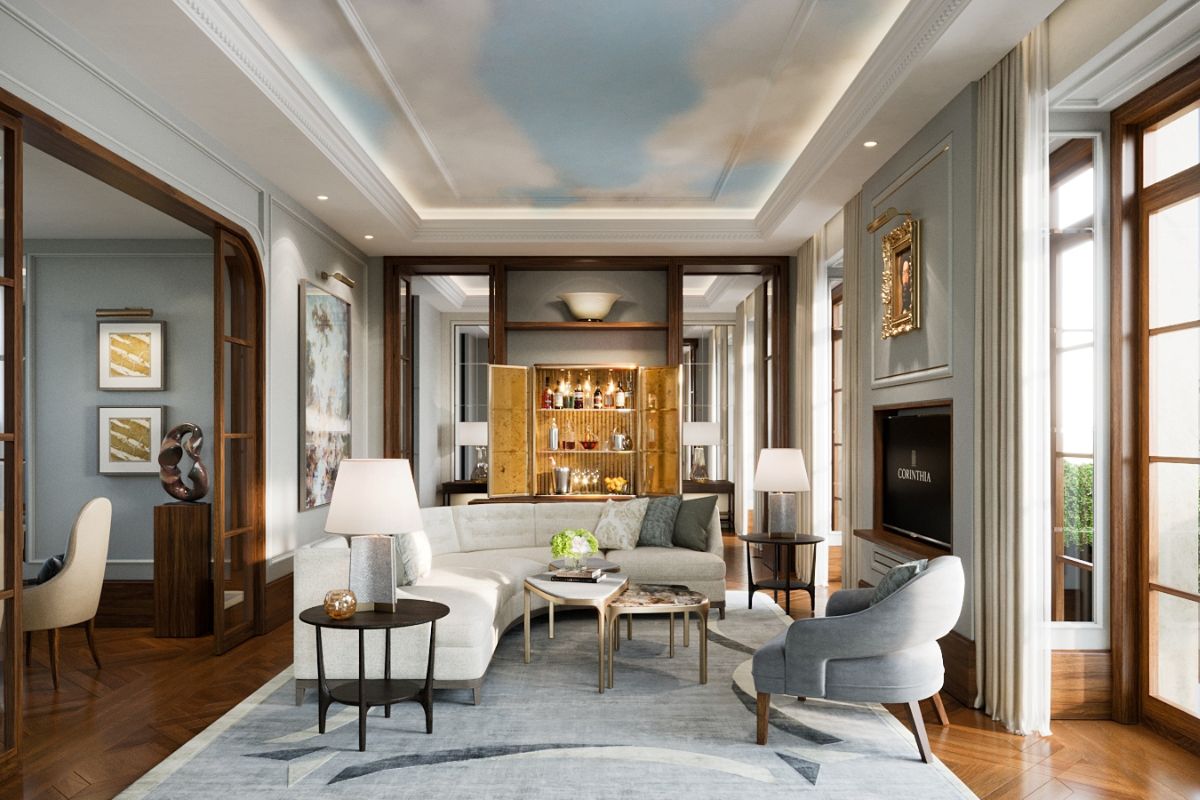
Corinthia arrives in Italy with a project that leverages a powerful container: the former headquarters of the Bank of Italy in Piazza del Parlament , in the heart of Campo Marzio. The building (1914, Marcello Piacentini ) was the subject of a multi-year restoration promoted by Reuben Brothers , with a clear theme: bringing together monumentality and contemporary comfort without losing the gravity of the place. We are talking about 9,700 m2 on seven levels , therefore a complex machine to operate in a credible manner.
The new hotel houses 60 rooms , of which 21 suites , two restaurants and a bar overlooking an internal courtyard. The choice to place the spa in the ancient vault is interesting: a coherent gesture, because it uses the memory of the building as a space (not as decoration). The gastronomic proposal is signed by Carlo Cracco , with the clear aim of making the hotel also a city address, not just a destination for guests.
Where: Corinthia Rome, Piazza del Parliament 18, Rome
Six Senses Milano, Milan (opening spring 2026)
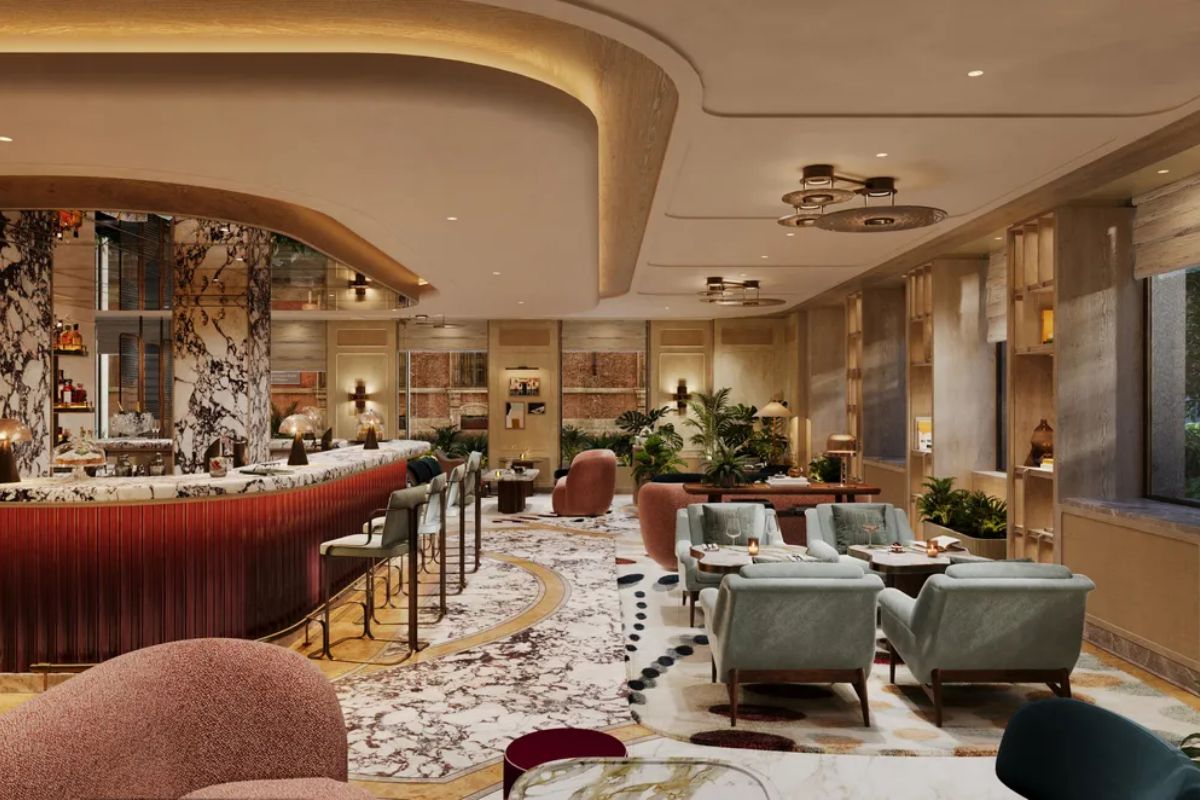
In the fabric of Brera , Six Senses enters as a project that tries to keep three levels together: urban hospitality, well-being and Milanese identity. The narrative is clear: celebrate the artisanal heritage through a palette of “detailed” materials – arabesque marble, antique brass, hand-crafted smoked glass, textured ceilings with mosaic borders – without slipping into nostalgic décor.
There are 68 rooms , with 15 suites (some with plunge pools), designed as urban refuges: here the challenge is to convey calm and intimacy in a very busy context. Sustainability is not treated as a label, but as project infrastructure: common spaces, Earth Lab , internal courtyard, seasonal catering (restaurant + deli). The experiential part closes the system: spa, rooftop bar and sky pool , which add a different perspective on thecity ??without chasing the postcard effect.
Where: Six Senses Milan, Via Brera 19, Milan
The Lake Como Edition, Cadenabbia (opening spring 2026)
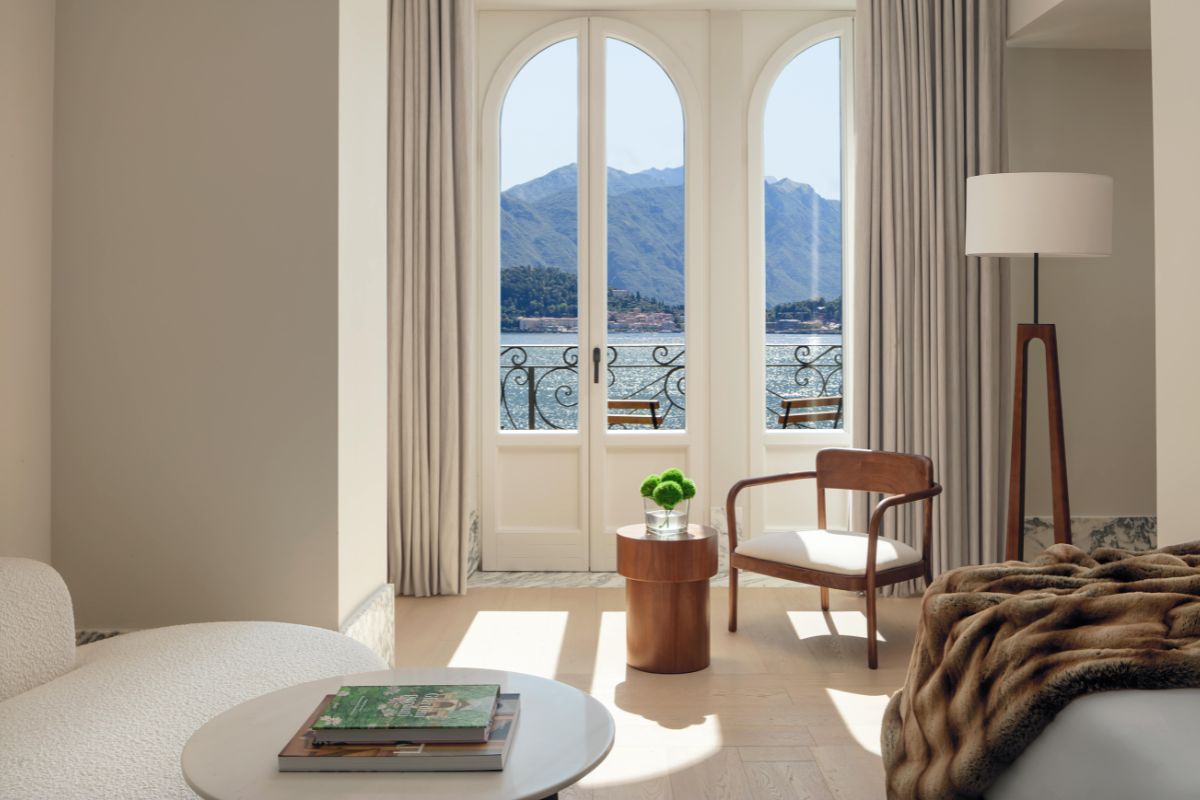
On Lake Como, The Edition is located in a 19th century palace in Cadenabbia , with a renovation project curated by the studio Neri&Hu . The promise is interesting because it is not just aesthetic: it talks about maintaining a certain “old-fashioned” aura and translating it into a contemporary register, playing on arches covered in marble, terrazzo floors and a strong vegetal presence, almost a continuum between interiors and landscape.
The size of the program is important: 148 rooms , including 25 suites and 2 penthouses . The gastronomic part is led by chef Mauro Colagreco with four concepts inspired by a nature-first philosophy. On the wellness front, the Longevity SPA pushes the theme of biohacking and holistic care as a structured experience, not an accessory. And then the scenographic element: a floating swimming pool with restaurant, lounge bar and cabanas overlooking the lake – a gesture which, if managed well, can become a new “threshold” between hotel and landscape.
Where: The Lake Como Edition, Lake Como (Cadenabbia)
Gran Hotel Margalida, Banyalbufar (Mallorca) opening May 2026
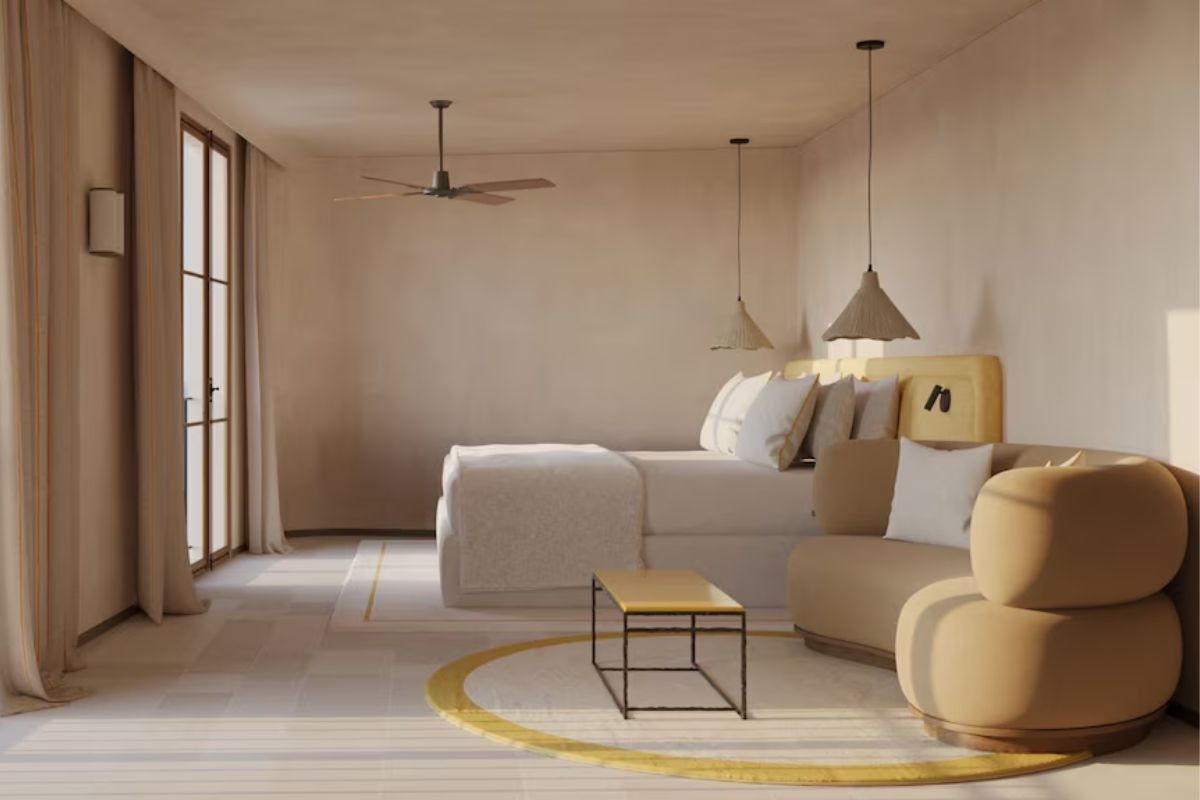
Here the project works on subtraction: few signs, a lot of atmosphere. In Banyalbufar, on the west coast of Mallorca, where the Serra de Tramuntana meets the Mediterranean, Gran Hotel Margalida is redesigned as an intimate refuge – 29 rooms overlooking the sea – and presents itself as the most anticipated opening of the ANNUA group.
The design language, signed by the architect Álvaro Onieva and the interior designer Virginia Nieto , is essential and tactile: natural materials, local textures, warm shades. The chromatic detail of the soft yellow created specifically for the hotel is interesting: not as a decorative quirk, but as a tool to give visual continuity between light, surfaces and landscape. It is a project that focuses on Mediterranean slowness as a spatial quality, not as a slogan.
Where: Gran Hotel Margalida, Carrer Major 49, Banyalbufar, Mallorca
The Ilisian, Athens (opening spring 2026)
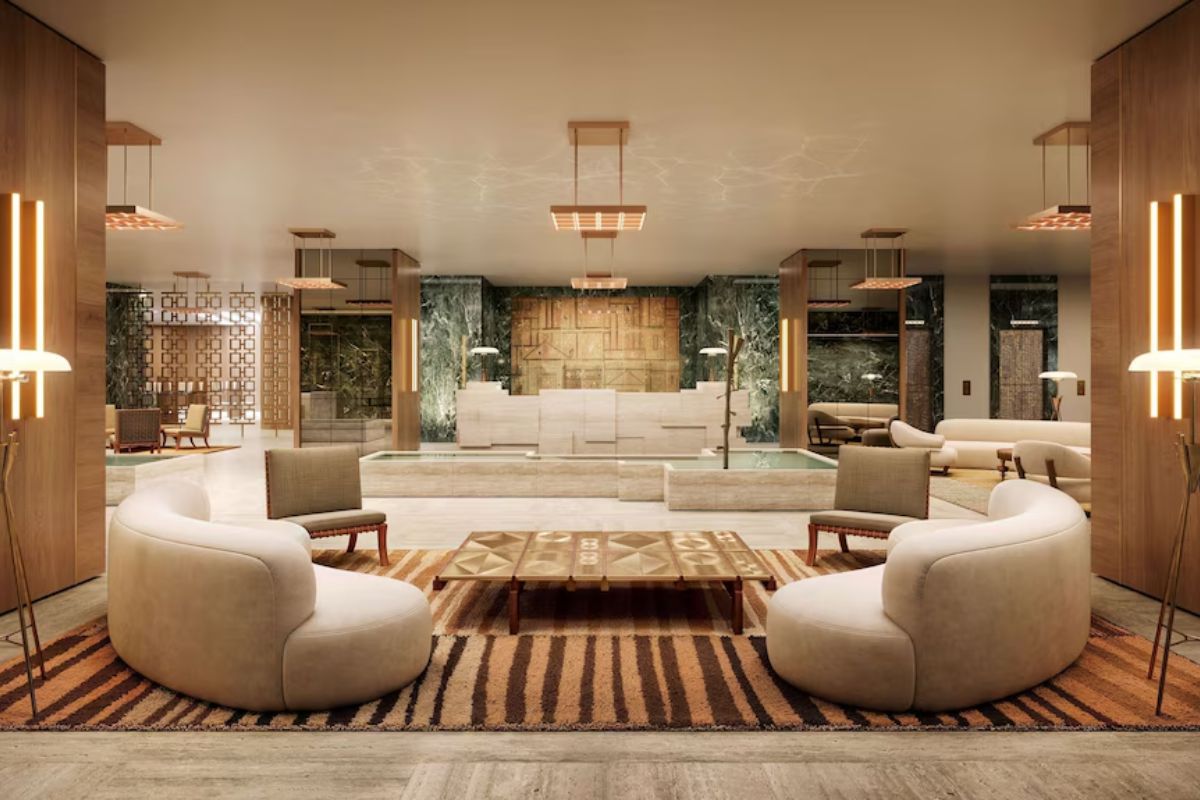
The Ilisian is an urban intervention even before being a hotel: the transformation of the former Hilton Athens aims to return to the city an iconic mid-century architecture, known for the marble facades decorated by Yiannis Moralis , and to convert it into a true district that mixes hospitality, residences, wellness and catering. It is an interesting project because it works on the most difficult theme: updating a symbolic building without erasing its original optimism.
The interiors, designed by AvroKO , reinterpret the language of the 50s/60s with contemporary sensitivity, while the light – designed by Eleftheria Deko – becomes a tool to highlight the scale and monumentality of the facility. The complex includes 307 rooms and suites , many with views of the Acropolis, and a significant wellness offer: a 500 m2 Longevity Clinic and a panoramic running track on the roof.
Where: The Ilisian, Leof. Vasilissis Sofias 46, Athens
Eha Retreat, Estonia (opening 2026)
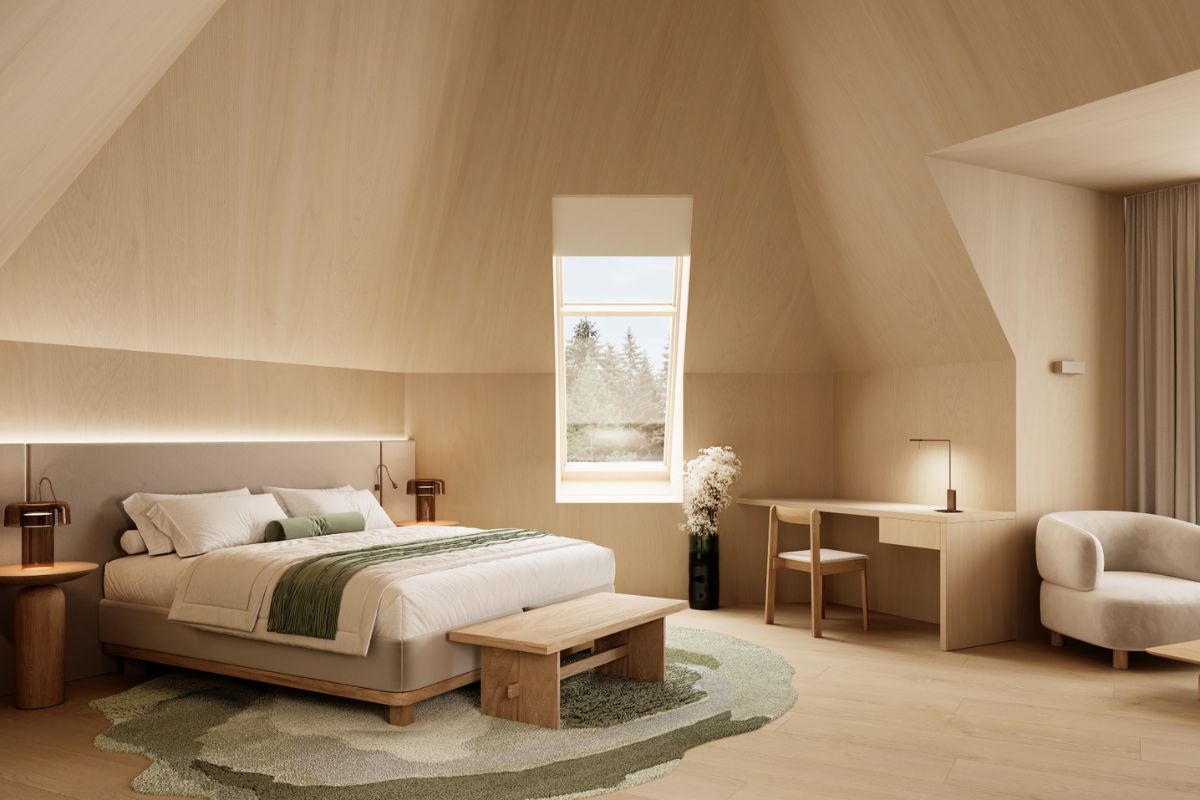
Eha is the opposite of the urban hotel: a retreat in the silence of the island of Hiiumaa , a UNESCO biosphere reserve, built to work on rhythm, seasons and quality of space. Here the hospitality is deliberately reduced: eight suites and three cabins in the woods , for an experience that does not seek the “resort” effect, but a form of habitable essentiality.
The architecture of Tiit Trummal and the interiors developed with Studio Argus, UNT+CO and Vaikla Studio reinterpret forms and materials of the Estonian tradition with a contemporary grammar, without folklore. The “care” part is structured: programs led by Wellness Director Kai Laus and cuisine signed by chef Peeter Pihel (Michelin green star).
Where: Eha, Pikaranna, Õngu, 92059 Hiiu maakond, Estonia
The Standard, Lisbon (Palácio Santa Clara, Alfama)
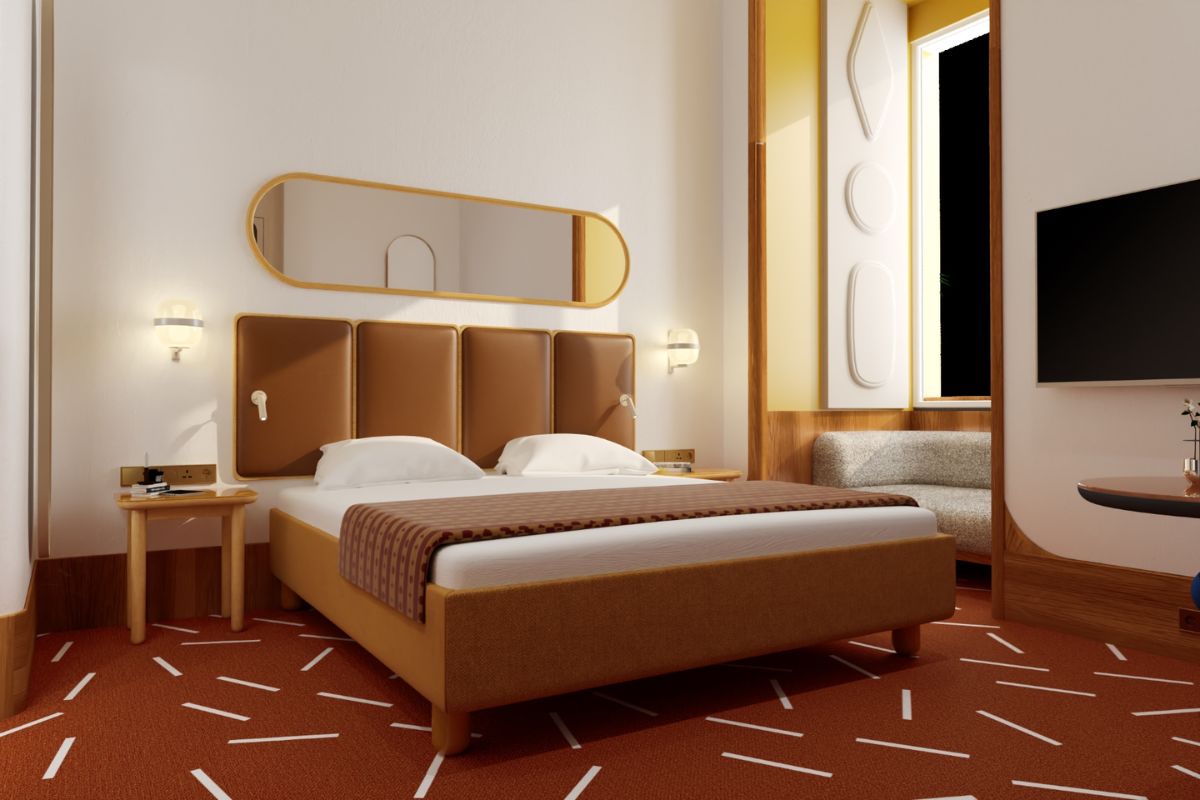
Lisbon adds a new piece to its mosaic of creative hospitality with The Standard, hosted in the Palácio Santa Clara in the heart of Alfama . The location is already a manifesto: a dominant view of the Tagus, above the alleys of the most iconic neighbourhood, in a building that layers multiple lives (remains of the ancient College of San Francesco Saverio, later Royal Navy hospital).
The project of the architect Samuel Torres de Carvalho works on a delicate balance: respecting the historical weight and, at the same time, building a hotel with contemporary urban energy. The scale is important: 170 rooms and 24 apartments for long stays, with spaces that aim to become a cultural and social platform (lobby lounge, bar, all-day dining restaurant, rooftop with a city “hub” vocation).
Where: The Standard, Lisbon, Palácio Santa Clara, Alfama, Lisbon
Zannier Île de Bendor, French Riviera (debut 1 May 2026)
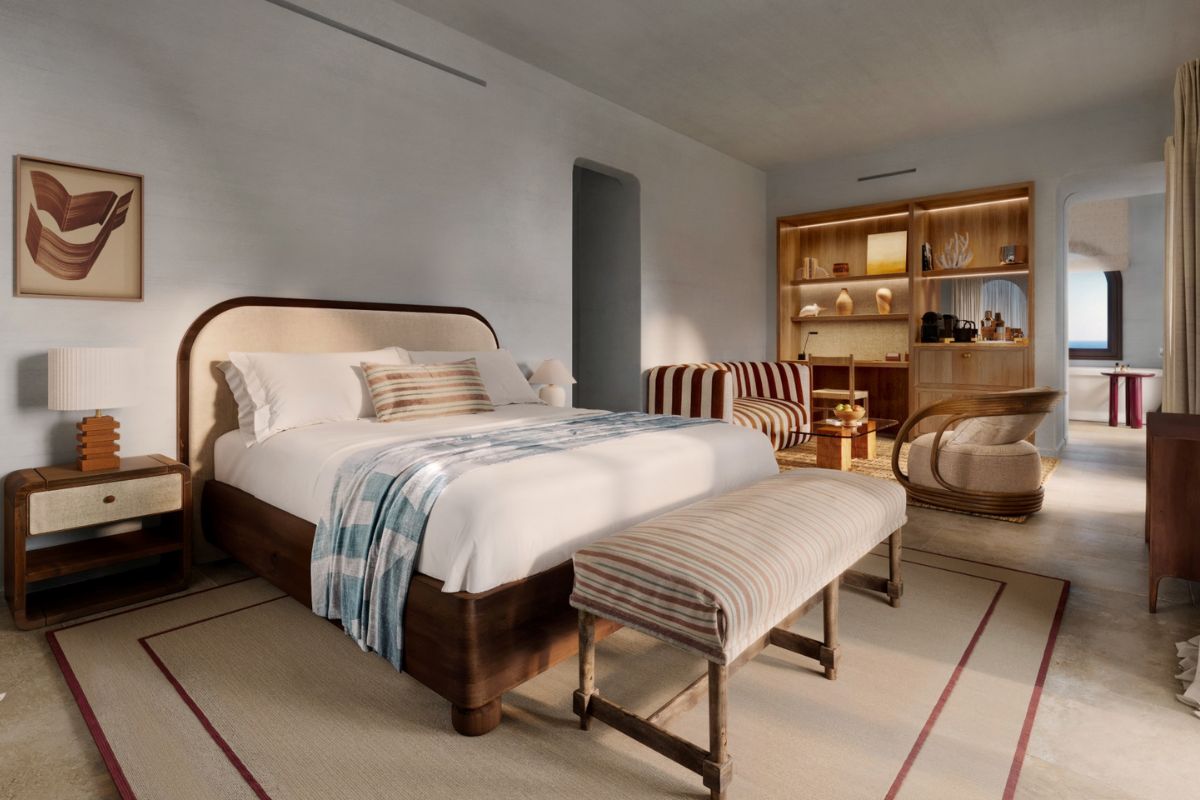
Here the project is almost “urban planning in miniature”: the Île de Bendor, a private island created in the 1950s by Paul Ricard , is rethought after five years of transformation as a contemporary Provençal village. Zannier works on a precise idea: not an isolated resort, but a micro-destination with multiple poles (hospitality, wellness, sea, gastronomy) and a legible identity.
The boutique hotel features 93 rooms , spread across three areas, and a set of services that define the experience: holistic spa, beach club, diving center and eight gastronomic addresses , including the second outpost of Nonna Bazaar .
Where: Zannier Île de Bendor, Île de Bendor, France
COMO Le Beauvallon, Grimaud (reopening 24 April 2026)
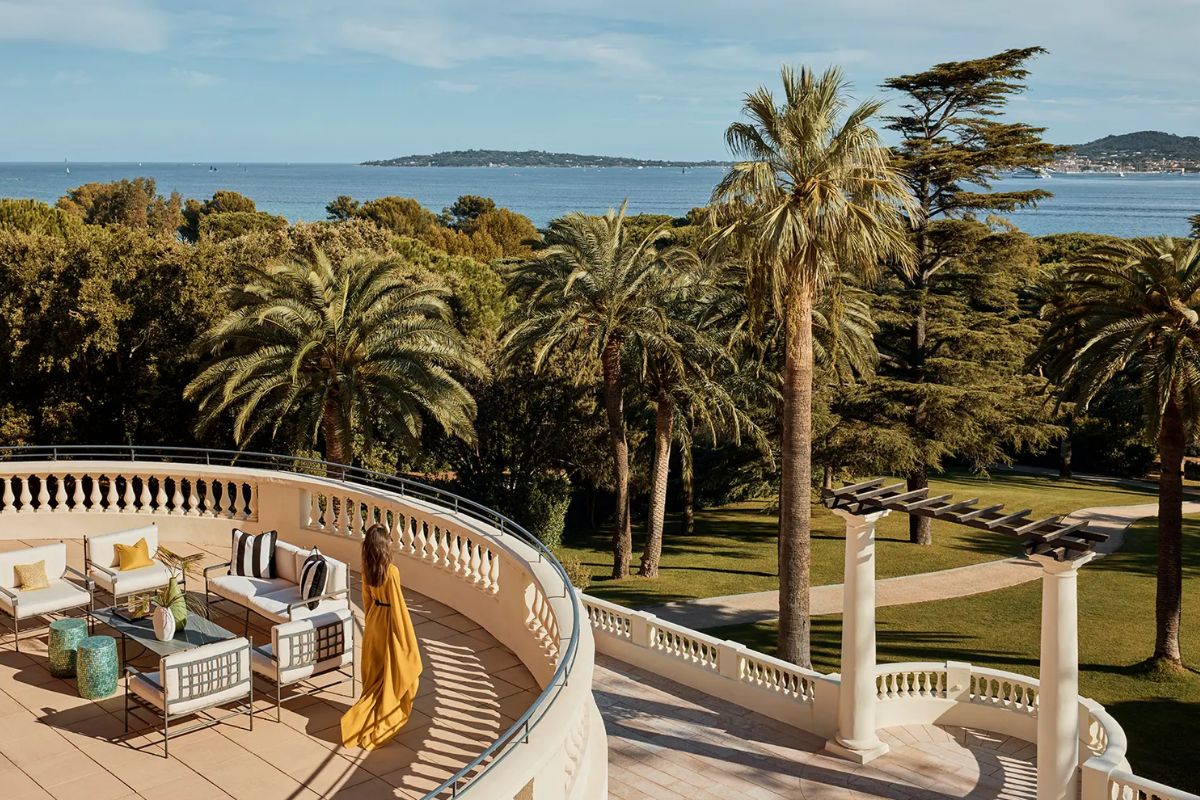
COMO brings its signature back to the French Riviera with a reopening that works on the Belle Époque theme without nostalgia. Le Beauvallon, built in 1914 and passed through an imaginary made of great guests and historical worldliness, comes back to life in a private estate among palm trees, pines and meadows that descend towards the sea: here the luxury is not the “view”, but the scale of the greenery and the distance from the noise.
The structure offers 42 rooms and suites with the presence of contemporary art, and a restaurant Beauvallon Sur Mer which combines Asian suggestions and Provençal terroir. The experience is completed by the COMO Shambhala spa , daily yoga and a philosophy of hospitality that is more intimate than spectacular: a cultured, calibrated address, without excess.
Where: COMO Le Beauvallon, Bd des Collines, Grimaud
Mandarin Oriental Punta Negra, Mallorca (opening 2026)
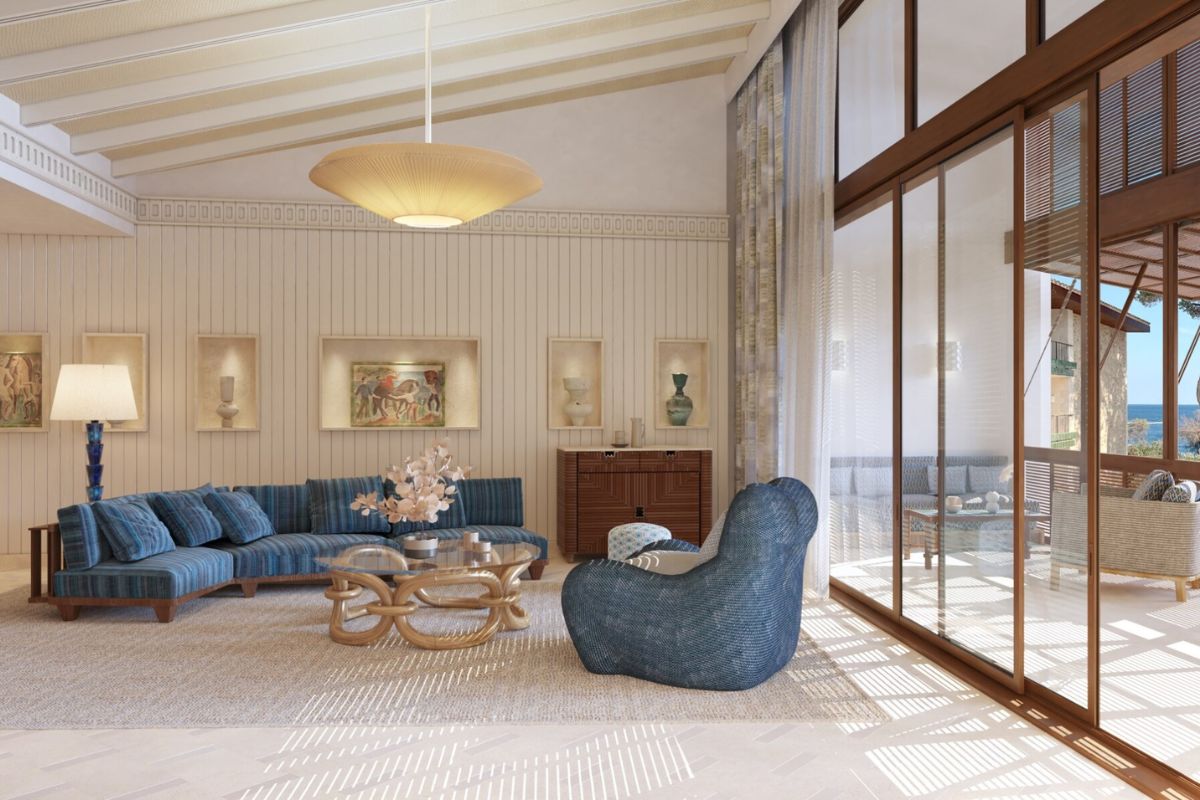
Mandarin Oriental strengthens its Medi