Compare six silicone sealant brands, with practical advice on showers, kitchens, windows and natural stone, plus buying tips and Italian price references.
A neatly finished joint rarely attracts attention. A blackened shower seal, a bead lifting away from a basin or a stain along a marble worktop certainly does. Choosing a silicone sealant deserves the same care as choosing the surfaces it will join: adhesion, flexibility and a clean finish all matter.
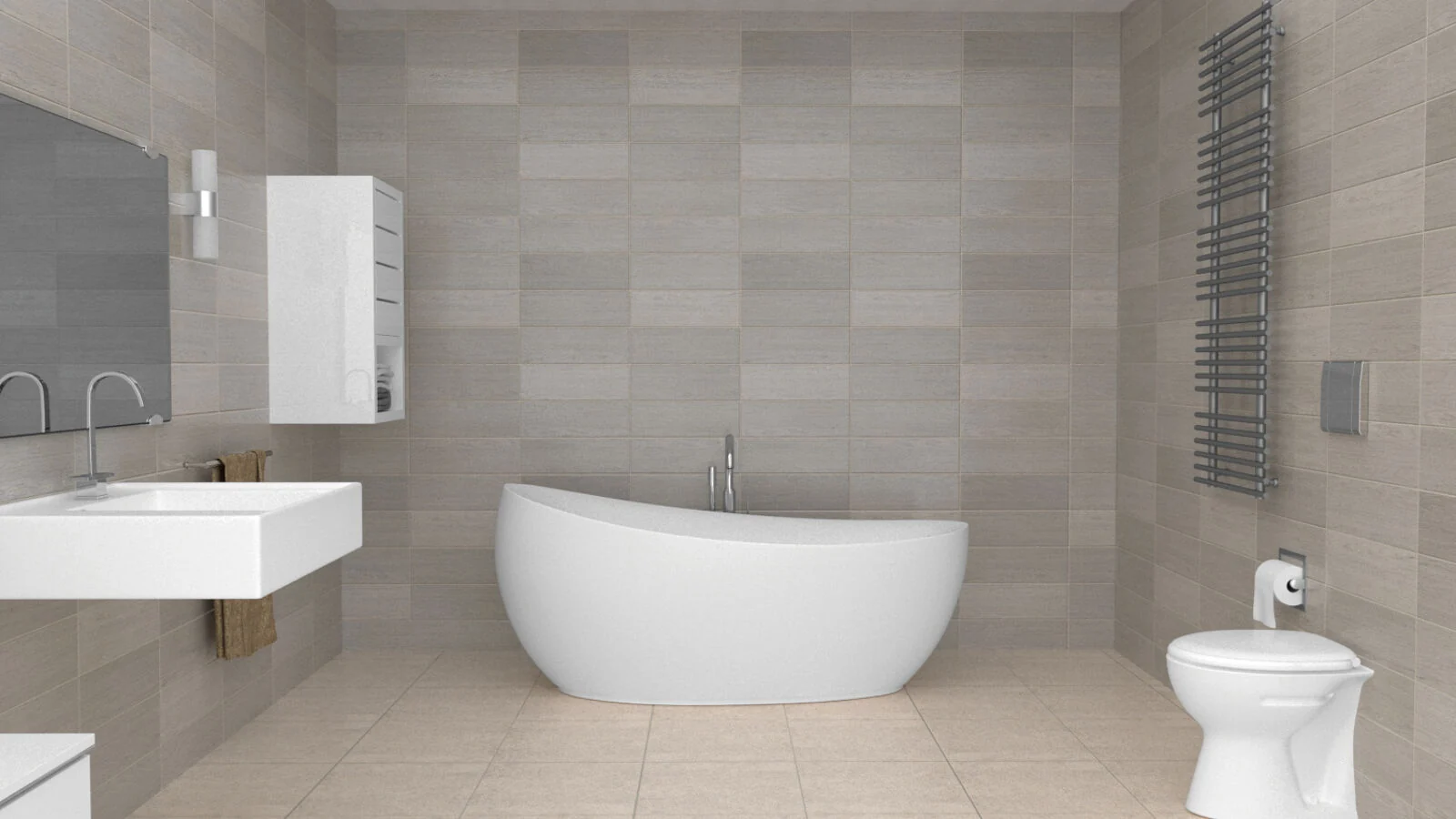
Among the best silicone sealant brands to consider for home renovation, our selection includes Mapei, Sika, Soudal, Bostik, Pattex and fischer. Their ranges cover different needs, from bathroom joints to window frames. The right purchase is a specific formulation, however: a sealant suitable for glass and ceramic tiles may be unsuitable for natural stone or a particular plastic.
This guide adapts our Italian selection for international readers. It focuses on six brands with products documented for the Italian or wider European market, rather than an exhaustive worldwide ranking. Selection is based on application range and available technical information, not comparative laboratory testing. Product names, formulations and availability should always be checked in your country.
Best silicone sealant brands: six names to compare
Start with the two surfaces you need to join and the conditions the joint will face. Sealing a ceramic basin, finishing a stone worktop and weatherproofing a window perimeter involve different requirements.
| Brand | Products and applications to check |
|---|---|
| Mapei | Mapesil AC for compatible surfaces; Mapesil LM for natural stone. |
| Sika | Sanisil for sanitary joints; locally available Sikasil products for their stated applications. |
| Soudal | Silirub 2 for compatible glazing, construction and window perimeter joints. |
| Bostik | Sanitary, neutral-cure and general-purpose silicones: compare the local product range. |
| Pattex | Bathroom, kitchen and universal products where sold under this brand. |
| fischer | SNS sanitary and SNF window sealants in the Italian range; check local equivalents. |
Mapei: silicone sealants for tiles, stone and interior finishes
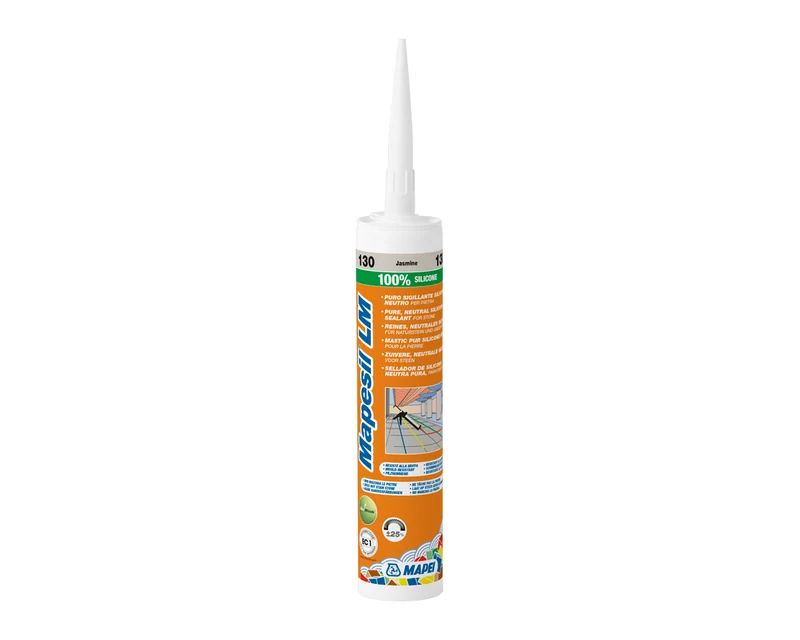
Mapei is worth considering when sealing forms part of a tiling or surface-finishing project. Its Mapesil range includes different chemistries: Mapesil AC is an acetoxy-cure silicone, while Mapesil LM is a neutral-cure silicone intended for applications including natural stone.
That distinction matters around marble worktops and stone wall finishes. Matching the colour is only part of the decision: the formulation must be suitable for the actual stone and the required resistance to staining.
For a carefully detailed bathroom, compare the sealant colour with the grout and tiles on a sample. Colour options and permitted uses vary between products, even within one range. A coordinated name on a colour chart does not replace checking the finished appearance.
Sika: sanitary joints and more demanding exposure
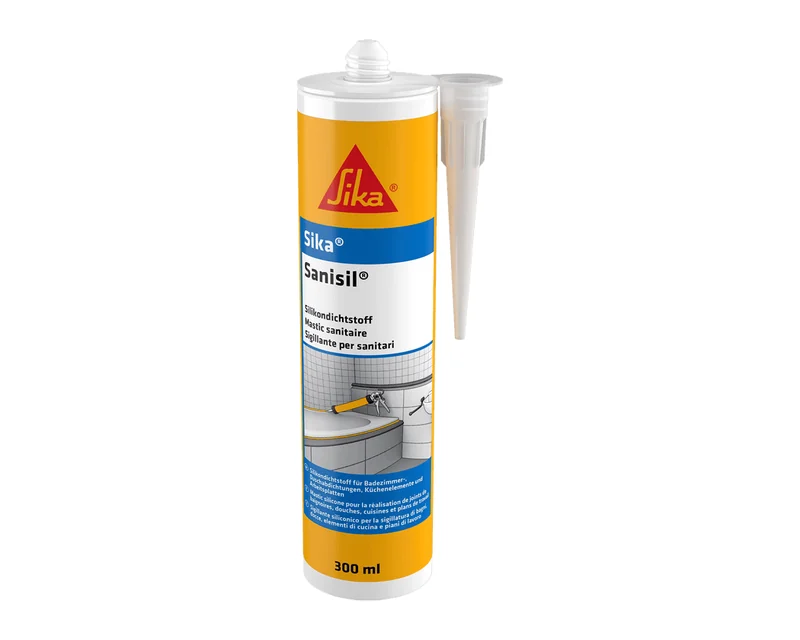
Sika’s silicone range includes products for sanitary, construction and specialised applications. Sanisil is an acetoxy-cure silicone for sanitary joints and domestic kitchen components. Other products in the range address different conditions; their local technical data sheets are the starting point.
A useful distinction is the difference between shower splashes and permanent immersion. Sika lists dedicated pool and permanently wet-area sealants, demonstrating why a bathroom product should not automatically be used for every joint exposed to water.
Describe the exposure as precisely as the material. An indoor sanitary joint, an external connection and a submerged joint are separate purchasing decisions.
Soudal: a range to investigate for glazing and window joints
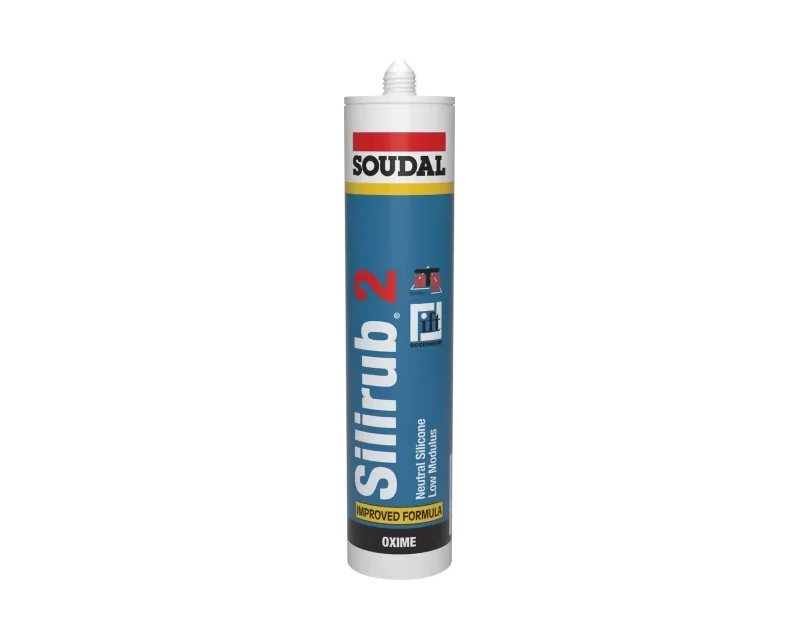
Soudal offers silicones for several applications. Silirub 2, documented in its Italian range, is a low-modulus neutral-cure silicone for construction and glazing, with stated uses including window perimeter sealing.
Low modulus describes a sealant that offers relatively low resistance to deformation. This can matter where a joint must accommodate movement, but it does not remove the need for correct joint dimensions.
Check the exact glazing specification too. The Italian Silirub 2 product information, for example, excludes self-cleaning glass from the stated glazing applications. A familiar brand name does not establish compatibility with every surface treatment.
Bostik: different formulations for different maintenance jobs
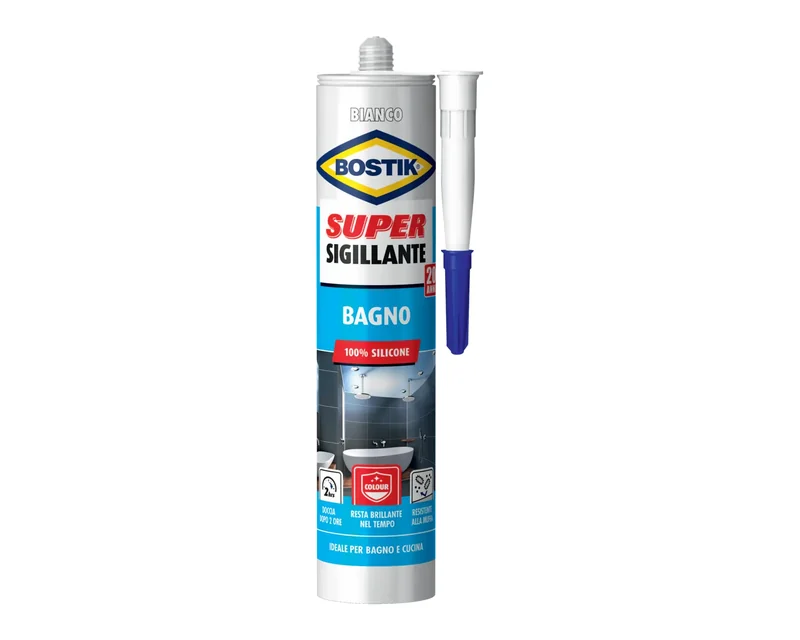
Bostik’s Italian catalogue includes sanitary, neutral-cure, general-purpose and high-temperature silicones. The range is useful to investigate for household maintenance, provided the formulation is matched to the task.
Some sanitary versions advertise a short wait before water exposure. A water-ready time belongs to that exact product, not the entire brand. Read the instructions for the cartridge in your hand rather than relying on a claim seen on another pack.
The catalogue also includes acrylic and polymer sealants. These are not all silicone. That distinction becomes particularly important when a joint needs painting: choose a suitable paintable formulation at the outset instead of planning to paint ordinary silicone afterwards.
Pattex: bathroom and kitchen products with specific exclusions
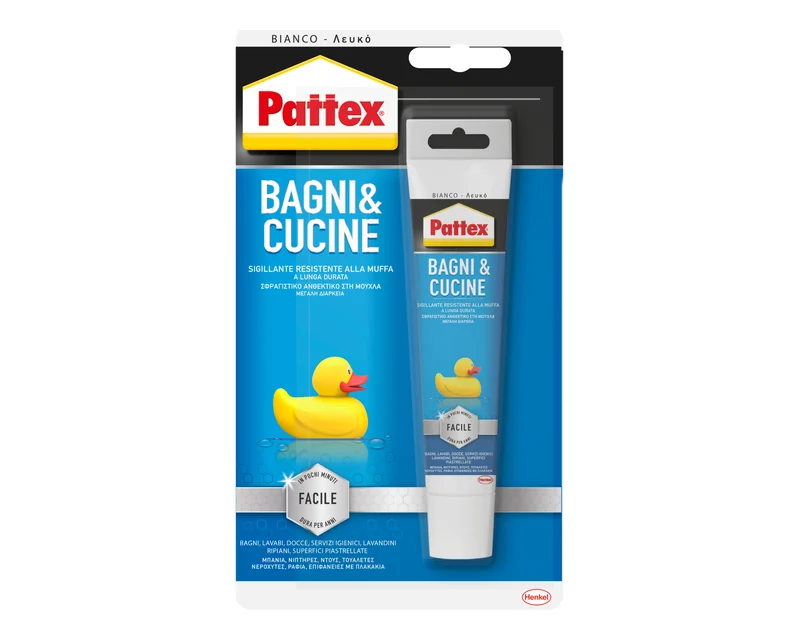
Pattex is a brand to investigate for smaller domestic sealing jobs in markets where its range is available. Its Italian catalogue includes universal silicone and bathroom-and-kitchen products.
Check the exact version, pack size and application method. A small ready-to-use pack and a cartridge requiring a sealant gun may suit different jobs. Do not assume an identically named product sold in another country has identical instructions.
For stone surfaces, read the exclusions carefully. The Italian information for Bagni e Cucine Original does not recommend use on natural stone such as marble or granite. A kitchen or bathroom label does not make a sealant suitable for every worktop in that room.
fischer: dedicated products for sanitary joints and windows
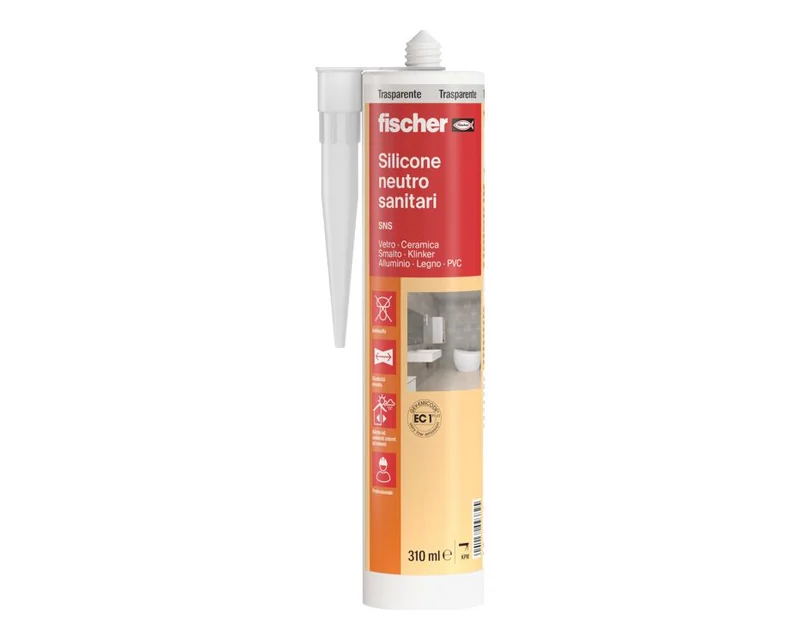
In the Italian fischer range, products are distinguished by application: SNS for sanitary use, SNF for window installation and other formulations for specific materials. This makes the job itself a useful starting point.
SNS is a neutral-cure sanitary silicone, yet its documentation excludes natural stone and continuous water contact. It is a clear example of why “neutral cure” alone is not enough information to make a purchase.
For a basin, frame or plastic component, match the full product code to the substrate. With treated glass, coated surfaces and specialised plastics, check the manufacturer’s compatibility information before applying the sealant.
Silicone sealant or caulk: what should you search for?
Silicone sealant is the clearest starting term for this guide. In North American retail, you may also encounter silicone caulk. “Caulk” is a broader shopping term and can refer to other chemistries, so check whether the product is actually silicone and whether it is approved for the intended joint.
Useful searches combine the material and task: bathroom silicone sealant, silicone for an acrylic shower tray, non-staining silicone for marble or window perimeter silicone sealant. “Strongest silicone” is less helpful because it says little about compatibility or movement.
Acetoxy or neutral-cure silicone: which is better?
Neither is the best choice for every job. Acetoxy silicones are used for many joints involving compatible glass, ceramics and glazed surfaces. Neutral-cure formulations include products for windows, sanitary applications and other substrates.
Neutral cure does not automatically mean suitable for marble. Natural stone requires a product explicitly recommended for the particular application, including resistance to staining where needed.
Read the technical data sheet for both permitted and excluded substrates. If a primer is required, include it in the job and the budget. The two sides of the joint must both be compatible with the chosen system.
Which silicone sealant should you buy for your project?
Showers, baths and basins
Look for a sanitary silicone with stated mould resistance and compatibility with both surfaces. Shower trays may be ceramic, acrylic, stone or a composite, so “for showers” is not a complete specification.
In a walk-in shower, tidy joints also contribute to the overall finish. Follow the enclosure manufacturer’s sealing diagram: adding silicone where it is not specified can interfere with drainage. A surface bead is not a substitute for the underlying waterproofing system.
Kitchen sinks and worktops
Identify the sink and worktop materials before choosing a product. Stone, composites and laminates have different requirements. A “kitchen” label alone does not establish suitability for direct food contact; if the application requires that, look for a specific declaration.
Window frames and external joints
Check outdoor suitability, compatibility with the frame and surrounding surface, and declared movement capability. Repeated leaks may indicate a wider installation problem rather than simply the need for another bead of silicone.
Marble and other natural stone
Choose a sealant expressly intended for the stone and application. Test the appearance on a sample where possible: clear silicone can reveal the joint backing, while a coordinated colour may produce a more even-looking transition.
Where to buy silicone sealant
Common buying channels include hardware shops, home-improvement stores, builders’ merchants, tile suppliers and specialist online retailers. A nearby shop can be practical for routine maintenance. A specialist supplier is useful when you need a matching colour, a stone-compatible formulation or technical advice on an external joint.
Bring a photograph, the exact material names and, if available, the shower tray or worktop specification. Explain whether the joint will receive occasional splashes, remain submerged or face sunlight and weather.
Online, check the product code, colour, cartridge volume and number of cartridges included. Compare the delivered total, not just the headline price, and identify the actual seller when using a marketplace. Check pack condition and storage-life information before use.
How much does silicone sealant cost?
As an Italian retail reference checked in October 2026, the offers used for this guide included a 280 ml sanitary cartridge at about €6 and some 310 ml coloured sealing products at around €16. Examples for natural stone ranged from approximately €9 to €22. These are individual offer references, excluding delivery, not the minimum and maximum prices of the whole market.
For the common-use examples, approximately €6–€16 per cartridge provides an initial materials-only reference. Specialist formulations may cost more. International readers should check local prices, taxes and delivery: these euro figures are not UK, US or worldwide price estimates.
A higher price does not correct incompatibility. Compare the formulation, volume, required primer and quantity needed before deciding which cartridge offers better value. These figures exclude labour.
How much sealant do you need?
For a rectangular joint section, theoretical consumption in millilitres per metre equals joint width in millimetres multiplied by depth in millimetres. A 5 × 5 mm section uses 25 ml per metre, so a 300 ml cartridge would theoretically cover 12 metres before waste or irregularities. This is a calculation example, not a recommended joint size for every application.
Use the dimensions specified for the product and job. Include any tools and preparation materials in the budget: a cartridge gun, masking tape, finishing tool and materials needed to remove the old sealant.
Common mistakes that compromise a good sealant
Even a well-chosen silicone cannot compensate for poor preparation. Remove deteriorated material and prepare the substrates as directed, without leaving residues that undermine adhesion.
- Choosing by colour alone: compatibility comes before appearance.
- Applying to a dirty or wet substrate: dust, grease and surface moisture can compromise the result.
- Exposing the joint to water too soon: surface skin formation is not the same as full cure or the stated water-ready time.
- Covering failed silicone with another layer: this does not resolve loss of adhesion.
- Ignoring recurring leaks: the cause may lie in the joint design, installation or underlying waterproofing.
Frequently asked questions about silicone sealants
What is the best silicone sealant brand for a shower?
Mapei, Sika, Soudal, Bostik, Pattex and fischer are among the brands to investigate within this selection. Choose the locally available sanitary formulation compatible with the shower tray and wall finish, following the enclosure instructions and stated water-ready time.
Does mould-resistant silicone stay mould-free forever?
No. Mould resistance is not an unlimited guarantee. Cleaning, standing water and bathroom conditions affect maintenance. Sealant that has detached or lost its seal needs assessment for replacement.
Can you paint silicone sealant?
Ordinary silicone sealants are generally not paintable. If the joint needs painting, select a product explicitly declared paintable and suitable for the exposure. Acrylic or hybrid sealants are not interchangeable with silicone in every application.
How long should you wait before using the shower?
Follow the exact product’s stated time before water exposure, allowing for its application conditions. Do not substitute the skin-over time for the water-ready or curing time.
Is an all-purpose silicone suitable for every material?
No. General-purpose products still have exclusions. Natural stone, specialised plastics, mirrors and treated surfaces require specific compatibility checks on both sides of the joint.
The best purchase begins with the joint itself: two surfaces, a defined exposure and a finish that needs to work as well as it looks. The brand helps you find the range; the product specification tells you whether it belongs in your project.