Italy remains a definitive cornerstone for landscape architecture. Across centuries, the dialogue between geometric drafting, water elements, sculpture, and native or exotic flora gave rise to an unmistakable aesthetic that reshaped garden design throughout Europe. The giardino all'italiana (Italian formal garden) is never merely a green space; it operates as an extended, outdoor continuation of …
Italy remains a definitive cornerstone for landscape architecture. Across centuries, the dialogue between geometric drafting, water elements, sculpture, and native or exotic flora gave rise to an unmistakable aesthetic that reshaped garden design throughout Europe. The giardino all’italiana (Italian formal garden) is never merely a green space; it operates as an extended, outdoor continuation of interior architecture where perspective, proportion, and light give structure to the open air.
For architects, interior designers, furniture design professionals, and discerning travelers, exploring historical Italian gardens yields an endless reservoir of spatial and material inspiration. Below is a curated journey through twenty masterworks of Italy’s historic green heritage, organized by geographic region and design methodology.
Northern Italy: Lake Scenographies, Geometric Rigor, and Botanical Rarities
1. Isola Bella (Stresa, Piedmont)
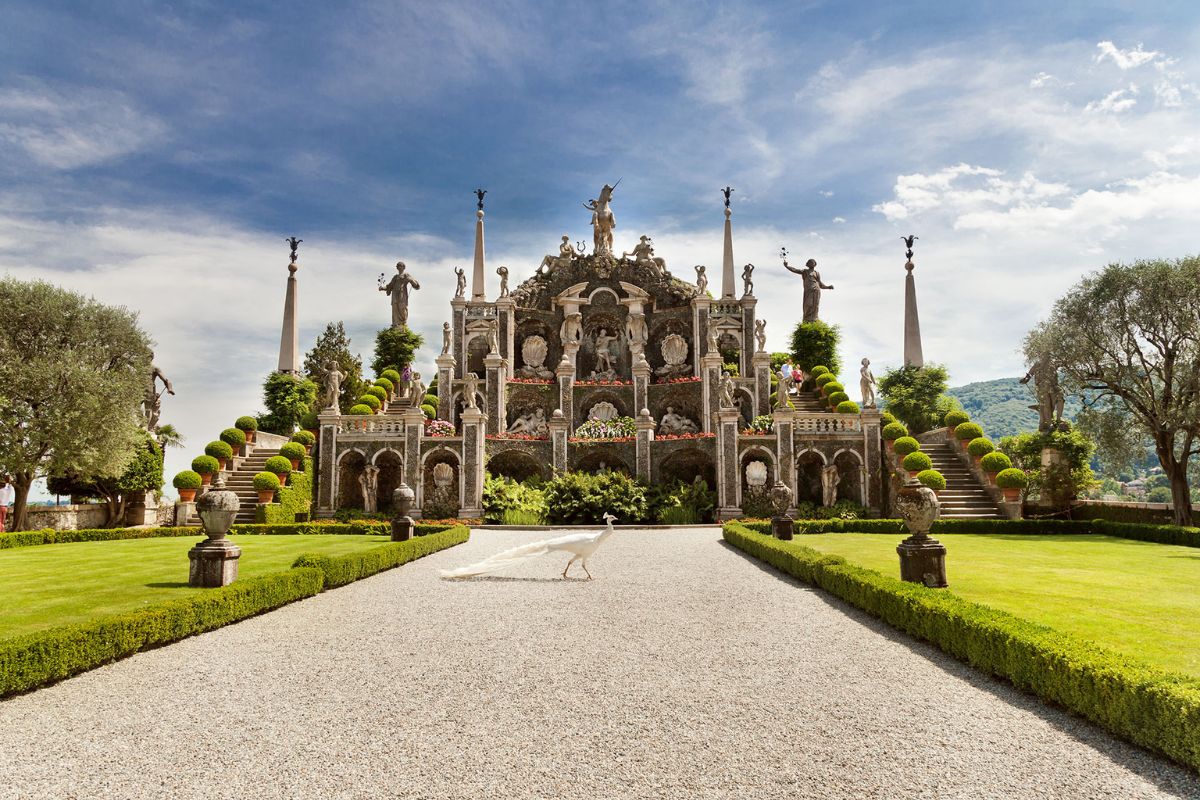
Rising dramatically from Lake Maggiore, the Baroque garden of Isola Bella is a monumental ten-tiered pyramid of terraced grounds. Designed in the 17th century for the Borromeo family, it stands as a classic example of outdoor theatrical architecture, embellished with niches, statues, citrus bowers, and iconic white peacocks.
2. Villa Carlotta (Tremezzina, Lombardy)
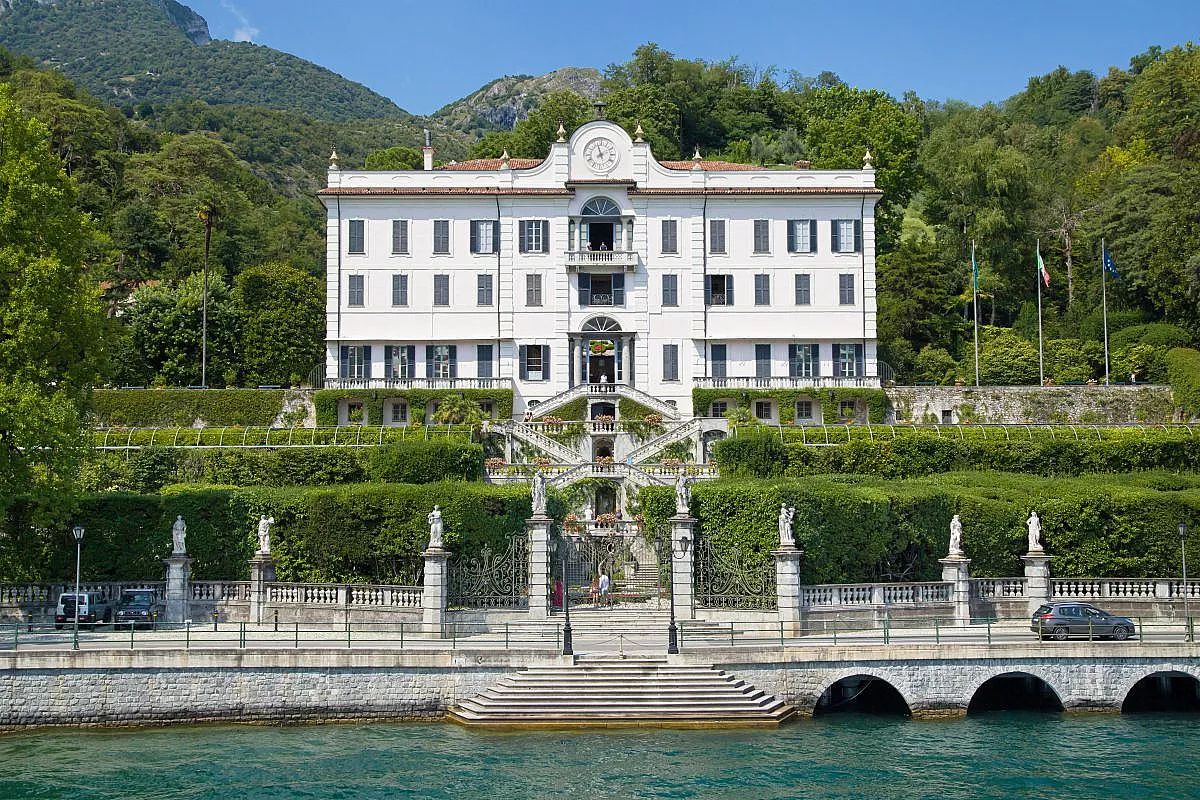
Perched above Lake Como, Villa Carlotta effortlessly merges an 18th-century formal layout with a 19th-century romantic botanical park. Renowned for its vibrant azalea and rhododendron displays, the estate seamlessly integrates Neoclassical sculptures and scenic elevated walkways with the surrounding alpine landscape.
3. Villa Melzi d’Eril (Bellagio, Lombardy)
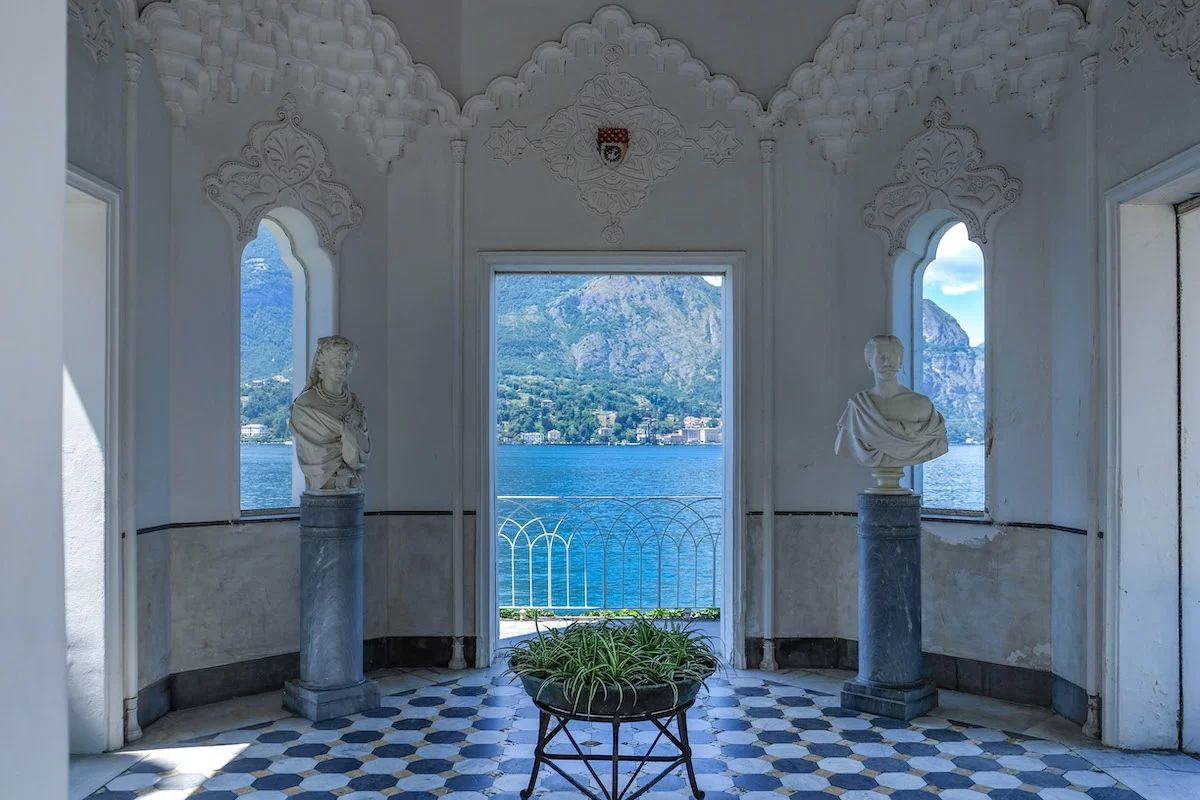
Constructed in the early 19th century along the shoreline of Lake Como, Villa Melzi serves as a refined benchmark for Neoclassical gardens designed in the English style. Conceived by architect Luigi Canonica and botanist Luigi Villoresi, the park harmonizes centuries-old specimen trees, a Japanese pond, and classical antiquities with quiet restraint.
4. Villa Taranto Botanical Gardens (Verbania, Piedmont)
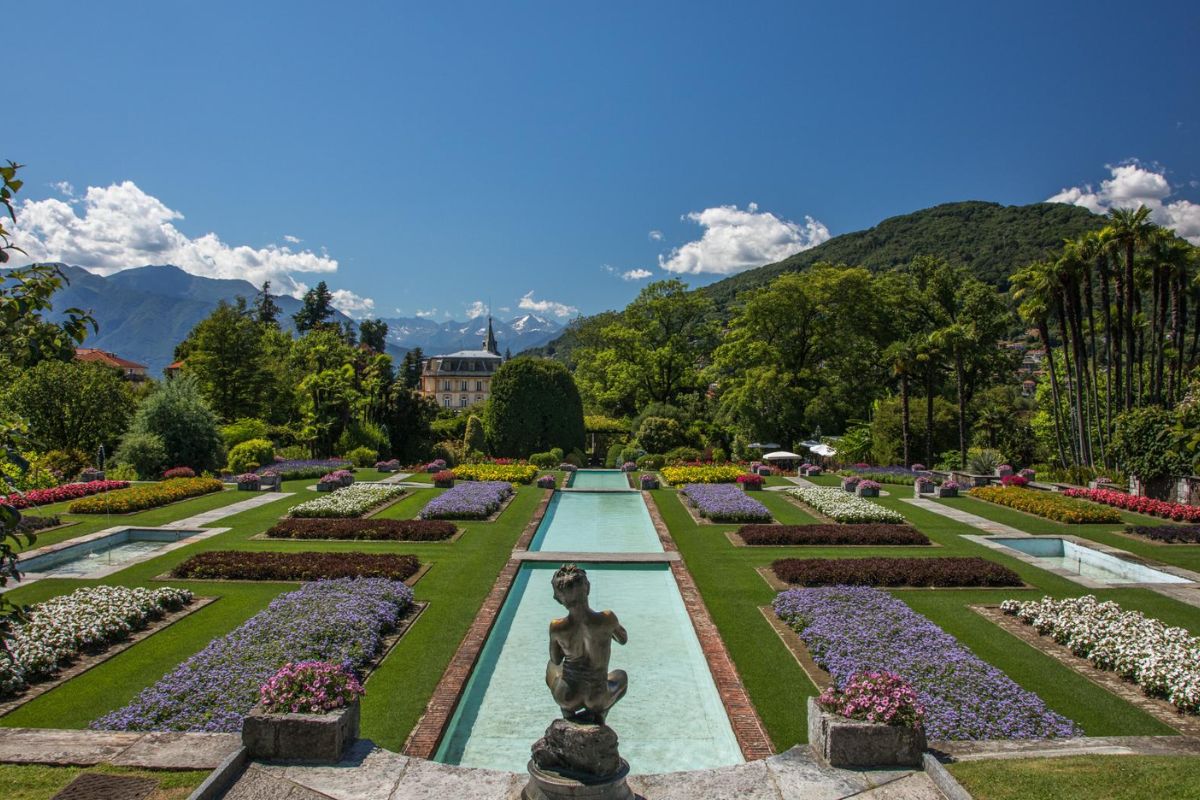
Established in the 1930s by Scottish Captain Neil McEacharn, the gardens of Villa Taranto blend an English landscape layout with an extraordinary botanical collection exceeding twenty thousand plant varieties. Terraced lawns, cascading fountains, and perennial borders form a highly disciplined horticultural plan.
5. Giardino Giusti (Verona, Veneto)
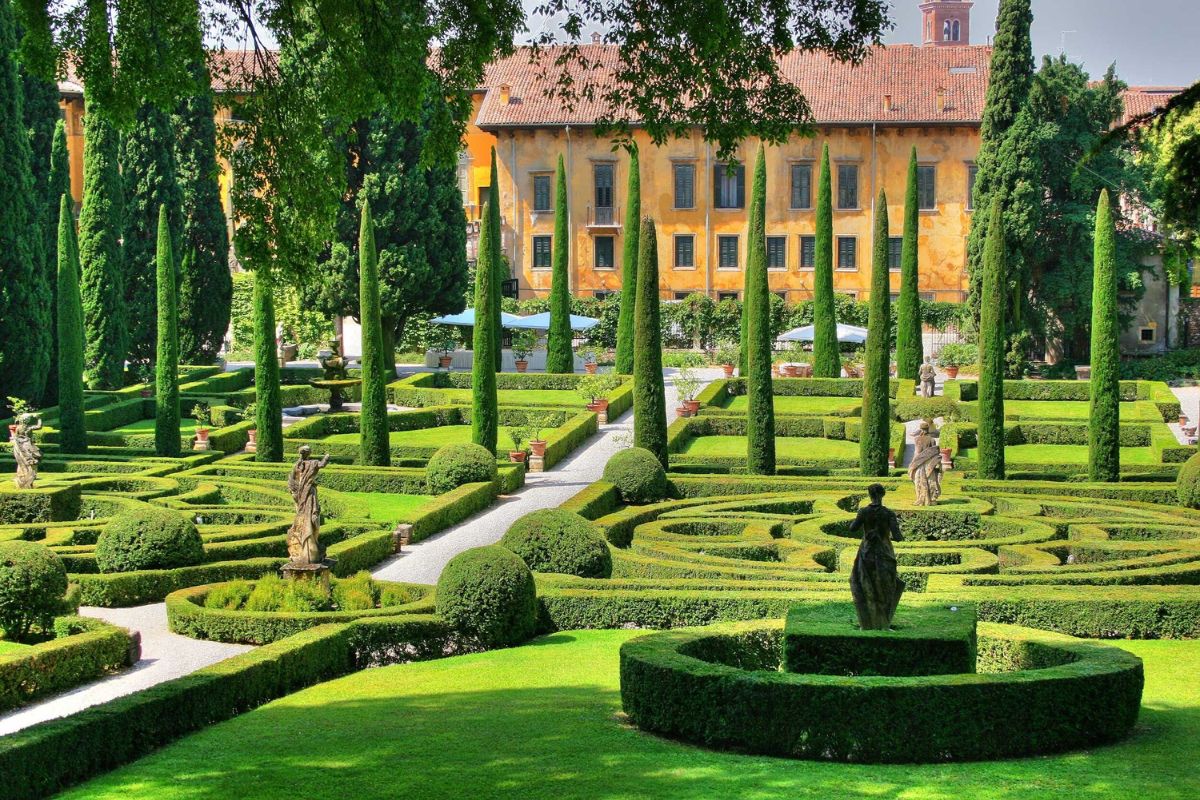
A superb specimen of late 16th-century Renaissance design, Giardino Giusti unfolds across multiple elevated planes. Defined by a famous avenue of cypresses, sculpted boxwood parterres, and a remarkably preserved hedge maze, it commands an iconic panoramic view over the historic center of Verona.
6. Villa Pisani (Stra, Veneto)
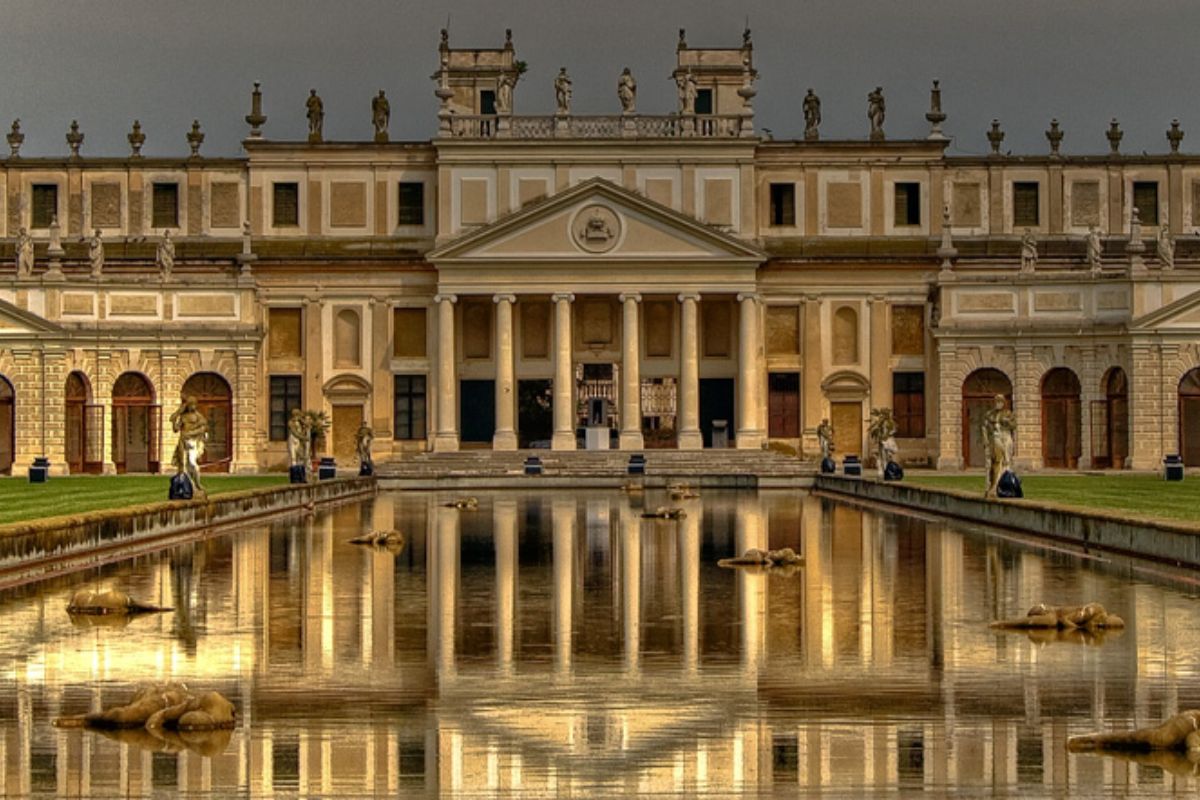
Situated along the Riviera del Brenta, the grounds of Villa Pisani reflect the opulence of 18th-century Venetian villa life. The garden is notable for its sweeping axial perspective, a central reflecting basin originally built for hydraulic studies, and a celebrated circular boxwood maze.
7. Monumental Garden of Valsanzibio – Villa Barbarigo (Galzignano Terme, Veneto)
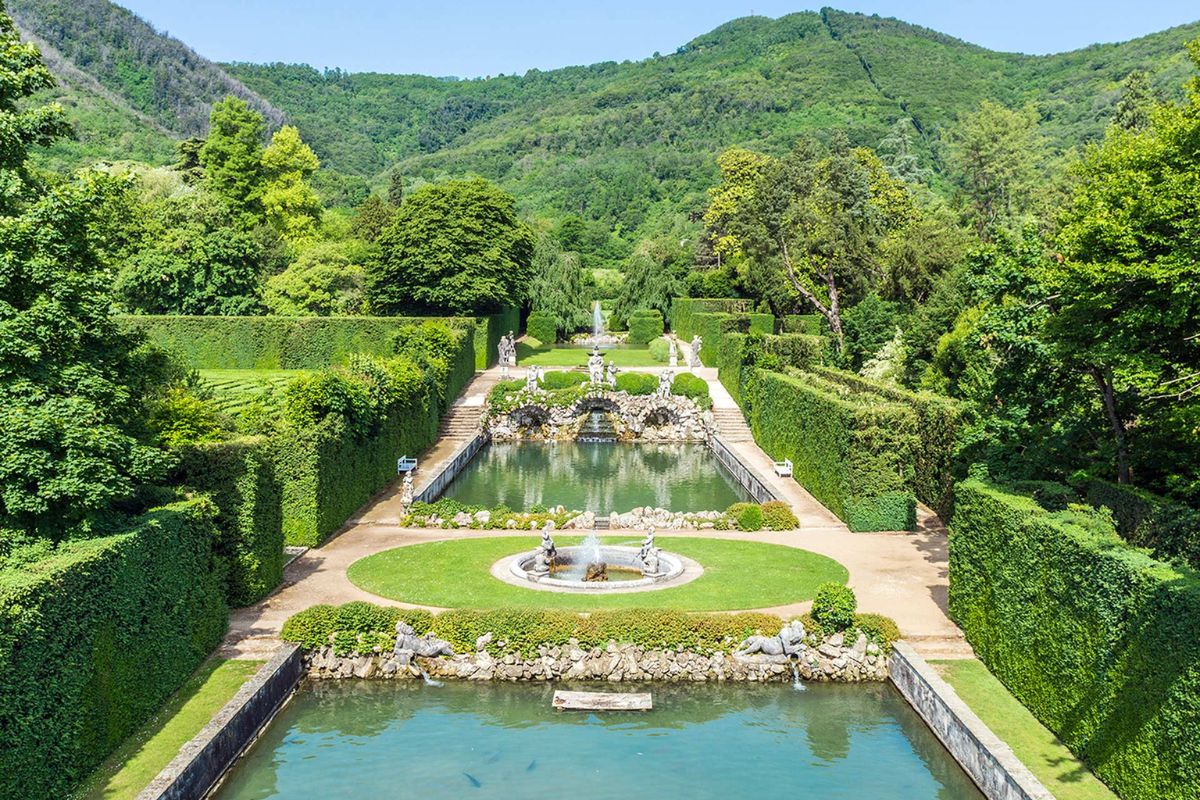
Designed by Baroque architect Luigi Bernini in the 17th century, the park at Valsanzibio was conceived as an allegorical journey of spiritual salvation. It maintains its original Baroque layout intact, complete with fountains, fishponds, trick water features (giochi d’acqua), and a complex period labyrinth.
8. Villa Durazzo Pallavicini (Genoa Pegli, Liguria)
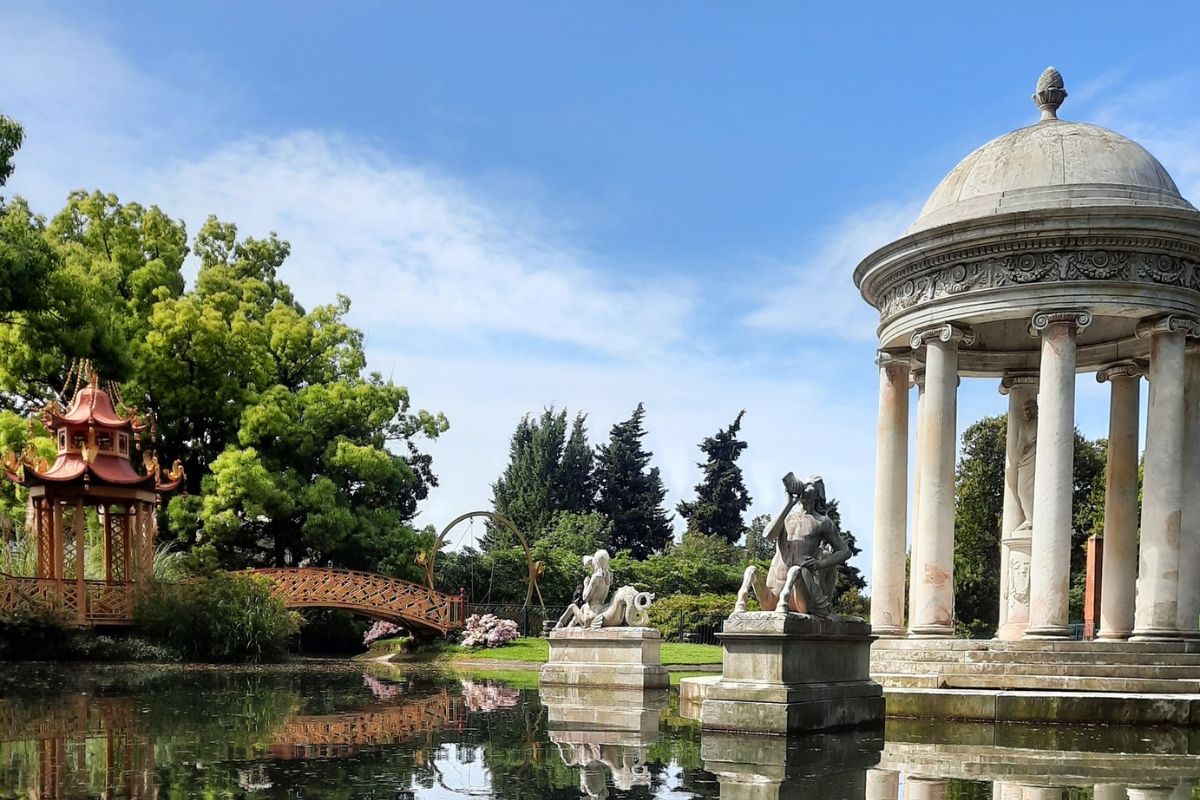
Constructed between 1840 and 1846 to a master plan by architect Michele Canzio, this Romantic-era park is structured like a three-act theatrical narrative. The path leads visitors through exotic set pieces, Neoclassical pavilions, artificial grottoes, and a picturesque lake of remarkable spatial depth.
Central Italy: The Zenith of Renaissance and Baroque Mastery
9. Boboli Gardens (Florence, Tuscany)
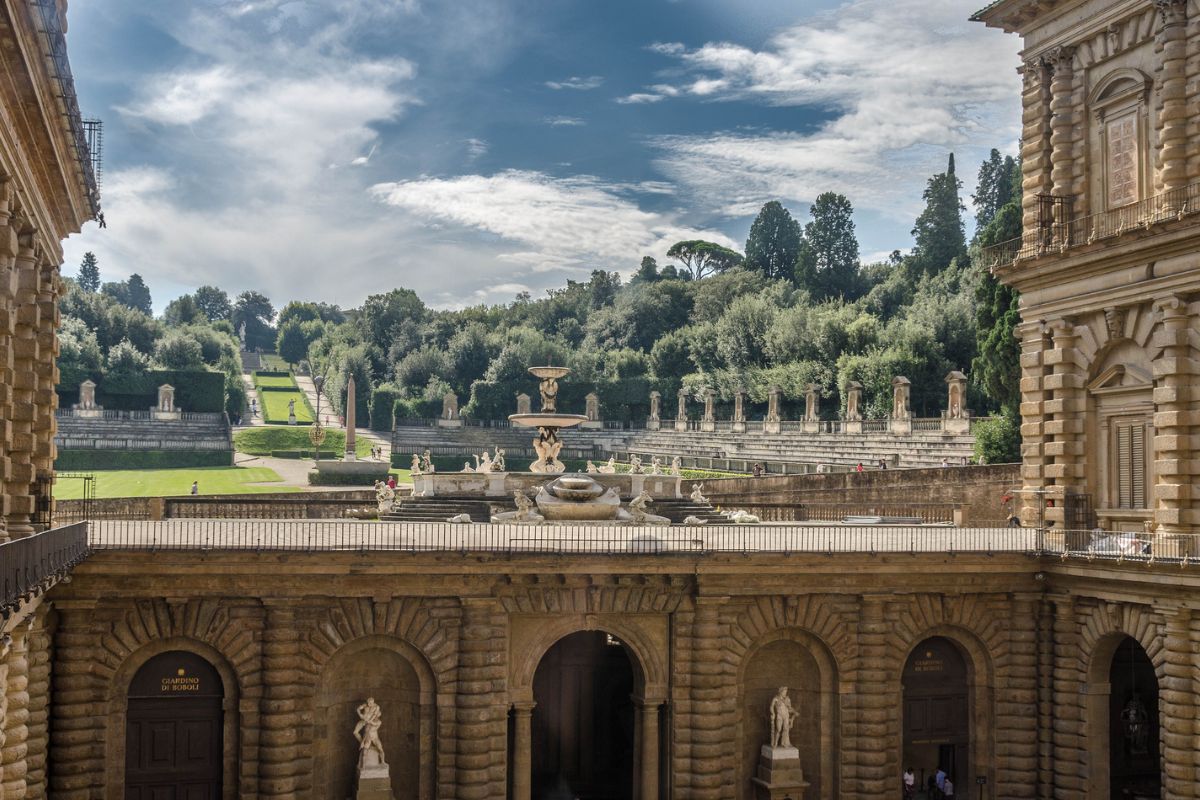
Commissioned by the Medici family for the Pitti Palace, the Boboli Gardens defined the archetypal Italian formal garden. Interventions by master architects such as Tribolo, Ammannati, and Buontalenti established a monumental perspective axis filled with artificial grottoes, amphitheatres, and an unparalleled collection of classical and Mannerist sculpture.
10. Historic Garzoni Garden (Collodi, Tuscany)
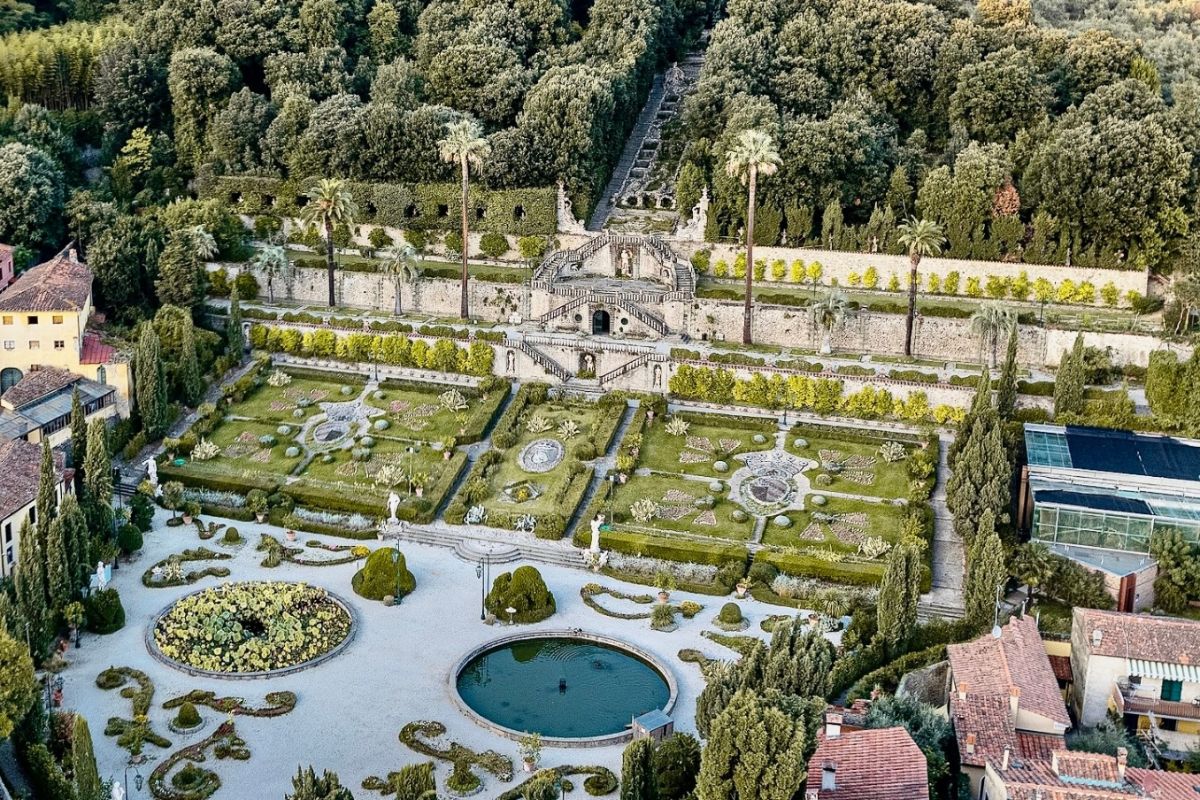
A high-Baroque masterpiece set against a steep medieval hillside, the Garzoni Garden uses the topography to striking effect. Sweeping double staircases, stepped waterfalls, intricate flower parterres, and allegorical stone figures generate a dynamic dialogue between architectural structure and natural slope.
11. Villa d’Este (Tivoli, Lazio)
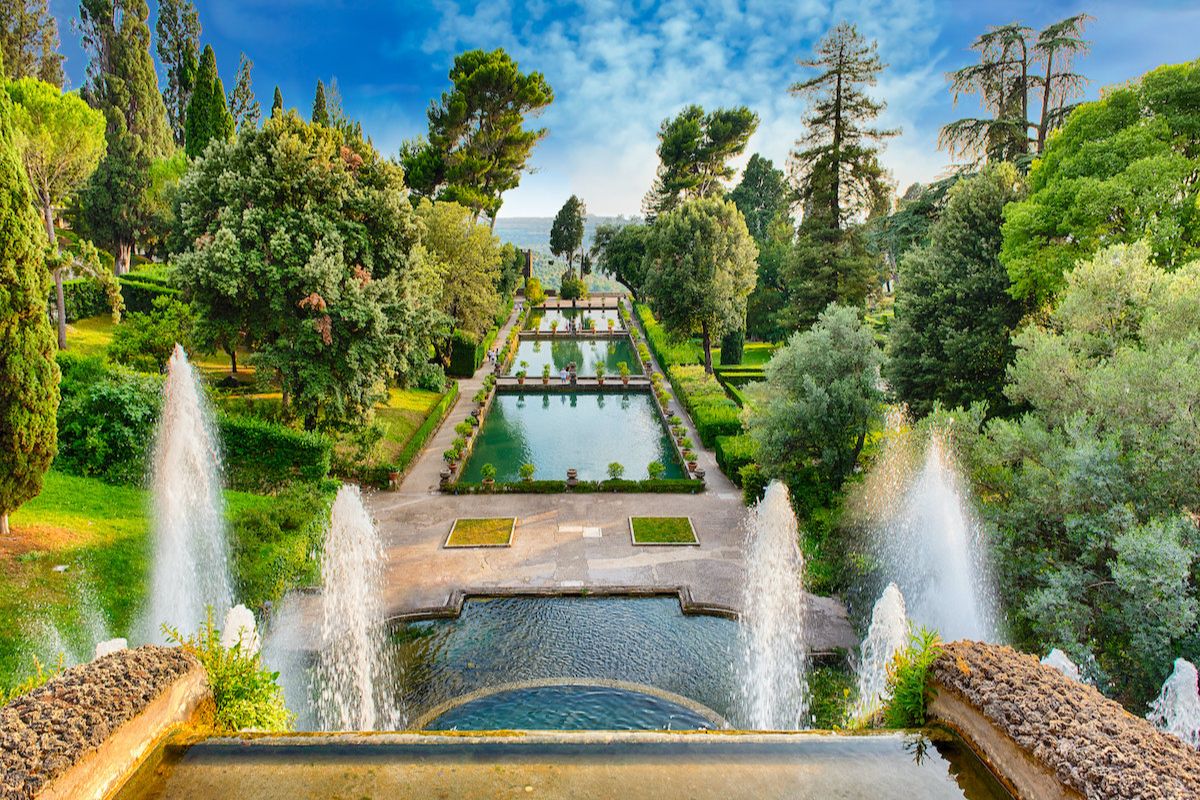
A UNESCO World Heritage site, Villa d’Este represents the absolute pinnacle of Renaissance hydraulic engineering and decorative grandeur. Designed by Pirro Ligorio for Cardinal Ippolito II d’Este, the hillside garden features hundreds of fountains powered purely by natural gravity, including the iconic Cento Fontane (Hundred Fountains) and the Organ Fountain.
12. Sacro Bosco of Bomarzo (Bomarzo, Lazio)
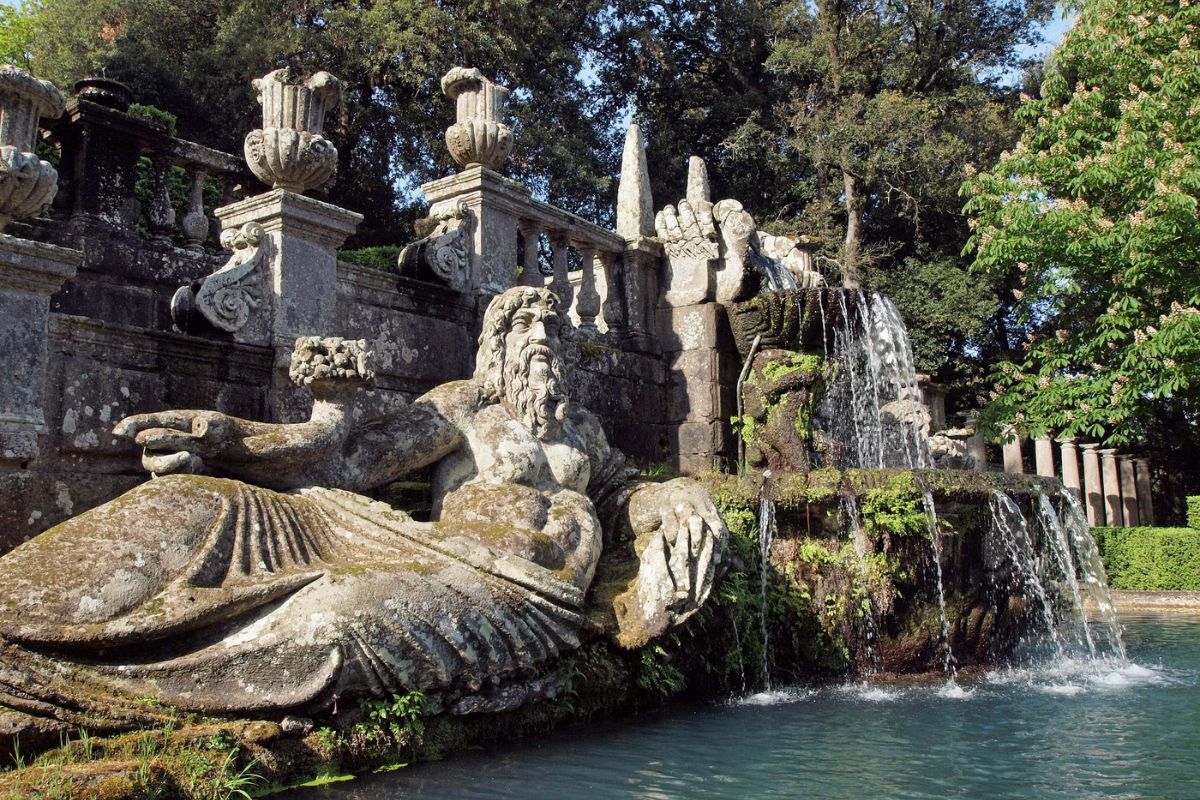
Commissioned in the 16th century by Vicino Orsini and designed by Pirro Ligorio, the Sacro Bosco (Sacred Grove) rejects Renaissance order in favor of Mannerist eccentricity. Massive, enigmatic figures and surreal architectural structures carved directly from local volcanic tufa stone emerge unexpectedly from the dense woodland.
13. Gardens of Villa Medici (Rome, Lazio)
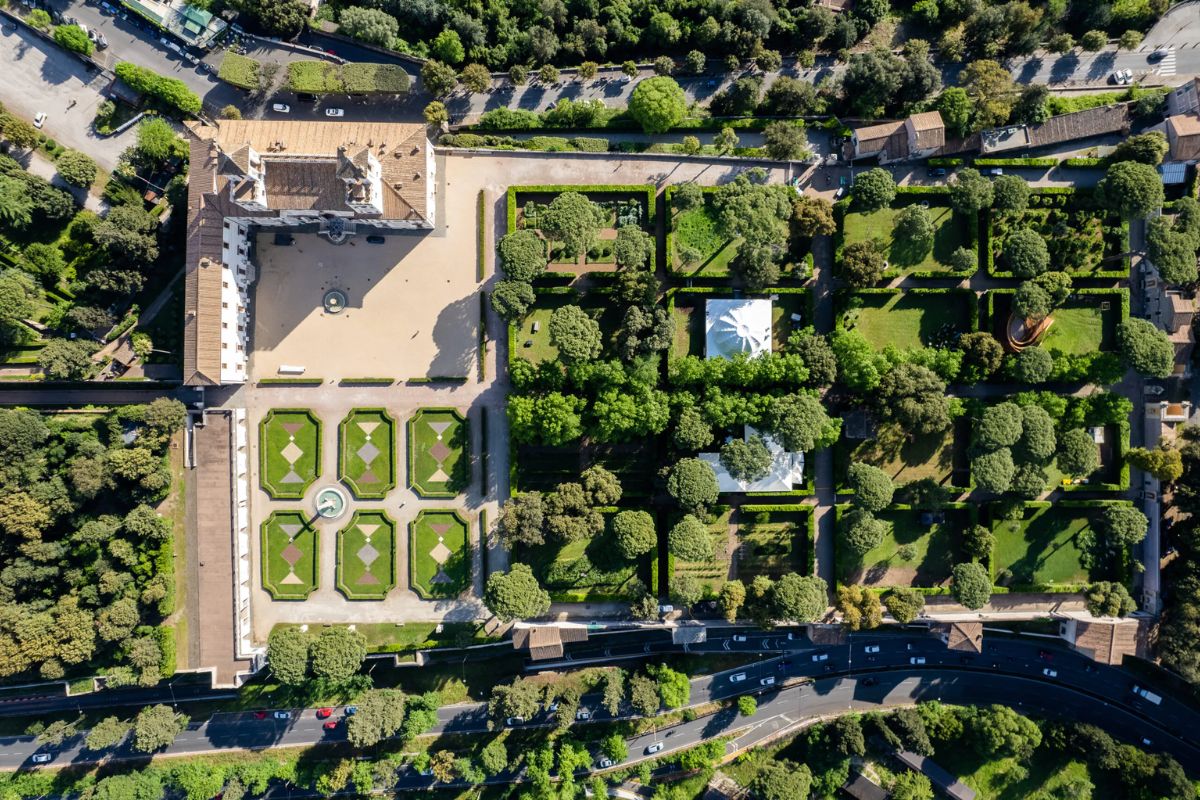
Occupying a commanding position on Rome’s Pincian Hill, the gardens of Villa Medici preserve their Renaissance grid system lined with neatly manicured boxwood hedges. Featuring classical casts, antique bas-reliefs embedded in the architecture, and framed views of the Roman skyline, the site remains a vital reference for urban landscape design.
14. Landriana Gardens (Ardea, Lazio)
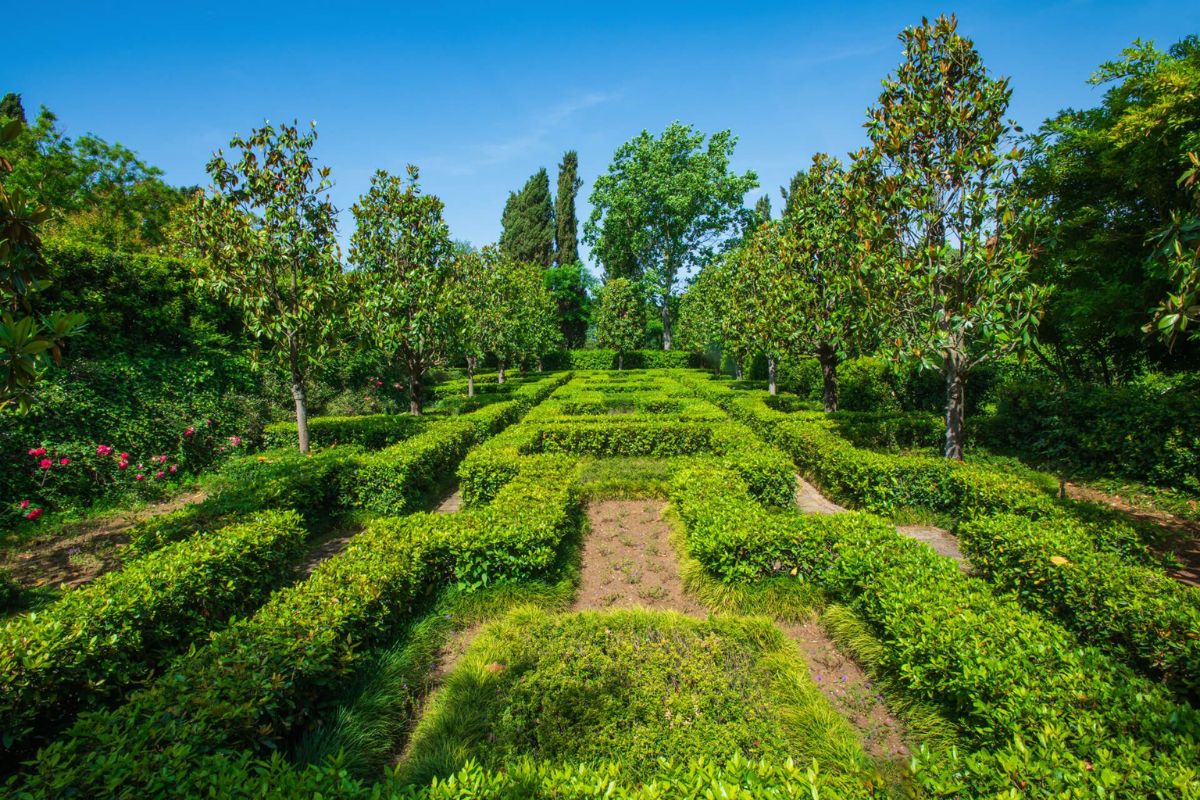
Crafted in the 1960s by renowned British landscape architect Russell Page alongside Marchesa Lavinia Taverna, the Landriana Gardens are arranged into distinct “botanical rooms.” Enclosed by formal hedges, each room is defined by a curated color palette and precise material selection.
Southern Italy & Islands: Coastal Scenography, Exotic Plants, and Historic Terroir
15. Park of the Royal Palace of Caserta (Caserta, Campania)
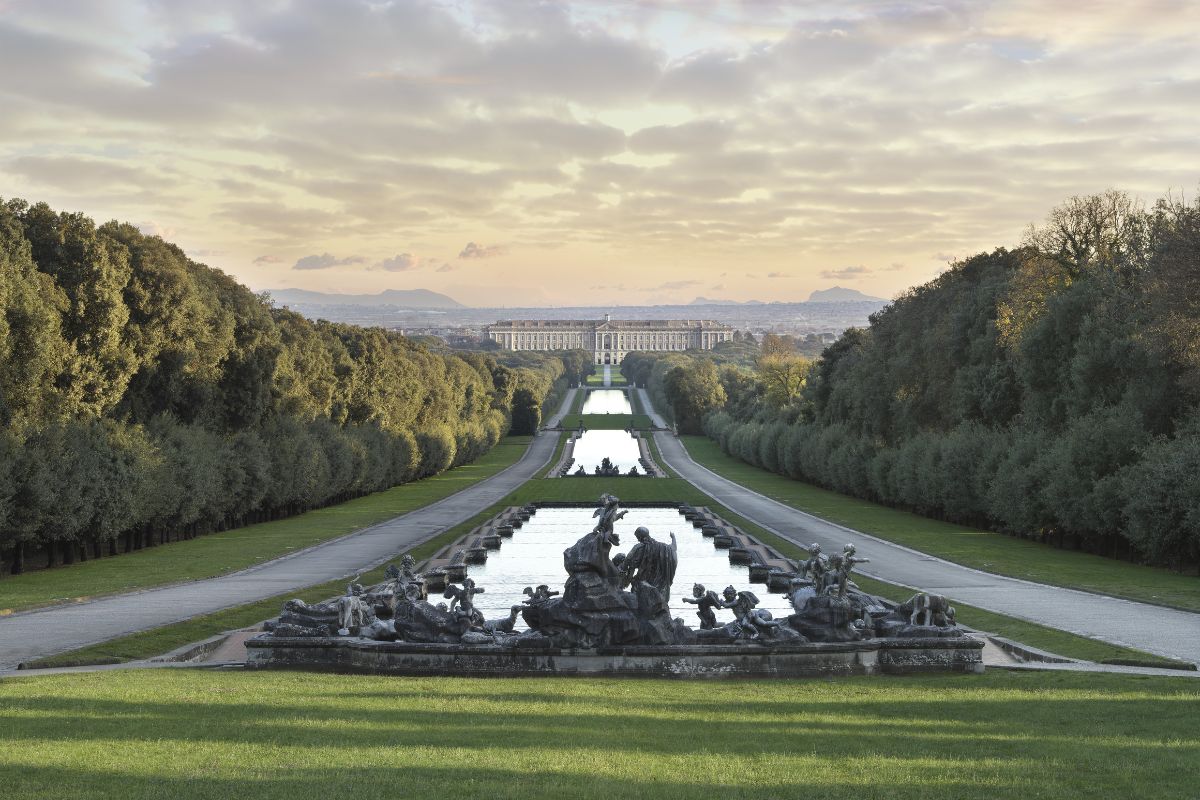
Designed by architect Luigi Vanvitelli, this vast royal park extends over three kilometers along a dramatic central axis, famous for its “telescope effect” visual trickery. The layout transitions from a grand Italian formal park adorned with monumental cascades into a Romantic English Garden commissioned by Queen Maria Carolina.
16. Villa Rufolo (Ravello, Campania)
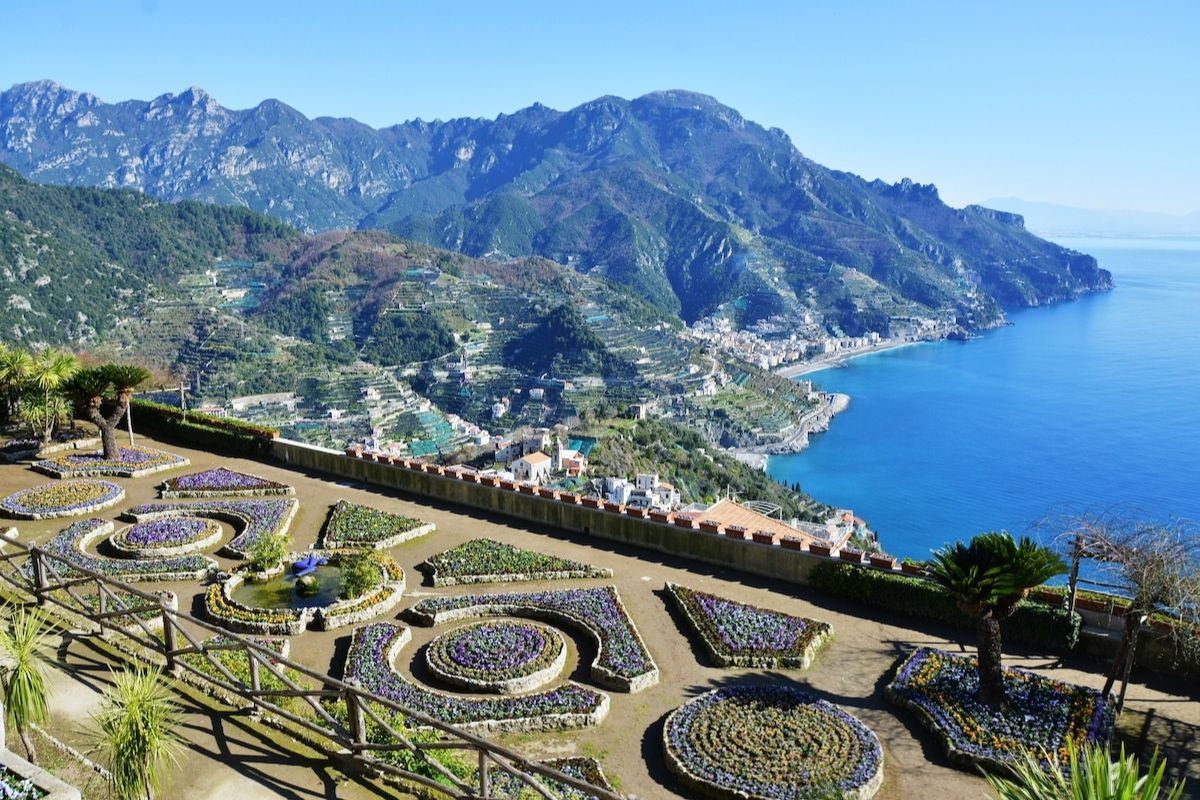
Perched high above the Amalfi Coast, Villa Rufolo features terraced gardens where lush Mediterranean flora meets original Arab-Norman architectural elements. The lower terrace suspended over the sea has inspired countless artists and serves as a classic model for integrating built structures into steep coastal environments.
17. Villa Cimbrone (Ravello, Campania)
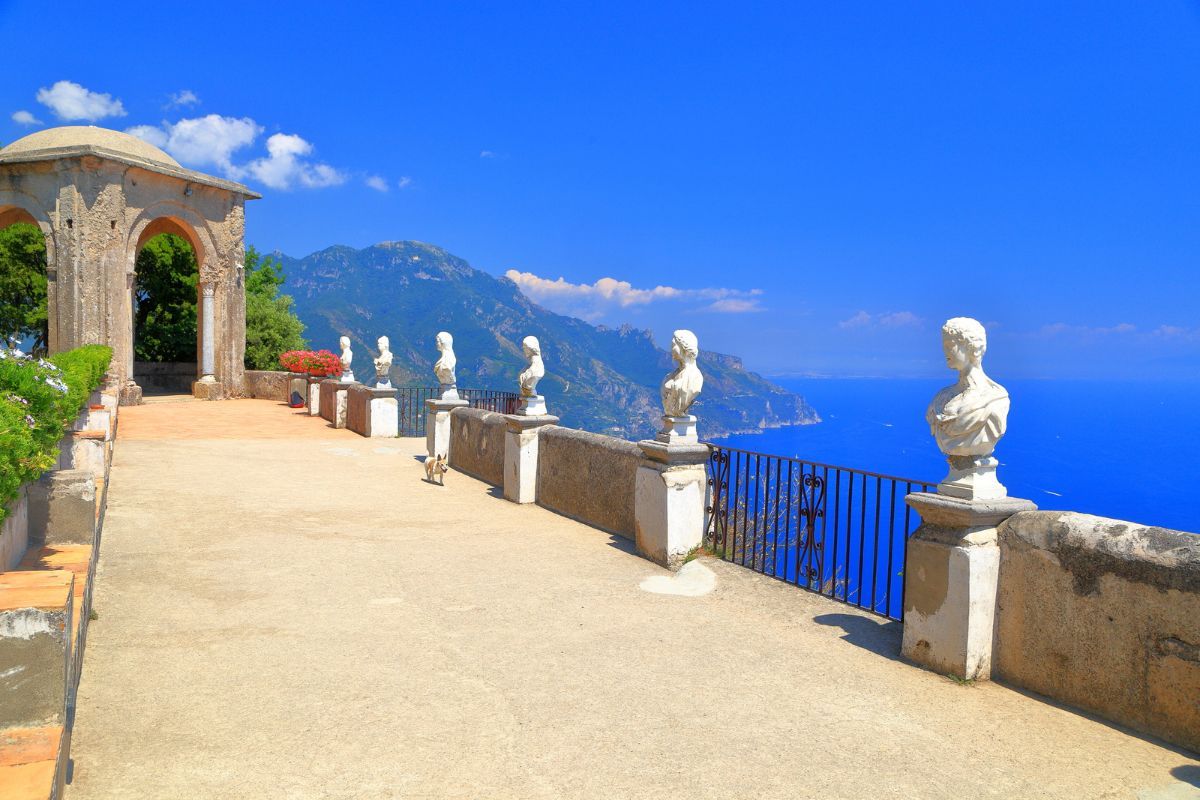
Redesigned at the start of the 20th century by Lord Grimthorpe, Villa Cimbrone blends exotic botanical species with Neogothic and classical architectural details. Its breathtaking Terrazza dell’Infinito (Terrace of Infinity) a marble-balustraded balcony lined with classical busts overlooking the Mediterranean offers one of the most iconic vista points in Western landscape design.
18. Palermo Botanical Garden (Palermo, Sicily)
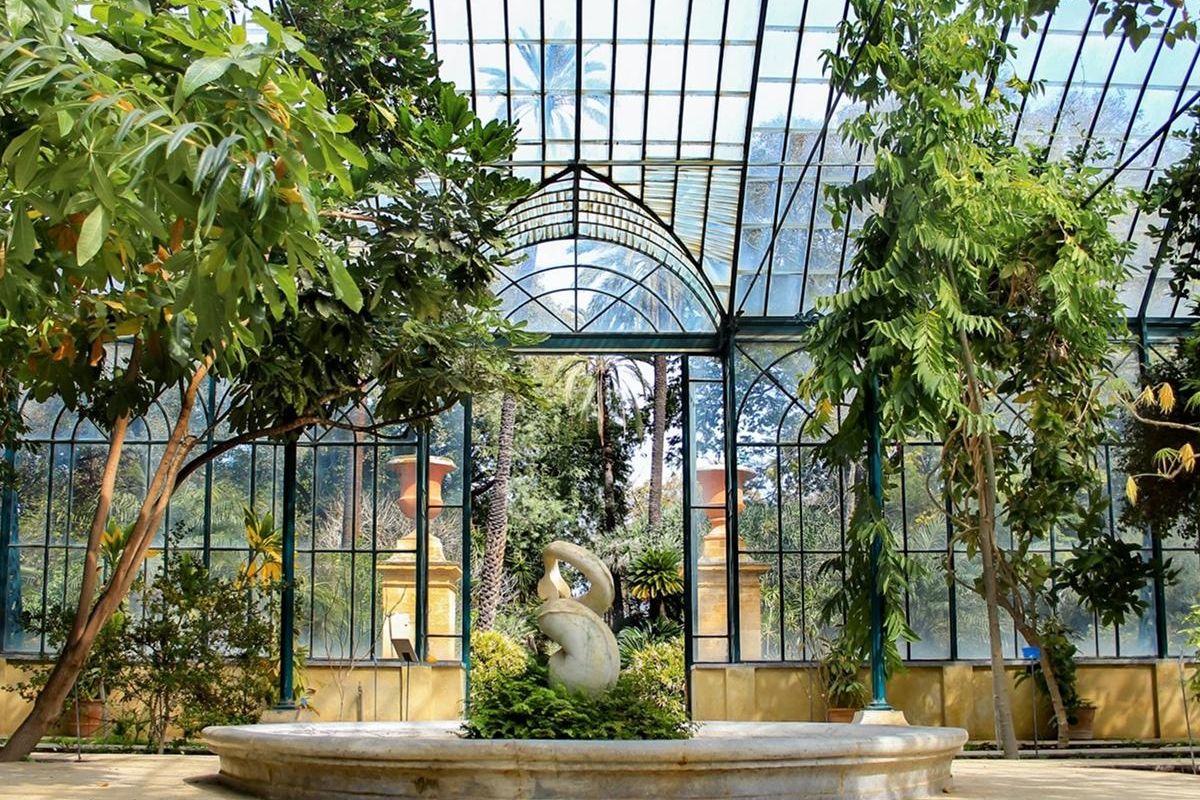
Founded in the late 18th century, the Palermo Botanical Garden is both a major scientific institution and a Neoclassical spatial achievement designed by Léon Dufourny. Its formal layout, divided into four geometric quadrants, hosts exceptional tropical and subtropical collections, including colossal specimens of Ficus macrophylla.
19. Kolymbethra Garden (Agrigento, Sicily)
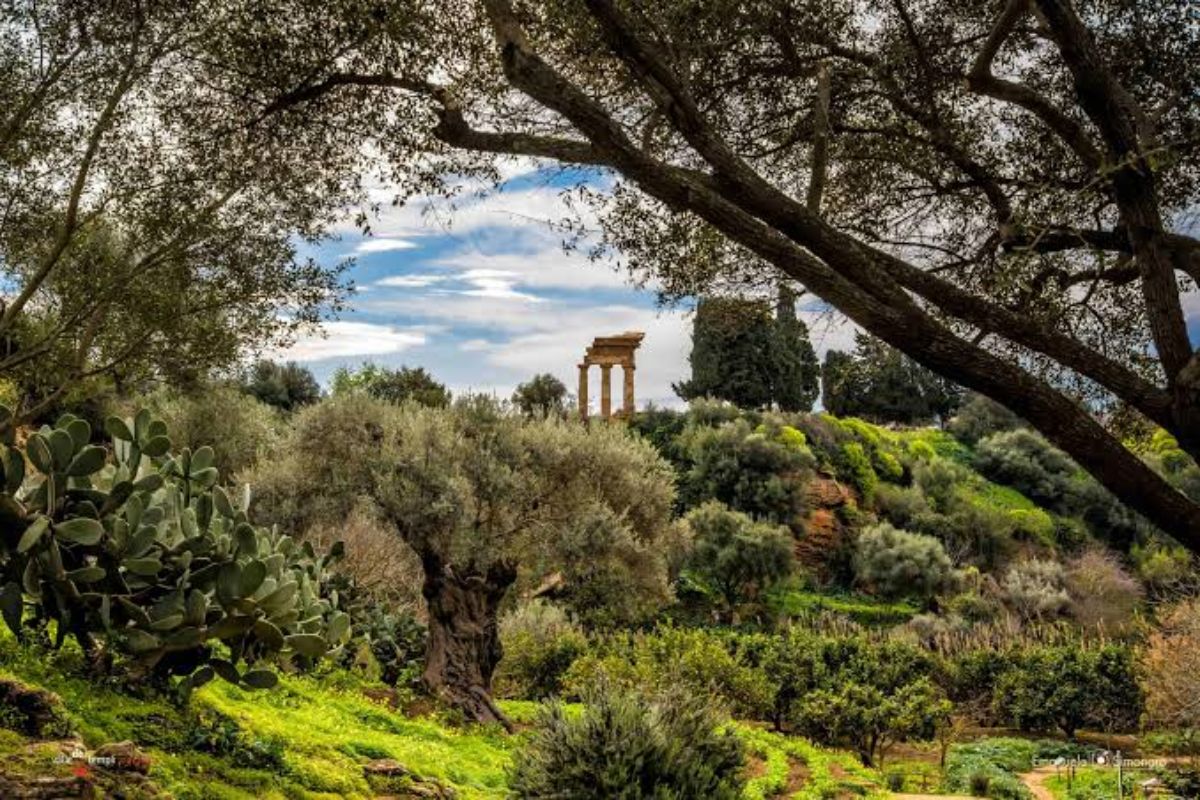
Nestled in a valley within the Valley of the Temples, the Kolymbethra is an ancient agricultural orchard irrigated by 2,500-year-old underground Greek aqueducts (hypogea). Restored by FAI (the National Trust for Italy), the garden blends classical archaeology with citrus groves, almond trees, and traditional Mediterranean farming techniques.
20. Botanical Garden of Padua (Padua, Veneto)
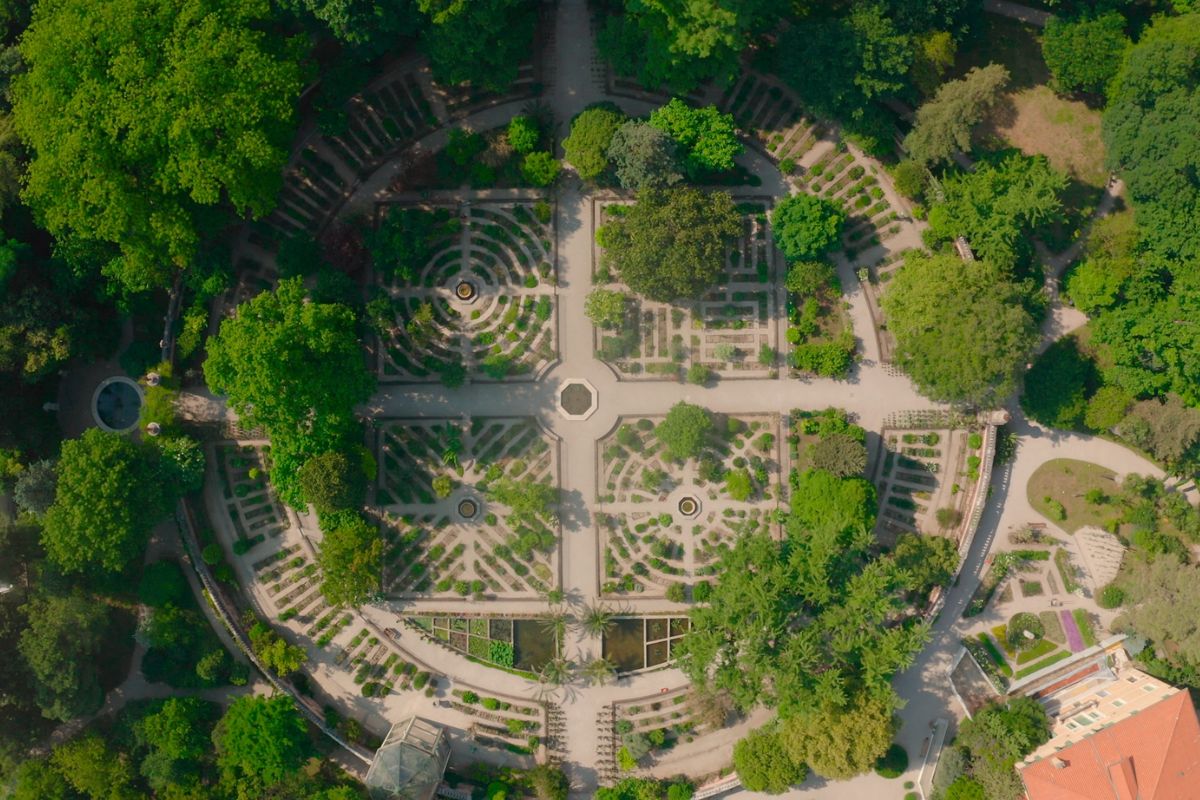
Established in 1545, this is the world’s oldest academic botanical garden operating in its original location. A UNESCO World Heritage site, its layout features a central circular plot inscribed within a square a Renaissance symbol of the world surrounded by water representing the precise intersection of geometry, symbolism, and scientific inquiry.
Design Takeaways for Contemporary Interiors and Landscapes
Analyzing these historical Italian gardens reveals foundational spatial concepts that continue to inform modern high-end architectural practice:
-
Light and Shadow Control: The intentional positioning of foliage screens, stone portals, and shaded avenues (allées) to manipulate visual depth and spatial perception.
-
Integrated Water Elements: Reflecting pools, rills, and wall fountains employed not merely as decoration, but to expand spatial boundaries and passively cool surrounding microclimates.
-
Indoor-Outdoor Continuity: The deliberate alignment of internal sightlines with external parterres, terraces, and garden axes, creating an unbroken transition between interior design and the natural landscape.