Poltrona Frau history since 1912: its name, founder, Haworth ownership, Pelle Frau leather, iconic products and Tolentino production.
Poltrona Frau history began in Turin in 1912, when Renzo Frau registered a name that would become synonymous with leather seating and Italian craftsmanship. Today the company works across residential furniture, public spaces and interiors for cars, aircraft and yachts, while Tolentino remains the centre of its manufacturing culture.
| A few interesting facts about Poltrona Frau |
|---|
| Renzo Frau registered the name with the Turin Chamber of Commerce in 1912. |
| “Frau” is the founder’s surname, while “Poltrona” immediately identifies the central product. |
| The company moved from Turin to Tolentino in 1963. |
| The 904 armchair, produced from 1930, has been called Vanity Fair since 1984. |
| Poltrona Frau has belonged to the US Haworth family since 2014. |
| Poltrona Frau Group became Haworth Lifestyle in 2025. |
What is Poltrona Frau?
Poltrona Frau is a high-end Italian furniture company known above all for leather sofas, armchairs and upholstery. Its catalogue also includes beds, tables, storage and accessories, while the Custom Interiors and Interiors in Motion divisions carry its expertise into auditoriums, hotels, offices and vehicles.
Leather is the most recognisable element, although the identity does not depend on one material. Wood or metal frames, springs, padding, stitching and finishing details build comfort and durability. The corporate overview accordingly identifies three sides of Poltrona Frau: Residential Living, Custom Interiors and Interiors in Motion.
The brand also appears in Archi&Interiors’ guide to the best armchair brands, where seating is assessed through ergonomics, material, dimensions and intended use.
What does the name Poltrona Frau mean?
The name joins the symbolic product to the founder’s surname. “Frau” means “woman” or “Mrs” in German, but here it is first and foremost Renzo Frau’s family name. It is not an acronym and does not signal German origins: the business was founded in Turin by a Sardinian entrepreneur.
“Poltrona”, the Italian word for armchair, makes the specialisation immediate and creates an unusual name that remains memorable outside Italy. The range expanded over time, while the connection between brand, seating and leather remained a central part of its identity.
Poltrona Frau history since 1912
Renzo Frau registered the brand with the Turin Chamber of Commerce in 1912. He introduced furniture influenced by English and French seating into Italian interiors, reinterpreting it through careful workmanship, upholstered volumes and leather covers. During the First World War, while Frau was called into military service, his wife Savina ran the company.
Renzo Frau died in 1926 and left an archive of drawings that allowed production to continue. Model 904 entered the range in 1930 and later became known as Vanity Fair. The Nazareno Gabrielli group acquired the firm in 1962; one year later, its activities and expertise moved to Tolentino in the Marche region.
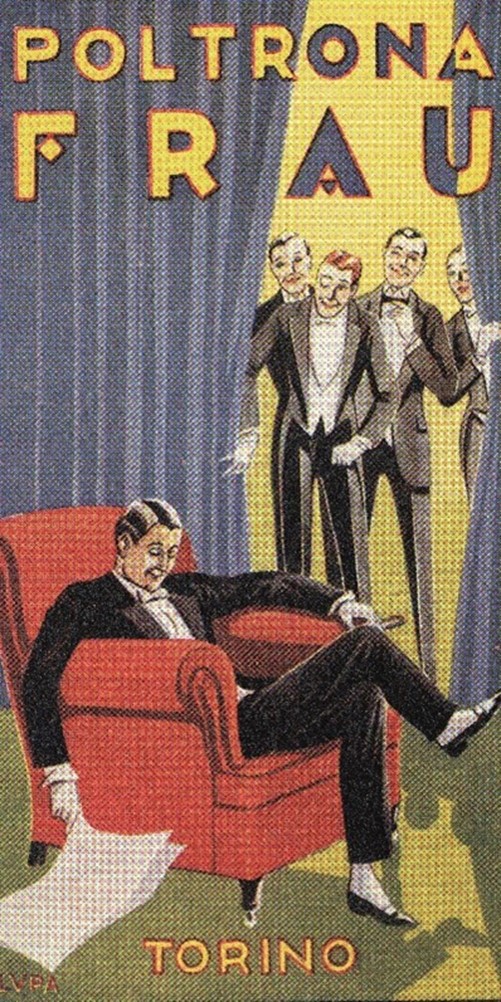
The company expanded into automotive and contract work during the 1980s. Poltrona Frau Group was created with Cassina and Cappellini in 2004. The official timeline then records Haworth’s acquisition of the group in 2014 and its transformation into Haworth Lifestyle in 2025.
Pelle Frau leather: material, research and workmanship
Pelle Frau® does not identify one type of hide. It is a system of collections with different origins, tanning methods, grain, feel, resistance and intended use. The Research and Development Centre defines technical and sensory parameters with selected tanneries, after which coverings are controlled in relation to each product and sector.
Since 1986, the Tolentino laboratory has tested semi-finished and completed products for light exposure, flexing, abrasion, climate and structural resistance. The page covering Pelle Frau leather and its laboratory shows why softness and appearance form only part of quality: consistency, durability and behaviour in use also matter.
Natural hides can display variations in grain and colour. These characteristics should be considered together with care instructions, because direct light, heat sources and aggressive products can alter the covering.
Iconic Poltrona Frau armchairs and products
Vanity Fair is the historic symbol. Officially model 904 and in production from 1930, it took its present name in 1984. The company carefully states that the design appears to have been reworked from drawings Renzo Frau left to Savina. Its beech frame, hand-tied double-cone springs and row of leather-covered tacks reveal a layered construction.
Chester interprets the button-tufted sofa with rolled arms and deeply worked leather. Dezza, designed by Gio Ponti in 1965, represents the new Tolentino period through a lighter, modern frame. Jean-Marie Massaud’s Archibald brings soft folds and visible stitching into contemporary language.
These models explain how an armchair can become an icon without remaining frozen in time. Proportions, padding and finishes can evolve as long as the project’s character remains legible. Vanity Fair also features among the Italian objects that shaped design history.
From auditoriums to automotive interiors
Expertise in leather and seating allowed Poltrona Frau to work beyond the home. Its contract division develops bespoke furniture and seating systems for theatres, auditoriums, museums, hotels and institutional spaces. Here design must coordinate comfort, acoustics, safety, maintenance and integration with architecture.
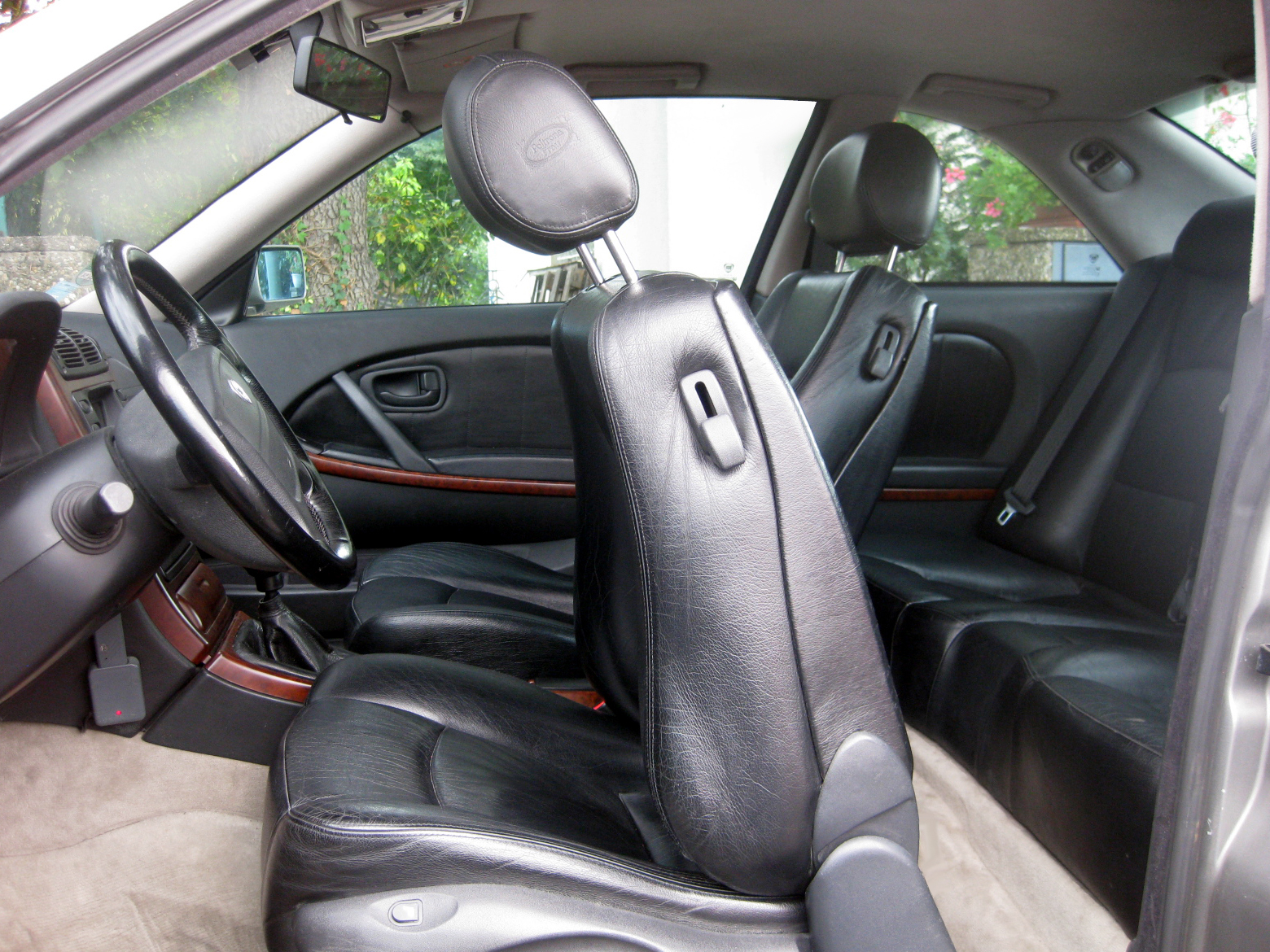
Interiors in Motion applies materials and workmanship to cars, aviation, yachts and rail. This is more than placing a domestic armchair inside a vehicle: leather, stitching and components must meet technical specifications, resistance requirements and particular geometries.
Where is Poltrona Frau furniture made?
Tolentino is the operational and administrative headquarters and the heart of Poltrona Frau manufacturing. Development, the test laboratory and significant stages in upholstered-furniture and covering production are concentrated here. The company’s sustainability reporting calls the Marche site the driving centre of production.
The contemporary catalogue, however, includes many categories, materials, components and special projects. It is therefore sensible to check the documentation for each product rather than automatically assign “made in Tolentino” to every element. Supply-chain quality also involves specialist tanneries and suppliers working to the brand’s requirements.
Who owns Poltrona Frau today?
Poltrona Frau has belonged to Haworth, the US group controlled by the Haworth family, since 2014. In 2025 Poltrona Frau Group became Haworth Lifestyle, a federation of design, manufacturing, retail and licensing brands.
Its portfolio includes Poltrona Frau, Cassina, Cappellini, Ceccotti Collezioni, Zanotta, Karakter and other luxury businesses. Poltrona Frau S.p.A. is a single-member company under the direction and coordination of Haworth Italy Holding. American ownership therefore coexists with operational headquarters, expertise and manufacturing rooted in Italy.
The Poltrona Frau Museum and stores
The Poltrona Frau Museum in Tolentino presents the company’s history, materials, techniques and special projects. It is a corporate museum open to the public on the days and terms listed on its website; guided visits require booking. The displays also reveal the craft gestures behind finished surfaces.
Flagship stores and dealers operate in Italy and abroad. Because the network, opening hours and services change, the safest reference is the official Poltrona Frau store locator, which helps distinguish monobrand stores from authorised retailers.
Is Poltrona Frau a quality brand?
Poltrona Frau operates at the high end of the market and combines complex workmanship, selected materials and close control of coverings. Quality should still be assessed on the specific model: frame, suspension, padding density, type of leather or fabric, stitching, personal comfort and available service.
For a seat intended to last, it is helpful to try it, read the technical sheet and ask how its covering and padding will change over time. Brand prestige has value, while construction and maintenance determine daily experience. This encounter between image and manufacturing skill is the foundation of Poltrona Frau history.