Zara Home from 2003 to today: its history, Inditex ownership, style, Vincent Van Duysen collaboration, production and presence in Italy.
Zara Home was launched in 2003 as the Inditex brand dedicated to the home. Beginning with textiles, it gradually expanded into tableware, decoration, fragrances, lighting and furniture. Its success rests on the ability to translate trends, materials and domestic rituals into coordinated collections, supported by carefully art-directed imagery and an assortment that changes frequently.
Facts and curiosities about Zara Home
| Founded | 2003 |
|---|---|
| Owner | Inditex |
| First online store | 2007, the first Inditex brand to sell online |
| What it sells | Textiles, tableware, decoration, fragrances, lighting and furniture |
| Signature approach | Coordinated collections, editorial styling and seasonal renewal |
| Design collaboration | Vincent Van Duysen, with furniture and objects defined by essential forms |
When Zara Home was founded: the story since 2003
Zara Home’s history begins in 2003. An official Inditex document marking the brand’s tenth anniversary in 2013 confirms the date and describes an international business already specialising in home decoration and linen.
The idea was to apply part of the method that had made Zara recognisable in fashion to the interior: quick interpretation of changing tastes, coordinated collections, frequent new arrivals and strong visual direction. A home, however, follows different rhythms from a wardrobe. A duvet cover, dinner service or table must work with objects already in place and perform in daily life. The brand therefore developed its own identity, focused less on the isolated product and more on the complete atmosphere.
The digital channel arrived early. According to the Inditex Annual Report 2014, Zara Home was the first group brand to launch online sales, in 2007. That decision anticipated a way of shopping especially suited to home décor: viewing complete settings, comparing dimensions and colours, then assembling a basket room by room.
What does the name Zara Home mean?
Zara Home is not an acronym and does not describe a production technique. The name extends Zara, the group’s best-known brand, into the domestic sphere. “Home” defines the field: textiles and objects for living spaces. The connection provides immediate recognition, while the range, photography and stores establish a separate design language.
The relationship with Zara is therefore corporate and strategic, but the two offers are not identical. Zara dresses the person; Zara Home works across the bedroom, bathroom, table and living areas. In recent years their boundaries have moved closer through capsules, accessories and shared visual direction, without removing the home brand’s specialisation.
Who owns Zara Home?
Zara Home belongs to Industria de Diseño Textil, S.A. (Inditex), the Spanish group based in Arteixo, Galicia, and listed on the Madrid Stock Exchange. Its other brands include Zara, Pull&Bear, Massimo Dutti, Bershka, Stradivarius and Oysho.
This resolves a common misunderstanding: Zara Home is neither an independent company acquired by Zara nor a business with a different owner. It is one of the brands through which Inditex operates. Recent corporate reporting also presents Zara and Zara Home together because of their operational synergies and the growing integration of physical and digital platforms.
What is the Zara Home style?
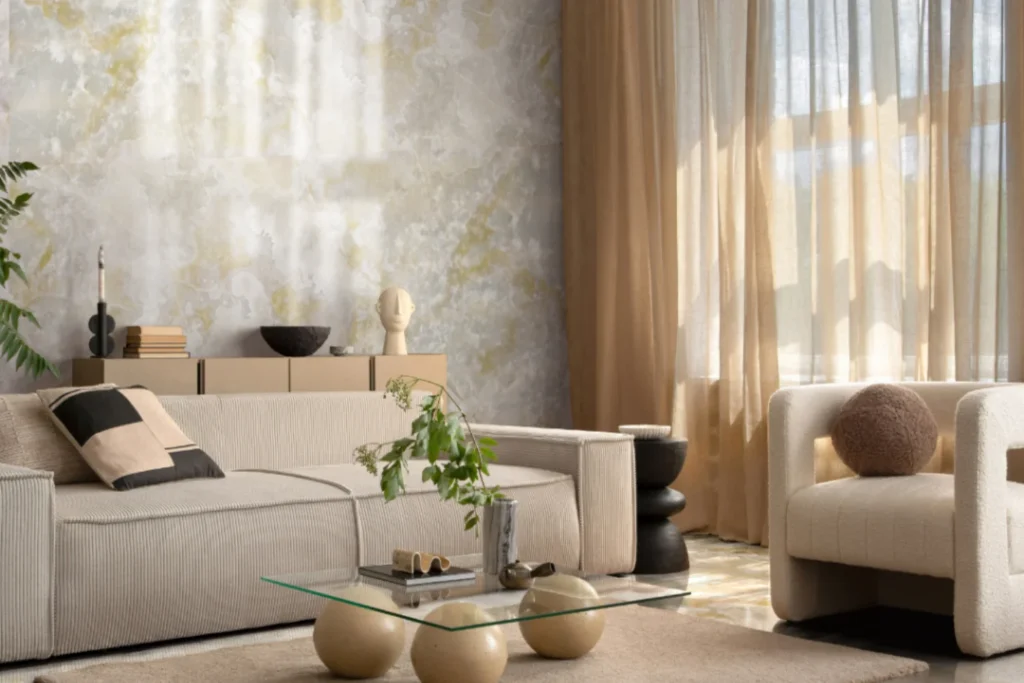
Reducing Zara Home to a single style would be misleading. Collections change with the seasons and can move between Mediterranean, rustic, Eastern and modernist references. A recurring grammar nevertheless remains visible: natural palettes, softly lit photography, warm woods, clear or coloured glass, tactile ceramics and fabrics that create depth even when the colours stay quiet.
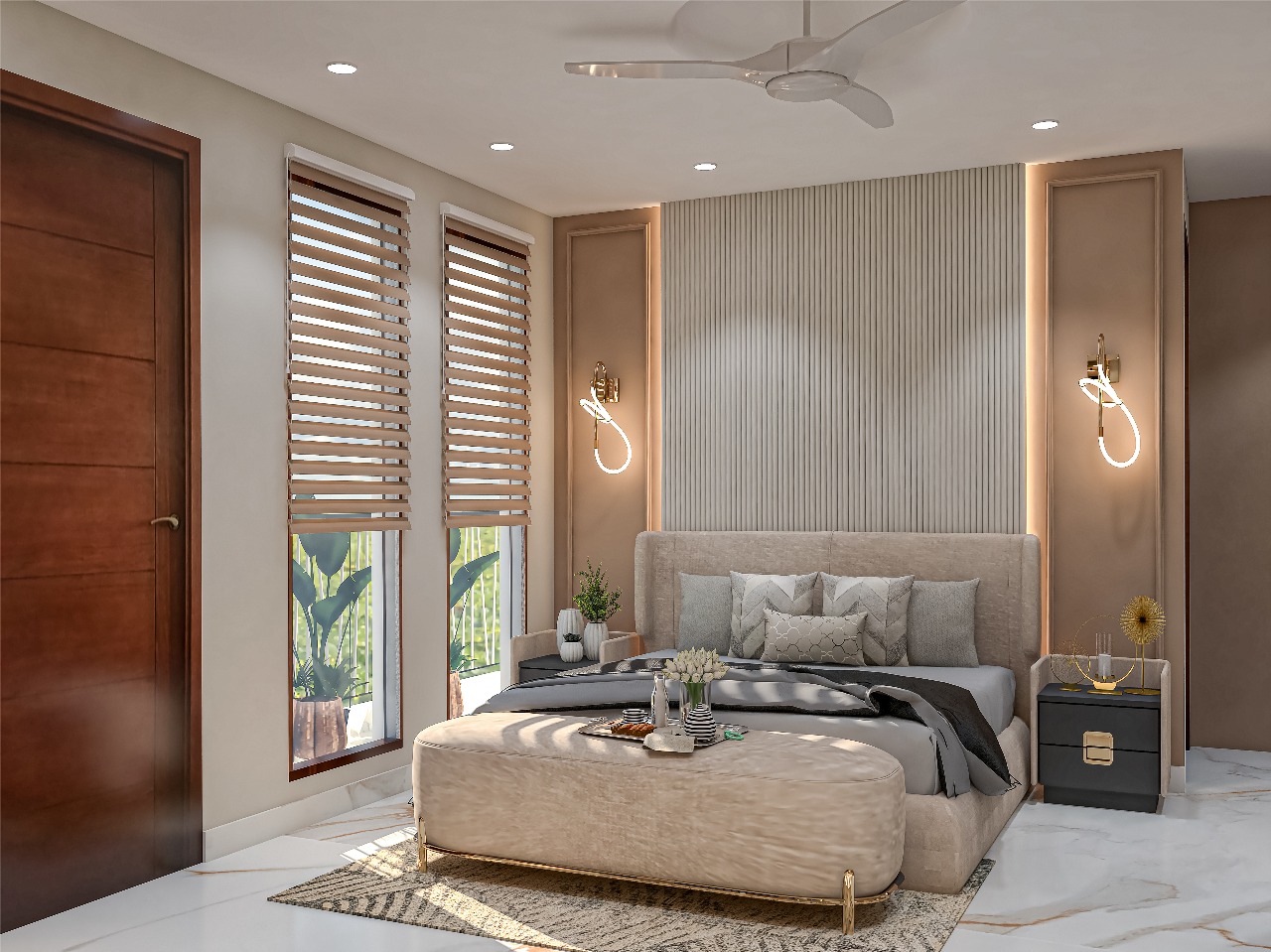
The result often approaches Organic Modern style, although it should not be reduced to the “beige home”. The most convincing effect comes from contrast: rumpled linen with thin glass, dark timber against pale walls, or one sculptural form within a simple composition. Our guide to ivory in interior design also shows why neutral palettes work only when materials and finishes introduce variation.
From textiles to furniture: how the range has changed
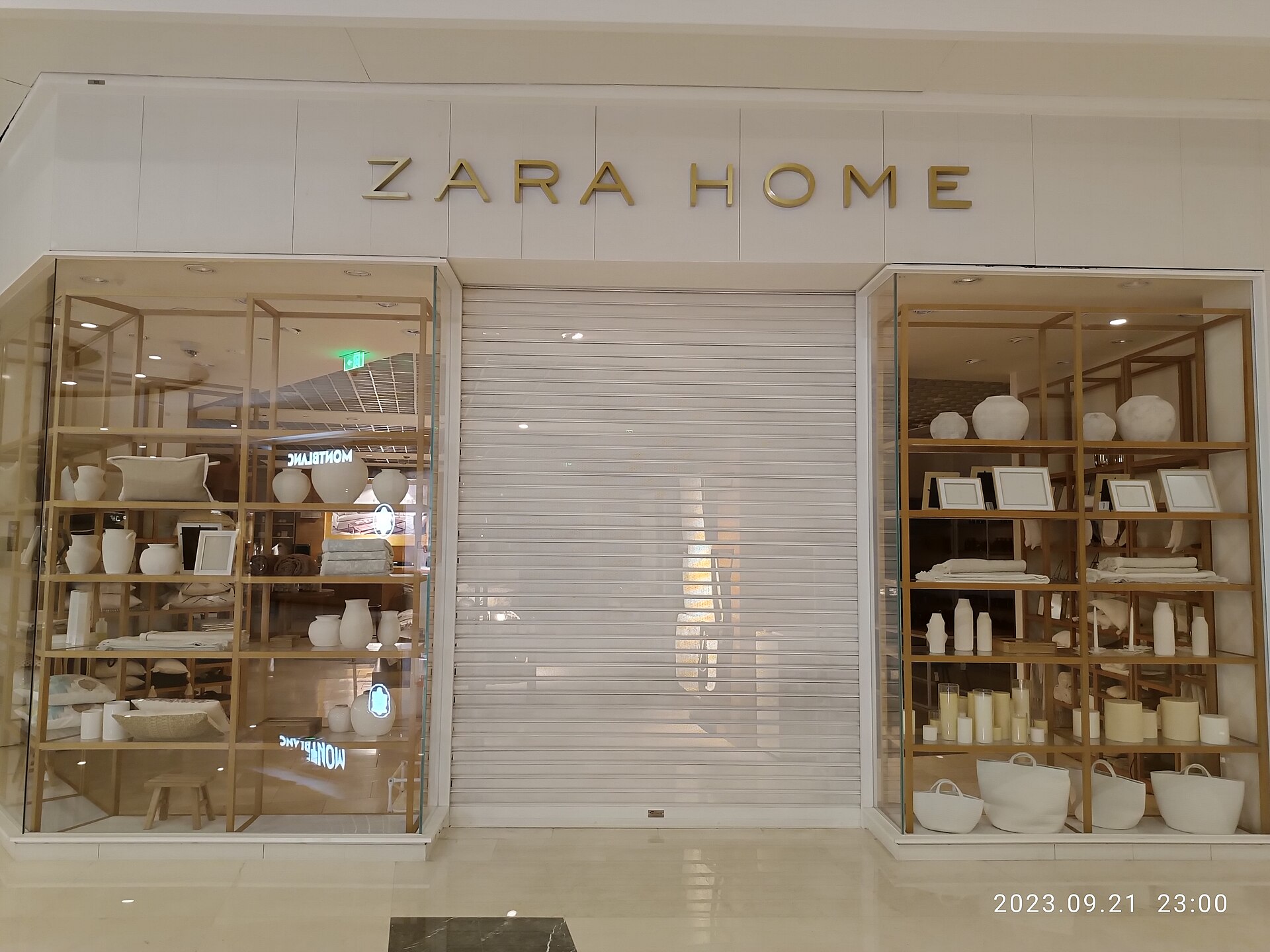
Textiles remain the historic heart of the offer: bed linen, towels, curtains, cushions, throws and rugs. Kitchen and dining, decoration, bathroom, fragrance and children’s lines have grown around that core. The official Italian catalogue now also includes furniture and lighting, two areas that have moved Zara Home from an accessories brand towards a more complete proposal for the room.
The table illustrates the method well. Plates, glasses, cutlery, tablecloths and accessories are shown as an ensemble, allowing customers either to recreate an atmosphere or select individual elements. To compose a table without copying a ready-made set, start with proportion and material: our guide to linen tablecloths and place settings explains how to coordinate textiles, ceramics and glassware while preserving a personal result.
Zara Home and Vincent Van Duysen
The collaboration with Belgian architect and designer Vincent Van Duysen marked a significant evolution. Its collections introduce sofas, armchairs, tables, seating, lamps and objects with carefully judged proportions, visually rich materials and forms designed to outlast a single season. The Inditex Annual Report 2025 mentions the fourth launch of the collaboration, confirming its continuity.
The line raises the positioning and makes the dialogue between large-scale retail and design culture more explicit. It does not turn the entire catalogue into a designer collection. Instead, it creates a complementary level for anyone seeking an anchor piece — a sofa, table or chair — to combine with more accessible textiles and accessories.
Where are Zara Home products made?
There is no single manufacturing country for the whole catalogue. Inditex states that the group’s design and distribution activities are carried out in Spain, while manufacturing involves an international network. In 2025 the group worked with 6,684 factories in 49 markets, covered by several control programmes. That is a group-wide figure and should not be presented as a Zara Home-only number.
The country of origin can therefore vary from one item to another, as can materials and techniques. To establish where a specific product was made, consult its online details or label. This matters across very different categories: a linen textile, stoneware bowl, drinking glass and timber cabinet follow different supply chains.
Is Zara Home good quality, and how can it be assessed?
Quality cannot be judged uniformly across the collection. Zara Home occupies an accessible or upper-middle price level depending on the range, but price and imagery do not replace inspection of the item. For textiles, check fibre content, density, handle, stability after washing and care instructions. Linen may have natural irregularities; cotton varies greatly with fibre, construction and finishing.
For ceramics and glassware, look at glaze consistency, rims, weight, suitability for the intended use and dishwasher or microwave compatibility. For furniture, distinguish solid timber, veneer and board; inspect joints, stability, load capacity and maintenance. Dimensions always deserve attention: editorial photography can make a vase, lamp or occasional table appear larger than it is.
Where to find Zara Home in Italy
Zara Home has stores in major Italian cities and selected shopping centres. The official store locator, checked in September 2026, lists locations across Milan, Rome, Turin, Bologna, Florence, Venice, Verona, Bergamo, Brescia, Udine, Caserta, Catania and Palermo. Openings, relocations and hours can change, so it is sensible to check the individual store page before travelling.
The Italian online shop often carries a broader assortment than one physical store. For accessories, check measurements and materials; for furniture, lighting and rugs, also verify delivery, assembly, door and stair access, and return conditions. A visit remains valuable for assessing colour, weight and tactility, especially when coordinating products with samples already present at home.
Zara Home’s most interesting feature is not simply the extension of Zara into interiors, but its transformation of home shopping into a room-based narrative. Used thoughtfully, that direction can provide a sound starting point; the result becomes personal when coordinated pieces are mixed with existing furniture, art, memories and materials chosen to last.