Maison&Objet and Paris Design Week 2026: a guide to Masquespacio’s immersive world, emerging talent and two Paris addresses to follow, from the Ateliers de Paris to the Hôtel d’Albret.
Maison&Objet 2026 returns to Paris Nord Villepinte from 10 to 14 September, while Paris Design Week runs across the city from 10 to 19 September. Together, they offer two ways to read contemporary design: through objects and collections at the trade fair, and through the spaces, workshops and cultural institutions that give those objects a context.
For this September edition, our route follows three questions. How can colour change the experience of a room? What does a material reveal about the way an object is made? And what happens when design invites people to sit, meet and share a place? The following selection is an advance guide based on announced programmes, rather than a review of installations already visited.
Programme checked on 7 September 2026.
Maison&Objet and Paris Design Week: dates and access
Maison&Objet takes place at the Paris Nord Villepinte exhibition centre, outside central Paris. The fair is reserved for professionals in decoration, design and lifestyle, with admission subject to the organiser’s registration conditions. The Paris tourism office’s Maison&Objet listing confirms the September dates and location.
Paris Design Week is a citywide programme for professionals and the wider public. Individual exhibitions have their own opening dates, hours and booking arrangements. A trip after 14 September can still include Design Week, but no longer the fair. Allow a separate day for Villepinte rather than treating it as another stop between central galleries.
Pulse in Motion: a theme to read through space
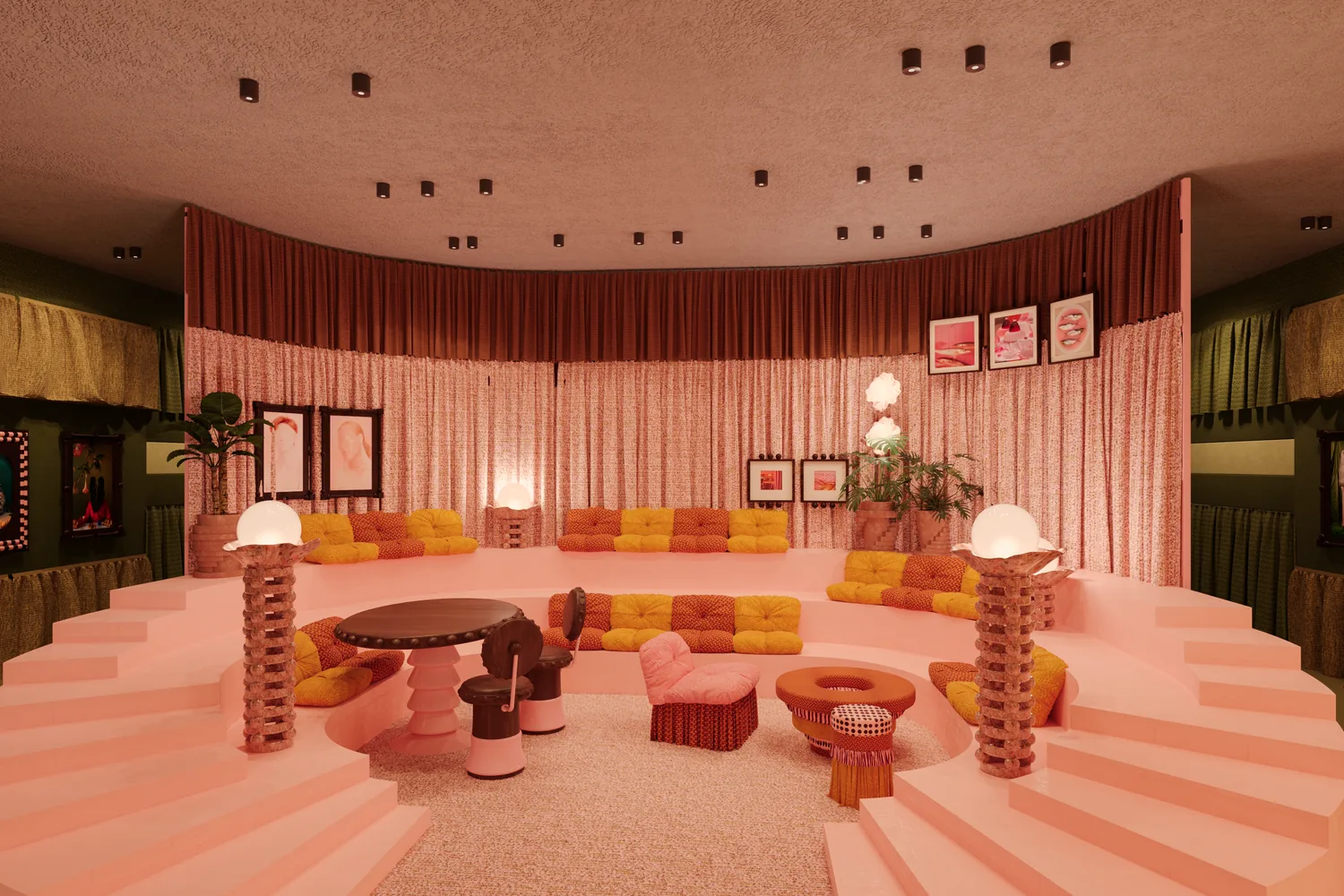
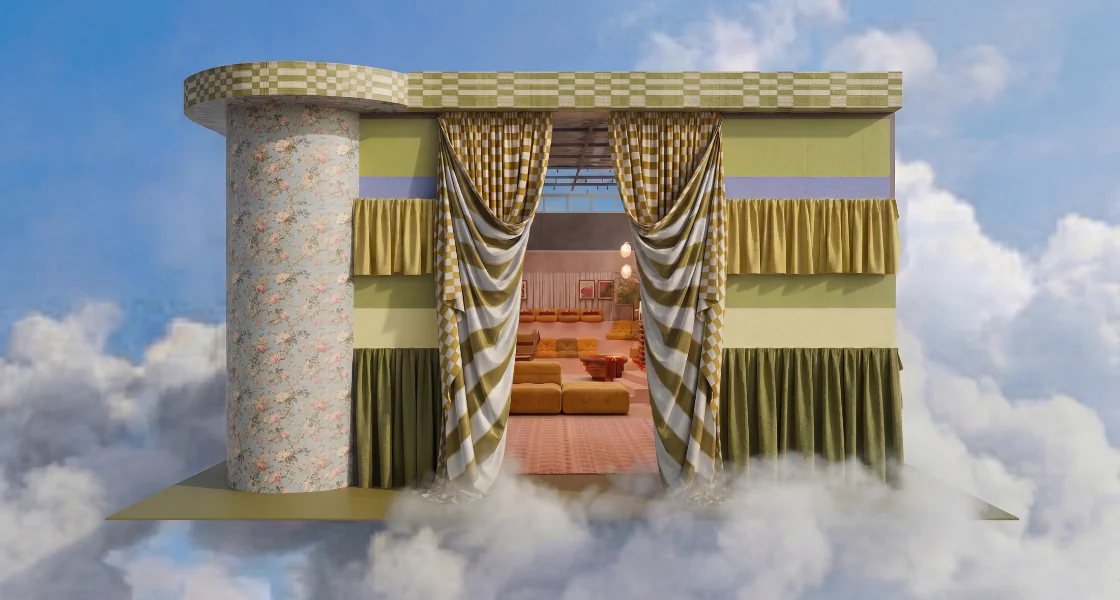
The September fair adopts the name Maison&Objet Pulse and the theme Pulse in Motion. Masquespacio are the ambassadors of both the fair and Paris Design Week. Founded in Valencia by Ana Milena Hernández and Christophe Penasse, the studio brings an approach that moves between interiors, objects and artistic direction.
For visitors, the useful question is how an immersive setting works beyond its first photograph. Look at where colour begins and ends, how lighting changes a surface, and whether furniture encourages movement or creates places to pause. A room can be visually intense and still have a clear hierarchy.
For a wider perspective on colour as a spatial language, revisit our portrait of India Mahdavi and her approach to interiors. This is a cultural reference for the visit, not an announcement of her participation in the 2026 programme.
Emerging talent: where to focus at the fair
The announced programme includes Design District, curated by Hall Haus, and the Future On Stage winners Baguette Studio, LightMass and Risette. These are useful starting points for visitors interested in the relationship between new design businesses and everyday objects.
Baguette Studio explores wax as a material for lighting, while Risette works with playful paper and cardboard lamps. Look closely at construction, assembly and the relationship between the light source and its outer form. The most useful conversation with an emerging maker often begins with an ordinary question: how will this object be maintained, repaired or adapted once it leaves the exhibition?
For an interior project, record dimensions, finishes and production constraints alongside photographs. An intriguing prototype and a product ready for specification answer different needs. Asking which stage a piece has reached makes the visit more useful to both designer and maker.
Paris Design Week: two addresses worth building a route around
Multiples at the Galerie des Ateliers de Paris
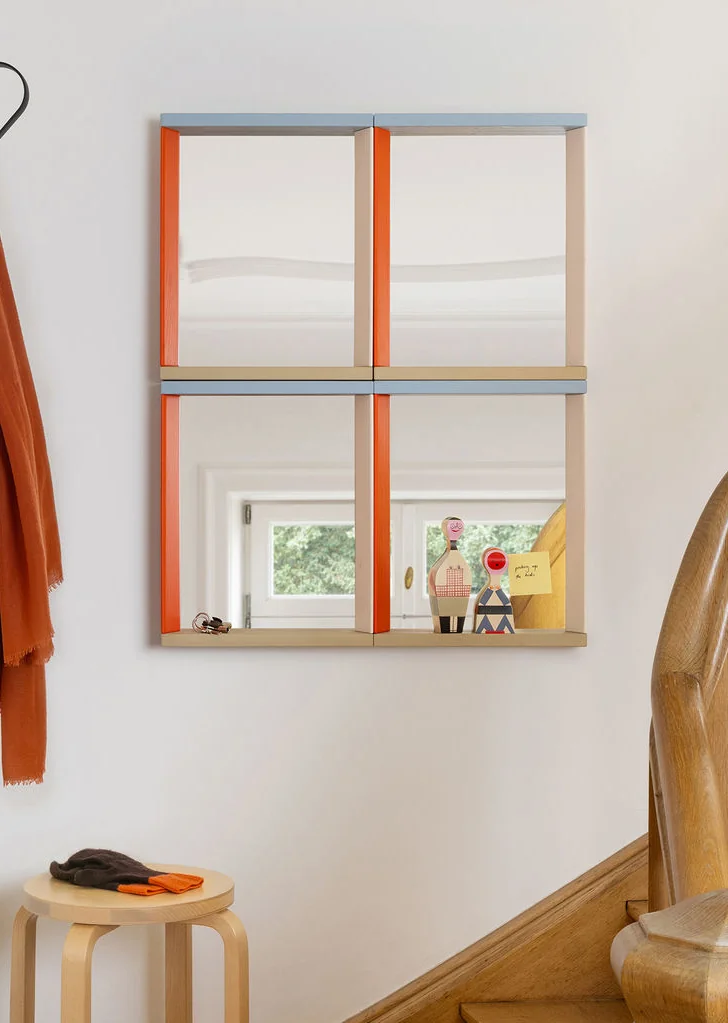
Multiples, penser l’objet en série runs from 10 September to 3 October at the Galerie des Ateliers de Paris, 30 rue du Faubourg Saint-Antoine. Curated by Lucien Icard and Kevin Lebouvier, it examines serial production through work by around fifteen creative practices. Julie Richoz, Jules Levasseur and Thelonius Goupil are among the announced participants.
The exhibition page published by the City of Paris design bureau provides the venue and dates. For our itinerary, the attraction is the chance to consider what repetition changes: the cost of an object, the gestures needed to make it and the room left for variation.
PICNIC in the courtyard of the Hôtel d’Albret
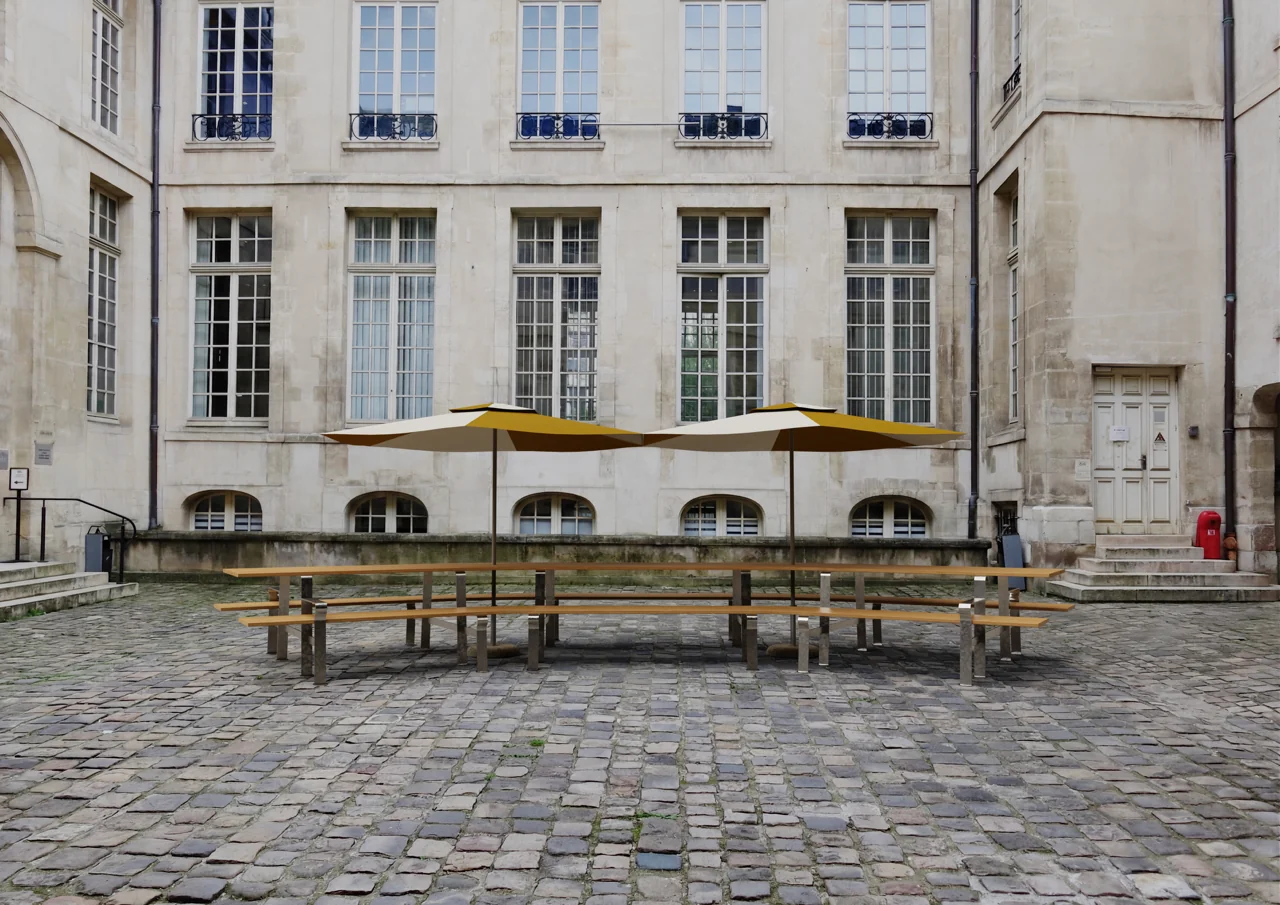
In the Marais, PICNIC by CLUZEL PLUCHON centres on a large curved table that invites visitors to take a seat. The installation is announced for the courtyard of the Hôtel d’Albret, 31 rue des Francs-Bourgeois, from 10 to 19 September, with free entry from 10am to 7pm.
Check the institutional PICNIC event page before visiting. This stop offers a different scale of observation: the edge of a table, the distance between seats and the way people gather can matter as much as an installation’s overall form.
How to plan two days in Paris
Day one: Villepinte. If you meet the professional admission requirements, organise the fair around a small number of priorities: emerging talent, materials and lighting, for example. Leave time for conversations and take notes that explain why a piece matters, not just who made it.
Day two: the city. Combine the Ateliers de Paris exhibition with the Hôtel d’Albret courtyard, checking opening hours before fixing your route. Leave gaps between appointments so that travel and queues do not turn the day into a sequence of rushed entrances.
For a longer stay, our guide to weekends in Europe’s design capitals offers a broader cultural starting point. Its Paris suggestions complement the temporary programme; they should not be read as confirmed Design Week events.
What to watch before calling it a 2027 trend
A fair can suggest a direction without proving that it will become widespread. Compare colour across different materials, observe whether a finish recurs beyond one installation, and ask how an idea changes when used at the scale of a home.
Our Pantone 2027 colour forecast offers hypotheses to test against the visit. It remains an editorial forecast, not an official Color of the Year announcement. The most valuable souvenir from Paris may be a more precise question about the spaces we design.
Frequently asked questions
When is Maison&Objet in September 2026?
The fair runs from 10 to 14 September 2026 at Paris Nord Villepinte.
Is Paris Design Week the same event?
It is the related citywide programme, running from 10 to 19 September. Its venues and access arrangements differ from those of the professional trade fair.
Can the general public visit?
Maison&Objet is reserved for professionals. Paris Design Week includes public events, but admission and reservations must be checked for each venue. PICNIC is announced as free entry.
Where should an architecture and interiors visitor start?
Our suggested pairing is Multiples for its focus on production and PICNIC for its use of a historic courtyard. Together they connect the making of objects with the way people occupy space.
Images and credits. Photographers and rights holders can contact redazione@archieinteriors.com about image credits or requests to amend or remove an image. Please identify the article and the image concerned.