MUJI home organisation without a showroom effect: plan storage by use, check dimensions and combine quiet materials with the furniture you already own.
MUJI home organisation works best when storage is chosen around objects and routines, not just a repeated aesthetic. Measure the usable space, decide what needs to remain accessible and choose a limited number of systems. Matching boxes cannot resolve an unclear organisation plan.
A well-organised home need not look like a shop. Quiet objects can sit beside books, inherited furniture and personal collections. Start with a drawer, shelf or entrance area and assess whether the change makes everyday use easier.
What does MUJI mean for interiors?
MUJI began in Japan in 1980. Its name comes from Mujirushi Ryohin, commonly translated as no-brand quality goods. The company describes material selection, simplified processes and reduced packaging as core principles.
The interest is broader than a minimal appearance. Discreet objects can support different ways of living. Applying that approach does not require furnishing an entire home from one brand.
Inventory before buying storage
Group belongings by frequency of use. Everyday objects should be easy to reach; seasonal items can occupy less immediate positions. Decide what is worth keeping before adding containers.
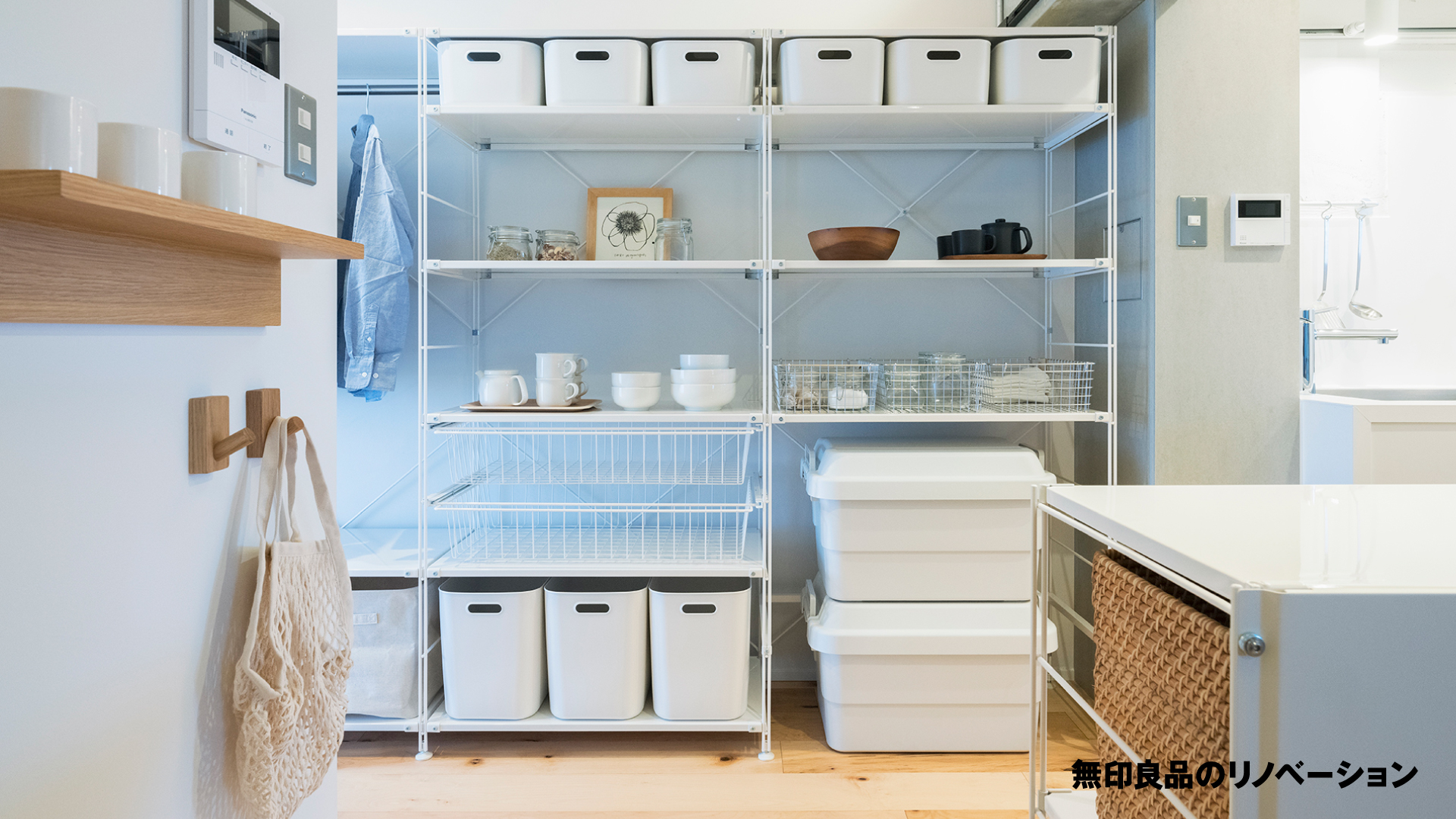
Measure internal dimensions, including hinges and drawer runners. A box must be removable, not merely capable of fitting inside a shelf. Leave room to grasp it comfortably.
| Storage type | Useful application | Limitation |
|---|---|---|
| Transparent | Small items to identify quickly | Contents stay visible |
| Opaque | Visually mixed supplies | Needs a clear labelling system |
| Fabric | Lightweight belongings and textiles | Cleaning and protection vary |
| Open | Frequent access | Contents remain exposed |
Entrance and living room: give incoming objects a place
Identify where keys, post, bags and shoes land. A tray or designated container works when placed on the real route into the home. It should not obstruct the passage.
On shelving, alternate storage and open space. Repeating a box in every compartment can create a heavy wall. Let books and meaningful objects remain visible rather than erasing the character of the room.
Kitchen and bathroom: organise by activity
Keep preparation utensils, breakfast items and food supplies in useful groups. Verify that any container is suitable for its intended contact, temperature and cleaning method. A simple shape does not establish food-contact suitability.
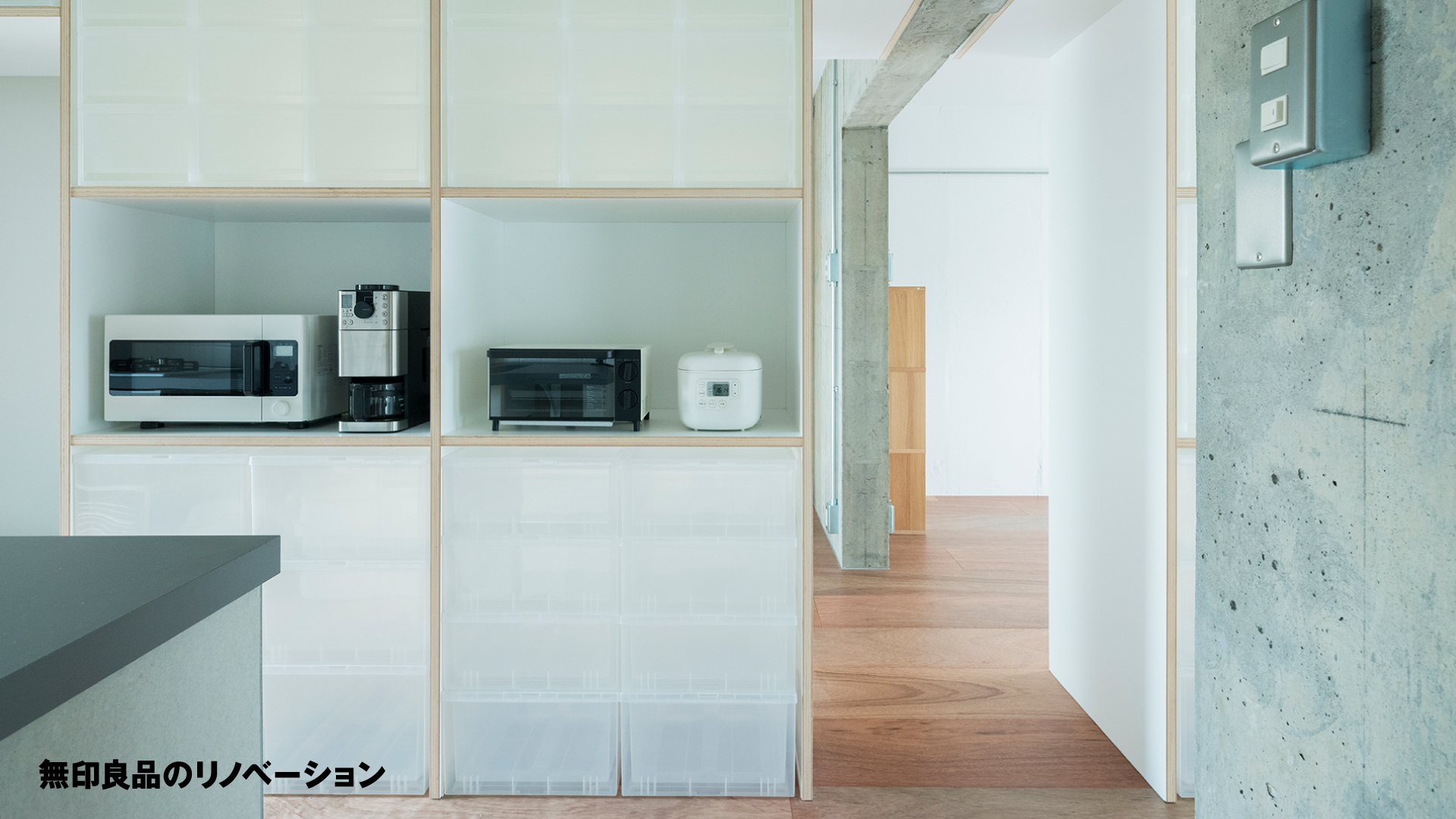
In the bathroom, separate daily products, spare supplies and towels. Internal organisers often release more worktop space than a collection of surface boxes. Materials must tolerate their actual exposure and maintenance.
Textiles and materials without total uniformity
Connect rooms through a texture, tone or modest detail rather than using an identical set everywhere. A pale textile reads differently beside pronounced timber grain than in an entirely pale room.
Keep a place for an expressive chair, artwork or personal object. Our modern Mediterranean interiors guide illustrates how material continuity can coexist with character.
Try one system before extending it
Measure, check the product specification and test a single area. Ask whether the new arrangement reduces the steps needed to find and use belongings. Extend it only where the same logic remains useful.
Assortments differ between countries and change over time. Confirm the actual dimensions and availability in the relevant market. The organising principle remains useful with other compatible products. A broader example of space-led decisions is our city apartment project.
For the wider project, explore bathroom furniture, modern kitchens.
Frequently asked questions
Does the whole home need to be MUJI?
No. Apply the organisation principles to existing furniture and choose products where they serve a real need.
Do identical boxes always make a room organised?
No. Contents, access and labelling need a clear system first.
How can an organised home avoid feeling anonymous?
Leave room for books, personal objects and furniture with character. Quiet storage can support those elements.
Opening image: MUJI, INFILL 0 archive.