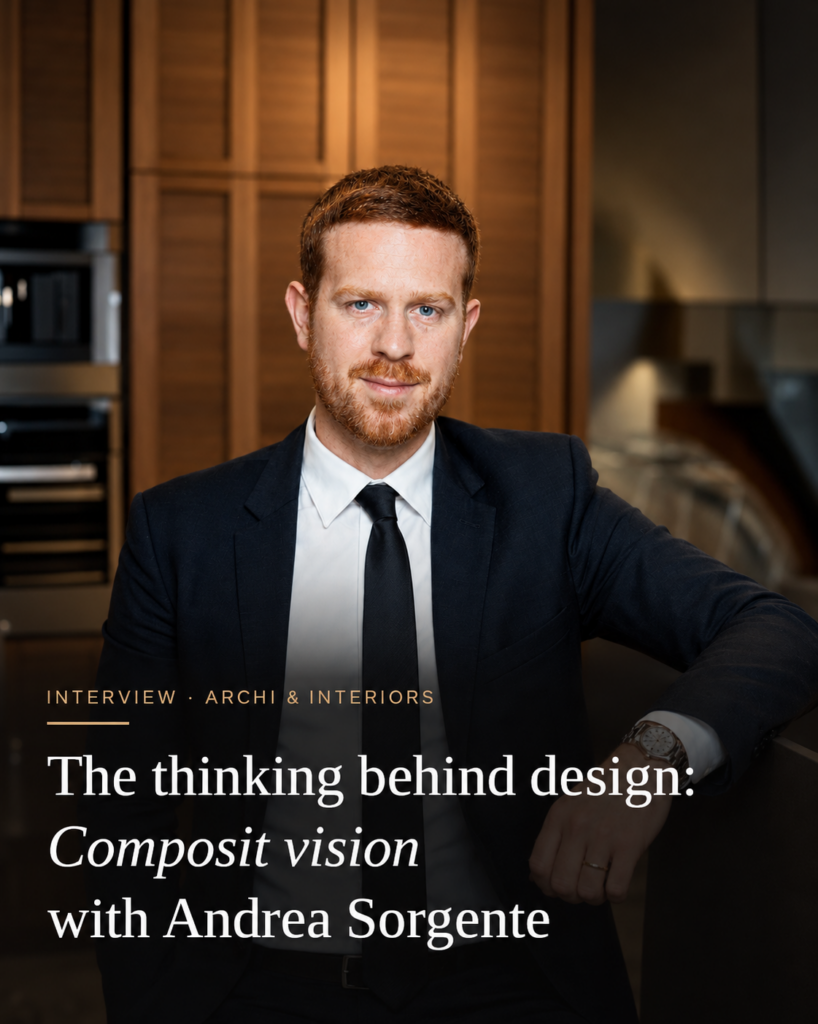
How design, technology and ergonomics are transforming the experience of using a contemporary kitchen, from integrated appliances to smart boiling-water taps.
A contemporary kitchen is no longer judged only by the quality of its materials or the look of its cabinetry. Increasingly, kitchen design has to bring together very different factors: the layout, ergonomics, appliance performance and the way the room is actually used every day. The result is not simply a kitchen that looks good, but a space where design and technology work together to make the everyday experience simpler and more natural.
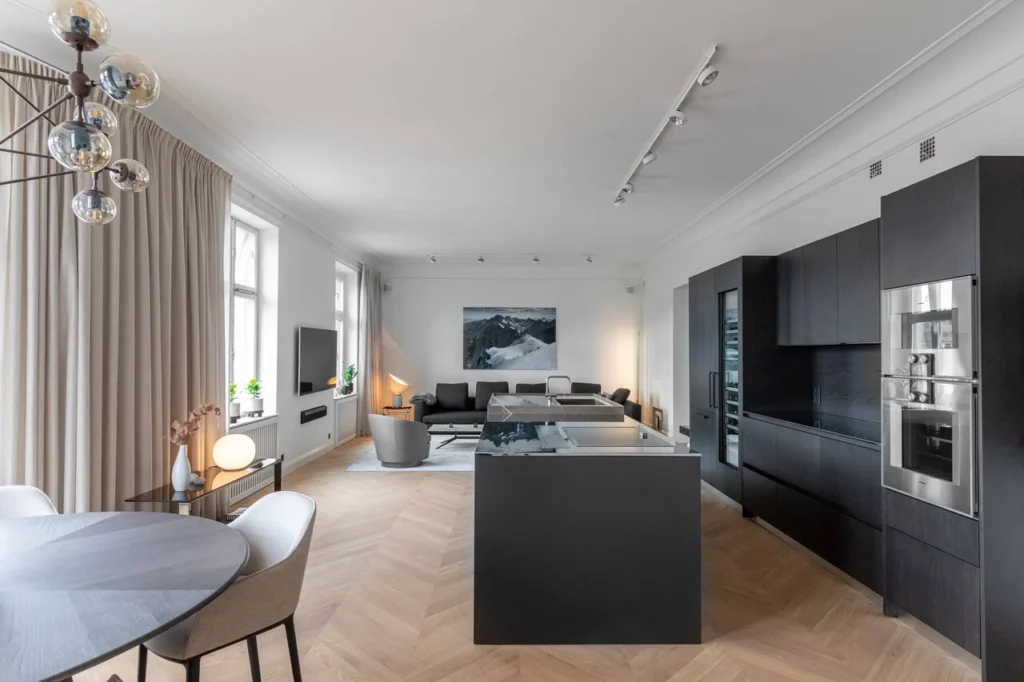
This shift also reflects a broader change in the way we live. The kitchen has become an open, lived-in and shared space, often connected directly to the living room. Technical solutions therefore have to fit into the design without disrupting its visual balance, while offering features that are genuinely useful.
When kitchen design starts from the user experience
Designing a kitchen means, first of all, understanding how it will be used. The habits of the people who live there, how often they cook, how many people use the space at the same time and how the kitchen relates to the rest of the home can all profoundly change the design choices.
This is the approach taken by Kitchens Elite Filiale Bertazzoni Milano, the Milan branch of the Bertazzoni network, which connects the worlds of kitchens, appliances and design and guides clients in choosing solutions within an overall vision of the space. The starting point is therefore not just the individual product, but the way each component can fit into the kitchen and contribute to how it works.
What makes the difference is precisely this ability to consider the project as a whole. An oven, a cooktop or a refrigerator may have advanced technical features, but their effectiveness also depends on where they are placed, how far they are from other elements and how easy they are to use. To learn more about the company and its role in the sector, the Kitchens Elite website is a good place to start.
Design is not just about looks
When people talk about kitchen design, the first thing that comes to mind is often finishes, door styles or materials. These matter, but design can also be understood as the ability to organize space around people.
Countertop height, how doors open, the position of tall units, lighting and the arrangement of work zones all have a tangible impact on daily life. A well-designed kitchen lets you move around naturally and find what you need without needlessly complicated routes.
Technology can be integrated according to the same logic. Controls should be intuitive, functions easy to access and appliances coordinated with the layout of the room. The goal is not to add technology at all costs, but to choose the kind that solves real needs.
This distinction matters because innovation alone does not guarantee a better experience. A feature can be sophisticated yet of little use if it does not match the habits of the people using the kitchen. Conversely, even a seemingly simple solution can significantly change how the space is lived in when it has been designed around a real need.
Kitchen technology enters everyday gestures
One of the most interesting aspects of the contemporary kitchen is the chance to build technology into the gestures we repeat every day. Preparing a dish, filling a pot, washing food or having hot water instantly on hand are simple actions, but they can be made quicker with systems designed to cut steps and movements.
One example is the Quooker tap, a system that brings to kitchen design a function tied to an everyday gesture: dispensing water. The technology is built into an element that normally belongs to the sink, without necessarily becoming the centerpiece of the room.
It is this integration that makes the relationship between technology and design so interesting. When a technical solution is conceived together with the space, it can become a natural part of the experience without demanding any particular attention from the user. In this sense, choosing the tap can also become part of the design process. Researching the options available makes it possible to plan from the outset how to organize the countertop and which functions to integrate. The page dedicated to Quooker taps offers an overview of their features and how they can be incorporated into a kitchen.
Appliances and cabinetry must work together
The growing integration of technology is also changing the relationship between appliances and furniture. In a traditional kitchen it was easier to treat them as separate elements; in contemporary projects, their position and dimensions are often defined together with the overall composition.
This is especially true of kitchens that open onto the living area, where the space is perceived as one continuous whole. Appliances must deliver the necessary performance, but they also have to fit into a composition in which materials and volumes are visible from several points in the home.
The design therefore calls for more careful coordination. Planning the position of appliances in advance avoids later adjustments and makes better use of the available space. At the same time, the choice of finishes can help create a more unified whole, especially when the kitchen takes on a central role in the home’s architecture.
A kitchen designed to evolve
Technology, however, should not be considered only in terms of present needs. A kitchen is meant to stay in a home for many years and may have to keep pace with changing habits, family makeup and ways of using the space.
That is why it is important to design with a degree of flexibility. Modular systems, well-organized storage and appliances chosen to suit the space can help the kitchen adapt more easily to future needs.
This ties in directly with a broader idea of interior design, in which the kitchen is not designed as an isolated room but as part of a domestic system. Exploring the relationship between interior design and the contemporary kitchen shows how layout, materials, furniture and functions can all contribute to a coherent space.
The contemporary kitchen, then, is not simply the meeting point of good aesthetic design and advanced technology. Above all, it is where these elements are put at the service of everyday life. The value of a solution is also measured by its ability to make a gesture more natural, simplify a task or improve the organization of the space without compromising the harmony of the room.
Kitchen design and technology truly work when they stop being treated as two separate things. Design shapes the space and interprets its needs; technology can open up new possibilities and make daily tasks more efficient. The contemporary kitchen is born from the balance between the two, with the focus not on the product itself, but on the person who lives in that space every day.