In the landscape of contemporary architecture in Verona, the studio xzlab. stands out for an approach that blends empathetic listening with high technical specialization. We met with Matteo Xamo, founder and soul of the studio, to understand how the vision of a "design laboratory" is redefining the concept of living, between reclaiming the past and …
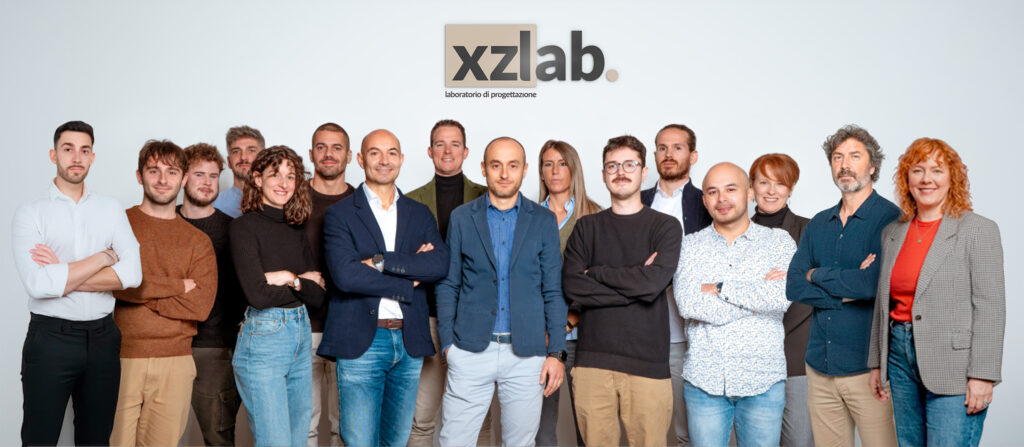
In the landscape of contemporary architecture in Verona, the studio xzlab. stands out for an approach that blends empathetic listening with high technical specialization. We met with Matteo Xamo, founder and soul of the studio, to understand how the vision of a “design laboratory” is redefining the concept of living, between reclaiming the past and the technological challenges of the future.
Matteo, the name of your studio, “xzlab.”, immediately evokes the idea of research and experimentation. Why did you choose to define yourselves as a “laboratory” rather than a traditional architecture firm?
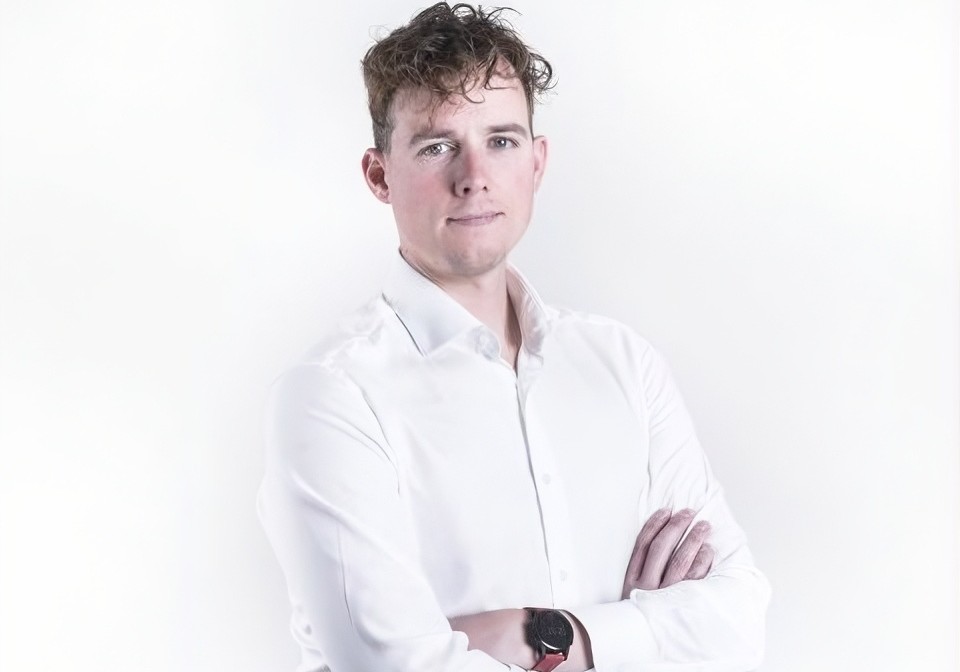
The choice is not accidental. A laboratory is a place where one tests, analyzes, and synthesizes. At xzlab., we do not apply pre-packaged solutions; every project is a unique experiment born from the specific needs of the client. We consider ourselves a laboratory because we accompany the client through all phases, from the initial idea to implementation. Our motto is “listen, design, live”: without listening, there is no true architecture.
Many of your works show a deep respect for existing structures. How do you reconcile historical restoration with modern demands for sustainability and innovation?
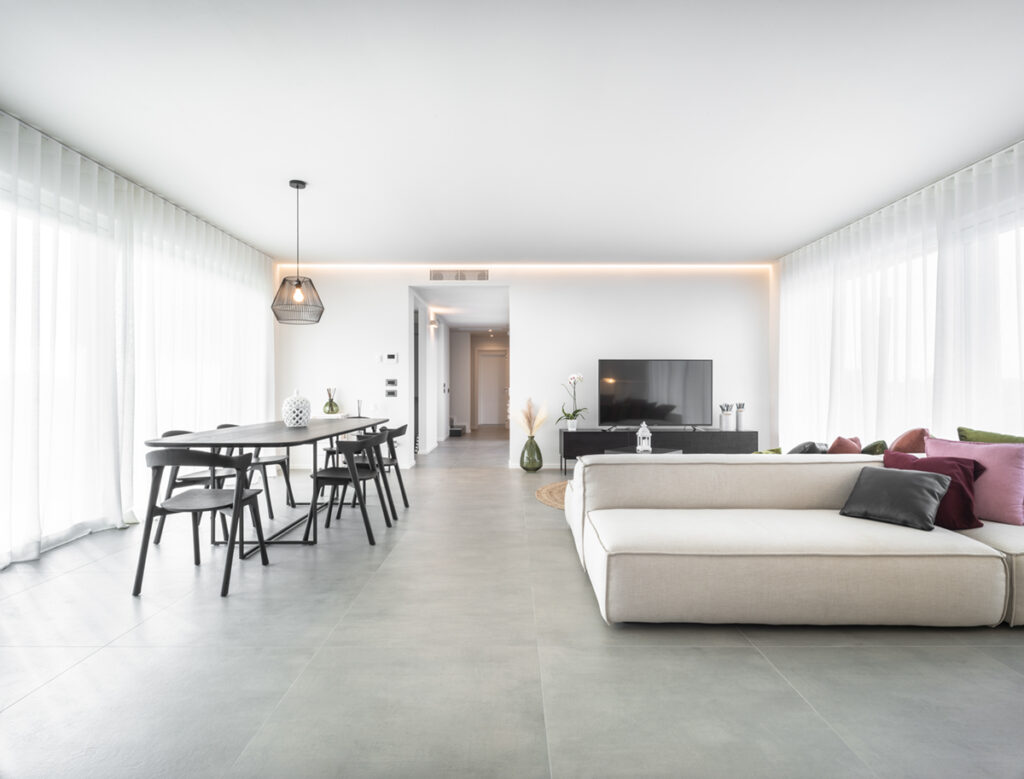
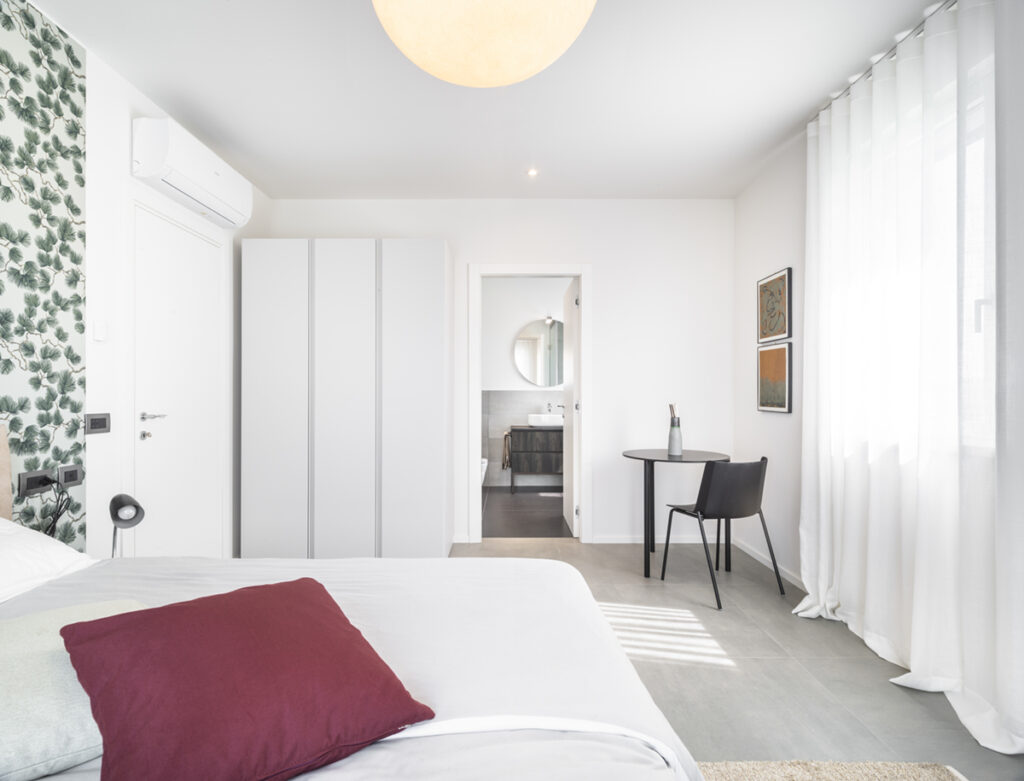
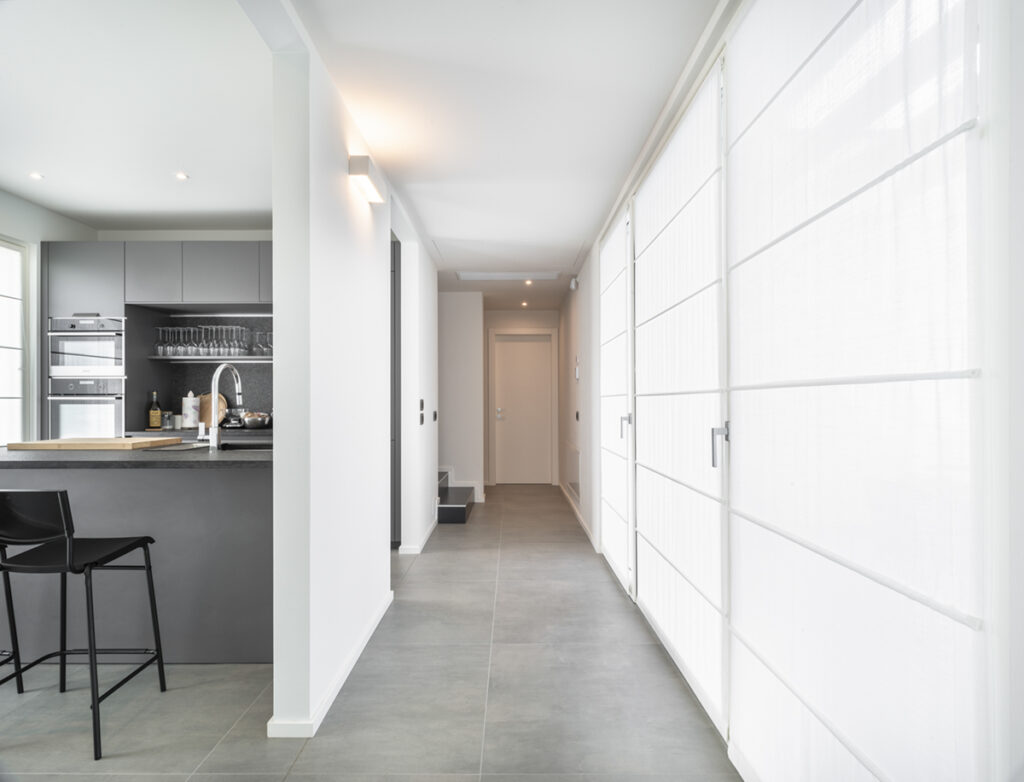
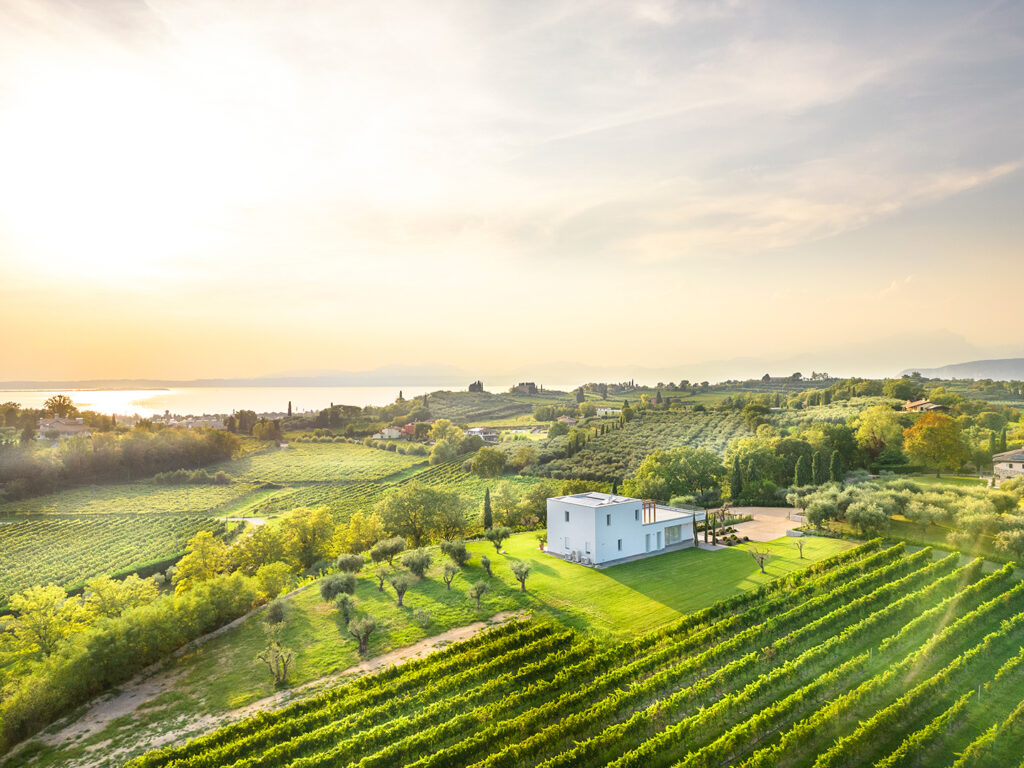
It is our daily challenge. We believe that architecture must reconstruct the past while projecting it into the future. Designing for quality means not compromising on energy performance, even when working on historical buildings. A rustic farmhouse can become a high-efficiency home without losing its material soul. Technological innovation must be invisible yet perceptible in the well-being of those who inhabit the space.
Beyond residential, your work spans various sectors, from commercial to hospitality, and from offices to medical facilities. How does the approach change when you design a hotel, a shop, an office, or a medical practice?
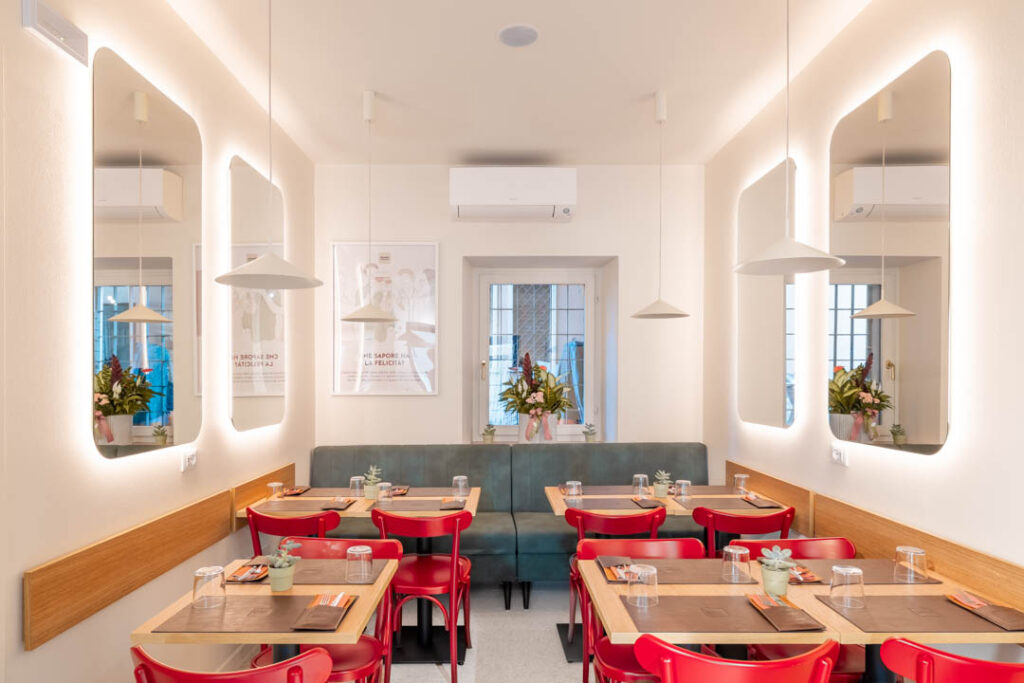
In fact, the “laboratory” philosophy is even more valuable in these sectors, where complexity increases. In a commercial, hospitality, or medical space, architecture must act as a perfect machine: it must respond to precise workflows, ergonomics, and stringent regulations, without ever sacrificing the end-user experience.
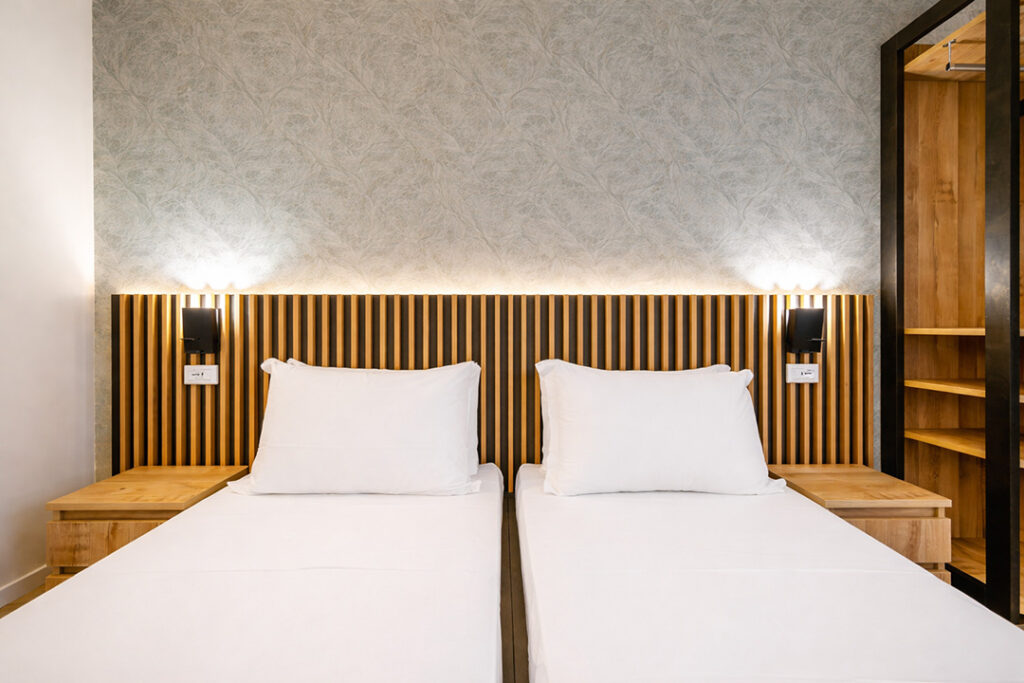
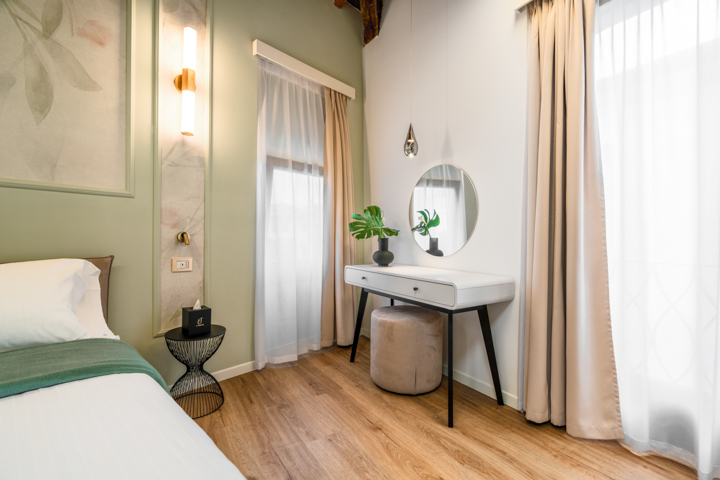
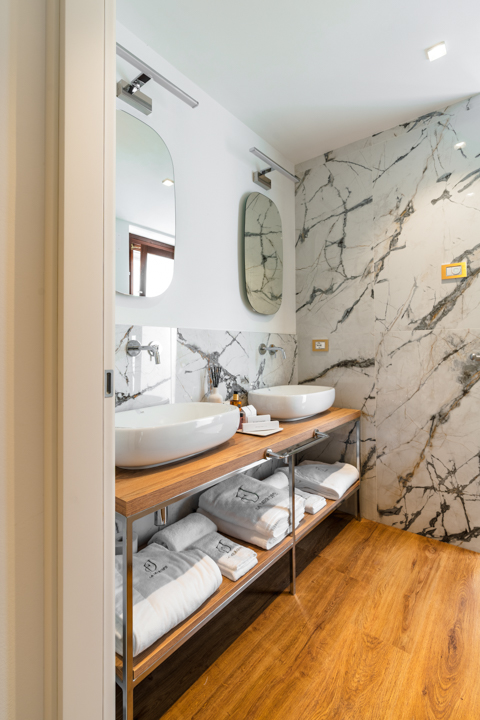
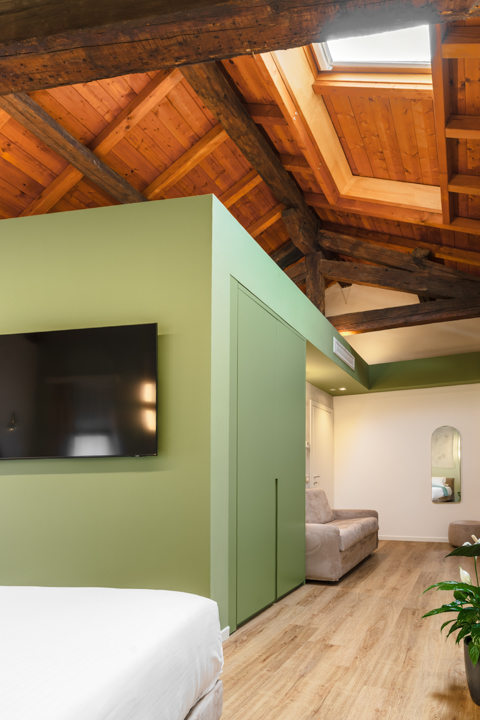
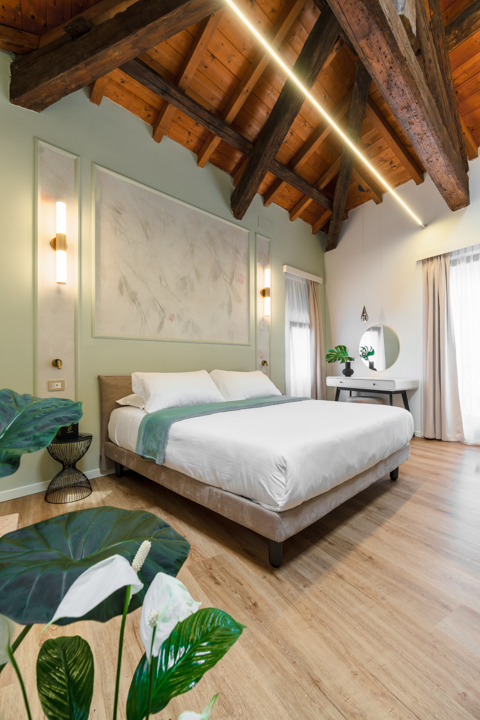
Our approach shifts to the “psychology of space”: if a shop must translate a brand’s identity into volumes and materials, a clinic must instead be able to convey serenity through acoustic and visual comfort. In the hospitality sector, the challenge is to create a memorable experience: we design spaces where scenic aesthetics must coexist with impeccable operational functionality, transforming the stay into a sensory narrative for the guest. In offices, however, the focus becomes productivity linked to well-being, creating environments that stimulate collaboration.
The added value of our “laboratory” is the ability to resolve technical and bureaucratic components upstream, allowing the design to emerge freely. The real challenge is precisely this: to make those spaces “human,” warm, and identity-driven—whether it’s a hotel room or a waiting room—which are usually perceived as cold or purely functional, transforming them into places where people want to stay, not just pass through.
Sustainability is a word that is much overused today. What is xzlab.’s vision regarding the ecological transition and your role as CQ (Building in Quality) experts?
For us, sustainability is not a fad or a badge to pin on the wall, but a prerequisite. Being CQ experts means having a holistic vision of the construction site: from the choice of materials to the management of thermal bridges, to the durability of the work over time. A sustainable building is one that does not waste resources and requires little maintenance. The future of architecture lies in this awareness: building less, building better, and regenerating what already exists.
The construction site is often seen as a place of chaos; how does your vision transform it into a controlled process?
The construction site should not be an adventure, but the execution of a pre-written score. It means shifting the intellectual effort upstream: if we solve the technical detail in the office, the worker on-site does not have to improvise. For xzlab., quality is the process. An organized construction site reduces waste and ensures that the stated intentions are the actual ones. It is a form of respect for the client’s investment.
One of your strengths is the ability to make “the project become a reality exactly as it was imagined.” How do you manage to bridge the gap between the rendering and the final construction?
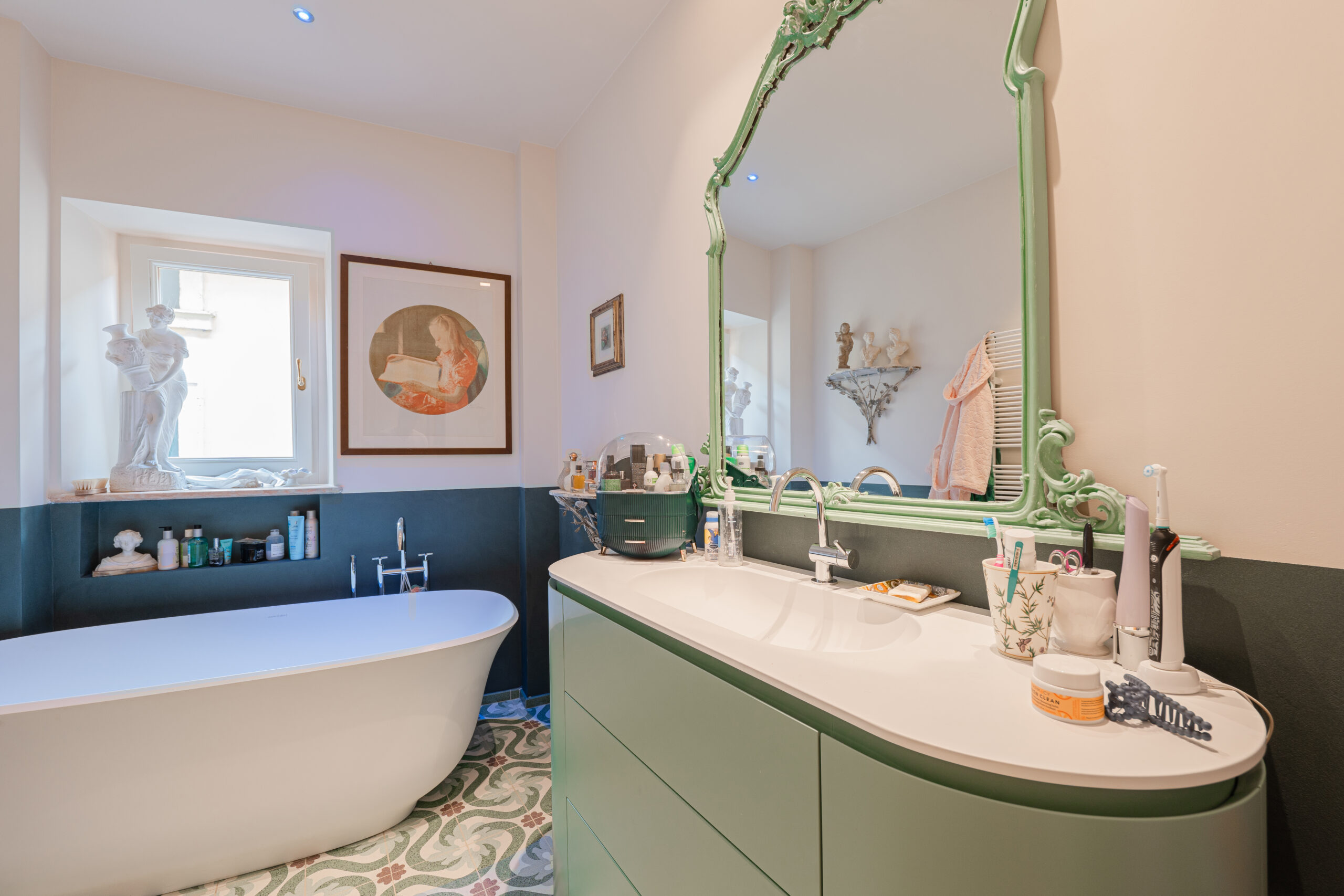
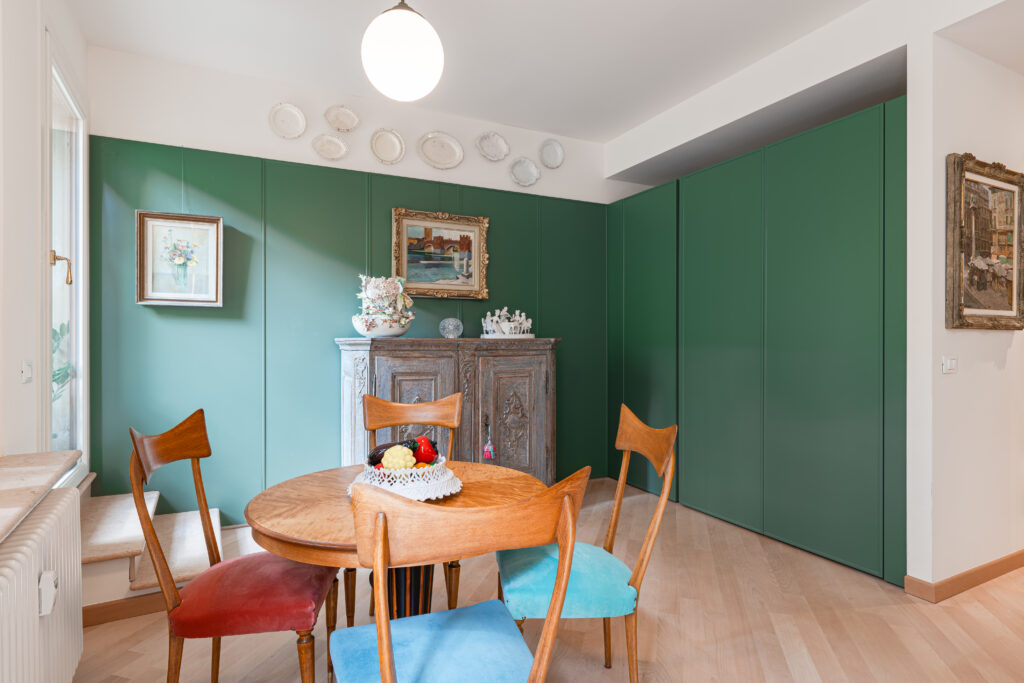
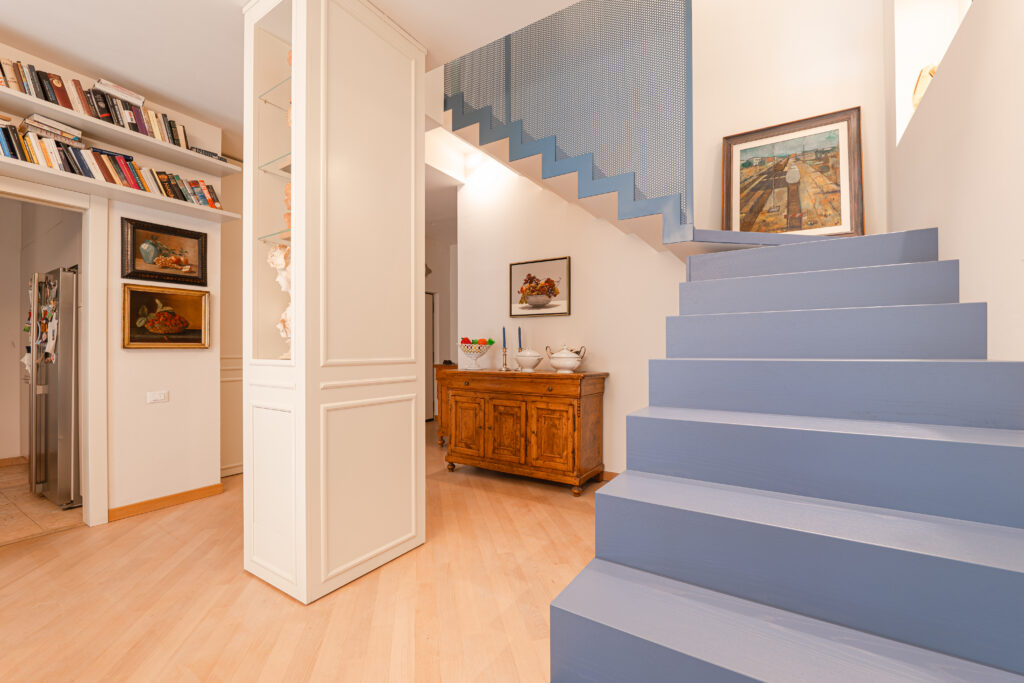
It is a matter of design honesty. Thanks to integrated design, what we show the client has already been verified for feasibility. We physically accompany the client in choosing materials, ensuring that the initial “dream” is not diluted by technical problems. The greatest satisfaction is hearing the client say: “It’s exactly as we designed it.” We have always been reluctant to produce overly ephemeral photo simulations or renderings for purely commercial purposes. We prefer to focus more on substance.
You are very active in professional life in Verona. How important do you think it is not to close yourself off in your studio but to contribute to the building culture of your local area?
Fundamental. Actively participating in the professional life of the region allows me to keep my finger on the pulse regarding regulations and new technologies. I strongly believe in networking: the xzlab. studio itself is an open entity. Contributing to the local technical culture means raising the standard of the entire sector, for the benefit of the quality of the buildings we will leave to future generations.
Looking to the future, what are xzlab.’s next goals?
The goal is certainly to continue growing as an integrated design hub, while maintaining that human and “workshop” dimension that allows us to attend to detail and maintain direct contact with our clients. The most difficult challenge will certainly be combining expansion with attention to these aspects, something we have been working on for years to refine management and coordination models that allow us to have a flexible structure even as turnover and staff increase.
We have important projects in the pipeline exploring new forms of hospitality and flexible residential living, accommodation facilities, and much more. The goal remains to improve people’s lives through the quality of spaces.