An editorial selection of 20 architecture firms in Catania, from Baroque restoration and Etna hospitality to contemporary homes and public space.
To understand the architecture firms in Catania today, start with the city itself: an architecture that seems born of a constant tension between destruction and beauty. Lava stone draws dark profiles, the Sicilian light sets façades alight, and Etna stays in the background as a silent, absolute presence. This is a city built on the strength of its materials, on the memory of earthquakes, on the ability to begin again each time with a new form.
After the 1693 earthquake, Catania was at the heart of the great late Baroque reconstruction of the Val di Noto, now recognised by UNESCO as one of the highest expressions of European Baroque. The serial site includes eight towns in south-eastern Sicily, Catania among them, rebuilt after the earthquake through an urban and architectural process of extraordinary scope.
In the historic centre this legacy is still powerfully legible: Piazza Duomo, the Cathedral of Sant’Agata, the Benedictine Monastery of San Nicolò l’Arena, Palazzo Biscari, Via Crociferi, the aristocratic palazzi, the churches, the inner courtyards. The Benedictine Monastery, whose reconstruction began in 1702, saw some of the leading architects working in Sicily at the time, including Stefano Ittar, Francesco Battaglia, Battaglia Santangelo, Palazzotto and Giovanni Battista Vaccarini. Palazzo Biscari, among the city’s most important private residences, remains one of the most precious examples of Catanese Baroque.
Catania is not simply a city to look at. It is a complex architectural organism, layered and shot through with constant contrasts: lava and sea, Baroque and concrete, faded nobility and new creative energy, monumental palazzi and domestic interiors hidden behind stern front doors. In this setting, contemporary design cannot simply occupy a space. It has to measure itself against a powerful history, a demanding material, a precise light and a landscape that always finds its way into the drawing.
This editorial selection brings together 20 architecture firms in Catania to know, chosen by looking at the city, the Etna area and the work developed in recent years by studios and practitioners active across architecture, interior design, restoration, hospitality, landscape and urban space. The aim is not to build a ranking, nor to reward the profiles most visible on social media, but to offer a considered map of design practices that, each in its own language, are helping to define contemporary architecture in Catania.
The selection criteria take into account the quality of completed projects, the recognisability of the design language, coverage on industry portals, magazines and platforms, the strength of the portfolio, professional continuity and ties to the territory. Both established studios and emerging practices were considered, with particular attention to those working on the relationship between new and existing, between memory and transformation, between Sicilian identity and contemporary research.
ACA Amore Campione Architettura
ACA Amore Campione Architettura is one of the most representative studios on Catania’s contemporary design scene. Founded in Catania in 2010 by Sebastiano Amore and Angela Maria Campione, the studio works across architecture, engineering and design, with a body of research that holds together compositional rigour, experimentation and close attention to materials. Over time it has earned awards and mentions, including a place among the finalists of Young Italian Architects, inclusion in the 30<40 collection dedicated to Sicilian studios and third place at the Premio NIB.
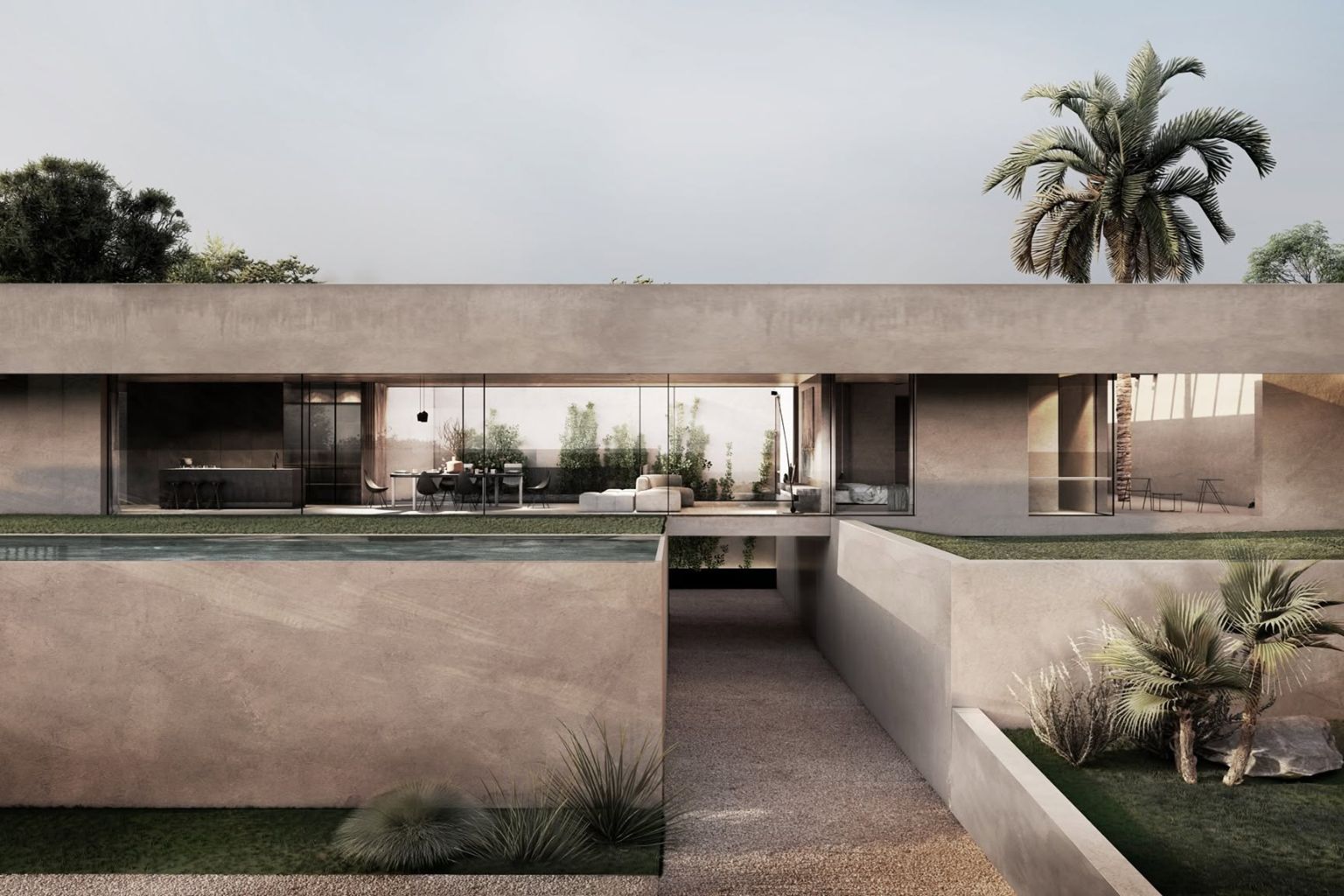
Their work is compelling because it tackles contemporary living without erasing the memory of place. Casa CCC, in the centre of Catania, is the renovation of a nineteenth-century house on several levels: a project in which respect for the existing building converses with a new architectural image, built through a handful of materials, references to local tradition and great spatial clarity.
ACA is a studio to know because it reads Catania as a living territory, where design can become a tool for measured transformation. Their buildings do not chase instant effect; they work on the relationship between solid and void, light, surfaces, proportion and context.
BALLA | CALVAGNA
BALLA | CALVAGNA has been based in Catania since 2004 and works in architecture, landscape design and design. The studio builds its research on the cross-pollination of architecture and landscape, working at different scales with an integrated approach that pays close attention to construction and to the relationship with place.
Its presence in this selection matters because it tells the story of a design line deeply tied to Sicily, yet never folkloric. In the studio’s work the territory never becomes decoration: it enters the project through materials, proportions, atmospheres, geometries and ways of use. Buatta, a Catania venue published on Archilovers, is an example of this ability to build identity through a contemporary, warm and recognisable language.
BALLA | CALVAGNA works on an idea of architecture that brings together landscape, memory and everyday life. It is a studio to watch for the way it moves between private spaces, hospitality venues, interiors and urban design while keeping a strong formal coherence.
Iraci Architetti
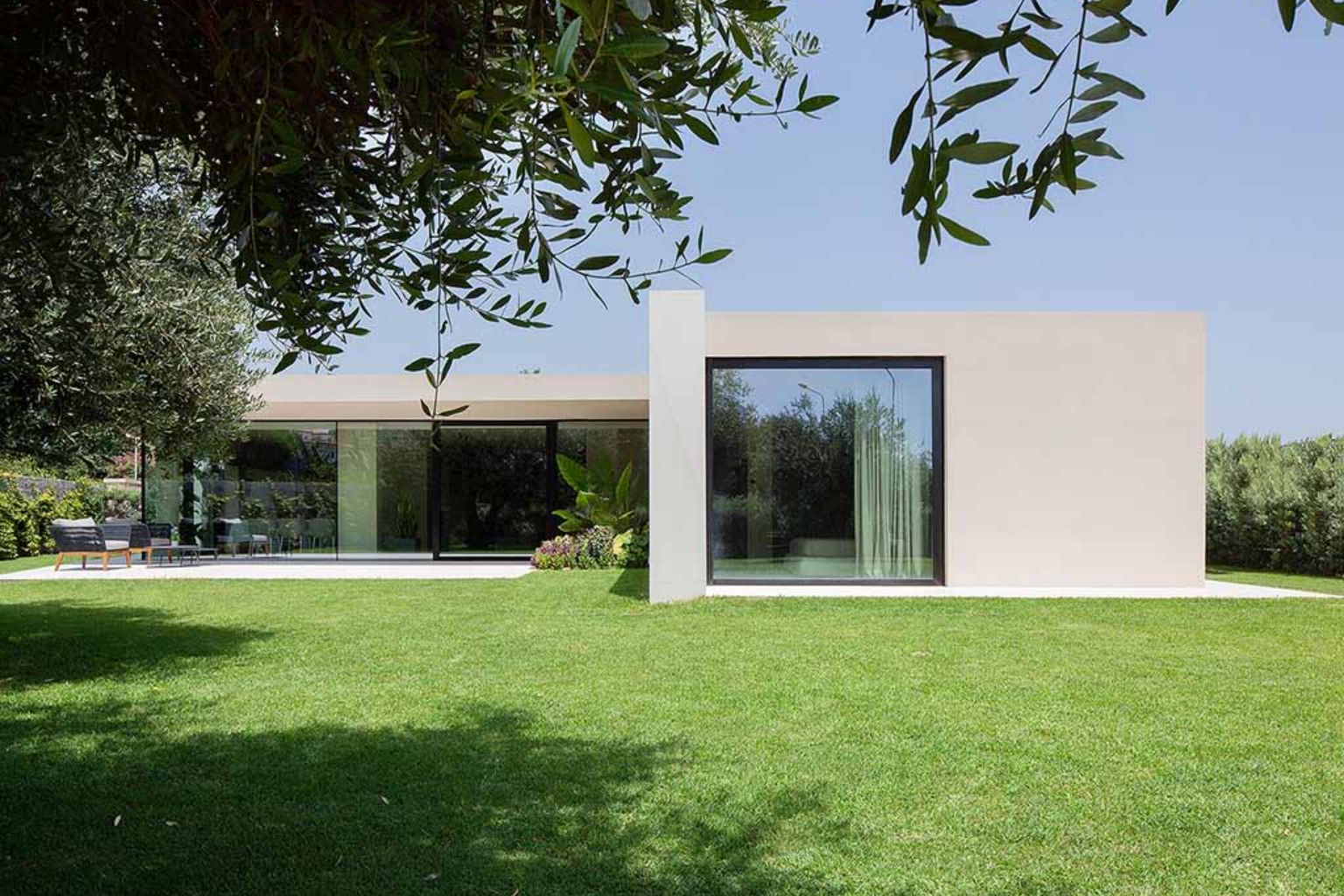
Iraci Architetti is one of the most recognisable names in the Catania area when it comes to the relationship between contemporary architecture, hospitality and the Etna landscape. The studio designed projects such as Zash Country Boutique Hotel and Ramo d’Aria Country Hotel, two schemes that helped define a new image of Sicilian hospitality: understated, tactile, immersed in nature and able to reinterpret existing rural buildings.
Zash grew out of the conversion of an old palmento, a traditional winemaking building, in Riposto, within the landscape of the Etna Park. Ramo d’Aria, in Altarello di Giarre, continues this line of research, working with the existing structure and the spirit of the country house. In both cases the project does more than turn historic buildings into places to stay: it builds a dialogue between agricultural memory, light, vegetation, materials and contemporary comfort.
Iraci Architetti deserves its place in the selection because it has given shape to an idea of hospitality deeply rooted in the territory. Their work shows how restoration can become narrative, experience and a new economy of the landscape.
Forte Architetti
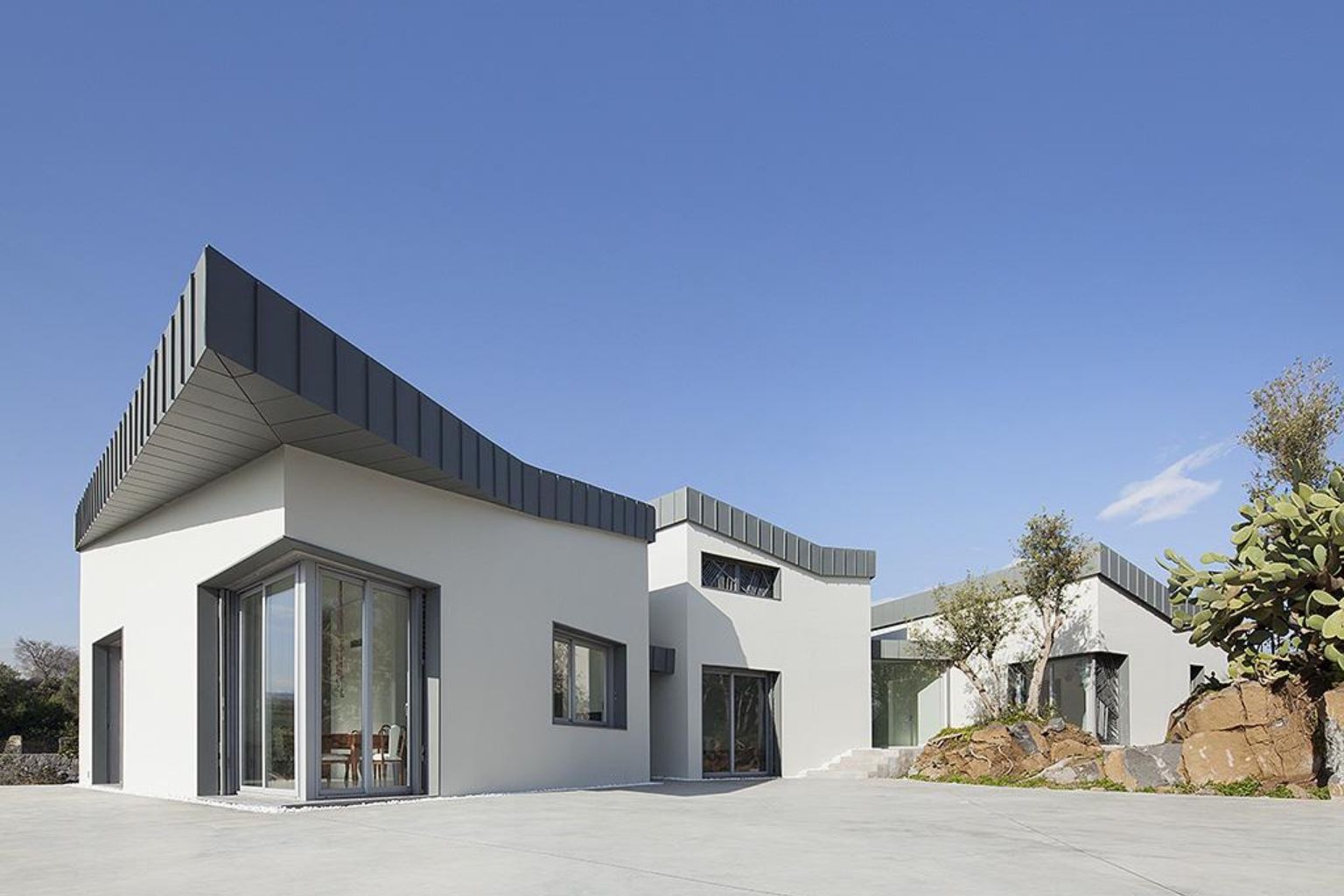
Forte Architetti is a studio founded in Catania in 2015 by Roberto Forte, with an international outlook and a strong focus on the quality of the design process. The studio’s profile combines Italian roots with a global vision; Roberto Forte gained experience abroad and worked as a project leader at Studio Daniel Libeskind before setting up his own practice.
Forte Architetti’s presence on the Catania scene is significant because it introduces a more international language, close to the world of competitions, high-end residences and complex projects. The local matrix is not abandoned but placed within a wider horizon, where architecture, image and design strategy engage with different clients and contexts.
It is a studio to know for its ability to bring Catania into an open design dimension, less provincial and more connected to the dynamics of international contemporary architecture. In a city marked by a strong historical identity, Forte Architetti represents a more cosmopolitan direction, one that reads the project as system, vision and the creation of value.
LineaT Studio
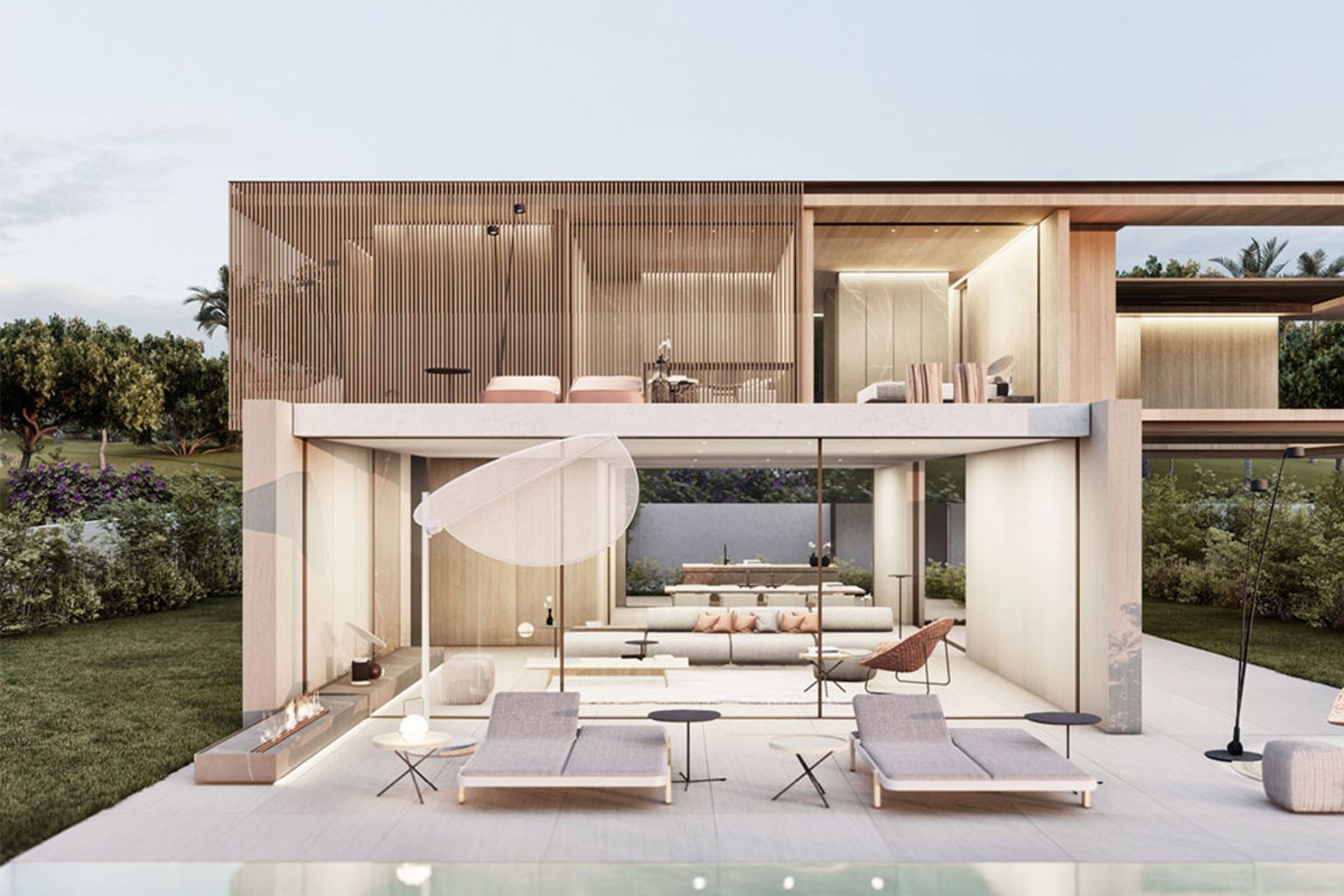
LineaT Studio works on a measured, sensitive architecture, often linked to restoration, interior design and hospitality. The Críu Boutique Hotel project in Nicolosi captures this direction well: a place born of a deep bond with the territory and local traditions, conceived as an intimate, carefully tended and domestic setting where architecture, design and Sicilian cuisine meet the Etna landscape.
A rare delicacy runs through the work of LineaT Studio. The spaces are contemporary but never cold, essential yet welcoming, built through local materials, controlled detailing and a very precise pursuit of atmosphere. Críu was also singled out by The Plan Award as a project that combines tradition and contemporaneity through design furniture and materials from the territory.
LineaT Studio is one of the names best suited to telling the story of new hospitality in the Catania area: small properties, homes, interiors and living spaces that seek not monumentality but quality, balance and a sense of belonging. Their work conveys an intimate, luminous Sicily, attentive to detail and far from stereotype.
Evolutive Studio
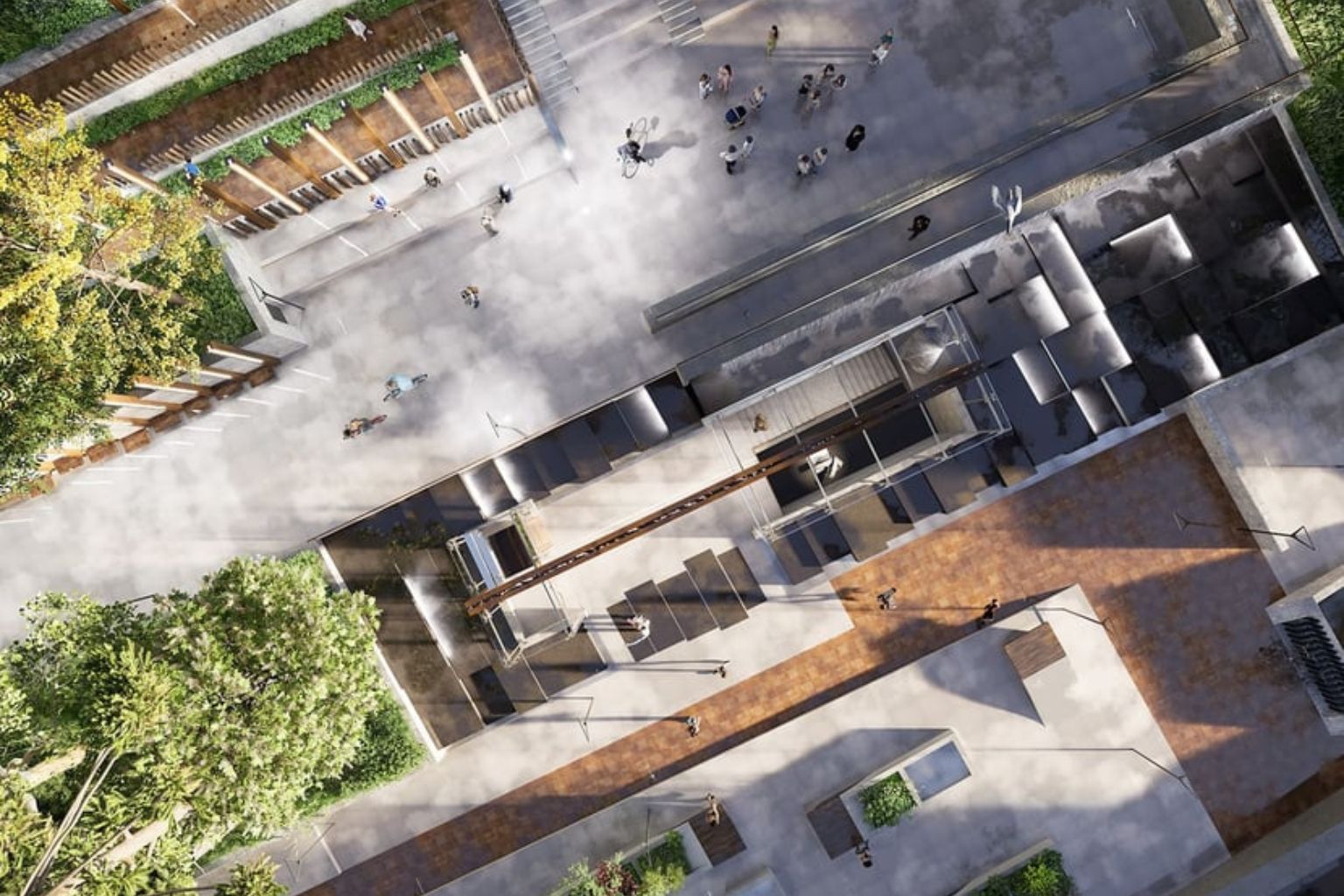
Evolutive Studio is one of the most interesting emerging practices in the Catania area. The studio works across architecture, engineering, research and development, with a design direction focused on sustainability, innovation and the quality of public space. Its portfolio includes residential, office, hospitality and urban projects, among them the Gruppo Altea offices in Aci Sant’Antonio, Cirasa LCH in Trecastagni and San Anton Boutique Hotel in Catania.
One of its most significant projects is the redevelopment of Villa Aldo Moro in Trecastagni, the winning entry in the competition to renew the area. The scheme approaches public space as an accessible, inclusive and dynamic place, able to reconnect fragmented parts of the urban fabric and give the community a contemporary park.
Evolutive Studio deserves attention because it represents a new generation of designers, less tied to interiors alone and more oriented towards a systemic vision of the territory. Its work shows how architecture can shape the quality of urban life, turning everyday spaces into places that are more legible, sustainable and shared.
bureau69 architects
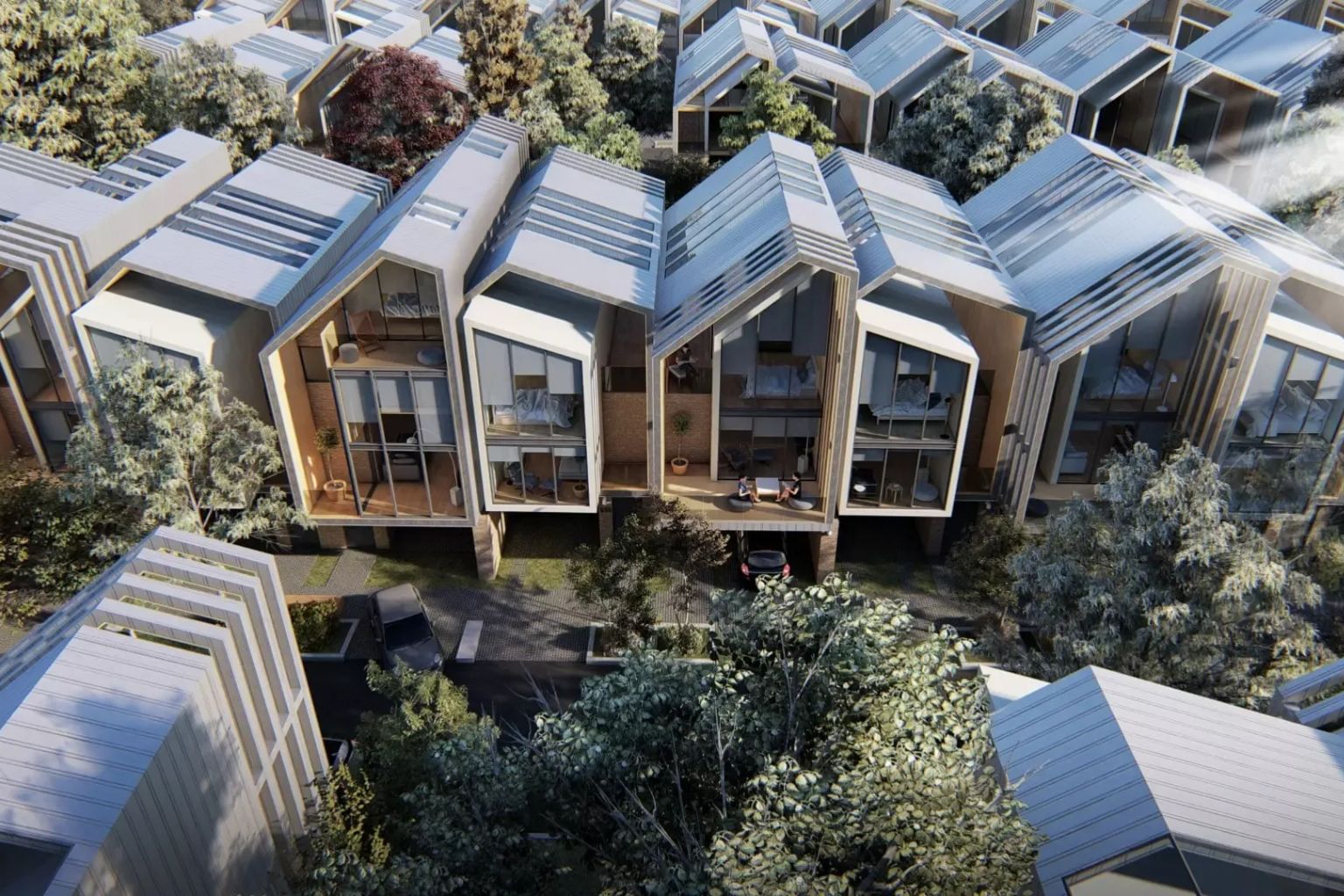
bureau69 architects is an architecture studio based in Catania, led by Max Strano. The studio’s profile is particularly interesting because it combines knowledge of the Sicilian territory, international experience and a focus on sustainability. Max Strano is a registered architect in Italy, a RIBA Chartered Architect in the United Kingdom and a Passivhaus designer; the studio works with local and international clients on villas, interiors, restorations and residential projects in Sicily.
bureau69’s research centres on an idea of responsible architecture, attentive to energy performance, build quality and the relationship with the Mediterranean climate. Including this studio in the selection brings in a theme that is increasingly central in the Catania area too: designing contemporary homes and spaces that engage with the landscape while also meeting new housing, environmental and economic needs.
It is a studio to know because it looks at Sicily without nostalgia. Design becomes a tool for building value over time, through measured, sustainable interventions conceived for those who want to live in or invest in the territory with greater awareness.
Costa Architetti
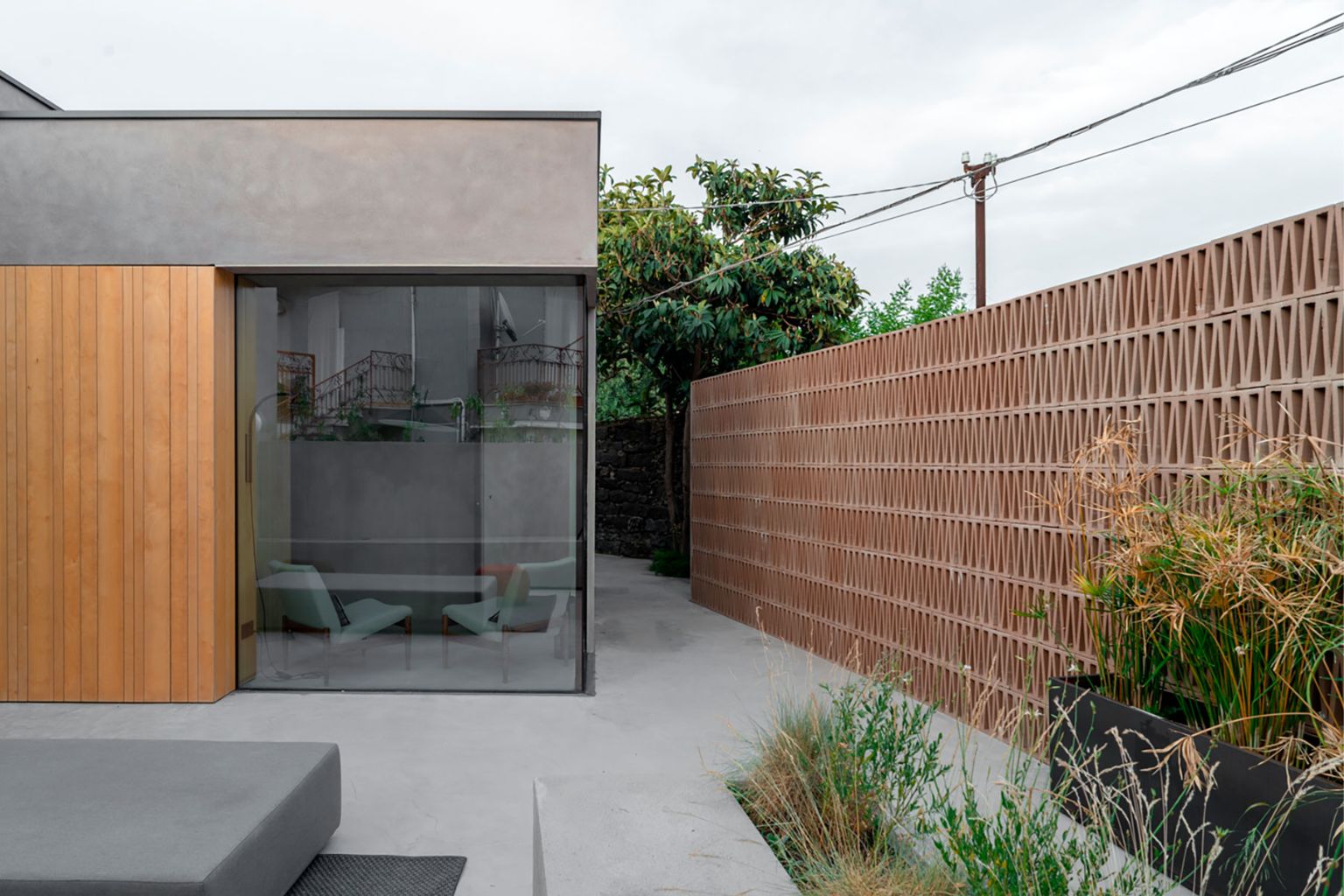
Costa Architetti is based in Tremestieri Etneo and works on architecture, interiors, restoration and hospitality. The studio’s portfolio includes projects such as Costa Architetti Headquarter, Quattro Canti Suites, Villa F and Fisharia, with work spanning Catania’s historic centre and the Etna area.
The studio’s work stands out for its ability to turn existing spaces into contemporary, carefully finished and recognisable places. The restoration of an old building in the historic centre of Tremestieri Etneo captures this direction well: a project that works with the memory of the structure but reinterprets it through a present-day sensibility. The Plan Award published a Costa Architetti project devoted to the regeneration of an old ruin in the province of Catania, in the historic centre of Tremestieri Etneo.
Costa Architetti joins this selection because it represents a design line that is very present in the area: the restoration of existing buildings, the enhancement of historic properties and their transformation into homes, hospitality venues or commercial spaces with a new identity.
Sebastiano Adragna Architetti
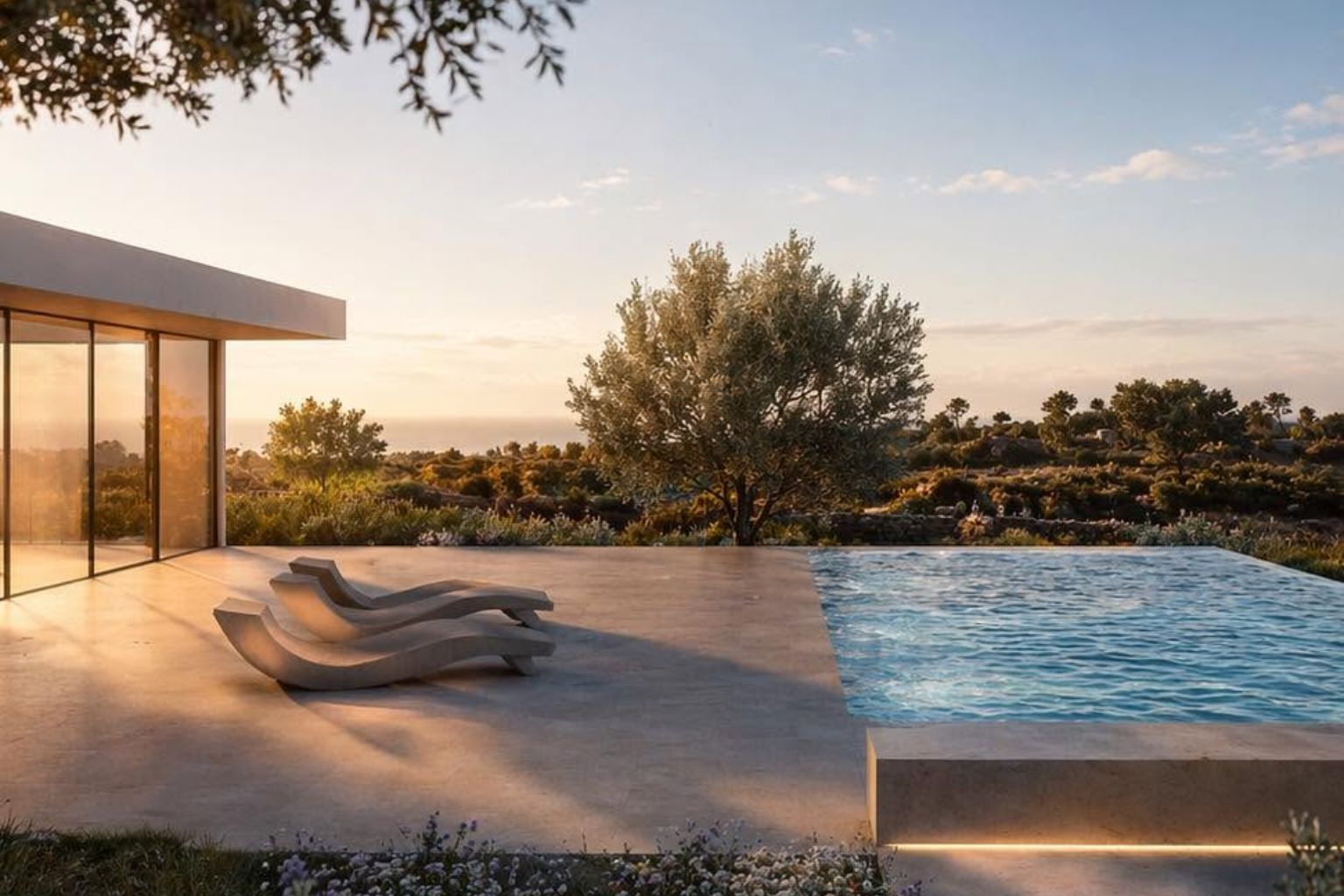
Sebastiano Adragna Architetti is a Catania-based studio working mainly in residential architecture, interiors and the design of villas and private spaces. The profile published on Archilovers lists Sebastiano Adragna as an architect in Catania and gathers several projects, including Casa SR, Appartamento in Collina, Villa Panoramica and Villa con Piscina in Noto.
His work focuses on the quality of living, the relationship between inside and outside and the making of contemporary domestic spaces. Villa Piano Tavola, a project published on Archello, is a holiday home in the province of Catania laid out over two levels, with a sleeping area, private courtyard, living area and pool: a project that works on visual connections with the outdoors and on continuity between house and landscape.
Sebastiano Adragna belongs on this list because he represents a practical and recognisable residential practice, attentive to the home as a place of balance between function, comfort and image. His work helps tell an important part of contemporary architecture in Catania: the part tied to private living, to villas, apartments and the care of everyday spaces.
SCAU Studio
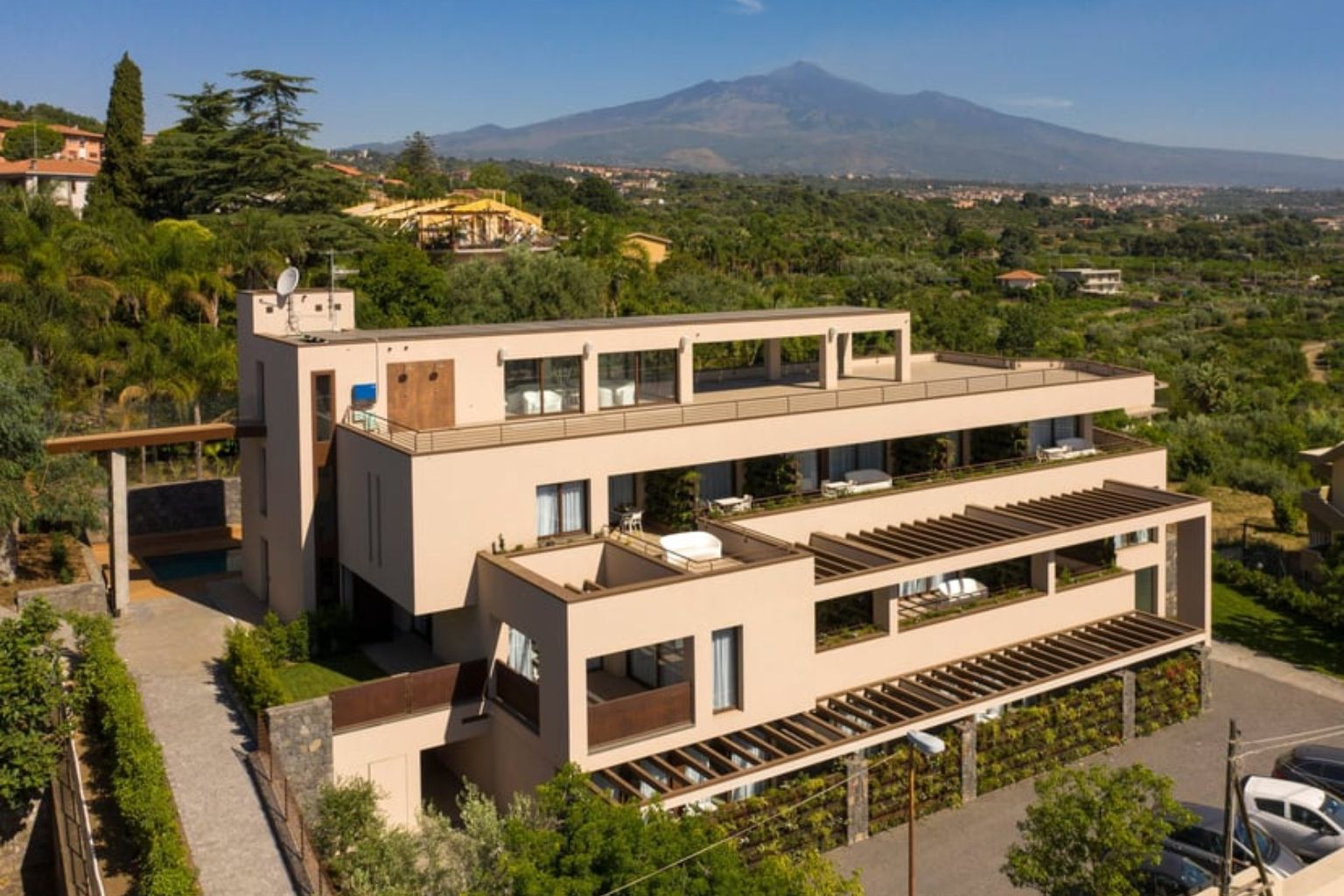
SCAU Studio is one of the most established practices in the Catania area. Founded in 1980 as an associated studio of architecture and urban planning, it has evolved into an integrated design company working across architecture, urban planning, landscape, interior design and engineering. Based in Acireale, the studio has been working in the Etna area for more than thirty years, on public and private projects at a range of scales.
SCAU Studio widens the view beyond interiors and private homes. Its portfolio includes villas, public spaces, hospitality, religious buildings, residential complexes and landscape projects. The Plan published a hotel in Giarre designed by the studio: a sixteen-room building with large windows and views of the sea and Etna.
SCAU Studio earns its place in the selection because it represents a broader, multidisciplinary approach, able to work on the territory with continuity. Its work tells an important part of the story of architecture around Etna: the part that brings together landscape, infrastructure, collective spaces, housing and hospitality.
Studio FRA / Fabrizio Russo Associati
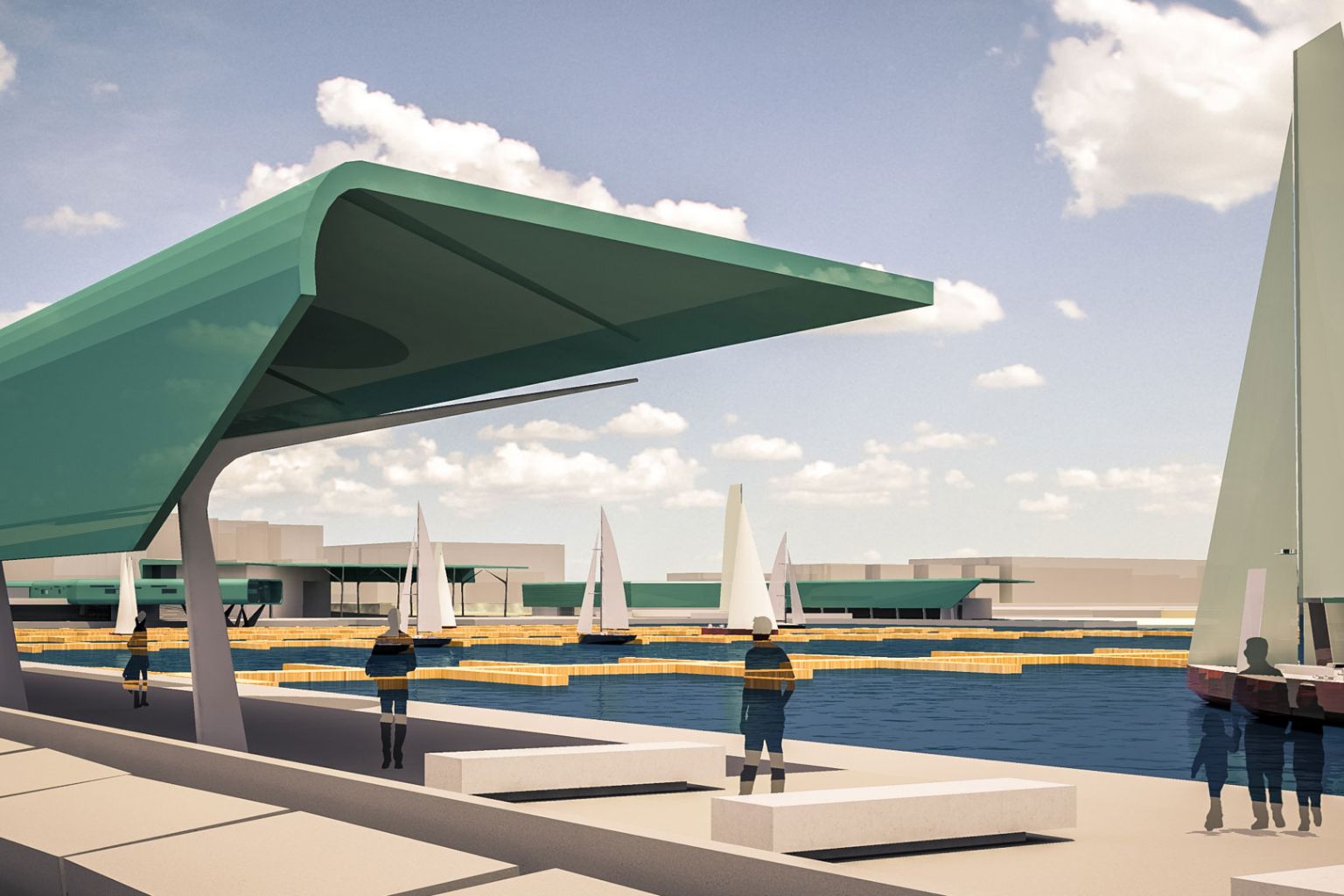
Studio FRA / Fabrizio Russo Associati is a Catania practice active since 1998 in architectural design, building restoration, urban regeneration, eco-innovation and bio-sustainability. The studio’s work moves between architecture, landscape and territory, with particular attention to processes of urban transformation and the environmental quality of its projects.
Its presence in this selection matters because it brings into the story of Catania’s architecture a theme less concerned with immediate image and closer to the responsibility of design. Studio FRA works on public spaces, services, restorations, visitor centres and projects that enhance the territory, with a vision that treats architecture as a cultural, environmental and social tool.
In a context like Catania, where the relationship between city, landscape, infrastructure and heritage is especially complex, the work of Fabrizio Russo Associati represents a necessary design line: one that sees the territory not as a backdrop but as a system to understand, protect and transform with restraint.
Officina 21 / Francesco Finocchiaro
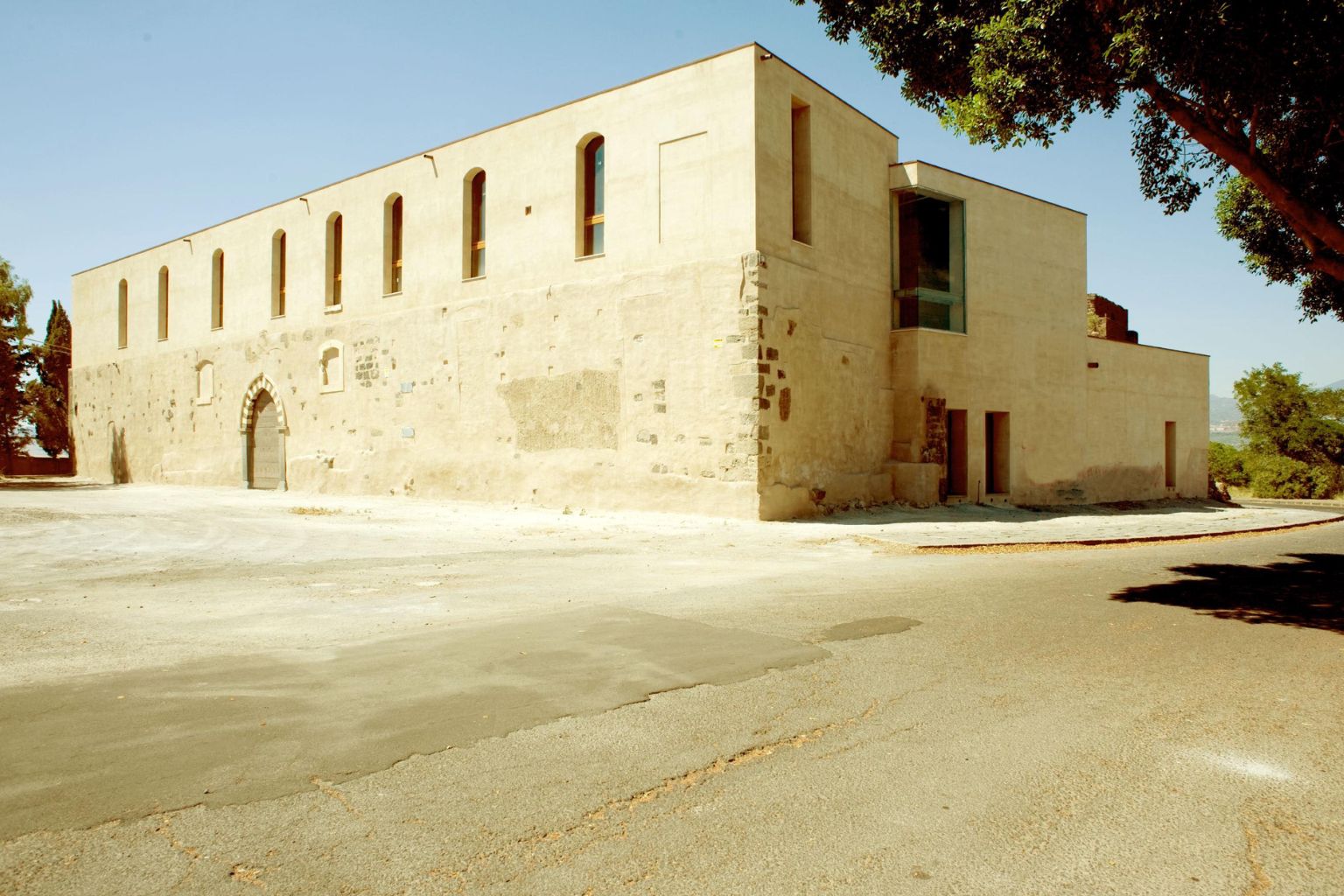
Officina 21 is a design and research workshop founded by Francesco Finocchiaro and Stefania Marletta. Its activity occupies an interesting middle ground between professional practice, cultural research and an observatory on the contemporary landscape. It is not a practice to read only through its interiors or residential work, but as a place of design thinking.
Officina 21’s work spans architecture, art, design, landscape and the city. This hybrid dimension makes it particularly suited to a selection that does not want to stop at the most commercial or most visible studios, but also seeks to tell the stories of the experiences that feed the architectural culture of the area.
Including Officina 21 means recognising the value of research, urban reflection and the crossover between disciplines. In a city like Catania, where historical layering and landscape create constant tensions, this kind of approach helps read design not only as a functional solution but as a critical interpretation of place.
MRC Architetti / Marco Alì
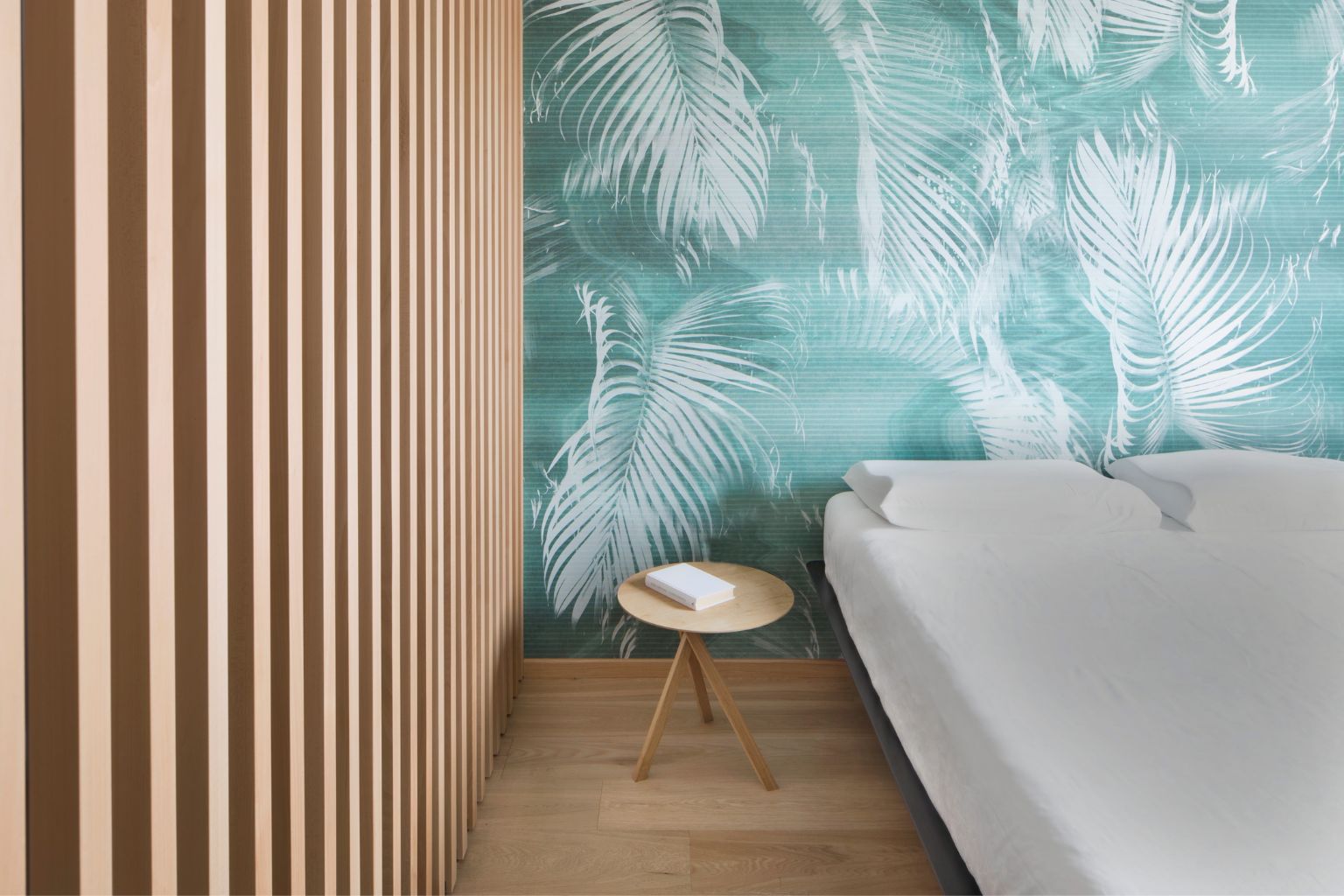
MRC Architetti, founded by Marco Alì, works between Catania and Milan on architecture, interior design, private and public building, graphic design, exhibition design, street furniture and competitions. It is an interesting studio because it maintains a broad design remit, in which architecture is never separated from visual communication, detail and the relationship with public space.
The studio’s research often starts from the identity of places and the relationship between new and existing. This makes it particularly in tune with the Catania context, where every project has to engage with a strong built heritage, a complex urban memory and an architectural material that is already very present.
MRC Architetti deserves a place in the selection because it represents a contemporary, cross-disciplinary approach, able to move between scales without losing touch with context. Its work speaks of a restrained design practice, attentive to the transformation of space and to building new relationships between architecture, city and everyday use.
Anna Polisano Studio
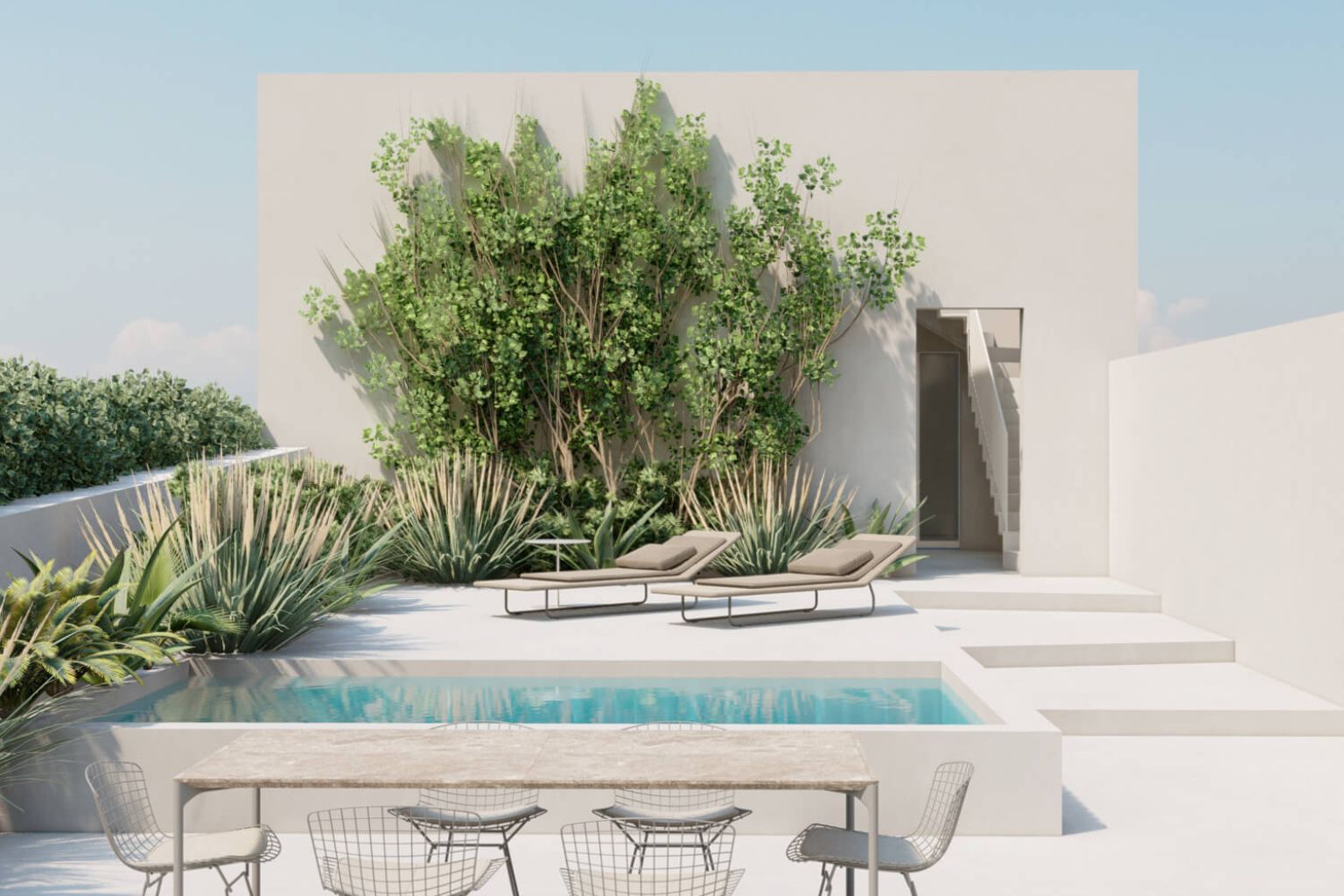
Anna Polisano Studio was founded in Catania in 2001 and works across architecture, interior design, landscape, renovation, commercial spaces, residences, retail and Ho.Re.Ca. It is a practice that fits naturally into the Archi&Interiors story, because it works on the boundary between architectural design and the culture of living, with attention to the home, light, materials and the creation of bespoke interiors.
A strong sensitivity to interior space runs through the studio’s work, understood not as mere decoration but as a system of relationships between function, atmosphere and identity. Rooms are designed as places to be lived in, with particular attention to perceptual quality, comfort and coherence between architecture and interior design.
Anna Polisano Studio represents an important strand of Catania’s contemporary scene: the one devoted to transforming everyday spaces, caring for interiors and translating private or commercial needs into projects that are recognisable, balanced and built around people.
Puleo Architettura
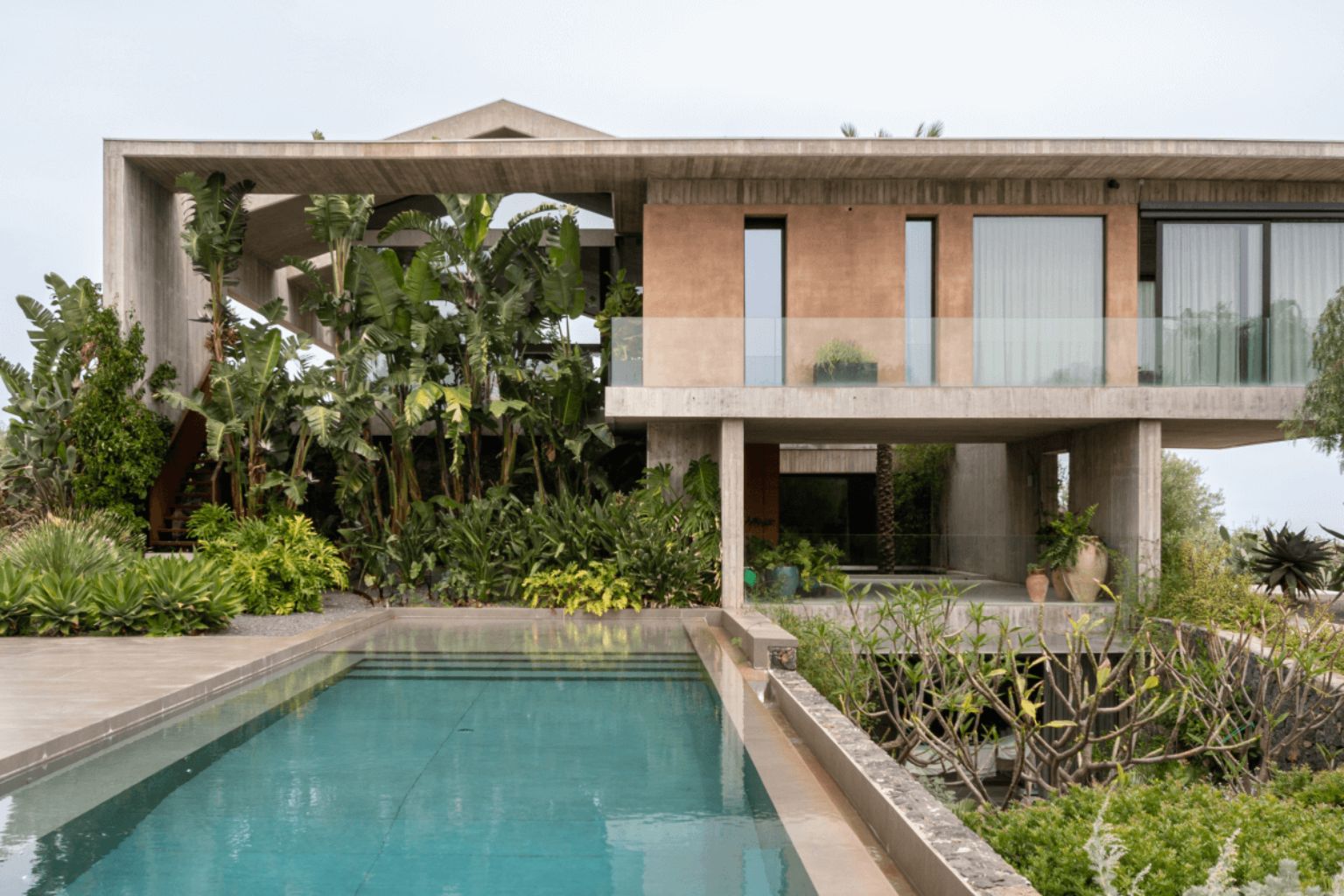
Puleo Architettura is a Catania-based studio with long experience in architecture, interior design and product design. Founded by architect Salvo Puleo, it works on residential, commercial, hospitality, retail, health and urban projects, with a highly recognisable visual identity and a strong presence in digital communication.
Its work is particularly interesting for the relationship between architecture and the contemporary image of living. Puleo Architettura interprets spaces through design that is attentive to detail, composition and light, and to creating rooms with a decisive character. It is a studio that has managed to make its language visible beyond strictly technical circles, speaking to a wider audience interested in homes, interiors and design.
Its presence in the selection captures a very current side of architecture in Catania: the one in which design becomes experience, communication and identity. In a landscape increasingly shaped by how spaces are perceived, by photography and by the recognisability of places, Puleo Architettura stands as a solid practice that unites professional work, aesthetic vision and design culture.
GALATI CASMIRO GIORNO
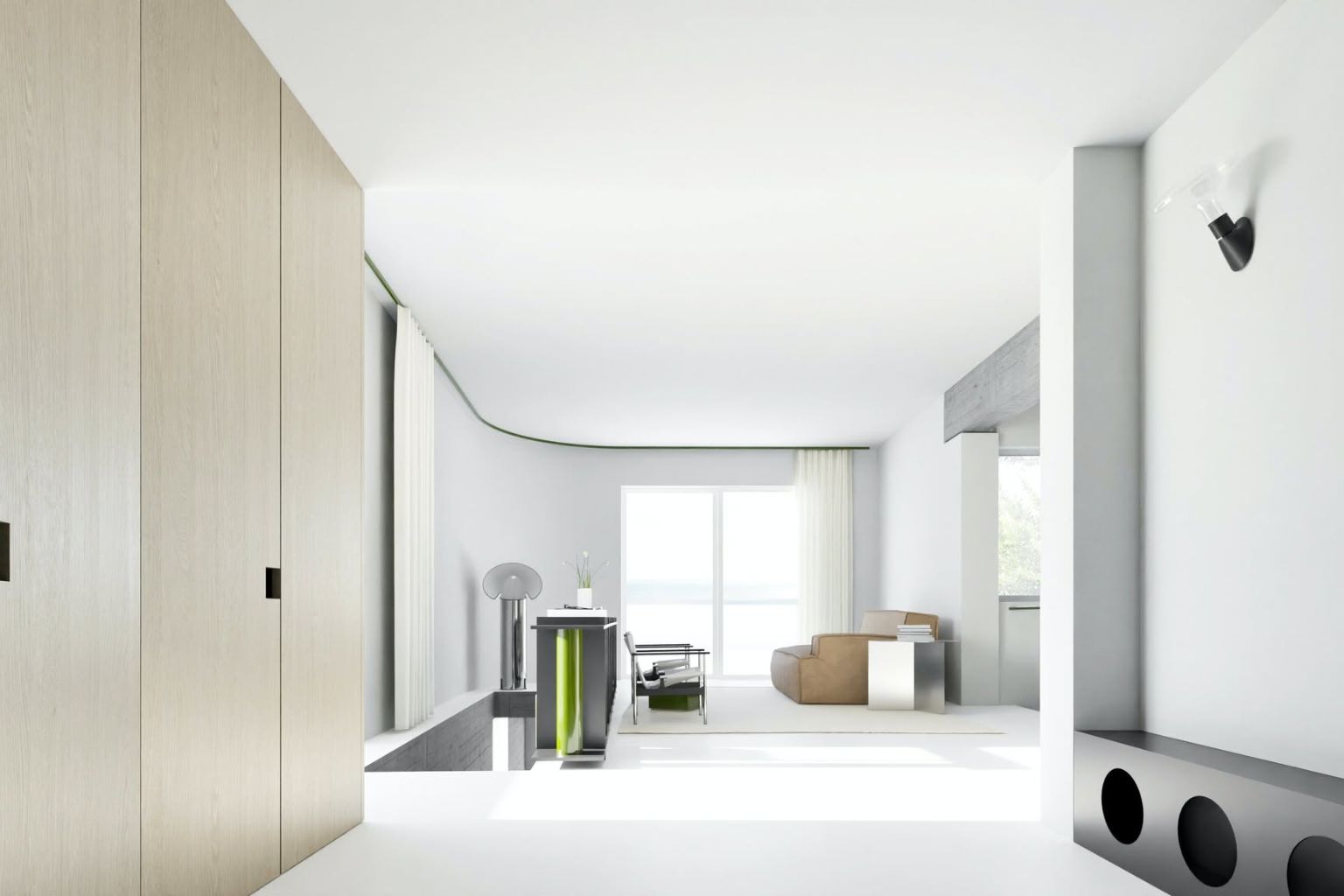
GALATI CASMIRO GIORNO is a young studio founded by Ruggiero Galati Casmiro and Claudia Giorno, working on the slopes of Etna with research that spans architecture, interiors and hospitality. Their work belongs to a new generation of Sicilian designers who see existing heritage as a living material, to be interpreted with respect and precision.
Among their most interesting projects is VVE460, in Catania’s historic centre, inside an early twentieth-century Liberty building. The conversion of the apartment into guest accommodation captures a very current direction for the city: recovering historic spaces, preserving their original traces and creating contemporary interiors that converse with decoration, proportion and memory.
GALATI CASMIRO GIORNO deserves attention because it strikes a subtle balance between Sicilian character and contemporary language. Their projects do not seek a spectacular break with the past but a more refined continuity, made of details, materials, light and new uses. It is a studio to watch to understand how urban hospitality in Catania can become a cultural project as well as a way of living.
Indice Creativo / Eva Grillo
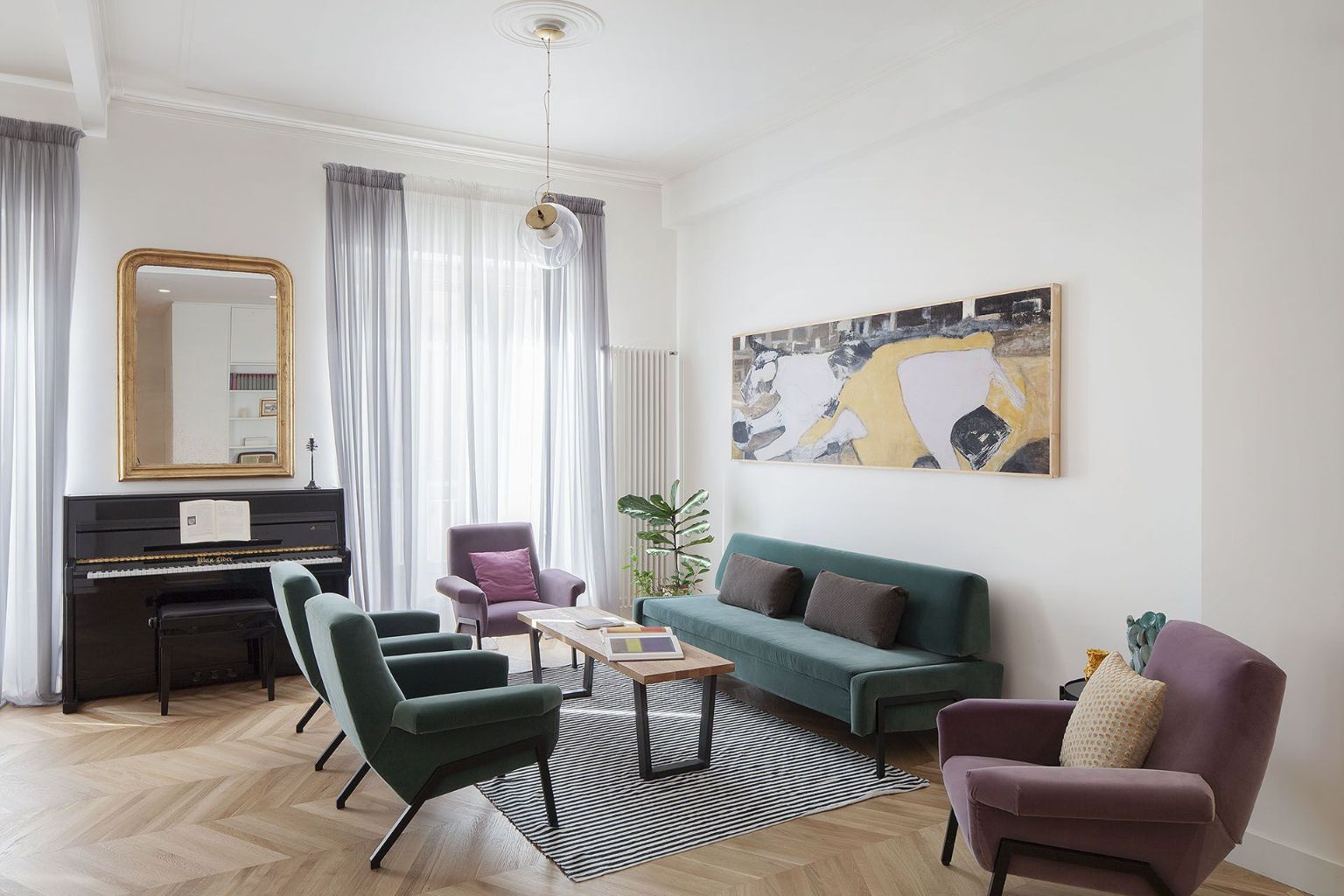
Indice Creativo is the studio founded by Eva Grillo in Catania in 2008. Its work combines architecture, interior design, creative direction and design culture, with an approach that is sensitive to spatial quality and to the relationship between identity, function and atmosphere.
The studio’s work is interesting because it moves naturally between homes, hospitality spaces and interior projects, while keeping a strong focus on the narrative dimension of a room. In projects such as Casa EC, material, light and the relationship with the Mediterranean context become central elements of the composition. Space is not conceived as a simple container but as a place inhabited by memories, habits and new possibilities.
Indice Creativo brings an authorial, female voice to the selection, one that reads architecture through a domestic, cultural and design sensibility. It is a studio to know for anyone who sees Catania as a territory of hidden interiors, layered houses, residences waiting to be reinterpreted and private spaces transformed with restraint.
Analogique Studio
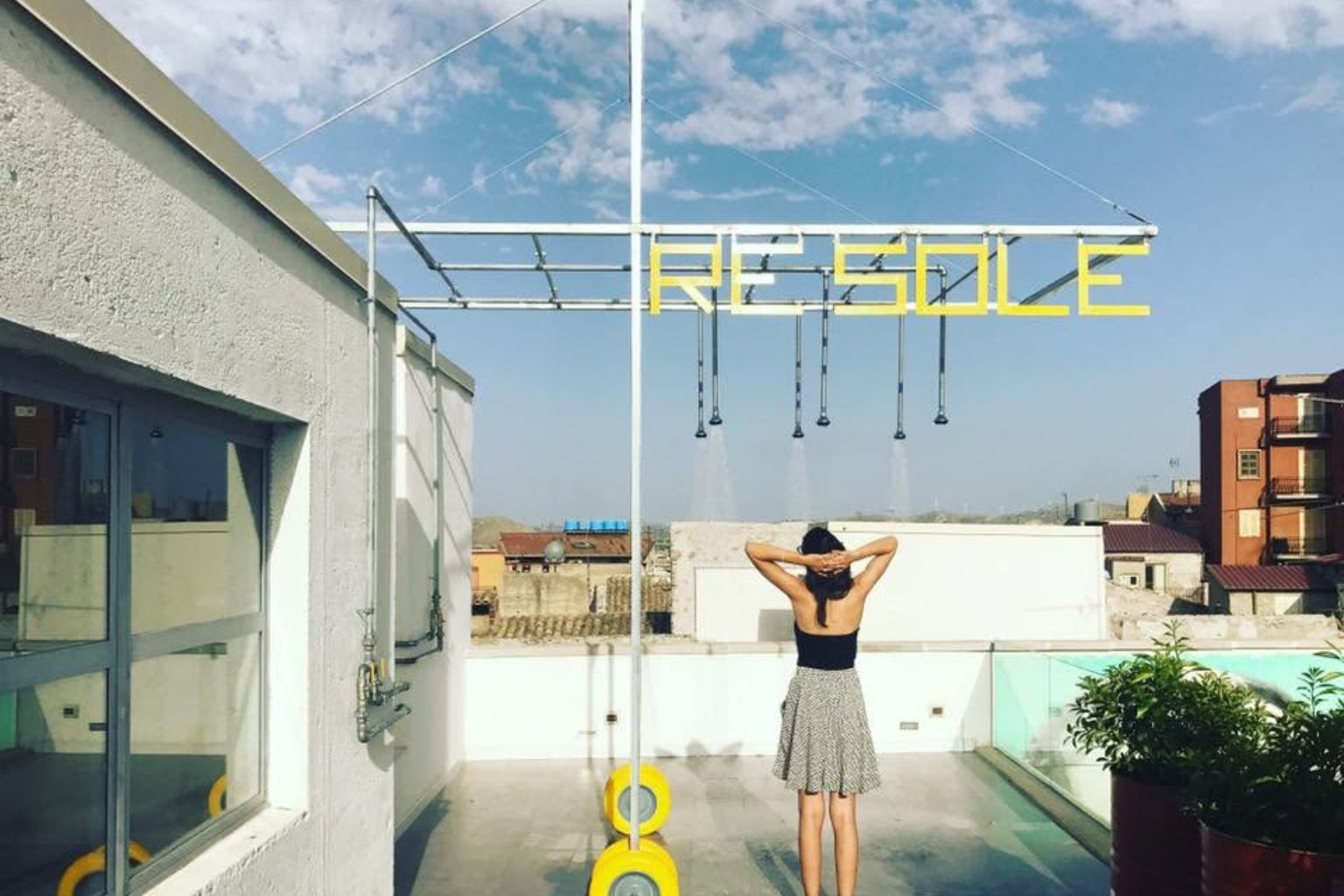
Analogique Studio was founded in Sicily in 2015 by Claudia Cosentino, Dario Felice and Antonio Rizzo. The studio works across architecture, urban design, landscape, furniture, objects and cultural practices, with research that looks at the transformation of spaces through precise, often essential interventions, always tied to their context.
Analogique’s strength lies in its ability to move across scales without losing coherence. Houses, installations, urban devices, landscapes and small objects are treated as parts of the same design reasoning. The result is a measured body of work, attentive to available resources, constructional simplicity and the possibility of generating new relationships between people, places and uses.
In a selection devoted to architecture studios in Catania, Analogique Studio represents the most experimental and cultural component. Its presence broadens the story beyond the home and interior design, turning attention to a practice that uses architecture as a tool for observing, transforming and caring for the territory.
Ellenia+3 Architettura Ingegneria
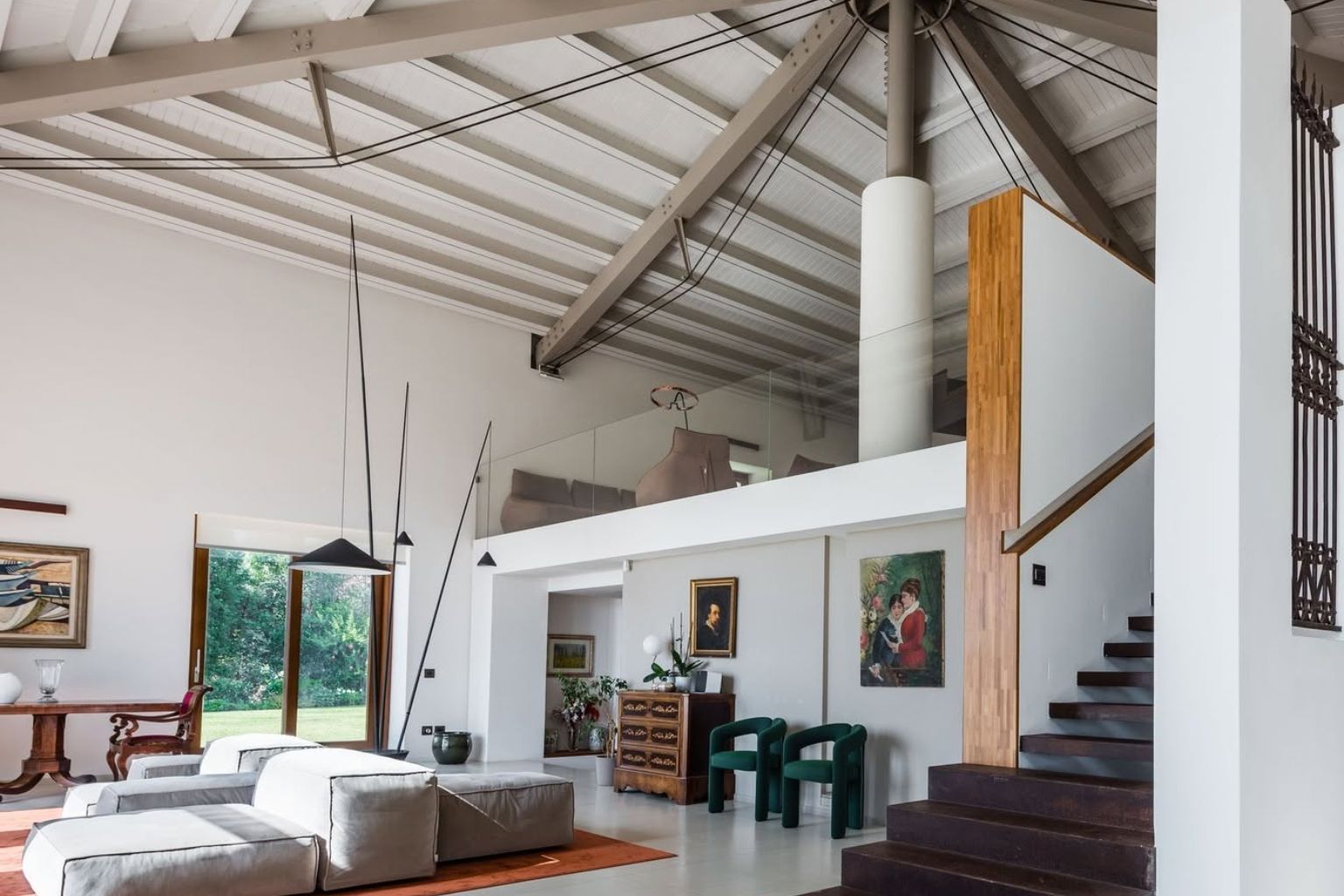
Ellenia+3 Architettura Ingegneria is a Catania-area practice working in multidisciplinary design, across architecture, engineering, restoration, urban regeneration and heritage enhancement. Its presence in the selection brings in a more technical and structured side of design, tied to the complexity of large interventions and to responsibility towards existing buildings.
Among its notable works is the restoration of the Church of Santi Giorgio e Dionigi in Catania, a project that reflects research into the relationship between conservation and innovation. In a city marked by deep historical layering, restoration cannot be a formal exercise: it demands knowledge, method, restraint and the ability to read a building as part of a collective history.
Ellenia+3 belongs on this list because it represents a fundamental part of architecture in Catania: the work on heritage, public spaces, cultural infrastructure and regeneration. It is a less visible kind of design than the most photogenic interiors, yet decisive for the quality of the city and for the future of its historic places.
Pellitteri Architetti
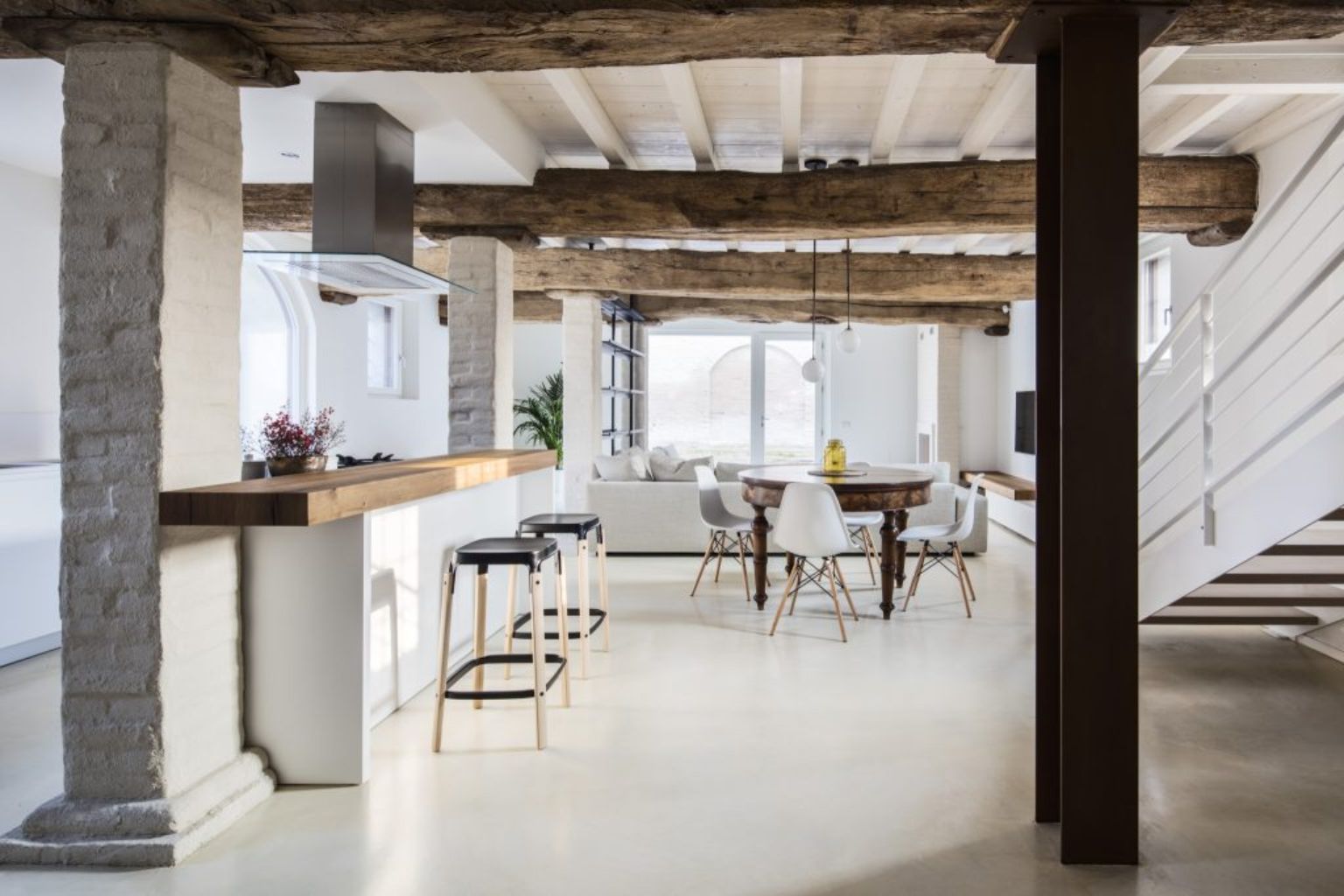
Pellitteri Architetti works across architectural design, furnishing and interior design, with projects in residential, commercial, hotel and restaurant settings. The studio operates in the Catania area with a practical approach, focused on transforming spaces and creating recognisable interiors.
Its portfolio includes houses, villas, commercial spaces and hospitality venues, with particular attention to the relationship between layout, image and comfort. For Pellitteri Architetti, the home is a space to be built with precision, where every choice contributes to shaping everyday experience.
Its presence closes the selection with a practice close to the most hands-on side of architecture: designing, renovating, furnishing, giving form to places that are liveable and functional. Pellitteri Architetti tells a very concrete part of the Catania scene, made of real clients, spaces to transform and projects that become part of people’s lives.