Six air-to-water heat pump brands for the Italian and European market, with practical guidance on configurations, hot water, efficiency, sound figures and supply costs.
Choosing a heat pump means choosing how the home will provide heating, domestic hot water and, where the system allows, cooling. The brand matters, but first establish the building’s heat loss, the water temperature required by its emitters and where the equipment can be installed.
Our shortlist of air-to-water heat pump brands covers Daikin, Mitsubishi Electric, Panasonic, Vaillant, Viessmann and Ariston. It focuses on residential systems documented for the Italian and European market, rather than treating air-to-air units, ground-source systems and dedicated water heaters as the same purchase. It is based on manufacturer information, not editorial comparative testing. Check local models and configurations.
Start with the home’s requirements
Sizing brings together heat loss, climate, flow temperature and hot-water demand. Nominal kilowatts do not describe output in every condition: comparison needs the design outdoor temperature and water temperature required by the heating circuit.
Radiators, underfloor heating and fan coils impose different conditions. Cooling also depends on suitable emitters and condensation management. A cooling function on the heat pump does not automatically make the entire house ready for it.
Six brands and ranges to compare
| Brand | Reference range | Check in the proposal |
|---|---|---|
| Daikin | Altherma 4 H | Indoor configuration and flow temperature |
| Mitsubishi Electric | Ecodan PUZ-WZ | Hydronic module and cylinder |
| Panasonic | Aquarea High Performance M | All in One version and storage volume |
| Vaillant | New aroTHERM plus | Positioning and controls |
| Viessmann | Vitocal 250-A | Existing-system integration |
| Ariston | Nimbus Compact M Net R32 | Integrated storage and zones |
Daikin: Altherma 4 H for retrofit comparisons
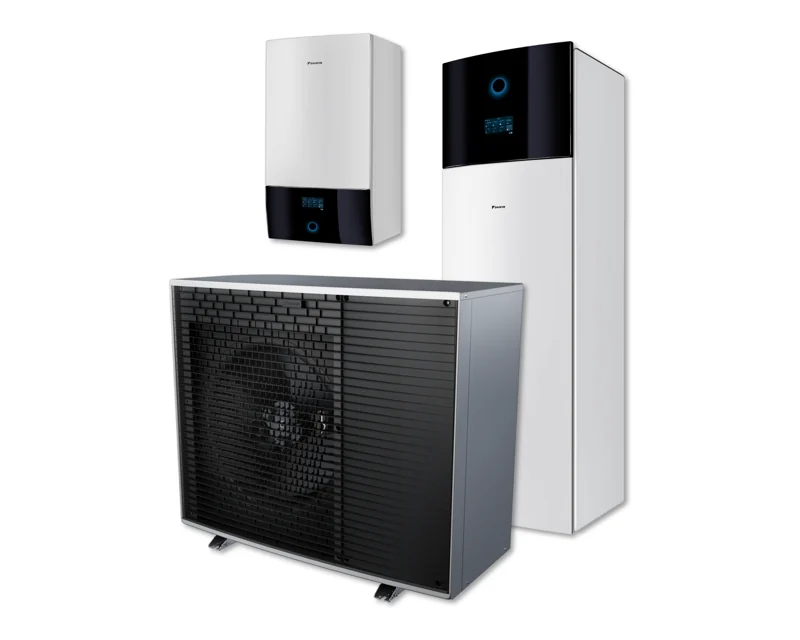
Daikin Altherma 4 H is an air-to-water range using R290. The Italian documentation describes leaving-water temperatures of 70–75°C with outdoor air at −15°C, depending on configuration. It is a reference for projects requiring higher water temperatures.
Reaching a high temperature does not make it the most efficient operating point throughout the year. The intended heating curve and indoor unit complete the picture. Wall modules and cylinder-integrated versions have different space and hot-water implications.
Mitsubishi Electric: Ecodan PUZ-WZ and indoor modules
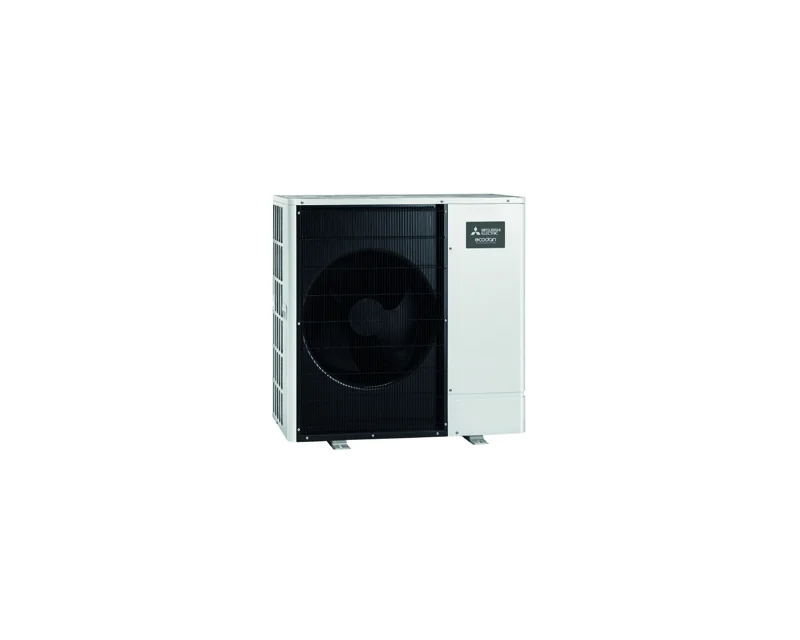
Ecodan PUZ-WZ is Mitsubishi Electric’s documented Packaged family using R290. The refrigerant circuit is contained in the outdoor unit, with a hydronic connection indoors. The catalogue presents pairings with Hydrobox and Hydrotank modules.
Compare the indoor module and domestic hot-water arrangement as well as the outdoor unit. Identify the included hydraulic and control components, the proposed cylinder and the way separate heating zones will be managed.
Panasonic: Aquarea High Performance M All in One
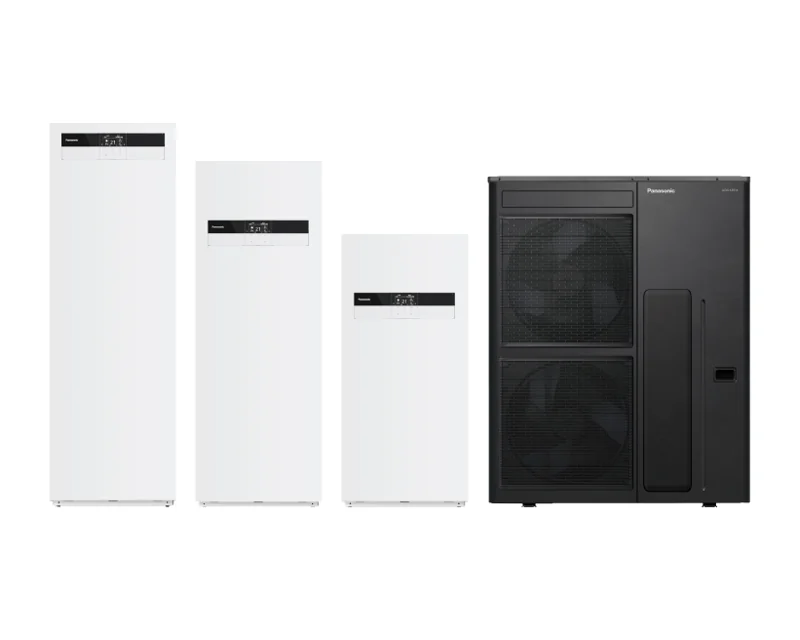
The Aquarea High Performance M series uses R290 and includes All in One configurations. The Italian page lists several domestic hot-water capacities, including 120, 185 and 260 litres, and hydronic connections between outdoor and indoor units.
The range can suit projects where indoor space and hot-water storage shape the brief. Paired-unit codes, cylinder volume and installed dimensions, including connections and service access, identify the proposal more clearly than the Aquarea name alone.
Vaillant: the new aroTHERM plus and positioning
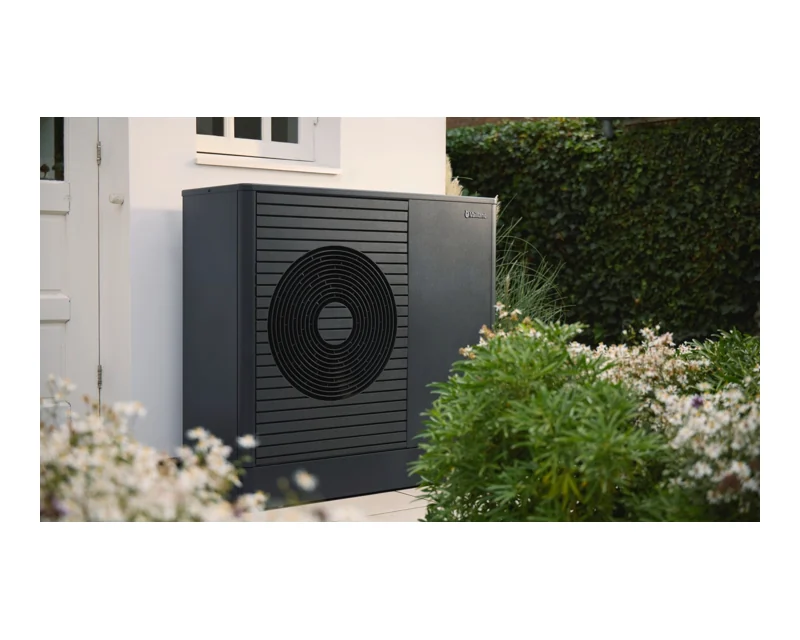
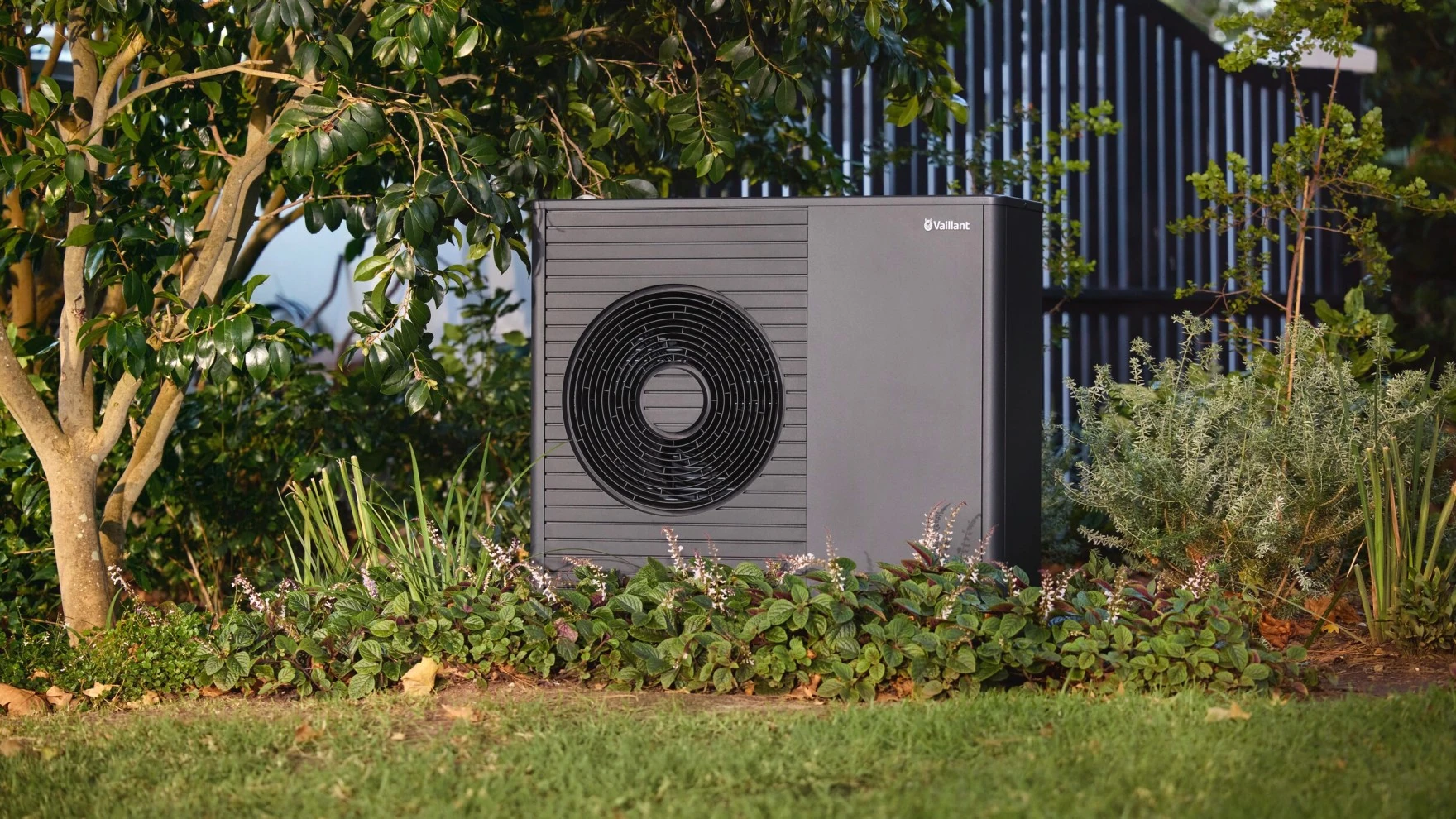
The new aroTHERM plus uses R290 and introduces Flexible Space to address installation clearances. It is a reference when outdoor-unit positioning is a key constraint.
The manufacturer describes producing up to five times as much thermal energy as the electricity consumed with 7°C outdoor air and 35°C flow temperature. Those conditions belong to the figure; it is not a guaranteed year-round efficiency. Check generation and product code too, because the aroTHERM plus name covers offerings from different periods.
Viessmann: Vitocal 250-A and existing heating systems
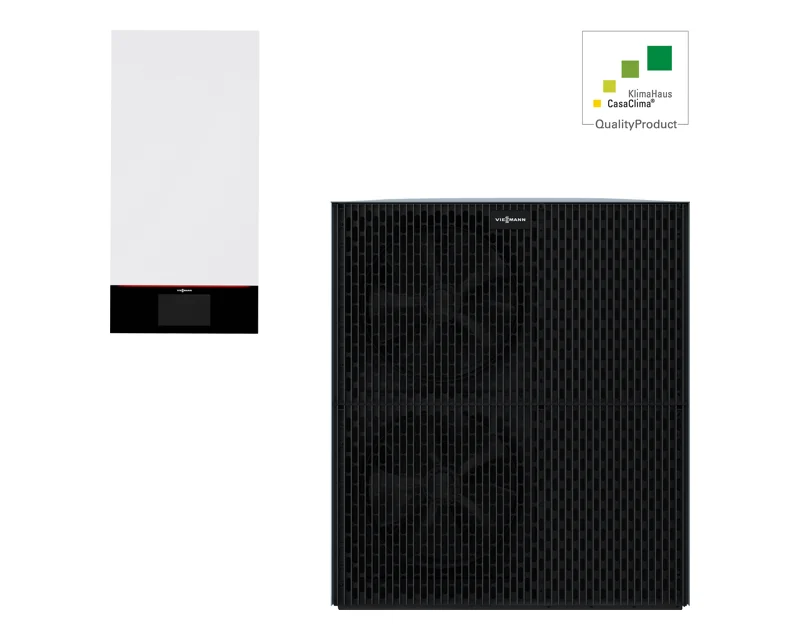
Vitocal 250-A is a reversible air-to-water heat pump with a monobloc refrigerant circuit and R290. Viessmann presents it for retrofit projects retaining existing radiators and specifies a flow temperature of up to 70°C.
The home’s demand and emitters determine suitability. The proposal needs to explain integration of hot water, controls and hydraulic components, distinguishing retained equipment from replacements.
Ariston: Nimbus Compact M Net R32 and integrated storage
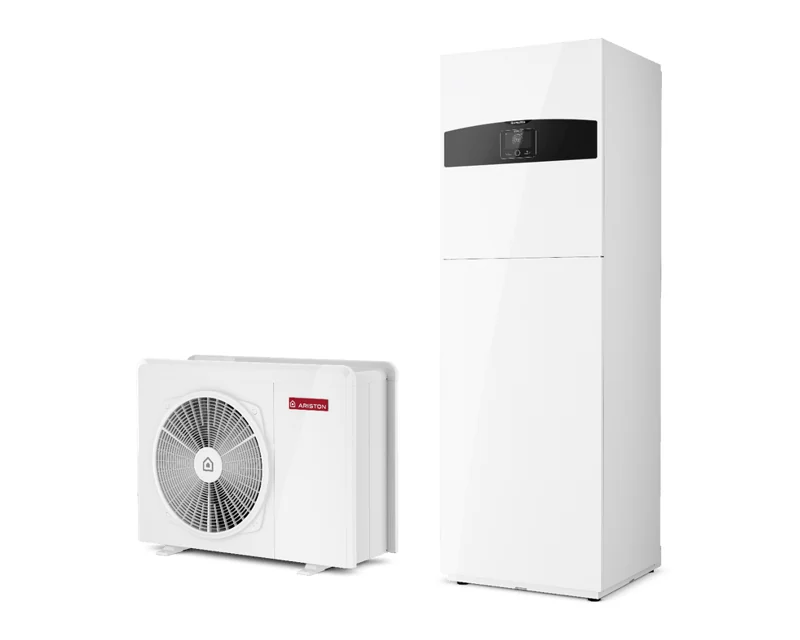
Nimbus Compact M Net R32 is an air-to-water system for heating, cooling and domestic hot water, combining an outdoor unit with an indoor cylinder module. It uses R32, so it should not be described as an R290 option.
Compare it where integrated domestic hot-water storage is useful. Confirm the one-zone or multi-zone version, cylinder size, controller and included connectivity. Refrigerant is one specification to assess alongside performance and installation conditions, rather than an automatic ranking of overall value.
How much does an air-to-water heat pump cost?
Tavolla listed Ariston Nimbus Compact 50 M Net R32, one zone, code 3301856, with a 180-litre cylinder, at €5,525.39 including 22% VAT. The configuration was to order, so amount, timing and stock need reconfirming. It is a specific equipment offer, separate from an installed system cost.
A complete quotation separates equipment, storage, hydraulic components, controls, electrical work, fitting and commissioning. Emitters, bases, connections, condensate and existing-system alterations can affect the budget. An outdoor unit alone is not equivalent to a package with cylinder and installation, and the Italian example is not a worldwide installed benchmark.
Reading efficiency and sound figures
COP relates heat output to electricity input under specified conditions. A COP of 3 represents approximately 3 kWh of heat for 1 kWh of electricity in those conditions. It is not a guarantee of financial savings or seasonal performance.
Reference climate and water temperature, such as 35°C or 55°C, accompany SCOP. For noise, equipment sound power differs from sound pressure at a given distance. Matching test conditions make figures comparable.
Where to buy and questions before ordering
Heating and plumbing merchants, HVAC distributors and specialist installers are common channels. Before buying online, agree the configuration with the designer and installer. A lower equipment price helps little if components are missing or the pairing does not suit the project.
- Sizing: heat loss and available output at design conditions.
- Emitters: required water temperature and suitability for heating and cooling.
- Hot water: storage, household habits and recovery time.
- Positioning: manufacturer clearances, noise, access and condensate management.
- Electricity: supply type, electrical demand and necessary alterations.
- Aftercare: commissioning, local service, warranty and maintenance.
If you are comparing technologies for an existing installation, our gas boiler brand guide explains domestic hot-water configurations and included equipment. The technology choice should follow the home’s design requirements.
Common heat pump questions
Can a heat pump work with radiators?
In some installations, after assessing heat loss, radiator output and required water temperature. A high-temperature claim alone does not show that every existing heating system will work well without changes.
Does operation down to −25°C mean full rated output at that temperature?
No. Operating limit and available output are different data. The model’s performance table needs to cover the required conditions, including any electric backup contribution.
Which brand is best?
Choose a suitable configuration that is correctly sized, installed and supported locally. Compare two or three equivalent project proposals before deciding by the name or the price of the outdoor unit alone.