From 12 to 20 September, explore London’s museums, districts and installations through a focused itinerary connecting materials, places and emerging talent.
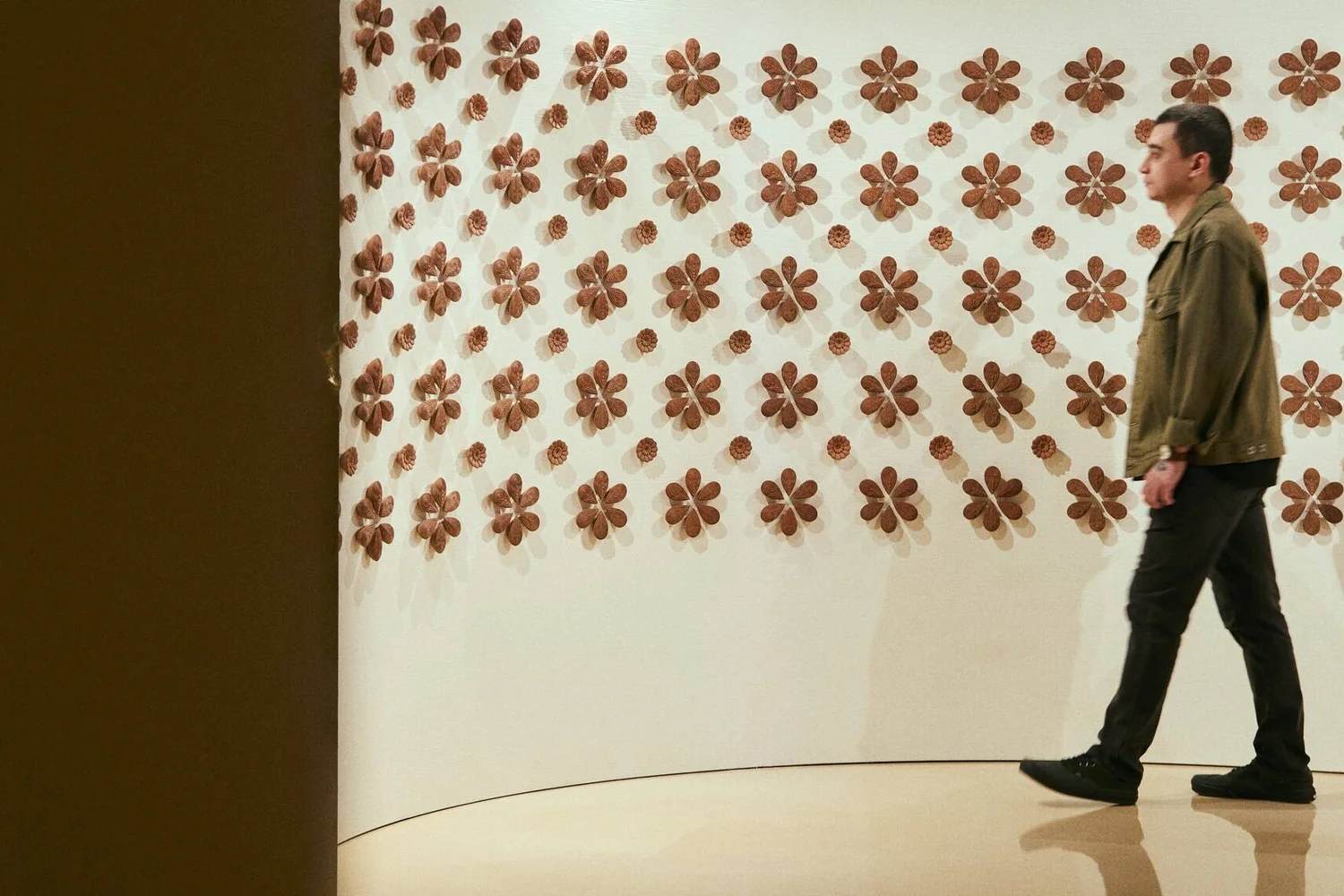
London Design Festival 2026 runs from 12 to 20 September across eleven design districts. A useful visit begins by choosing an area for each day and allowing time to walk, study installations and talk to designers. This is a distributed programme, with separate admission arrangements rather than a single entrance covering every venue.
Our guide follows the relationship between material culture and urban space. A lamp in a museum, a prototype in a workshop and an intervention in the street ask different questions of the visitor. The selection below uses programmes announced by 7 September 2026 and offers a framework for planning around your interests.
South Kensington and Brompton: begin at the museum
The V&A provides a useful starting point. Its V&A x LDF: Awakenings programme includes Albert Yonathan Setyawan’s Metamorphic Modulation, Playfool’s The Server and Aziza Kadyri’s Sender Unknown, among other works. These provide opportunities to compare craft, digital culture and new forms of expression.
After the museum, build a route through individual Brompton venues. The pairing allows a shift from a curatorial setting to more intimate exhibition spaces. Watch how a material changes when lit from above, placed beside a window or incorporated into a domestic arrangement. Record the conditions around an object as carefully as the object itself.
Shoreditch and EC1: organise visits around a question
Shoreditch Design Week and EC1 are part of the official 2026 district programme. Choose a subject before visiting: lighting, compact furniture, reclaimed materials or production methods. Three detailed conversations can provide more information than ten hurried entrances.
For interior designers, visit notes should separate the displayed piece from the conditions under which it can be specified. Ask about dimensions, finishes, repair and production lead times. Lighting deserves equally precise questions. Our guide to circadian lighting provides background for distinguishing an atmospheric display from the requirements of an interior project.
Mayfair, Soho and the wider district map
Mayfair and Soho offer a central route that can be organised around booked appointments. The other announced districts include Bankside, Chelsea, Dalston to Stokey, Fleet Street Quarter, Park Royal and Blackhorse Creates. They should not be treated as stops that can all fit into one afternoon. Travel between neighbourhoods is part of the planning.
Give each venue a priority. An essential exhibition can determine the day’s area; a timed conversation can anchor the schedule. Add one or two nearby alternatives and leave room for discoveries along the way. A programme assembled only from headline names can make the city disappear between taxi journeys.
An evening at the V&A on 18 September

The museum announces Friday Late: Awakenings for Friday 18 September, from 6.30pm to 10pm, with free admission. Music, performances, workshops and conversations form part of the programme. Some museum installations continue beyond the festival, so check each work’s dates separately.
For a two-day stay, our suggested structure is the V&A and Brompton first, followed by a selected route through Shoreditch and EC1. If your visit includes 18 September, the V&A evening can provide a further layer. This is an editorial itinerary, to be adapted to reservations, opening hours and your own pace.
What to take home beyond photographs
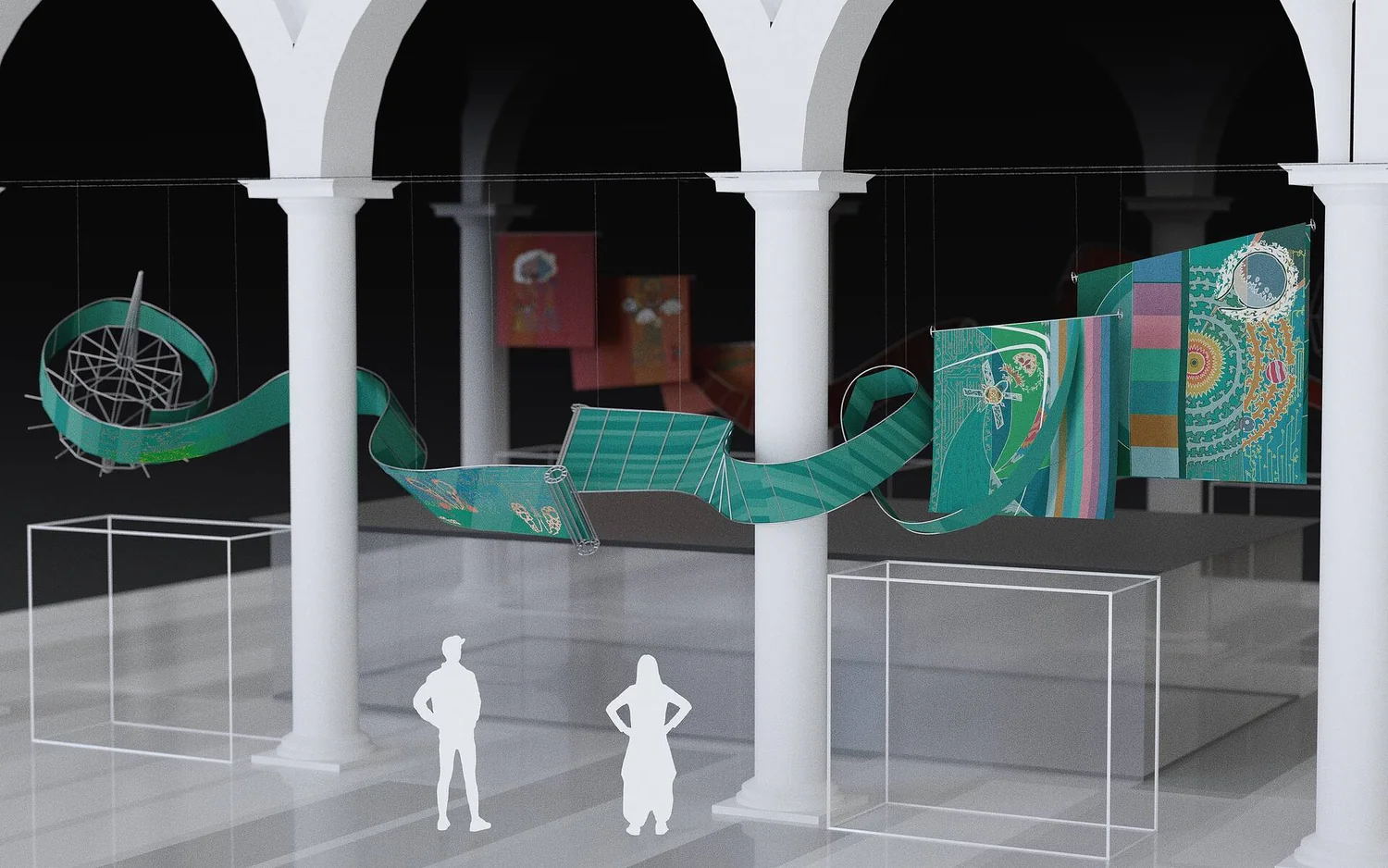
Document the whole installation and a useful detail, record the author and material, and write a sentence explaining the relationship between object and setting. These small habits turn a visual impression into something you can revisit when working on another space.
Our guide to weekends in Europe’s design capitals offers wider context for exploring London through design. It can also help identify what interests you most about a city: its museums, interiors, workshops or public spaces.
Colour requires the same careful observation. Compare it across different materials before deciding that it represents a wider direction. The Archi&Interiors Pantone 2027 forecast offers editorial hypotheses for that comparison, rather than an official prediction that the festival must confirm. Useful visits often leave you with better questions instead of a fixed list of trends.
Frequently asked questions
When is London Design Festival 2026?
It takes place from 12 to 20 September across London. Some individual exhibitions continue beyond these dates.
Is there one ticket for everything?
Admission, prices and reservations vary by event. Check each venue separately. The V&A’s Friday Late is announced as free.
How many districts fit into two days?
For an attentive visit, choose two main areas and add nearby stops. Leave time for conversations and travel rather than maximising the number of addresses.
Images and credits. Photographers and rights holders can contact redazione@archieinteriors.com about image credits or requests to amend or remove an image. Please identify the article and the image concerned.