In the story of WallyArt, wallpaper stops being a simple wall covering and becomes design, material and atmosphere. Founded in 2015 from the encounter between visual art, wall decoration and interior design, the brand has built a recognisable language in which the wall gains presence, depth and identity. At its core is an approach that combines creative freedom, architectural awareness and a culture of bespoke design, transforming every wallcovering into a solution conceived to interact with light, proportions, furnishings and the functions of the space.
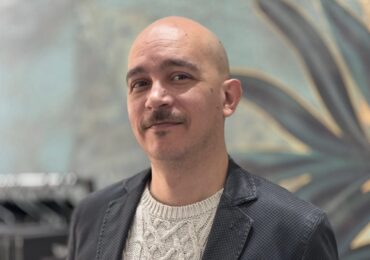
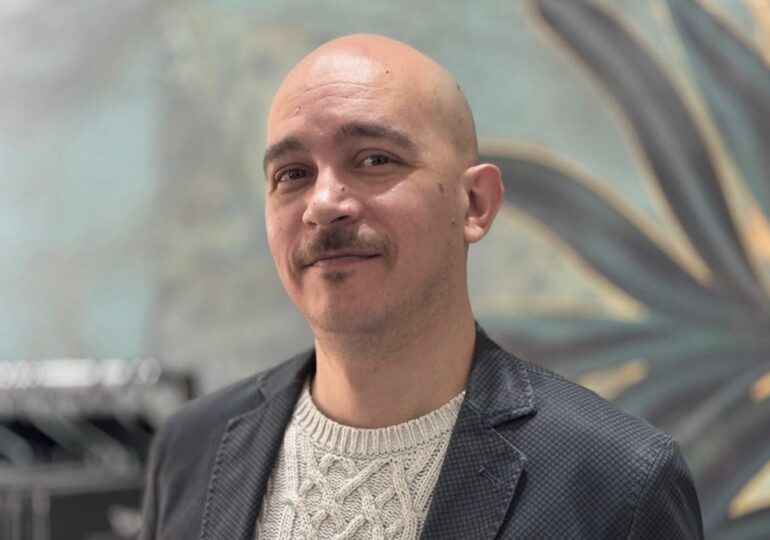
In this interview, Salvo Rotondo, CEO of WallyArt, shares a vision in which the wall is never a passive backdrop, but a surface to be interpreted with design sensitivity and technical precision. From non-woven finishes to fiberglass for showers, bathrooms, kitchens and outdoor spaces, as well as custom colour and size options, the brand brings to the wallpaper sector a proposal that combines image, performance and production quality. The result is a current way of thinking about the wall, able to fit naturally into both residential interiors and contract or hospitality projects.
WallyArt was born from the encounter between creativity and interior design, and this origin is clearly visible: in your collections, wallpaper is not treated as a simple wall covering, but as an element capable of building identity, atmosphere and presence within a space. When did you realise that your field was not decoration in the strict sense, but a broader form of wall design?
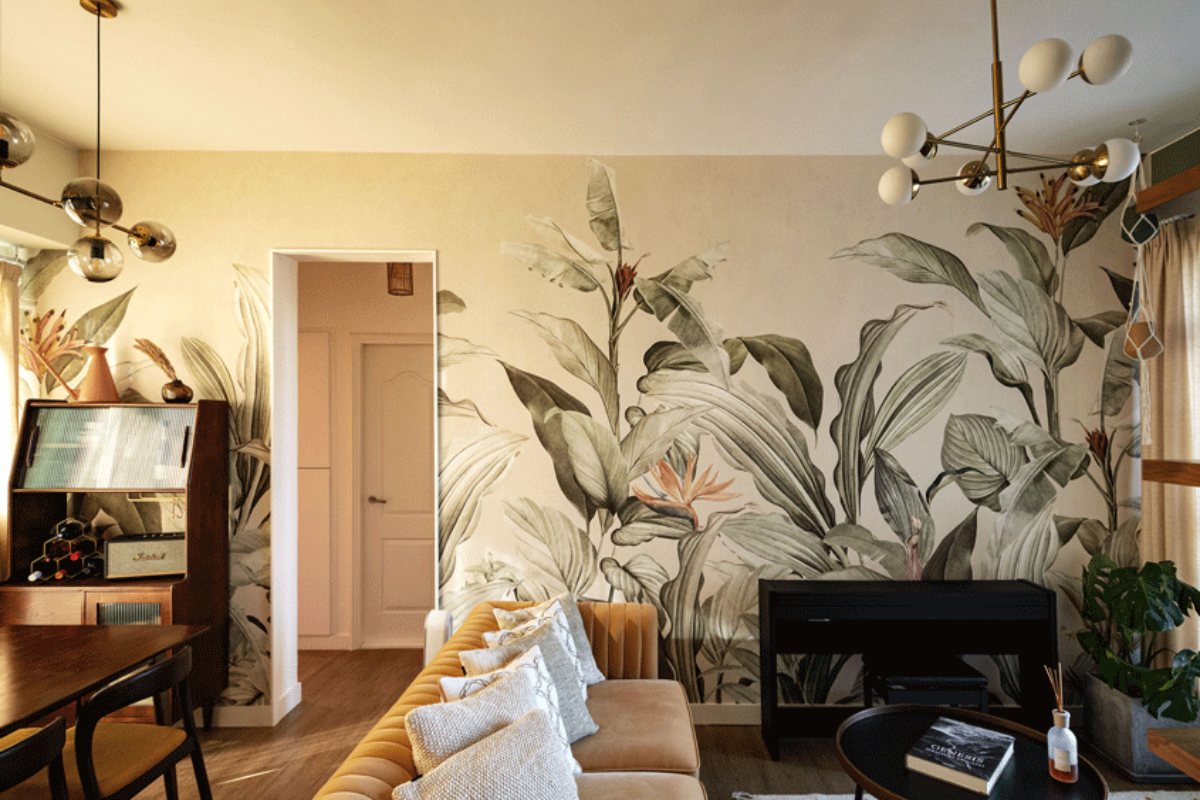
In 2015, we began to think that wallpaper, revalued in terms of design uniqueness and reinterpreted through the use of innovative, high-performance materials, had enormous potential in the world of interiors. That intuition came at a time when this product was still perceived as something linked to the past: the very term “wallpaper” evoked an image that no longer felt current, almost out of fashion.
For this reason, it seemed interesting to us to work in that direction, trying to overcome this cultural limitation and show how, thanks to a more evolved design approach and new production technologies, wallpaper could once again become a central and relevant element in interior design projects.
In your work, the idea often returns of a wall that interacts with furnishings, light and architecture. How important is it for you to design a wallcovering by thinking not only about the pattern itself, but also about what happens around it: the proportions of the room, the incidence of light, the materials already present and the overall balance of the interior?
The preliminary study is truly the key to a successful wallcovering project. Our creative approach has always been to dare, trying to evoke strong, tangible emotions that make those who observe or experience the space feel a sense of uniqueness. Moreover, the concept of “bespoke” guarantees complete customisation of the elements and colours of the selected wallpapers, allowing for a perfect “match” in any environment or project.
The WallyArt catalogue moves between botanical, abstract and panoramic subjects, with a language that remains recognisable while changing atmosphere. How do you work to maintain this identity without becoming fixed in a single style or, on the contrary, dispersing yourselves into proposals that are too heterogeneous?
Our goal has never been to tie ourselves to a rigid style, but rather to build a recognisable visual language, capable of evolving over time.
We always start from a clear creative direction: a balance between aesthetics, material and atmosphere. Whether the subject is botanical, abstract or panoramic, what we try to keep constant is design sensitivity, attention to proportions, composition and the relationship with architectural space.
Each collection is born from precise research, but is then filtered through this shared identity, which is what makes WallyArt recognisable. At the same time, we allow ourselves the freedom to experiment: subjects, textures and inspirations change, but a consistent thread remains and holds everything together.
In this way, we avoid both becoming locked into a single style and dispersing ourselves into overly heterogeneous proposals: it is a continuous balance between coherence and openness.
Today, you are present in more than 50 countries and work in both residential and contract sectors. What really changes when a WallyArt wall enters a private home compared to when it becomes part of a hotel, a spa or a commercial space? Do the project, decision-making rhythm, level of customisation and way of thinking about durability change?
In reality, the design approach does not change; it always remains the same. Every wall is created to become an identity-defining element, capable of interacting with the space in a coherent and recognisable way.
What changes, if anything, is the level of technical attention required by the context. In contract environments, for areas more exposed to humidity, water or wear, we guide the choice towards higher-performance materials, such as fiberglass with Warp resin. In residential settings, which are generally less subject to wear, vinyl wallpaper with a non-woven backing is often more than adequate.
However, the language, attention to detail and underlying idea remain unchanged: whether it enters a private home, a spa or a hotel, a WallyArt wall must maintain the same expressive strength and the same quality over time.
In your case, bespoke design does not seem to be an accessory service, but a structural part of the proposal: custom sizes, adaptation of the subject and a preliminary simulation on the wall. How does this flexibility affect your relationship with architects, interior designers and end clients?
For us, bespoke design is not an additional service, but an integral part of the project. Most clients, whether architects, interior designers or private customers, tend to request changes: adjustments in scale, colour variations or interventions on the subject so that it can interact perfectly with the space.
This flexibility makes the relationship much more collaborative: we do not simply supply a product, but enter the design process together with the client. In this sense, the preliminary wall simulation is a fundamental tool, because it allows the final result to be visualised immediately and decisions to be made with greater awareness.
As a result, this approach enables us to transform every project into something unique, while always maintaining coherence with our language.
Your non-woven finishes — MURO, TELA and, in some cases, SHINE — are not merely surface variants, but different ways of interpreting image and material. How do you guide the choice between a more discreet wall, almost integrated into the plaster, and a more pronounced presence, closer to a decorative artwork?
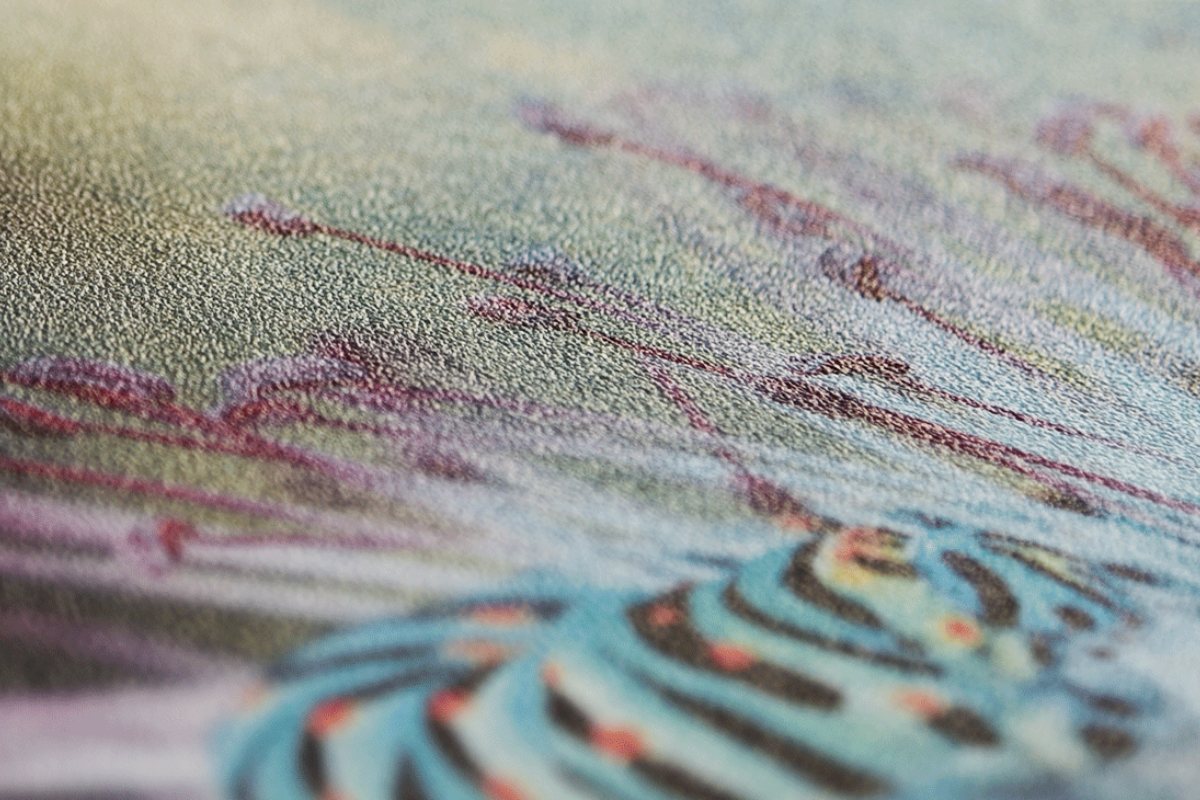
For us, finishes are part of the design language, not simply a final aesthetic detail.
MURO, for example, with its plaster-like grain, is designed to integrate more naturally into the space, almost as if the graphic were part of the wall itself. TELA, with its horizontal and vertical micro-striations, recalls a painterly surface and gives the image a more tactile, more “artistic” presence. Finally, SHINE introduces a more pronounced decorative component, thanks to the gold foil effect that captures the light and turns the wall into a focal point.
The choice always depends on the design intention: whether the goal is to create continuity and discretion, or to give the wall a more expressive role. Our work is precisely to accompany this decision, helping the client find the right balance between space, light and material.
Fiberglass is one of the most interesting aspects of your proposal, because it takes wallcovering into more complex areas: shower interiors, bathrooms, kitchen backsplashes, outdoor spaces and surfaces subject to abrasion. When did you realise that this support was not only a technical solution, but a true extension of the decorative project?
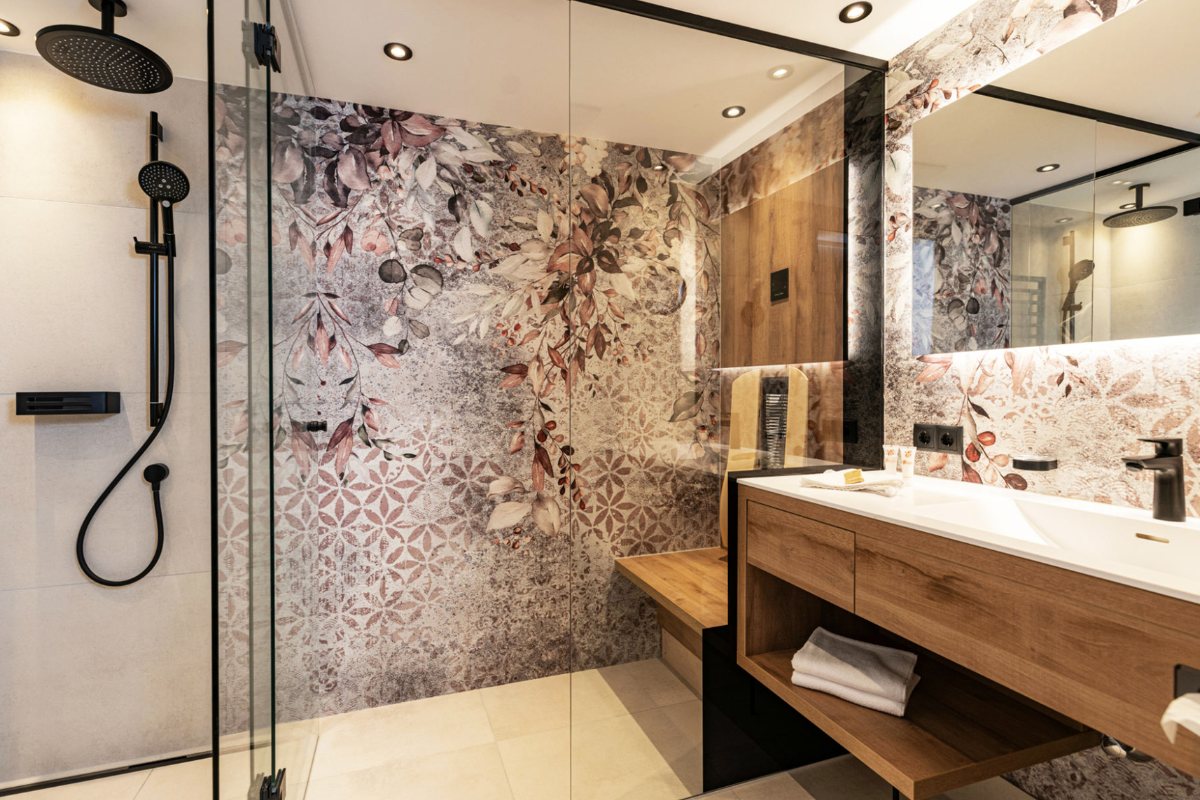
At first, fiberglass was seen mainly as a technical solution, linked to specific contexts such as showers, bathrooms or surfaces subject to heavy wear. Then, gradually, we began working on projects where it was no longer just a response to a functional need, but became an integral part of the decorative idea.
That was the real turning point: when we realised that it allowed us to bring the same visual language into environments that had previously been excluded, creating continuity between different spaces without compromising between aesthetics and performance. From that moment on, it became clear that it was not just a technical support, but a true extension of the project, capable of expanding the expressive possibilities of the wall.
In your technical sheets, concepts such as washability, reaction to fire, light resistance, simple maintenance and even the possibility of using aggressive chemical detergents in certain contexts appear repeatedly. How do you transform these performances into design value, without reducing the discussion to a technical list, but making them part of the aesthetic and functional experience?
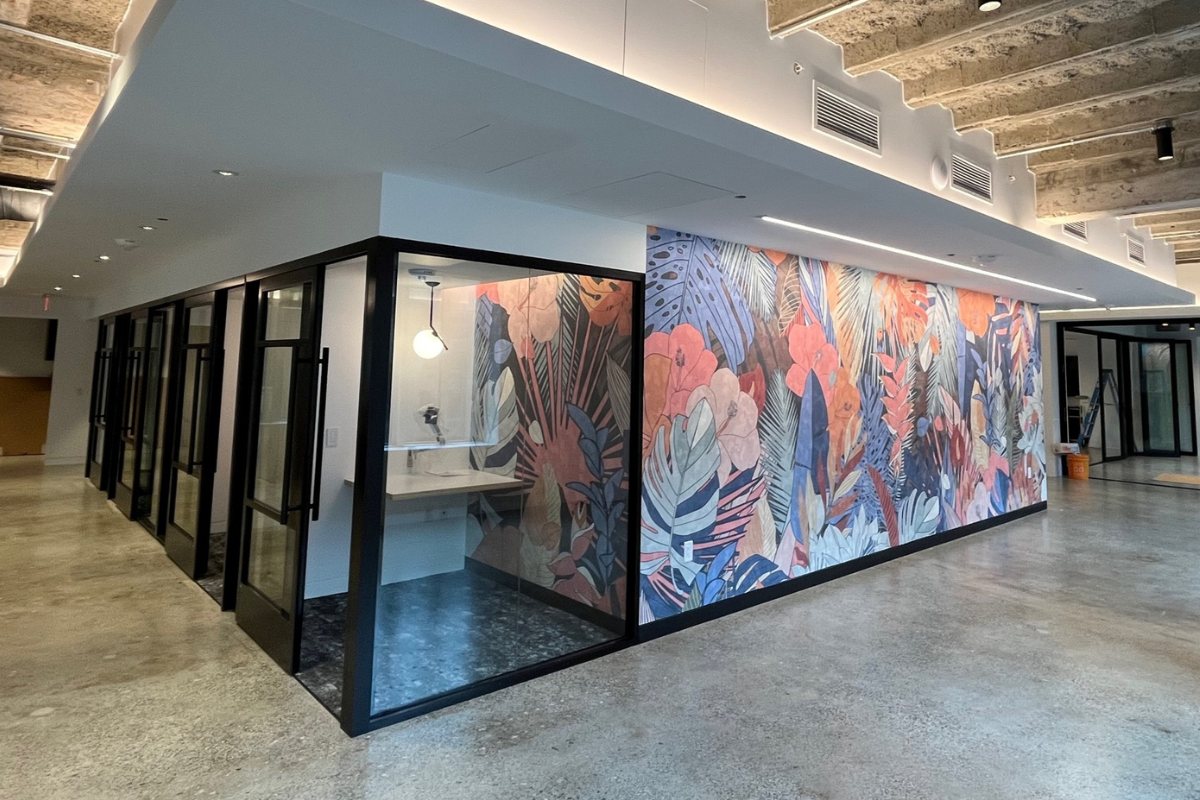
For us, technical performance is not a list of features, but a condition that makes the project possible.
When a surface is washable, resistant to light or compatible with detergents, the way it can be experienced changes. It is no longer something to be preserved with excessive care, but an element that can truly enter the everyday life of spaces, even the most complex ones.
This translates into greater design freedom. It allows images and materials to be used even in contexts where they would normally be excluded, without giving up either aesthetics or functionality. In this sense, the technical component becomes invisible, but fundamental: it is what supports the experience, ensuring that over time it remains consistent with the original idea.
One of the most delicate challenges when working with highly distinctive walls is preventing the image from “consuming” the space. In your opinion, how is a decoration built so that it has atmospheric presence without becoming invasive or self-referential? And what mistakes do you most often see in projects that use the wall only as a scenic effect?
It is a matter of balance. A decorated wall truly works when it interacts with the space, not when it tries to dominate it.
Our approach always starts from composition: proportions, rhythm, image density and relationship with light. Even the most distinctive subjects, if carefully constructed, can have atmospheric presence without becoming invasive, because they are not conceived as “images to be looked at”, but as surfaces that integrate into the environment.
The most common mistake is precisely to use the wall as an isolated scenic effect, without considering the rest of the space: furnishings, volumes and distances. In those cases, the image becomes self-referential and loses its relationship with the architecture. When the project is coherent, however, the wall does not overpower the space, but amplifies the identity of the space.
Louise is an interesting example of this balance: light tones, soft textures, stylised majolica patterns and dandelions create a measured yet highly recognisable surface, also available for humid environments. What did you want to explore with this model, and what does it reveal about a more subtle decorative sensitivity compared to openly theatrical proposals?
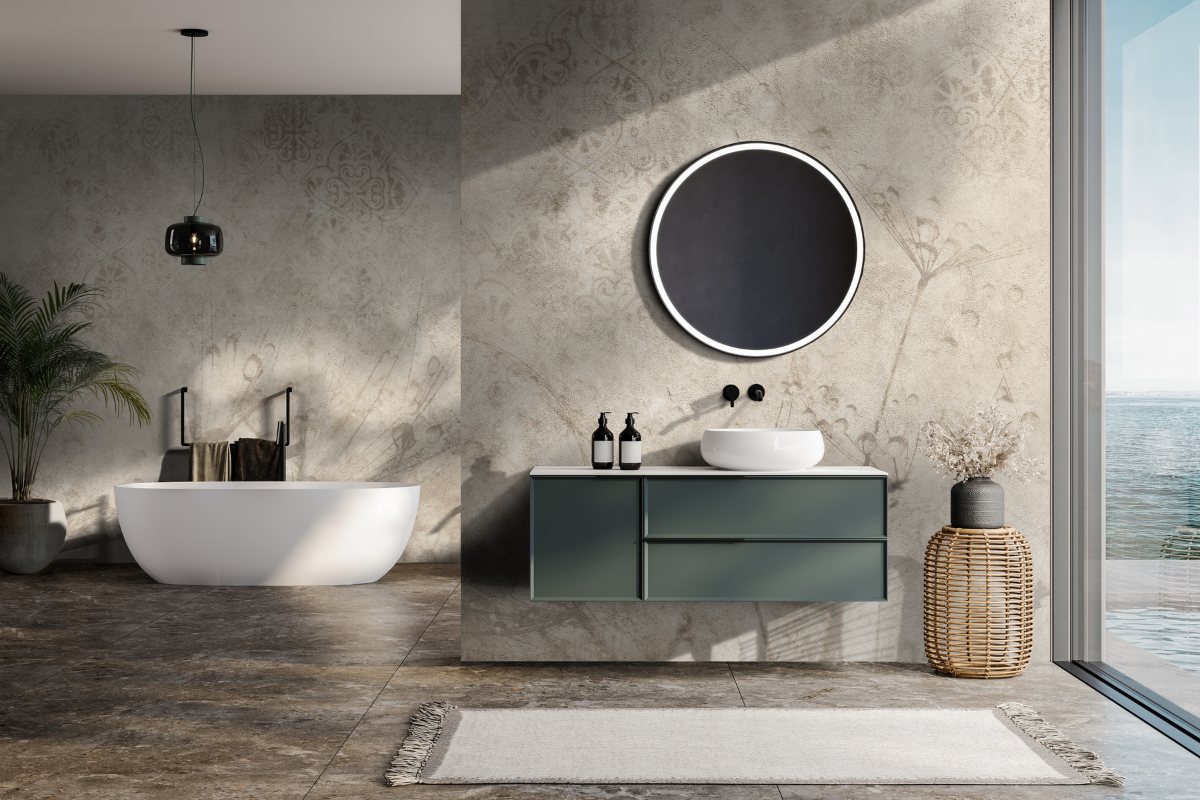
With Louise, we wanted to work on a more measured form of decoration, capable of building atmosphere without relying on an obvious scenic impact.
The idea was to combine recognisable elements, such as stylised majolica patterns and dandelions, with a very light palette and a soft texture, in order to create a surface that is perceived over time rather than immediately. It is a model that does not invade the space, but accompanies it, allowing a sense of balance and continuity to emerge.
Furthermore, the fact that it can also be applied in humid environments reinforces this approach: it is not only an aesthetic choice, but a solution that can enter the everyday life of spaces, maintaining the same delicacy even in more technical contexts. Louise expresses exactly this: a more subtle decorative sensitivity, where value lies in measure and the ability to integrate, rather than in immediate effect.
On the other hand, Bastille shows a more theatrical tension: golden-yellow arches, cascading floral elements, an image with a more immediate impact that can still be used in technical applications such as bathrooms, showers or outdoor spaces. What interests you, in a subject like this, about the relationship between scenography, elegance and versatility of use?
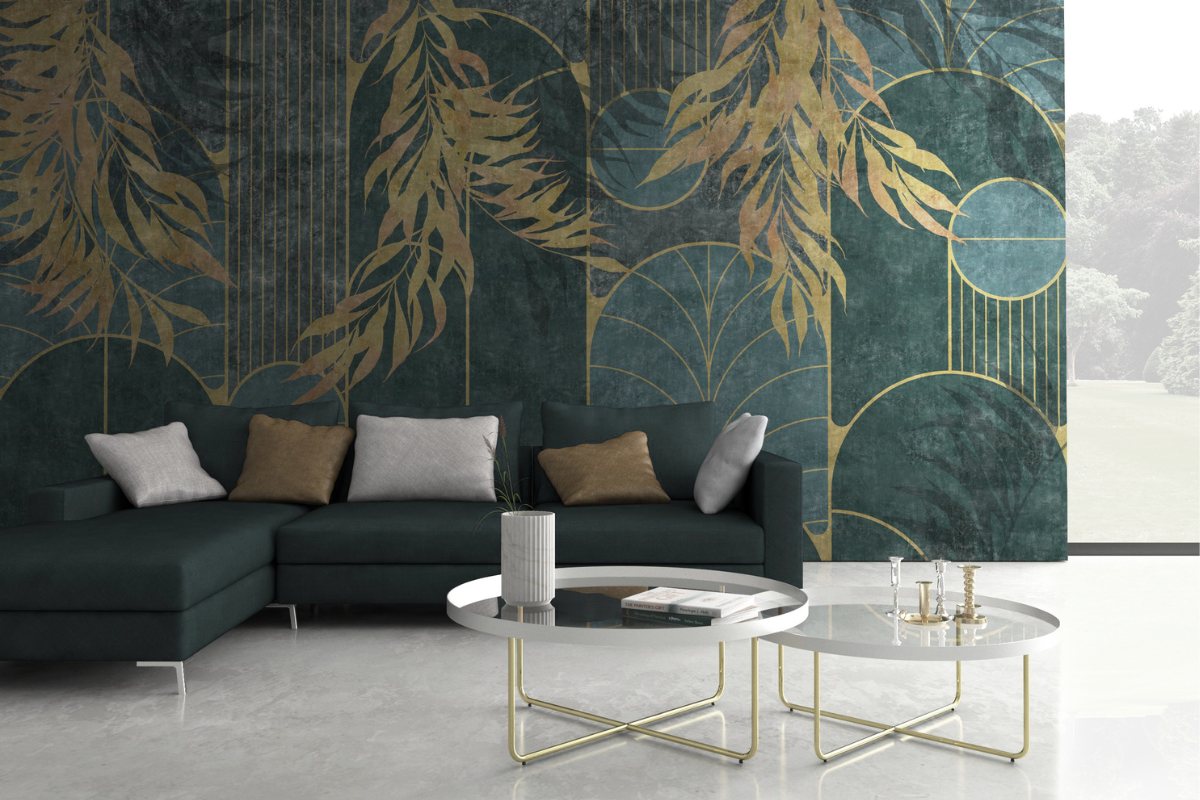
With Bastille, we wanted to explore a more scenic dimension, while still maintaining control over elegance and composition.
The arches, golden-yellow tones and cascading floral elements build an image with immediate, almost theatrical impact, yet it remains balanced by an ordered design and a coherent palette. It is not scenography for its own sake, but a way of giving depth and rhythm to the space without losing refinement.
In addition, the fact that it can also be applied in technical contexts, such as showers or outdoor spaces, adds another layer: it means that even a stronger image can become part of everyday life, without being limited to a “special” room. It is precisely this balance between decorative presence, elegance and versatility that we are interested in exploring.
Staying with Bastille, we ask you to choose one of your models that you consider truly iconic and tell us about it as one would tell the story of a project: where the first sign came from, what intuitions guided it, how its final image was defined and at what point you realised that this wall had something deeply “yours”.
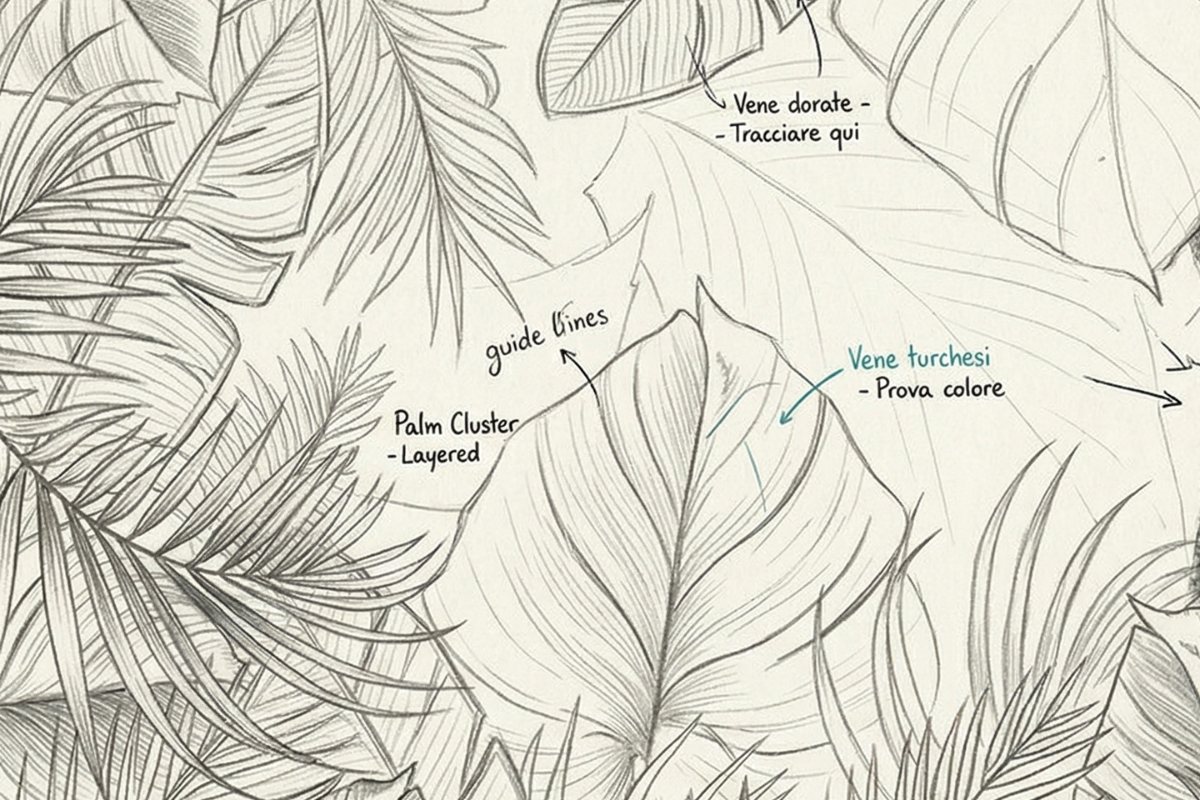
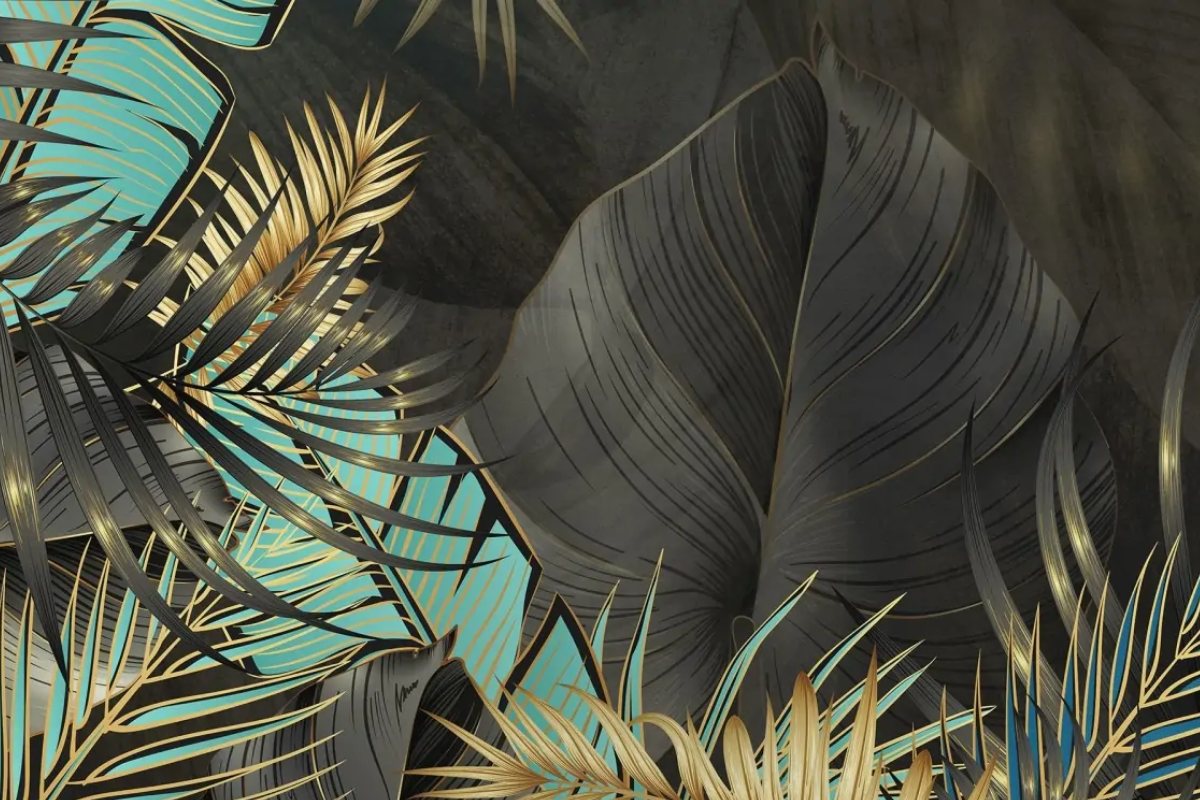
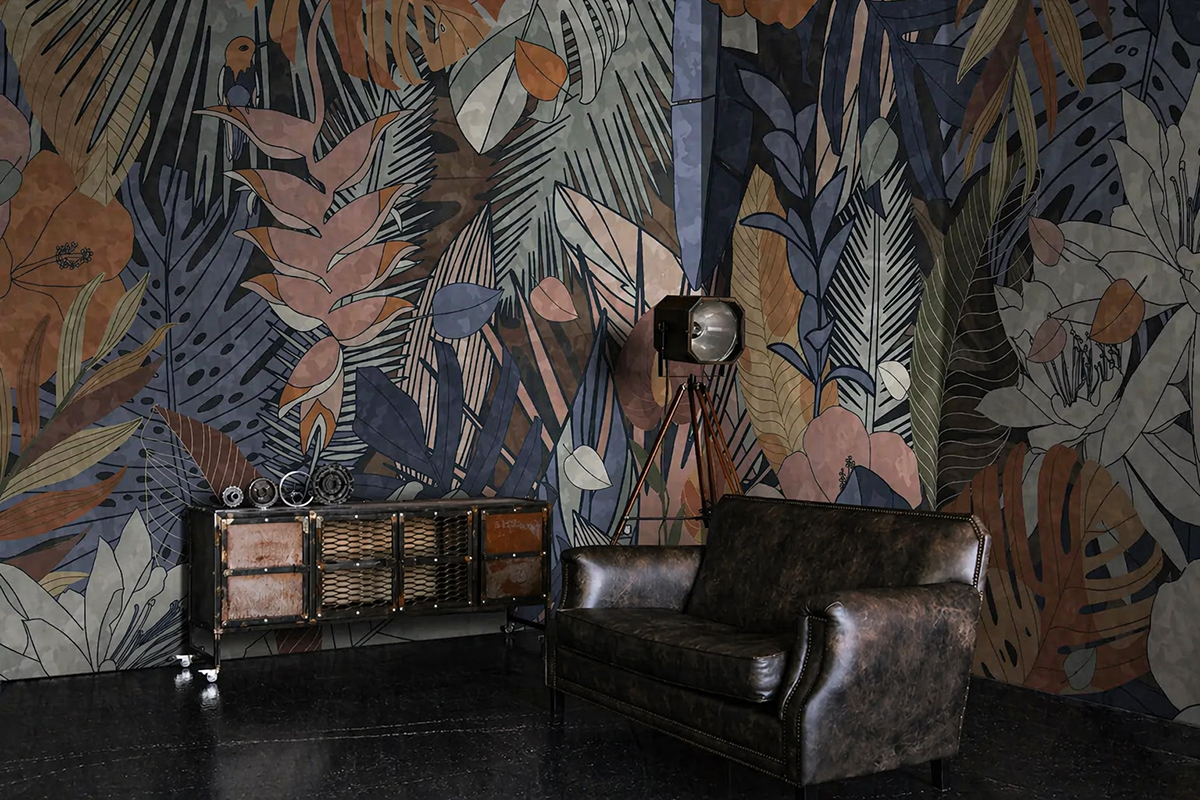
One model we consider truly iconic is Maui.
It was born from the idea of working on a different kind of jungle, deeper and more layered, built on a dark background capable of bringing out less conventional colours. From the beginning, we wanted to create a balance between vegetation and the chromatic component, allowing the colours themselves, often unexpected, to give rhythm and identity to the composition.
The project developed through overlays: layers of leaves, variations in scale, contrasts between solids and voids, until we found an image that was not merely decorative, but capable of enveloping the space. The final definition came precisely when we saw that, although it was a jungle, it never felt excessive, but maintained a certain elegance and depth.
We understood that Maui had something deeply ours when it began to work in very different contexts, while always retaining the same strength. It is one of those projects in which you immediately recognise the WallyArt language: rich but controlled, expressive but never chaotic.
The international growth of the brand and your work in contract contexts such as hotels, restaurants and wellness spaces bring you face to face with very different cultural and operational needs. Which markets are teaching you the most today? And what have they forced you to rethink or refine in the way you approach image, supports, timing and product reliability?
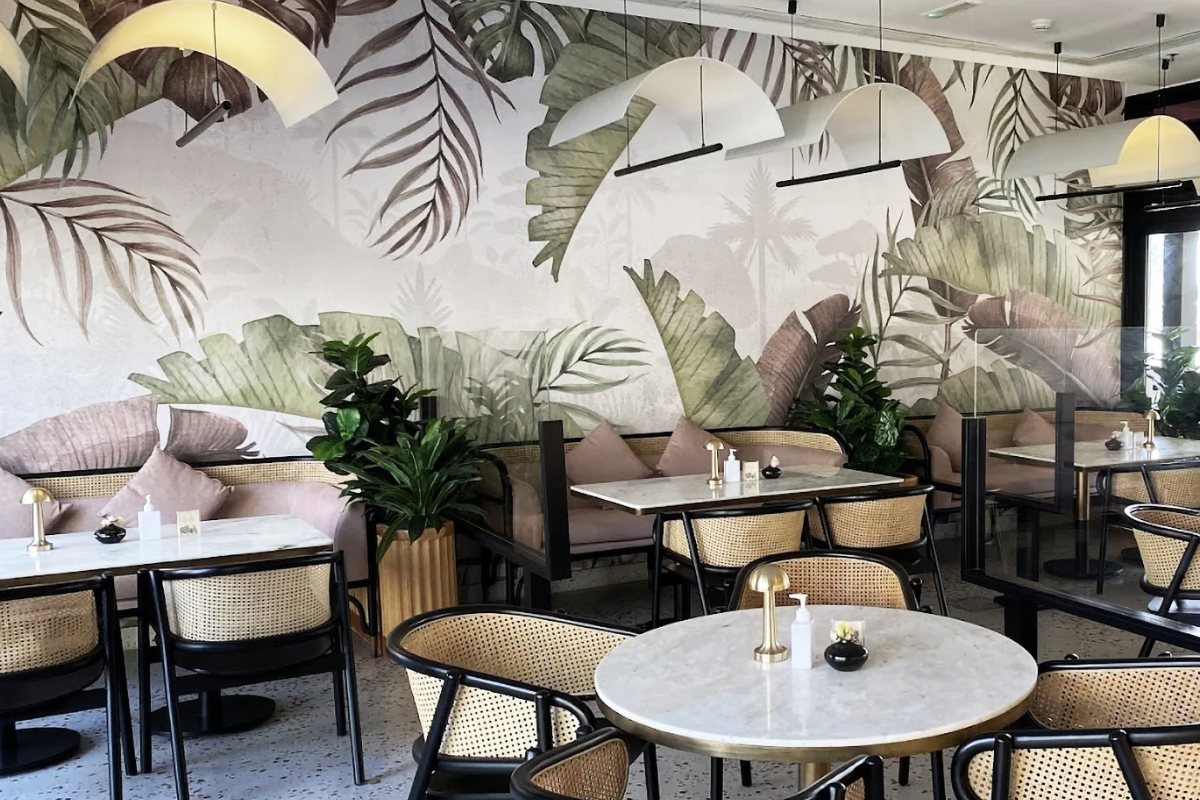
The United Arab Emirates market is certainly one of the markets that has taught us the most in recent years.
It is a context in which aesthetic impact is very important, but at the same time there is an extremely high level of attention to quality, timing and reliability. This has led us to work with even greater precision both on the image, often more scenic and material, and on the supports, favouring technical solutions capable of guaranteeing high performance even in complex environmental conditions.
At the same time, it is a very demanding market from an operational point of view: tight deadlines, structured construction sites and the need for quick responses. This has pushed us to optimise processes, become more reactive and better structure the entire service side.
In general, working in such different contexts has helped us refine our approach: maintaining a recognisable identity, while being flexible enough to adapt it to very different cultures, spaces and expectations.
It is 2036: if you were to look at WallyArt ten years from now, what evolution would you like to see clearly achieved? Greater integration between decoration and architecture, new supports for complex environments, even more refined customisation tools, or a redefinition of the very concept of the wall within the design project?
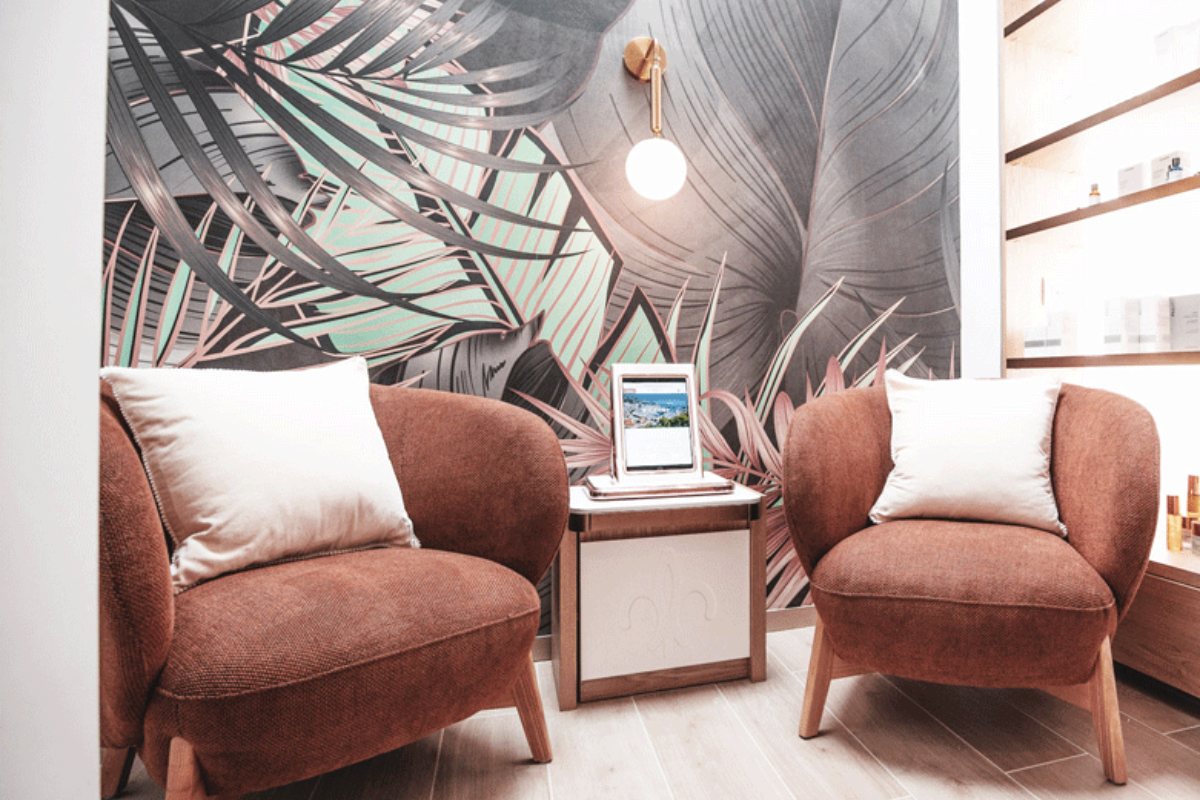
Rather than a single direction, we imagine an evolution that brings together several levels, but with one clear common thread: greater integration between decoration and architecture.
We would like the wall to no longer be perceived as a surface to be covered, but as an active part of the project, conceived from the very beginning together with spaces, volumes and light. This also implies the development of increasingly high-performance supports, capable of adapting to complex contexts, and even more precise customisation tools, almost tailor-made for architecture.
At the same time, we believe there will be a redefinition of the very concept of the wall: less a static element and more a dynamic surface, capable of interacting with those who experience it. In this scenario, our goal is to remain consistent with our language, continuing to evolve it without losing our identity.
Leave a comment