

Twelve cities and twelve ways of looking at design: museums, buildings and urban landscapes for an Italian weekend devoted to architecture and interiors.
An autumn trip can be much more than a weekend of red leaves and a pleasant hotel. It can become an exercise in looking: understanding how light enters a museum, how an industrial building changes its purpose, or how a threshold brings materials from different periods into conversation. That is the idea behind these 12 autumn destinations in Italy for architecture and design lovers.
This is neither a ranking of the most beautiful cities nor an itinerary to complete in one journey. It is an editorial selection of places to pause, observe and return home with something more useful than a folder of photographs. Alongside celebrated buildings, you will find urban walks and museums whose displays are worth studying in their own right. These suggestions work well in autumn, but the projects themselves are not seasonal attractions.
Choose a destination, rather than collecting stops
Before choosing a city, choose a question. Are you interested in the reuse of buildings? Do you prefer interiors and details? Are you looking for examples of the relationship between architecture and public space? A clear question makes a trip richer and more focused. It also allows you to choose one main visit and leave the rest of the day for the city.
In autumn, it makes sense to alternate outdoor spaces with indoor visits. Not because rain is inevitable, but because a plan with an alternative remains enjoyable when conditions change. Avoid leaving every building you want to photograph until the end of the day: natural light fades, and an interesting facade can become difficult to read.
| What interests you | Destinations to consider | What to look for |
|---|---|---|
| Adaptive reuse and the twentieth-century city | Turin, Ivrea, Bologna | How a building changes its function without losing its identity |
| Details, thresholds and museum display | Verona, Venice | The relationship between artworks, materials and the visitor’s route |
| Urban design and proportion | Como, Bergamo, Vicenza | Open spaces, arcades, facades and depth |
| Museums and design culture | Milan, Rovereto, Florence, Rome | The building as part of the experience |
Piedmont: from the factory to the modern city
1. Turin: reading the Lingotto as a transformation
The Lingotto is a rewarding destination for anyone who wants to understand what happens when a major industrial building enters a new phase. The former Fiat factory and its transformation offer a precise subject: the relationship between the original structure, new uses and the scale of the city. Recognising the image of the rooftop test track is only the beginning; what matters is the sequence of spaces and the way people move through the building.
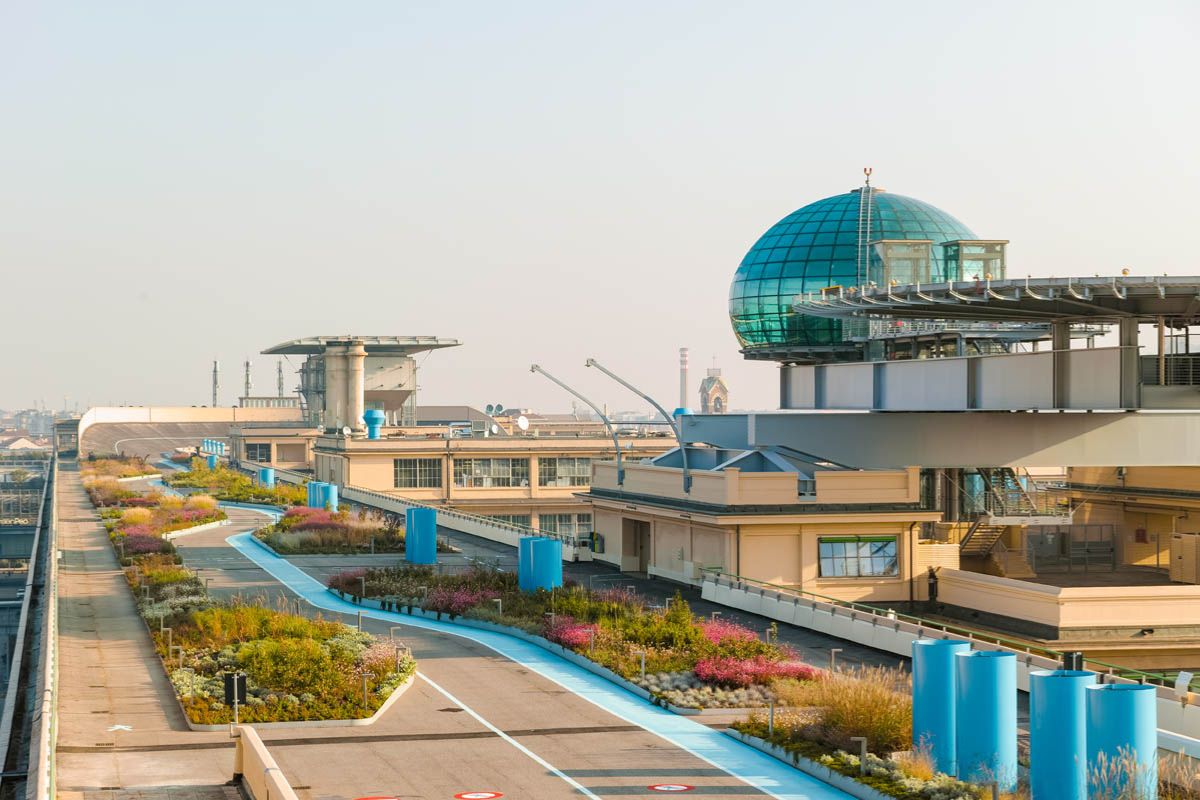
Our suggestion is to look at the building’s overall form from outside first, then choose an interior visit that is actually available. For any rooftop routes and institutions within the complex, check tickets and access conditions separately: different spaces do not necessarily share the same admission arrangements. Complete the day with an urban walk, without trying to visit every museum in Turin. What to take home: a reflection on how to preserve a strong identity as functions change.
2. Ivrea: design beyond the individual building
In Ivrea, the MAAM, the open-air museum of modern architecture, invites you to read Olivetti’s architectural legacy as a whole. It is not just about factories, but about relationships between work, housing and services. The outdoor route helps shift attention from an isolated icon to the urban system around it.
It is useful to prepare a map and choose a coherent stretch of the route, rather than chasing distant landmarks without context. Look at distances, orientation and relationships with the terrain. A building that is privately owned or still in use does not become accessible inside simply because it appears on an itinerary: respect access restrictions and consult local information about possible guided visits. This destination is particularly rewarding for those who enjoy walking and comparing buildings. What to take home: the idea that designing everyday life also involves the spaces between buildings.
Lombardy: objects, geometries and public spaces
3. Milan: a closer look at design at Triennale
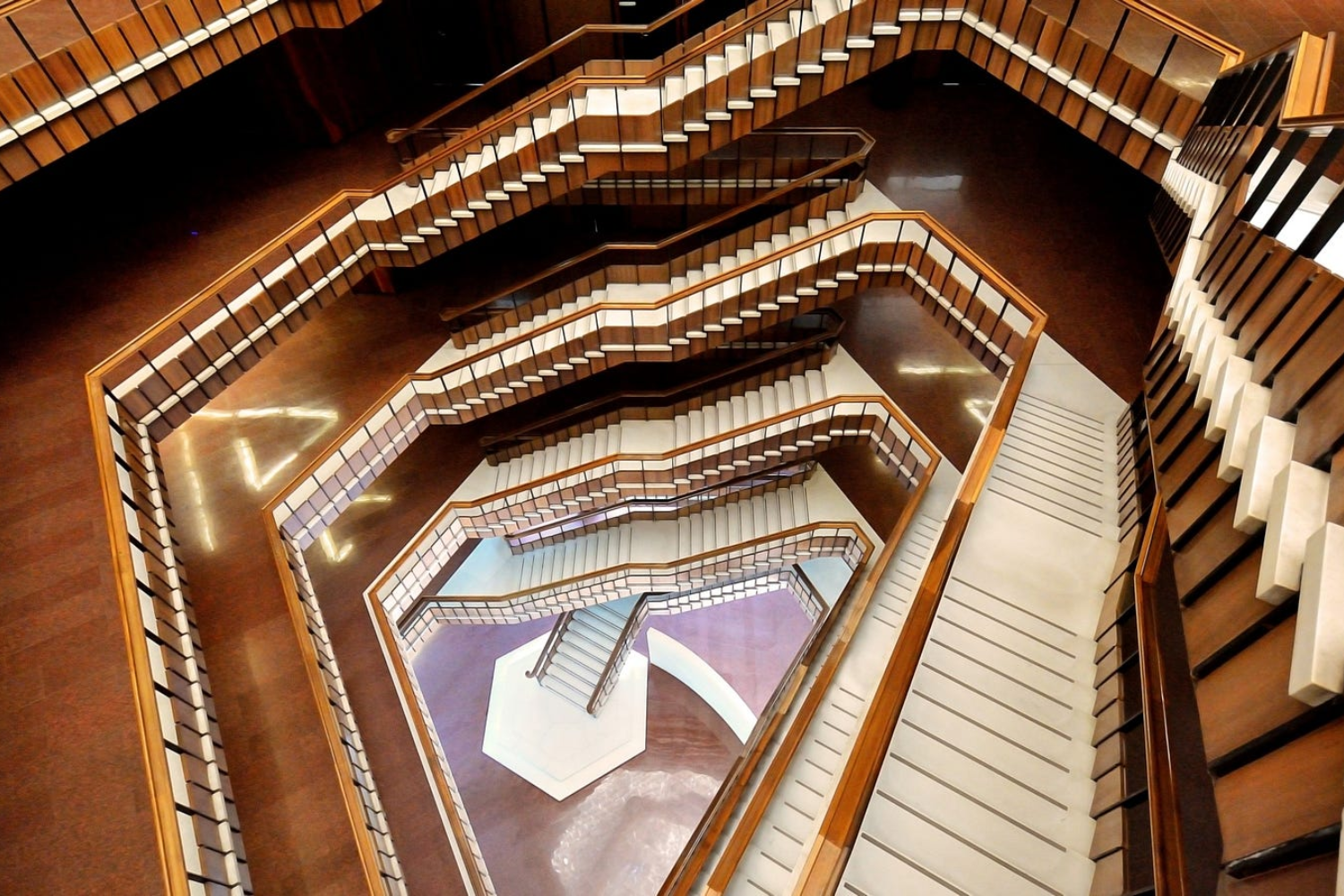
The Museum of Italian Design at Triennale lets you explore design as material culture, rather than as a succession of names to remember. Choose a few objects and study them: what makes their use understandable? What relationship do they establish between structure and surface? How does your perception change when you see them in person?
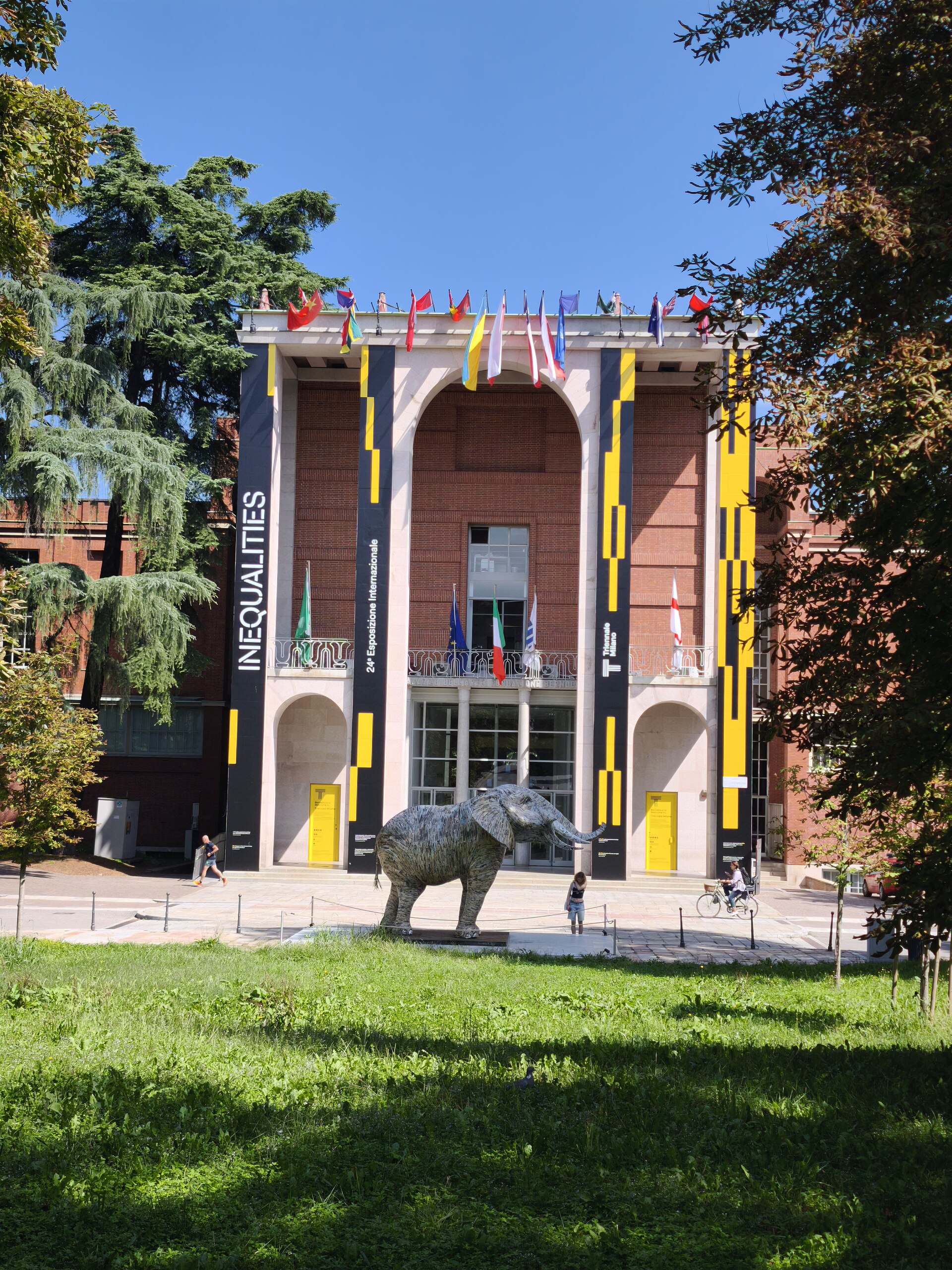
Resist the urge to photograph every piece. Spend time with a chair, a light and a household object, noting the differences between what you imagined and what you observe. The display itself is part of the visit: distance, background and lighting change the way you read forms. Before travelling, check the exhibition programme and ticket options, which may cover different routes. What to take home: a more precise basis for choosing the objects you live with, beyond their brand.
4. Como: looking carefully at the Casa del Fascio
Giuseppe Terragni’s Casa del Fascio is a reference point for understanding Italian Rationalism without separating it from its historical and political context. Its architectural significance does not erase that context. From outside, the relationship between solid surfaces, openings and the grid already makes for a worthwhile visit. Our introduction to Le Corbusier’s work and architectural language offers a separate point of comparison within the broader history of modernism.
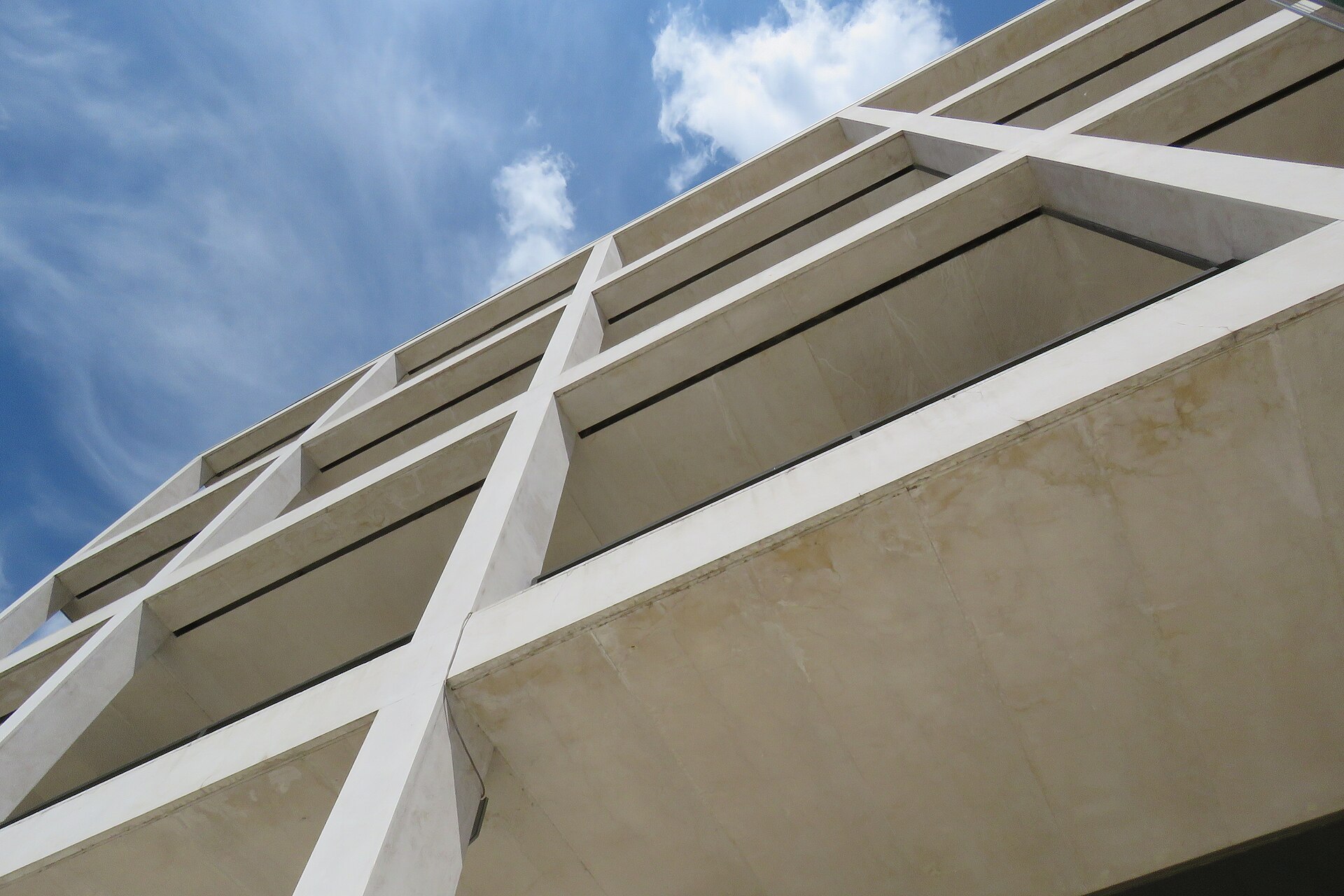
We do not present the interior as freely accessible: the building has an institutional function, and any visits must be checked with the relevant authorities. For a day in Como, plan a walk that places twentieth-century geometry in conversation with other spaces in the city. The lake can be a welcome pause, rather than the sole subject of your photographs. Observe the facade from several permitted viewpoints instead of stopping at a single frontal view. What to take home: a more tangible understanding of rhythm, which can also help you read bookcases, fitted storage walls and openings at home.
5. Bergamo: the pleasure of moving between two parts of the city
Bergamo becomes more interesting when it is not reduced to the Città Alta alone. The Sentierone and the Piacentiniano centre offer a starting point in the lower city: arcades, squares, street frontages and places to pause help explain how shared urban space is designed. When looking at surfaces, avoid identifying a stone from a photograph alone: our guide to Ceppo di Gré in interiors offers useful vocabulary without implying that every grey stone here is that material.
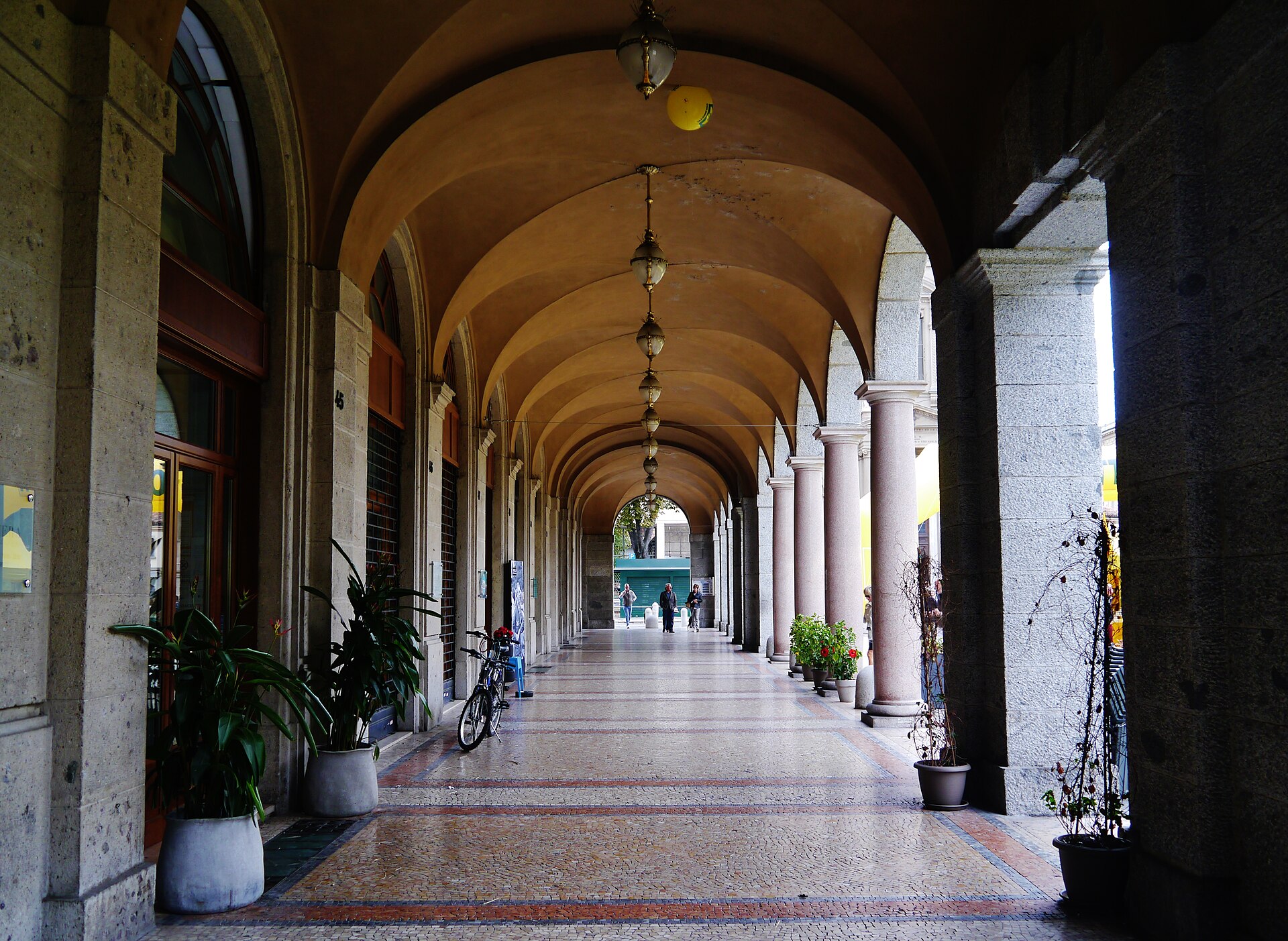
Our ideal itinerary compares this setting with the streets and squares of the upper city, using routes suited to your pace and needs. There is no need to extract a lesson from every stone: notice where you slow down, where a view opens up, or where an arcade changes how the street feels. For rainy weather, arrange an indoor alternative and check access before travelling. What to take home: the importance of transitions. An entrance at home can also be designed as a passage, rather than treated as leftover space.
Veneto: the art of shaping how we look
6. Verona: Castelvecchio and the detail as a narrative
The Castelvecchio Museum, with Carlo Scarpa’s intervention, deserves an unhurried visit. The relationship between the historic building, artworks and their display shows how a detail can guide an experience without becoming a decorative element detached from its purpose.
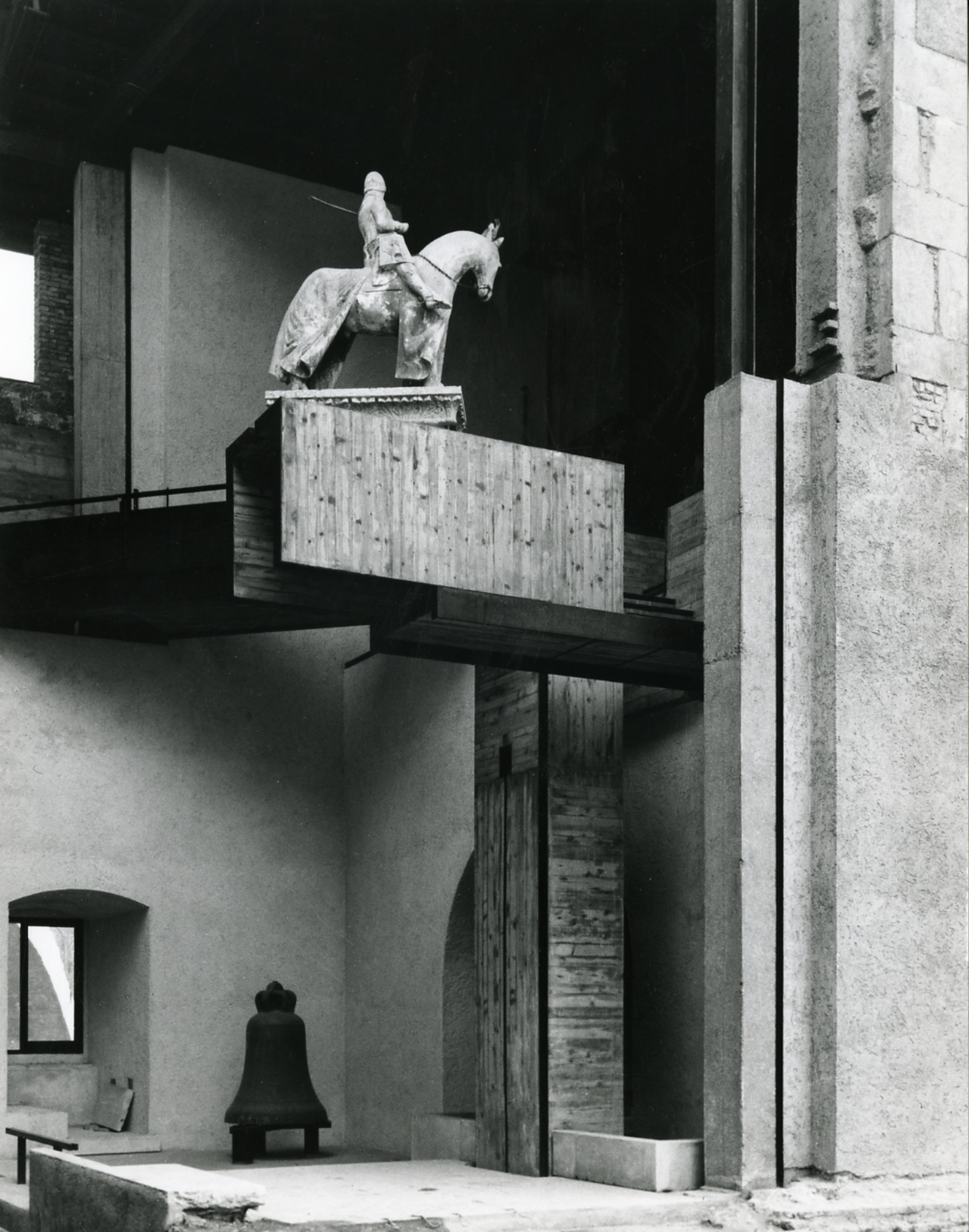
Look at supports, frames, spacing and the way the route changes. Do not touch elements or artworks to understand them: observation and, where permitted, photography are enough. A guided visit can provide context for something that initially seems simply elegant. Before arriving, check which parts of the route are open and whether activities are scheduled. Make the museum the main focus of the day, with a walk through Verona as its complement. What to take home: the difference between adding an object and choosing how to reveal it.
7. Venice: water and material at Querini Stampalia
The architecture of the Fondazione Querini Stampalia brings together interventions by Carlo Scarpa, Valeriano Pastor, Mario Botta and Michele De Lucchi. In the area reworked by Scarpa, water and light contribute to the reading of the spaces. This is a valuable visit for anyone interested in thresholds, joints and relationships between materials.
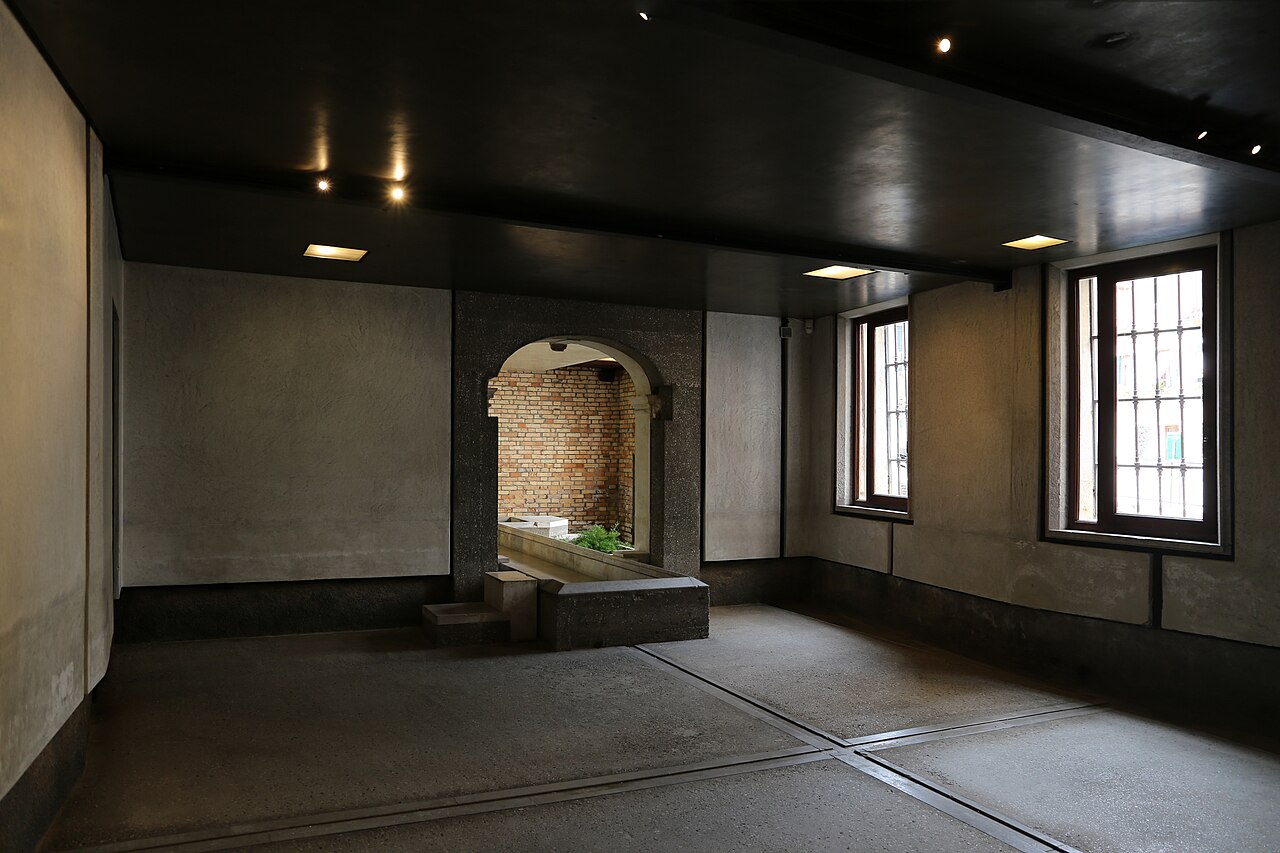
Our suggestion is to arrive without a list of photographs to replicate. Follow the route, then look again at a point that caught your attention: how do two surfaces meet? What separates them, and what connects them? Check access conditions for the Foundation’s different spaces, and do not assume that the library, collections and architecture all share the same visiting arrangements. In Venice, allow flexibility for getting around and for the conditions on the day. What to take home: a renewed attention to boundaries between rooms, floors and levels.
8. Vicenza: proportion and depth
Vicenza offers the opportunity to spend a day exploring Palladio’s architectural language and the relationship between buildings and the city. The Teatro Olimpico and Basilica Palladiana provide different, complementary reference points: an interior that constructs visual depth and a building whose relationship with its square is also worth studying. To organise admission, consult the Musei Civici di Vicenza website.
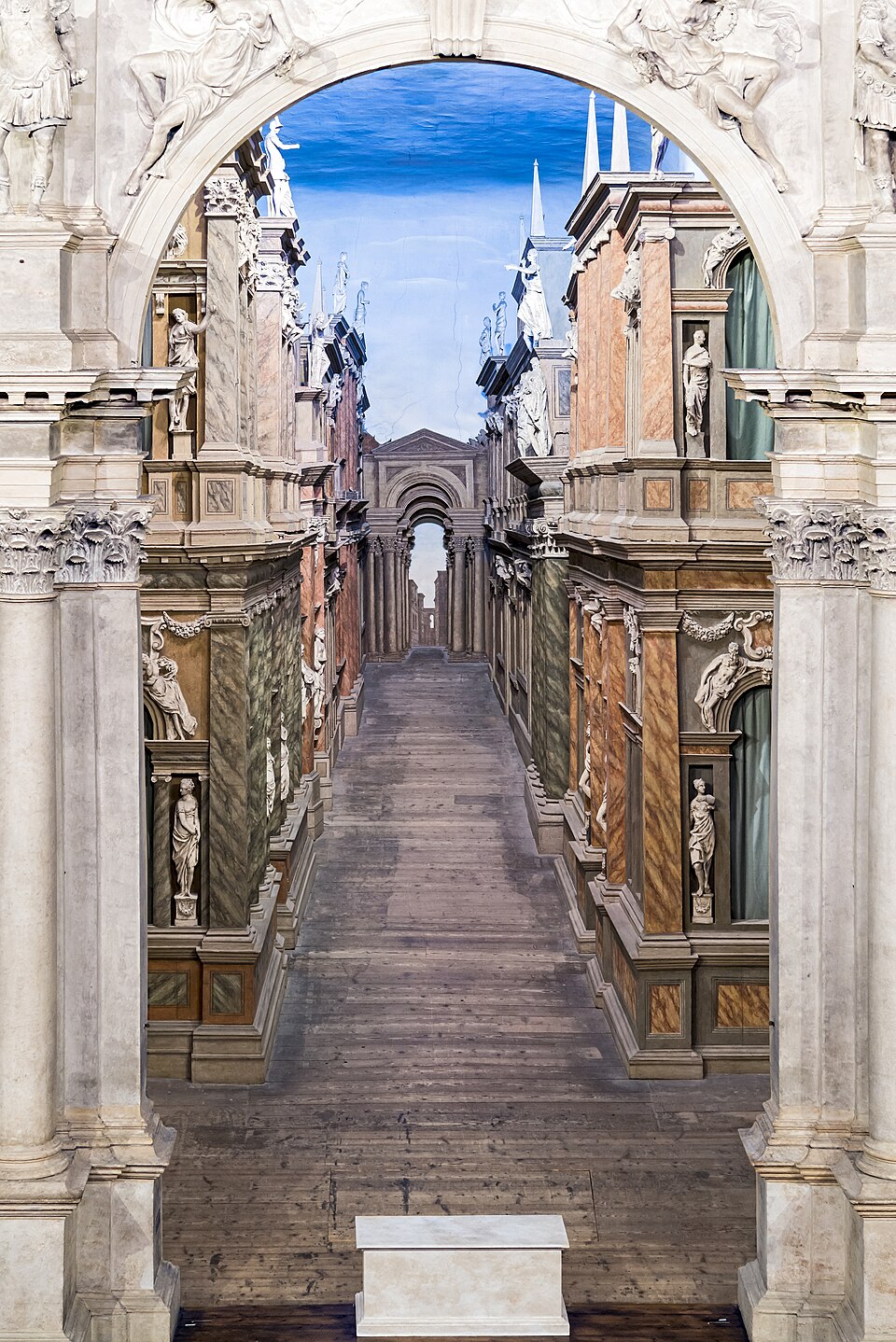
Do not turn the visit into a collection of facades. Choose a viewpoint and observe what happens as you move: proportions and perspectives are not identical from every position. For interiors, check any restrictions linked to activities or temporary displays. The photograph of the theatre in this guide is an archive image, not a promise of exactly what you will find on the day of your visit. What to take home: a more deliberate way of using sightlines and focal points, including in a dining room or corridor.
Four museums to visit as works of architecture
9. Rovereto: the Mart, a square before a museum
At the Mart in Rovereto, designed by Mario Botta with Giulio Andreolli and opened in 2002, a glass-and-steel dome organises the central square. Pause here before entering the galleries. This is where the building makes its relationship with the city and with light apparent.
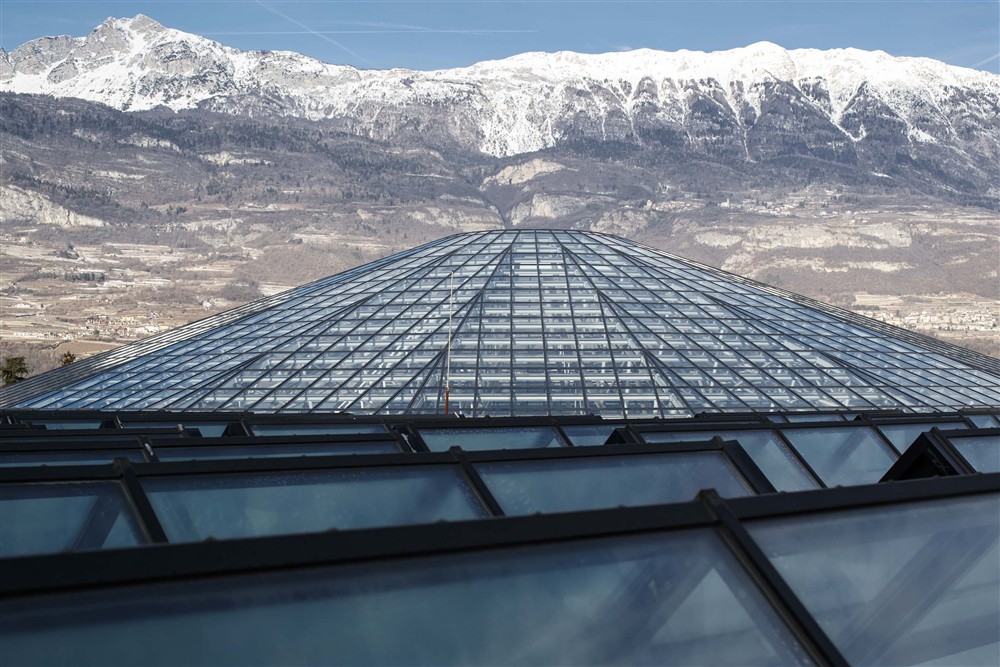
Divide the visit into two stages: first the approach and the architecture, then the collections or an exhibition chosen in advance. Look at the differences between cladding, openings and the roof, rather than reducing everything to a photograph of the dome from below. The temporary programme changes: consult the museum’s website for the autumn schedule and admission arrangements. Our photograph shows another season and documents the building; it does not predict the landscape you will encounter. What to take home: the idea that a recognisable centre can give order to varied spaces.
10. Bologna: reuse, material and public space
The MAMbo occupies the former Forno del Pane: a useful destination for connecting contemporary art with the transformation of an existing building. The point is not to imagine that everything remains as it was, but to observe which characteristics of the space contribute to its new experience.
During the visit, distinguish what belongs to the architecture from what depends on the exhibition currently on view. A temporary backdrop, route or lighting scheme can substantially change your perception. A walk through the city then offers a comparison at a more everyday scale, among arcades and passageways. There is no need to fit several institutions into the same afternoon: choose the programme that genuinely interests you. What to take home: a reflection on the value of existing spaces and on how a new use requires a design, not simply new decoration.
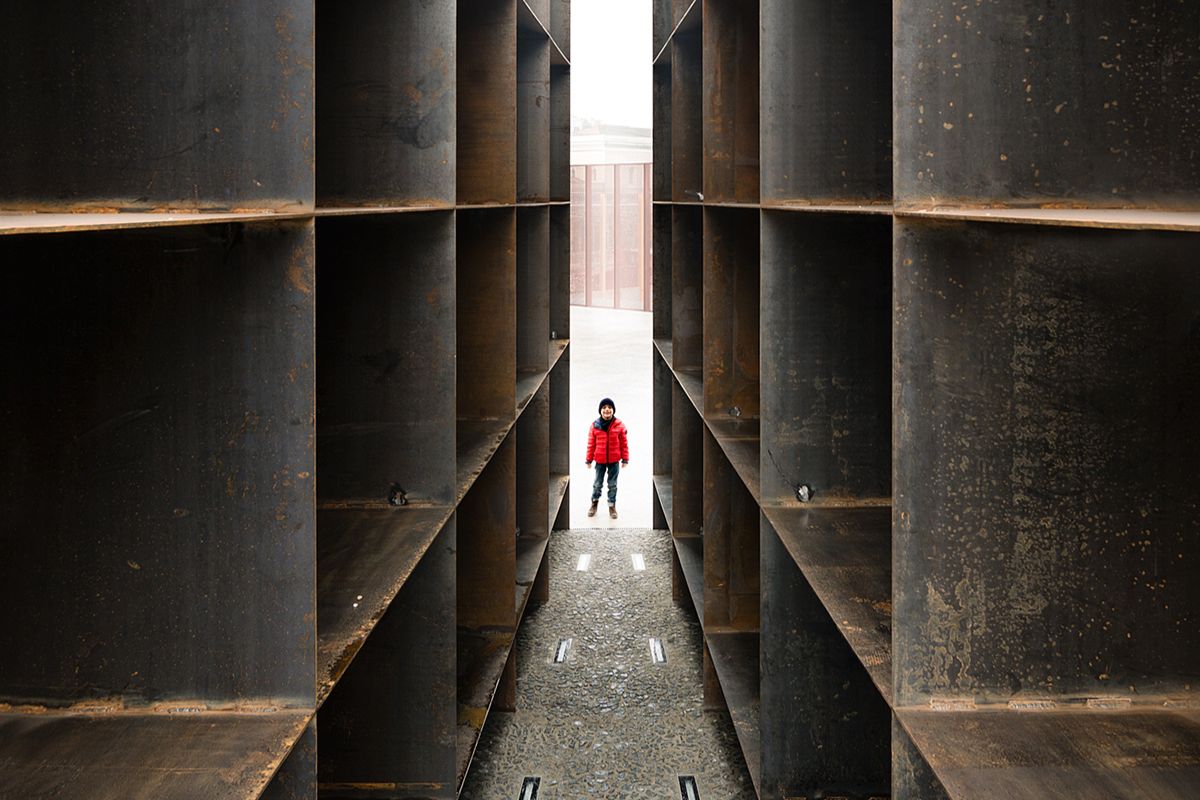
For a second reading of public space, consider the Shoah Memorial by SET Architects. The passage between its steel volumes focuses attention on material, the repetition of elements and the void. This is a different visit from the MAMbo: the project creates a place of remembrance, to approach with respect rather than treat as a photographic backdrop.
11. Florence: two approaches to telling a museum’s story
The Museo Novecento, in the former Spedale delle Leopoldine in Piazza Santa Maria Novella, offers a different perspective alongside Florence’s better-known sights. The relationship between a historic complex and the display of twentieth-century art is central to this suggestion; it is not a shortcut to seeing everything in a few hours.
Observe the transition from the square into the interior and the way the display works with the proportions of the place. Choose an exhibition or a theme from the collection in advance, then leave time to look at the rooms. Check dates, access and information about the route directly with the museum. A weekend in Florence becomes more interesting when it brings different periods together without setting them artificially against each other. What to take home: an example of a historic building accommodating contemporary content, to interpret without literally copying a museum interior.
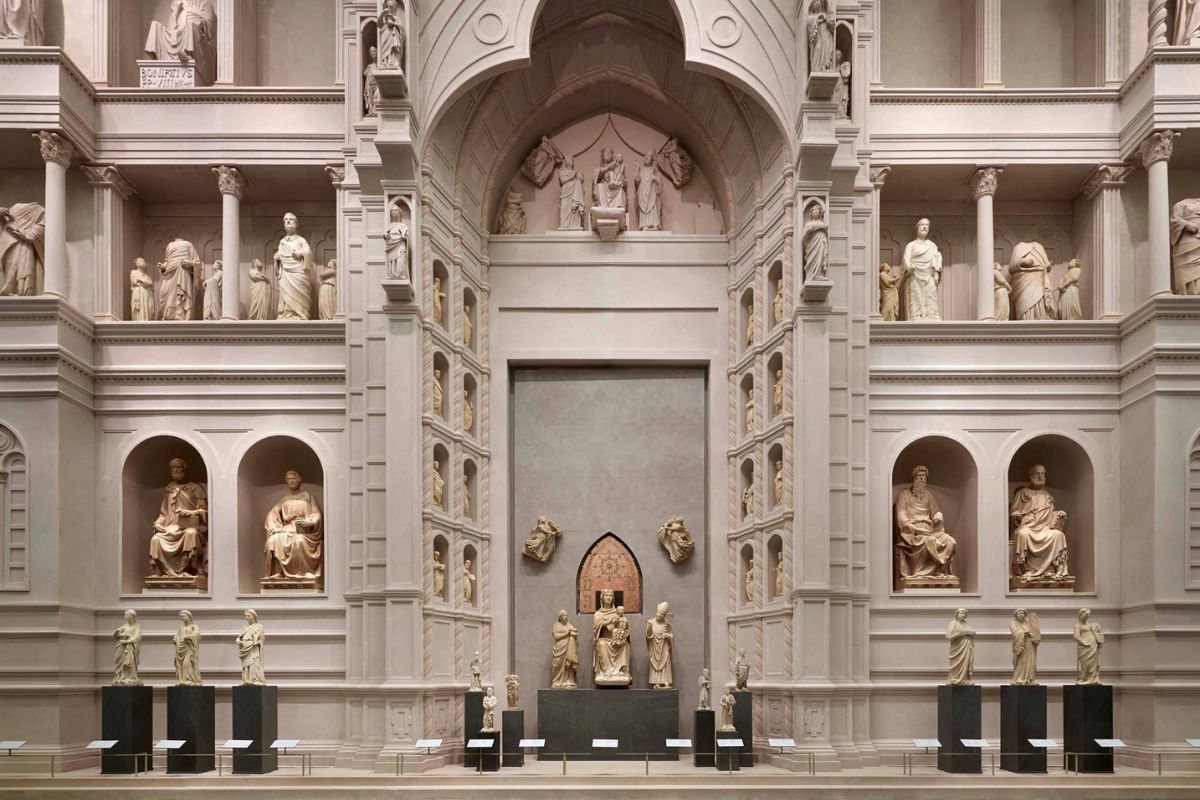
As a second stop, add the Museo dell’Opera del Duomo and its Hall of Paradise. The full-scale reconstruction of Arnolfo di Cambio’s medieval facade restores a sense of context to the sculptures. The museum concept grew from the work of Timothy Verdon with Adolfo Natalini, Piero Guicciardini and Marco Magni: an opportunity to observe how display, light and viewing distances shape the museum narrative.
12. Rome: the MAXXI and movement as a design principle
Zaha Hadid’s MAXXI is a destination for observing architecture through the route you take. Stairways, directions and viewpoints invite you to read the museum as an experience in motion. The building is more than a container for exhibitions.
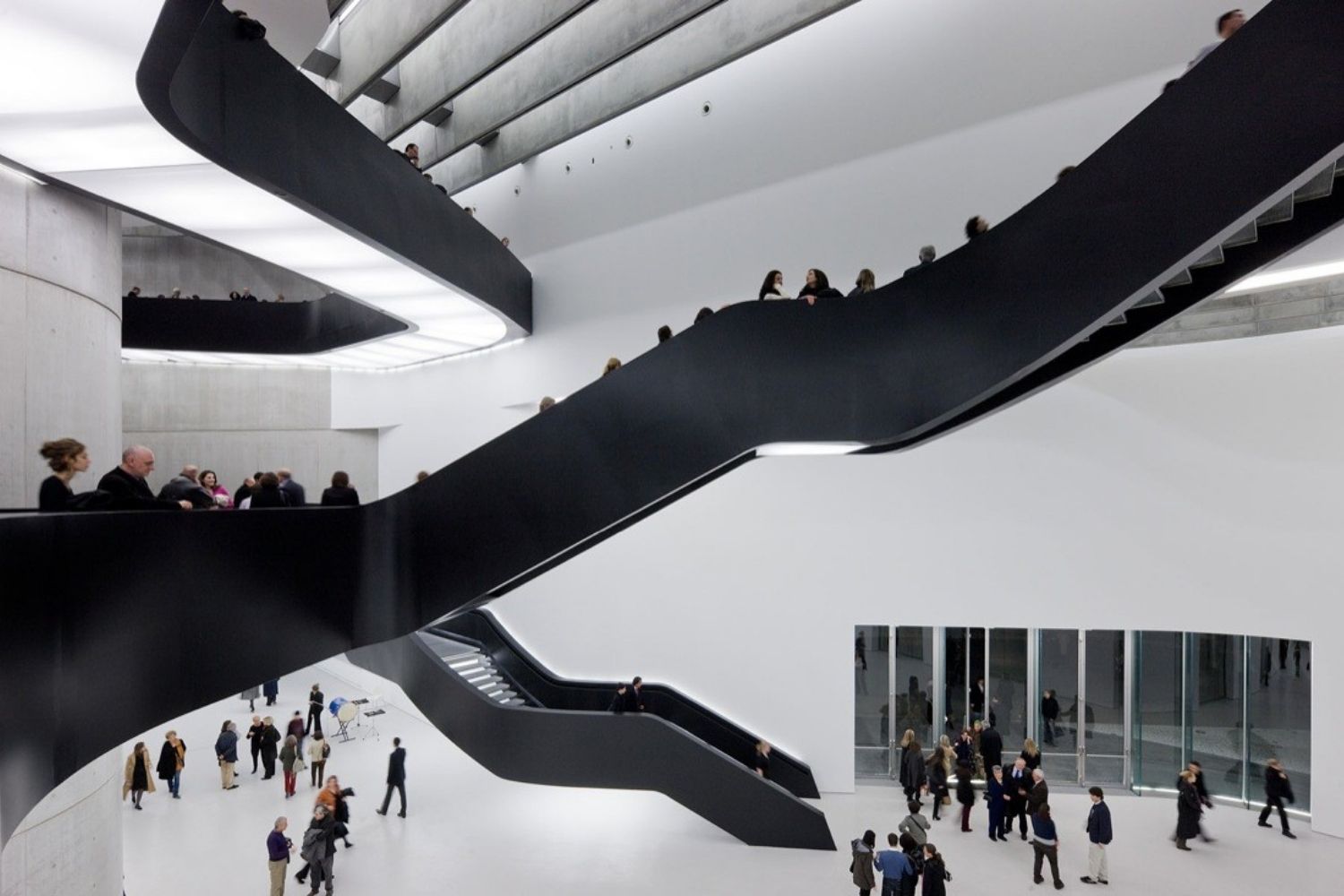
Do not try to understand it through a single overall photograph. Move through the spaces open to visitors, pause and compare what you see from different levels. Distinguish the building’s structure from elements of a temporary display. Before booking, check which exhibitions and spaces your chosen ticket includes. For a day in Rome, a considered walk alongside this visit is preferable to adding multiple journeys across the city. What to take home: a question about how a route can feel intuitive, surprising or confusing, even at the scale of a home.
Three ideas for a weekend without rushing
Turin and Ivrea, for reading the twentieth century. Spend one day on the Lingotto and the city, and one on Ivrea’s architectural route. This is a thematic pairing, not a transport plan we have already checked: before booking, verify connections, journey times and visiting conditions. If travelling between the two would take too much time, choose one city and explore it in greater depth.
Verona and Vicenza, for comparing museum display and proportion. Castelvecchio on one side, the Teatro Olimpico and Palladio’s city on the other. The value of the comparison lies in the change of scale and period. Keep one main visit for each day and avoid trying to squeeze in admission just before closing.
Milan or Rovereto, for a focused weekend. When time is limited, a single destination can offer a more complete experience. Choose a museum, an exhibition and a nearby urban walk, without filling every interval. For temporary events, consult our autumn 2026 design calendar as well.
Five things to check before booking
- The day: regular opening times, public holidays, closures and last admission.
- The route: not every space within a complex is necessarily included in the same ticket.
- Accessibility: ask for specific information about mobility, sensory and assistance needs; a generic description is not enough.
- Travel: check the actual connections and leave a margin, particularly when changing cities.
- Photography: respect the rules of each place; do not use an image on social media or in a publication without considering the relevant rights.
The notebook that makes a journey more useful
For each visit, try to record three things: a spatial relationship, a meeting between materials and a detail of use. You do not need to be able to draw. An arrow, a rough plan and a few words help you remember what a photograph alone can miss. Note what does not work for you, too: understanding design involves comparison, not just admiration.
Once home, do not immediately look for an object that resembles something in the museum. Ask yourself which principle you observed: a clearer threshold, less uniform light or better spacing between elements. That is a more interesting and personal translation of the experience. To continue exploring beyond Italy, find further ideas in our weekends in the European design capitals.
Frequently asked questions
Which destinations should you choose when you have only one day?
A city you can reach without a long journey and one main visit. Milan, Verona, Rovereto and Bologna can each be explored through a chosen museum; the best destination depends above all on where you start and what you want to observe.
Which suggestions are best for outdoor walking?
Ivrea, Bergamo and central Vicenza offer plenty of scope for reading the city on foot. In Como, this guide mainly proposes looking at the Casa del Fascio from outside. In every case, arrange an alternative suited to the weather and your needs.
Can you visit the interiors of all the buildings?
No. Conditions differ between museums, institutional buildings and private properties. Inclusion in a guide does not amount to permission to enter: check official channels before travelling.
Do you need a guided visit to appreciate architecture?
Not always, but it can be very helpful at places with a complex history or a display that needs interpretation. If you choose to visit independently, prepare a few reliable facts and allow time for observation.
Are these destinations interesting only in autumn?
No. The selection suggests a way to organise an autumn trip, but the architectural interest remains throughout the year. Exhibitions, opening times and visiting conditions must be checked for the date you actually plan to travel.
Images and credits. Photographers and rights holders can contact redazione@archieinteriors.com about image credits or requests to amend or remove an image. Please identify the article and the image concerned.



_-_BEIC_6337289.jpg)

-_Scaenae_frons_close-up_-_La_porta_regia.jpg)