From heating and textiles to lighting and the entrance: fifteen practical tasks to make your home more comfortable and functional before the colder months.

Preparing your home for autumn means making everyday life more comfortable as daylight shortens and more time is spent indoors. Before buying cushions and candles, check the things that affect daily use: heating, lighting, circulation, surfaces and somewhere to put seasonal belongings.
These fifteen jobs form a checklist to adapt to your home. Start with a room-by-room walk, separating small adjustments from work requiring a qualified professional. The aim is to reach the first cold days with clear priorities, without turning a seasonal reset into an improvised renovation.
1. Arrange a heating maintenance check
Review maintenance records and contact a qualified professional if work is due. Do not wait until the first cold morning to discover a fault. The Italian energy agency’s ENEA heating guidance provides an institutional reference for informed use. Technical procedures depend on the system installed, so follow its requirements rather than a generic online checklist.
2. Clear the space around radiators
Move furniture and textiles that interfere with radiator operation, following the system’s guidance. Repositioning one armchair may solve a problem without changing the entire layout. Include long curtains in the check, especially if they were added during summer without considering the heating arrangement.
3. Review thermostat schedules
Compare the programme with current routines: working hours, time at home and sleep. Settings suitable for another household may be inappropriate for yours. If the controls are confusing, read the instructions or ask the maintenance professional. A schedule you understand is more useful than an advanced feature you never use.
4. Check draughts without blocking ventilation
Inspect accessible seals, closures and window surrounds, noting any problems. Before adding sealing products, confirm the appropriate solution for the window. Do not obstruct ventilation grilles or required openings. Reducing unwanted draughts and stopping necessary air exchange are different actions.
5. Look for signs of damp
Check corners, areas behind furniture and surfaces near windows. Investigate recurring marks before painting or covering the wall. Photographing the area and recording when the problem appears can help explain it to a professional. A new finish cannot resolve the underlying cause by itself.
6. Check accessible balconies and drains
Remove leaves and small debris from areas you can reach safely, and make sure stored summer items do not obstruct drainage. Gutters, roofs and work at height require appropriate equipment and expertise. Clean and store outdoor furniture according to the requirements of its materials.
7. Make the entrance work in wet weather
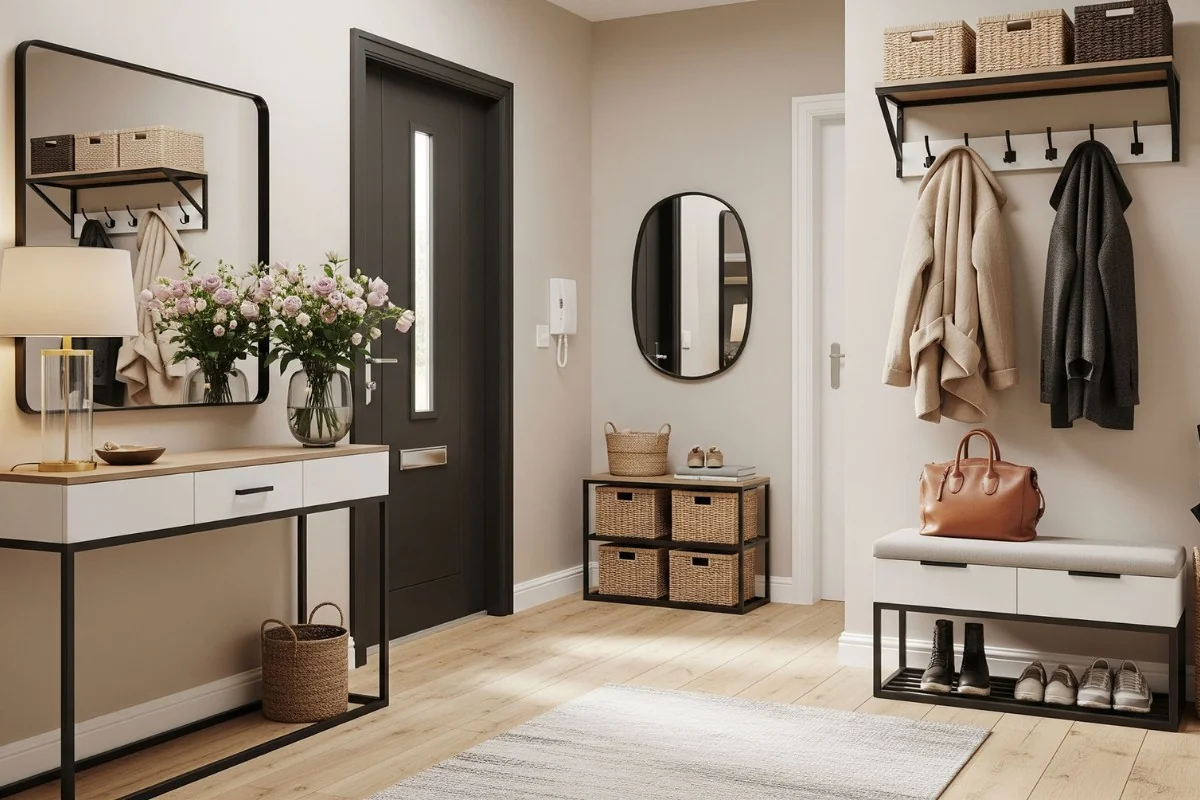
Create a place for shoes, umbrellas and damp coats without narrowing the route through the room. A washable container and a stable doormat may be more useful than a large cabinet. Test the door opening and ease of cleaning before settling on the final arrangement.
8. Reorganise clothing storage
Wash and thoroughly dry garments before storing them, following their care labels. Separate immediately useful pieces from items that can occupy less accessible shelves. Avoid packing everything into one container. Storage works best when taking something out and putting it away are equally straightforward.
9. Clean curtains and household textiles
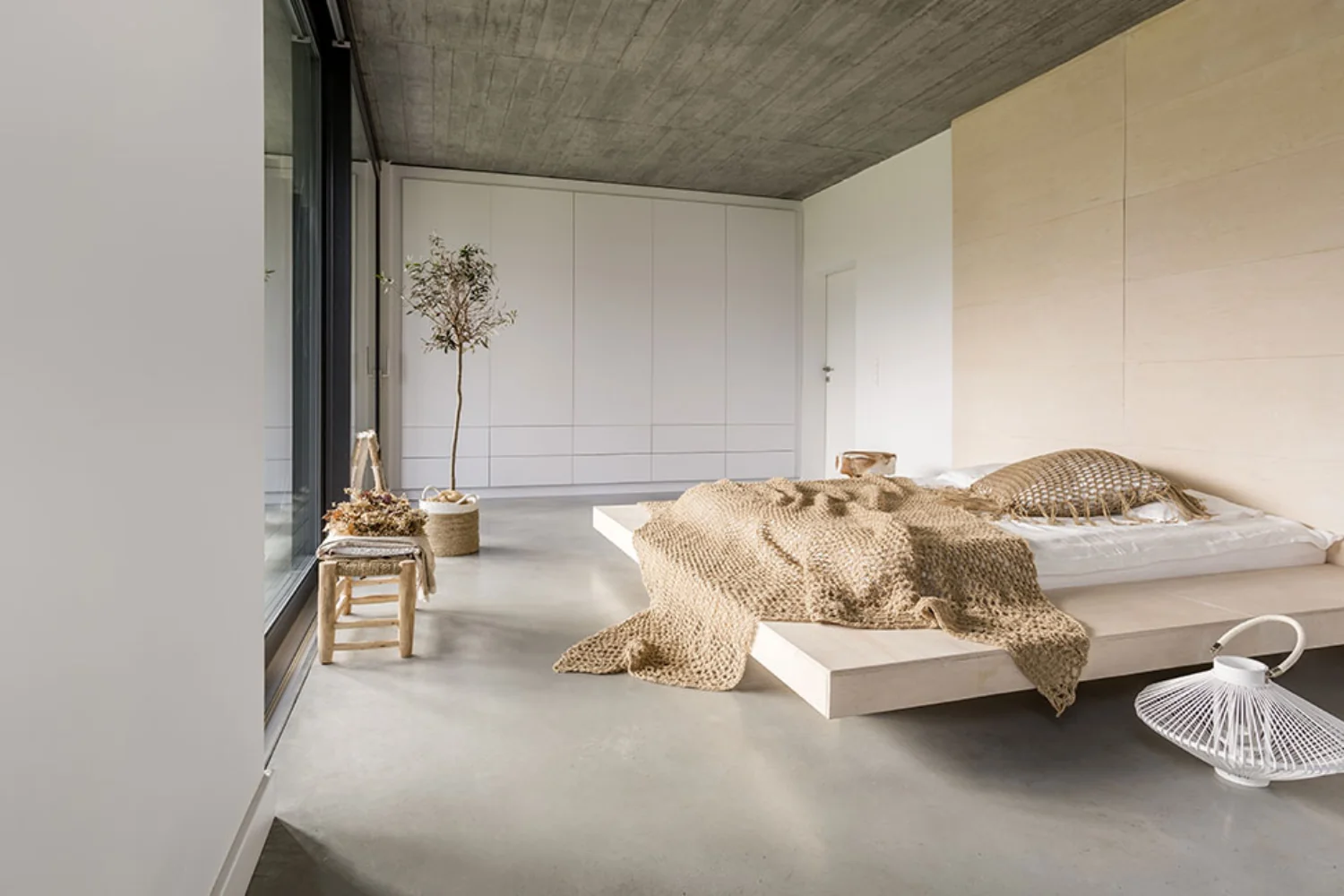
Follow washing instructions and allow enough drying time. Then consider whether heavier curtains are useful or would remove too much daylight. Observe the room on an overcast day before adding layers: its lighting needs may differ considerably from those of a bright summer afternoon.
10. Check rugs and circulation routes
A rug should allow doors to open and have stable edges. Choose dimensions and an anti-slip solution compatible with the floor. Remove folds and loose cables from walkways. A welcoming room must also be easy to move through, particularly when carrying bags or arriving in wet shoes.
11. Put light where activities happen
Check reading areas, kitchen tasks and the desk after dark. A well-placed lamp can resolve a shadow without making the whole room brighter. Our guide to circadian lighting introduces the relationship between light and daily rhythms. A practical starting point is to distinguish different activities and times of day.
12. Make a reading corner genuinely usable
Try the chair, side table and lamp together. A distant table or glare on the page makes even a visually attractive corner uncomfortable. Choose the throw after testing the layout. Textiles can complete the arrangement, but they cannot compensate for an unsuitable chair or awkward reach.
13. Plan small wall repairs and repainting
Work only on sound surfaces compatible with the chosen product, respecting drying and ventilation instructions. Consult our interior paint guide before buying. Keep the colour code and finish name for future maintenance, remembering that a touch-up can remain visible on an older or faded surface.
14. Test a wallcovering sample first
For a more enveloping room, compare wallpaper samples with the floor and evening lighting. Check sockets, corners and furniture positions too. A small, carefully considered intervention avoids purchasing the full quantity on the strength of a photograph alone.
15. Finish with three priorities
Divide the jobs into necessary work, useful improvements and decorative choices. Set dates for the first group and a budget for the second, leaving decoration until last. Keep professional contacts and material information together. A home is ready for autumn when it supports everyday routines, rather than when every room looks seasonally styled.
Images and credits. Photographers and rights holders can contact redazione@archieinteriors.com about image credits or requests to amend or remove an image. Please identify the article and the image concerned.