The life of Iris Apfel, from Old World Weavers and the White House to the Met exhibition, and the maximalism that made her a style icon.
In 2005, at the age of 84, Iris Apfel walked into the Metropolitan Museum of Art with her clothes, her necklaces and her enormous glasses: it was the first time the museum had devoted an exhibition of this kind to a living person who was not a fashion designer. For half a century, though, she had been something else: a textile professional, a decorator who restored historic interiors and bought antique fabrics around the world.
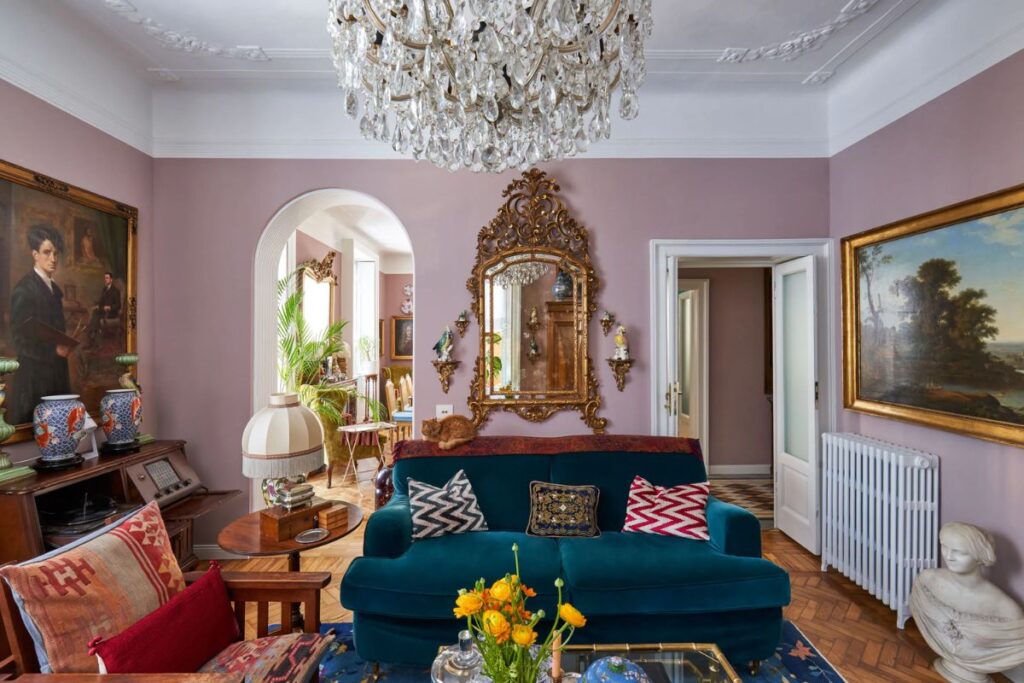
That is where her story is best told from: the house, not the wardrobe. Her maximalism was never accumulation but method, the method of someone who knows that a room, like an outfit, is composed by setting different eras, materials and cultures in dialogue. In this article we trace her life, her work with Old World Weavers and at the White House, the Met exhibition, her style and what an interior designer can still learn from her.
Who was Iris Apfel
Iris Apfel was an American businesswoman, interior designer and collector, born in New York on 29 August 1921 and died in Palm Beach, Florida, on 1 March 2024, aged 102. With her husband Carl she ran Old World Weavers, a textile company that reproduced historic fabrics, for about forty years, and took part in restoration projects at the White House. She became a style icon after the age of 80, thanks to the Rara Avis exhibition at the Metropolitan Museum in 2005, and remained known for her motto “more is more, less is a bore”, her enormous round glasses and her layered jewellery.
From childhood in Astoria to her first jobs
Iris Barrel was born in New York in 1921 and grew up in Astoria, Queens, the only child of Samuel Barrel, who owned a glass and mirror business, and Sadye, who ran a fashion boutique. A taste for hunting down the right piece arrived early: as a girl she haunted the antique shops of Greenwich Village and, according to the Jewish Women’s Archive, at eleven she bought her first brooch, paying 65 cents for it.
She studied art history at New York University and attended the art school of the University of Wisconsin, then began work at Women’s Wear Daily, the leading trade paper of the fashion industry. She was an assistant to the illustrator Robert Goodman and worked for the decorator Elinor Johnson, an experience that brought her closer to the interiors trade. On 22 February 1948 she married Carl Apfel, with whom she would later found the company that made her name in the industry.
Old World Weavers: fabrics before fashion
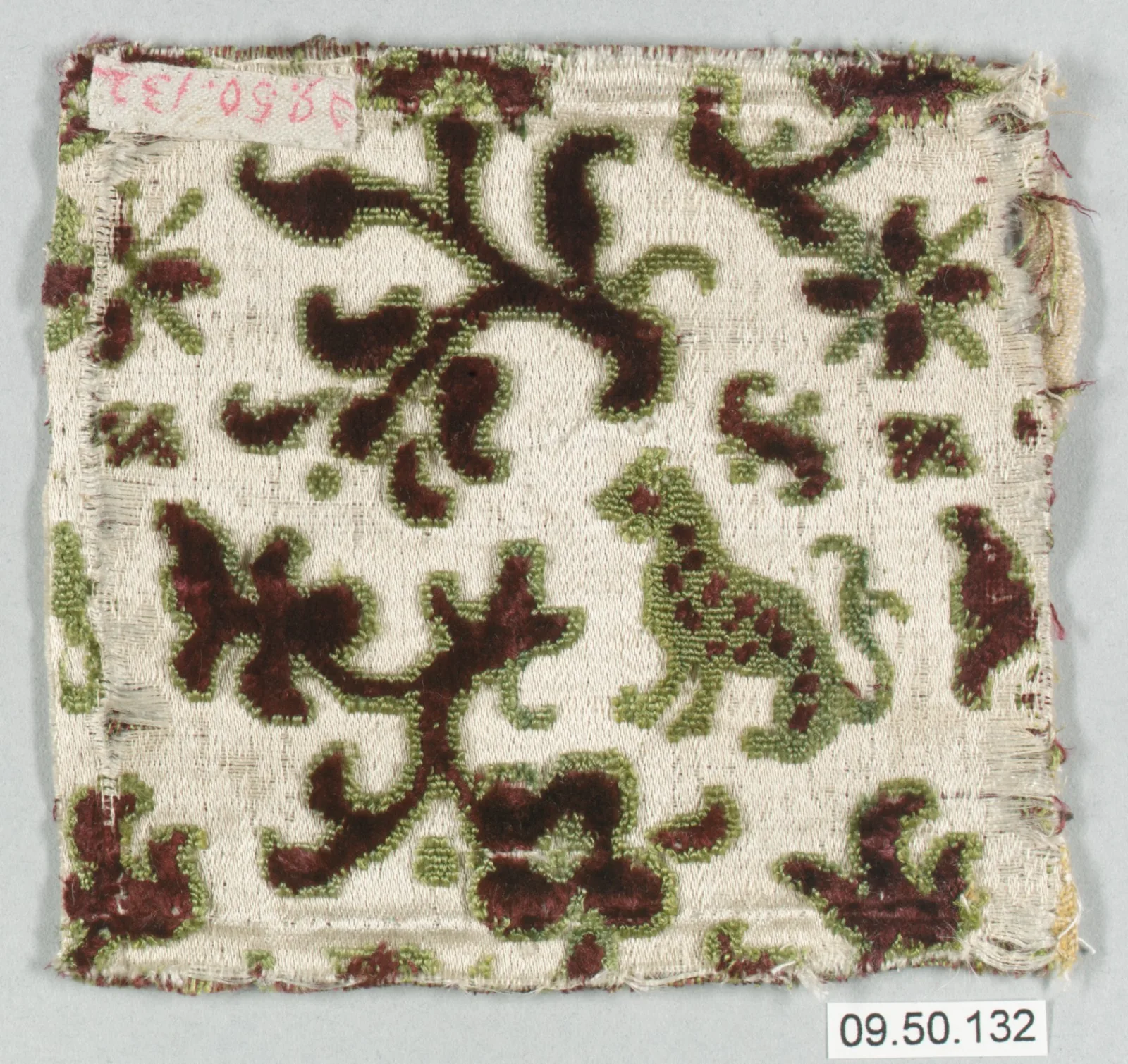
In the early 1950s Iris and Carl founded Old World Weavers, which specialised in reproductions of seventeenth-, eighteenth- and nineteenth-century textiles. According to the Guardian obituary, the company grew out of a practical problem: unable to find a fabric suited to a period interior, Iris adapted the design of an antique textile and had it woven at the mill of a friend’s family. From then on the couple crossed Europe twice a year, coming back with trunks full of fabrics and objects, and commissioned textiles from craftspeople in several countries. She was the creative director and Carl looked after the management side; among their clients, according to the obituaries, were Greta Garbo and Estée Lauder.
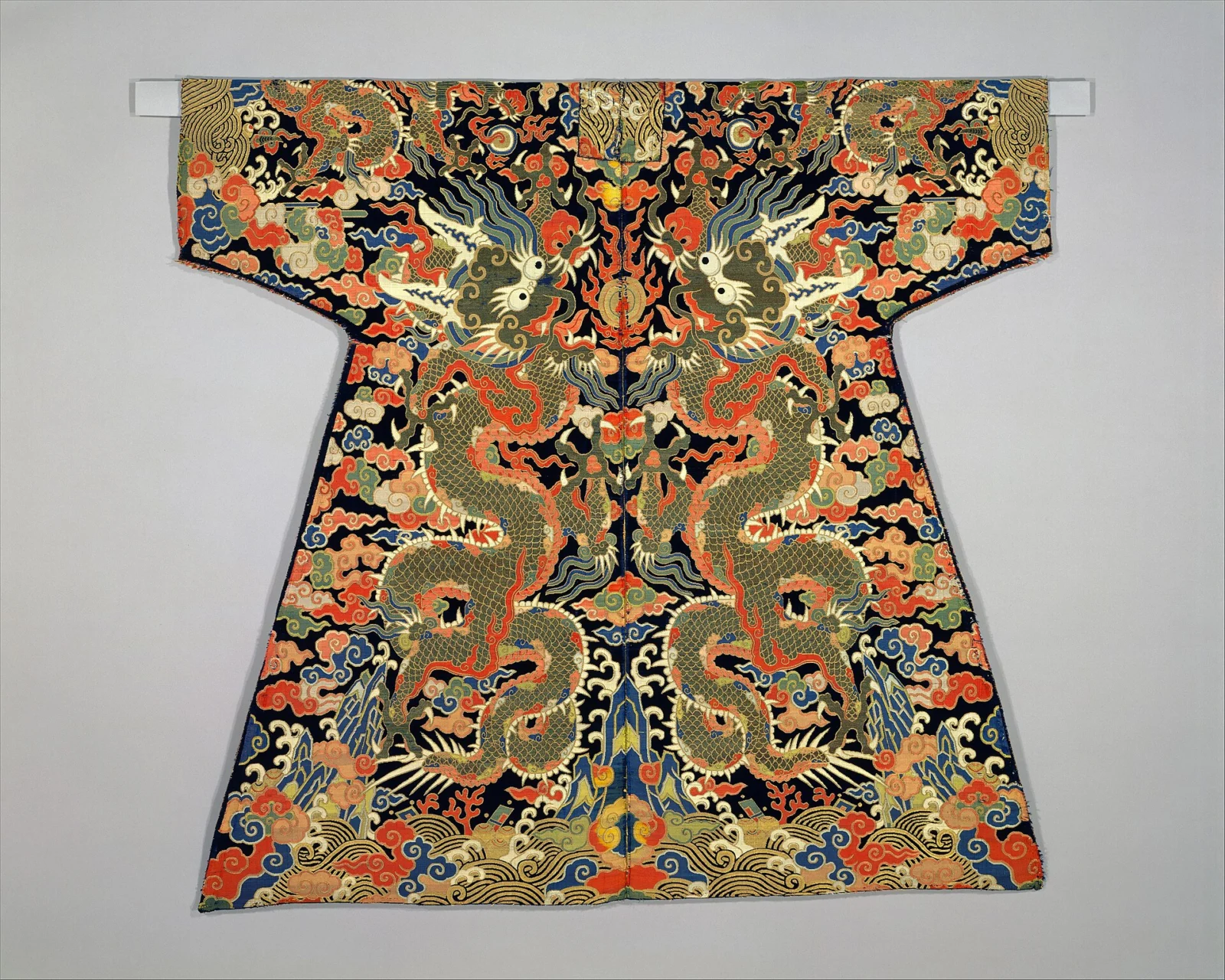
In 1992 the two sold the company. In the same year the Newark Museum in New Jersey hosted the exhibition Dragon Threads, devoted to Chinese court costumes, with textiles from the collections of Iris and the ATTATA Foundation: the catalogue bears her name.
The White House and the craft of the interior designer
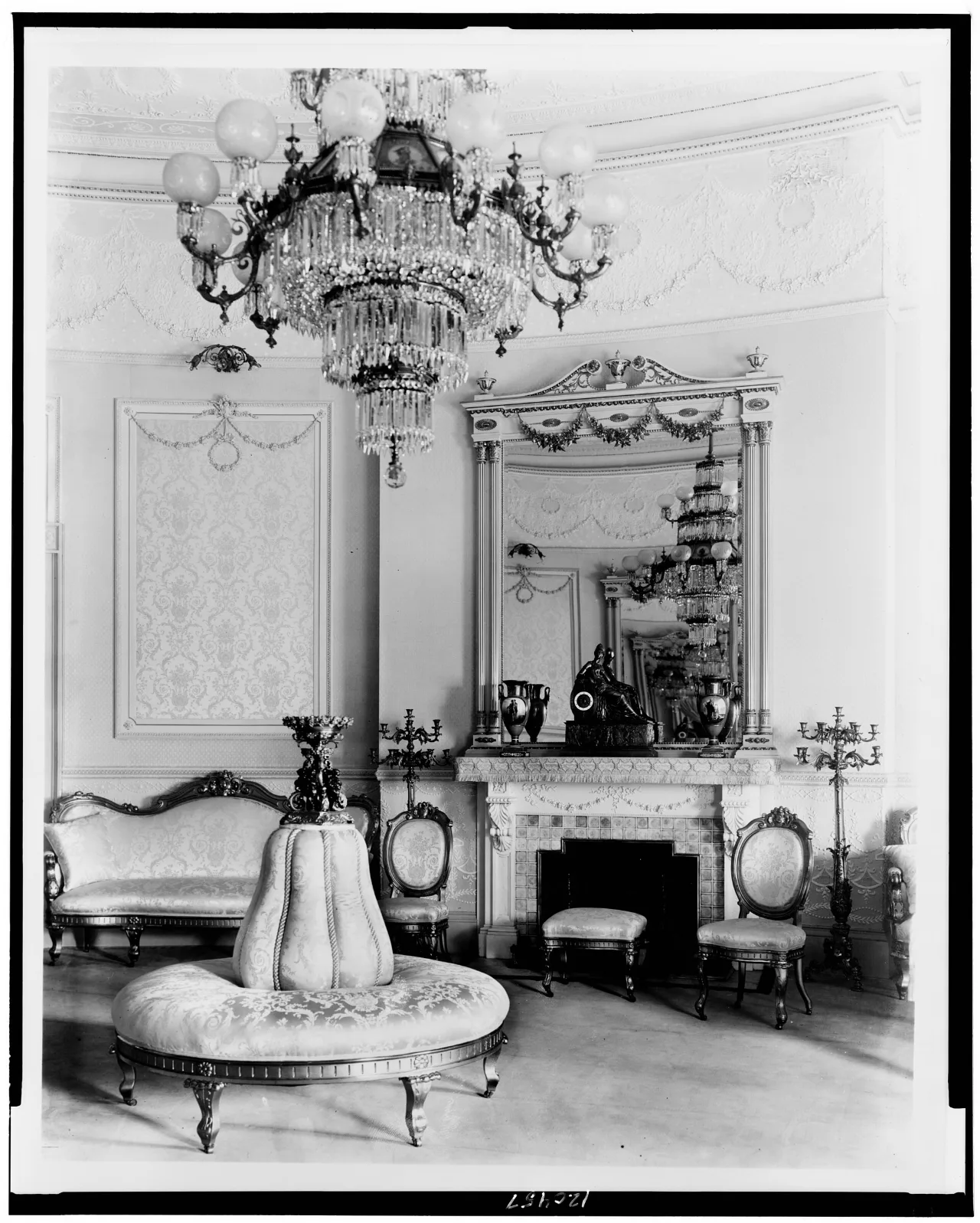
The best-known project of the Old World Weavers years is the one at the White House. According to the Jewish Women’s Archive, through the Commission of Fine Arts the two took part in restoration projects that spanned nine presidential administrations, from 1951 to 1992. For the most part the work meant reproducing what was already there; the exception, she said herself, was Jacqueline Kennedy, who wanted a different approach.
In this trade one can read the key to her later style: anyone who spends decades restoring historic rooms and reviving antique designs learns to see interiors as layers of different periods, not as homogeneous wholes. Iris applied the same eye to her own collection of clothes and jewellery, which over the years filled her homes in New York and Palm Beach.
Rara Avis: the Met and a second life at 84
In 2005 the Costume Institute of the Metropolitan Museum in New York devoted to her the exhibition Rara Avis: Selections from the Iris Barrel Apfel Collection, which ran from 13 September 2005 to 22 January 2006. The museum’s press release speaks of 60 objects, all promised as gifts to the Met. Harold Koda, Curator in Charge of the Costume Institute, and Stephane Houy-Towner worked on the project, and according to the Jewish Women’s Archive it was the first solo exhibition at the Met devoted to a living, non-professional fashion creator.

Koda told WWD about his first visit to her apartment: boxes of clothes filled much of the three bedrooms and the living room. It is a useful image for understanding her method: the home as archive, the collection as living material. What struck Koda, he said, was her ability to mix patterns, colours, periods and cultures and arrive at a lucid result.
The exhibition was a springboard. It travelled to other venues, among them the Peabody Essex Museum in Salem, Massachusetts, which Iris later named as the future home of her collection. According to the Jewish Women’s Archive it was then, at 84, that her career as an icon began. She herself ironically called herself a “geriatric starlet”.

Iris Apfel’s style: maximalism as a method
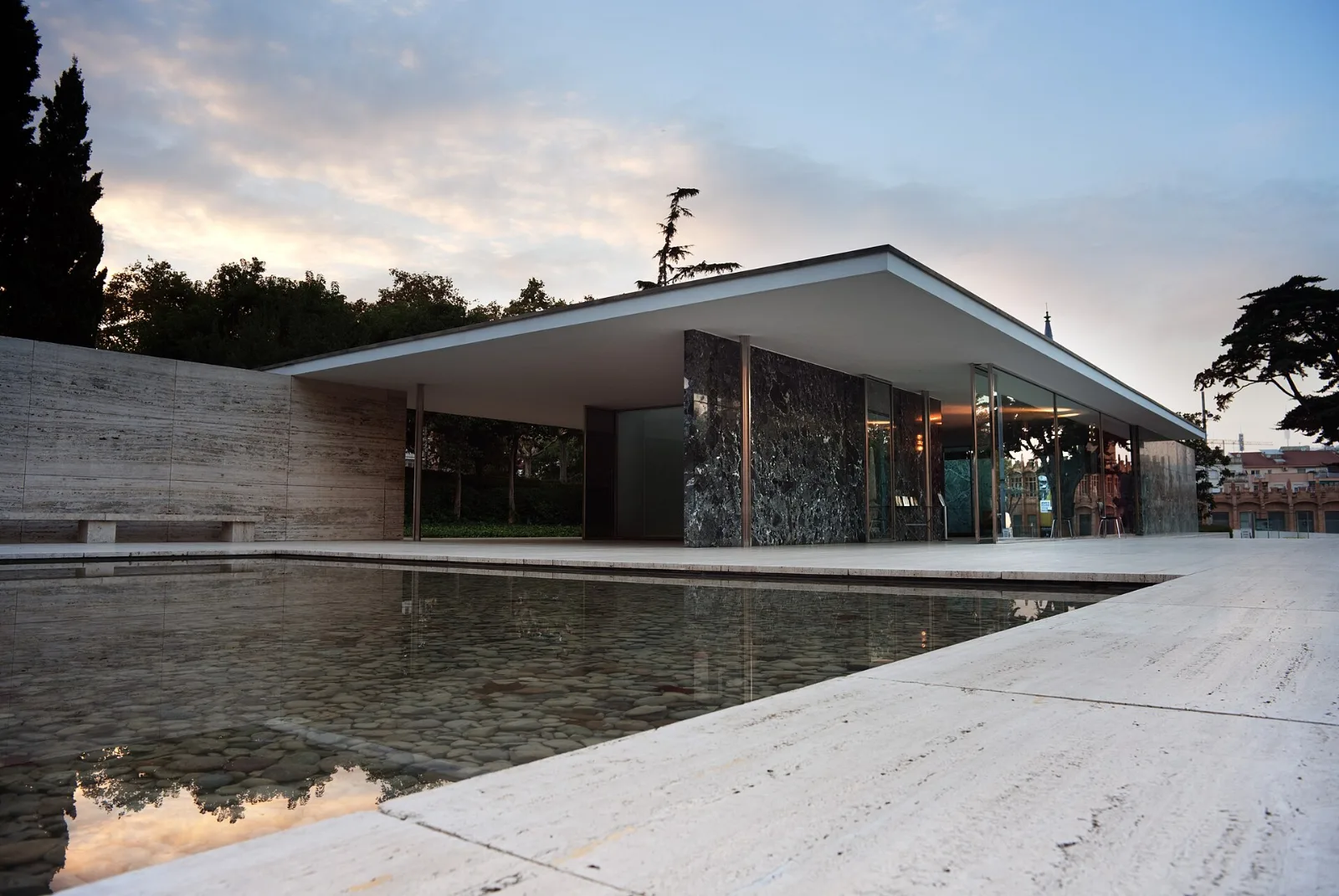
Her motto was “more is more, less is a bore”. In the world of architecture the phrase echoes a famous controversy: the “less is more” attributed to Mies van der Rohe, a symbol of modernism, and the reply of Robert Venturi, who in 1966, in Complexity and Contradiction in Architecture, coined “less is a bore”. The parallel is ours, not hers: Iris was talking about fashion and life, not architecture. But it shows well that her maximalism belonged to a wider discussion about emptiness and fullness, rigour and complexity.

Hers, though, was not chaos. Koda added a warning: anyone who tries to copy the effect by putting objects together at random does not get the same result. From her accounts and her work three habits emerge. The first is mixing high and low: the Jewish Women’s Archive notes that she moved easily from the luxury label to the affordable garment. The second is choosing each piece for what it says, not for its provenance or its price. The third is keeping a fixed point that recognises everything else, in her case the round glasses, the red lipstick and the big necklace.
After 90: model, Barbie and H&M
After Rara Avis, brands came looking for her. In 2011 she launched the collection Rara Avis by Iris Apfel with HSN, and on 5 January 2012 came the make-up line with MAC; from 2012 she was also a visiting professor at the University of Texas, in the School of Human Ecology. In 2018 Mattel made a Barbie in her image, the oldest person to have one; in 2019, at 97, she signed with the IMG Models agency; on 31 March 2022, for her 100th birthday, the collection with H&M came out and sold out within hours. Among other projects we may mention the campaigns for Kate Spade and Alexis Bittar and the exhibition of ten of her outfits staged at Le Bon Marché in Paris in 2016. Fame came late because fashion discovered her late, not because she had started late.
Books and films about Iris Apfel
Her voice can be found in several books: the catalogue Dragon Threads (1992), on Chinese court costumes; Rare Bird of Fashion: The Irreverent Iris Apfel; the autobiography Iris Apfel: Accidental Icon (2018, HarperCollins), published in Italy as Icona per caso; and Colorful, written at 102 and published by Abrams in the summer of 2024, after her death. On screen she is the subject of Iris, Albert Maysles’s documentary, shown at the New York Film Festival in 2014 and, according to the Jewish Women’s Archive, Emmy-nominated.
Private life and final years
Iris and Carl stayed married for 67 years, until his death on 1 August 2015, at 100. They had no children: the Jewish Women’s Archive reports that she chose to concentrate on her career and her travels. They lived between Palm Beach and the Upper East Side of Manhattan. Iris celebrated her 100th birthday on 29 August 2021 and died on 1 March 2024 at her home in Palm Beach, aged 102; the news was given on her official Instagram account. Until the end she kept working and speaking to her public, on social media too.
Where to see Iris Apfel’s collection
The objects shown in Rara Avis are, according to the Metropolitan Museum, promised gifts to the museum: the exhibition page on the Met’s website reconstructs the project. The other reference is the Peabody Essex Museum in Salem, which hosted the touring exhibition and which Iris named as the recipient of her collection. To find out what is currently on display, it is best to check the two museums’ websites.
Frequently asked questions about Iris Apfel
Who was Iris Apfel?
An American businesswoman, interior designer and collector (1921-2024), co-founder of Old World Weavers, who became a style icon after the Metropolitan Museum exhibition of 2005.
Who is the 100-year-old model?
It is the question Google associates with Iris Apfel: at 97 she signed with IMG Models, in 2021 she celebrated her 100th birthday and in 2022 she was the face of her collection with H&M.
Did Iris Apfel have children?
No. She was an only child and had no children with her husband Carl; according to the Jewish Women’s Archive she chose to focus on her work and her travels.
How did Iris Apfel die?
She died on 1 March 2024 at her home in Palm Beach, Florida, aged 102. The obituaries published at the time do not give a specific cause.
What does “more is more, less is a bore” mean?
It is her ironic reply to the modernist “less is more”, and it sums up an idea of style built on abundance, mixing and personality.
From Iris Apfel to today’s interiors
Iris Apfel’s style cannot be copied, but it can be studied as a method. If maximalism interests you as a language for the home, our guide to maximalist design style shows how to layer colour and materials without losing order; for another way of decorating outside the rules there is the profile of Kelly Wearstler; and to start from fabrics, as she did, see furnishing fabrics 2026.