miart 2026: between historic pieces, limited editions and new crossovers, Milan’s international fair of modern and contemporary art confirms collectible design as one of the most compelling languages of its 2026 edition. miart is Milan’s international fair of modern and contemporary art, an event that over the years has carved out a distinct position on …
miart 2026: between historic pieces, limited editions and new crossovers, Milan’s international fair of modern and contemporary art confirms collectible design as one of the most compelling languages of its 2026 edition.
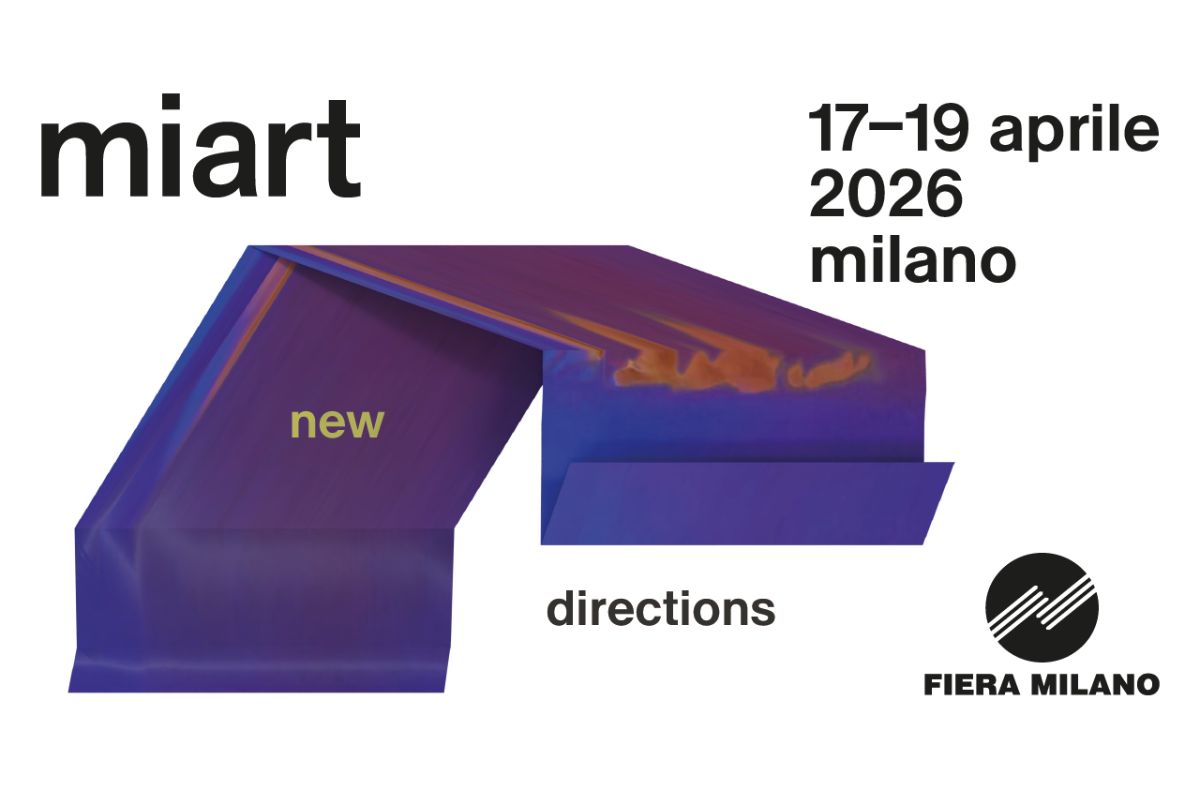
miart is Milan’s international fair of modern and contemporary art, an event that over the years has carved out a distinct position on the European scene thanks to its ability to connect different eras, languages and markets. In 2026, miart reaches its 30th edition and returns from April 17 to 19, with a VIP preview on April 16, for the first time in the South Wing of Allianz MiCo, Milan’s convention center. It is an important milestone, which the fair chooses to read not as a celebration but as an opportunity to redefine its identity and open up new paths.
In this context, design takes center stage in what has become a structural dialogue with the art world. A long-standing presence at the fair, collectible design is shown within the Established section and helps make miart a particularly interesting observatory for anyone who follows design. Historic pieces, limited editions, material experiments and contemporary reinterpretations show how porous the line between artwork and designer furniture has become, and how design can be read not only as function or style, but as cultural expression, authorial gesture and a form of research.
New Directions: miart 2026 changes without denying itself
The title chosen for this edition, New Directions, is not just a knowing nod to the world of jazz, but a statement of method. miart 2026 works on the idea of transformation as an internal practice: the ability to take a recognizable structure and push it toward new possibilities. This principle runs through the fair’s curatorial framework, its relationship with galleries, the rhythm of the exhibition route and even the visitor experience. Within this framework, collectible design fits the fair’s vision perfectly: not as a foreign body, but as a language able to express the same tension between heritage and experimentation that miart claims for itself.
Collectible design as a borderland
Within the Established section, collectible design confirms a presence that is now well established and, above all, increasingly significant. Its value lies not only in the rarity of the pieces or the names behind them, but in its ability to build a narrative in which visual art, applied arts, design and material culture intertwine without rigid hierarchies. This is where furniture, objects and limited editions stop being read as separate categories and reassert themselves for what they are at their best: forms of thought, aesthetic devices, fragments of the history of taste and vision.
Between material, memory and contemporary vision
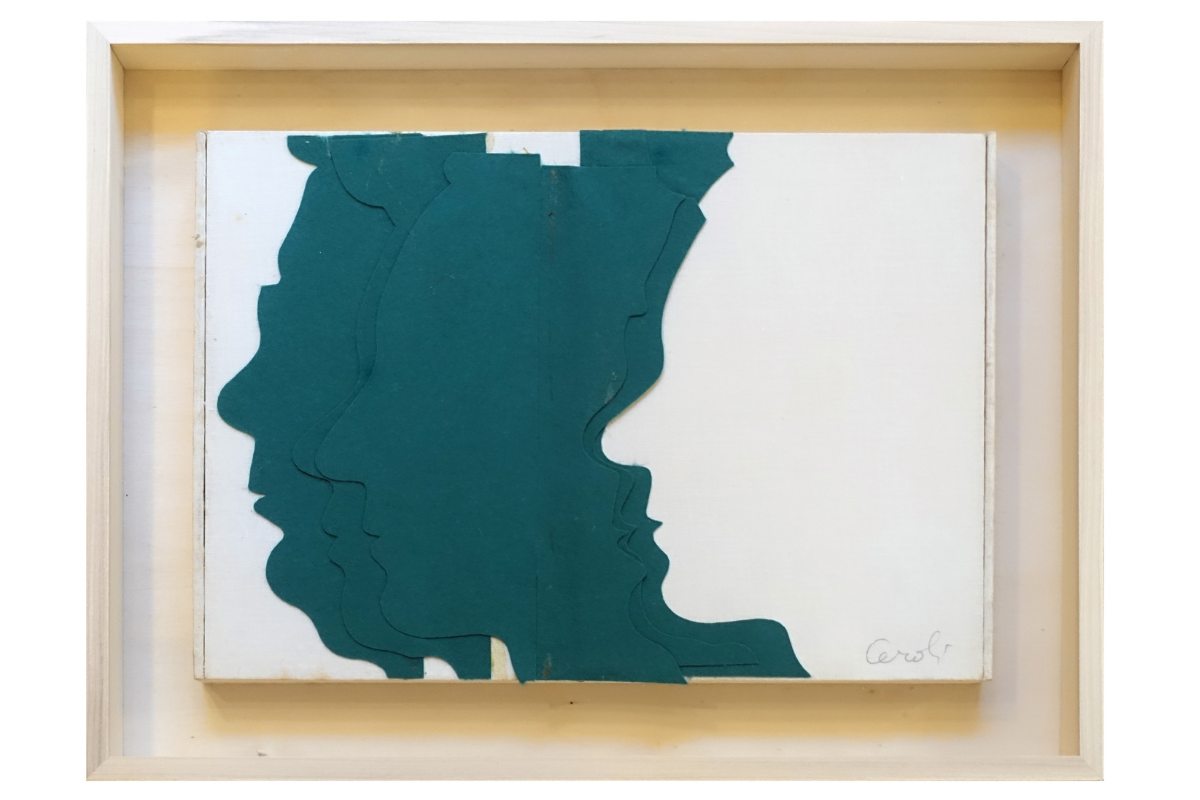
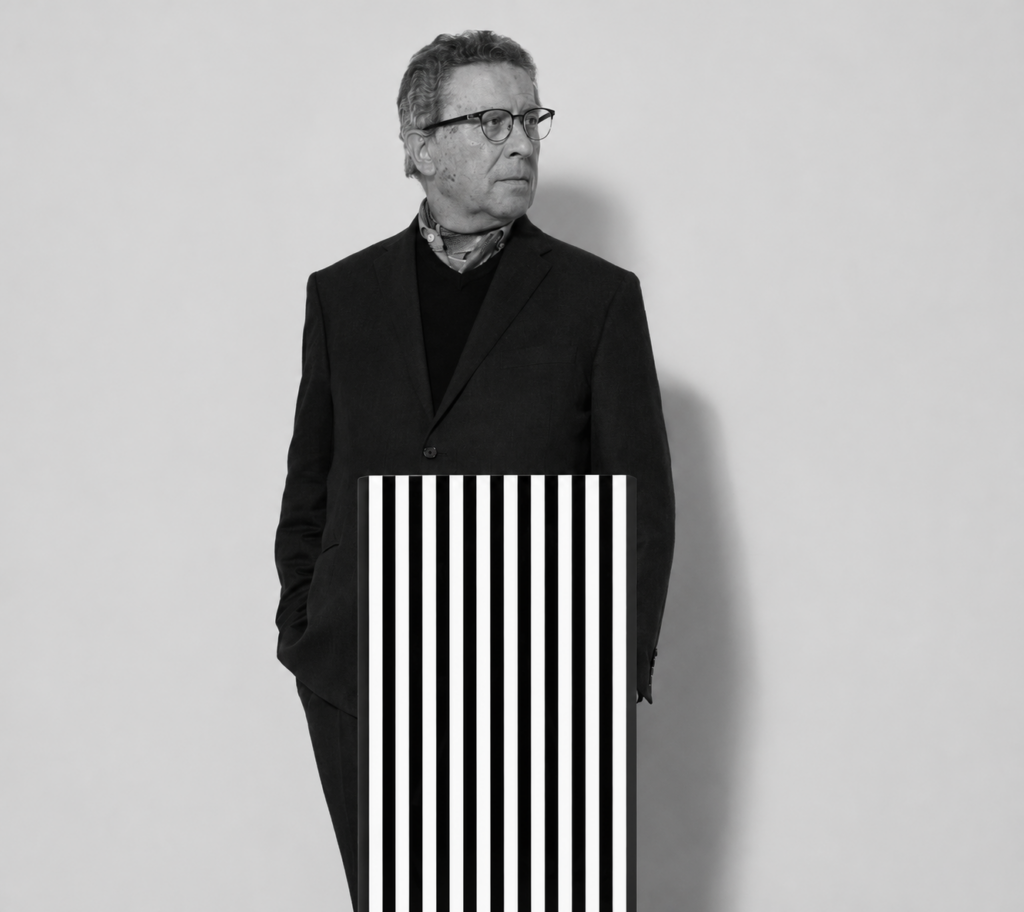
Among the most interesting exhibitors, Galleria Luisa Delle Piane brings to the fair a subtle reflection on the relationship between natural and artificial, entrusted to three designers who each explore, in different ways, the short circuit between material, image and perception. In Andrea Branzi’s Immersioni, eight unique pieces stage a suspended dialogue between organic elements, color, gold leaf and Plexiglas, following a grammar that belongs fully to his idea of design as a poetic and mental gesture. Alongside him, Mario Ceroli revives the sculptural power of his language with works that bring the relationship between sculpture, stage and furniture back to the fore, while the Delos project by Massimiliano Locatelli and Fabio Zambernardi reinterprets the archetypal vase through an innovative embroidery technique, evoking classical antiquity without any illustrative nostalgia.
The interior as a cultural construct
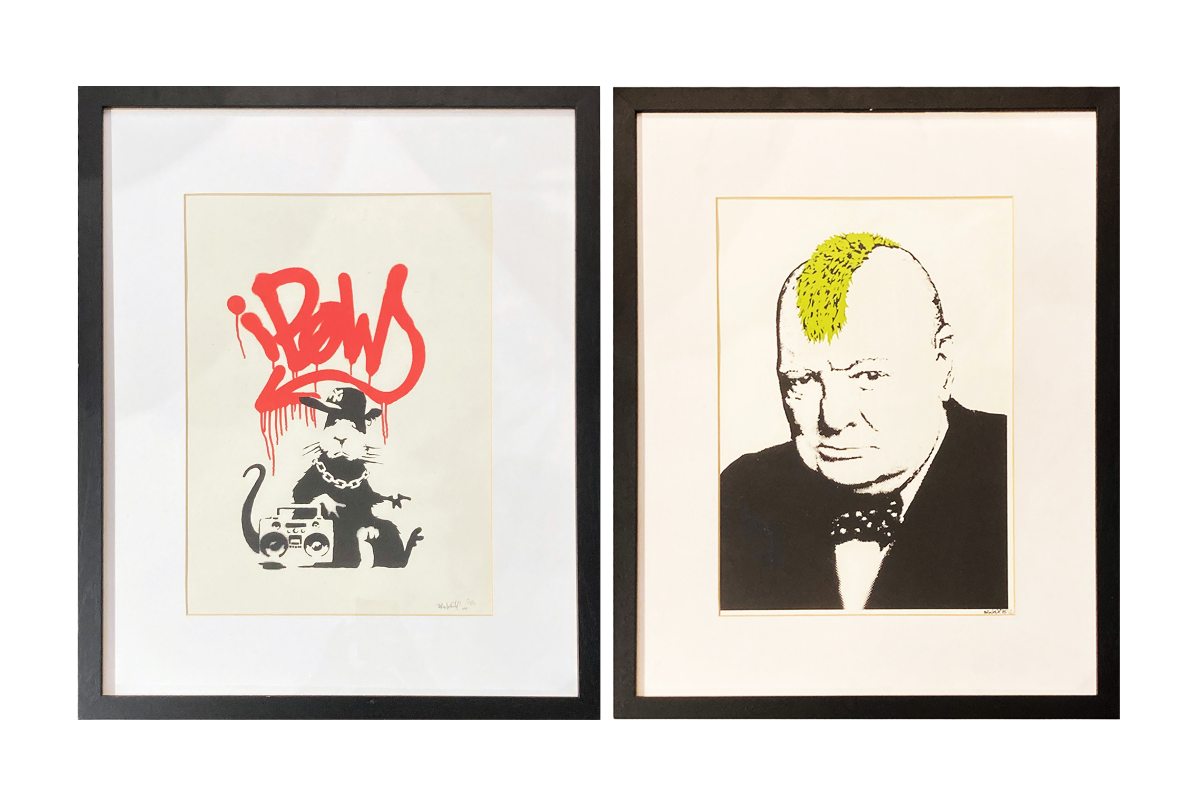
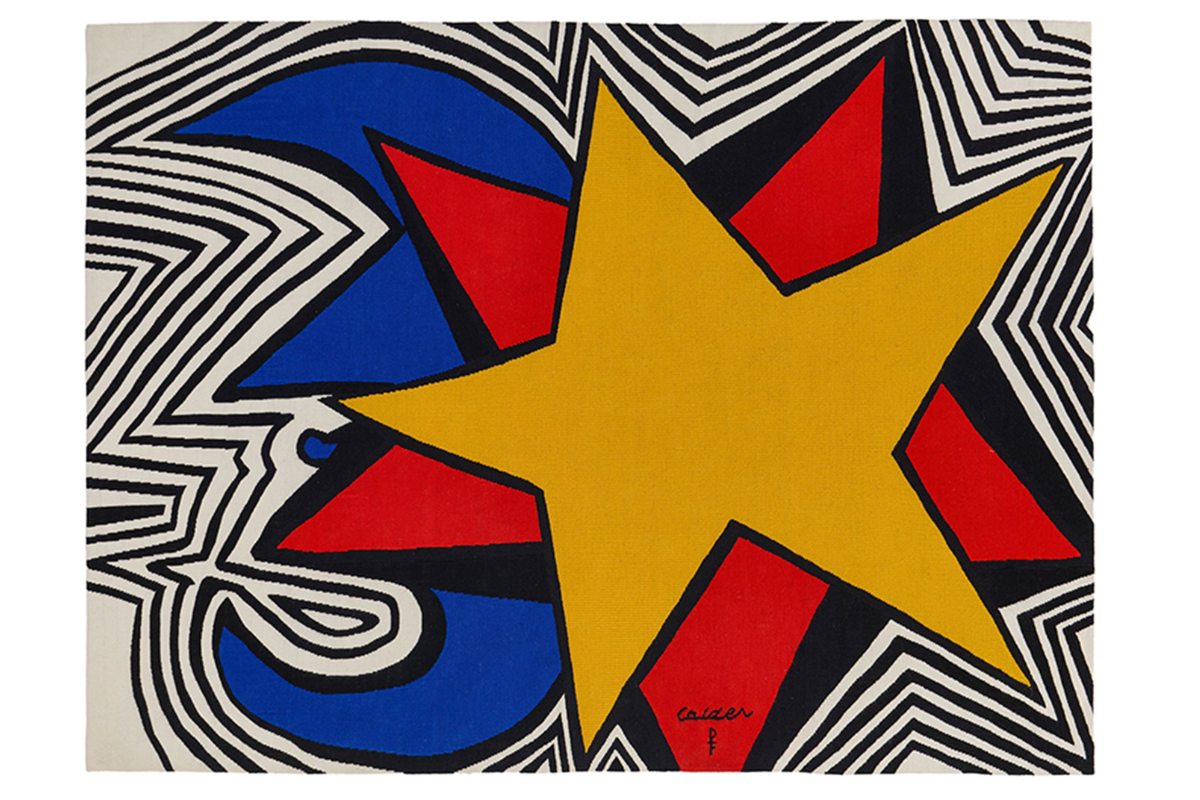
In a different but equally effective register, Robertaebasta imagines a domestic space where 20th-century historic design enters into dialogue with modern and contemporary art. It is not just a spectacular pairing, but a precise statement of perspective: the cultured, eclectic bourgeois interior is once again understood as a place where different languages, eras and visual intensities coexist. A 1951 desk by Renato Angeli and Claudio Olivieri, the Bamboca sofa by the Campana brothers for Louis Vuitton, and works by Banksy, Alexander Calder, Ron English and Brett Crawford compose a scene that does not seek order, but a fertile tension between objects and images.
20th-century Italian design as a lived-in landscape
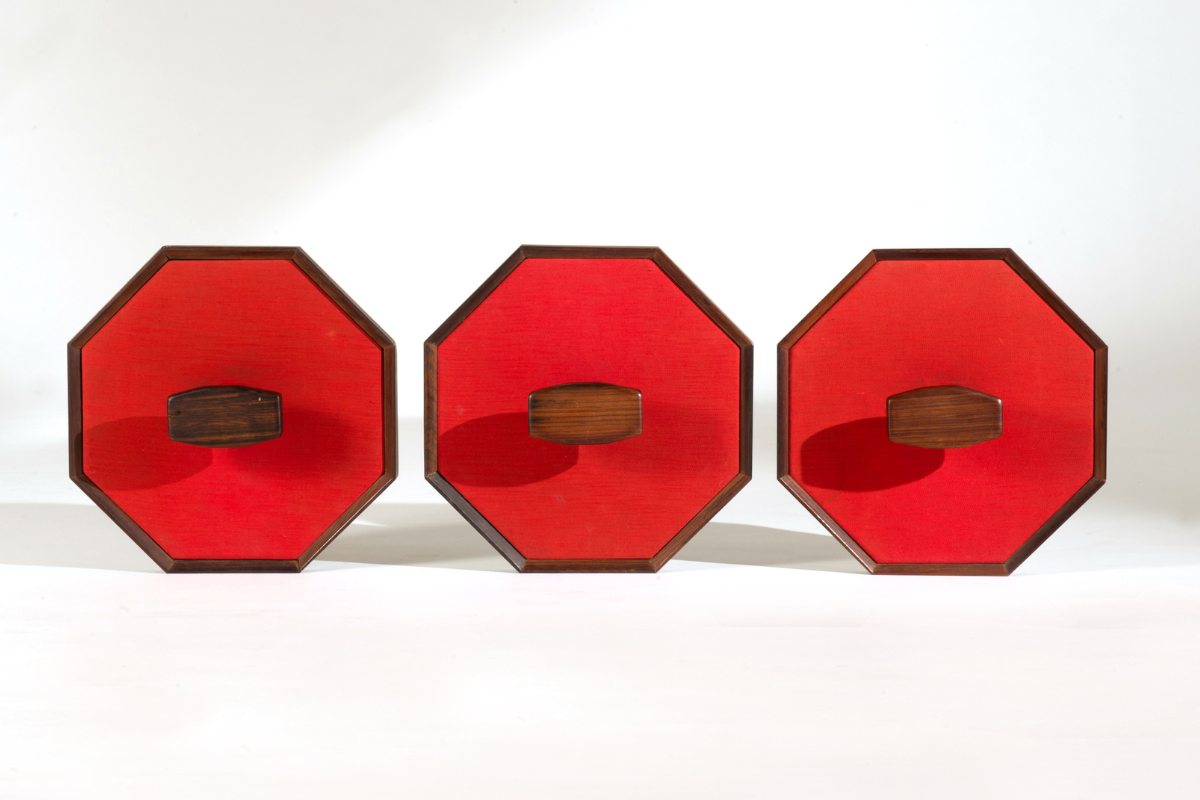
More scholarly, but no less evocative, is the presentation by Eredi Marelli, which builds its booth as a sequence of “time islands”: small settings in which furniture and objects bring back the atmospheres, codes and obsessions of 20th-century Italian domestic culture. From the 1940s work of Guglielmo Ulrich to the sophisticated vocabulary of Paolo Buffa and the BBPR studio, through to the more rarefied sensibility of Ico Parisi, the project does not merely display important pieces; it composes a true narrative of living. A narrative in which design once again becomes the place where taste, social aspirations, exceptional craftsmanship and spatial quality settle.
When the archive meets contemporary intervention
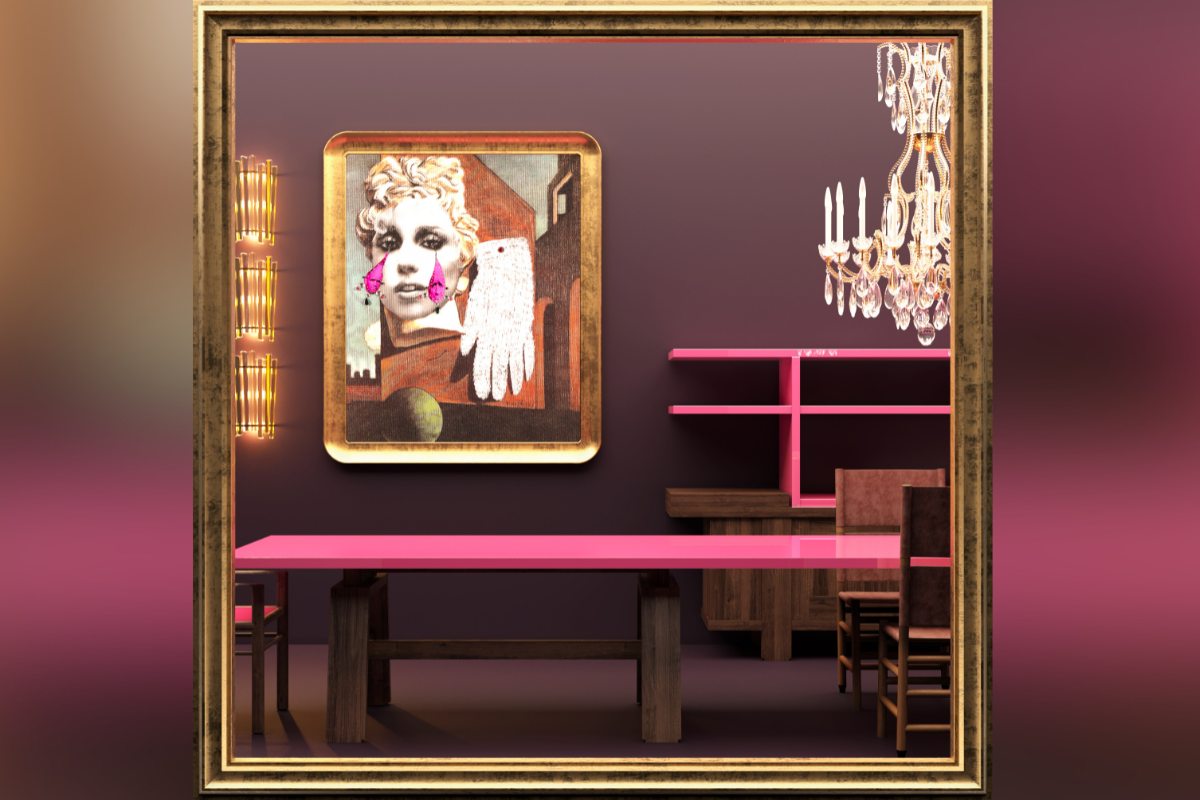
Among the most conceptually compelling projects, Bernini Gallery tackles crossover as a critical opportunity. Designer Daniele Daminelli, founder of Studio2046, intervenes on three historic pieces from the Bernini archive — the Pranzo 611.1 table, the 602 sideboard by Silvio Coppola and the Ovunque chair by Gianfranco Frattini — introducing a glossy pink lacquer that changes the perception of their volumes without betraying their identity. It is a subtle operation that seeks not a dramatic break but a controlled coexistence between history and a contemporary eye. Adding further layers to the project are the booth design by Daminelli himself, conceived as a theatrical interior viewed from outside, a site-specific intervention by Francesco Vezzoli and original furniture from the Bernini collection, including works by Carlo Scarpa.
An observatory worth following beyond the fair
Ultimately, the point is not just that miart continues to host design. It is that in 2026 this segment appears increasingly able to strengthen the cultural quality of the fair, offering a reading of design that does not end with the object but extends to exhibition design, memory, collecting and ways of seeing. This is also why the dialogue with the city and with the Fuorisalone, the citywide events program of Milan Design Week, feels natural: not a mere extension of the calendar, but a sign of a Milan in which art and design now share the same vocabulary of research, crossover and vision.
miart 2026
In the 30th year of its history, miart thus confirms a quality that is not so common among fairs: the ability to remain legible to the market without giving up a cultural vision. And it is precisely within this framework that collectible design finds its most interesting place. Not as an aside, nor as a decorative incursion, but as part of a broader discourse on the value of form, the endurance of ideas and the possibility that an object can still, today, generate imagination.
In Milan, where art and design have long shared the same drive toward research, miart 2026 makes this dialogue even more explicit. It does so through galleries, booth designs and presentations that show how the line between artwork and designer furniture is becoming less rigid, and perhaps less useful. For anyone who sees design not only as an industry or a language of living, but as a cultural form able to transcend time, this edition promises to be one of the most interesting to follow.