Utopian Hours returns to Turin on 16–17 October. A guide to its venues, five talks and practical questions for reading the festival beyond the speaker list.
You can learn a great deal about a city from the places where you are allowed to stop without buying anything. A bench, a courtyard you can cross, a building that no longer acts as a barrier: these are small details only on paper.
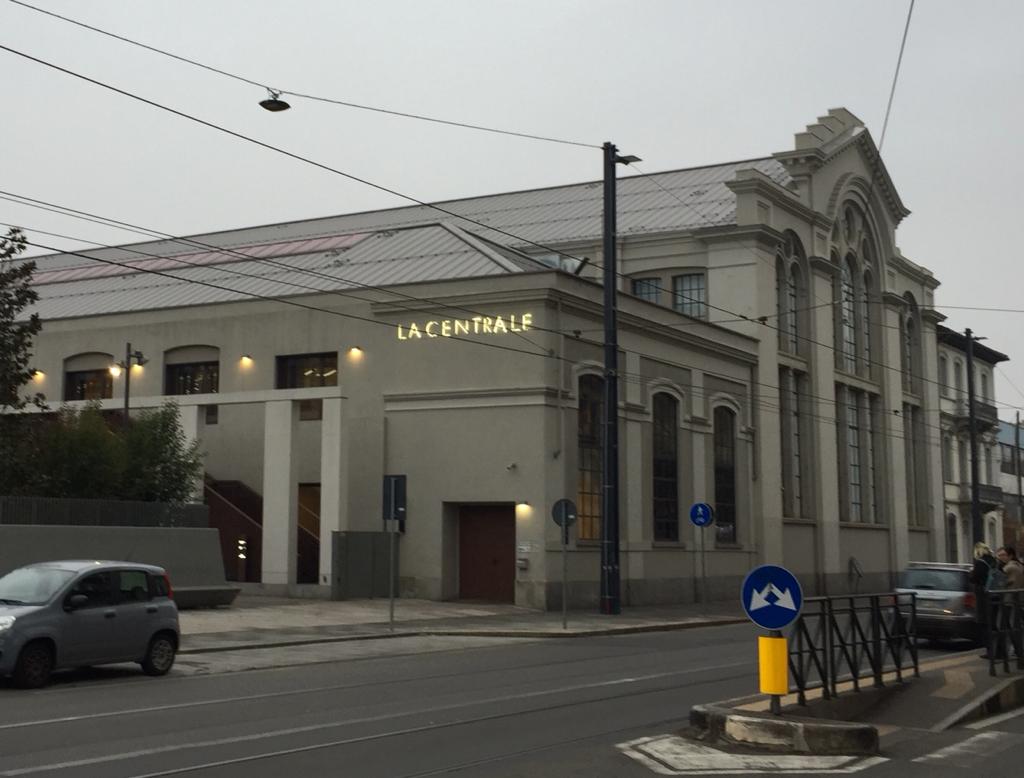
Utopian Hours 2026 takes place in Turin on 16 and 17 October, at La Centrale at Nuvola Lavazza and Dorado. The second part of its Ten Years Edition brings together talks, professional discussions and exhibitions about city making: the often collective work through which the places of urban life are changed.
For architects and interior designers, the interest is practical. Beyond an individual commission, a project meets the people who administer, inhabit and manage a place, and those who pay for its maintenance. The festival is an opportunity to consider those relationships together, without treating a city as a collection of successful buildings.
Utopian Hours 2026: dates, venues and format
The Turin event is scheduled for Friday 16 and Saturday 17 October 2026. It is organised by Stratosferica, a social enterprise working on urban issues. This is not a furniture fair: the discussion centres on the relationship between space, communities and urban change.
La Centrale hosts the main stage, while Dorado accommodates other activities. That distinction matters when planning an itinerary: not every session takes place in the same venue, and not every pass covers every professional activity.
A useful starting point is a question, rather than the ambition to see everything. What makes a ground floor genuinely welcoming? What happens to a temporary space after its first month? How can residents gain a meaningful role in neighbourhood decisions? Having a specific issue in mind can make even a single afternoon productive.
Five talks to help you navigate the programme
The general agenda checked on 5 October lists the following sessions at La Centrale. Times may change, so check the organiser’s updated programme before travelling.
| Day | Listed time | Session | Speaker |
|---|---|---|---|
| 16 October | 14:00–14:30 | A Museum Above the Rails | Wim Walschap |
| 16 October | 14:45–15:15 | Public Space as a Prototype | Rocío Pina |
| 17 October | 14:45–15:15 | The Hunger that Shaped Our Cities | Carolyn Steel |
| 17 October | 15:45–16:15 | Space as a Form of Care | Christine Murray |
| 17 October | 18:30–19:00 | Citizens Who Own Their Block | Imandeep Kaur |
The museum as part of a city: Wim Walschap
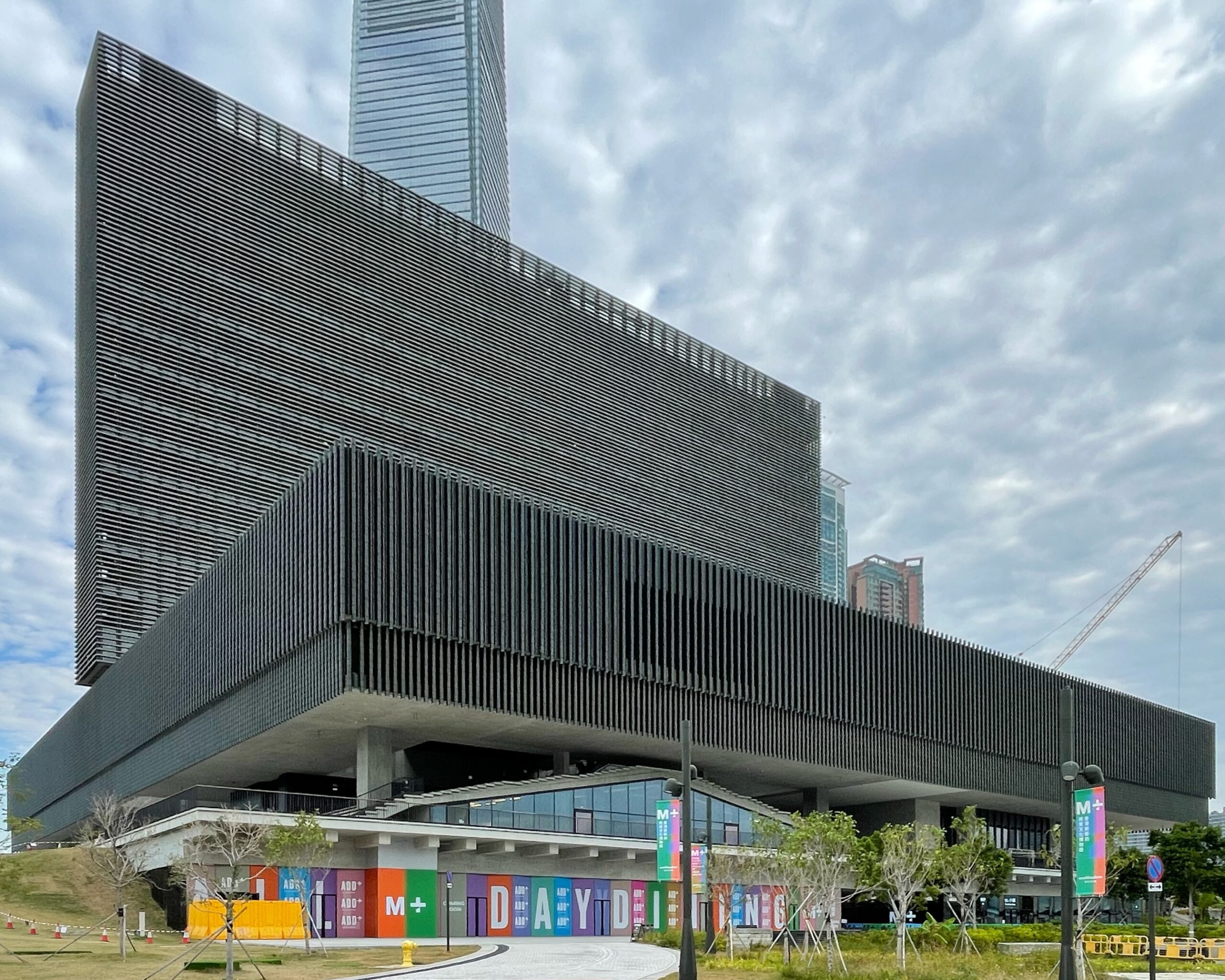
The official introduction to Walschap’s talk, representing Herzog & de Meuron, focuses on M+ in Hong Kong and the relationship between a museum and railway infrastructure. It offers a useful perspective: context is not simply a neighbouring façade to respect. It includes what moves beneath, alongside and through a building.
One question to take into the discussion is where the urban route ends and the museum route begins. A threshold can invite people inside, but it can also make clear who feels welcome and who feels out of place. The design of the first approach deserves as much attention as the most spectacular gallery.
Public space can be tested: Rocío Pina
Pina, a co-founder of ENORME Studio, introduces work involving temporary interventions, participatory installations and movable furniture. An urban prototype makes it possible to treat space as an open question before committing to a permanent solution.
In design terms, a trial is valuable if it teaches us something. Watching who sits down, who passes through and who stays away can reveal needs that were not apparent in a drawing. A distinctive colour or shape is not enough: there must also be criteria for deciding what to retain, alter or remove.
Food as infrastructure: Carolyn Steel
Steel, the author of Hungry City and Sitopia, approaches urban development through food. Supply, consumption and relationships with the surrounding territory reveal connections that an image of a skyline tends to conceal.
For interior designers, this reaches directly into everyday practice. A market, canteen or shared kitchen is more than a container for a function. It can shape encounters, time spent together and access to resources. Quality should also be sought in its ordinary operation, when no special event is taking place.
Designing for a sense of safety: Christine Murray
Murray’s session introduces trauma-informed design, with attention to listening, psychological safety and inclusion. This does not turn architecture into therapy. It asks designers to recognise that the same environment can be experienced very differently by different people.
A practical response is to ask where someone has a choice: to enter or leave, stop or continue, occupy an exposed position or find a quieter one. Those needs cannot all be met with an attractive material or soft lighting. They also require legible routes, alternatives and careful listening to future users.
From participation to stewardship: Imandeep Kaur
Kaur presents the work of CIVIC SQUARE in Birmingham, addressing civic infrastructure, shared resources and neighbourhood-scale change. The discussion shifts attention from consultation alone to the people who can care for and govern places over time.
A participatory process is fragile if it ends with a photograph of the participants. The more interesting questions concern which decisions remain with the community, how disagreements are resolved and who can intervene when something stops working. They are relevant even to a small shared space in an apartment building.
Three tests for distinguishing a beautiful project from a good transformation
Access: who can enter without buying, booking or knowing someone? Duration: who cleans, repairs and updates the place? Responsibility: who can change a decision after opening? Applying the same questions to very different cases helps us compare them without flattening their differences.
This is not an argument against formal quality. It adds a reading of use to the photograph. Beautiful paving that makes stopping difficult, a seat that cannot be repaired or a courtyard that opens only during an event presents design problems that are just as real.
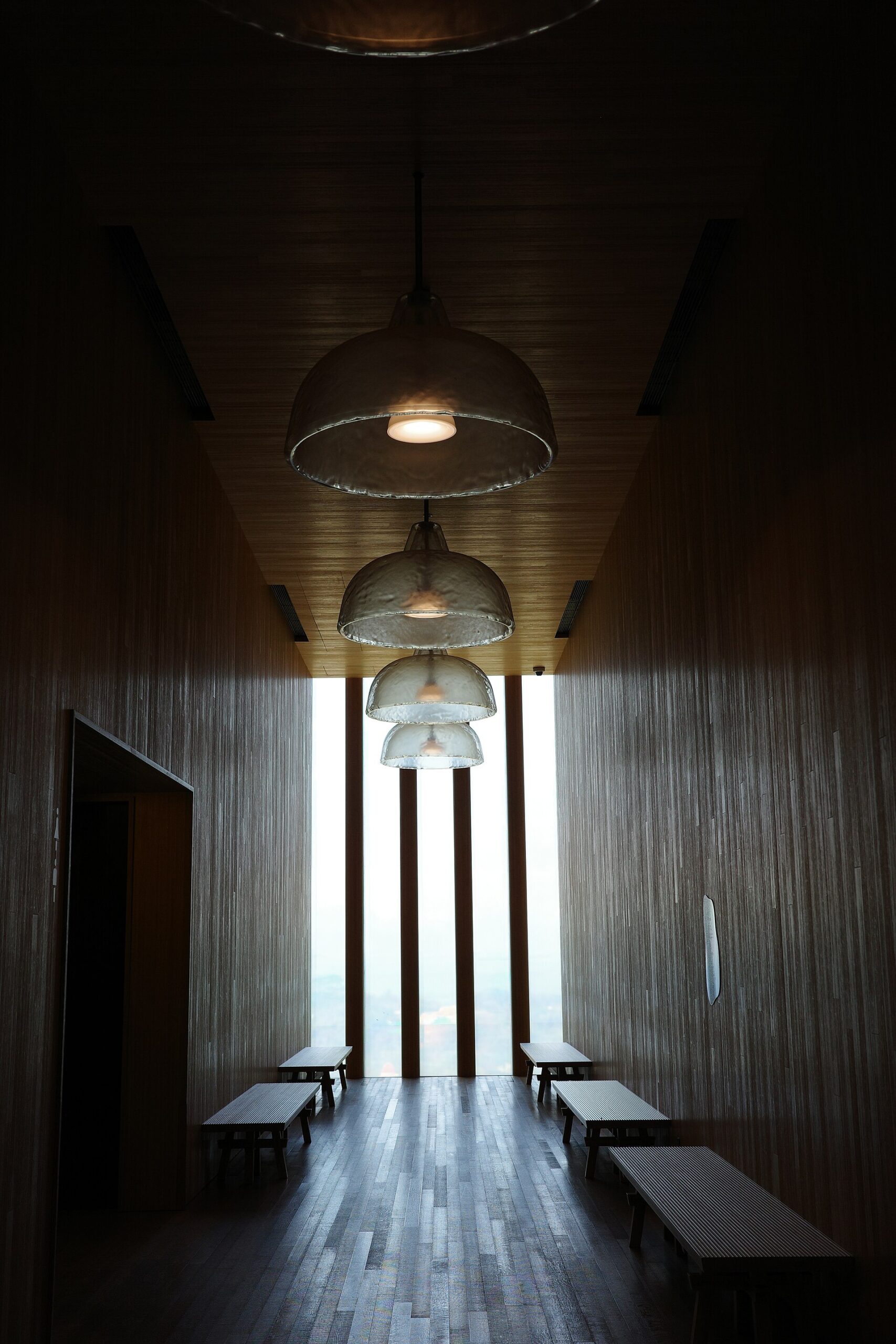
The discussion continues in our feature on the architectural thinking behind cities of the future: urban change involves the conditions of everyday living as well as the image of buildings.
The strongest idea to take away may not be an object to imitate. It may be a different way of preparing a brief, running a trial or making the next decision. That distinction matters when a festival’s scale and budget are very different from those of your own commission.
Planning your visit
Before selecting a pass, match the sessions you want to attend with their access conditions. Roundtables and professional activities may have different requirements from main-stage talks. Check venues, accessibility, availability and the time needed to move between locations.
During the festival, record one spatial solution, one management condition and one unanswered question for each case. Afterwards, choose a single insight to test against your own project: a clearer entrance, a trial of everyday use or a shared decision. It is a practical way to prevent two days of discussion from becoming merely a collection of names.
Guide checked on 5 October 2026. This is a preview, not a report of an event that has already taken place.