Marco Zanuso is a key figure for understanding how post-war Italian design transformed technical innovation into a culture of design. Architect, designer, theorist and lecturer, he worked across very different scales: from Olivetti factories to Arflex upholstered furniture, from Kartell plastics to Brionvega televisions and radios designed with Richard Sapper. The common thread is not …
Marco Zanuso is a key figure for understanding how post-war Italian design transformed technical innovation into a culture of design. Architect, designer, theorist and lecturer, he worked across very different scales: from Olivetti factories to Arflex upholstered furniture, from Kartell plastics to Brionvega televisions and radios designed with Richard Sapper. The common thread is not a recognisable style, but a method: studying materials, industrial processes and technical components until they become form. Lady rethinks the construction of upholstered furniture; Doney reorganises the interior of the television; Radio Cubo transforms an electronic appliance into a domestic object; Grillo even redesigns the gesture of making a telephone call.
Marco Zanuso: biography between architecture, industry and design culture
Marco Zanuso was born in Milan on 14 May 1916 and graduated in Architecture from the Politecnico di Milano in November 1939. During the war, he served in the Italian Navy; according to the biographical account published by Treccani, that experience also brought him into contact with instruments, machinery and precision technologies that would later fuel his interest in technical processes. From 1945 onwards, he began his professional practice in Milan.
For Zanuso, design was never divided into rigidly separate disciplines. Architecture, furniture, technology and industrial production belonged to the same field of research. In the post-war years, he contributed to the cultural debate through magazines and institutions: he was editor-in-chief of Domus in 1946–47 and returned to editorial work with Casabella Continuità from 1953 to 1956. He was also among the figures involved in the creation of ADI and served as its president from 1966 to 1969.
In 2025, Triennale Milano dedicated a selection from its Italian Design Collection to Zanuso, effectively summarising this position: more than fifty years of work in which craftsmanship, technological innovation and attention to the production process became tools for responding to changes in the way people live. It remains a useful perspective in 2026 because it prevents Zanuso from being reduced to a simple sequence of twentieth-century design icons.
Post-war industry: designing through new materials
One of the first areas in which this method becomes evident is upholstered furniture.
In the late 1940s, Zanuso worked within the Pirelli and Arflex environment on transferring materials and techniques into furniture design that differed from traditional upholstery methods. Foam rubber and elastic webbing made it possible to rethink the structure of the seat itself, rather than simply obtain a softer shape. Treccani identifies this research as one of the developments that would eventually lead to Lady.
The change is significant because the design does not begin with an external silhouette and then search for a way to build it. Instead, the behaviour of the material suggests new typological and production possibilities.
This focus would return throughout his career: pressed sheet metal, plastics, electronic components and building prefabrication were studied not as finishes, but as tools capable of transforming objects and architecture from within.
Lady: the armchair that reinvented upholstered furniture construction
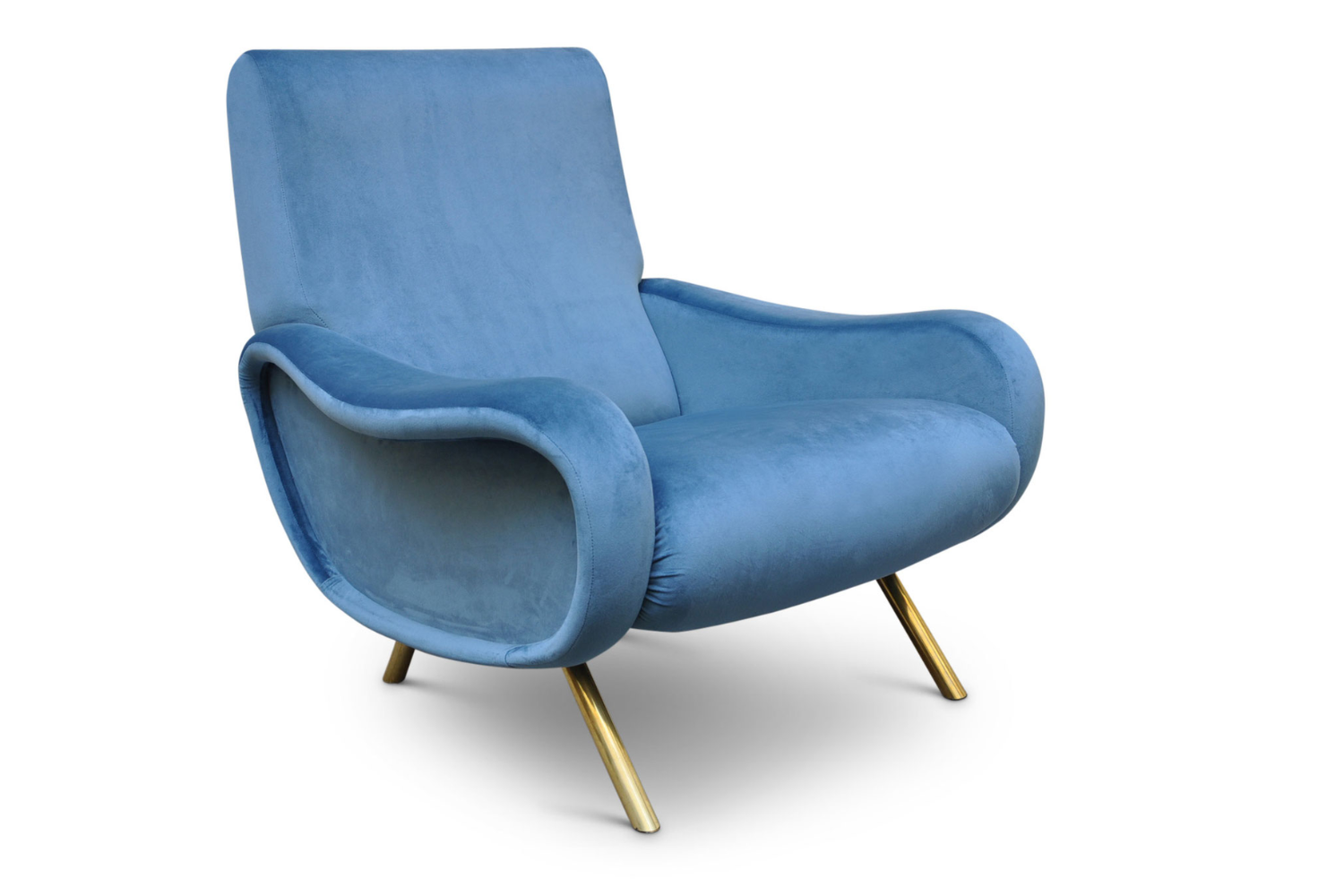
Presented at the 9th Milan Triennale in 1951, the Lady armchair for Arflex is one of Marco Zanuso’s fundamental designs and received the exhibition’s Gold Medal. MoMA holds an example dated 1951, while Triennale continues to identify it as one of the designer’s most significant works.
Its importance lies in more than its enveloping form. The construction changes the traditional way of conceiving an armchair: the structure integrates a metal frame, elastic webbing and new cushioning materials, allowing the seat, backrest and armrests to be treated as defined components assembled according to an industrial logic. Documentation for the Cassina reissue emphasises precisely the technological modernity of this solution.
Lady demonstrates a central aspect of Zanuso’s work: comfort is not opposed to serial production. On the contrary, it can be achieved through more precise research into production technology.
In 2026, the armchair remains part of the Cassina collection, an interesting example of a historic product whose continued relevance depends less on its 1950s appearance than on the strength of its constructional concept.
Lambda: automotive bodywork technology enters furniture design
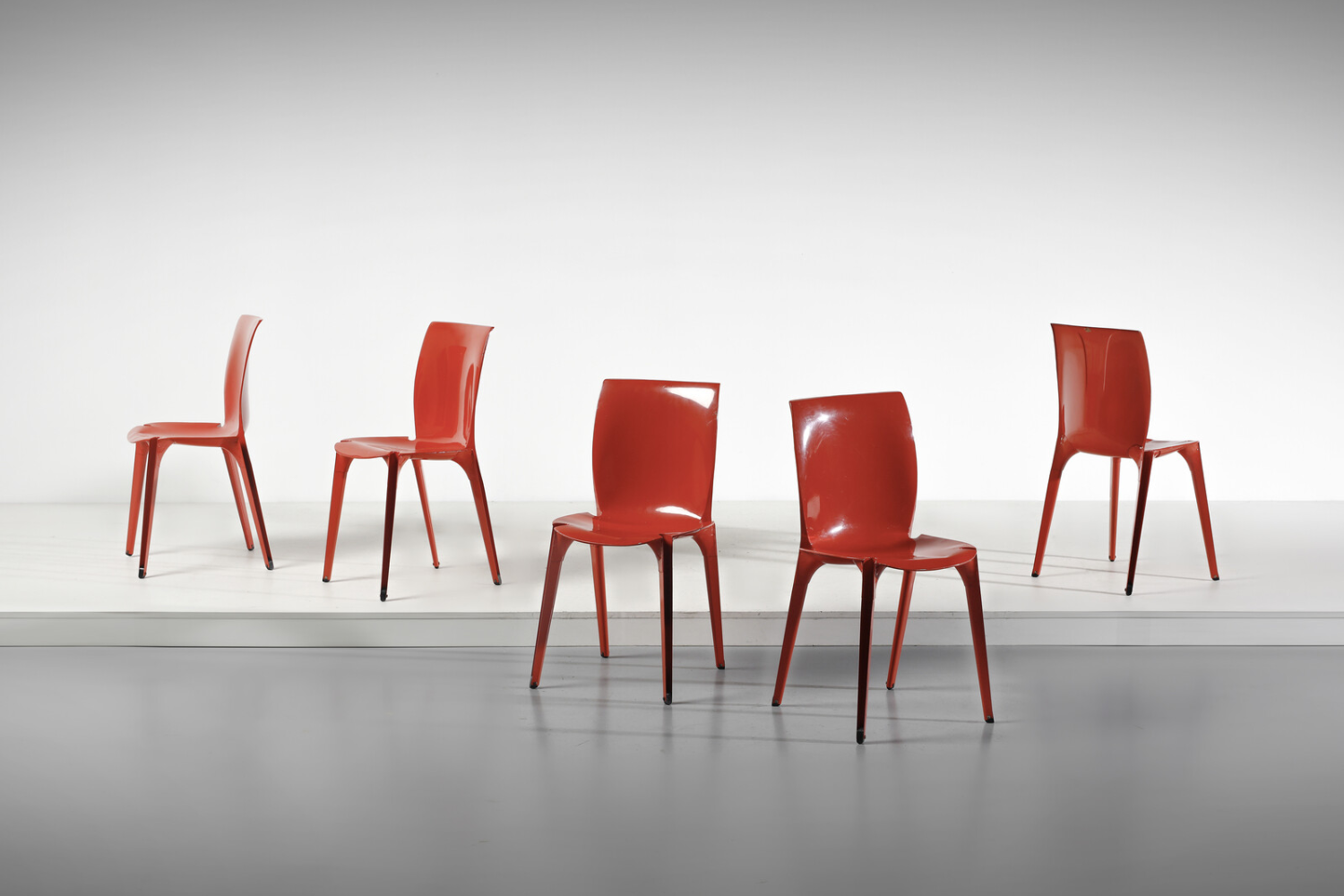
By the late 1950s, the relationship between form and technology took a very different direction with Lambda, developed with Richard Sapper.
MoMA dates its Lambda Chair to 1959 and attributes it to both designers, with Gavina as manufacturer. The chair is made from painted sheet metal. Documentation from the Richard Sapper archive explains that the design emerged from applying techniques derived from automotive body construction to furniture: stamped and welded sheet-metal components were used to achieve strength while limiting weight.
From a material point of view, the approach is almost the opposite of Lady, yet methodologically it is very similar.
In the first case, the research focuses on elasticity and cushioning; in the second, on the ability to stiffen a thin surface through geometry. The material is not concealed behind the form: it helps determine it.
Marco Zanuso and Richard Sapper: a decisive collaboration
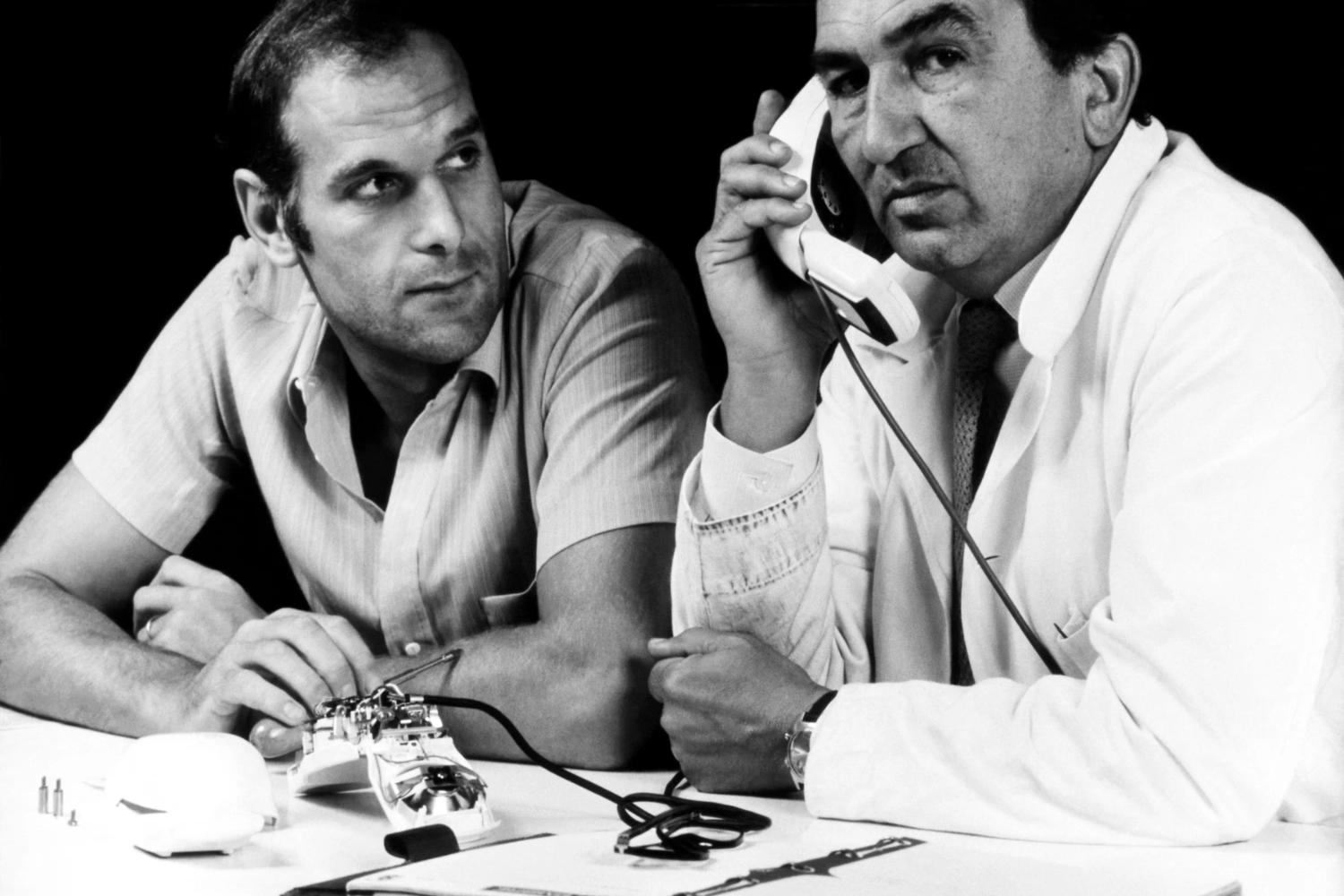
Richard Sapper entered Zanuso’s professional orbit in the late 1950s. Treccani documents his collaboration within the studio’s design department from 1958 until the early 1970s; ADI dates the beginning of the projects that would lead to their series of Brionvega electronic products to 1959.
Correct attribution is important here: Doney, Radio TS502, Algol and Grillo are not works by Zanuso alone, but designs developed together with Richard Sapper. MoMA likewise systematically credits both designers for these objects.
The collaboration combined Zanuso’s interest in industry and materials with Sapper’s particular sensitivity to mechanisms and electronics. The result was not simply a series of aesthetically refined casings for technological appliances: in several cases, the reorganisation of internal components directly altered the external form.
Doney 14: when the television stopped looking like furniture
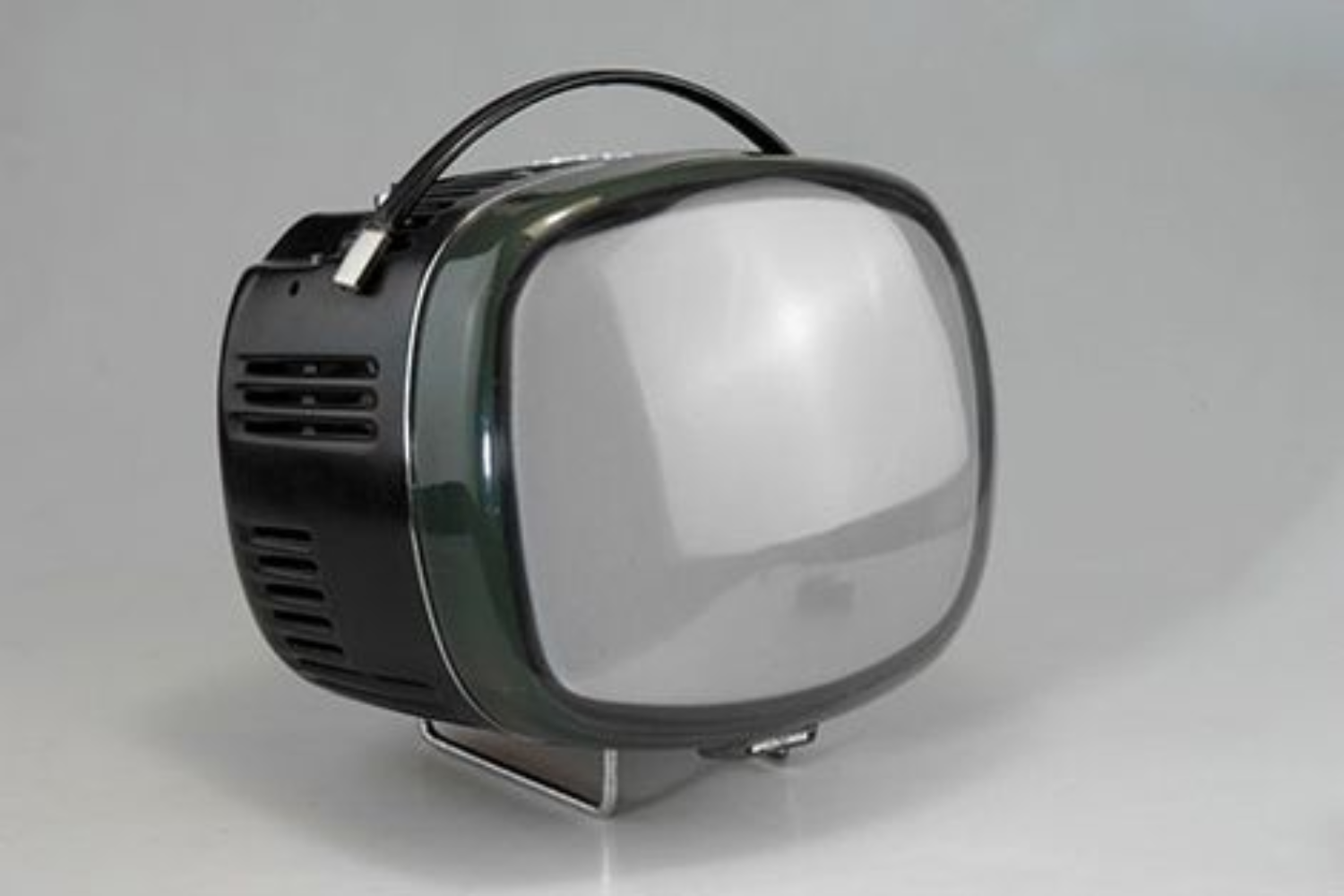
The Doney 14, designed for Brionvega and awarded the Compasso d’Oro in 1962, is one of the clearest examples.
ADI describes it as the first portable transistor television manufactured in Europe and highlights how the arrangement of the internal components allowed the system to be enclosed within an extremely compact volume. The television no longer attempted to disguise itself as a traditional piece of furniture: its dimensions derived directly from the cathode-ray tube and the reorganisation of its components.
MoMA holds a 1962 Doney 14 attributed to Marco Zanuso and Richard Sapper, identifying plastic and metal as its principal materials.
This marks one of the developments that makes Zanuso central to the history of industrial design: domestic electronics are accepted as a new category of objects with their own identity, rather than disguised through the visual language of existing furniture.
Radio TS502: electronics can disappear when they are not needed
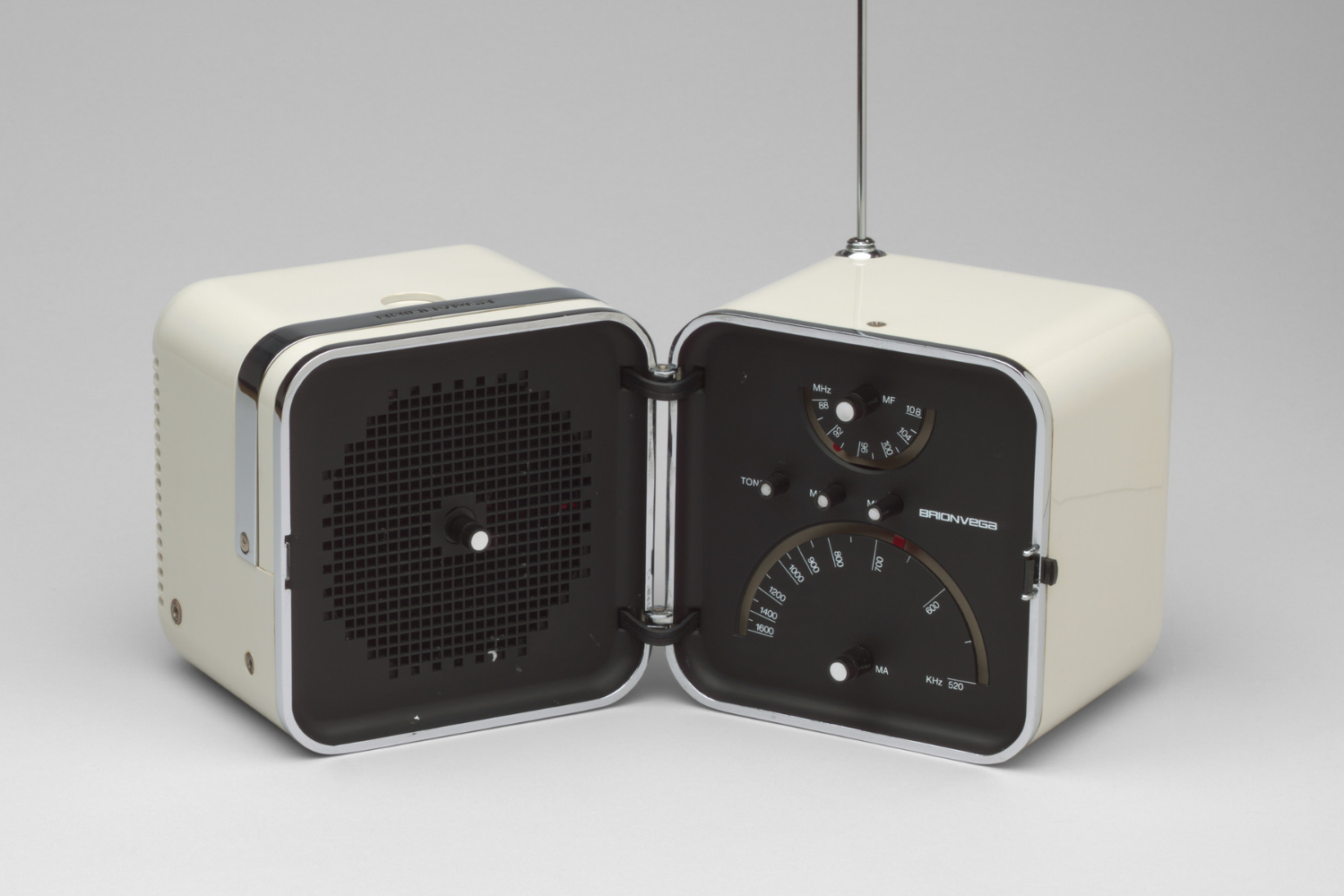
The Brionvega TS502, which became famous as the Radio Cubo, takes this line of thinking further.
MoMA dates one example to 1963, while Brionvega dates the historic model’s design to 1964. It is therefore more accurate to place its development in 1963–64, rather than artificially assigning a single date when institutional sources use different chronologies. Both agree on the attribution to Zanuso and Sapper.
The radio is built as two hinged elements: when opened, the speaker and controls become visible; when closed, the technological components disappear and a compact volume remains. MoMA has highlighted precisely this ability to visually eliminate electronic complexity when the object is not in use.
It is therefore more than simply a “pop” radio because of its cubic form or colours. The key principle is the transition between open and closed states, between functioning appliance and domestic object.
Brionvega continues to develop the Radio Cubo concept in its current production, updating the electronics while retaining the identity of the historic design.
K4999: plastic becomes a true industrial structure
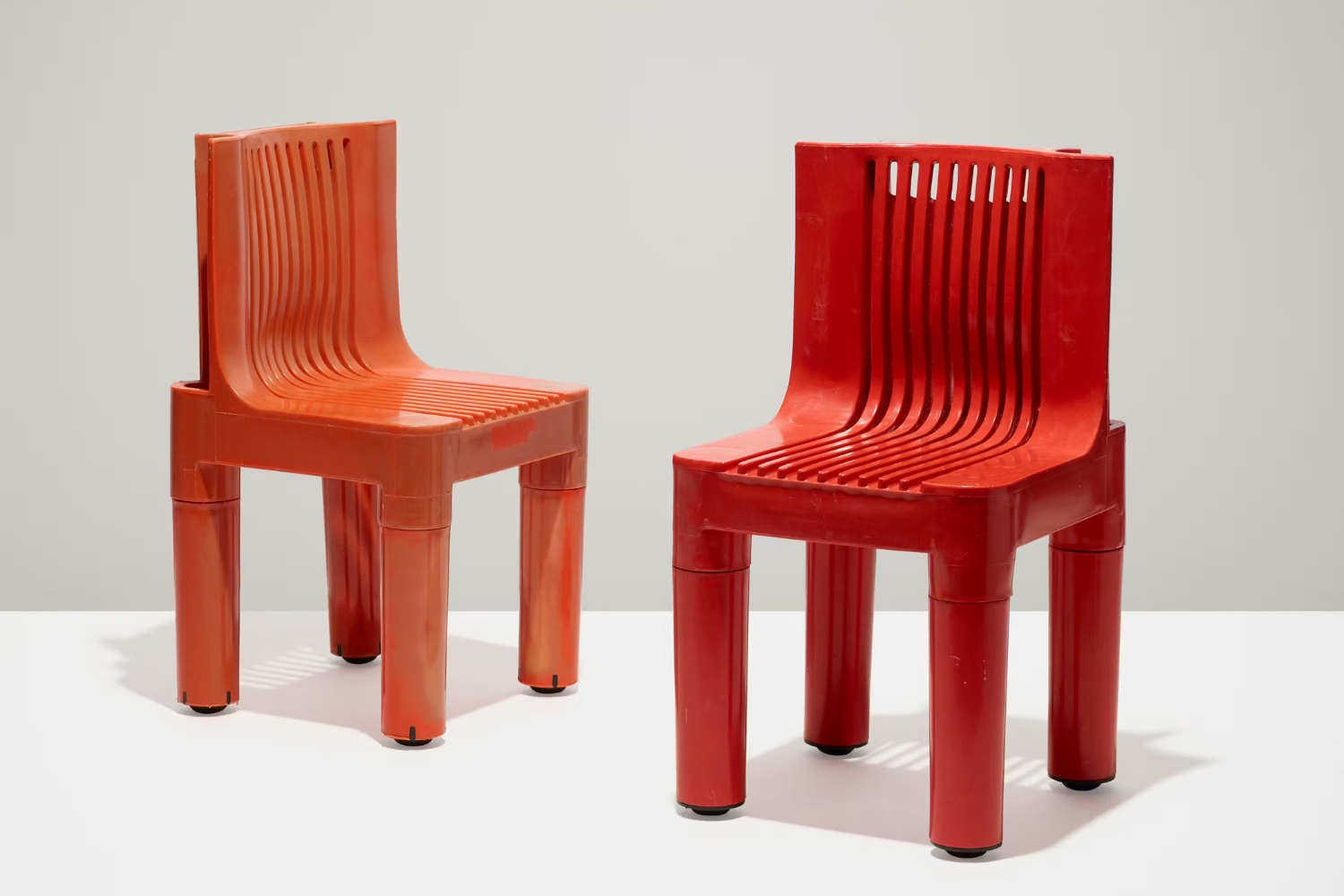
In 1964, Zanuso and Sapper received the Compasso d’Oro for the small chair designed for nurseries and schools, identified by ADI as K 1340 [K 4999] and produced by Kartell.
The award citation is particularly interesting because it does not simply celebrate the use of polyethylene: it highlights the project’s ability to exploit the material’s industrial potential with precision, creating an element that could be combined, dismantled and easily cleaned. ADI describes it as the first chair made entirely from plastic.
MoMA holds K4999 examples from the 1960–64 period and confirms the joint attribution to Zanuso and Sapper, as well as Kartell’s production.
Once again, material innovation coincides with a revision of the typology: plastic does not imitate a wooden or metal chair, but allows weight, assembly, cleaning and combinability to be reconsidered in a different way.
Grillo: changing the telephone means changing an everyday gesture
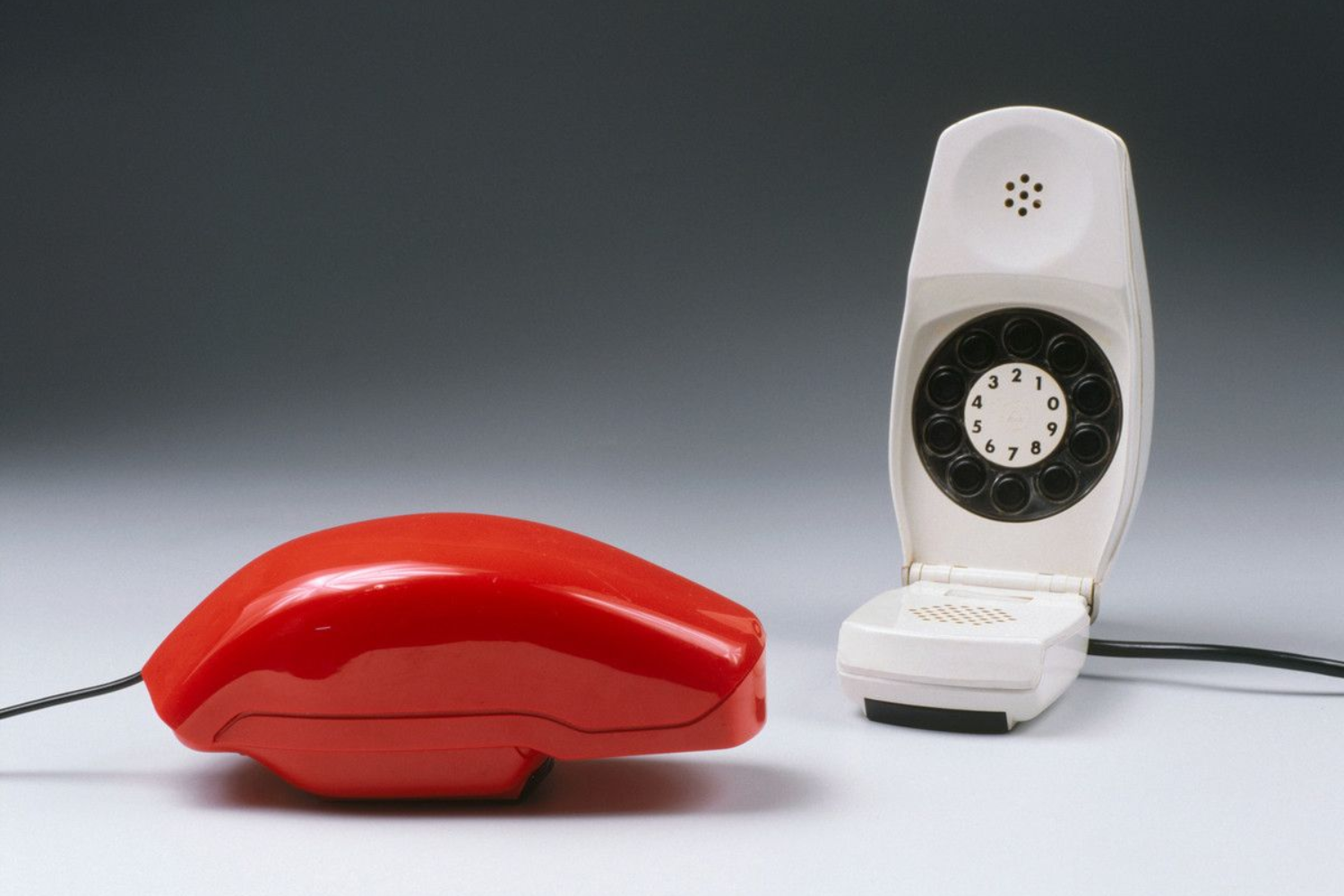
The Grillo telephone, designed for Società Italiana Telecomunicazioni Siemens, is perhaps the project in which the physical reduction of the object most clearly transforms the relationship with the user.
MoMA dates its example to 1966 and credits Zanuso and Sapper as the designers. The ABS body opens for use and closes to form a highly compact object.
In 1967, Grillo received the Compasso d’Oro. The ADI citation specifically highlights the reduction in size achieved without sacrificing the functions of a traditional telephone, as well as the new sense of intimacy introduced by the form of the appliance.
It is an important design because miniaturisation is not treated as a purely engineering achievement. Closing the device changes the way the telephone occupies the home and alters the sequence of gestures required to use it.
Design thus becomes an interface between technology and behaviour, several decades before the concept of user experience entered everyday vocabulary.
Zanuso’s industrial architecture follows the same method
Separating these products from his architectural work would mean losing an essential part of Marco Zanuso’s research.
For Olivetti, he designed factories in South America — in Argentina between 1954 and 1961 and in Brazil between 1955 and 1961 — and later worked with Eduardo Vittoria on the Italian plants in Crema, Scarmagno and Marcianise. In these buildings, structure, prefabrication and building services are treated as components of a single construction system.
The Olivetti factory in Marcianise, built between 1968 and 1970, makes this principle particularly clear: the Italian Ministry of Culture’s survey documents a prefabricated reinforced-concrete structure in which load-bearing elements, roof and services work together to create a continuous production space.
The same interest appears in the Necchi factory in Pavia and the Brionvega complex in Casella d’Asolo. For Zanuso, the factory was not simply the container in which objects were produced: it was itself a problem of industrialisation, assembly, repetition and technical integration.
From product to city: the Piccolo Teatro in Milan
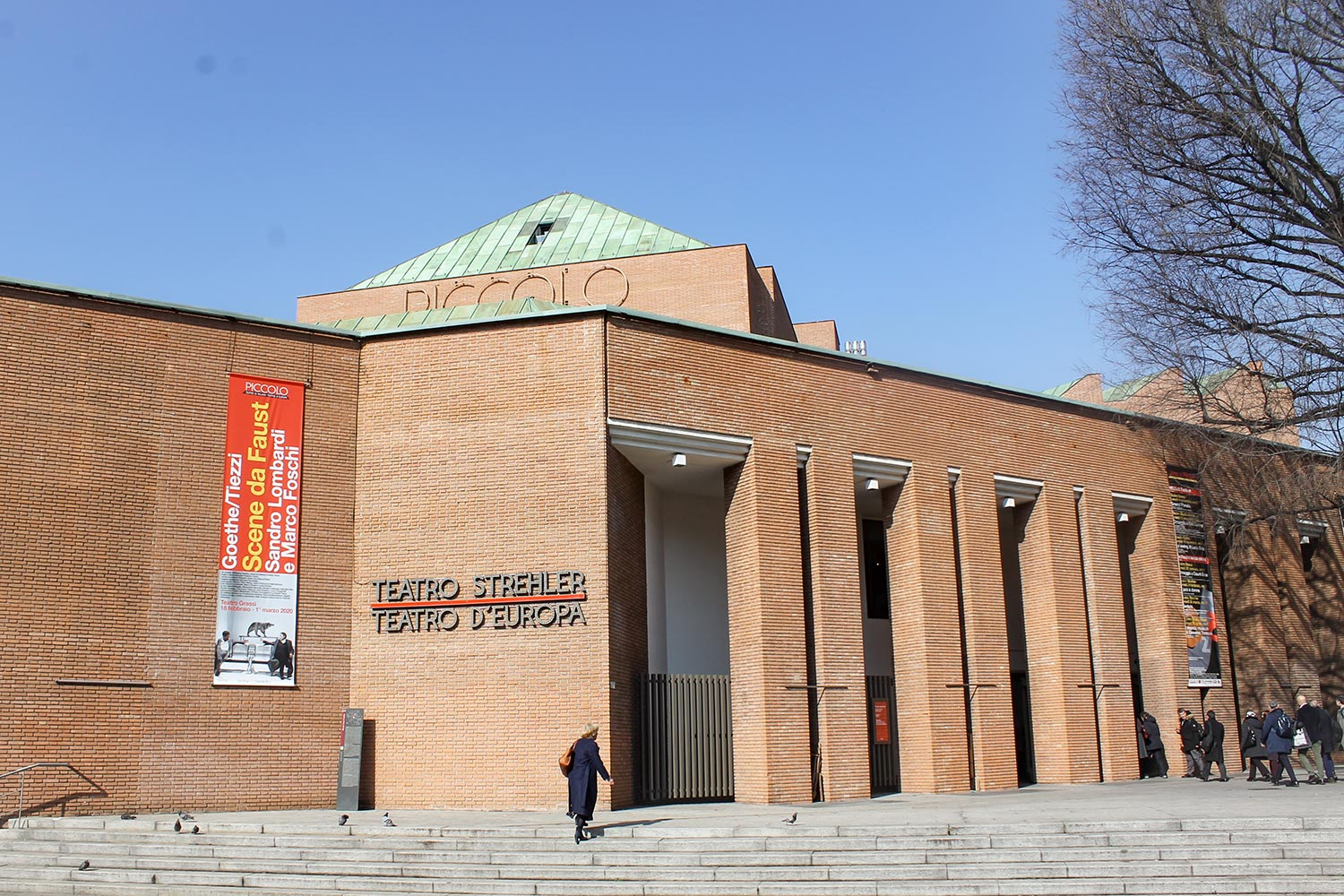
The later part of Zanuso’s career makes clear how consistently he continued to move between different scales.
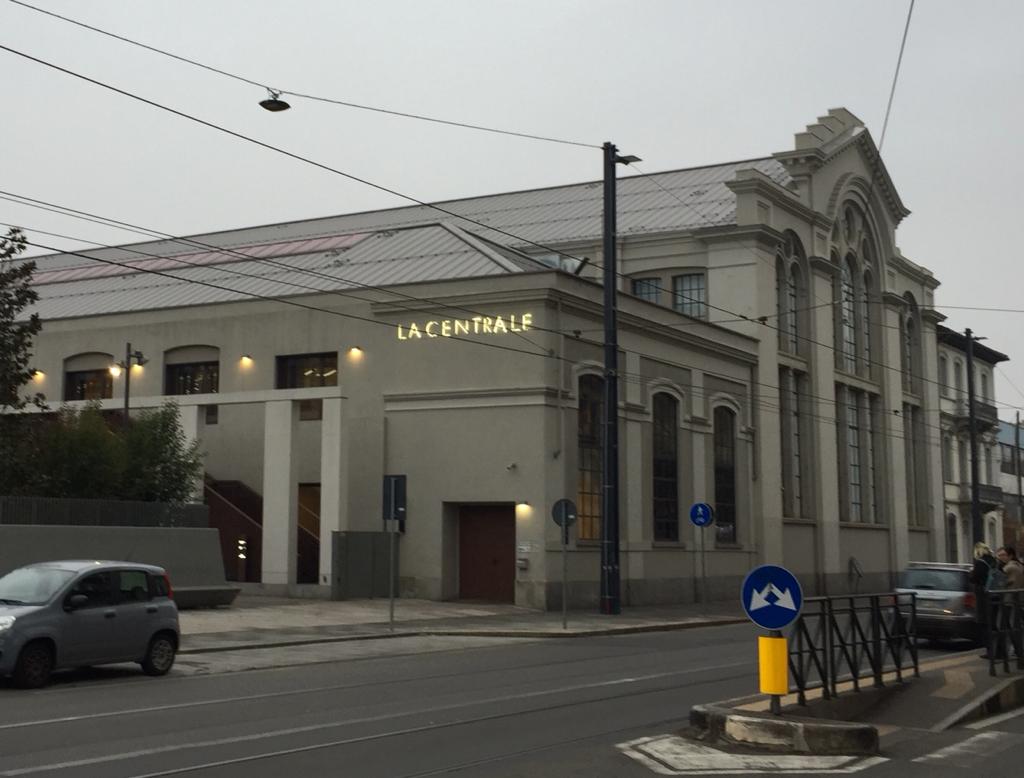
The Nuovo Piccolo Teatro di Milano, now known as Teatro Strehler, was designed with Pietro Crescini through a process that began in the late 1970s and continued for many years. The Italian Ministry of Culture attributes the architectural design to Zanuso and Crescini and documents a building organised around the main auditorium, with stage spaces, workshops and technical functions integrated into the complex.
Piccolo Teatro records that the venue, designed by Zanuso, was inaugurated in January 1998.
Here too, the complexity of the programme is not resolved by applying a form from the outside. Circulation, theatrical requirements, structure and the relationship with the urban fabric all contribute to defining the architecture.
Why Marco Zanuso remains important in 2026
In 1994, ADI awarded Marco Zanuso the Compasso d’Oro for Lifetime Achievement, describing him as one of the great masters of industrial design and a leading figure in Italian design culture.
Yet his relevance does not depend solely on awards or on the continued presence of Lady, Doney, Radio Cubo and Grillo in museum collections.
Zanuso worked on an issue that remains central today: how to transform technological change into a form people can understand.
With Lady, new materials made another way of constructing upholstered furniture possible. With Lambda, automotive sheet-metal technology entered furniture design. With Doney, the arrangement of electronic components determined the dimensions of the television. With Radio Cubo, technology disappeared when it was not needed. With K4999, plastic generated a new typology instead of imitating earlier materials. With Grillo, miniaturisation changed the user’s gesture.
The exhibition dedicated to him by Triennale Milano in 2025 brought renewed attention to precisely this ability to think of design as an expression of modernity rather than an exercise in style. In 2026, this is perhaps the most effective key to rereading Marco Zanuso: a designer for whom architecture, furniture and electronics belonged to the same process, and in which form, technology and production had to find a common logic.