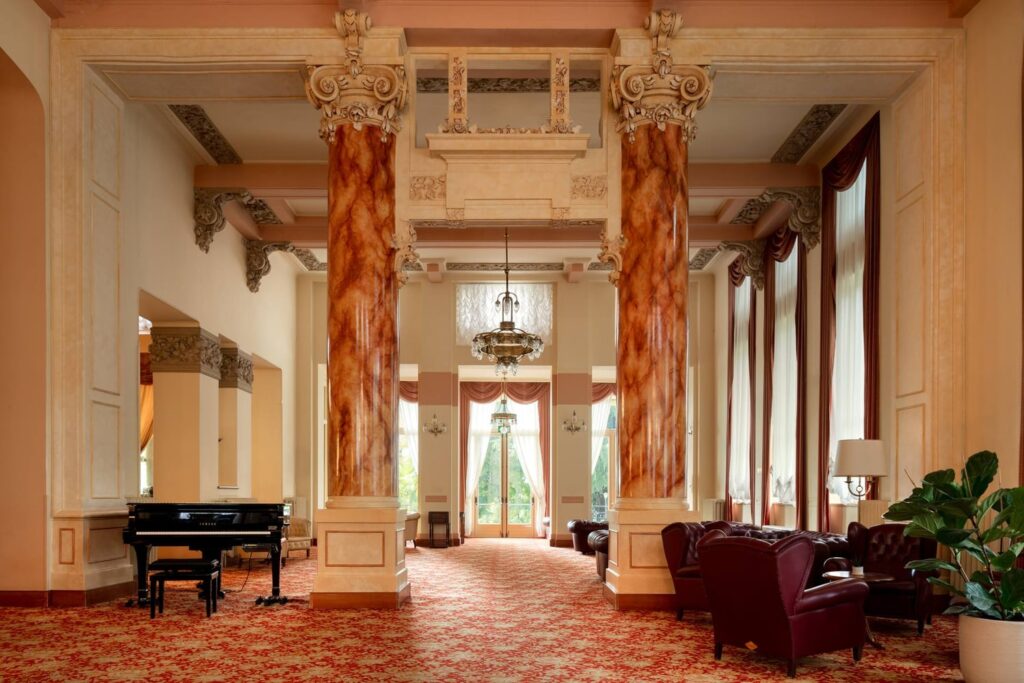
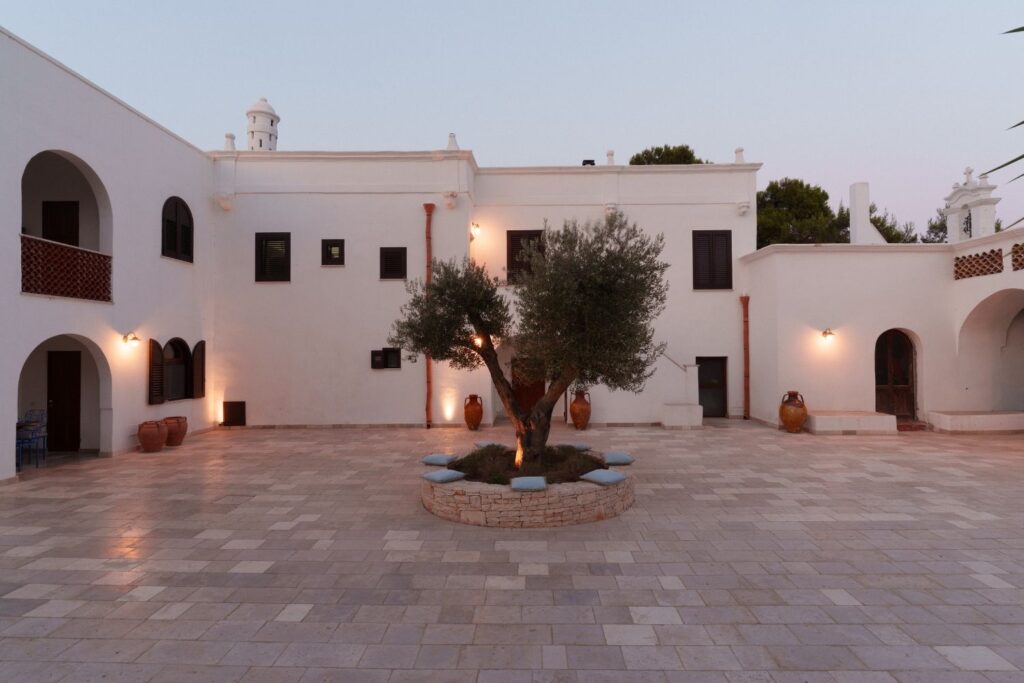
The 50 Best Hotels 2026 celebrates six Italian properties: Passalacqua, Four Seasons Firenze, Casa Maria Luigia, Bulgari Roma, Portrait Milano and San Domenico Palace.
From Passalacqua on Lake Como to Casa Maria Luigia, Bulgari Roma and Portrait Milano: Italy claims six places in The 50 Best Hotels 2026. The ranking also charts the evolution of architecture and interior design in contemporary hospitality.
A hotel ceases to be simply a place to stay when architecture, interiors, landscape and service speak the same language. This idea of hospitality emerges from the new edition of The 50 Best Hotels 2026, unveiled on 15 September at Les Salles du Carrousel in Paris.
The ranking spans 22 destinations and six continents. Europe is the most represented region with 21 properties; Italy places six hotels in the top 50, matching France. Rosewood Hong Kong retains the top spot, followed by Capella Bangkok and Four Seasons Bangkok at Chao Phraya River.
Passalacqua is the highest-ranked Italian property, fifth overall and winner of both Best Hotel in Europe 2026 and the Best Boutique Hotel Award for the third year. Casa Maria Luigia, ranked 18th, receives the Lavazza Highest New Entry Award.
Passalacqua: an ideal Italian home on Lake Como
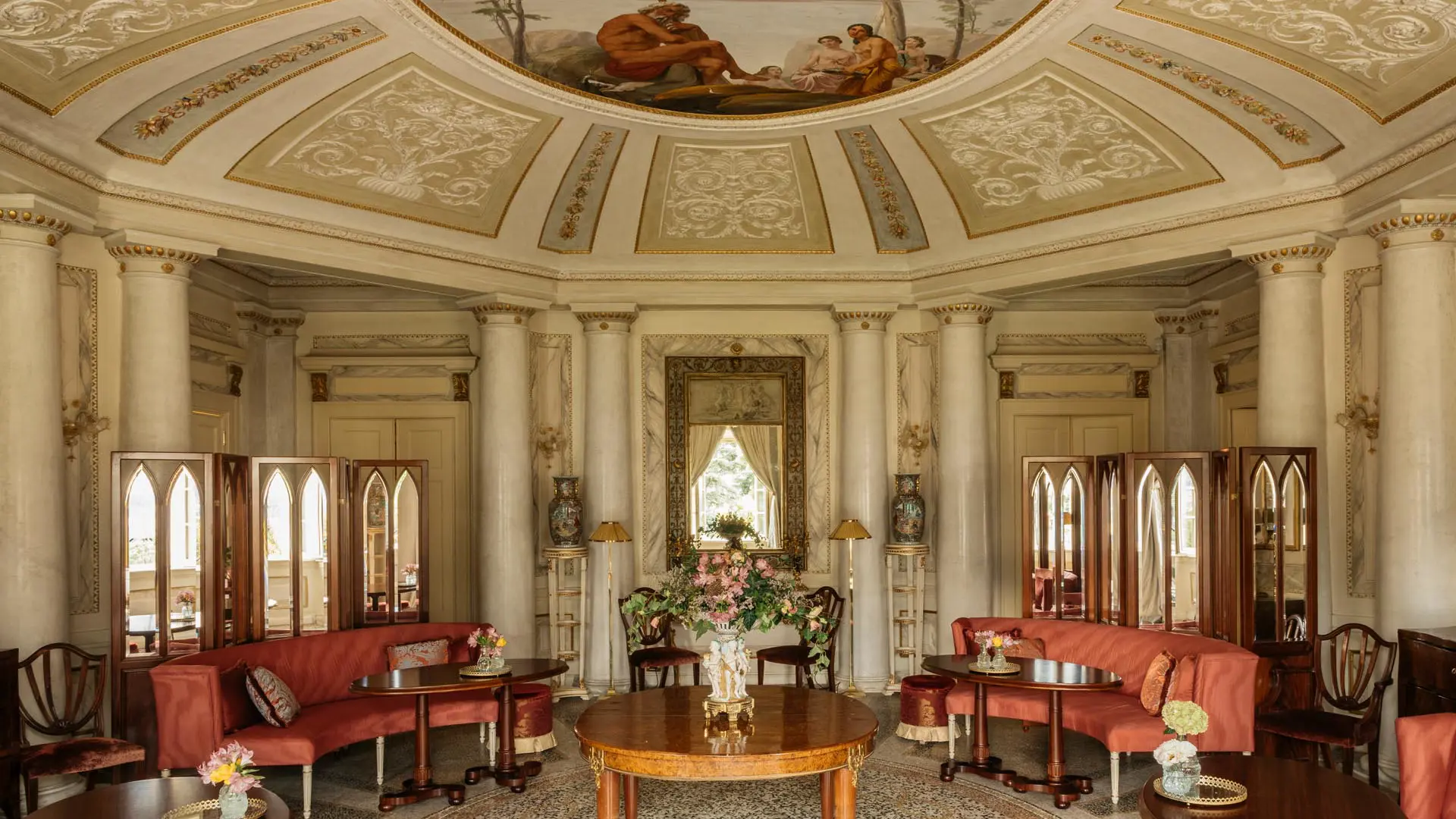
Ranked fifth worldwide, Passalacqua occupies an 18th-century villa overlooking Lake Como. Rather than following the conventional resort model, it feels like a grand private residence: layered, domestic and filled with objects, fabrics, decorations and rooms that appear to have evolved over time.
Luxury here is not entrusted to immediate spectacle, but to the quality of the details, the relationship with the landscape and an approach to interiors that feels closer to a home than a hotel. The Villa, the Palazz and the Casa al Lago create an intimate and distinctive hospitality experience curated by the De Santis family.
The restoration planning and interior architecture were led by BAMO, with Venelli Kramer serving as local architect. The pool area and Winter Garden were designed by J.J. Martin and La DoubleJ.
This direction is significant for contemporary design too: after years dominated by minimalist, standardised environments, demand is growing for narrative, tactile and highly personal spaces.
Four Seasons Firenze: history as a design material
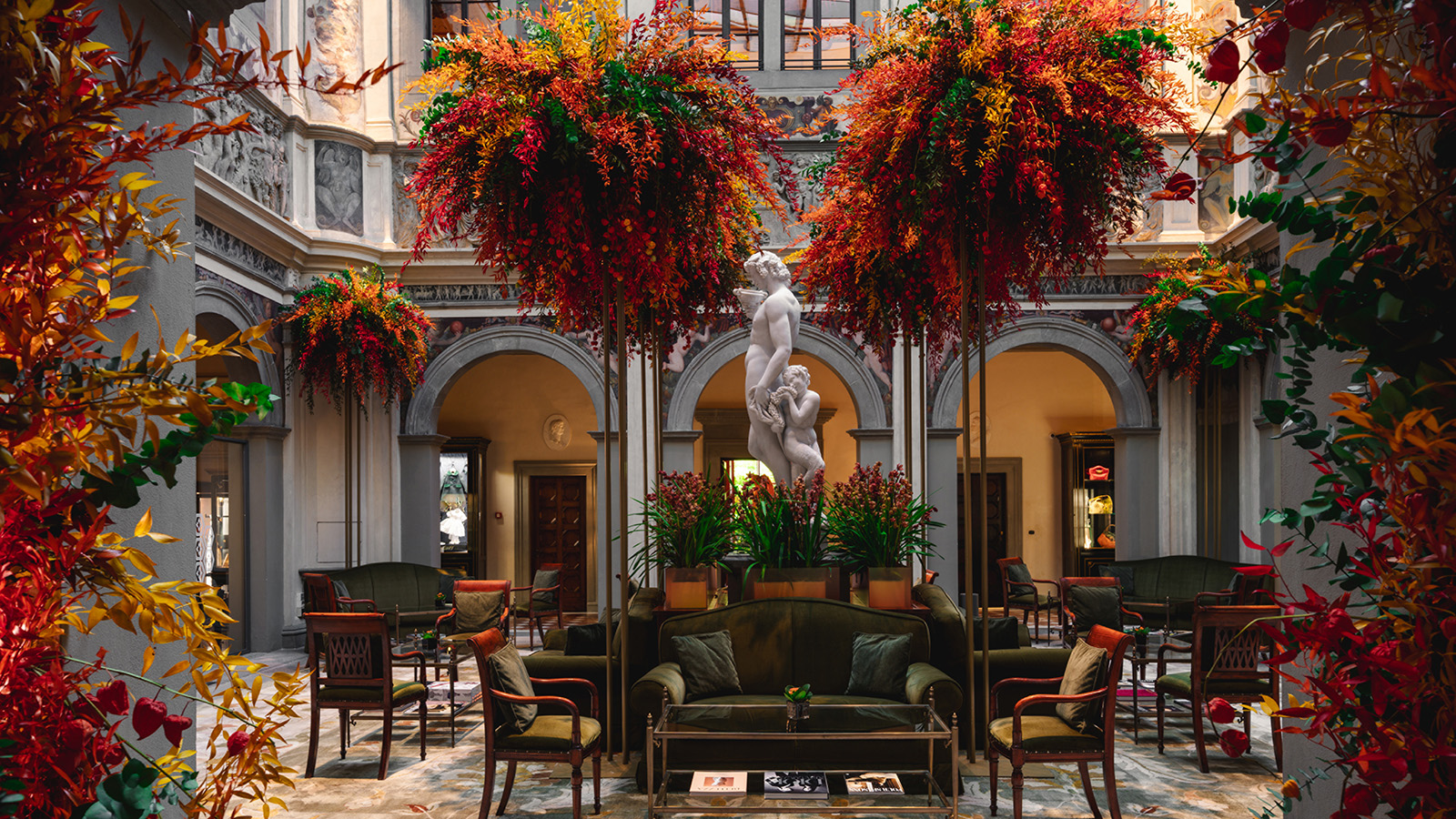
Four Seasons Hotel Firenze ranks 12th and is one of the most emblematic examples of how high-end hospitality can engage with Italy’s architectural heritage.
The experience emerges from the meeting of architecture, art and gardens. The interiors do not erase the past: they embrace it as part of the design, transforming frescoes, decorations, surfaces and furnishings into a liveable setting. This is a central strategy in contemporary hospitality: rather than simply creating new luxury spaces, it reinterprets places with a strong identity.
The architectural project is attributed to Studio Noferi and Studio Magris & Partners, while Pierre-Yves Rochon curated the interior design.
Casa Maria Luigia: Italian hospitality becomes an experience
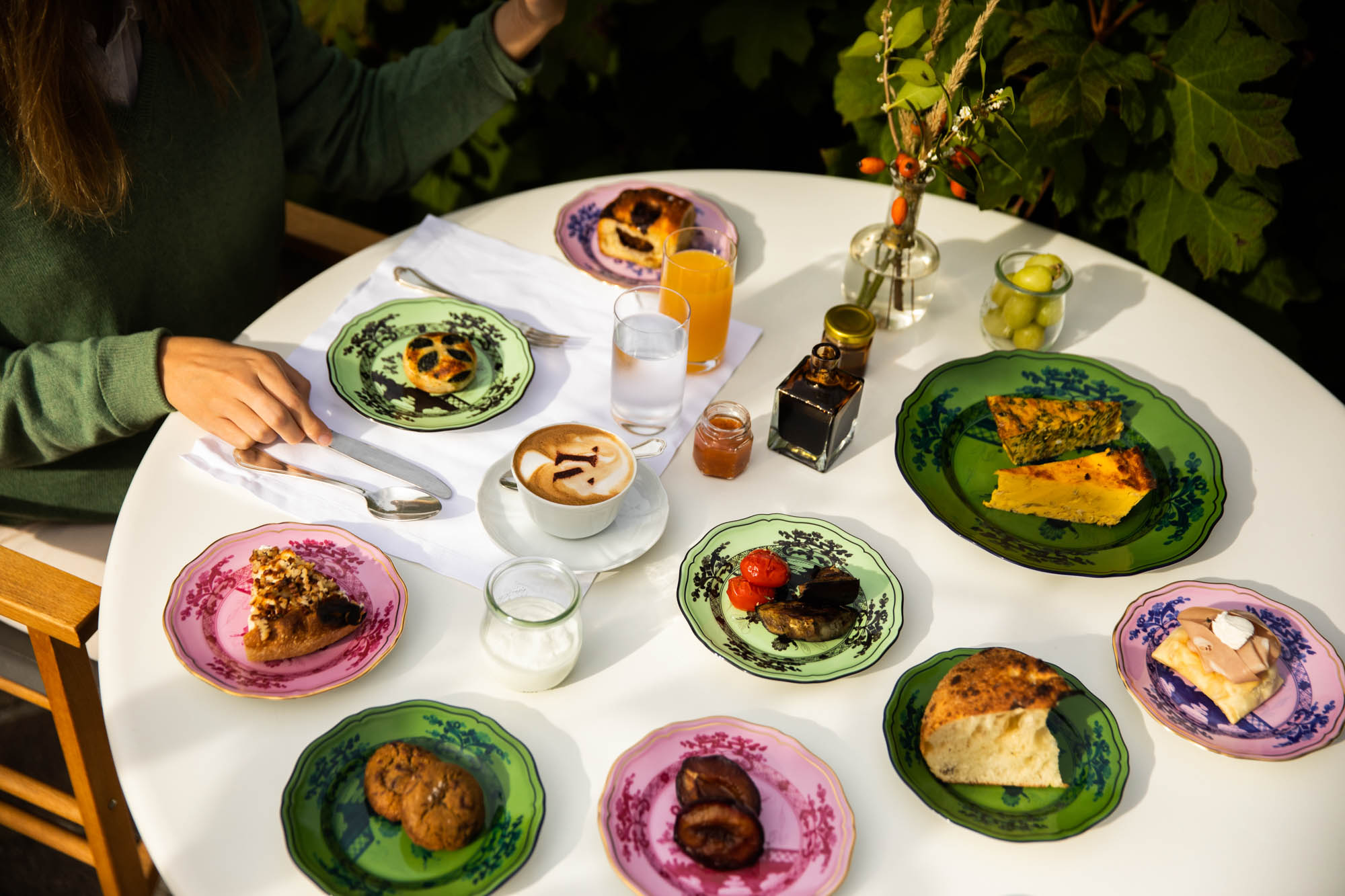
Among the most compelling new entries in the 2026 ranking is Casa Maria Luigia in Modena, which debuts at No. 18, the highest new entry in the entire list. The property has also retained Three MICHELIN Keys for the second consecutive year, the MICHELIN Guide’s highest distinction for hotels capable of delivering an extraordinary stay, worth a special journey.
Created by Massimo Bottura and Lara Gilmore, the guest house offers a form of hospitality distinct from the international grand-hotel model. Its scale is more intimate, its atmosphere deliberately domestic, and its relationship with art, design and gastronomy becomes an integral part of the experience.
The interiors were developed by architect and designer Catia Baccolini together with Bottura and Gilmore, bringing the existing building into dialogue with contemporary furnishings, vintage pieces and the owners’ art collection.
This intimate dimension captures a wider shift: contemporary luxury is moving away from standardisation and towards identity. Not immaculate yet anonymous spaces, but distinctive places capable of telling a story.
Bulgari Roma: monumentality and contemporary design
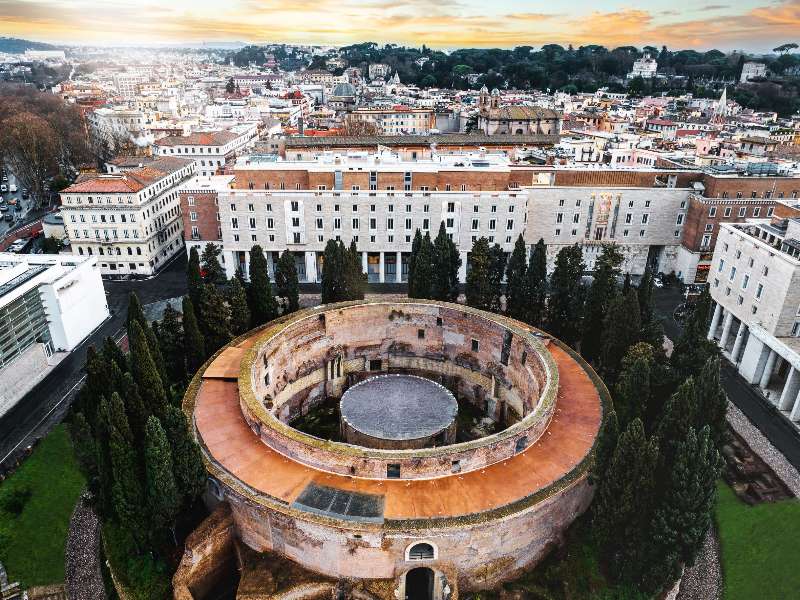
Bulgari Hotel Roma ranks 32nd. Opened in 2023, it occupies a 1930s Rationalist building overlooking Piazza Augusto Imperatore. The design by ACPV Architects Antonio Citterio Patricia Viel brings the building’s lines into dialogue with precious materials, mosaics, Murano glass and references to the history of Rome.
The project also involved Parc Nouveau for the landscape design and Polis Ingegneria for the restoration of the building.
The result embodies one of the most compelling directions in recent hotel interiors: using art, materials and local culture not as mere decoration, but as tools for building identity. The hotel becomes a narrative device capable of connecting the brand with its Roman setting.
Portrait Milano: the hotel becomes part of the urban fabric
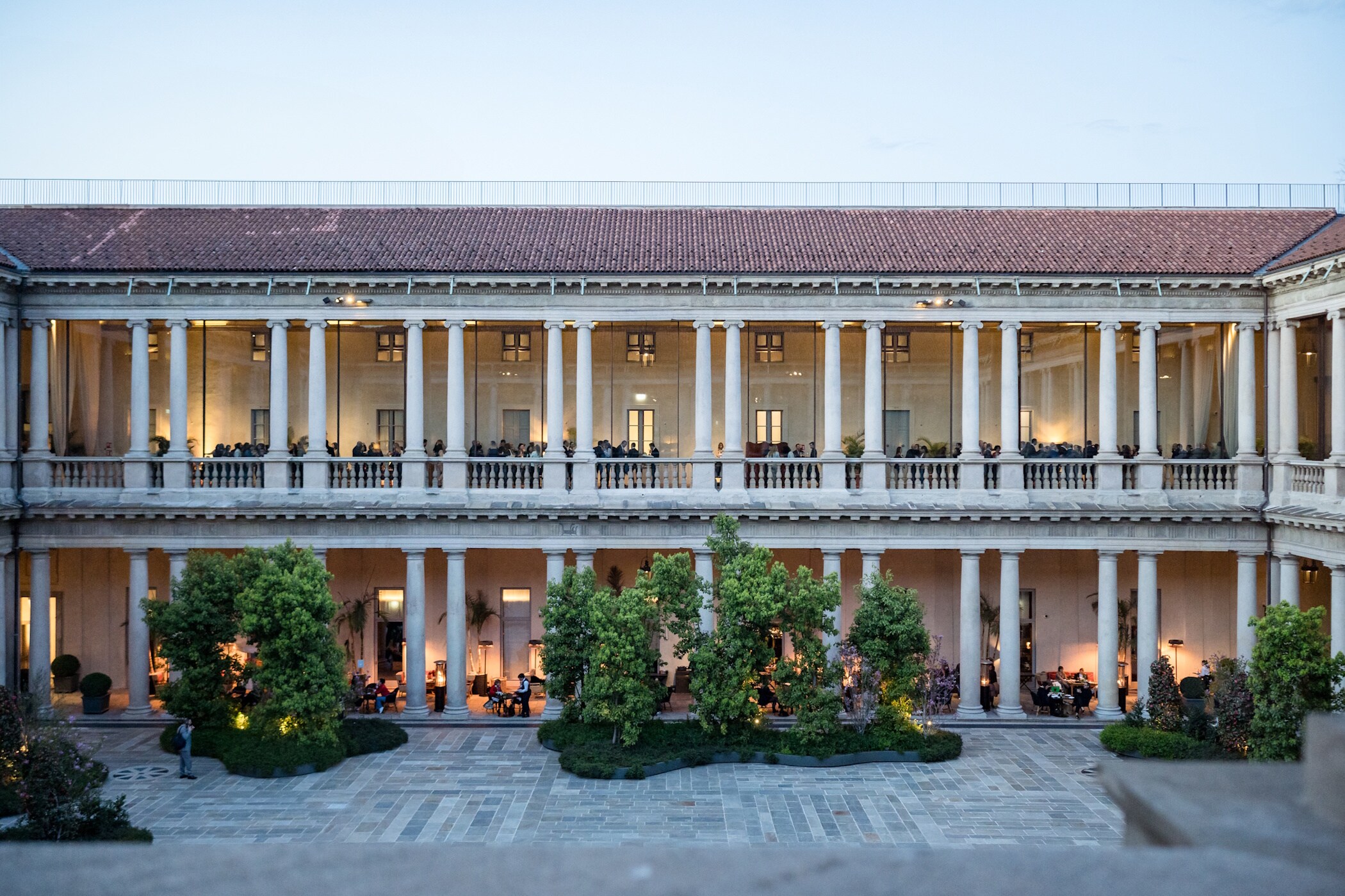
Portrait Milano enters the ranking at No. 39. Set within the former Archbishop’s Seminary in Milan’s fashion district, its 73 rooms and suites overlook a system of spaces where hospitality, dining, shopping, wellness and culture come together.
The restoration and renewal of the former seminary were led by Michele De Lucchi with AMDL CIRCLE; the interiors, inspired by 20th-century Milanese residences, were designed by Michele Bönan.
The large inner courtyard works as an urban piazza: a permeable space that hosts events and creates a direct relationship between the hotel and the city. It is a model set to become increasingly important—the hotel not as an introverted building, but as social infrastructure for the neighbourhood.
San Domenico Palace: landscape enters the architecture
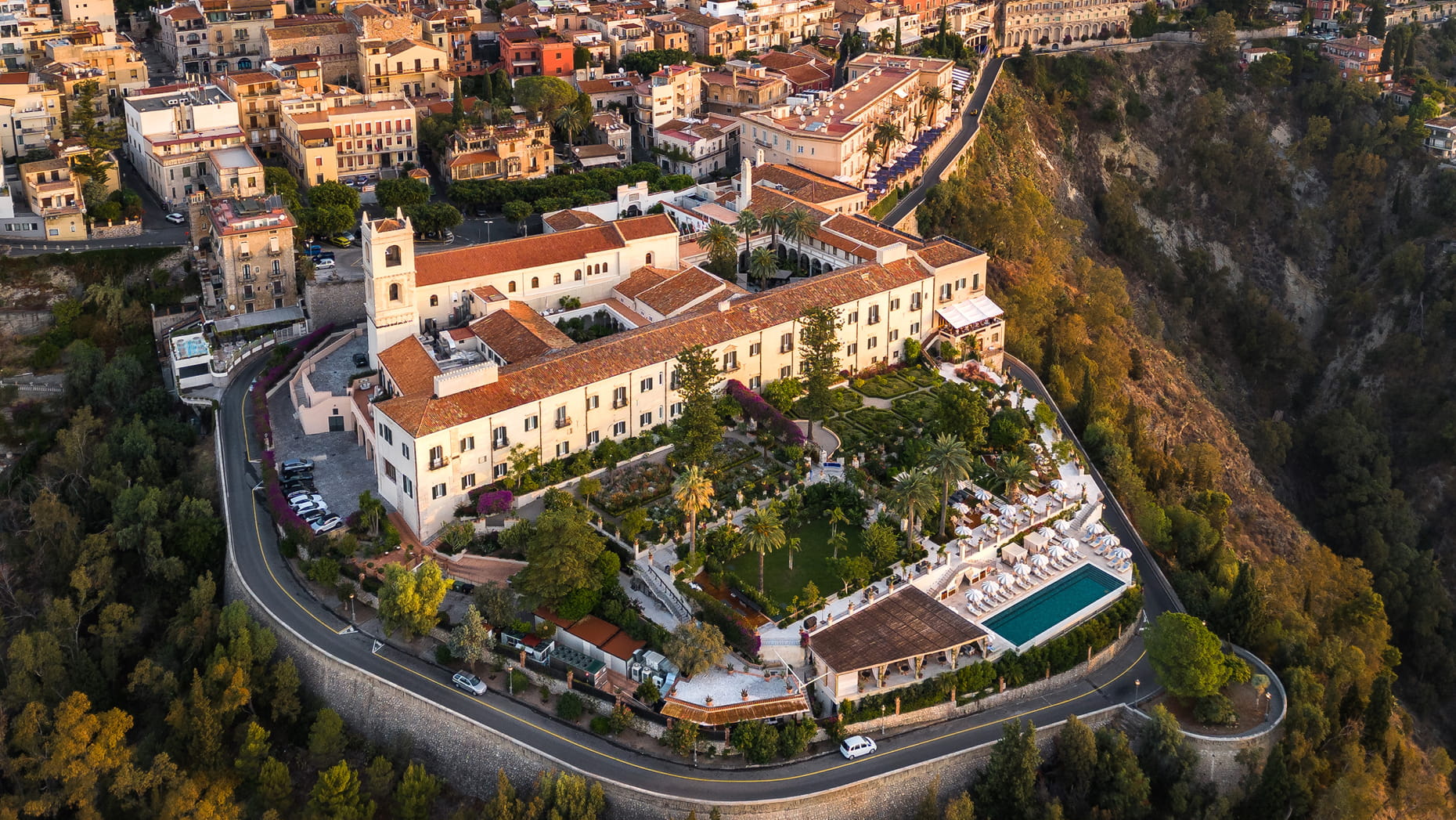
San Domenico Palace in Taormina rounds out the top 50. The property was created through the transformation of a former Dominican convent and is now part of Four Seasons.
The project is shaped by its relationship with the Sicilian landscape: the sea, Mount Etna, the gardens and the historic architecture all become part of the experience. Cloisters, artworks and restored spaces preserve the memory of the site, while the gardens connect the building with the bay and the town.
Valentina Pisani of Studio Pisani Morace Architetti Associati oversaw the interiors and outdoor spaces, while Rosaria Catania Cucchiara directed the historic restoration.
This is a defining feature shared by many of the most celebrated hotels: the project no longer ends at the threshold. Landscape, climate, vegetation and territory contribute to identity as much as furniture and materials.
Why hotels are a laboratory for interior design
The 2026 ranking does not point to a single dominant aesthetic. The urban sophistication of Rosewood Hong Kong sits alongside the minimalism of Aman Tokyo, the tropical architecture of Nihi Sumba, the monumentality of Atlantis The Royal and the historic elegance of many European properties.
The common denominator is not style, but coherence. The most compelling hotels create a complete world in which architecture, interiors, gastronomy, art and landscape all take part in the same narrative.
This transformation makes hospitality one of the most fertile fields of experimentation for architects and interior designers. Our selection of the best design hotels opening in 2026 and the hotels designed by Italian studios tells the same story: today, a hotel must be more than beautiful—it must be recognisable.
The six Italian hotels in The 50 Best Hotels 2026
- Passalacqua, Lake Como — 5th place
- Four Seasons Firenze — 12th place
- Casa Maria Luigia, Modena — 18th place
- Bulgari Roma — 32nd place
- Portrait Milano — 39th place
- San Domenico Palace, Taormina — 50th place
Six very different properties, united by their ability to transform Italy’s cultural, architectural and landscape heritage into a contemporary form of hospitality. The most compelling point is not simply that they rank among the world’s best hotels, but how they achieve it.
Ranking and award source: The 50 Best Hotels 2026, published on 15 September 2026.