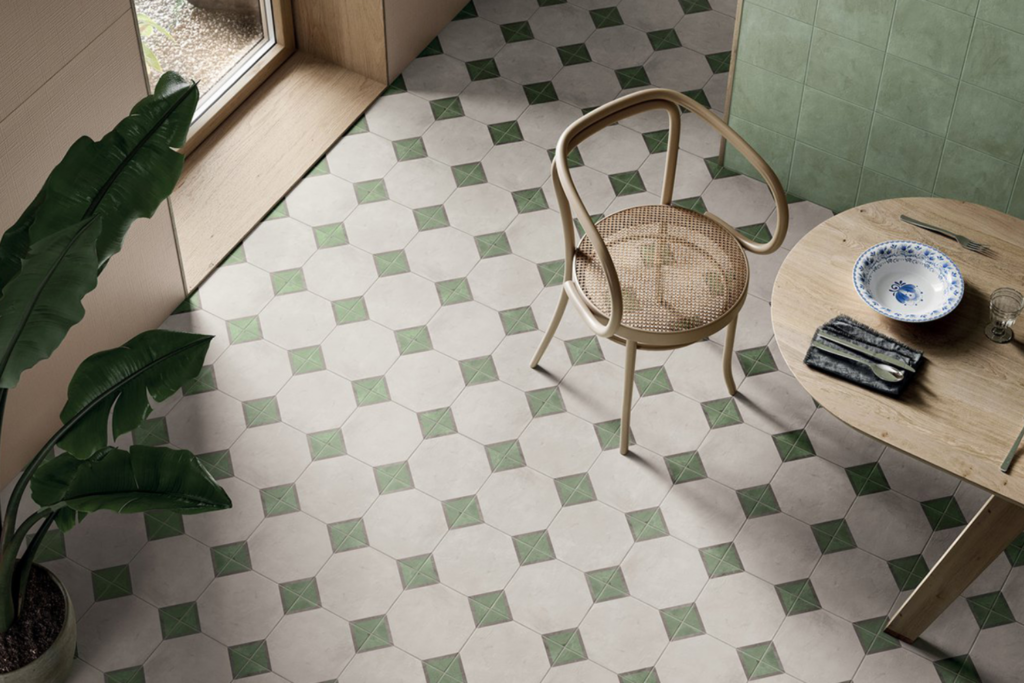
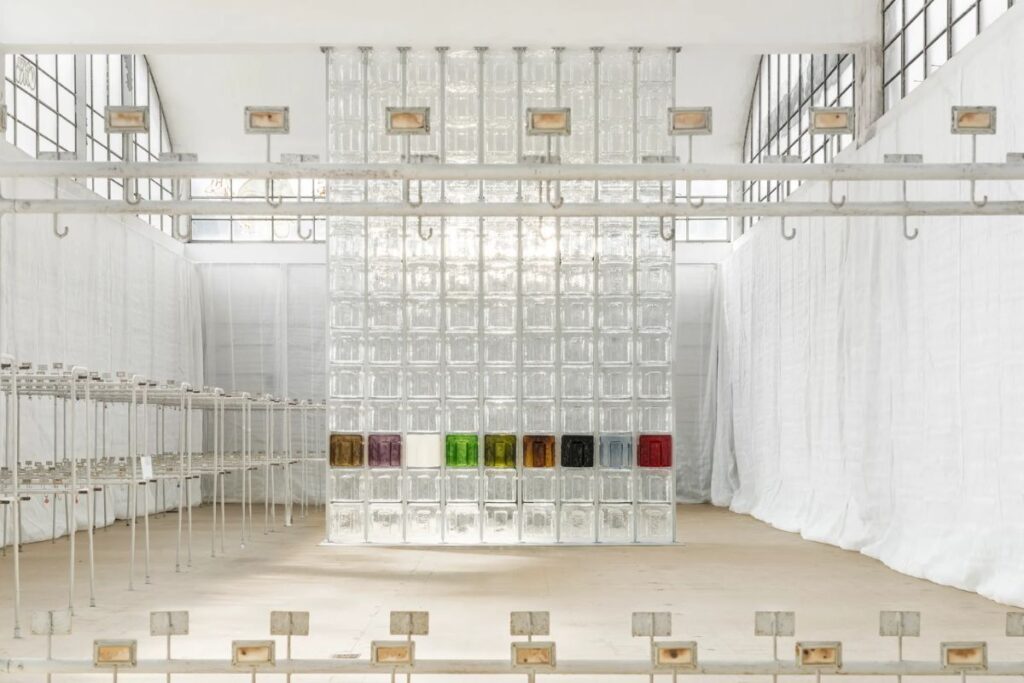
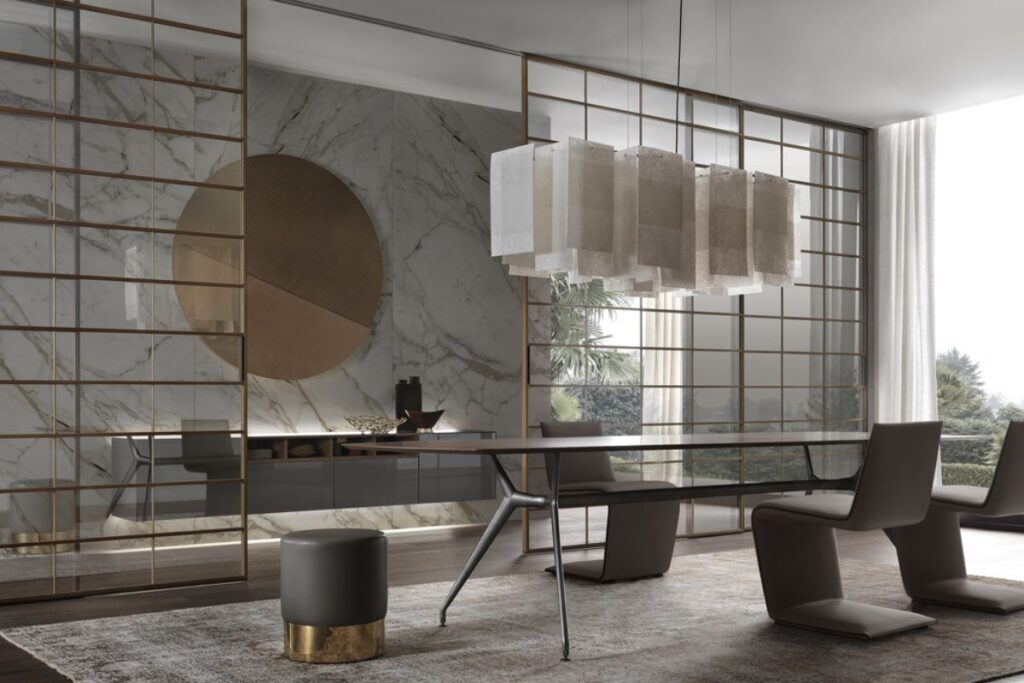
In Bologna from 21 to 25 September, explore ceramics and bathroom design with a focus on informed choices about surfaces, installation and performance.
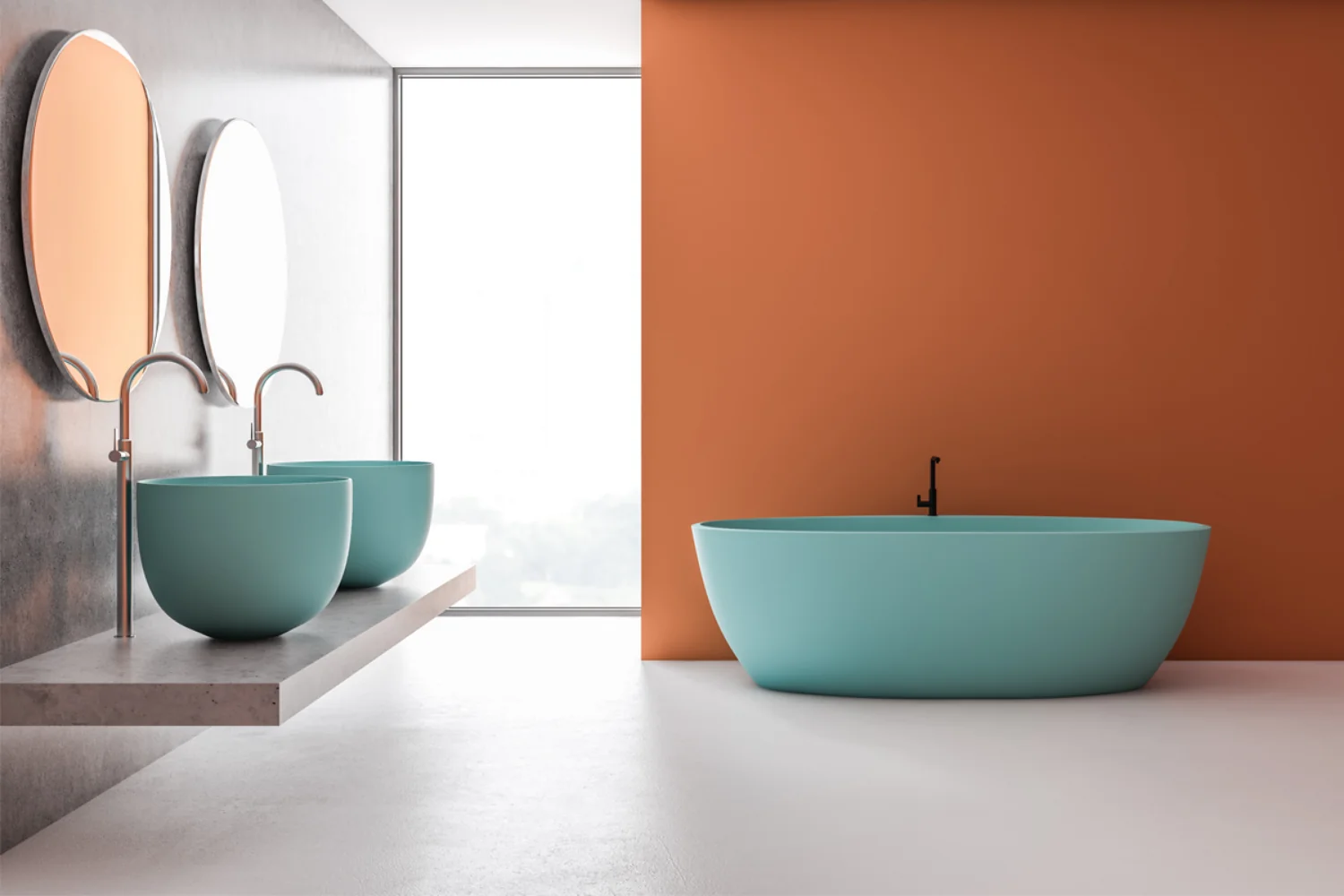
Cersaie 2026 takes place in Bologna from 21 to 25 September. For anyone planning a home, the exhibition of architectural ceramics and bathroom furnishings is an opportunity to compare surfaces that can look similar in photographs yet differ considerably in person. Thickness, edges, reflections and texture matter as much as decoration.
This preview, checked on 7 September, sets out questions to bring to the fair without presenting unseen launches as established findings. The Italian Trade Agency confirms the dates and an initiative for innovative startups and SMEs in the living sector. It adds a useful point of interest for visitors looking beyond collections to processes and services.
Start with the surface’s intended use
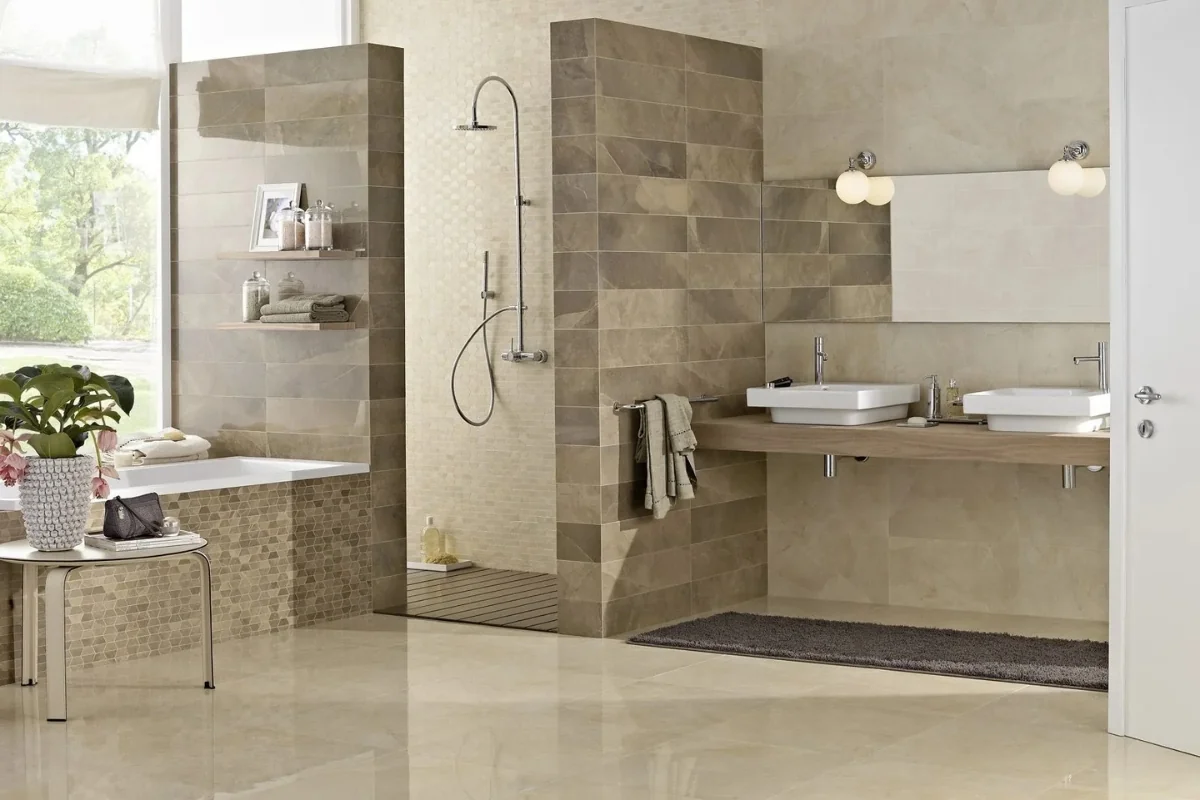
Before discussing colour, establish where the material will go: living-room floor, shower wall, decorative panel or worktop. One collection may include different finishes and thicknesses for different applications. Request documentation for the exact variant rather than assuming that one product’s properties apply to the whole range.
Look at surfaces both straight on and from the side. Raking light makes relief and reflections easier to read. Touching a sample, where permitted, helps assess whether its texture matches the intended appearance. It does not replace documented performance checks for the proposed application.
Large formats need a cutting and joint plan
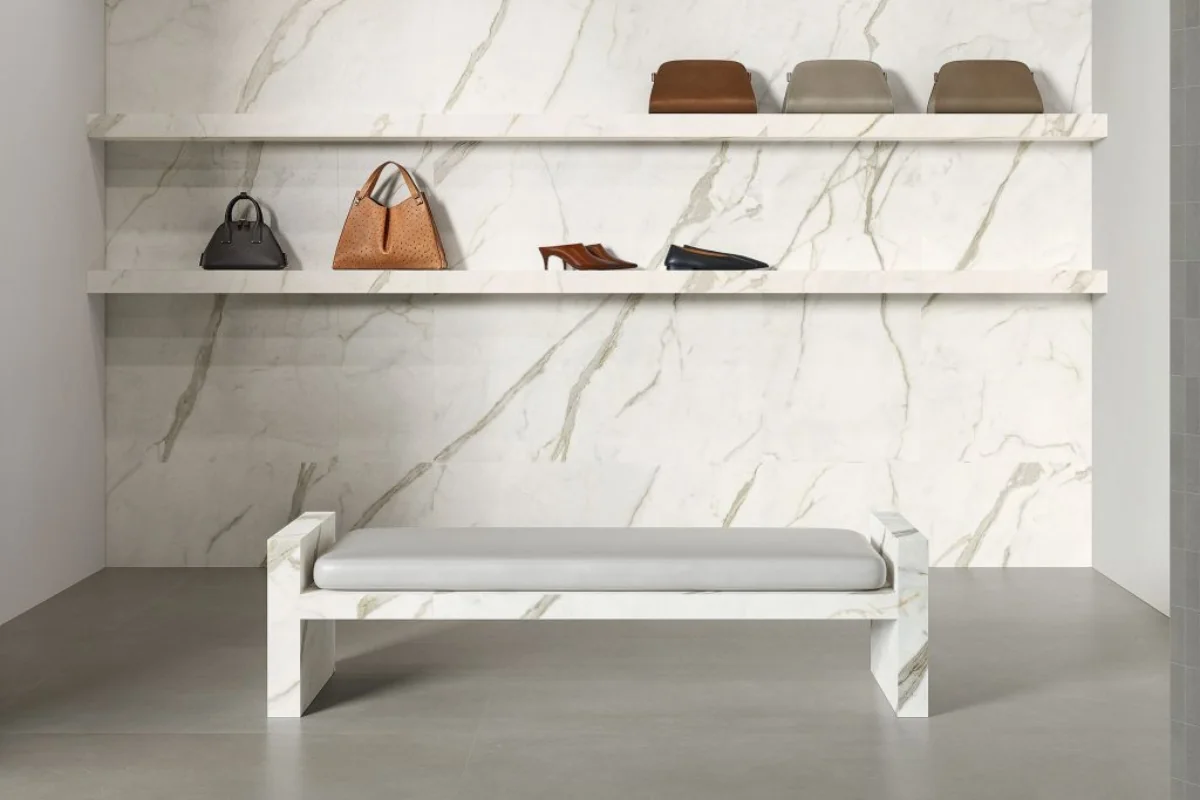
A large slab can create visual continuity, but it also needs a considered installation strategy. Counting grout lines is not enough. Transport, site access, substrate preparation, corners and future replacement all matter. The largest available format is not automatically the right choice for a compact bathroom.
Bring a floor plan so discussions can address junctions, niches and openings. An exposed worktop edge deserves its own detail. For stone-effect surfaces, ask how many graphic variations the range contains and how they are distributed. Repetition may only become apparent across a substantial area of the room.
Treat the bathroom as a coordinated system
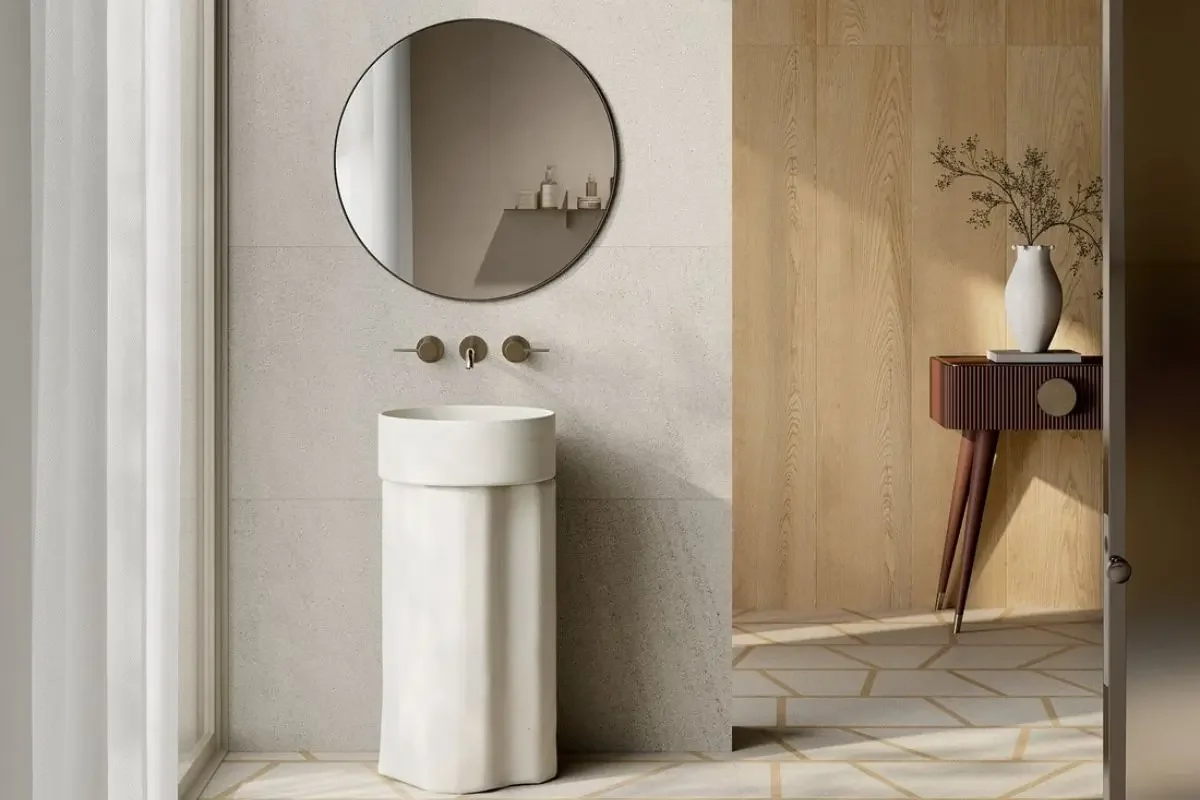
Cabinetry, taps, basin and finishes need to work together. An exhibition composition may have very different proportions from the space at home. Check dimensions, drawer clearance, spout position and access for maintenance. Useful measurements matter more than a close visual resemblance to the display.
For showers, distinguish decorative finishes from the system that manages water. Cladding, waterproofing, falls and junctions require a coherent professional design. A surface displayed in a bathroom setting does not mean that every version is suitable for every wet-area application.
Natural stone and stone effects: compare expectations
Ceramics and natural stone can share a colour reference without being interchangeable. Our guides to Ceppo di Gré and Rosso Levanto in interiors help examine stones that may inspire decorative graphics. Compare variation, fabrication and maintenance as well as visual resemblance.
Someone seeking consistency may prefer a controlled appearance. Someone selecting natural slabs needs to assess their individual character. Neither preference creates a universal hierarchy. The appropriate material responds to intended use, the complete project budget and the level of care the owner is prepared to provide.
Environmental claims need supporting documents
Ask which product a claim concerns and what boundaries were used to assess it. A statement about a factory is not necessarily a certification of an individual surface. Recycled content, service life and transport distance also describe different issues; they should not be collapsed into one general “green” message.
The European Commission’s information on coverings and the EU Ecolabel provides an institutional reference for understanding the label. Check its applicability to the specific product rather than inferring it from a company name or broad marketing language.
What to take to the fair, and what to bring back
Prepare a folder with dimensions, photographs of actual lighting and three essential project requirements. During meetings, record the complete product name, finish, format and technical contact. Ask about indicative sample and supply times, distinguishing these from confirmed availability for a particular order.
Back home, compare samples with textiles and interior paint finishes in the room where they will be used. A sample lying alone on a table says something different from a vertical surface beside a cabinet. Narrowing the choice to a few comparable options makes discussions with the designer and installer more productive.
Avoid approving a material solely from an image taken at the exhibition. Keep the physical sample and its identifying information together, and resolve outstanding technical questions before specification. If several finishes are being combined, check their junctions as carefully as their individual appearance.
From discovery to a decision
A successful visit produces better-informed choices, not simply a larger image collection. Keep a brief record for each candidate: application, maintenance, installation, complete cost to request and unresolved questions. These details will determine which materials discovered at Cersaie can become part of the home.
Images and credits. Photographers and rights holders can contact redazione@archieinteriors.com about image credits or requests to amend or remove an image. Please identify the article and the image concerned.