From Murano glass to Amalfi paper, from Faenza, Deruta and Caltagirone ceramics to Scarperia knives: Italy’s craft districts, what to give from each and how to recognise the authentic object.
This Christmas, the most contemporary gift has centuries of history behind it: an object made by hand in an Italian craft district, carrying a place, a material and a gesture that no factory can fully imitate.
Italian craft gifts are back at the top of the Christmas list for a clear reason: after years of fast shopping, people want objects with a story they can tell. A glass blown on Murano, a plate painted in Deruta, a knife forged in Scarperia are not simply presents but fragments of a productive geography. They say where they come from, how they are made and why they cost what they cost.
Our view is that craft has become the true domestic luxury, because it brings back into the home the controlled imperfection that industrial design erased. This guide is deliberately focused: it does not repeat our selection of design gifts for Christmas 2026, but travels through the districts, suggests what to give from each and, above all, explains how to tell the authentic object from its imitation.
Which Murano glass should you give, and how do you recognise the real thing?
Authentic Murano glass is identified by the Vetro Artistico Murano trademark, an adhesive seal that only licensed companies may apply to their own production. The mark was created by the Veneto Region under regional law no. 70 of 1994, is registered at European level and is promoted together with the Consorzio Promovetro. Authorised retailers display a window sticker with the logo and an identification number, a detail worth looking for before you walk in.
The mark covers furnace glass, engraved, decorated and cut glass, mirrors, lighting, beads, conterie, murrine and lampwork glass. For a gift, we suggest starting at the table, with a set of glasses or a blown carafe, or choosing a small bedside lamp. Before buying, a visit to the Glass Museum on Murano, established in 1861, trains the eye: there you understand what the invention of clear glass, credited to Angelo Barovier in the fifteenth century, really meant.
Which Italian ceramics should you choose: Faenza, Deruta or Caltagirone?
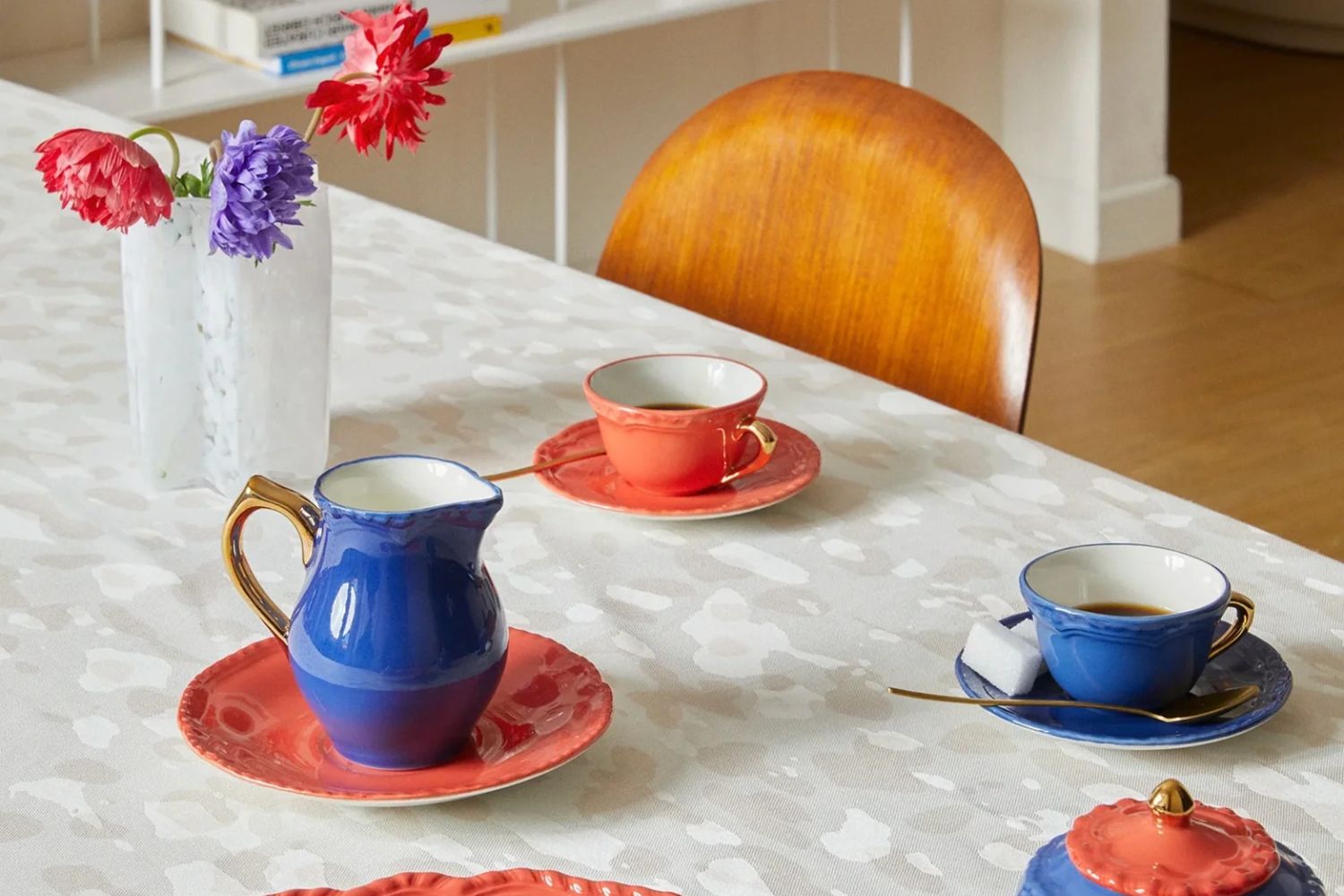
It depends on the person receiving it: Faenza for those who see ceramics as contemporary art, Deruta for lovers of Renaissance maiolica, Caltagirone for anyone who wants the colours of the Mediterranean. Faenza gave its name to faience and is home to the MIC, the International Museum of Ceramics, founded in 1908, which has run an international competition for contemporary ceramic art since 1932. Here the right gift is a signed piece: a vase, a bowl, an object by a ceramicist who works on form rather than decoration.
Deruta has its Regional Ceramics Museum, founded in 1898 and considered the oldest Italian museum devoted to ceramics, with more than six thousand pieces in the former convent of San Francesco. Its European fame rests on sixteenth century lustreware, with its shimmering metallic sheen. Caltagirone, in Sicily, turned ceramics into architecture: the staircase of Santa Maria del Monte, 142 lava stone steps decorated with maiolica, has linked the lower and upper town since the seventeenth century.
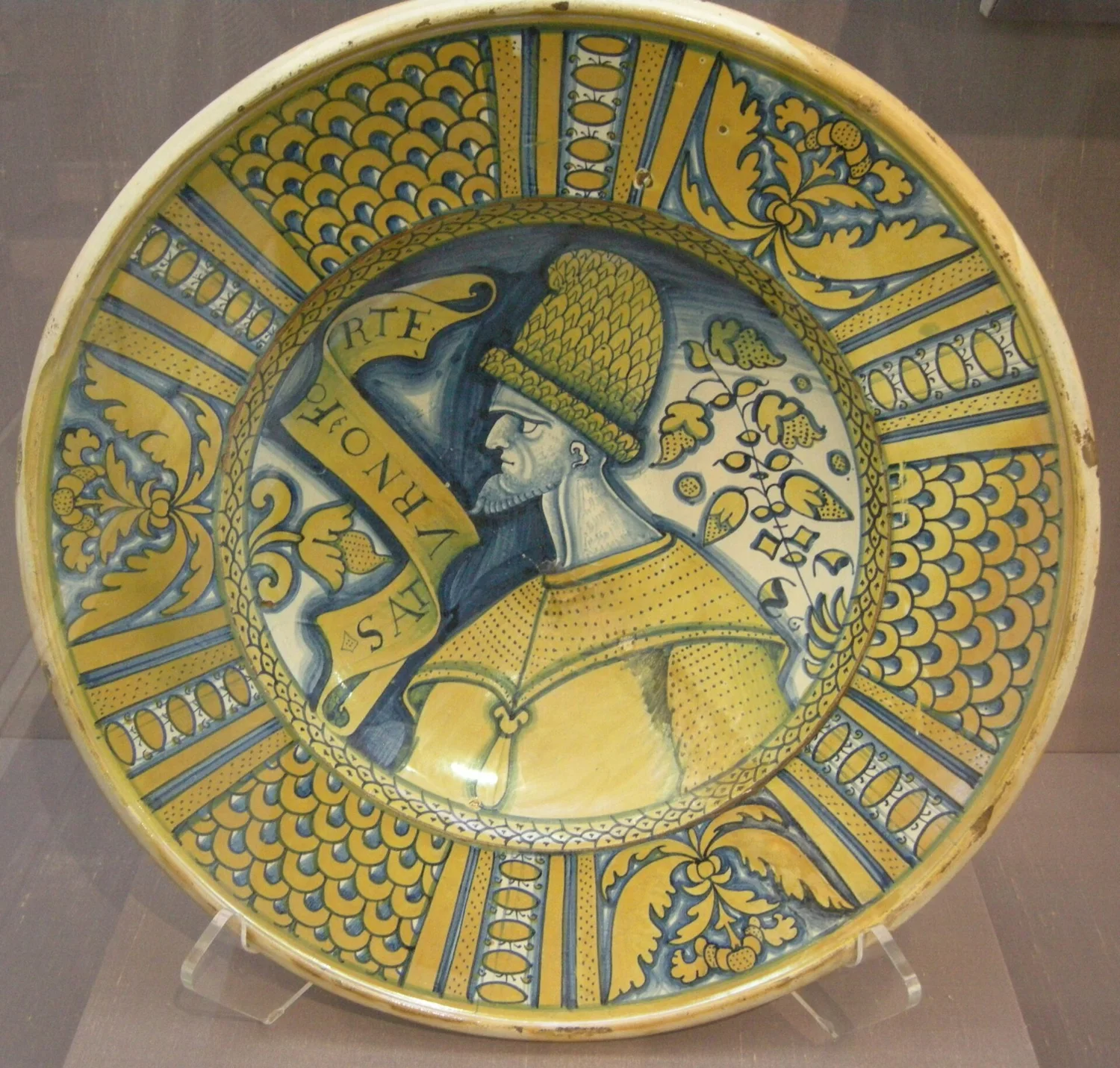
Ceramics also enjoy national protection. Law 188 of 1990 established the mark for artistic and traditional ceramics, which producers in recognised municipalities may apply if they follow the forms, styles and decorations set out in a production code. Asking in the workshop whether a piece carries it is the simplest way to separate local production from imported goods.
What should you give from Val Gardena’s woodcarving tradition?
The most authentic gift from Val Gardena is a wooden sculpture that comes with a metal tag and a certificate of origin. The carving tradition dates back to the seventeenth century, when farming families made cutlery, tableware and tools during the winter months; by the eighteenth century sacred and secular carving, from nativity figures to toys, was already the valley’s main source of income and was exported across Europe and to America.
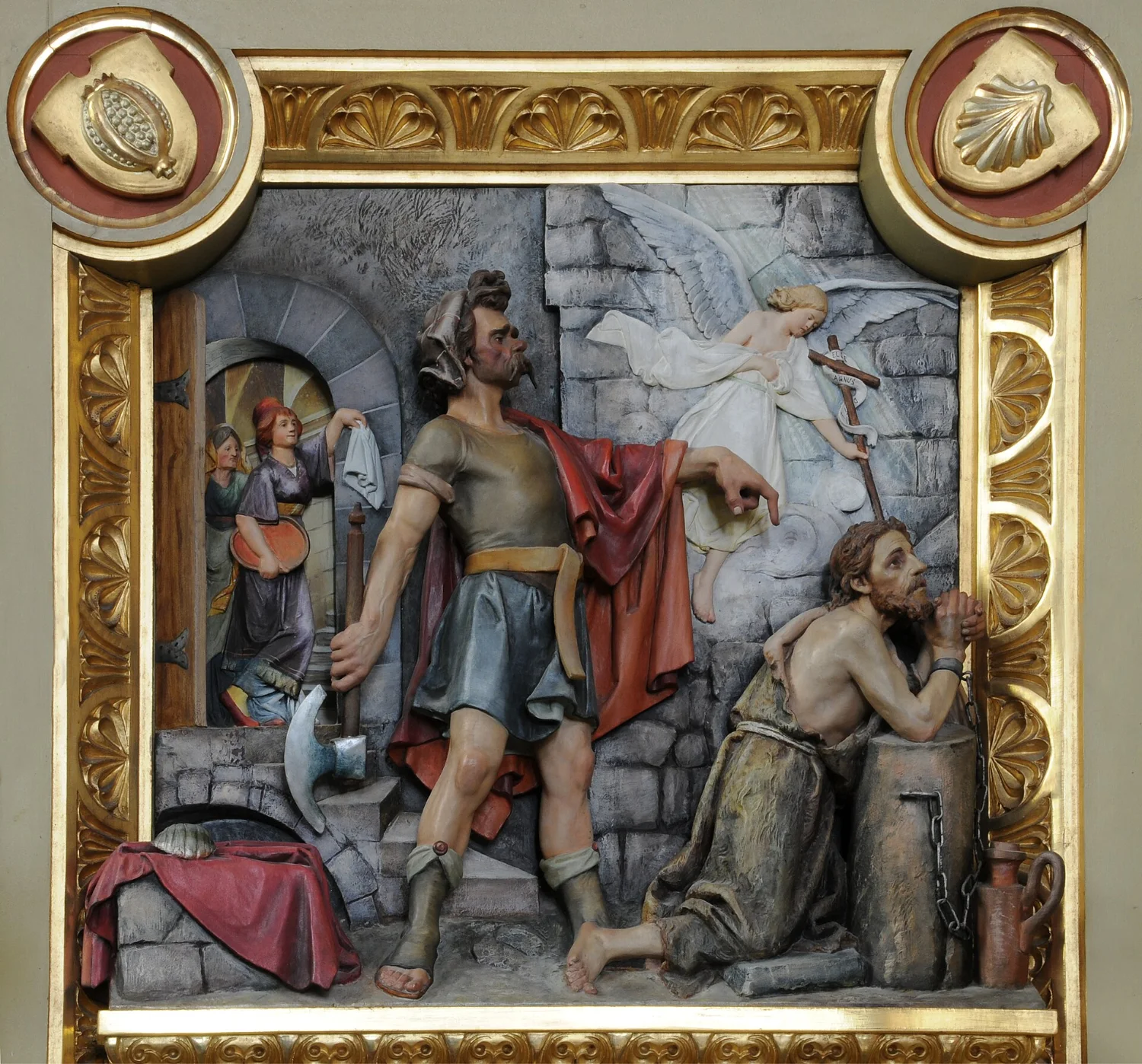
Since 1969 the Bolzano Chamber of Commerce has certified works carved entirely by hand, checking each one individually: they are made without electric tools. The Gardena Art association, by contrast, allows initial roughing out with a pantograph, while finishing remains manual. Both approaches are honest, provided they are declared. To see the valley’s contemporary sculpture, note UNIKA, the fair held every September in Ortisei; and if you are in South Tyrol in December, our guide to the Bolzano Christmas market points to more good hunting ground.
Why is a Scarperia knife a designer’s gift?
Because it is a pure object of use, in which form has matched function for centuries. Scarperia, in the Mugello, was founded by Florence in the early fourteenth century to control the territory, and its position on the roads between Florence and Romagna made it a centre for knife makers. As early as the sixteenth century, workshops were producing table knives for wealthier clients alongside folding knives and working tools.
The Museum of Cutting Tools, in the Palazzo dei Vicari, tells this story and documents the revival that began in the late 1990s, when makers turned to new designs and research. The ideal gift is a folding knife with a horn or fine wood handle, or a set of table knives: objects that improve with use and can be sharpened and handed down.
Amalfi paper and handwoven textiles: which gifts suit lovers of materials?
For anyone who writes, draws or collects, Amalfi paper is one of the most refined gifts Italy has to offer. Its production has been documented since the thirteenth century along the Valle dei Mulini, where the mills harnessed the power of water. The Paper Museum occupies a thirteenth century mill: wooden hammers driven by a water wheel pound rags of linen, cotton and hemp, and the restored machines still run on water from the Canneto stream. A notebook, a set of cards or a block of handmade sheets with deckled edges are small but memorable gifts.
Weaving offers the softer alternative. In Florence, the Fondazione Arte della Seta Lisio works on large hand looms from the late nineteenth century, producing fabrics in silk, gold and silver from designs in its own archive. In Sardinia, Samugheo’s MURATS, the museum of Sardinian textile art, preserves the tradition of rugs, tapestries and pieces in wool, cotton and linen. A cushion, a throw or a small handwoven rug changes a room more than many accessories, as we explain in our guide on how to furnish a home.
How can you recognise authentic Italian craftsmanship?
The first clue is a protective mark, where one exists: the Vetro Artistico Murano seal, the artistic and traditional ceramics mark, the Val Gardena tag. The second is the workshop: a genuine maker shows the studio, explains the production time and signs or stamps the pieces. The third is the object itself, which reveals small differences from one piece to the next, a brushstroke that is not identical, a bubble in the glass, the trace of the chisel.
Our criterion is the one we apply to design: real material, legible workmanship, a form that still holds up after the holidays. Being wary of very low prices and of identical ranges in different cities is common sense. And for an example of living craft still tied to a single street, the workshops of the San Gregorio Armeno nativity makers in Naples are well worth a visit.
Frequently asked questions about Italian craft gifts
How can you tell if Murano glass is genuine?
Look for the Vetro Artistico Murano seal, which only licensed companies may apply to their own production. Authorised shops display a window sticker with the logo and an identification number.
Which are the best known Italian ceramics districts?
Among the best known are Faenza, home of the MIC founded in 1908, Deruta, famous for sixteenth century lustreware, and Caltagirone, with its 142 step staircase decorated in maiolica.
How do you know if a Val Gardena carving is handmade?
Works carved entirely by hand, certified by the Bolzano Chamber of Commerce since 1969, come with a metal tag and a certificate of origin.
What is a good Italian craft gift for someone who loves writing?
Amalfi paper, made by hand from linen, cotton and hemp rags in a tradition documented since the thirteenth century: notebooks, cards and loose sheets are the easiest choices.
Why is Scarperia famous for knives?
Because it has been a knife making centre since the Middle Ages, on the road between Florence and Romagna. The Museum of Cutting Tools in the Palazzo dei Vicari tells its story.