From heating and textiles to lighting and the entrance: fifteen practical tasks to make your home more comfortable and functional before the colder months.
Preparing your home for autumn is about more than changing cushions. It means noticing how you use rooms differently: more hours under artificial light, coats in the entrance, greater attention to opening windows, dining tables becoming desks and evenings on the sofa calling for a different kind of comfort.
The most beautiful home is not the one filled with seasonal objects. It is one where lighting, textiles, organisation and maintenance work together. This guide brings together 15 practical changes, from checks requiring a professional to reversible decorating decisions, in a sequence that helps distinguish what needs doing now from what can wait.
Walk through the house before buying anything
Enter each room at the time you actually use it. In the entrance, try putting down a bag and taking off your shoes. In the kitchen, observe the worktop while preparing dinner. Sit with a book in the living room. In the bedroom, switch on only the light you would use to get up at night. These tests reveal shortcomings more effectively than a perfectly tidy photograph.
Divide your observations into three groups: safety and maintenance, everyday convenience and atmosphere. An inadequate task light may belong to the second; an appliance needing inspection to the first; a fabric you no longer enjoy to the third. The order matters: a new throw does not resolve a draught, and repainting does not eliminate the cause of condensation.
| Priority | What to observe | First action |
|---|---|---|
| Before cold weather | Heating, windows, signs of leaks | Gather documents and arrange necessary checks |
| This week | Entrance, wardrobes, cluttered surfaces | Reorganise with what you already have |
| One evening | Reading, cooking, circulation | Test lighting during actual use |
| After the checks | Textiles, colour, details | Prepare samples and choose a few coherent changes |
The checks that come before decorating
1. Have a professional check the heating
Find the system’s documentation, previous inspection records and operating instructions. Arrange maintenance requiring a qualified technician in accordance with the requirements for your installation and location. Do not improvise dismantling, internal adjustments or work on gas and electrical components.
The Italian energy agency’s ENEA guidance on efficient heating offers useful context. It does not replace a technician’s assessment or local requirements. Consider the home as a whole: the heating system, building envelope and everyday routines.
2. Keep radiators and heat emitters clear
Check whether a long curtain, armchair or console has been moved in front of a radiator. Make sure furniture does not obstruct its intended operation. Even a beautifully furnished room can be uncomfortable when its layout ignores heat distribution.
Clean appliances according to their instructions and safety requirements. Do not use a radiator as an improvised drying rack or conceal technical components behind unsuitable decorative coverings. When a radiator dominates visually, integrating it into the wall composition may work better than hiding it at any cost.
3. Review timing and controls
Programming should reflect the occupied home, not an abstract routine. Note when you are present, which rooms you use and which remain empty for long periods. Ask the technician how to manage your system: a high-inertia installation does not respond like a fast-acting appliance.
We do not suggest one universal temperature. Building conditions, occupants’ needs, system characteristics and applicable limits all matter. Avoid random adjustments and understand what you are changing. If one room remains unusually uncomfortable, investigate the cause before simply turning the heating up.
4. Check windows and draughts without blocking ventilation
Inspect closures, seals and places where you notice unwanted air movement. A damaged seal needs a repair compatible with the window; not every problem can be solved with a universal adhesive strip. Document defects or leaks and consult someone qualified to assess them.
Do not block grilles or openings required for ventilation or appliance safety. Airtightness and air exchange are different matters. Draught reduction must coexist with appropriate ventilation, especially when windows remain closed for longer.
5. Observe condensation, marks and air exchange
Persistent condensation, unusual odours or marks should not be treated as cosmetic flaws to cover with new paint. Photograph where and when they appear and have their possible causes assessed. Decorative finishes do not automatically resolve leaks, thermal bridges or ventilation problems.
Manage air exchange appropriately for the building and installed systems. Furniture positions also deserve attention when problems appear on walls: mention them to the professional instead of treating standard spacing advice as a diagnosis. Recurrent or extensive problems require technical assessment before restyling.
6. Prepare balconies, terraces and outdoor entrances
Tidy movable objects, consult outdoor furniture storage instructions and inspect visible conditions in easily accessible areas. Leaves and debris can accumulate around drainage points; clean only where you can work without risk.
Gutters, roofs, facades and work at height belong to professionals. Do not climb onto parapets or improvised ladders. Record standing water or signs of leaks and request an inspection. Seasonal preparation should not become hazardous last-minute maintenance.
A comfortable home begins at the entrance
7. Give outdoor belongings a place
A functional entrance need not hold the entire wardrobe. It should accommodate what you use during the week: coats, bags, shoes and umbrellas. Consider a stable seat, a small clear surface and storage that leaves the route unobstructed. Every added object should solve an identifiable need.
Test the complete sequence: opening the door, entering with bags, putting them down, sitting and removing shoes. An attractive but overly deep cabinet can make it awkward. Check dimensions on your own floor plan, allowing for doors, cupboard fronts and circulation rather than wall width alone.
8. Reorganise wardrobes and storage before the seasonal change
Do not simply move summer clothing onto a higher shelf. Empty one area at a time, identify items needing cleaning or repair and store them according to their material care instructions. Make contents recognisable: elegant but illegible storage soon creates disorder.
Reserve the most accessible space for what you wear frequently. Try existing shelves and dividers before purchasing more organisers. In the living room, tidying books, remotes and cables can improve the atmosphere more than another accessory. The goal is not an empty house, but one where belongings have understandable positions.
Textiles and lighting: comfort you can see
9. Choose textiles for their texture, not seasonal motifs
Instead of a collection of themed cushions, establish a relationship between textures: a tightly woven sofa fabric, a softer armchair surface and curtains with a weight suited to the room. Make variety legible without multiplying patterns. Compare samples with the floor and existing upholstery.
Check composition, maintenance and everyday performance. A fabric’s beauty is not enough if its care requirements are incompatible with your home. You need not change everything: well-chosen upholstery on a small seat can alter the colour relationship throughout a room.
10. Test the rug with the seating, not in isolation
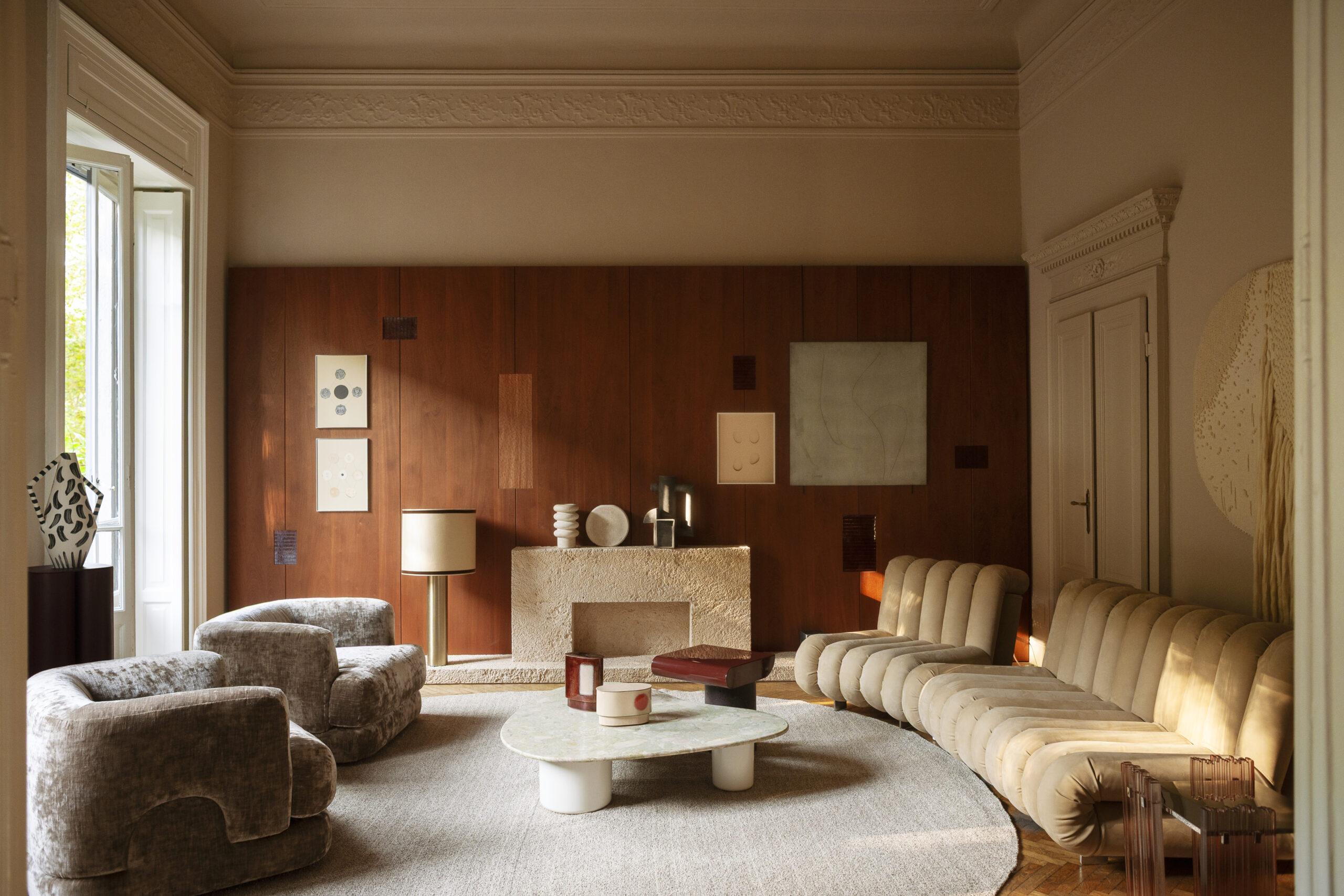
A rug is not simply a patch of colour in the middle of the floor. It should participate in the furniture arrangement. Before buying, mark its footprint with removable tape suitable for the surface and try the seating positions. In the dining area, check what happens when a chair is pulled back.
Consider thickness, stability, a suitable underlay and the relationship with doors. Edges must not obstruct circulation. Cleaning matters too: a delicate pale rug may be unsuitable for a busy area. There is no perfect rug size independent of the room.
11. Build layers of light
One ceiling fitting may illuminate the room while leaving the activity you care about uncomfortable. Separating ambient, task and atmospheric lighting lets you adapt a space without switching everything on. Test a reading lamp while seated, and check reflections on the television and shadows on kitchen worktops.
A photograph suggests a composition; it does not demonstrate the lighting performance of your room. For new fittings, assess technical information, control compatibility and light-source characteristics. Have electrical changes carried out by a qualified professional. A dimmer is not automatically compatible with every lamp. Our guide to circadian lighting provides further context on light and daily rhythms.
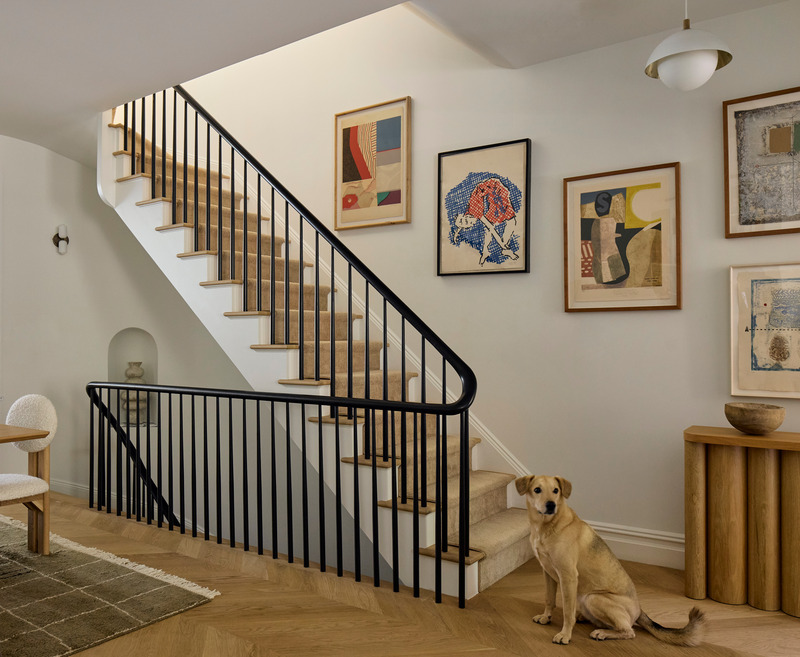
12. Make a corner you will actually use
A reading corner begins with a comfortable seat, suitable light and a reachable surface. The throw comes later. Sit for a few minutes: does the lamp cause glare? Is the table too distant? Does the corner obstruct a route? Repositioning furniture can matter more than replacing it.
If the dining table also becomes a workspace, plan an easy way to clear it: a tray or container for papers and accessories, cables kept out of circulation and task-appropriate lighting. Autumn brings more activities indoors; the arrangement should make transitions between them effortless.
Restyling that does not erase the home
13. Test colour on the right surfaces
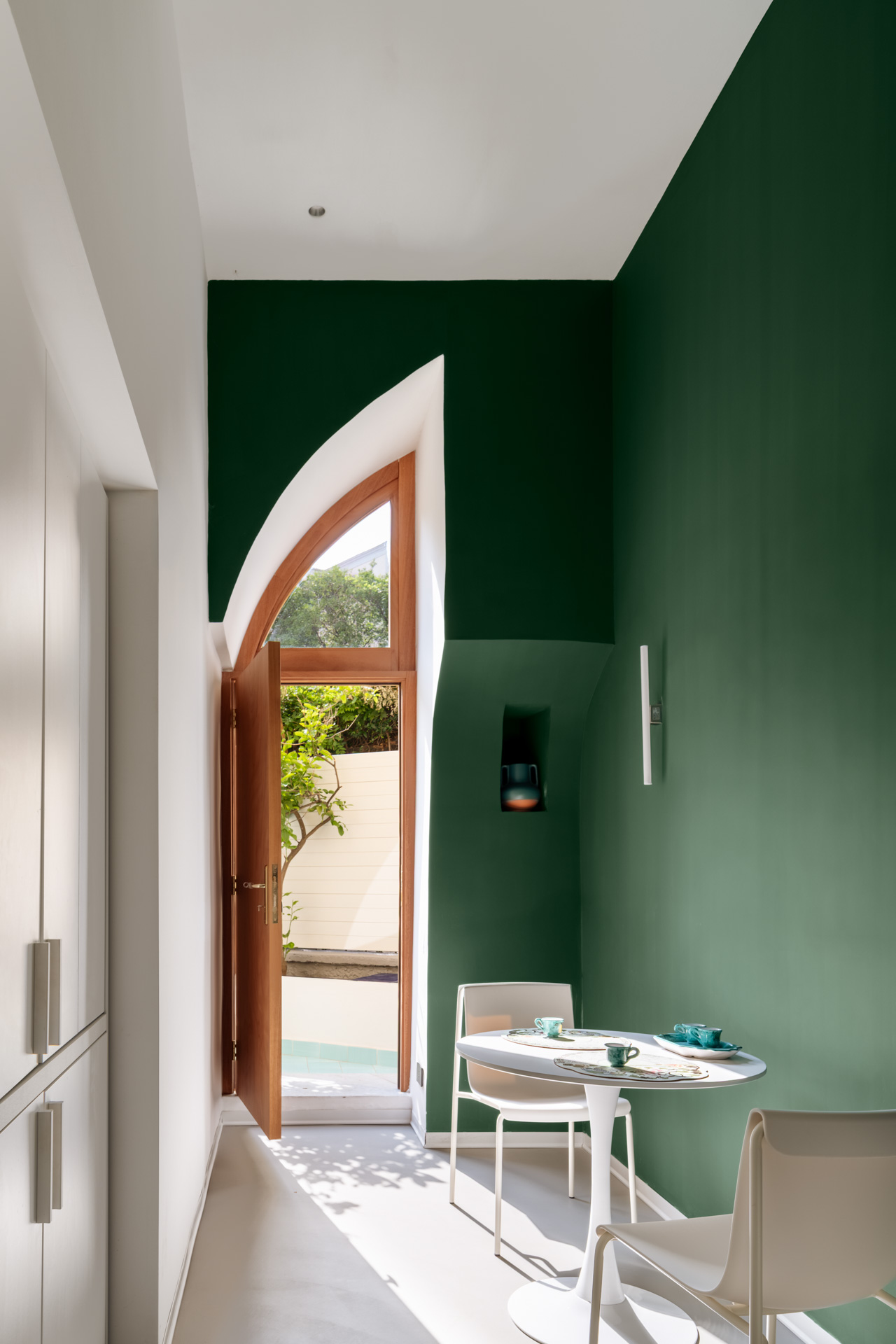
An intense wall can make a dining room feel more intimate; one coloured piece may be enough in a pale living room. Consider the floor, curtains and furniture already present. Do not choose a shade merely because it photographs well. Deep blue, mineral green and muted pink can feel autumnal without making every surface brown.
Include evening light in the test: a shade that convinces beside an open window may change under your usual lamps. For products and finishing systems, consult our interior paint guide and check how the substrate needs to be prepared.
14. Approach wallpaper and pattern as a project
Not every room needs another pattern. Where it helps, define its architectural boundaries: an entire room, a recess or a surface with a clear edge. A random patch behind furniture is often less convincing than a limited but complete intervention.
Request samples and check the repeat, seams, substrate and conditions of use. Wallpaper suitable for a bedroom is not automatically appropriate for every kitchen or bathroom wall. Consider installation and eventual removal before buying, especially in rented homes. Our guide to wallpaper brands supports comparison of the available approaches.
15. Choose three priorities, then stop
A home does not need reinventing every October. Choose one necessary intervention, one improvement to convenience and one atmospheric change: for example, heating inspection, entrance reorganisation and new armchair upholstery. This allows room for quality and reduces purchases that solve nothing.
Keep what works even when it does not align with a trend. A personal object, vintage lamp or already-loved fabric can become the composition’s centre. The most interesting result is often a better-cared-for home, not an entirely new one.
A realistic programme for autumn preparation
- First: system documents, visible problems and necessary appointments. Do not postpone checks to concentrate on decorating.
- Second: entrance, wardrobes and surfaces. Tidy first, then measure what is missing.
- Third: devote an evening to lighting and seating arrangements. Test them at the times you use them.
- Fourth: gather textile and colour samples. Make decisions together about elements that need to work together.
- Finally: buy only what has been checked and arrange work with the people carrying it out.
There is no standard cost: surfaces, products, labour and starting conditions differ. For substantial interventions, compare quotations for the same scope and finishes. A useful budget separates maintenance, installation and furniture instead of combining them in one vague figure.
Frequently asked questions
Where should you start preparing a home for autumn?
Begin with necessary checks and recurrent problems: heating, leaks, windows and ventilation. Then consider the entrance, organisation and lighting. Textiles and colour complete the work; they do not replace maintenance.
Can you make a home more welcoming without new furniture?
Yes. Repositioning seating, clearing surfaces, correcting lighting and changing a few textiles can improve daily experience. Try using what you already own differently before buying.
Should you use only warm colours?
No. Blue and green can work in an autumn interior when materials and light are coherent. Warmth depends on the whole composition, not a compulsory colour family.
How do you avoid an overly decorative result?
Connect changes to actual use. A reading corner should be comfortable, an entrance should accommodate everyday belongings and a fabric should be manageable. Decoration gains meaning when it supports these functions.
When is a professional required?
For heating and other technical systems, electrical work, gas, work at height and building problems requiring diagnosis. Even a restyle may require specialist skills when it alters finishes or technical components.
Images and credits. Photographers and rights holders can contact redazione@archieinteriors.com about image credits or requests to amend or remove an image. Please identify the article and the image concerned.